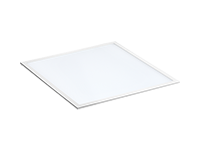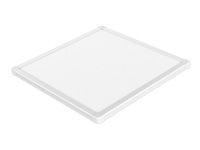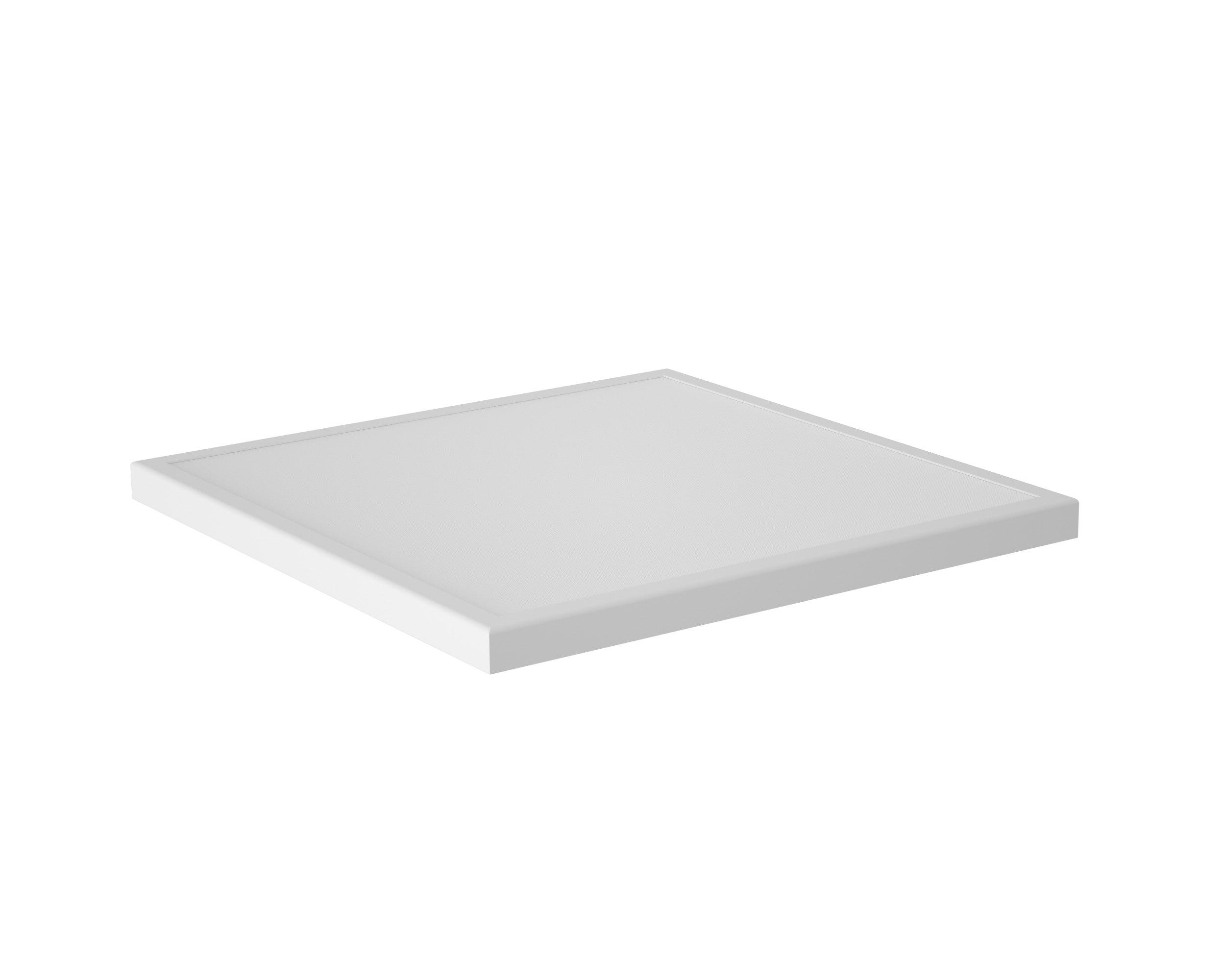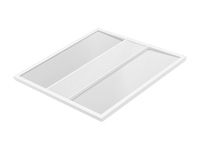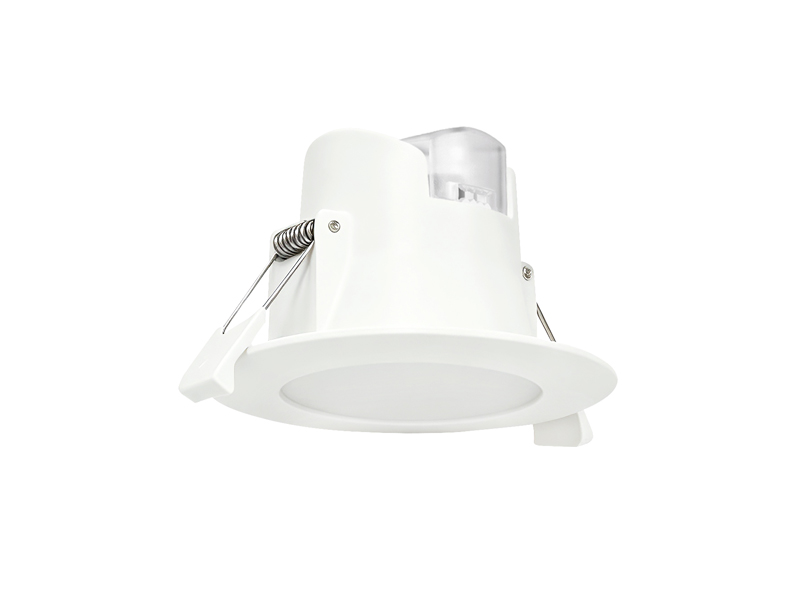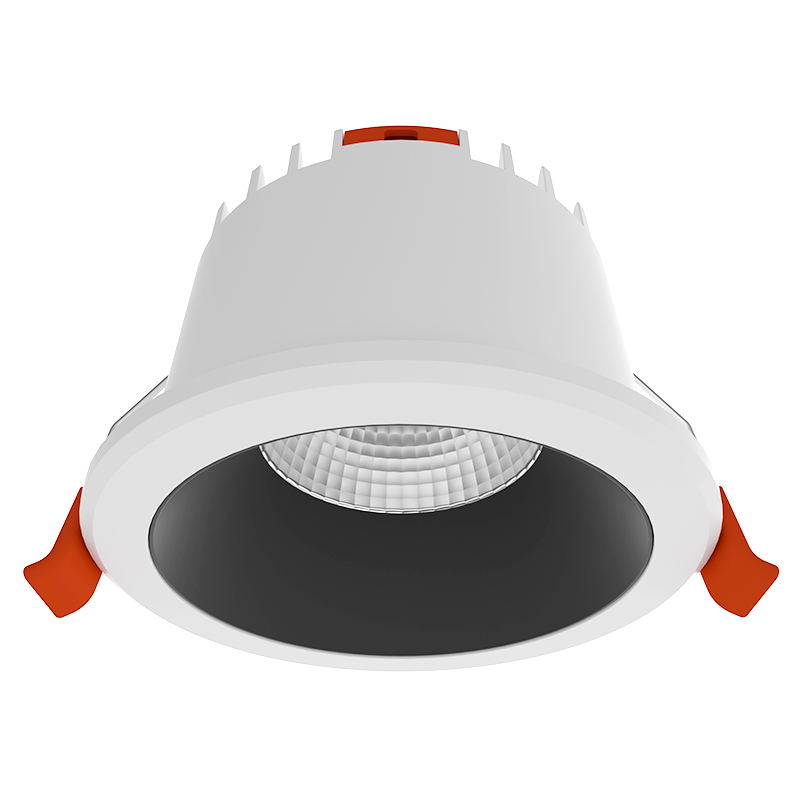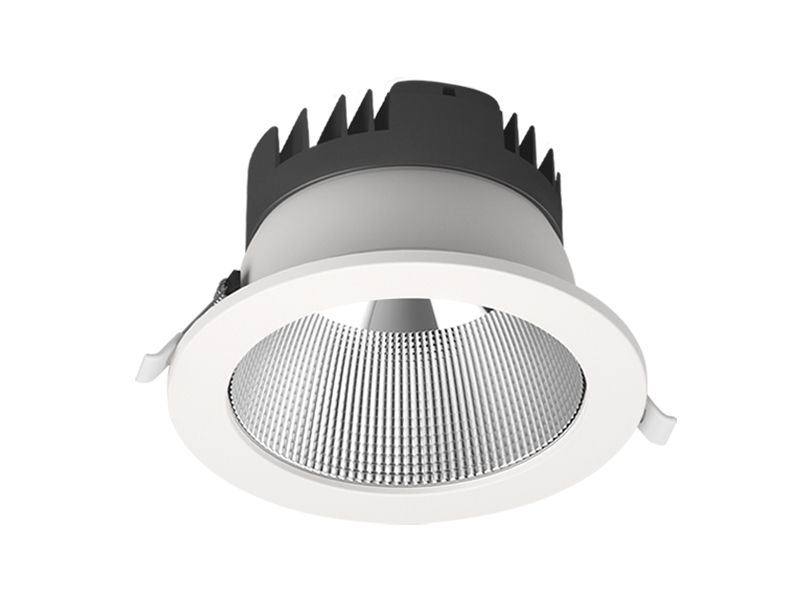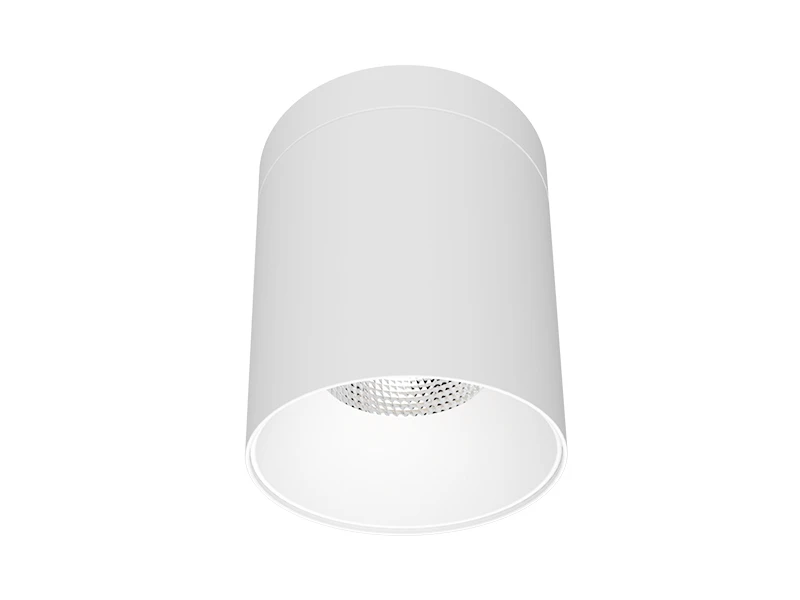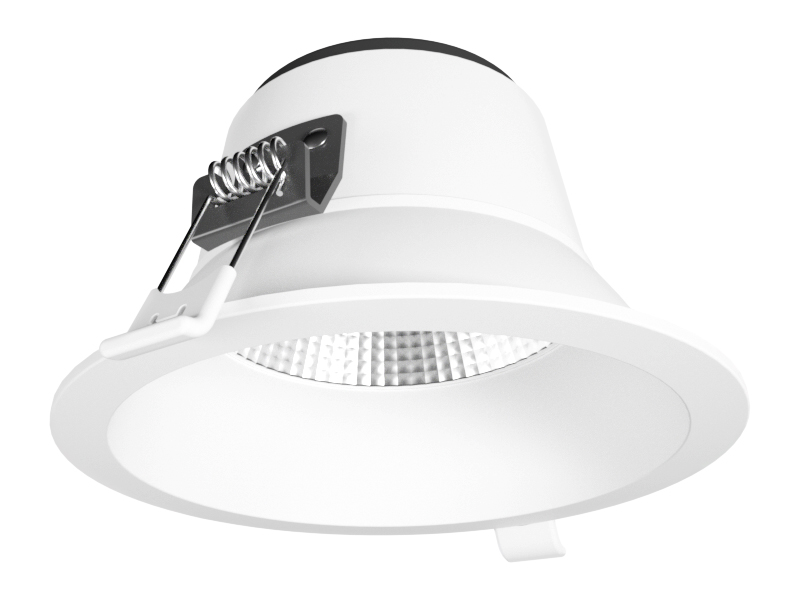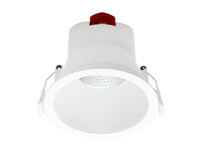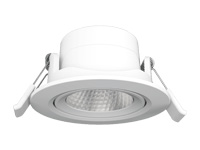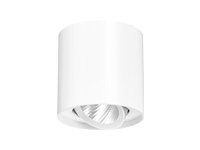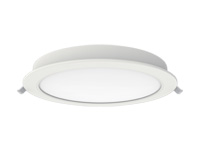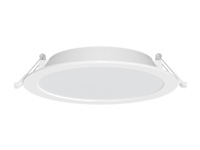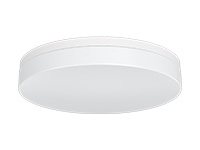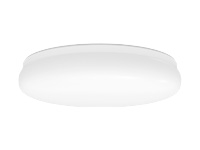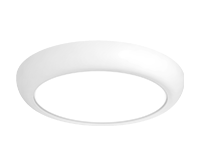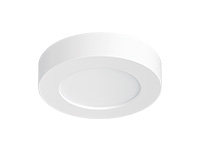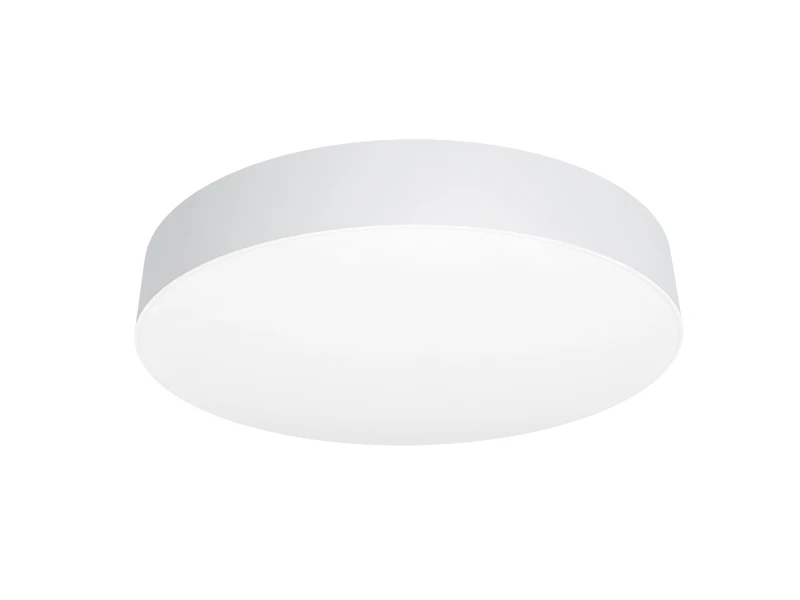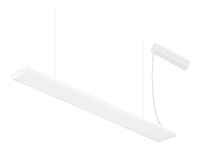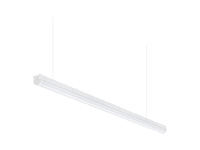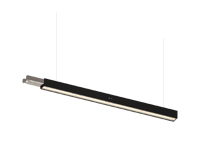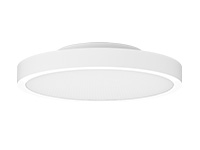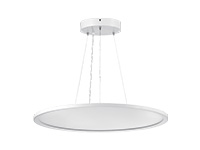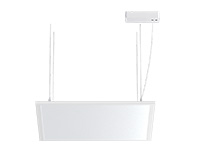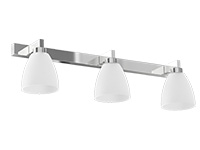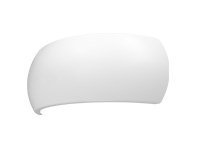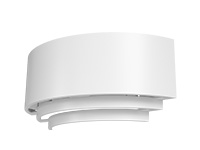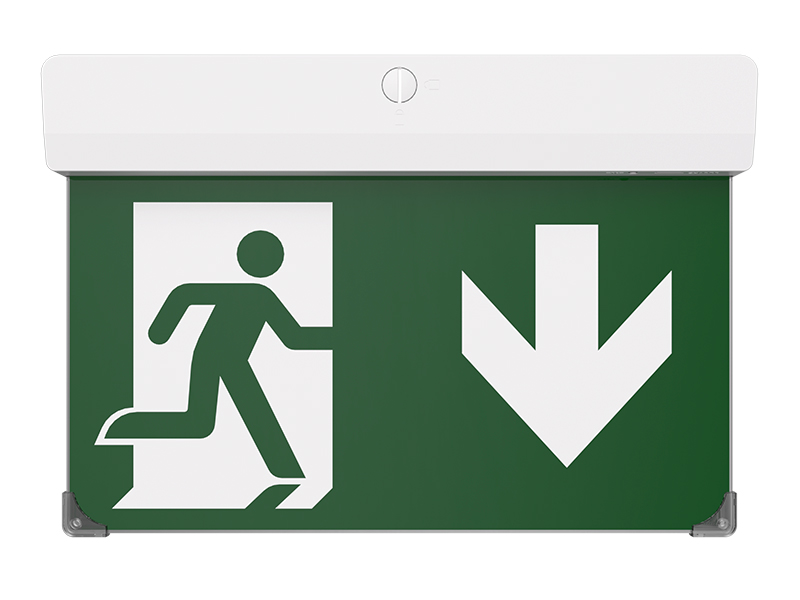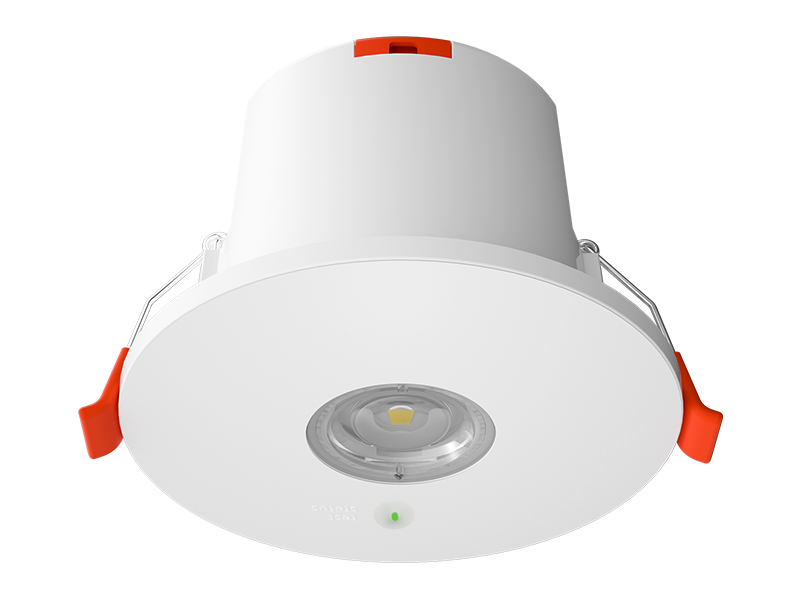

Choosing office ceiling lighting for open spaces requires balancing brightness, uniformity, energy efficiency, and comfort—key factors that keep employees focused and reduce eye strain. Open offices (with no partition walls) often have large areas to cover, so lighting must avoid dark zones while preventing harsh glare on screens. Unlike ceiling lights for living room (which prioritize ambiance), office ceiling lighting needs to be functional first, with options that work alone or in layers. The best choices typically combine led surface ceiling light (for ambient coverage) and led recessed ceiling lights (for targeted task lighting)—and IMIGY’s products align perfectly with this need: the Sofing Ceiling Lights (a high-brightness led surface ceiling light) and Gloria Ceiling Lights (a smart dimmable model) offer the performance and flexibility open offices demand. Below is a step-by-step guide to choosing the right lighting, with product-specific recommendations.
1. Prioritize Brightness & Uniformity: Key for Open Spaces
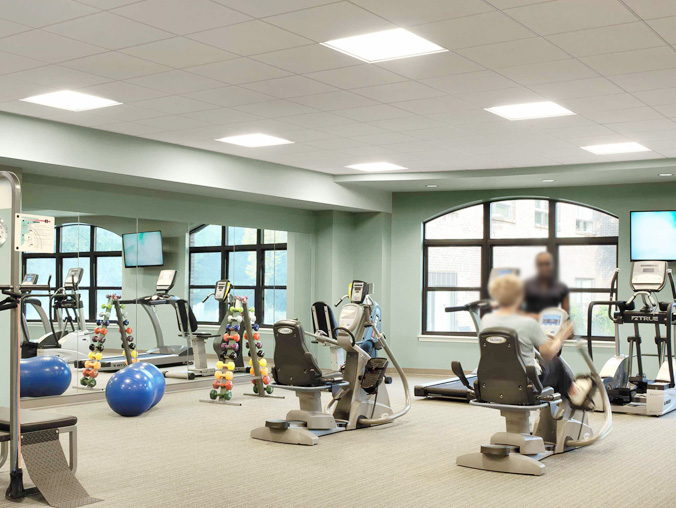
Open offices need consistent, bright light (200–300 lux on work surfaces) to avoid eye strain—too dim, and employees squint at screens; too uneven, and some areas feel gloomy. Here’s how to achieve this:
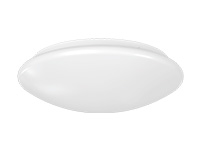
Choose High-Lumen led surface ceiling light: IMIGY’s Sofing Ceiling Lights (24W, 2400 lumens) are ideal as the main ambient light. Their wide beam angle (120°) ensures light spreads evenly across large areas, and they can be spaced 2–3 meters apart to cover open floors without gaps. Unlike dim ceiling lights for living room, the Sofing’s 4000K–5000K color temperature (cool to neutral white) keeps employees alert—critical for productivity.
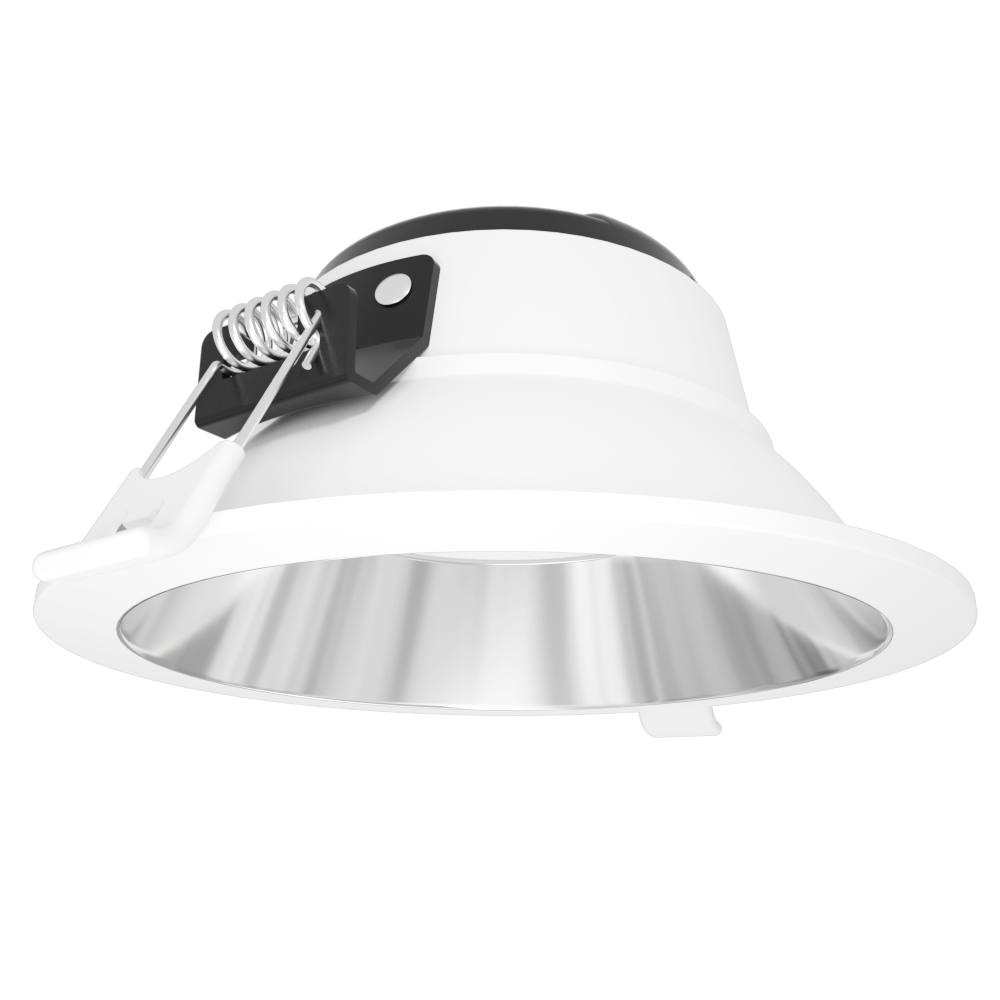
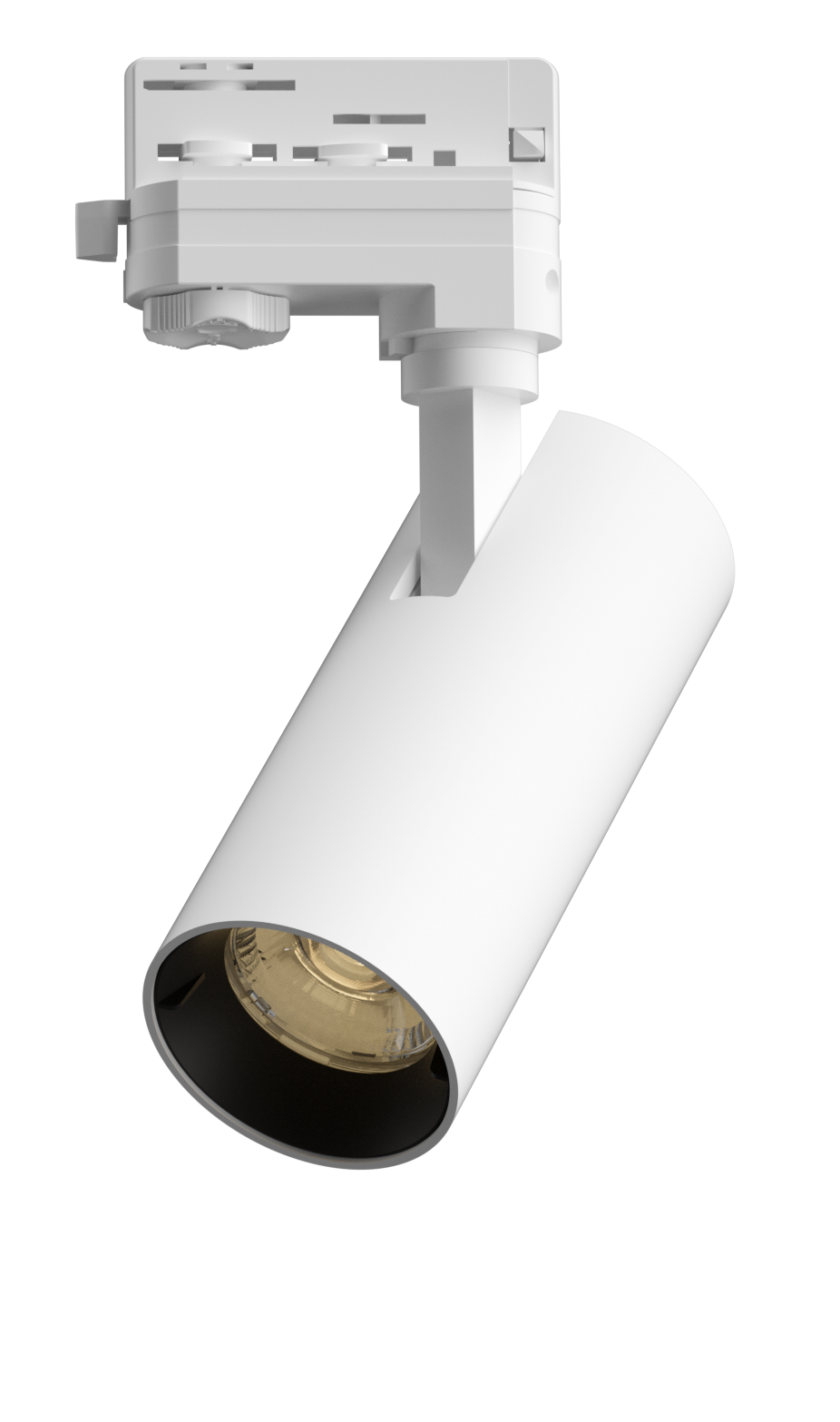
Add led recessed ceiling lights for Task Zones: For areas like desk clusters or meeting nooks, pair the Sofing with IMIGY’s led recessed ceiling lights (18W, 1800 lumens). Installed directly above workstations, they provide focused light (300+ lux) for tasks like typing or reading, without overlapping glare. This layered approach ensures no spot in the open office is underlit.
2. Opt for Energy Efficiency & Durability
Open offices run lights for 8–10 hours daily, so energy efficiency and long lifespans cut costs. Office ceiling lighting should meet two criteria:
LED Technology: Both IMIGY’s Sofing and Gloria models use LED chips with 50,000+ hour lifespans—no bulb replacements for 10+ years (vs. 1,000 hours for incandescent). They also use 80% less energy than traditional office lights, slashing electricity bills.
Sturdy Build: The Sofing’s aluminum frame resists scratches and corrosion, while the Gloria’s reinforced base handles frequent cleaning (common in open offices). Unlike cheap led surface ceiling light that yellows or cracks, IMIGY’s fixtures stay durable even in high-traffic spaces.
3. Consider Smart & Dimmable Features for Flexibility
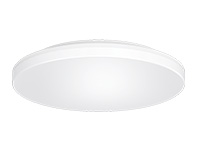
Open offices often have mixed uses (work, meetings, events), so office ceiling lighting should adapt. IMIGY’s Gloria Ceiling Lights (a smart led surface ceiling light) solves this with:
Dimmable Brightness: 1%–100% adjustment lets you lower light for meetings (150 lux) or crank it up for busy workdays (300 lux). Unlike fixed-brightness office ceiling lighting, it adapts to different needs without wasting energy.
Smart Control: Sync multiple Gloria lights via the IMIGY app to create “zones”—dim the break area while keeping work zones bright. You can also set schedules (e.g., turn off 50% of lights after 6 PM) to save energy. Voice control (Alexa/Google Home) lets employees adjust lights without leaving their desks, boosting efficiency.
4. Avoid Common Mistakes in Open Office Lighting
Steer clear of these errors to ensure your office ceiling lighting works for, not against, the space:
Over-Reliance on Single Fixture Types: Don’t use only led recessed ceiling lights—they create “spotlight” effects with dark gaps. Pair them with led surface ceiling light (like the Sofing) for uniform coverage.
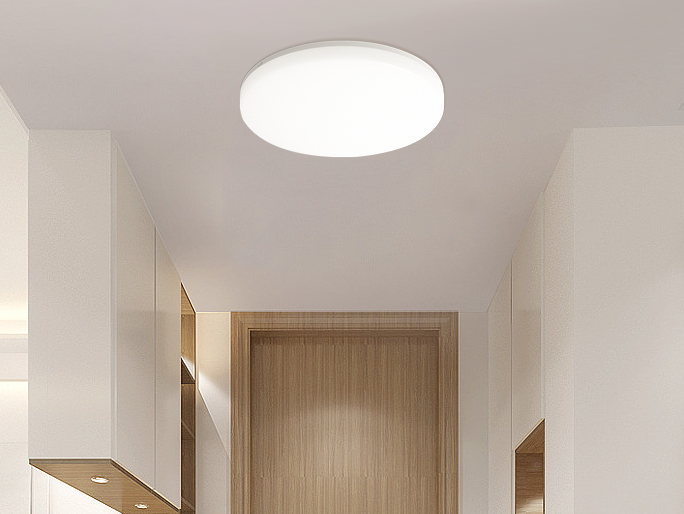
Ignoring Glare: Choose fixtures with frosted panels (like the Sofing and Gloria) to soften light—glare on computer screens causes eye fatigue. Avoid bare-bulb or clear-panel lights, which are too harsh for open offices.
Mismatched Color Temperature: Stick to 4000K–5000K (cool white) for office ceiling lighting—warmer tones (2700K–3500K, common in ceiling lights for living room) can make employees feel sleepy.
Choosing office ceiling lighting for open spaces boils down to three core steps: prioritize uniform brightness with led surface ceiling light (like IMIGY’s Sofing) and led recessed ceiling lights; opt for energy-efficient, durable LED models; and add smart/dimmable features (like the Gloria) for flexibility. Unlike ceiling lights for living room that focus on ambiance, office ceiling lighting needs to boost productivity while keeping costs low—and IMIGY’s products deliver on both. By combining the Sofing’s even ambient light, the Gloria’s smart adaptability, and led recessed ceiling lights’ targeted task coverage, you’ll create an open office space that’s bright, comfortable, and efficient. This approach doesn’t just light the room—it supports how your team works, making it a worthwhile investment in productivity and employee well-being.
It is recommended that you upgrade the latest browser
 Chrome
 Firefox
 Edge
Edge