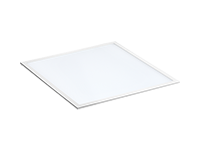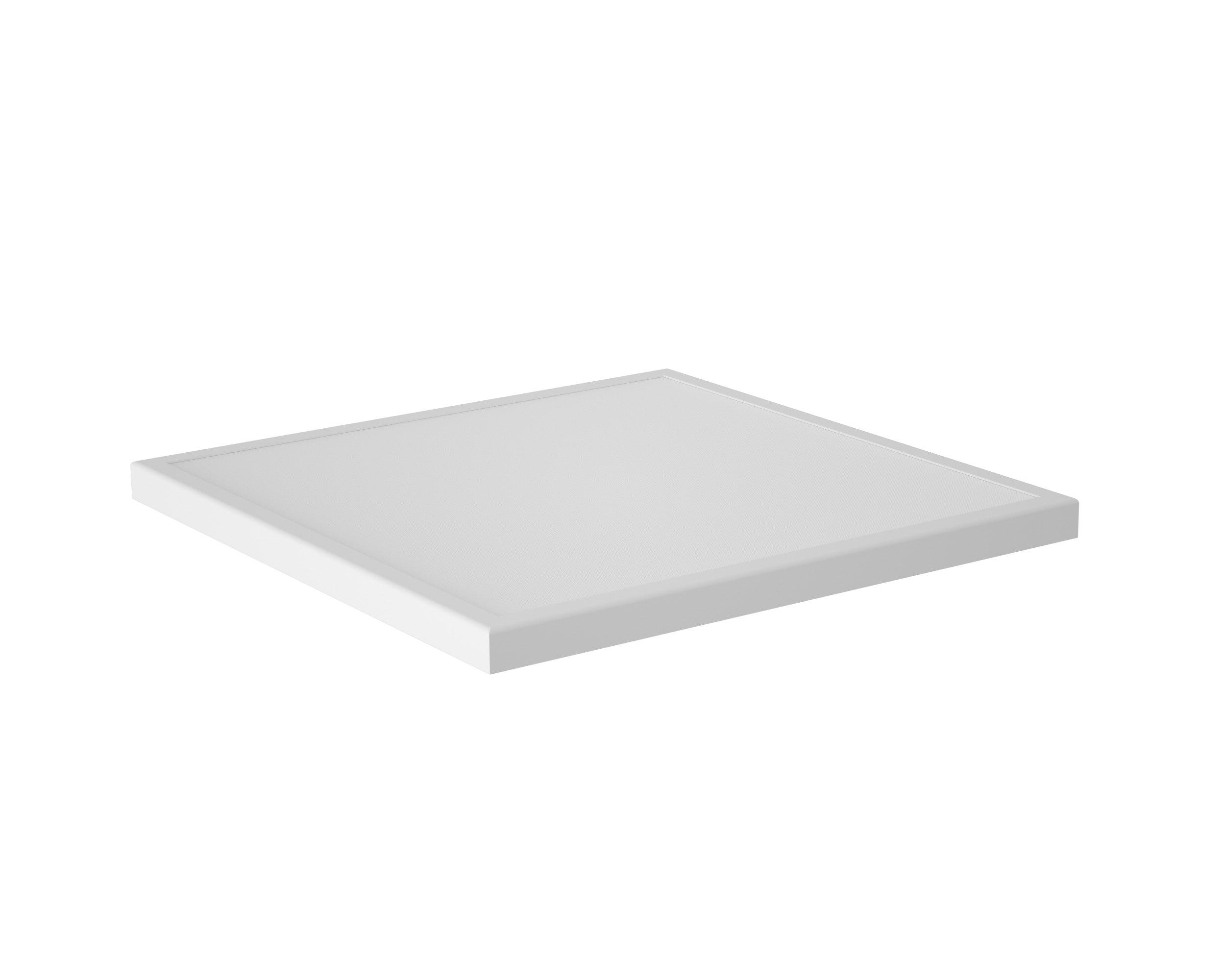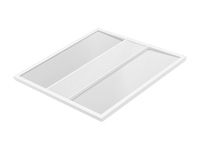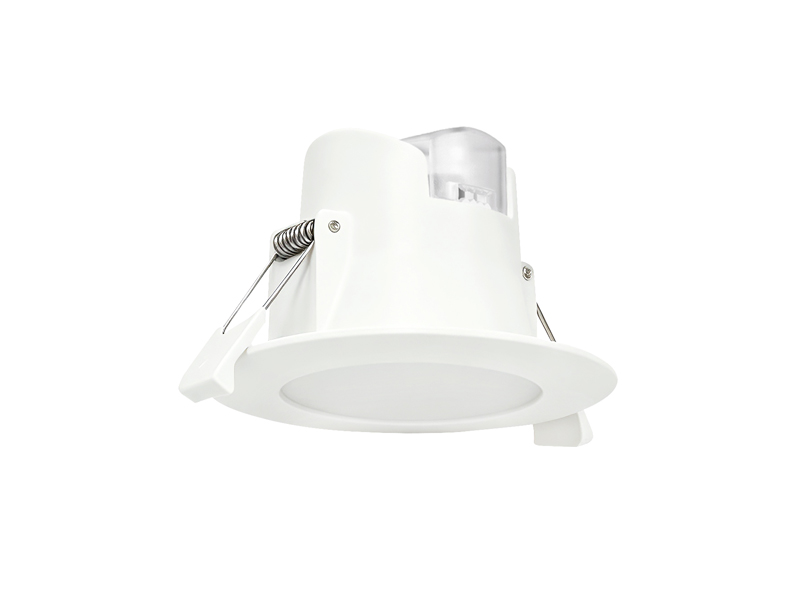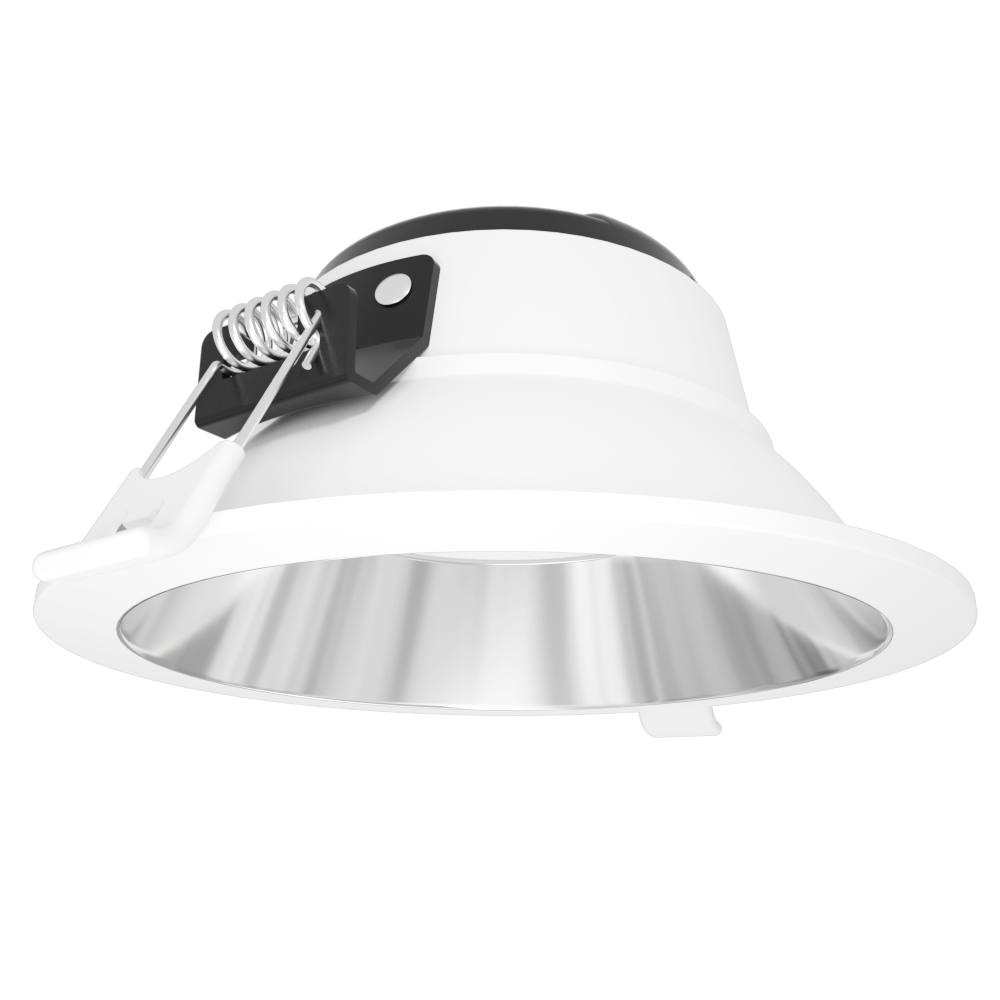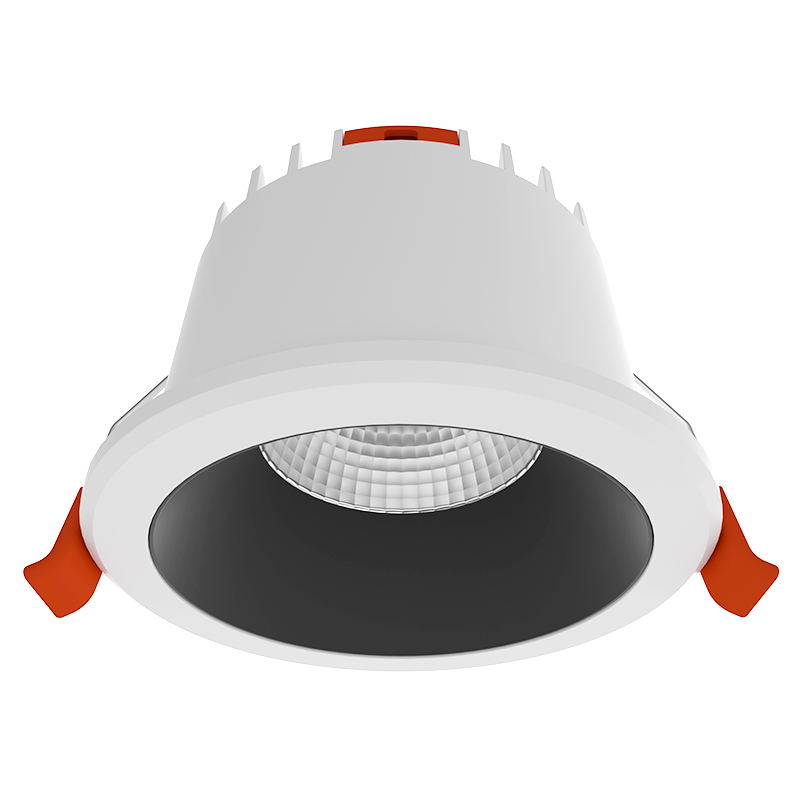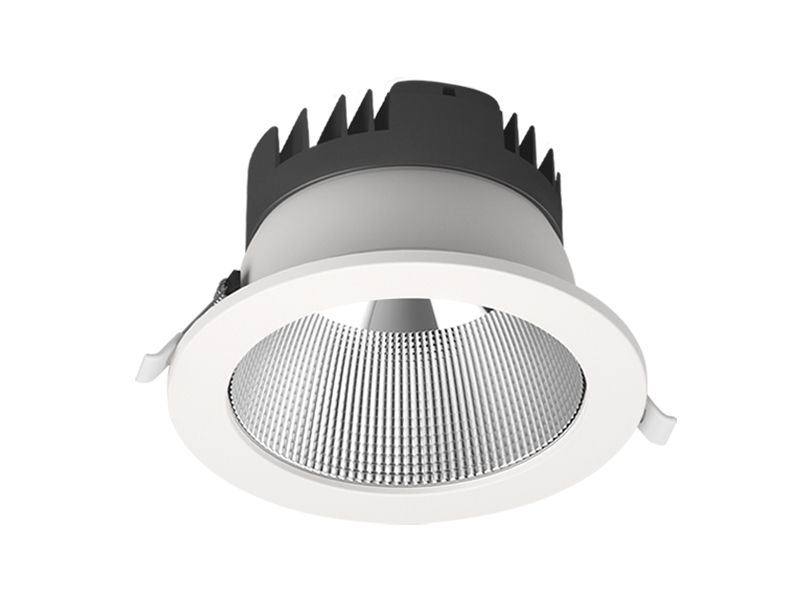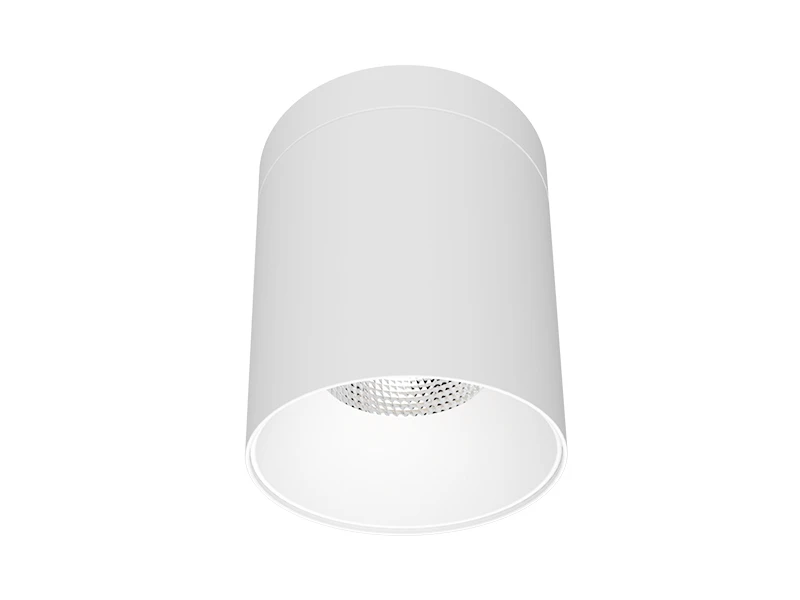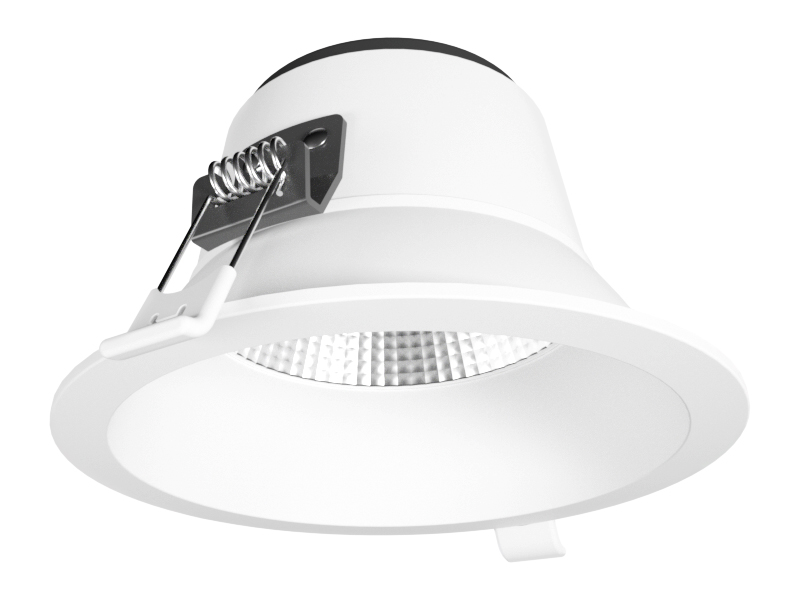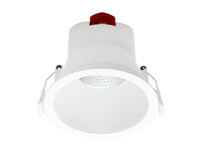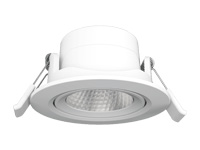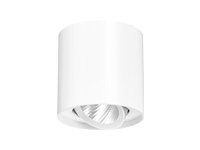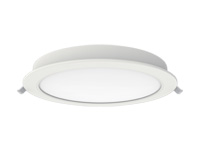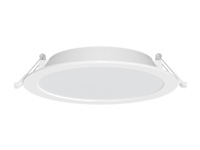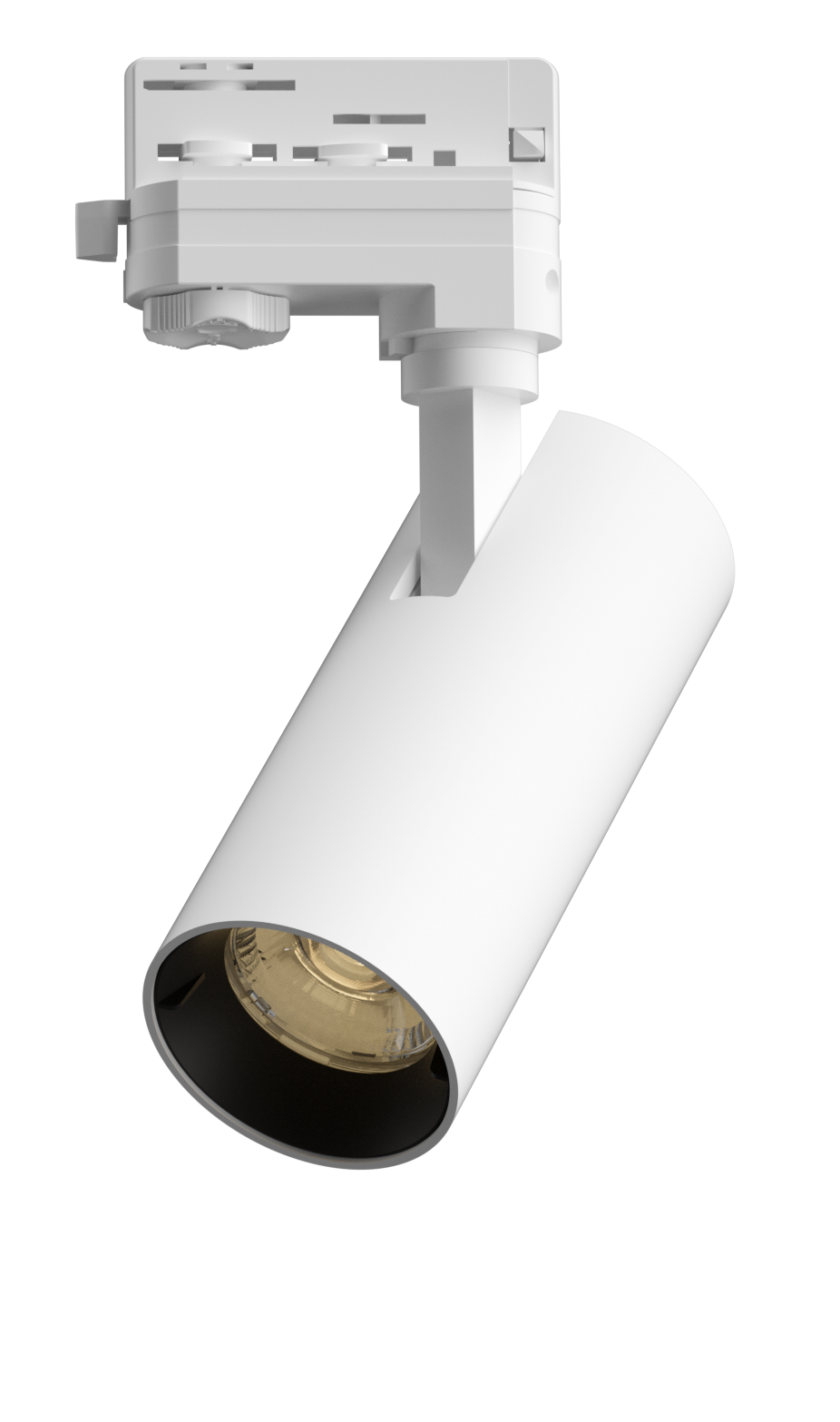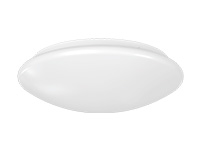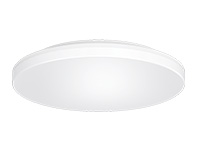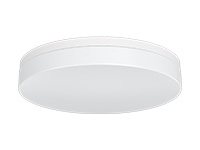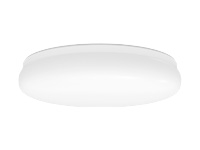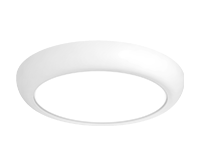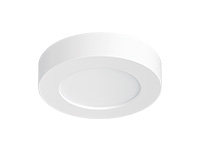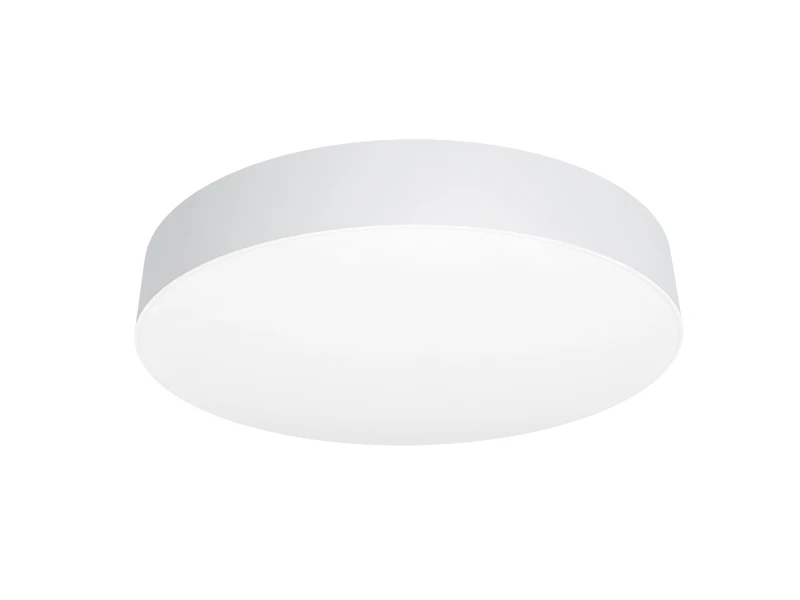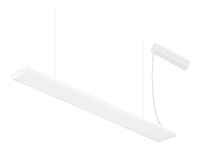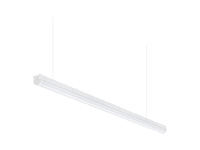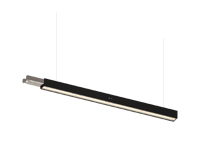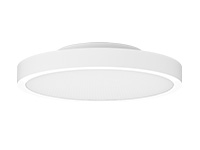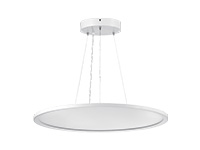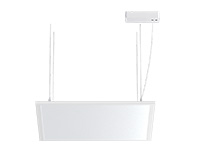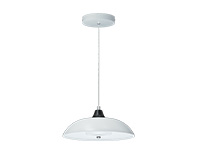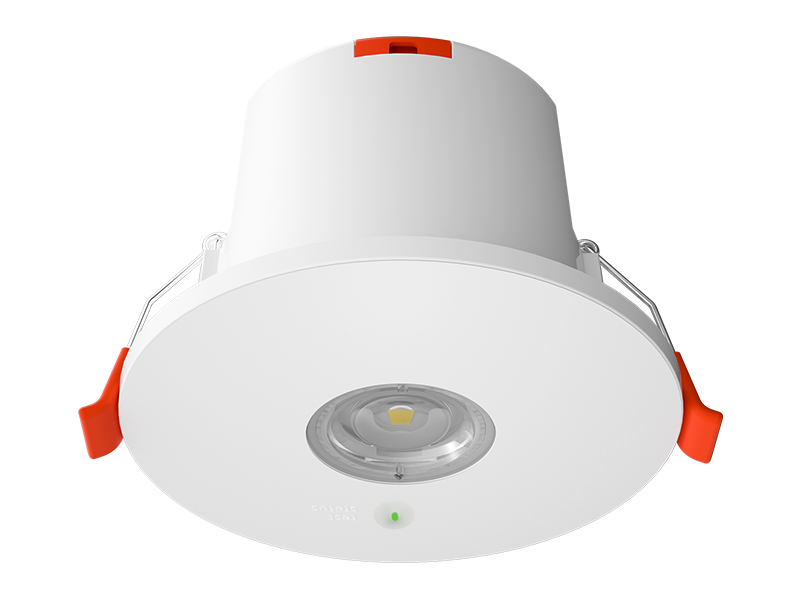

The number of watts needed for ceiling lights for living room depends on the room’s size, layout, and whether you use layered lighting (e.g., pairing with led recessed ceiling lights). Unlike office ceiling lighting (which requires high wattage for constant task focus), living rooms balance ambiance and functionality—too few watts, and the space feels dim; too many, and it becomes harsh. For most homes, led surface ceiling light models (energy-efficient and long-lasting) are the best choice, and IMIGY’s products offer perfect wattage options: the Sofing Ceiling Lights (12W–24W) and Gloria Ceiling Lights (24W–36W) cover small to large living rooms, while pairing seamlessly with led recessed ceiling lights for layered brightness. Below is a detailed breakdown of wattage guidelines and product-specific fits.
1. Wattage by Living Room Size: Core Guidelines
Living room size is the most critical factor in choosing wattage—here’s a practical reference:
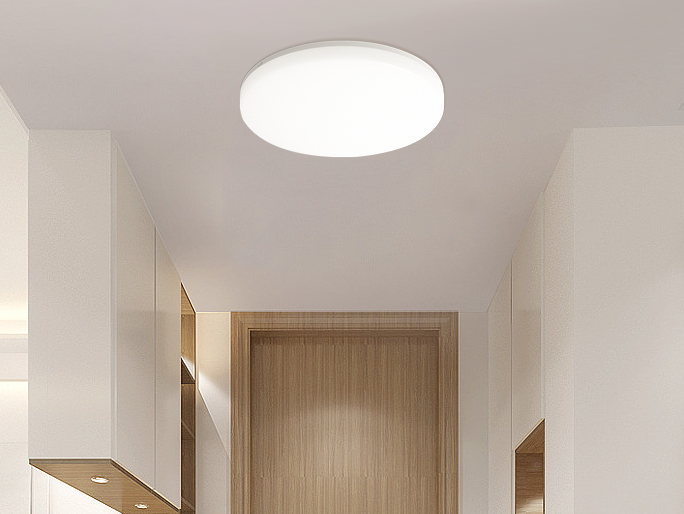
Small Living Rooms (≤15 sq. m / 161 sq. ft.): 12W–18W of led surface ceiling light is sufficient. IMIGY’s Sofing Ceiling Lights (12W, 1200 lumens) or (18W, 1800 lumens) work perfectly. Their 3500K warm-white light creates a cozy vibe, and you won’t need extra fixtures unless the room has dark corners (add 1–2 led recessed ceiling lights (8W each) if needed). This wattage range avoids wasting energy while keeping the space bright enough for casual activities like reading or watching TV.
Medium Living Rooms (15–25 sq. m / 161–269 sq. ft.): 18W–24W is ideal for the main led surface ceiling light. IMIGY’s 18W Sofing (1800 lumens) or 24W Gloria (2400 lumens) provides even ambient light. For rooms with multiple functional zones (e.g., a seating area + a dining nook), pair the main light with 2–3 led recessed ceiling lights (12W each) above the zones—this cuts the need for a higher-wattage main light, keeping the space balanced.
Large Living Rooms (>25 sq. m / 269 sq. ft.): 24W–36W of combined wattage works best. Use IMIGY’s 24W Gloria (2400 lumens) as the central led surface ceiling light, plus 4–6 led recessed ceiling lights (12W each) around the perimeter or above furniture. The total wattage (24W + 48W = 72W max) ensures no dark spots, and the Gloria’s dimmable feature lets you lower brightness for gatherings—unlike fixed-wattage office ceiling lighting, which can’t adapt.
2. Why LED Surface Ceiling Light Saves Wattage vs. Traditional Lights
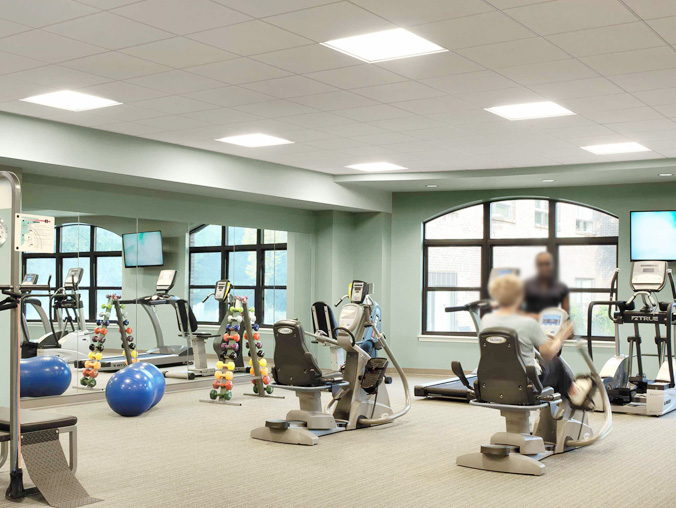
Led surface ceiling light (like IMIGY’s Sofing and Gloria) is far more energy-efficient than incandescent or fluorescent lights, so you need fewer watts to get the same brightness:
An 18W LED light (e.g., Sofing 18W) equals a 100W incandescent light in brightness—cutting wattage by 82%. This means you don’t need high wattages to keep the living room bright, reducing electricity bills.
LED lights also have a longer lifespan (50,000+ hours vs. 1,000 hours for incandescent), so you won’t need to replace bulbs frequently—saving money and hassle. For ceiling lights for living room, which are used daily, this efficiency is a huge advantage.
3. Adjust Wattage for Layered Lighting & Ambiance
Living rooms often need different brightness for different activities—layered lighting lets you adjust wattage without changing the main light:
Task Brightness: For reading or working, turn on led recessed ceiling lights (12W each) alongside the main light (e.g., 18W Sofing). The combined wattage (18W + 12W = 30W) provides enough light for tasks, without cranking up the main light’s wattage.
Ambient Brightness: For movie nights or parties, dim the main light (e.g., Gloria 24W to 50% = 12W) and turn off recessed lights. The lower wattage creates a warm, intimate vibe—something fixed-wattage lights can’t do. IMIGY’s dimmable models (Sofing and Gloria) make this adjustment easy via app or voice control.
4. Avoid Common Wattage Mistakes
To ensure you choose the right wattage for ceiling lights for living room, avoid these errors:
Overestimating Wattage: Don’t buy a 36W main light for a small living room—this will make the space feel harsh and waste energy. Stick to 12W–18W for small rooms, even if you think you need more brightness (add recessed lights instead).
Ignoring Room Layout: Dark corners or tall furniture (e.g., bookshelves) block light—don’t just increase the main light’s wattage. Add led recessed ceiling lights (8W–12W) to brighten these spots; this is more efficient than a higher-wattage main light.
Confusing Watts with Lumens: Watts measure energy use, not brightness. An 18W LED (1800 lumens) is brighter than a 20W fluorescent (1500 lumens). Always check lumens alongside watts—IMIGY’s products clearly list both, so you won’t be misled.
The right wattage for ceiling lights for living room ranges from 12W to 36W, depending on size and layered lighting. IMIGY’s Sofing Ceiling Lights (12W–24W) and Gloria Ceiling Lights (24W–36W) offer energy-efficient, dimmable options that balance brightness and ambiance—unlike office ceiling lighting, which prioritizes high wattage over comfort. By pairing these led surface ceiling light models with led recessed ceiling lights (8W–12W each), you can avoid overusing wattage while ensuring every corner of the living room is well-lit. Whether you’re relaxing, entertaining, or working, IMIGY’s wattage options let you create the perfect atmosphere—proving that enough wattage isn’t about more power, but smarter, more efficient lighting.
It is recommended that you upgrade the latest browser
 Chrome
 Firefox
 Edge
Edge