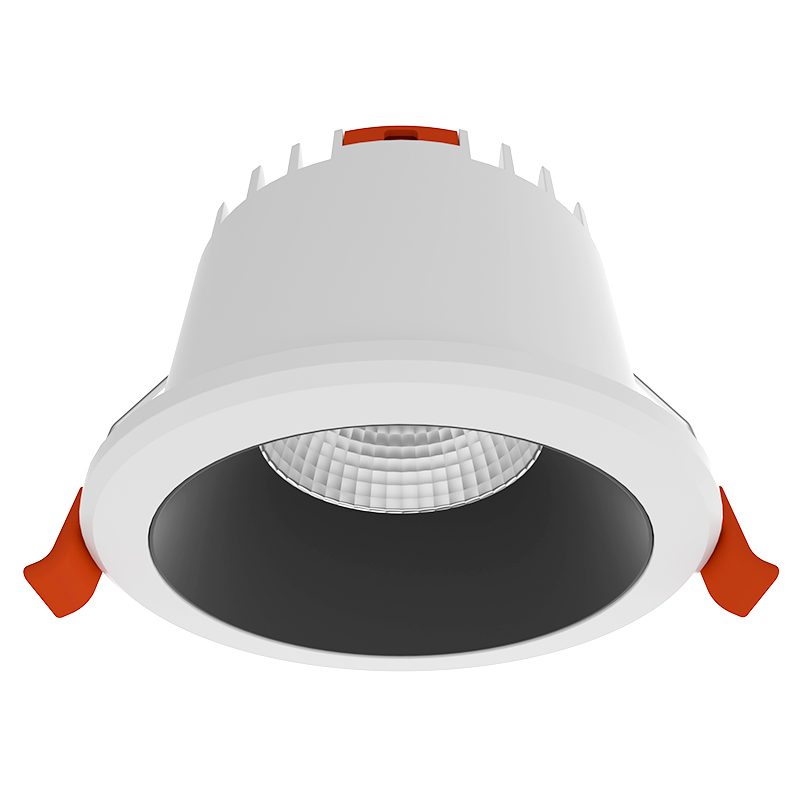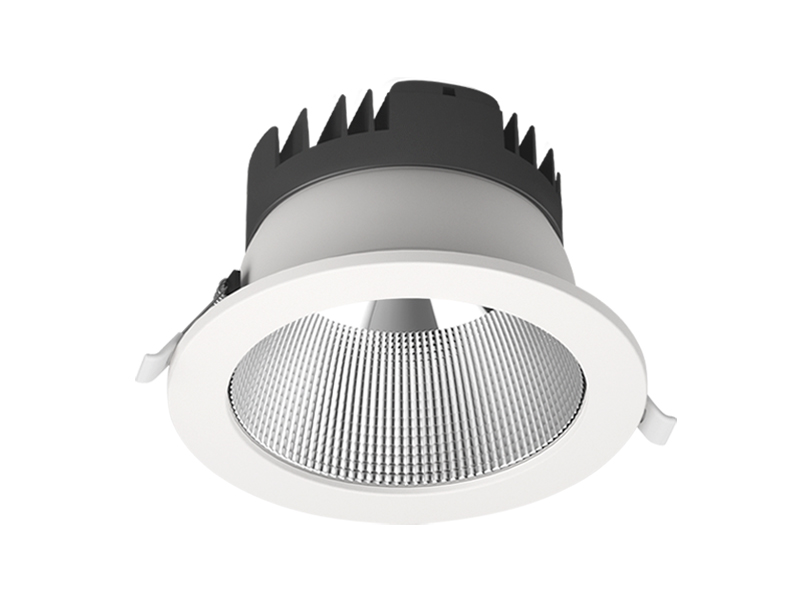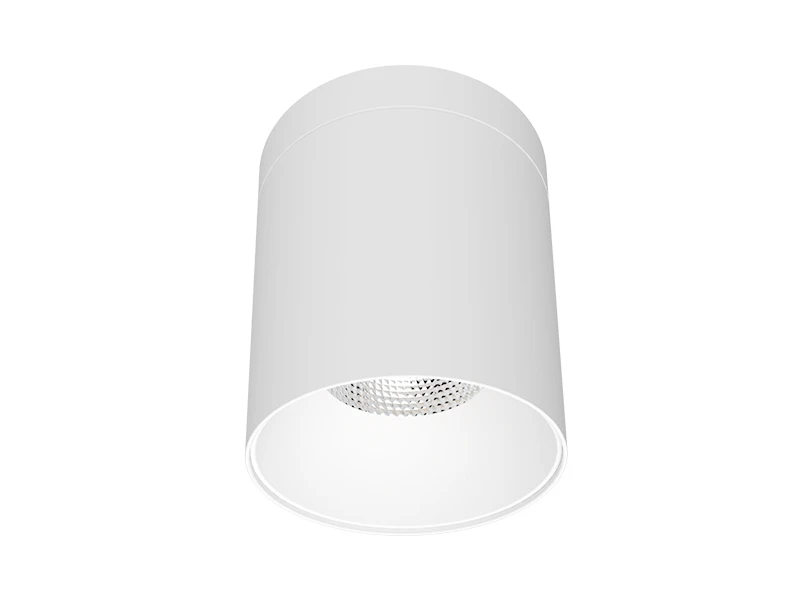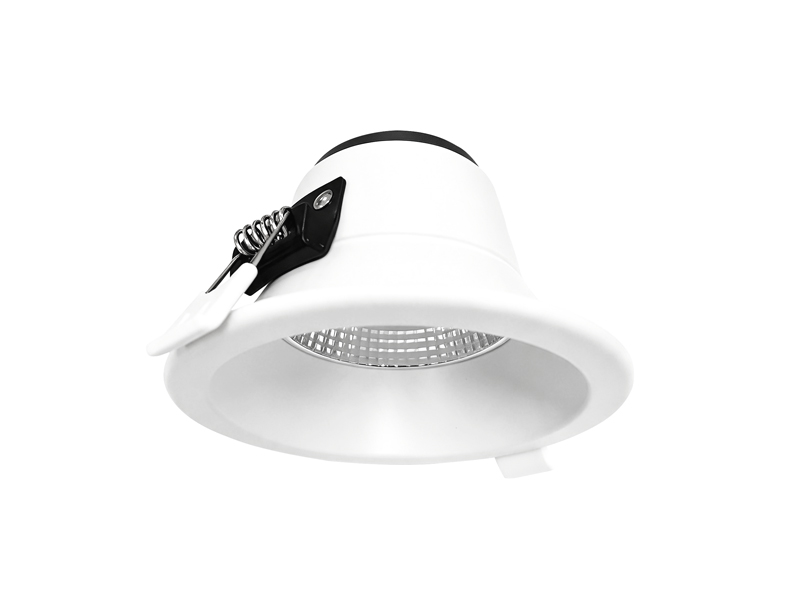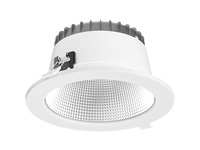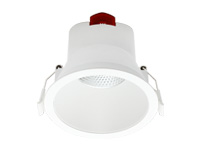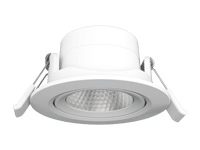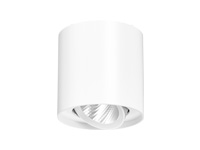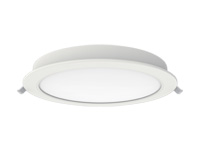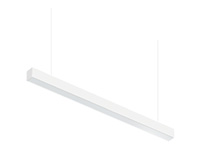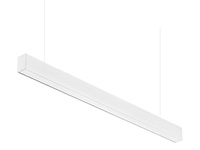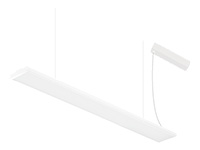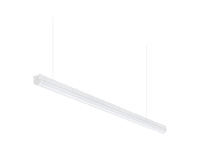

Compare exhibition luminaires using defined models, consistent output conditions and the light delivered to the actual exhibits and circulation. At IMIGY Lighting, we review Swan Slim Backlit Panel Lights and Swan Backlit Panel Lights through their specific configurations. Electrical efficiency is part of the comparison, but it does not establish glare, display suitability or a workable ceiling installation on its own.
Exhibition halls can move from open circulation to dense stands, reading areas and enclosed presentation spaces. A product that works well in one arrangement may need another position or role when partitions change. Our assessment of High Efficiency LED Luminaires therefore begins with the event layout and the required visual tasks. The two Swan series provide documented panel options for comparing performance while keeping general hall lighting distinct from any specialised display requirement.
Keep the model code and series together, especially where catalogue codes appear in more than one series. Compare output at the same stated conditions and examine distribution separately from electrical efficiency. Review ceiling fit and control requirements before supply. Energy Efficient Commercial Lighting should be evaluated as a complete event arrangement, with the exhibit and observer positions included in the assessment.
Define which surfaces the proposed panels need to illuminate. Circulation floors, information tables and vertical stand graphics are different tasks. If a display needs specialised accent lighting or particular colour evidence, state that separately. General panel output should not be treated as proof that every object, material or presentation will receive the required light.
Compare the room arrangements under the same assumptions. Mounting height, partitions, surface finishes and the receiving planes should remain consistent when evaluating candidates. Otherwise a difference attributed to the luminaire may actually come from a changed calculation model. Retain those inputs so the accepted arrangement can be reviewed when a later event uses another stand layout.
Review visual comfort from the relevant viewpoints. A panel can contribute useful light to a horizontal surface while appearing in a screen or glossy display reflection. Inspect the actual approach and reading positions, not only a photograph of the ceiling. Where the reflection is distracting, examine position and geometry before assuming that a higher output or a lower power model will resolve it.
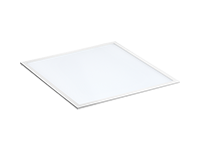
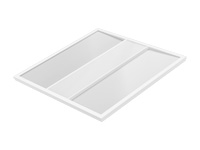
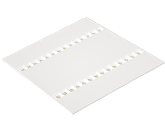
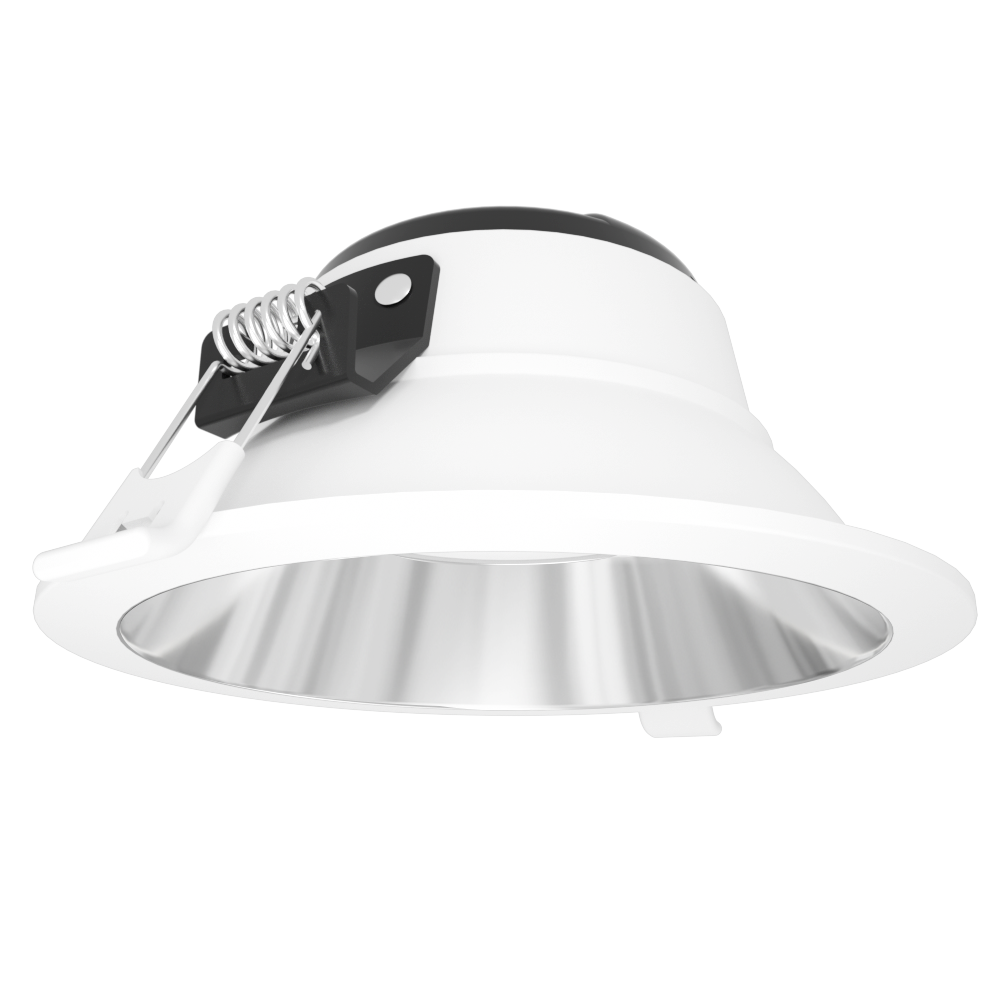
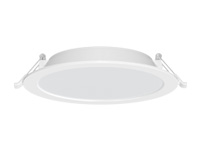
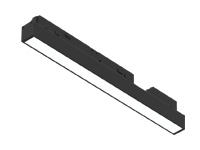
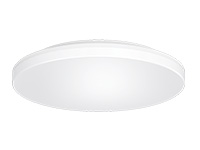
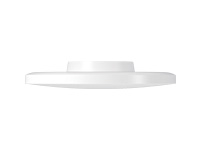
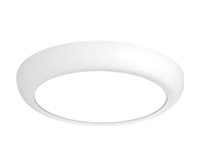
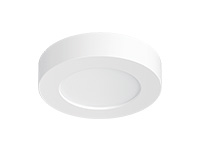
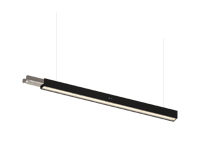
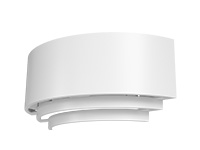
Our selected Swan Slim Backlit Panel Lights example is T3606-AMP. The table retains the complete body size and the output condition, allowing the installation and lighting assessments to refer to the same configuration. Keep the series name with the code so another catalogue entry cannot silently replace the accepted specification.
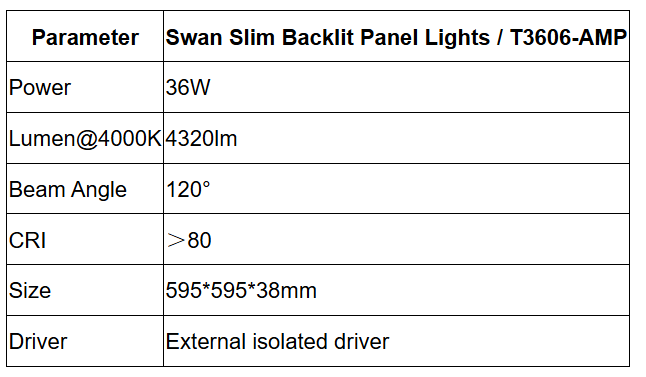
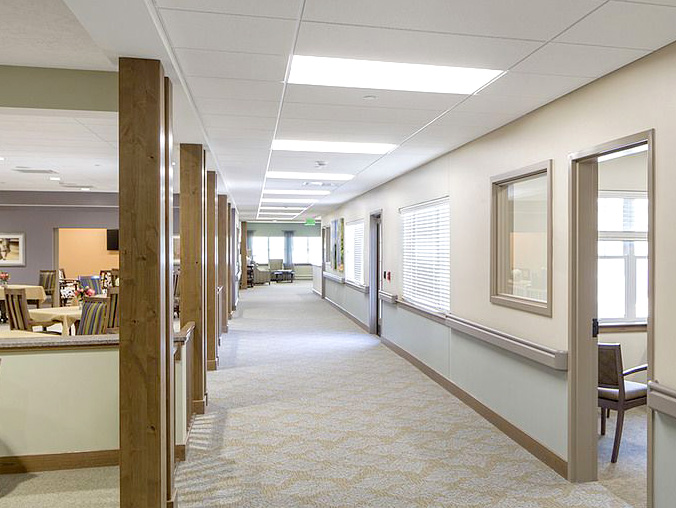
The listed body dimensions need to be checked with the required mounting components and driver space. The series name is not a dimensional instruction. Compare the full assembly with the actual ceiling before approving the physical arrangement, and retain the accepted installation detail with the model schedule.
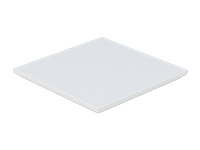
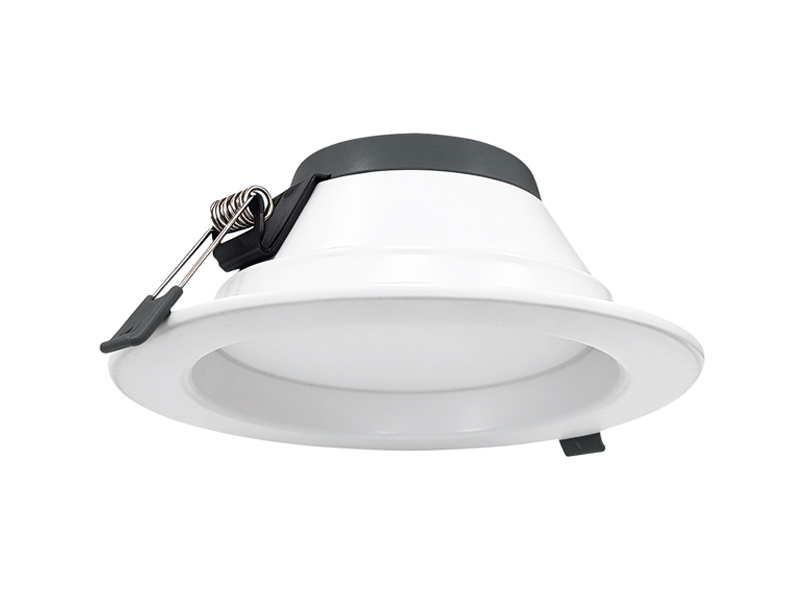
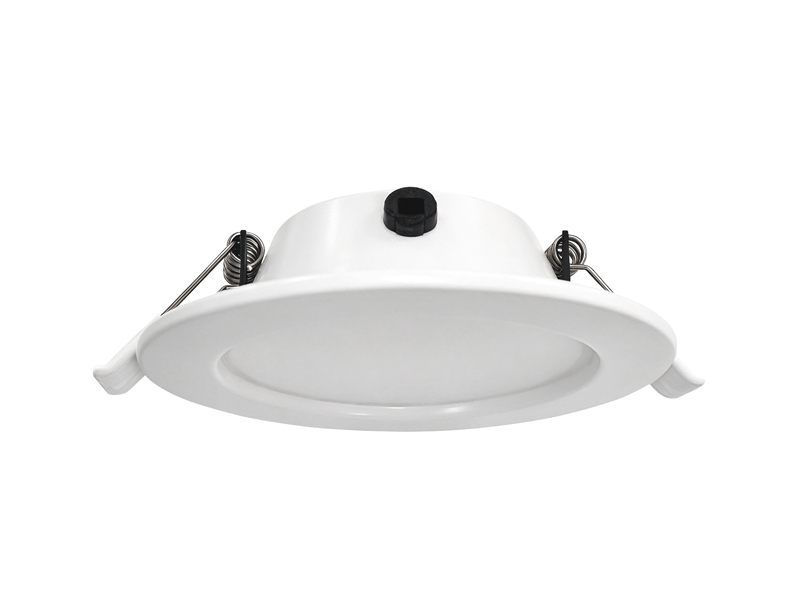
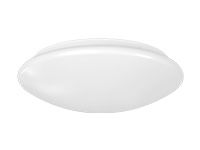
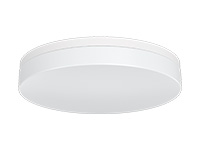
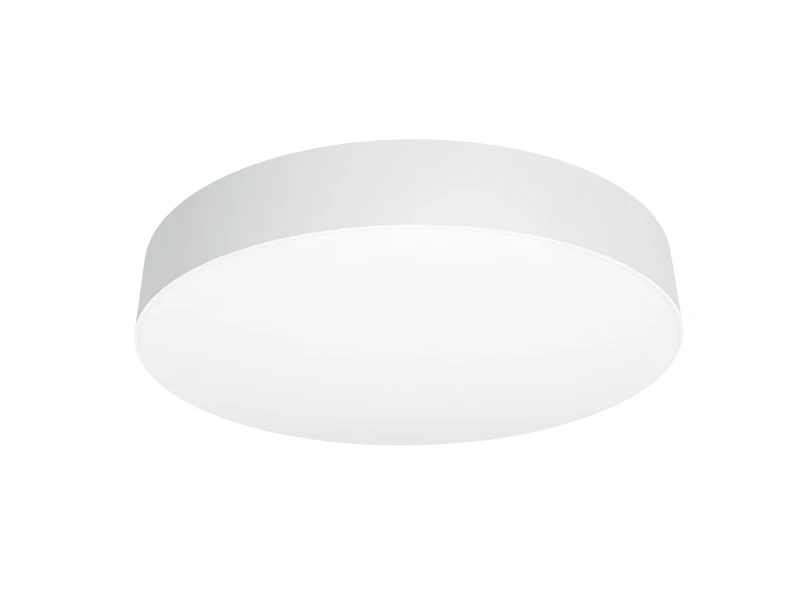
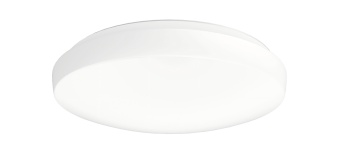
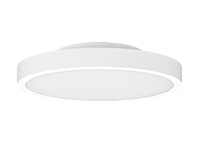
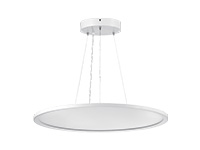
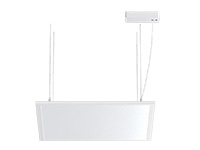
The selected Swan Backlit Panel Lights example is T3606-DMS. Its listed power and output differ from the Slim example, creating a concrete comparison rather than a general claim that every member of one series performs better. Keep the remaining design assumptions consistent when assessing the two candidates.
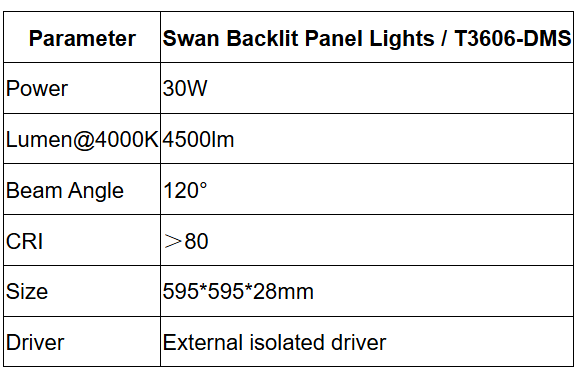
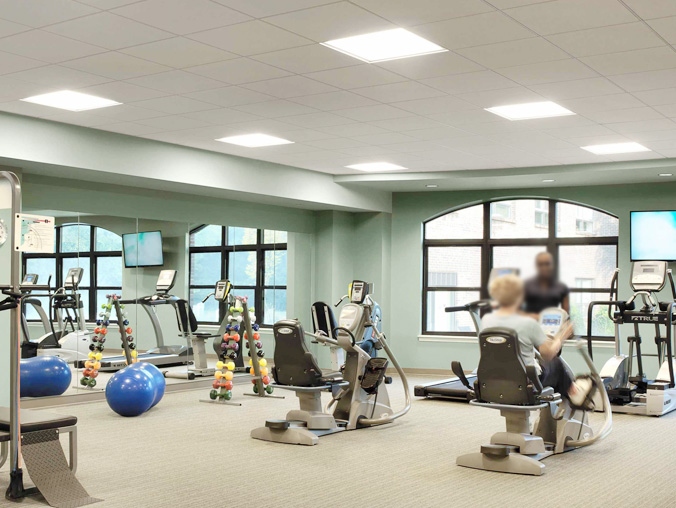
The table's output is stated at 4000K. Do not assign it automatically to another colour configuration. The external driver information also does not establish a particular dimming protocol. Confirm the supplied version and any required controls independently before using their planned behaviour in the energy comparison.
Compare candidate layouts using the relevant work surfaces and observer positions. Inspect the areas between panels and near partitions, rather than judging only the brightest location. A higher product efficacy can be useful, but the completed layout still needs to deliver appropriate light where the exhibition requires it. Record any additional lighting components instead of attributing their contribution to the panels alone.
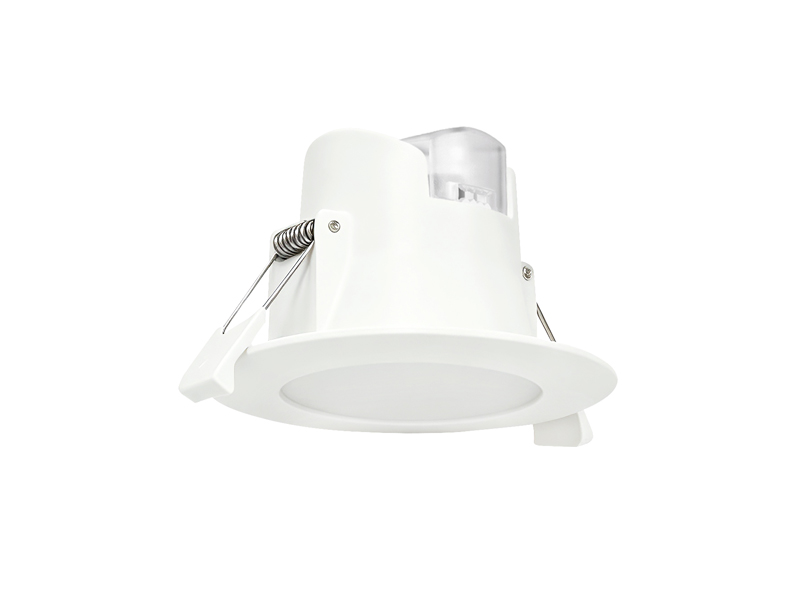
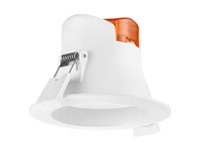
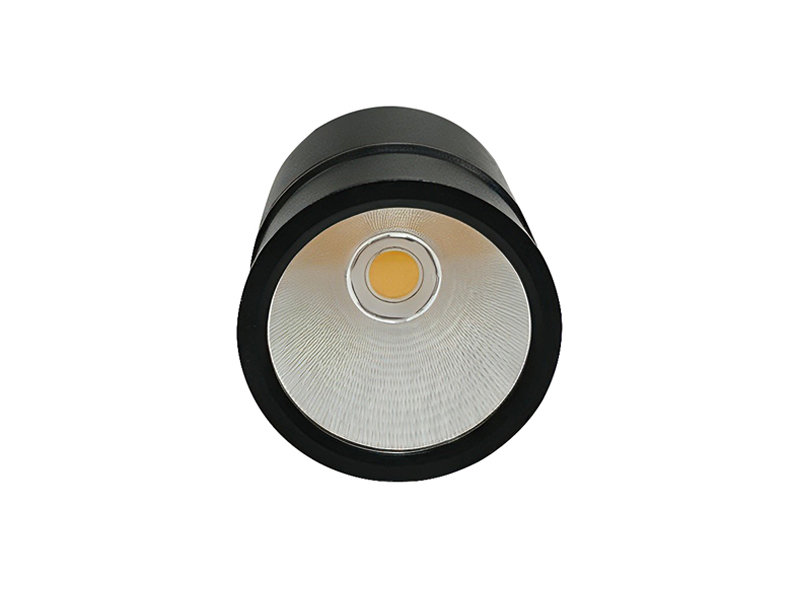
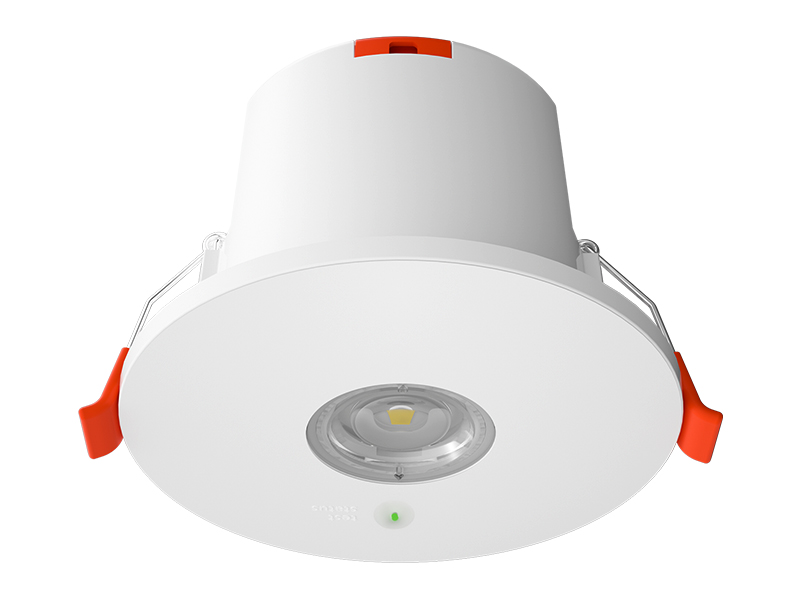
The phrase Low Power Consumption LED Lights should refer to the arrangement actually proposed, including quantity and operation. An Energy Efficient LED Ceiling Light also needs an appropriate role within the room. If a Low Wattage LED Downlight is introduced for a local area, assess its distribution separately rather than assuming that all fixture types can share one spacing or coverage conclusion.
Agree the intended event operating conditions before final selection. An exhibition may use preparation, public opening and other arrangements defined by the operator. Describe the light needed in each situation, then confirm that the proposed equipment and controls can provide it. Keep these operating assumptions separate from the product's full output data.
During acceptance, use representative graphics, reading materials and reflective finishes rather than an empty hall alone. Record where the arrangement works and which specialised tasks need other lighting. If additional fixtures are introduced, include their contribution and power in the complete comparison instead of presenting the panel selection as the whole installation.
Where a later event uses the same products, keep the new arrangement identifiable rather than overwriting the earlier record. Comparing the two layouts can reveal which partitions, viewing positions or operating assumptions have changed, allowing the team to focus the next assessment on the specific project areas affected by those differences.
At IMIGY Lighting, we recommend a performance comparison that the next event team can understand and repeat. Keep the stand drawing, model and series, calculation inputs, sample observations and control brief together. That record supports a clear decision for the current hall arrangement and identifies which assumptions need review when the exhibition changes, making efficiency a verifiable part of the lighting plan rather than an isolated catalogue label.
Q: Does the model with the higher lumen output per watt always require fewer fittings in the hall?
A: Not necessarily. Quantity also depends on distribution, mounting height and the surfaces being served. Compare complete layouts under the same room assumptions and check the relevant lower illuminated positions. A product efficiency figure does not, by itself, establish a suitable spacing or the required number of panels.
Q: Can a panel accepted for one exhibition be used unchanged after the stand layout moves?
A: The product may remain useful, but the arrangement needs review where partitions, tasks or observer positions change. Compare the new layout with the original calculation inputs and sample observations. Reassess the affected areas rather than treating the earlier acceptance as a guarantee for every event.
Q: What should be retained when two Swan catalogues contain similar model codes?
A: Keep the series name, complete code and corresponding technical table together, along with the approved mounting and control details. This avoids selecting a different body or configuration through a code alone. Review any proposed substitution against the full accepted record before changing the supply schedule.
It is recommended that you upgrade the latest browser
 Chrome
 Firefox
 Edge