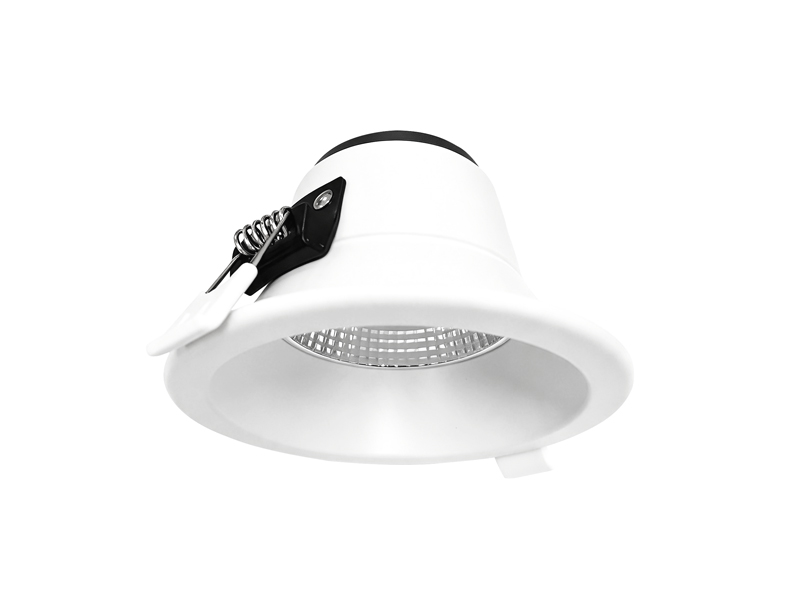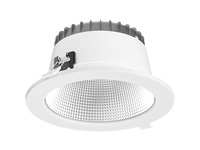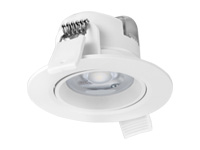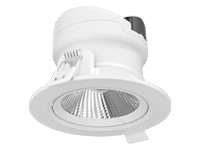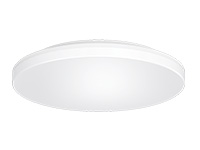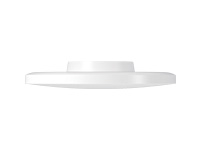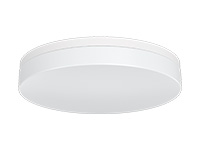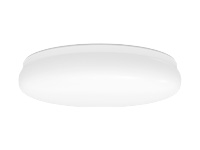

A low wattage downlight can serve a hotel corridor when its output and distribution meet the actual task at the proposed positions. At IMIGY Lighting, we compare Wave Down Lights and Melody Down Lights using defined models, then assess the connected corridor. Wattage alone cannot determine spacing, and two fittings with the same power can distribute their light differently.
A hotel corridor needs to help guests recognise doors, move comfortably and understand changes in direction. It may also connect lift lobbies, recessed entrances and areas with different ceiling heights. We therefore select a Low Wattage LED Downlight through the whole route rather than the appearance of one illuminated patch. Our Wave Down Lights and Melody Down Lights provide two concrete examples for comparing low power with useful output and the way that output reaches the space.
Keep electrical power, lumen output and room illumination distinct. Compare the complete layout, including fixture quantity and operating arrangements, before judging the energy result. Use full photometric information to review spacing and check the relevant darker positions. Energy Efficient Commercial Lighting depends on an arrangement that serves the task, rather than a low number on each individual fitting.
Begin with the actual route and ceiling section. Mark doors, alcoves, intersections and any change in mounting height. Then define the surfaces the lighting needs to serve, including information at room entrances where relevant. A calculation focused only on the floor immediately below a fitting can miss a weak transition between fixtures or a poorly lit area beside the route.
When comparing High Efficiency LED Luminaires, inspect the full distribution as well as the headline output. A beam angle helps identify the configuration, but it does not describe every part of the pattern. The room's width, surface reflectance and mounting height affect the result, so a catalogue angle should not be converted into a universal corridor spacing instruction.
Also ask what happens if a lower power model needs additional fittings. The useful comparison is the completed arrangement and its operation. A smaller wattage is not automatically a lower installed load when quantities differ. Keep any change in operating hours or controls separate from the fixture comparison so the proposed energy benefit has an identifiable basis.
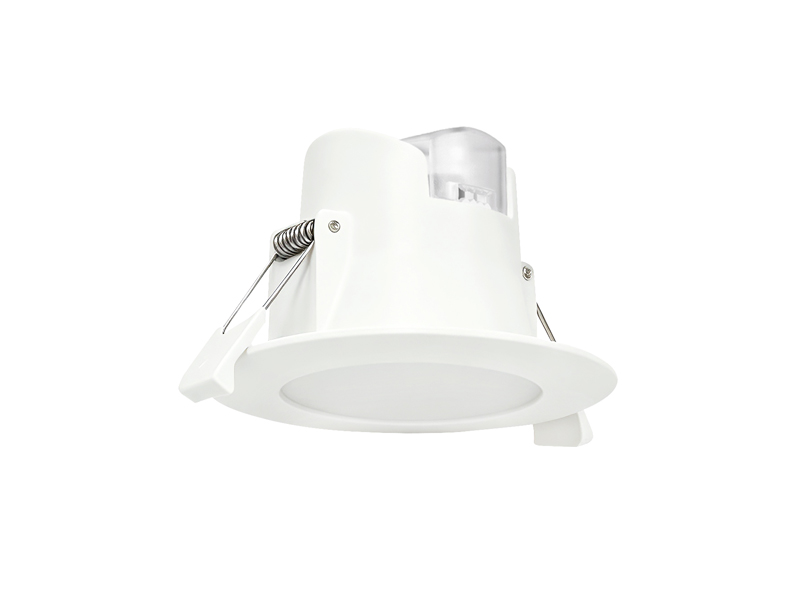
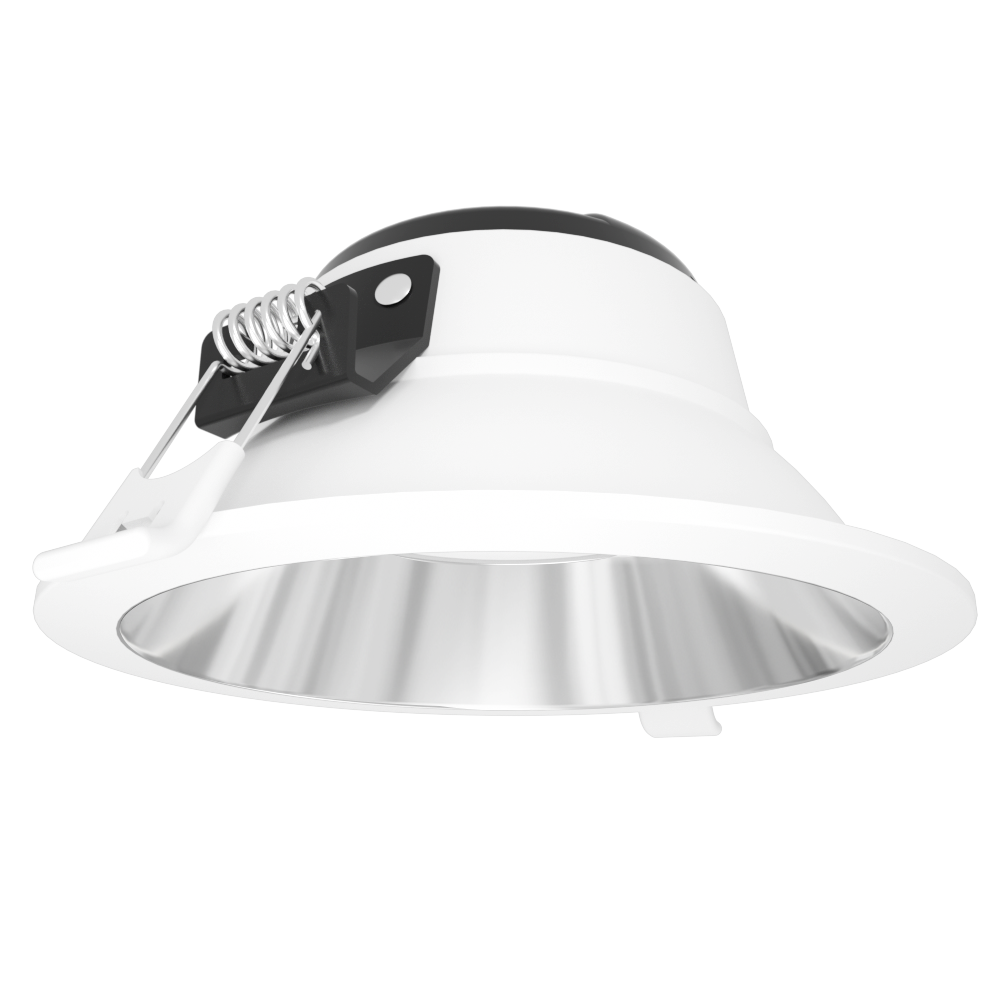
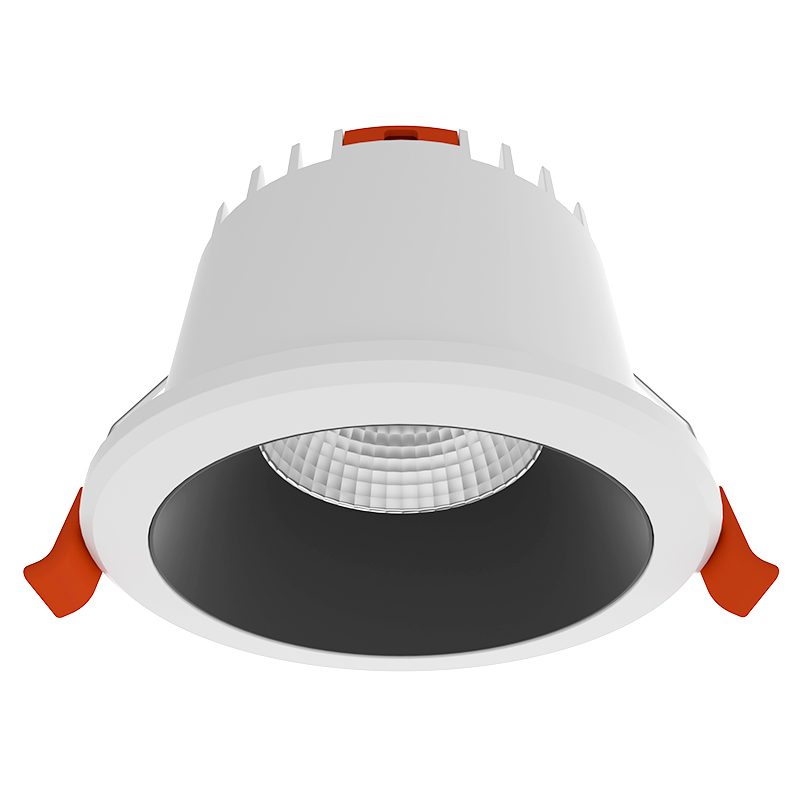
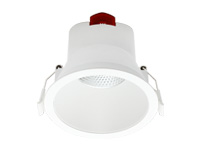
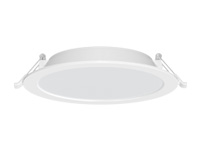
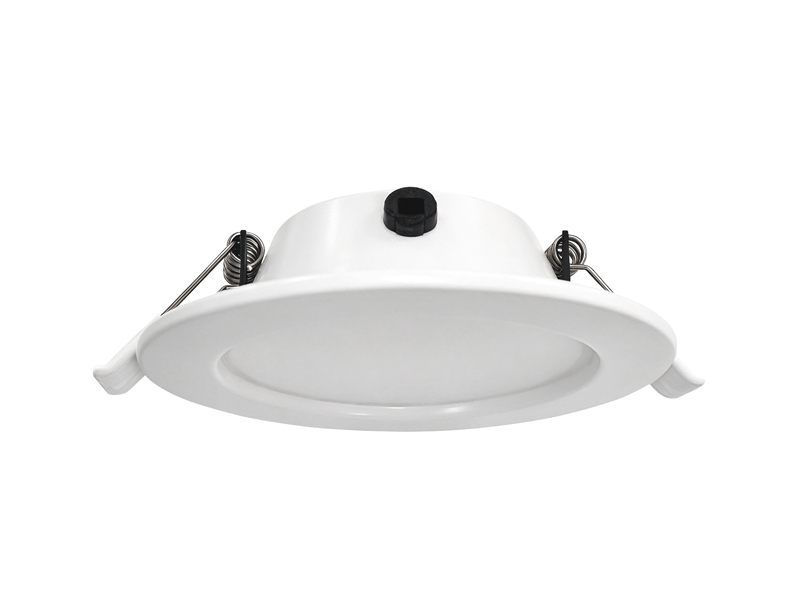
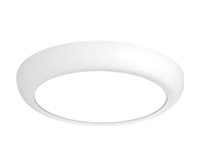
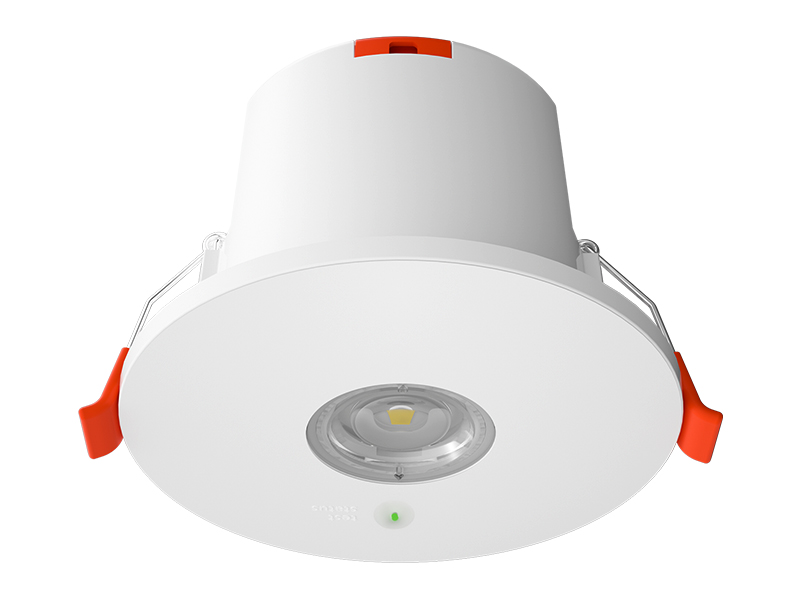
Our Wave Down Lights include D0070-B-2, a 5W model with a listed 90° beam. Its output and fixed 4000K setting provide a specific starting point for checking overlap at the intended height. The compact recessed arrangement still needs the actual ceiling opening and complete fitting dimensions verified before the layout is treated as ready for installation.
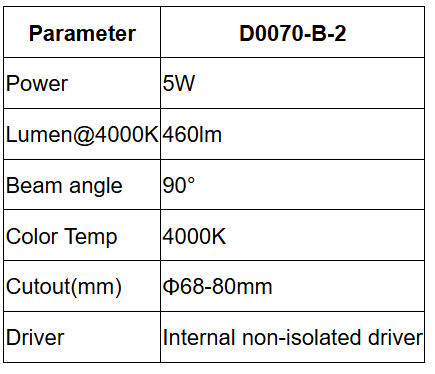
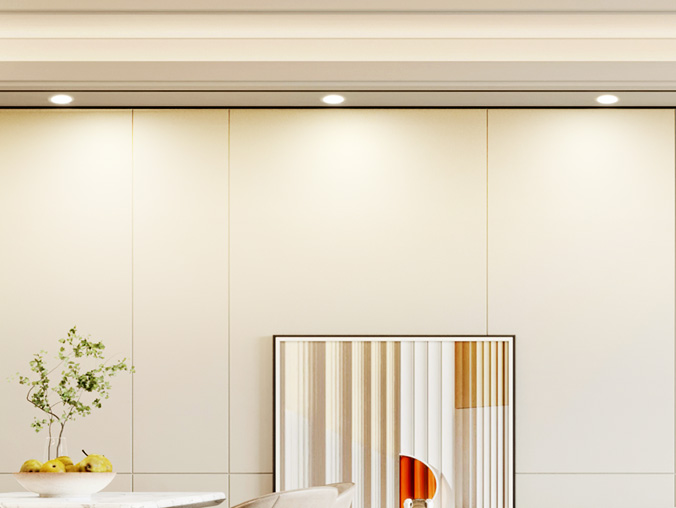
The internal non-isolated driver is part of this model's installation arrangement. Follow the relevant connection instructions and confirm the available ceiling space, rather than assuming that a built in driver removes every physical constraint. This example should remain distinct from the Wave series' other power and colour configurations when preparing the order and sample schedule.
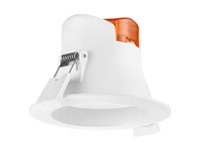
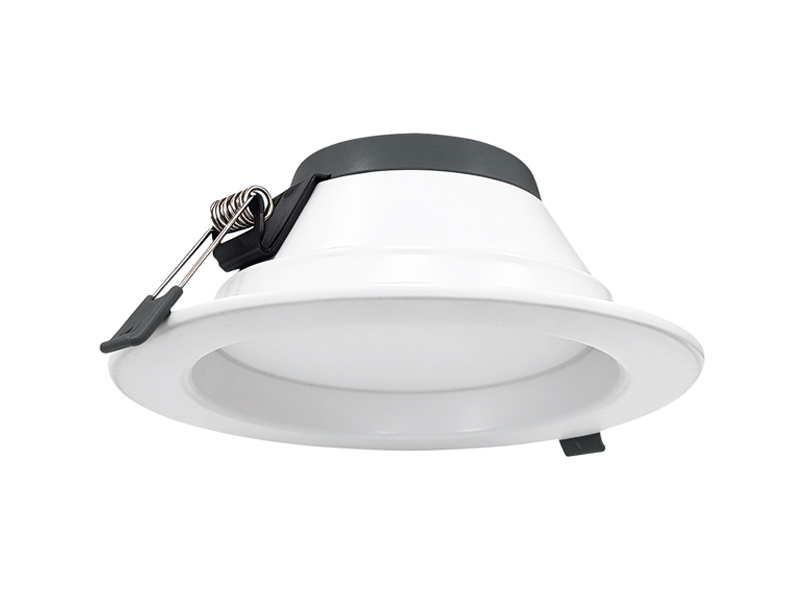
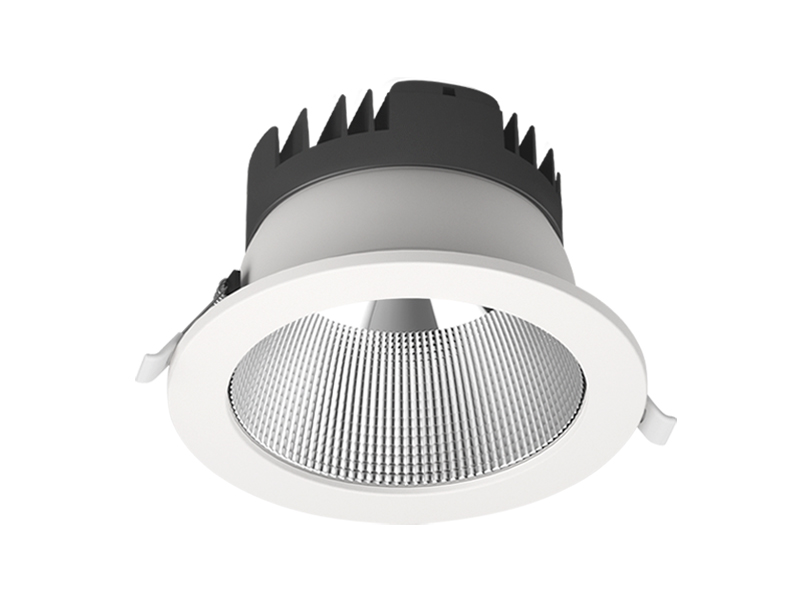
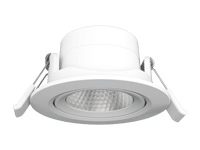
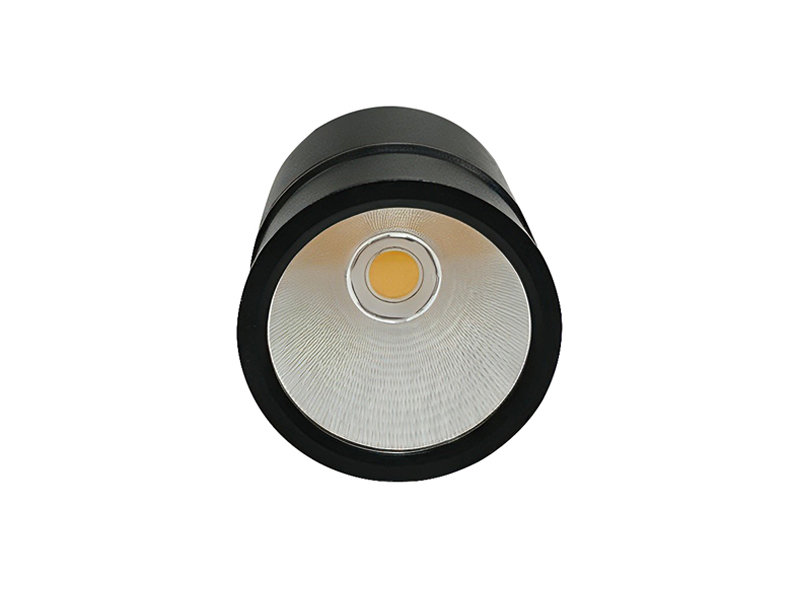
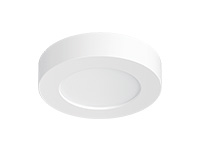
Melody Down Lights offer a useful comparison through D1070-F-2. This is also a 5W model, but its listed beam is 40° and its output differs from the Wave example. The comparison demonstrates why power alone cannot establish equivalent coverage. Check how each arrangement serves the route and adjacent door positions with the actual photometric information.
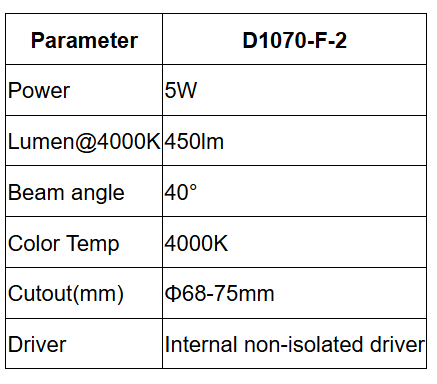
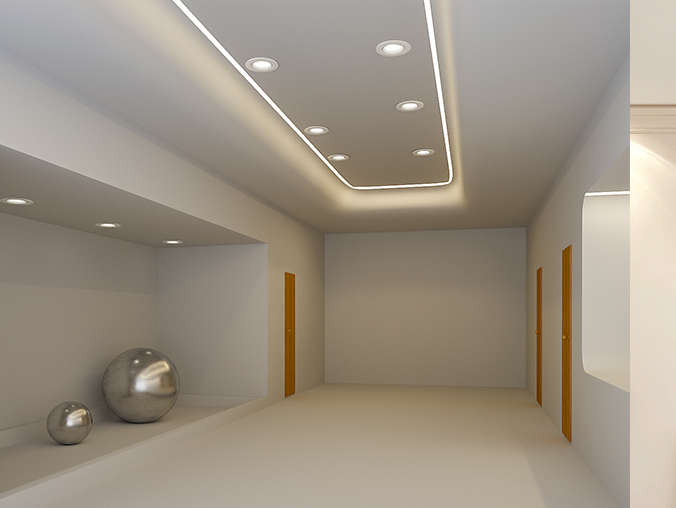
The two opening ranges are not identical, so physical replacement needs its own check even where the fittings appear similarly compact. This Melody example has a fixed 4000K specification. A different colour or dimming option discussed elsewhere in the series should not be assigned to this supply configuration without confirmation of the ordered version.
Select a trial area that includes the space between fittings, a doorway and a relevant transition. Compare the calculated result with observations from the normal approach, using representative finishes where practicable. Review the ceiling as well as the route, since conspicuous bright apertures can affect the experience even when the horizontal calculation appears satisfactory.
An Energy Efficient LED Ceiling Light should be chosen for that complete situation. If the project considers Low Power Consumption LED Lights as replacements, record the approved quantity, model and positions together. Keep general corridor lighting separate from any independently designed emergency provision, and confirm required control behaviour through the actual driver and controller arrangement rather than through colour selection terminology.
Include the expected quieter operating period in the brief, even if the final arrangement uses simple switching. Describe what the corridor needs to achieve while it remains occupied, then confirm whether the selected equipment can provide the intended operation. Do not assume that a low wattage fitting requires no further discussion of its use.
At acceptance, compare the actual quantity and positions with the approved drawing. Check the installed model labels and fixed colour specification before assessing the result. If the contractor has changed the spacing to avoid a ceiling service, revisit the affected coverage rather than retaining the original calculation without review. Keep those changes with the corridor record for later maintenance.
Where room numbering, signage or entrance recesses change, identify the affected part of the route and review its illumination. This keeps a later architectural alteration connected to the assumptions behind the accepted low wattage layout.
At IMIGY Lighting, we recommend deciding whether low wattage is enough only after reviewing the intended route. Bring the corridor section, existing positions and operating brief into the Wave and Melody comparison. The accepted solution should identify the model, quantity and spacing that serve the corridor, with calculations and sample observations retained so later substitutions can be assessed against the same lighting intention.
Q: Can two 5W downlights be spaced identically because their electrical power matches?
A: Not without comparing their distributions and outputs. The Wave and Melody examples have different beam specifications, and the complete photometric patterns may affect the space between fittings. Use the room geometry and actual model data, then check the proposed arrangement before adopting a shared spacing.
Q: Is the corridor sufficiently illuminated if the floor directly beneath each fitting looks bright?
A: That observation covers only part of the route. Review the positions between fittings, the corridor edges and any relevant doorway or intersection. Compare those areas with the intended task and the project assessment instead of using the brightest local patch to judge the whole corridor.
Q: What should be compared when a lower wattage option requires more fittings than the original scheme?
A: Compare the total installed arrangement, useful illumination and intended operation. Keep fixture quantity, power and any control changes visible in the review. This prevents the individual model's low wattage from being presented as a complete energy conclusion before the layout has been resolved.
It is recommended that you upgrade the latest browser
 Chrome
 Firefox
 Edge