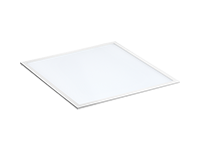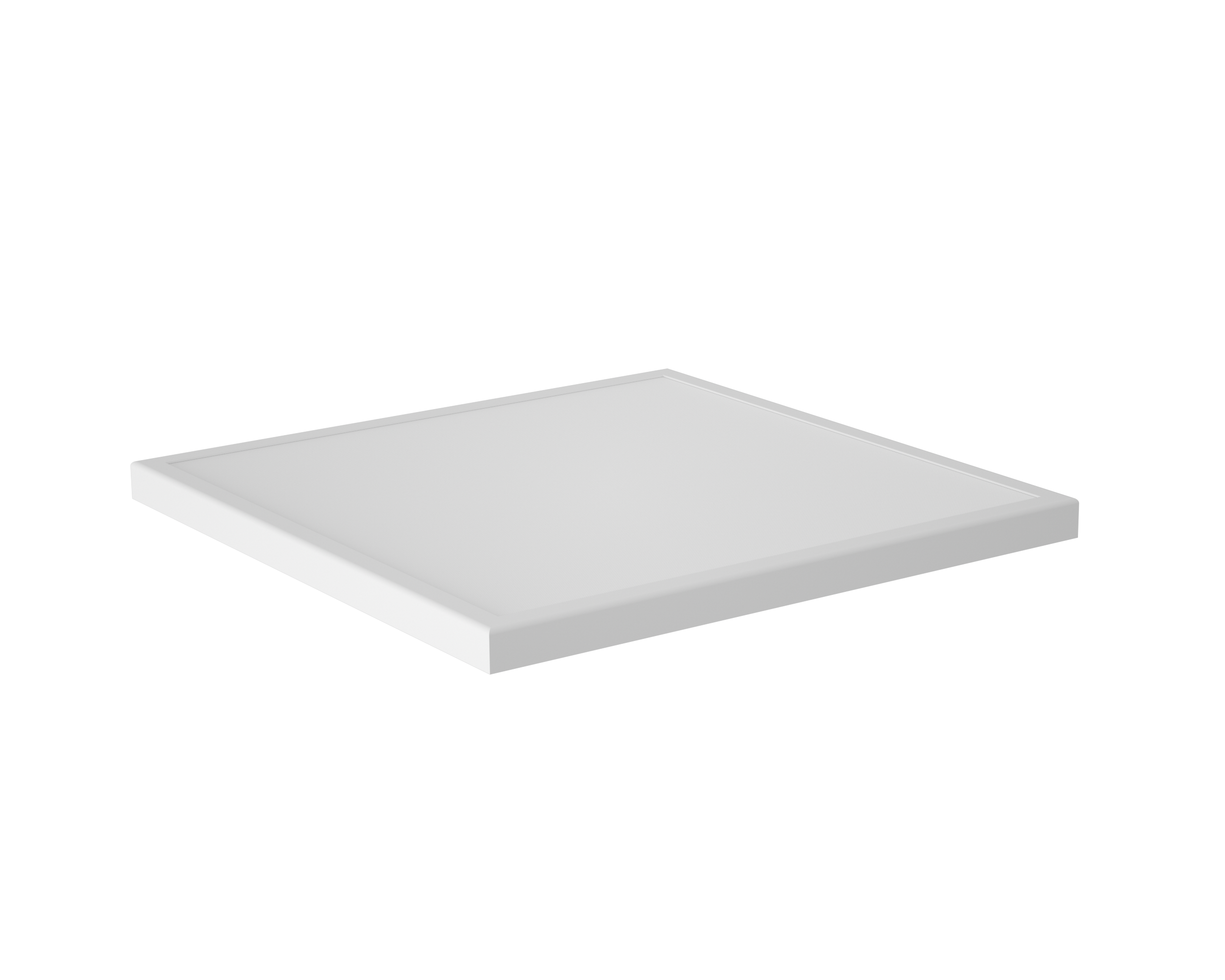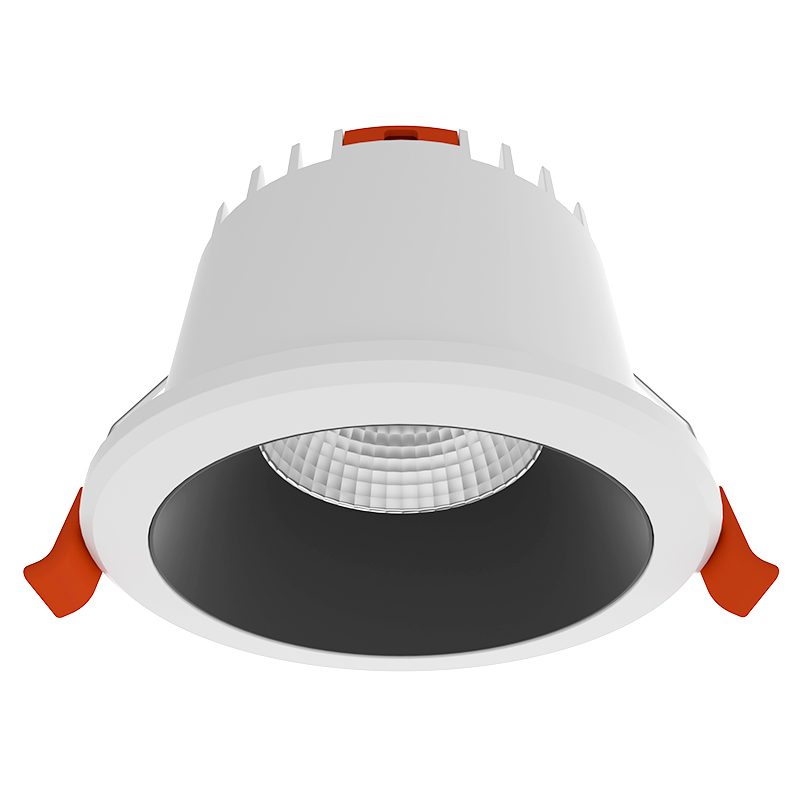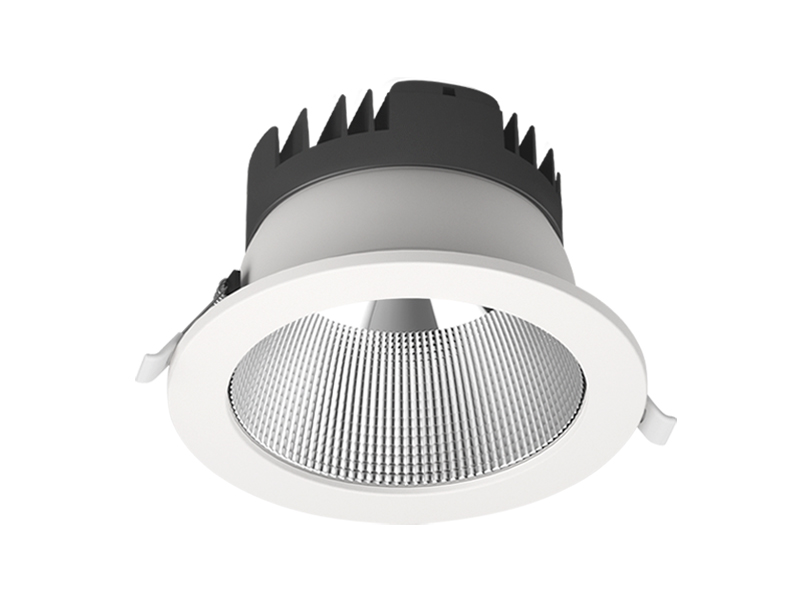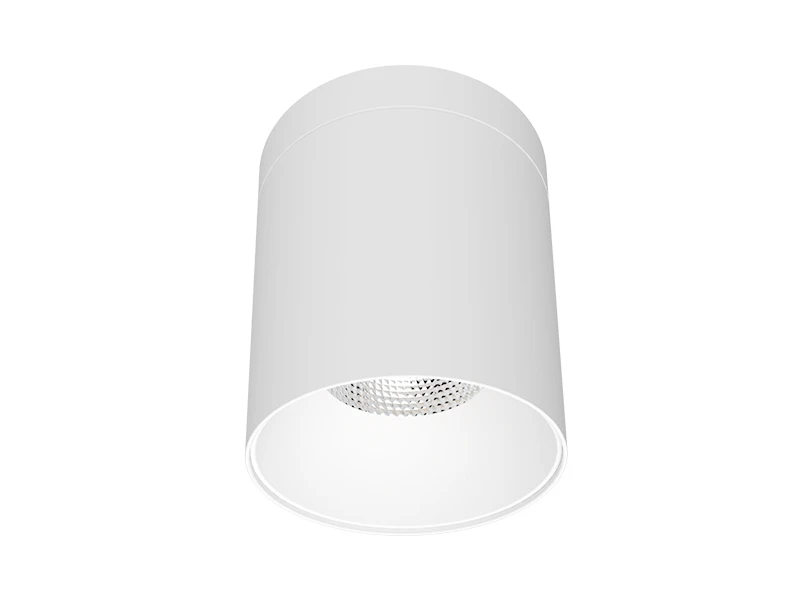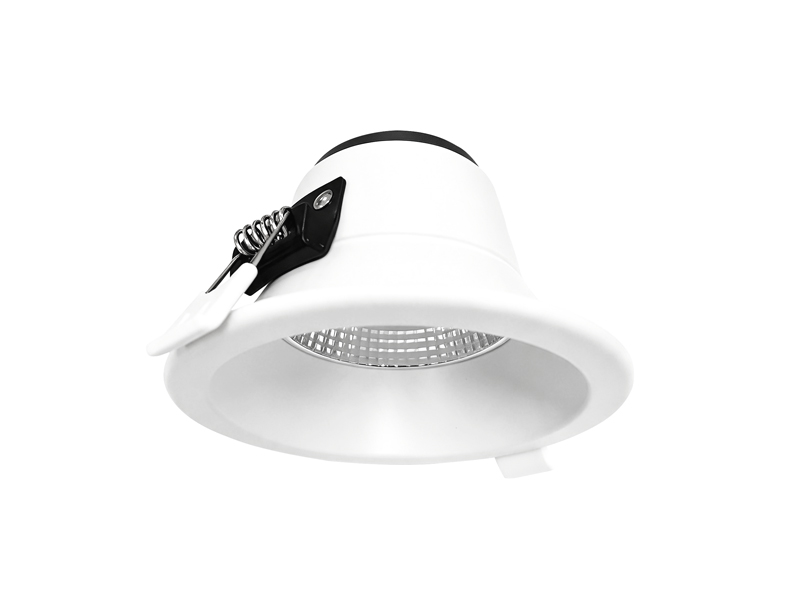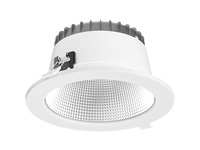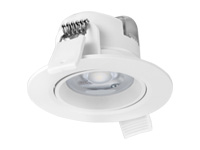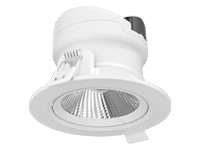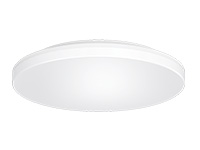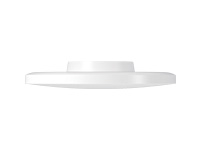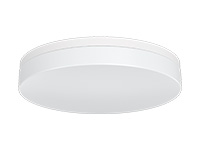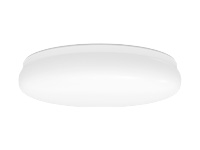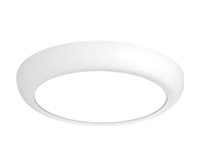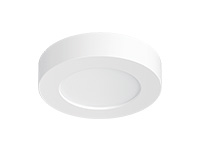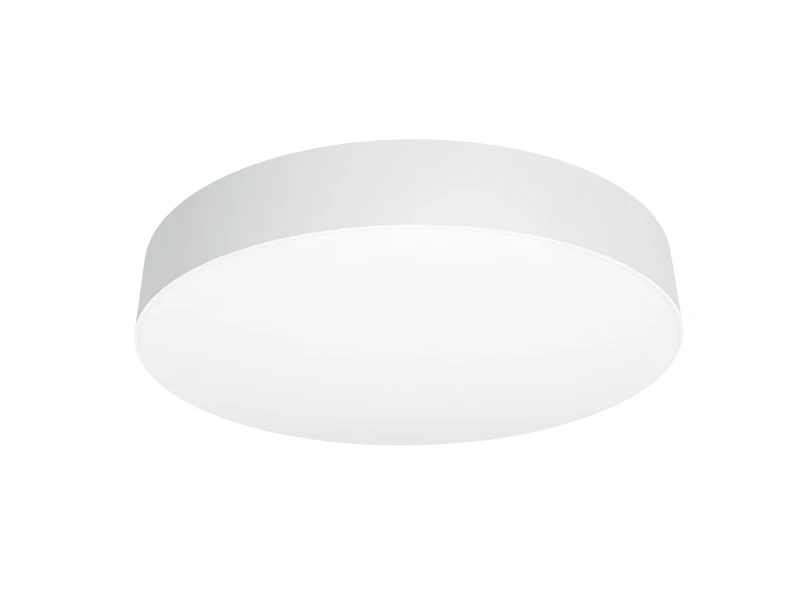

Divide mall lighting by task, daylight conditions and actual use before specifying fixtures or controls. At IMIGY Lighting, we assess Explorer Pro Down Lights and Legend Down Lights for defined local roles within that plan. Draw the operating groups separately from the visual zones, then verify the ordered driver and control configuration before relying on any proposed dimming or automatic response.
A shopping mall can contain entrances, circulation, shopfront edges and service points with different schedules and viewing needs. Switching them as one undifferentiated area can leave the operating brief disconnected from how the building is used. Our approach to Energy Efficient Commercial Lighting links each lighting task with a documented fixture role and an explicit operating requirement. Explorer Pro Down Lights and Legend Down Lights provide concrete configurations for that coordination without being presented as the answer to every space in the mall.
Map the tasks and occupied areas before drawing control groups. Keep daylight assumptions, operating periods and fixture settings visible in the plan. Confirm driver compatibility and required equipment rather than inferring controls from colour selection. Compare the complete installed arrangement and test its intended behaviour, including transitions between adjacent areas, before accepting an energy conclusion.
Begin with the mall's current layout and intended visitor route. Identify entrances, circulation edges, information points and other areas the proposed downlights may serve. State the illumination task at each location and include another luminaire type where necessary. A local product selection should not silently become a universal specification for high entrance volumes, large open areas or specialist tenant displays.
Next, identify the operating conditions. Window areas, internal routes and independently used service points may need different decisions, but the final groups should follow the actual brief. A visual boundary does not automatically require a separate circuit. Draw the proposed grouping and explain the expected behaviour so the electrical and controls teams can coordinate the necessary equipment.
An Energy Efficient LED Ceiling Light still needs that operating context. If occupancy sensing, daylight response or dimming is proposed, confirm the actual product version, driver and controller together. Selectable colour temperature describes another feature and should not be used as evidence that automatic operation is included. Resolve the intended behaviour before it becomes an assumption in the energy calculation.
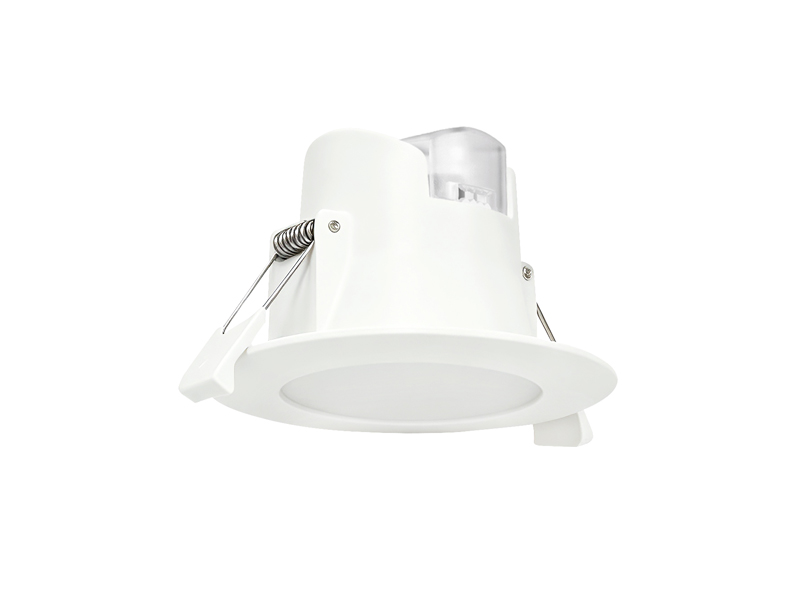
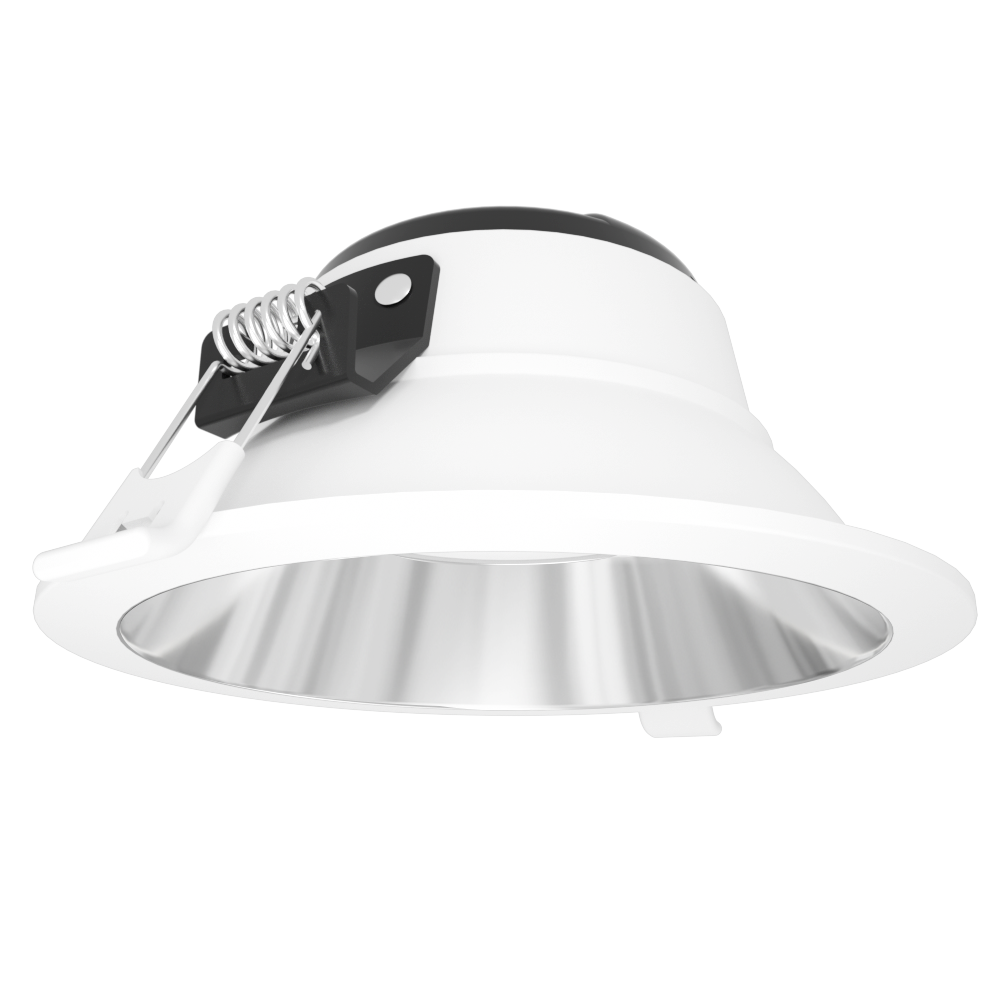
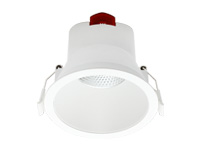
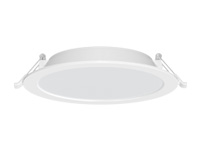
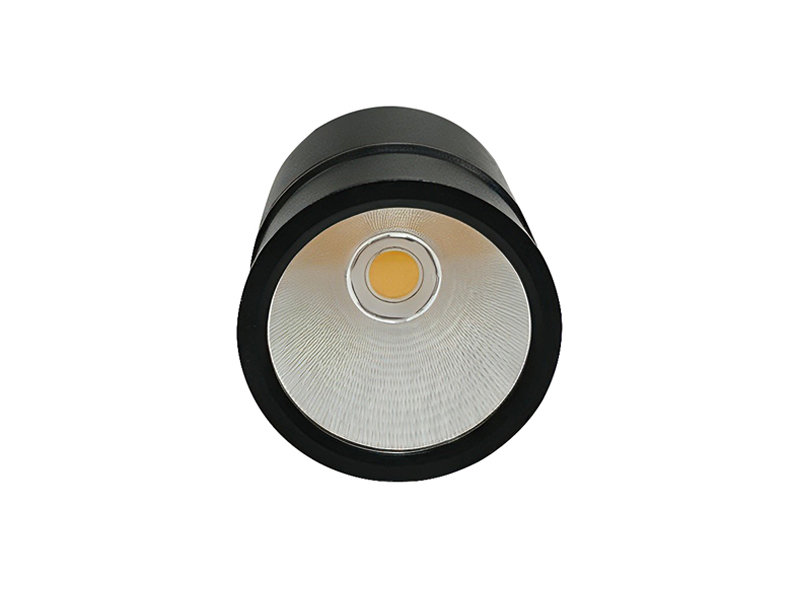
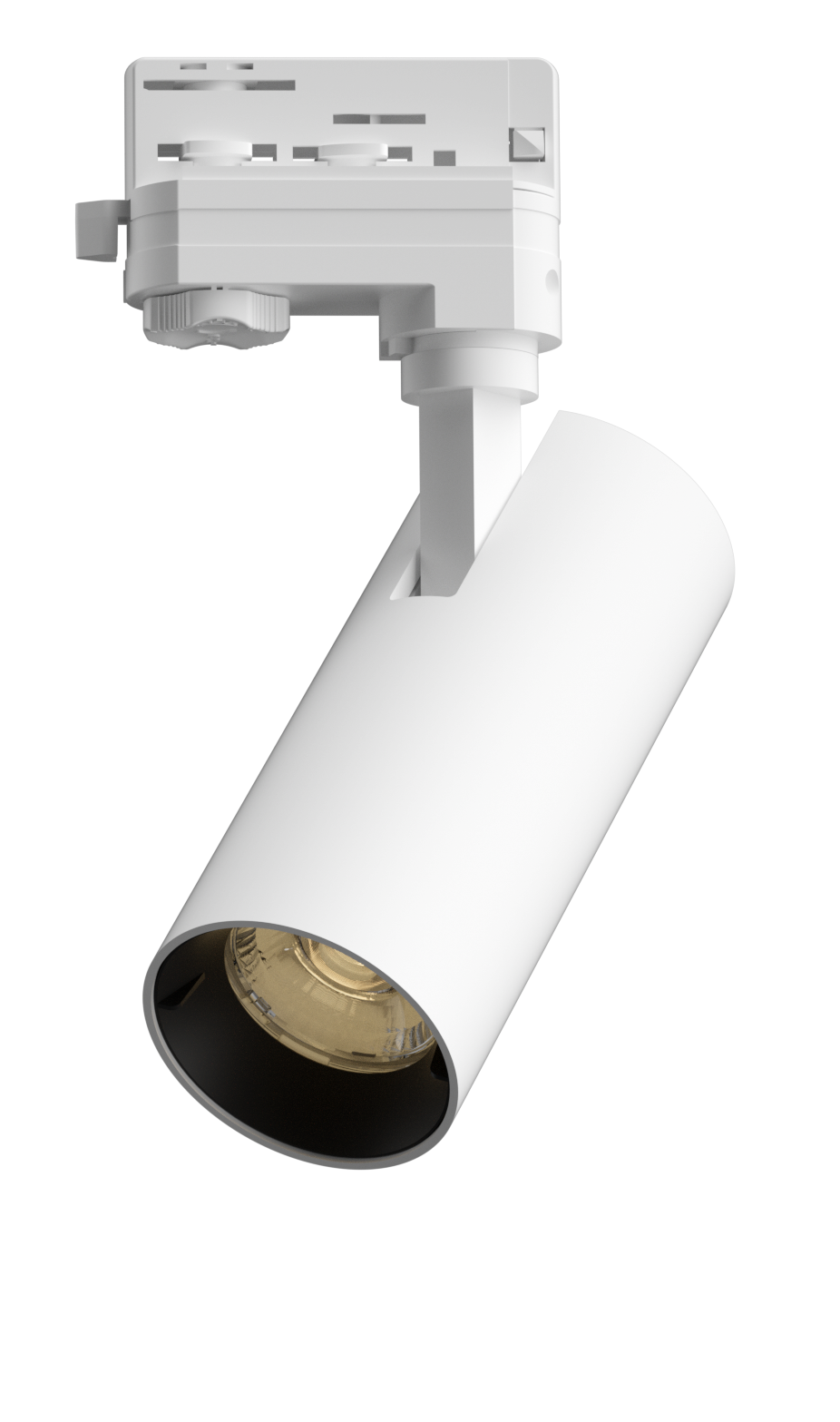
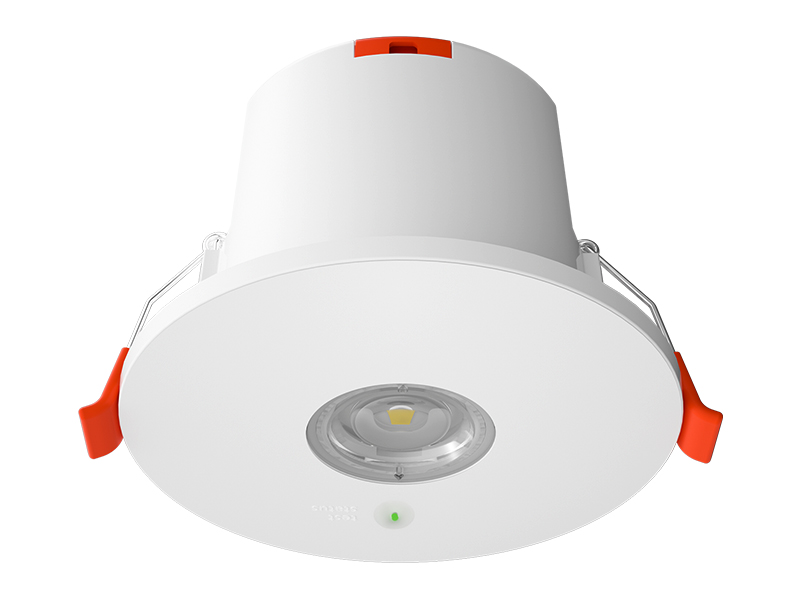
Our Explorer Pro Down Lights include the A version represented here by D20100-A. Its listed output and 60° beam provide a specific basis for reviewing the intended local area. Keep the model and optical version attached to that location so another power or optic within the family cannot be substituted without checking the effect on the accepted arrangement.
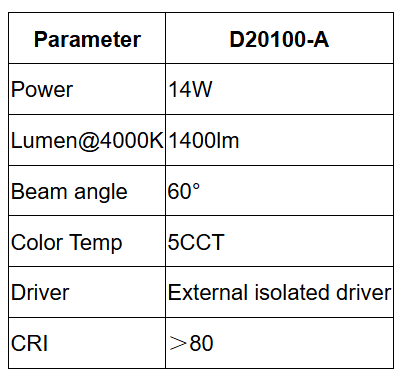
This A version uses reflector and lens optics, with UGR below 19 stated in the series information. The completed mall still needs its own glare and viewpoint assessment. The five colour settings support a setup choice, while the external isolated driver needs an accessible installation position and separate confirmation of any required control interface.
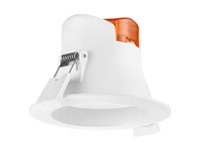
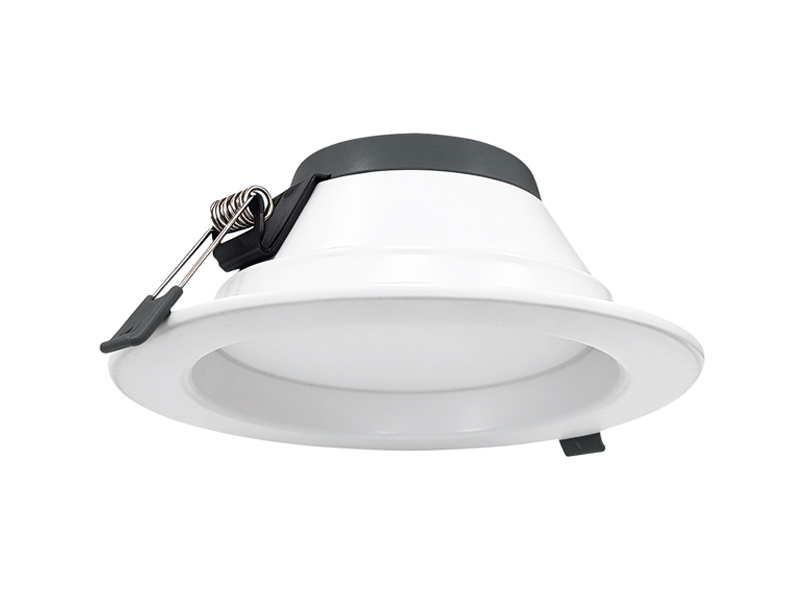
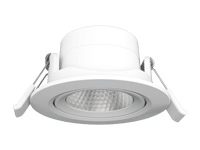
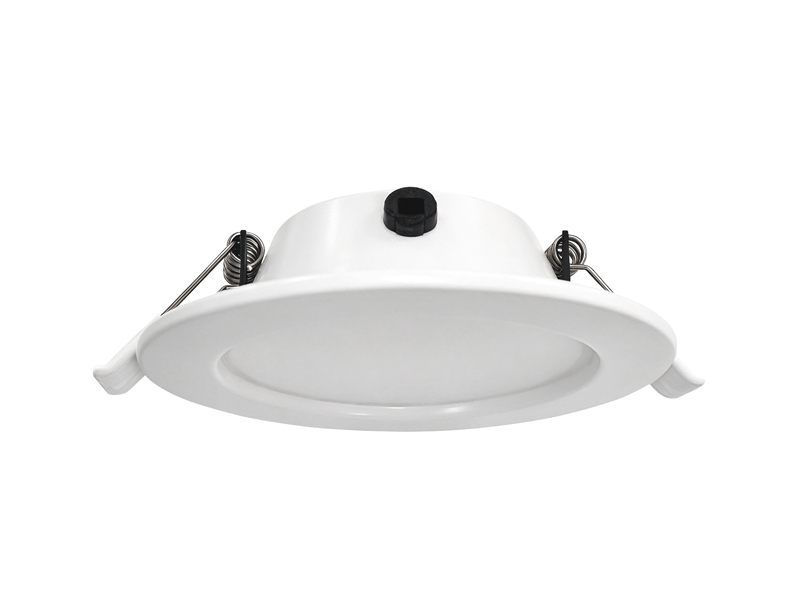
Legend Down Lights offer another configuration through D2070-C-TW. This Low Wattage LED Downlight has a different output and beam from the Explorer Pro example, so its role should be assessed against the actual task rather than assigned by power alone. Compare the complete distribution and planned quantity before deciding which local zone it can serve.
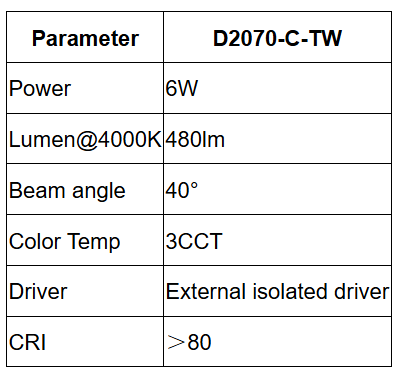
The listed three colour settings are setup options, not automatic scene changes. The series information discusses driver changes for different dimming methods, which means the required configuration must be confirmed for the order. Do not assume a standard fitting already provides the intended interface or can be connected to an existing controller without a compatibility review.
Define representative conditions such as normal trading, a quieter occupied period and other arrangements identified by the operator. Describe which groups should operate and what transitions visitors and staff will experience. Keep these descriptions tied to the actual supplied equipment rather than a generic controls diagram. Any independent emergency provision should retain its own project requirements and verification.
For Low Power Consumption LED Lights, compare quantity, selected settings and operating assumptions together. If the project changes both the luminaires and their operation, show the contributions separately rather than attributing every difference to the product. High Efficiency LED Luminaires become useful within a plan that provides the required light and an achievable operating arrangement, not merely a list of efficient individual fittings.
Use the operating descriptions to prepare an acceptance check for each relevant group. Confirm the installed model, colour setting and actual control response, then observe the transition to adjoining occupied areas. A group that responds correctly on a control screen may still need a viewpoint check in the mall.
Keep the operator's accepted settings with the current drawing. Where an adjustment changes the intended operation, record the reason and review the affected task rather than treating every control change as an automatic improvement in efficiency.
Review proposed substitutions against the accepted zone role as well as the model table. A different distribution or driver can affect both illumination and operation, so the comparison should identify the consequences before a replacement becomes part of the supplied arrangement.
At IMIGY Lighting, we recommend keeping the zone drawing, fixture schedule and control brief coordinated from selection through acceptance. Share the mall layout and operating requirements when reviewing Explorer Pro and Legend. A working solution should identify each model's role, demonstrate the planned behaviour in a representative area and preserve the accepted settings, making future tenant changes or control adjustments easier to assess against the original intention.
Q: Should every visual zone on the mall plan become a separate electrical control group?
A: Not automatically. Grouping should reflect actual occupancy, daylight and operating needs as well as practical coordination. State the required behaviour first, then agree the equipment and circuits that can provide it. A visual task boundary is useful planning information, but it does not determine the electrical solution by itself.
Q: Do five or three selectable colour settings mean the downlight supports automatic scenes?
A: No. The settings describe colour choices, while automatic scene behaviour needs an explicitly supported configuration and control system. Confirm the ordered driver, interface and controller, then test the planned operation. Keep the accepted colour setting separate from the operating scene description in the project record.
Q: What should be reviewed when a tenant alteration changes the use of an adjacent mall area?
A: Update the task and operating assumptions for the affected area, including relevant viewpoints and control groups. Check the fixture role, distribution and expected transitions again. Retain the revised drawing and settings with the schedule so later adjustments follow the current arrangement rather than an outdated zoning plan.
It is recommended that you upgrade the latest browser
 Chrome
 Firefox
 Edge