
Choose a portable maintenance light using its own verified runtime, distribution, carrying arrangement and environmental information. At IMIGY Lighting, we distinguish that mobile task from the fixed roles of Guard Fit Emergency Downlight and Voyager Emergency Blade Exit Sign. Guard Fit supports assessed emergency illumination and Voyager identifies the exit direction; neither product is presented here as a portable work light or a substitute for one.
Factory maintenance can involve a local task that needs temporary light while the building still needs an identifiable emergency route. These needs should be planned together without combining their equipment specifications. Our guide to a Portable emergency light explains which runtime and coverage questions belong to the mobile unit, then shows how our fixed Guard Fit and Voyager products contribute separately. The objective is a clear division of functions rather than assigning an unsupported portable capability to an installed luminaire.
Identify the maintenance task and the intended mobile equipment before comparing runtime claims. Ask what operating setting and test conditions support each figure. Review the light on the actual work surface and check the environment independently. Keep the fixed emergency route and exit signs within their own assessment, even when a temporary light appears to illuminate part of the same area.
Start with the location of the work, its duration and the surfaces that need to be seen. A horizontal bench, a vertical component and a partly enclosed equipment space can need different distributions. Ask for the proposed portable unit's verified performance at the intended operating setting; a headline runtime without that setting does not establish what illumination will be available throughout the task.
Review how the light will be positioned and kept stable without obstructing access or the route. Confirm carrying, mounting and electrical arrangements from the actual product documentation. A rechargeable battery alone does not make a light portable. Likewise, an installed product's discharge rating does not describe the runtime of an unrelated mobile work light at another output or operating mode.
The factory environment also needs its own review. Consider the actual exposure and any special conditions identified by the site team. Do not infer suitability from the word emergency, a housing shape or a single protection rating. Where evidence for the mobile unit is unavailable, keep that selection unresolved rather than filling the gap with parameters from the fixed products below.
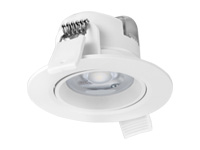
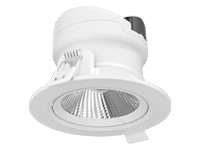
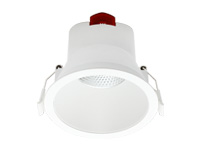
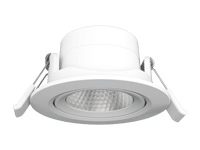
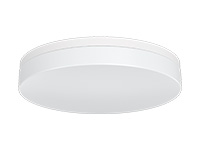
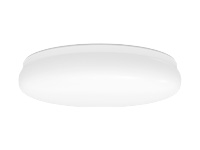
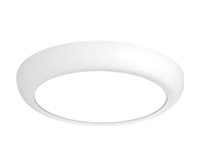
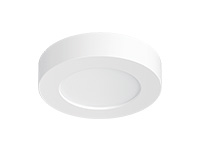
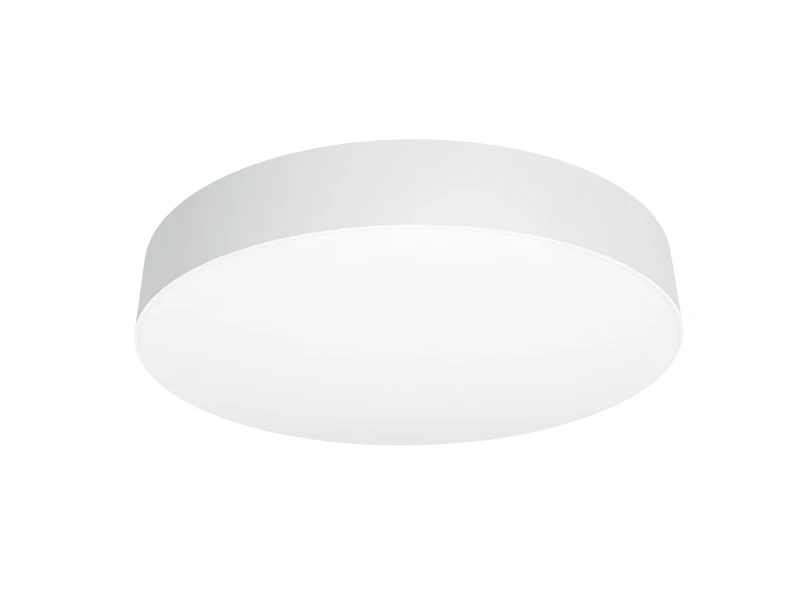
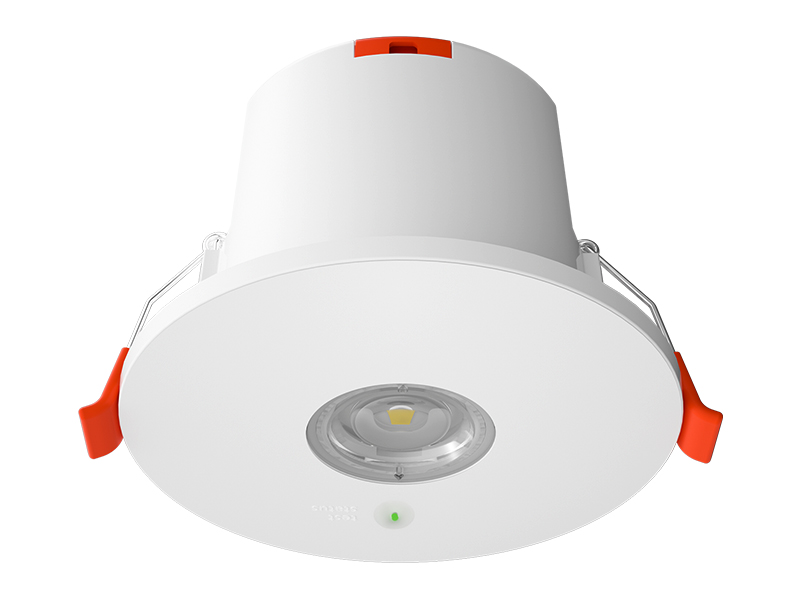
Our Guard Fit Emergency Downlight is assessed as a fixed installation, with surface mounted or recessed options and interchangeable lenses. The round and oval optics allow the project to identify the intended configuration before reviewing emergency coverage. This role remains separate from illuminating a maintenance task with a hand carried or temporarily positioned product.
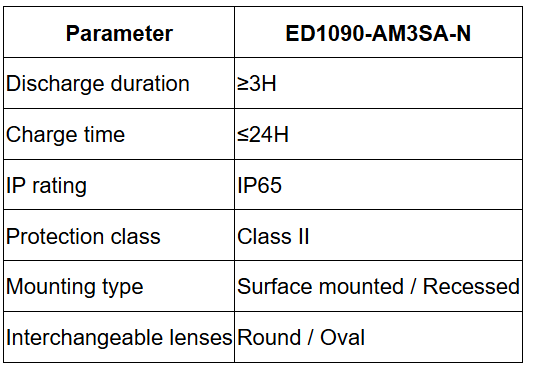
The stated discharge duration is a specification for Guard Fit, not a runtime promise for a portable unit. Its IP65 rating similarly belongs to this product and does not establish suitability for every factory condition. Confirm the actual configuration, environment and emergency distribution for its installed location, with qualified personnel following the supplied installation and testing instructions.
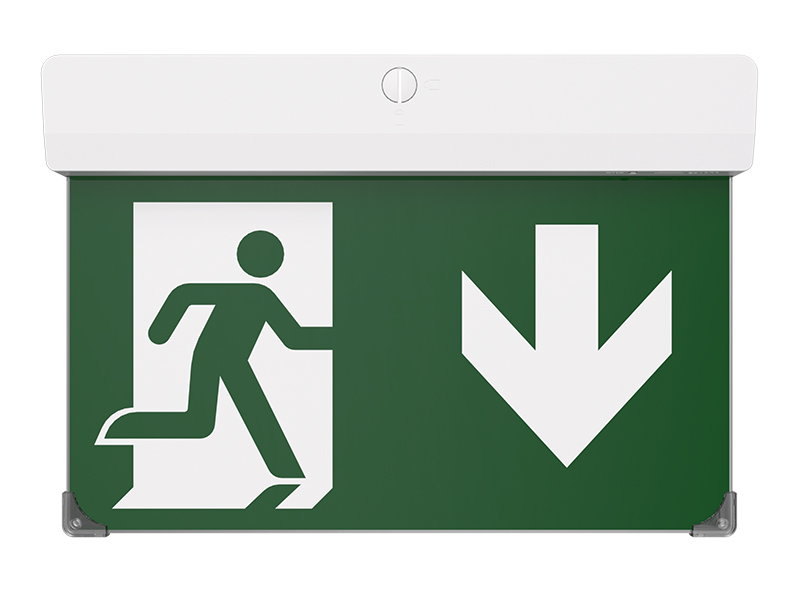
Voyager Emergency Blade Exit Sign identifies the route direction through its approved legend. Its position should follow the relevant approach view, including any temporary equipment used during maintenance. Review whether work screens, access equipment or stored components affect that view rather than assuming the sign remains visible because its electrical operation has not changed.
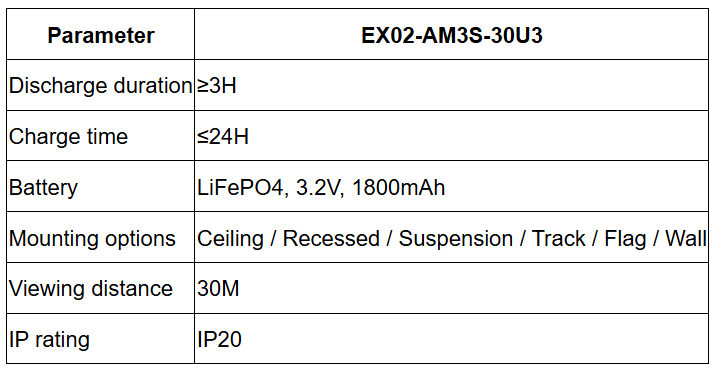
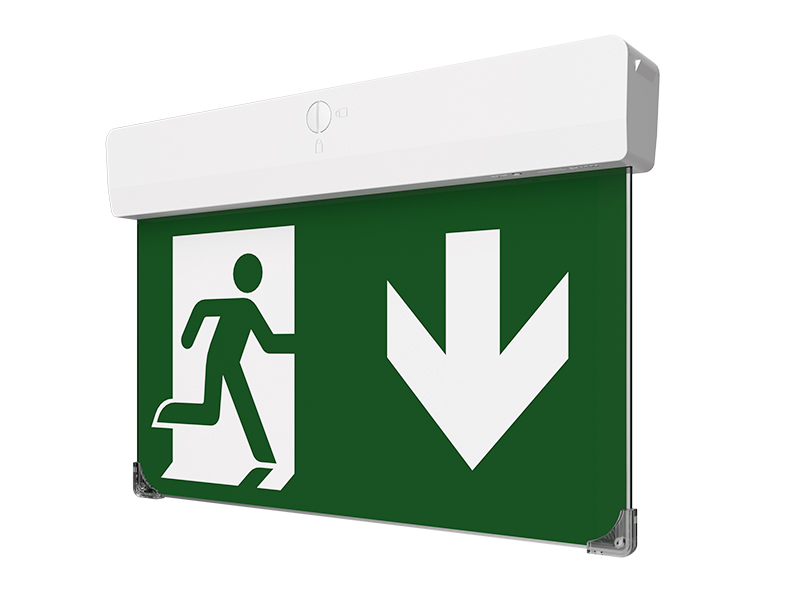
The mounting options listed here describe installed arrangements; they do not make the sign a portable maintenance light. The viewing distance is also a sign characteristic rather than work surface coverage. Retain the correct legend and configuration in the project record, and assess its visibility independently from the temporary light used by the maintenance team.
Before the task, compare the planned work area with the fixed emergency layout and access needs. Identify any obstruction introduced by tools, temporary screens or equipment. The responsible site team should agree the working and lighting arrangements, including how any affected emergency provision is managed. Do not presume that bringing in a mobile light resolves every change to the building's accepted arrangement.
A Rechargeable emergency light requires its own charging and operating information whether it is fixed or mobile. A Round emergency light describes an outline rather than portability, while a Box type emergency light still needs its documented function confirmed. Each Emergency light fixture should remain identifiable by model, location or assigned mobile task so specifications cannot be transferred casually between categories.
Record which equipment will be removed after the maintenance task and which products remain part of the fixed installation. When temporary screens or tools leave the area, check that the agreed route arrangement has been restored. This final review should follow the site's accepted procedure and be retained with the work record, rather than assuming that the end of the repair automatically resolves every lighting change introduced during the task.
At IMIGY Lighting, we recommend Guard Fit and Voyager through the roles their documentation supports. Provide the fixed layout and the maintenance work plan when discussing how the arrangements interact. For the portable unit itself, obtain the relevant product evidence before selection. Keeping these decisions connected but distinct gives the project a clearer runtime discussion, a meaningful coverage review and a reliable record of which equipment is intended to serve each task. Keep the mobile equipment record separate from the permanent sign and downlight records throughout planning.
Q: Can Guard Fit be described as portable because it contains a rechargeable battery?
A: No. Its documented mounting arrangements are surface mounted or recessed, and the battery does not establish a carrying or temporary work light function. Evaluate Guard Fit for its fixed emergency role. A portable unit needs its own documentation for handling, positioning, operation and the intended maintenance environment.
Q: Can a portable light's runtime be compared directly with the fixed products' discharge duration?
A: Only where the relevant functions, settings and test conditions make the comparison meaningful. The fixed product ratings do not establish the mobile unit's performance. Request the portable model's own runtime information and coverage evidence for the actual task, keeping those records separate from the installed emergency equipment.
Q: Does a bright maintenance work area mean the fixed exit signs no longer need a visibility check?
A: No. Task illumination does not establish that the approved legend can be recognised from the relevant approach. Temporary screens or equipment can change the view. Review the affected route and sign positions with the site team before relying on the original arrangement during the maintenance work.
It is recommended that you upgrade the latest browser
 Chrome
 Firefox
 Edge