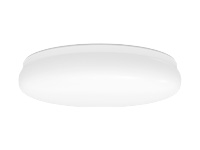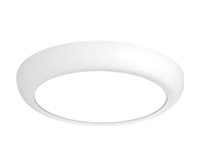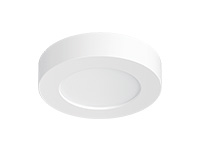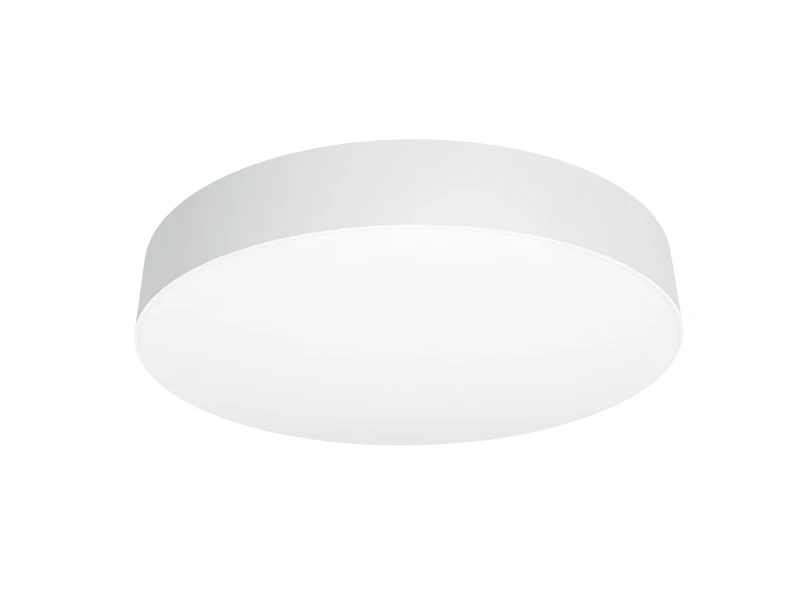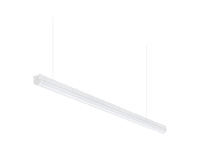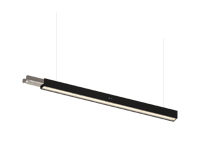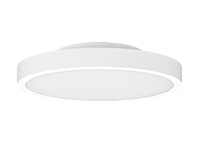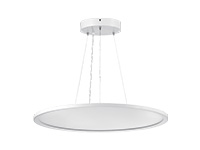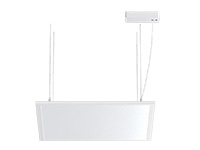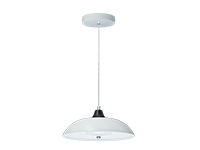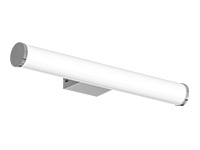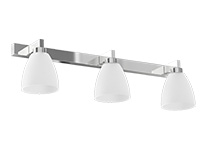

Identify the installed model, test configuration, charge condition and agreed test procedure before checking a warehouse emergency light. Keep observations precise enough to support investigation. Record which unit showed the symptom and what was observed, rather than describing an entire warehouse circuit as having a battery problem. If several units are involved, retain their identities and results separately.
Where a service action changes the battery, test configuration or optical arrangement, update the equipment history and arrange the checks required by the instructions and project procedure. This prevents a later result from being compared with an undocumented earlier configuration.
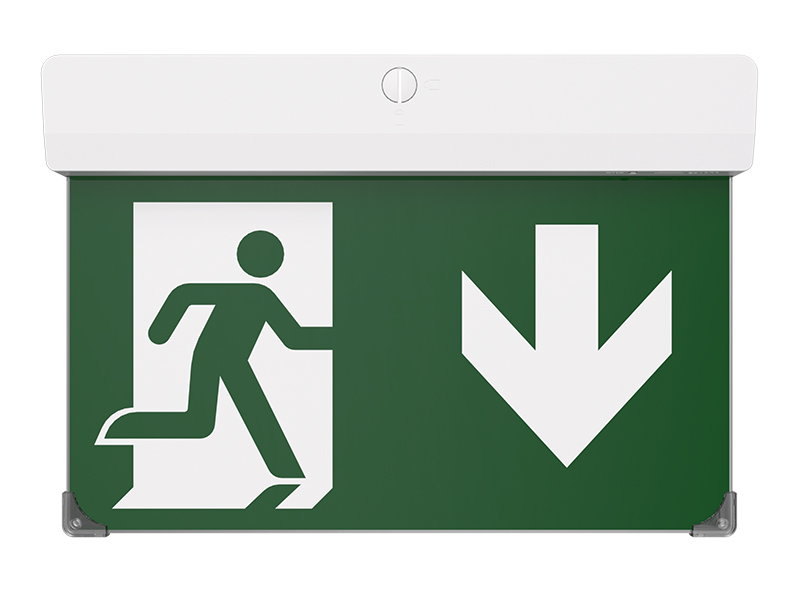
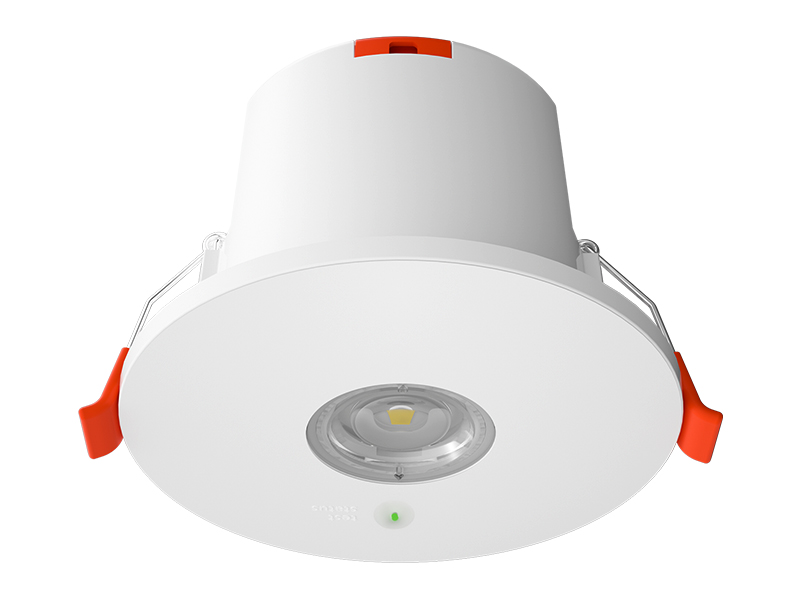
At IMIGY Lighting, we recommend keeping Voyager Emergency Blade Exit Sign and Guard Fit Emergency Downlight as separate records: one needs its sign operation and visibility checked, while the other needs its emergency lighting function and selected optics assessed. A brief illumination check does not establish full discharge performance.
Warehouse conditions can change as racks, stored goods and working areas move. Maintenance therefore needs to consider both the unit and the environment it serves. Our approach to a Rechargeable emergency light starts with a reliable equipment record and a controlled test plan. The aim is to identify a genuine change in operation without confusing an incomplete charge, a different test mode or a newly obstructed route with a confirmed battery defect.
Use the instructions and test arrangement for the actual supplied configuration. Agree the test with the responsible site team and retain the results against the equipment identity. Keep a functional check distinct from a duration test, and confirm the return to normal operation afterward. An Emergency light fixture should not be accepted solely because it lights briefly or shows an apparently normal indicator.
Confirm the model label, location and selected test arrangement before starting. The product images list manual test, self-test and DALI-2 modes, but those entries do not prove that every installed unit provides all modes in the same configuration. Use the supplied instructions to identify the actual arrangement and the meaning of its status indications.
Review the charging history and any recent interruptions. The listed charge time is a product specification; follow the instructions for the relevant unit rather than assuming a short period on supply establishes a full charge. If the preparation is uncertain, record that limitation before interpreting a shorter observed discharge as a fault. Do not use one product's battery details to select a component for the other.
Agree how the test will be performed without leaving the site dependent on unavailable equipment. Qualified personnel should use the approved test facility and instructions; this article does not prescribe disconnecting live wiring or creating an uncontrolled outage. Define the observations and acceptance criteria with the responsible team before testing, including how any failed equipment will be managed and how the arrangement will be restored.
Our Voyager Emergency Blade Exit Sign has its own battery, charge and discharge information. Keep those values with the installed model record. During the agreed test, check the relevant emergency operation and whether the legend remains visible from the intended approach. A sign that illuminates can still be obstructed by a rack, stored material or another change to the warehouse.
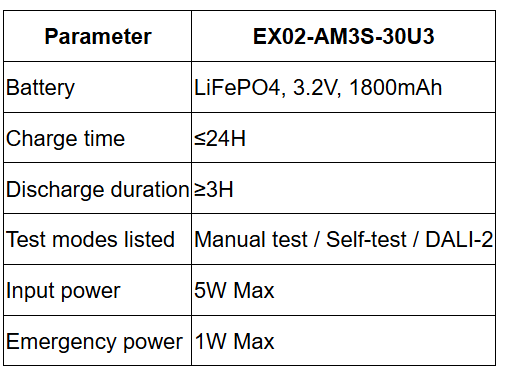
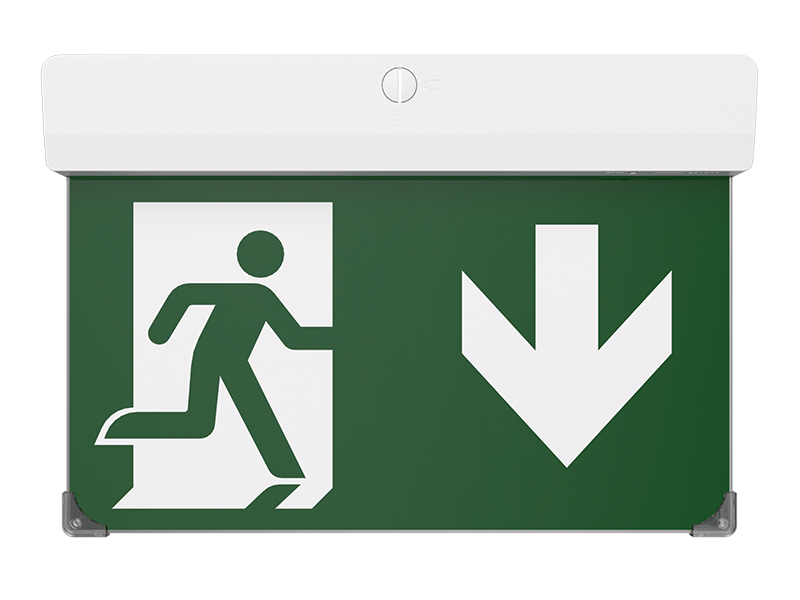
Record the actual test method, preparation and observed result rather than copying the rated duration into a maintenance log as though it had been measured. The battery chemistry, voltage and capacity shown here describe this source model; they are not a component interchangeability instruction. Any replacement needs the manufacturer's confirmed compatible component and procedure for the actual unit.
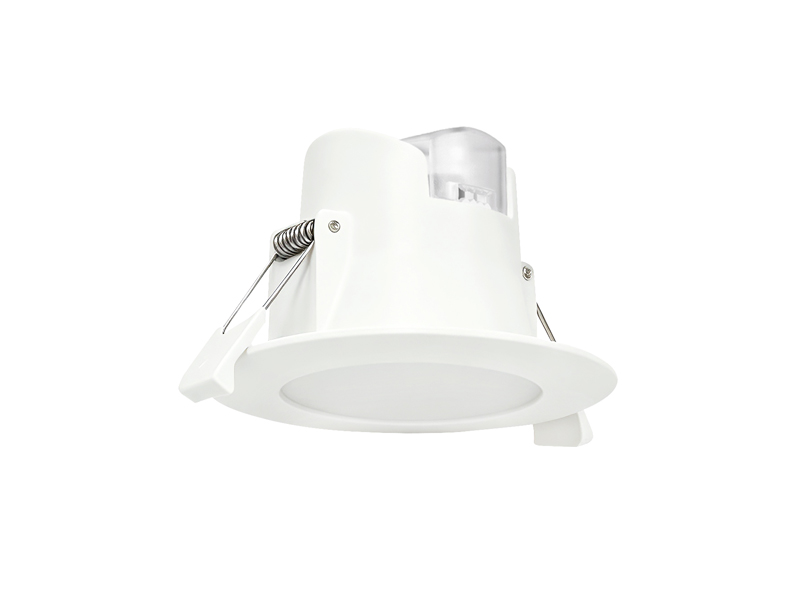
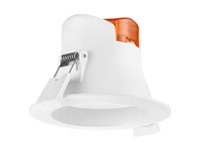
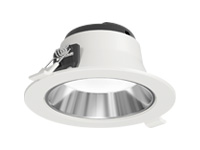
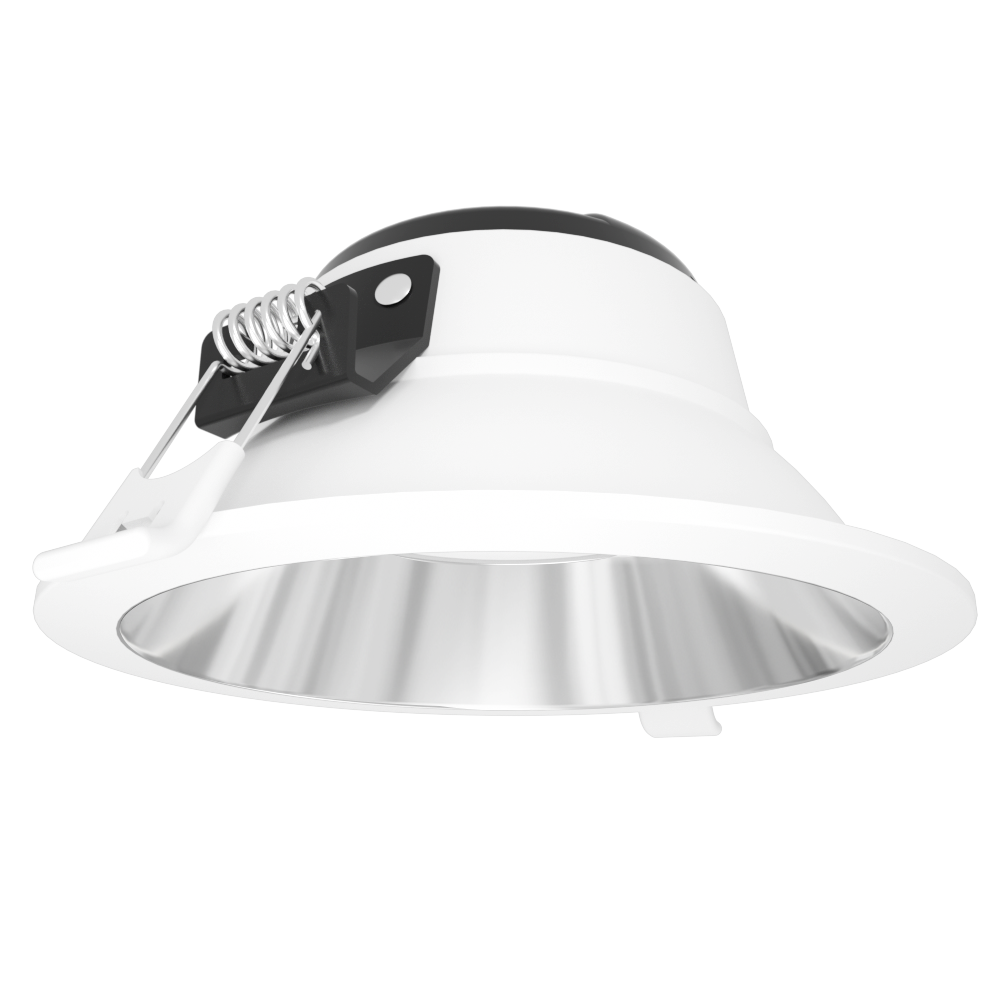
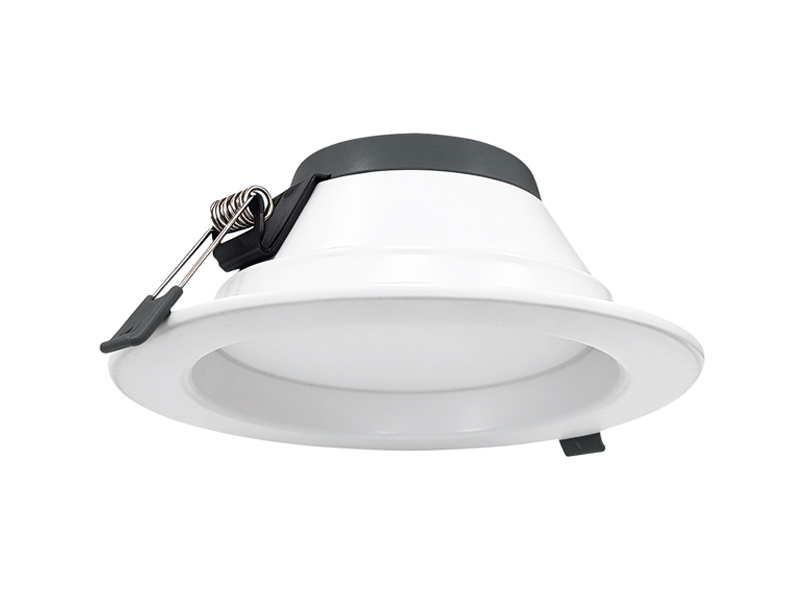
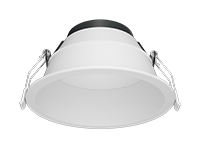
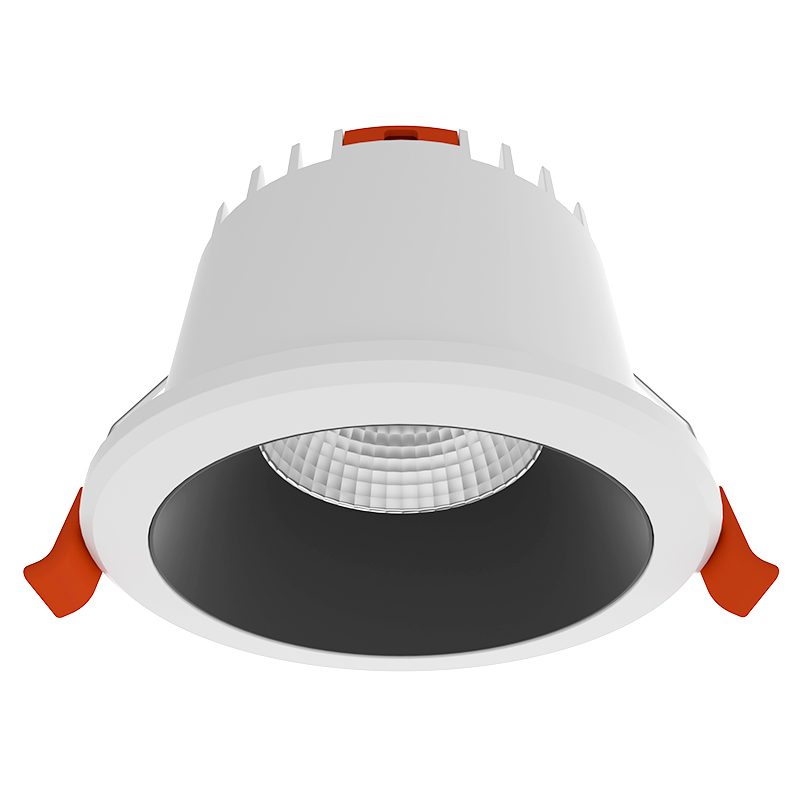
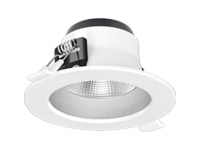
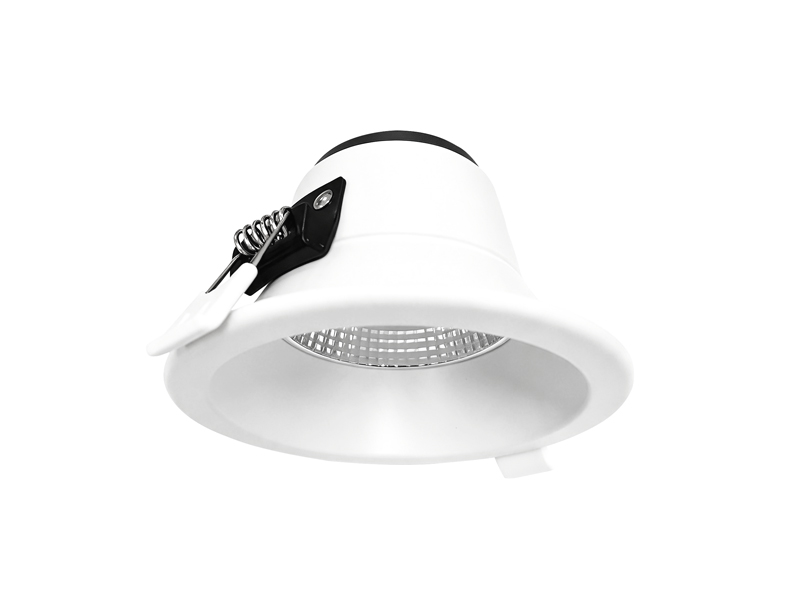
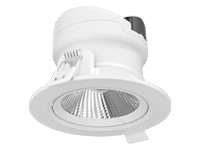
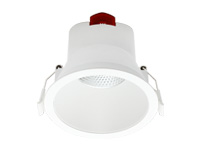
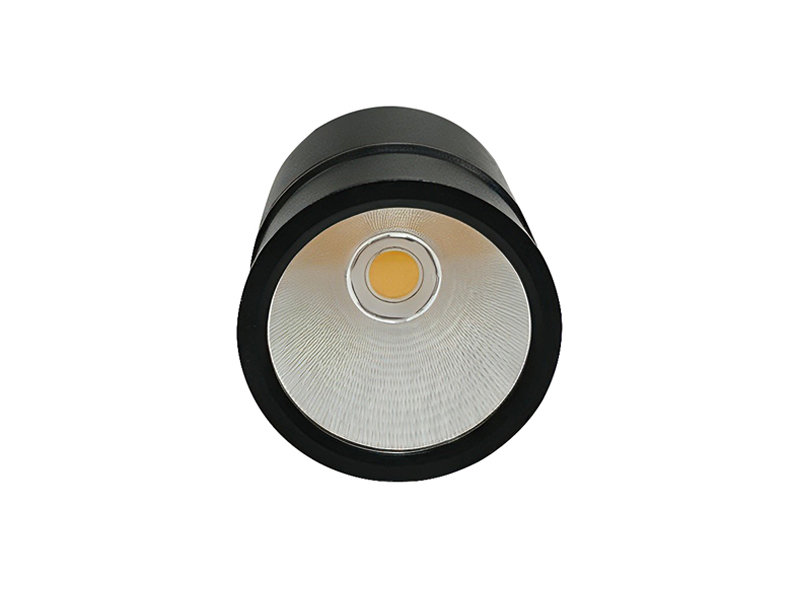
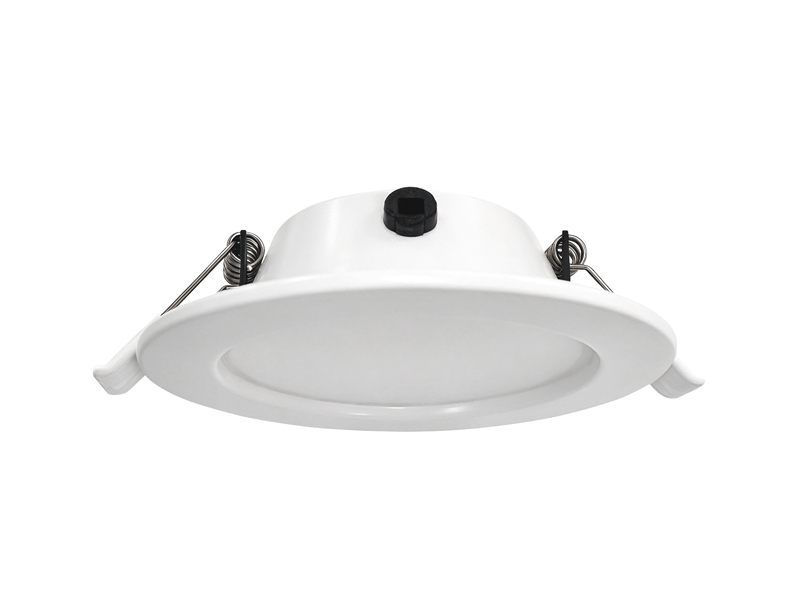
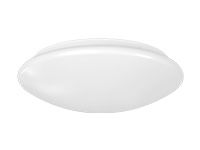
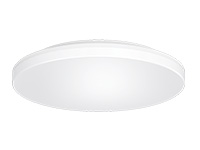
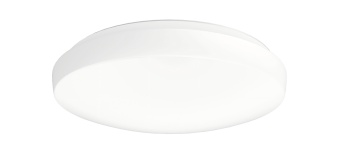
Guard Fit Emergency Downlight should be recorded independently of Voyager. Confirm the installed round or oval lens and compare it with the accepted emergency lighting arrangement. Changing optics or moving the fitting can affect the assumptions behind the route assessment even if the unit still operates during a functional test.
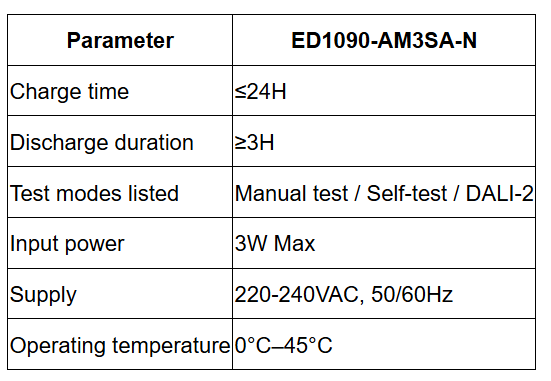
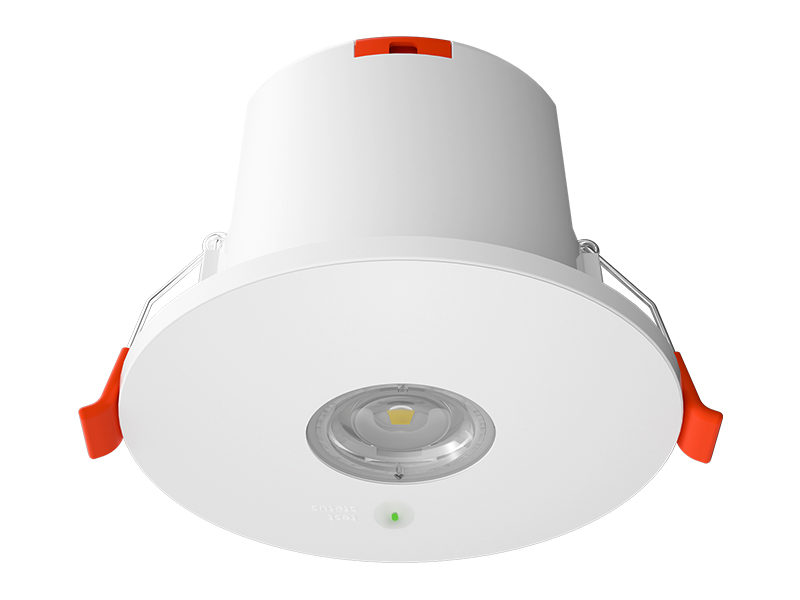
The table includes common specifications and the test modes listed in the source, without mapping the source's multiple power and battery options into unverified combinations. Use the exact supplied configuration when arranging a test or replacement. A duration result and a route coverage assessment answer different questions, so neither should be used as a shortcut for the other.
Keep the date, equipment identity, test method, starting condition, observed result and any follow up action together. For a timed test, record what was actually observed under the agreed procedure. If a result is uncertain, distinguish that from a confirmed failure and arrange the appropriate investigation. Restore the normal operating and charging arrangement according to the instructions, then record that restoration.
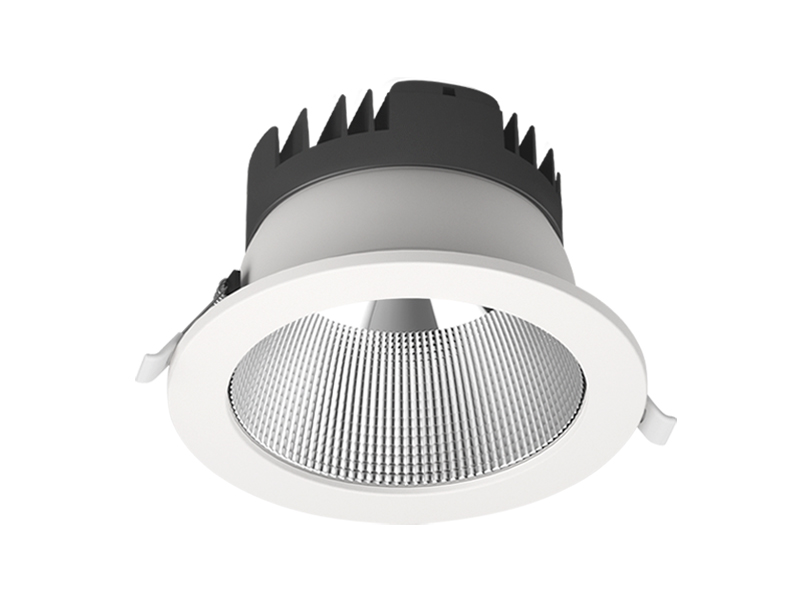
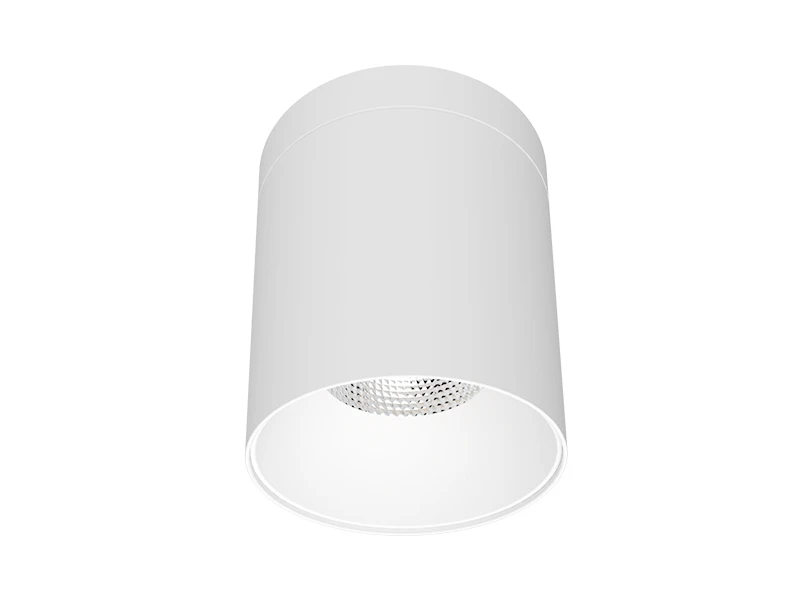
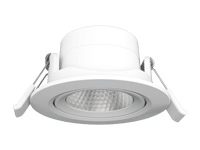
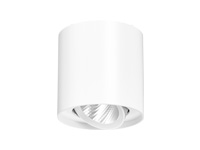
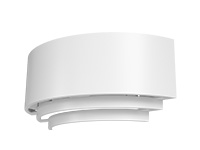
Review the warehouse around the products as well. A Round emergency light needs its actual optical configuration retained, while a Box type emergency light would need its own product specific procedure. A Portable emergency light used for maintenance is a different equipment category and does not replace the records or verification for the fixed sign and downlight arrangement.
At IMIGY Lighting, we recommend a maintenance record that keeps Voyager and Guard Fit identifiable through inspection, testing and any later component change. Share the installed model information and observed symptoms when requesting technical review. A useful checklist preserves the difference between rated data and measured results, supports an orderly return to service and makes future changes in operation easier to investigate against a clear history. The result should identify the equipment actually tested, the observed condition and the action agreed for that specific unit.
Q: Does a successful short functional check prove that the rated discharge duration is available?
A: No. It shows the function observed during that check, not the complete duration performance. A duration assessment needs the correct preparation, procedure and recorded observations for the installed configuration. Keep the two types of result distinct and follow the responsible team's agreed acceptance process.
Q: Should a shorter observed discharge lead immediately to a battery replacement?
A: First verify the preparation, charge history, actual model and test conditions. An uncertain starting condition can affect the interpretation. Record the symptom and arrange a qualified investigation using the supplied instructions. Do not choose a replacement battery solely by matching one capacity figure or another product's specification.
Q: What should be checked after a warehouse rack layout changes even if the test result is unchanged?
A: Review the affected sign views and emergency light paths against the accepted layout. A functional result does not demonstrate that new obstructions have been addressed. Update the drawings and equipment records, then arrange any necessary coverage or visibility reassessment before relying on the earlier arrangement.
It is recommended that you upgrade the latest browser
 Chrome
 Firefox
 Edge