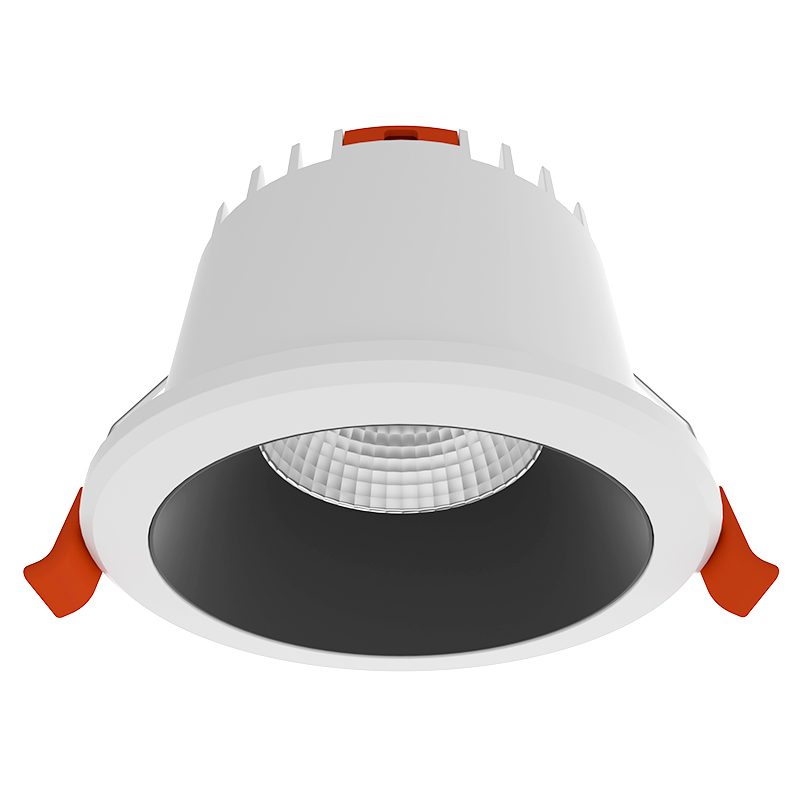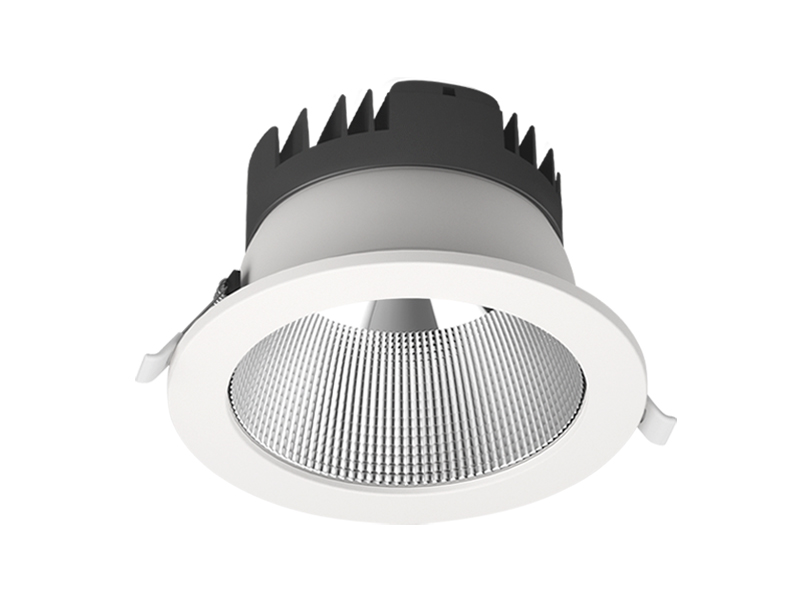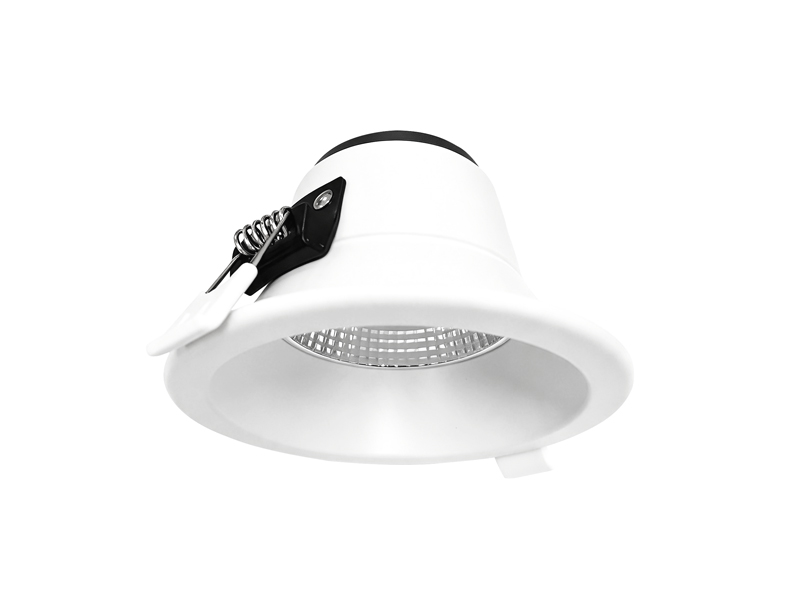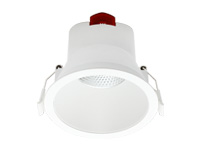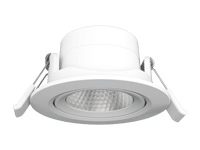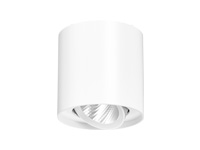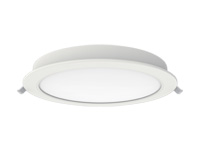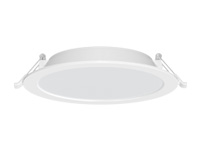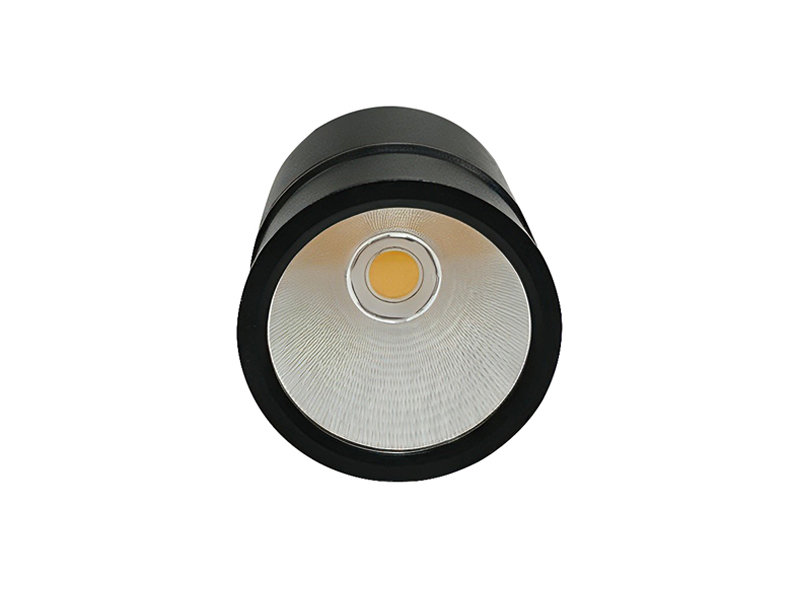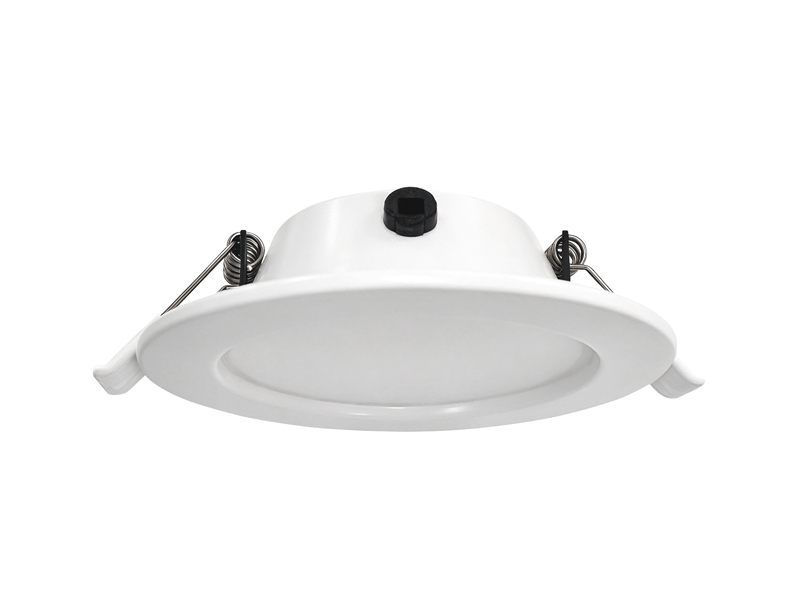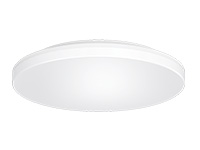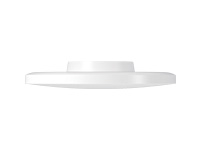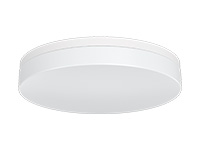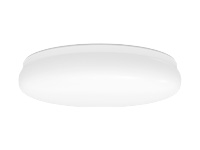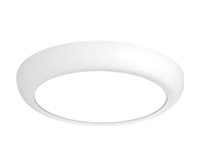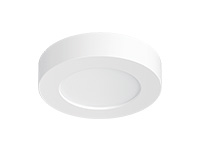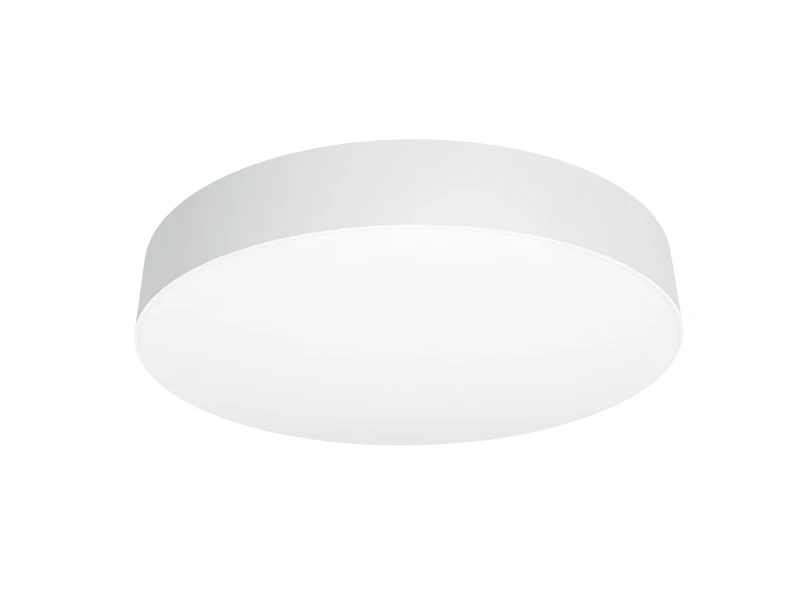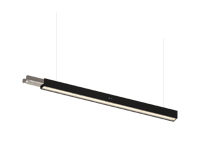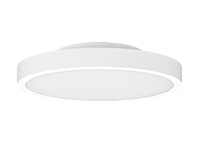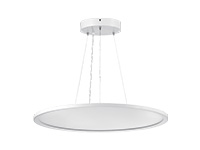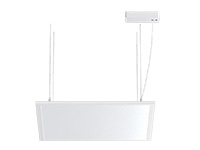

Choose a round emergency downlight by matching its confirmed emergency distribution, mounting arrangement and operating configuration to the corridor. Include changes in ceiling height in the record, even within a continuous corridor. A position accepted beneath one ceiling cannot automatically be repeated beneath another. The selected optics, emergency configuration and available performance information need to remain connected to the relevant location.
At acceptance, compare the installed labels and lenses with the approved schedule before interpreting the site observations. This helps distinguish a product configuration change from a problem caused by new equipment, a moved sign or a different mounting position.
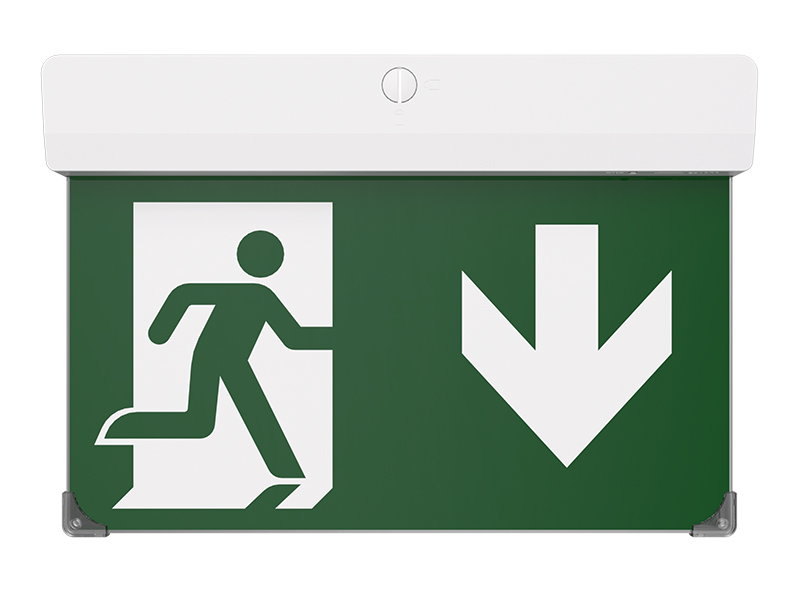
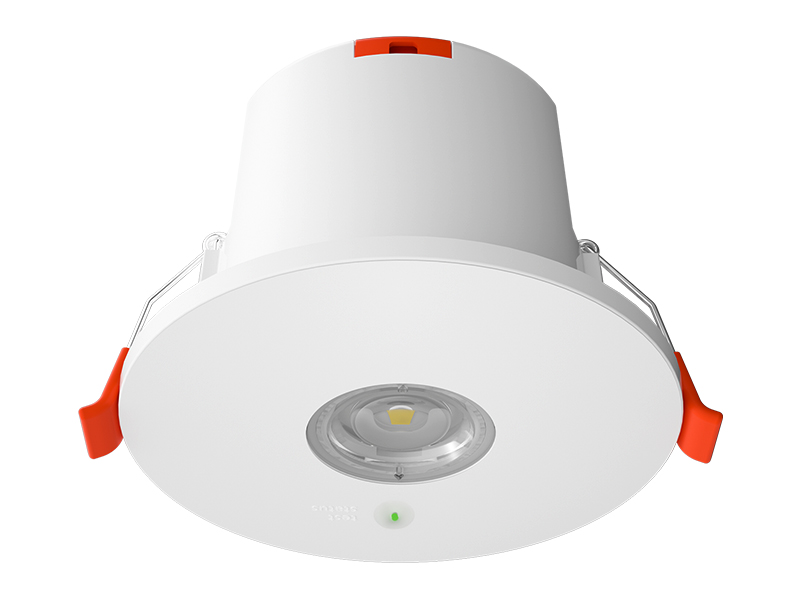
At IMIGY Lighting, we recommend Guard Fit Emergency Downlight for assessing route illumination and Voyager Emergency Blade Exit Sign for assessing exit direction visibility. These are complementary tasks: a readable sign does not establish adequate light along the route, and a lit floor does not identify the direction to follow.
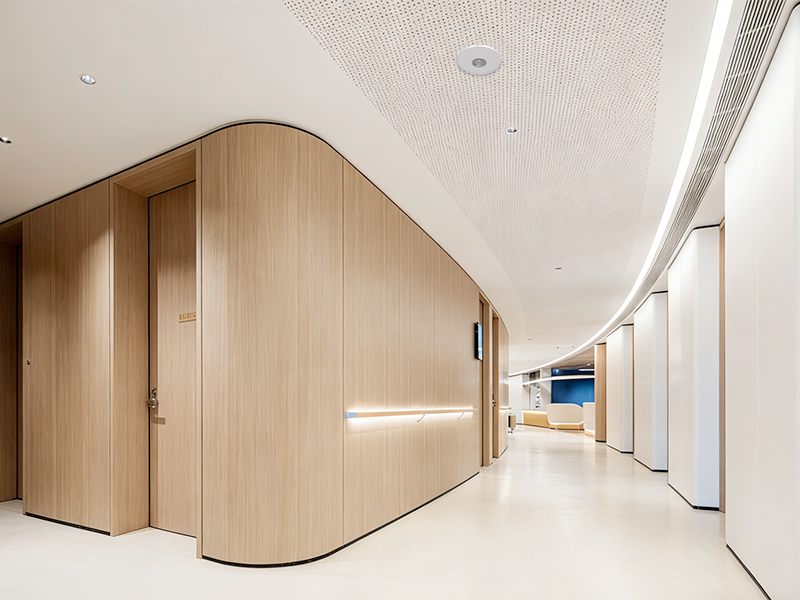
Hospital corridors can include intersections, recessed doors, seating and equipment positions that change the useful path of light. Our approach to selecting a Round emergency light begins with those conditions. The outline of the fitting is only one characteristic. We connect the selected Guard Fit optics with the actual corridor geometry, then review Voyager independently from the approach positions where people need to recognise the exit direction.
Identify the route, mounting height, obstacles and intended optical configuration before choosing positions. Keep sign visibility separate from route illumination and retain the exact model information for both products. An Emergency light fixture should be assessed in its intended emergency condition, using the relevant performance information rather than normal lighting output or the appearance of the housing.
Begin with the current corridor plan and verify it against the building. Doors, projecting signs, ceiling changes and equipment can interrupt either illumination or the view of a sign. Mark the relevant conditions before extending a repeated pattern along the route. A fixture placed on the ceiling centreline may look orderly without serving every surface identified in the project assessment.
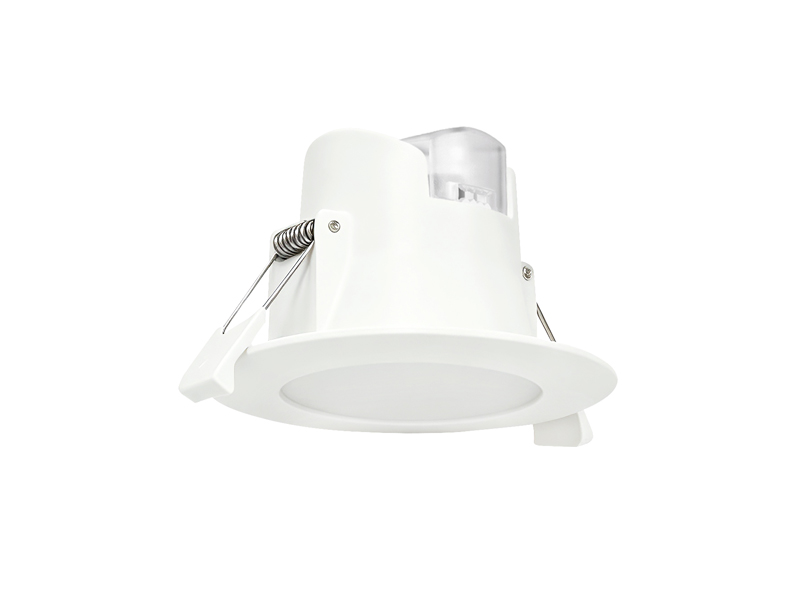
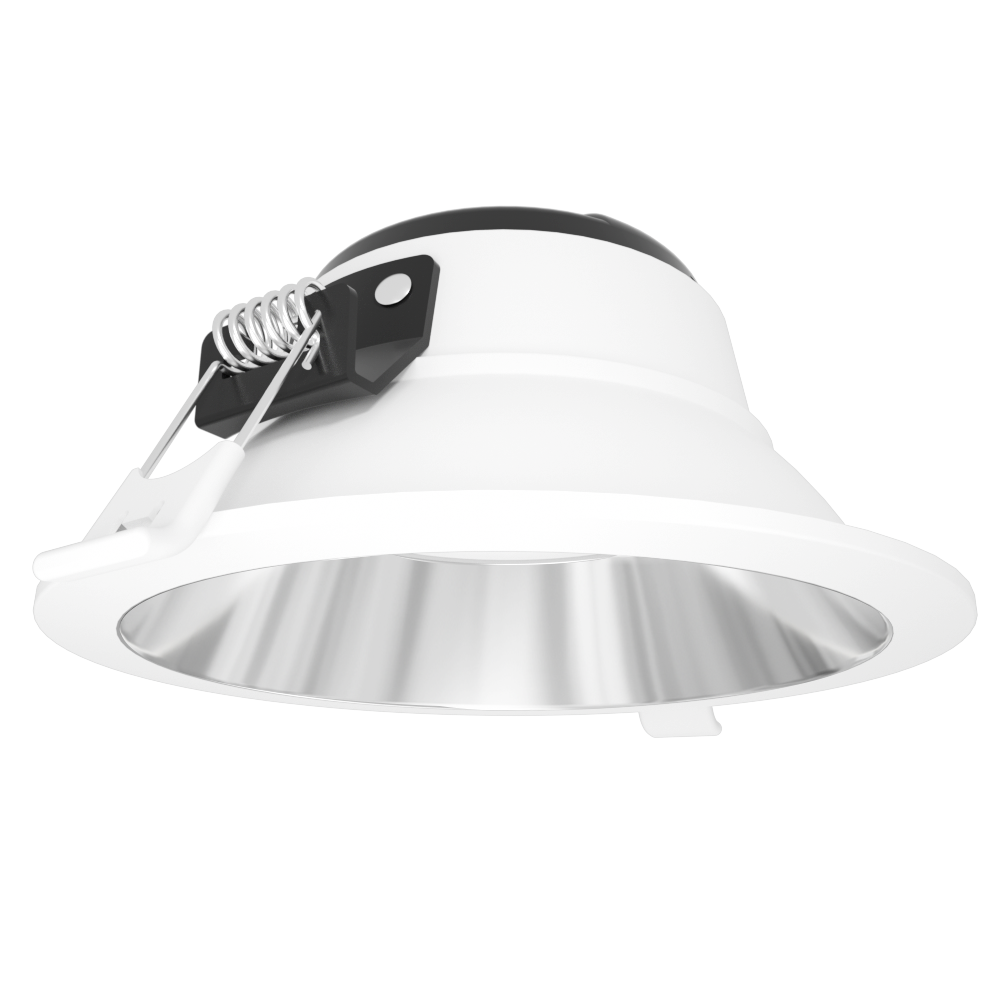
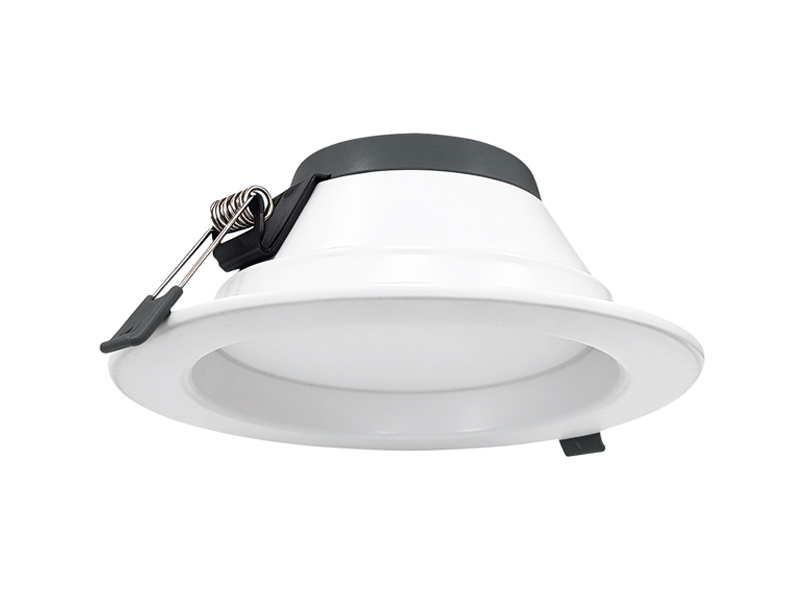
Guard Fit offers interchangeable round and oval lenses, with the source associating the oval lens with corridors and the round lens with open areas. Select the actual optic before checking the arrangement. The visible round fitting does not prove that every supplied lens produces the same footprint. Request the emergency photometric information for the chosen configuration and assess it at the proposed mounting height.
Also distinguish battery operation from physical mobility. A Rechargeable emergency light can be permanently installed and still use a rechargeable battery. The term Portable emergency light describes a different use requirement; it should not be applied to Guard Fit or Voyager. Likewise, a Box type emergency light must be evaluated on its own documented function rather than treated as equivalent because it appears in the same product search.
Our Voyager Emergency Blade Exit Sign identifies the direction to follow. Its position should allow the relevant sign face to be recognised before a person reaches a junction or exit decision. Review both approaches where necessary, and check the approved legend and arrow against the actual route rather than choosing a position only because it is close to a downlight.
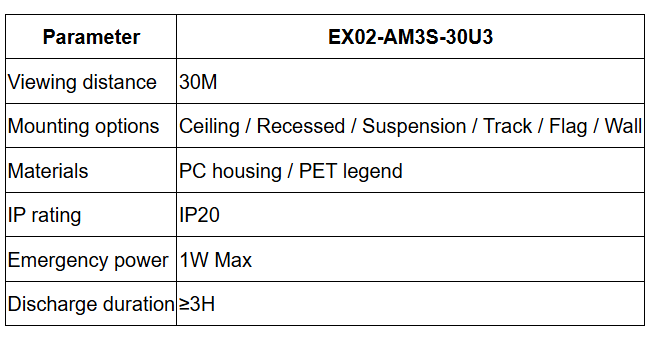
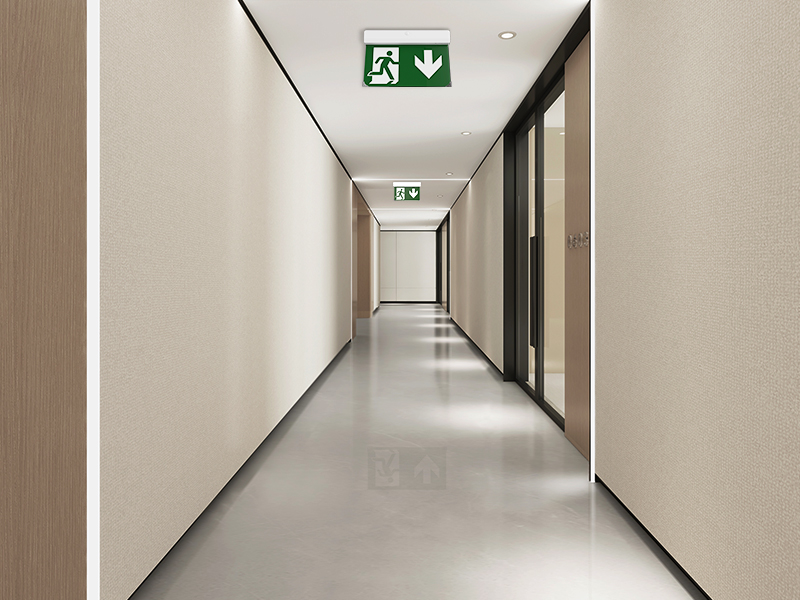
The listed viewing distance is a sign characteristic, not a spacing rule for emergency downlights. Obstructions or the angle of approach can still affect visibility within that distance. The mounting options also need the appropriate arrangement for the selected location; a catalogue option does not establish that every ceiling, wall or support will accept it without a site review.
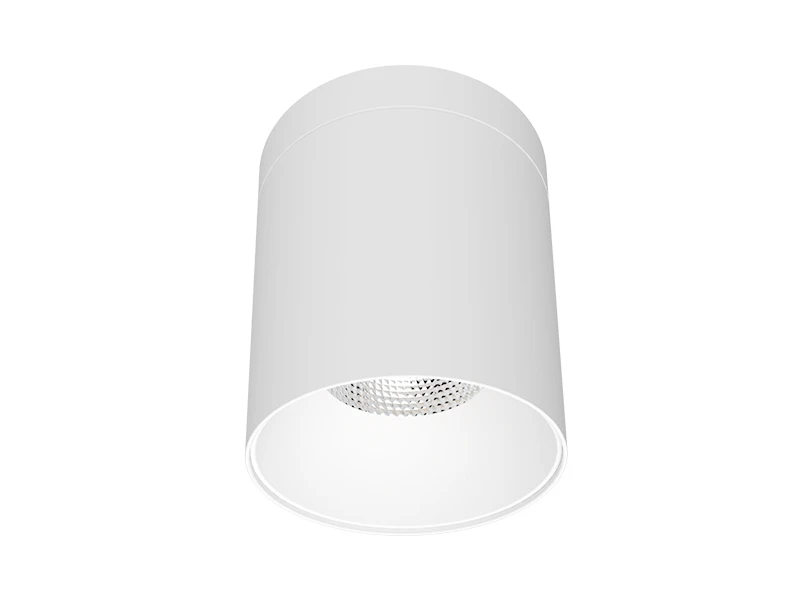
Guard Fit Emergency Downlight provides interchangeable lenses and surface mounted or recessed installation options. These features let the project assess optical and physical requirements separately. Confirm the lens and the complete mounting arrangement before accepting a position, so the illumination assessment corresponds to the unit and accessories that will actually be installed.
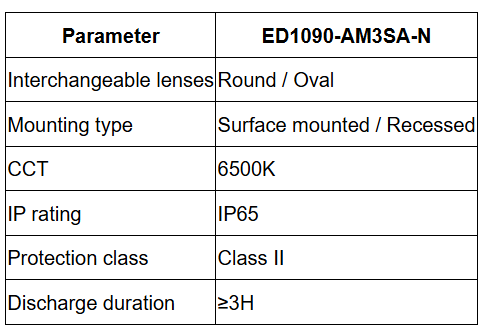
The stated discharge duration belongs to the product specification and does not prove the condition of every installed battery. The IP65 rating similarly describes a protection characteristic rather than a guarantee of coverage or suitability for every hospital environment. Keep the environmental review, emergency performance assessment and installation detail identifiable as separate parts of the selection.
Review a representative section containing a doorway or junction as well as a straight corridor. Check the chosen downlight configuration against the emergency calculation, then inspect the sign from the intended approaches. Record the model, lens, mounting height, position and sign legend together. Any later change to these items should be compared with the assumptions behind the accepted arrangement.
Coordinate the assessment with the hospital's responsible team so the inspection and any controlled test follow an agreed procedure. Do not infer route performance from a photograph taken with normal lights operating. The relevant emergency condition and the evidence required for acceptance should be defined in the project plan, with qualified personnel handling electrical work and the approved testing arrangements.
At IMIGY Lighting, we recommend Guard Fit and Voyager through their distinct contributions to the corridor. Share the route drawing, ceiling survey, intended optics and operating requirements before finalising the specification. A sound selection leaves a clear relationship between each product and its task, supported by the appropriate calculation, visibility review and installation record, so subsequent maintenance or building changes can be assessed against an identifiable baseline. Retain any agreed changes with the route drawing so a future inspection can use the same model and location information.
Q: Does the round outline of Guard Fit mean it always produces a round emergency lighting pattern?
A: No. Guard Fit offers round and oval lens choices, so the selected optic matters. Confirm the actual lens and its emergency distribution before assessing coverage. The housing outline cannot replace the photometric information or account for the mounting height and obstacles in the corridor.
Q: Can Voyager's viewing distance be used to decide the spacing of emergency downlights?
A: No. That distance describes the sign, while downlight spacing depends on emergency distribution and the site geometry. Assess route illumination with the selected Guard Fit configuration, then check Voyager separately from the points where the sign needs to be recognised before a direction decision.
Q: What should be reviewed if equipment or a new partition changes the corridor after installation?
A: Update the route information and check the affected light paths and sign views. Compare the new conditions with the original model, lens and position records. Arrange the necessary reassessment before relying on the previous result, even when the installed products themselves have not changed.
It is recommended that you upgrade the latest browser
 Chrome
 Firefox
 Edge