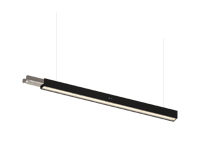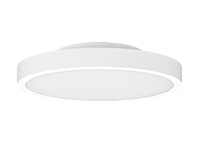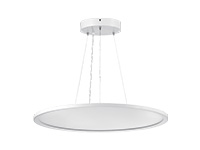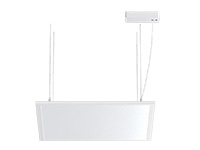

Evaluate outpatient downlights by matching the complete model specification with the room's task, ceiling and operating requirements. Ask for evidence against the actual requirement rather than collecting unrelated certificates or features. If the room brief identifies a particular cleaning method, operating condition or specialist task, make that requirement explicit and seek the relevant product confirmation. Do not infer an unlisted property from the housing material, protection rating or general product description.
During acceptance, check the labels and supplied configuration against the approved record. Resolve any difference before describing the installation as equivalent, especially when a change affects the optical version or control arrangement.
At IMIGY Lighting, we recommend reviewing Phoenix Slim Down Lights and Melody Down Lights through consistent comparison fields: output conditions, distribution, colour, installation, protection and driver configuration. No single specification establishes suitability for every space within an outpatient center.
An outpatient center can contain reception desks, waiting areas, circulation and enclosed support rooms. These spaces share a building but do not necessarily share the same lighting task or environment. Our approach to LED Healthcare Lighting is to make those differences visible before selecting a model. Phoenix Slim Down Lights and Melody Down Lights provide documented examples for a practical evaluation, allowing the project team to distinguish product data from the additional evidence needed for the actual application.
Compare specifications at the same stated colour temperature and retain the full model code. Review beam distribution separately from output, and check the complete installation rather than the visible frame. Keep selectable functions and ordered options distinct. For Healthcare Lighting, a model's data should support an application assessment; it should not be expanded into an unsupported claim of clinical performance or universal hospital suitability.
Begin by defining the intended location and activity. A general waiting area, a staff work surface and a treatment task may require different assessments. State the scope before comparing products, and do not transfer approval for a general circulation space to a clinical task without the relevant project review. This keeps the specification connected to what the room actually needs.
Read the output and colour information together. A lumen figure stated at 4000K should remain attached to that condition rather than being assigned automatically to another setting or variant. Likewise, a family description mentioning selectable colour temperatures does not override a specific model column that lists a fixed setting. The order should identify the accepted configuration clearly enough to avoid those substitutions.
Review light quality without treating one number as a complete answer. A listed colour rendering index describes a product characteristic, but it does not demonstrate every colour judgement required in a healthcare setting. Where the task requires additional evidence, include that in the specification and review process. For general occupied areas, also check glare, reflections and the balance of surrounding surfaces in the proposed layout.
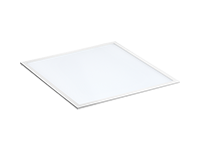
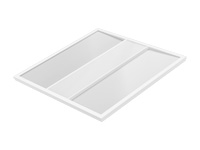
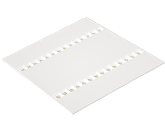
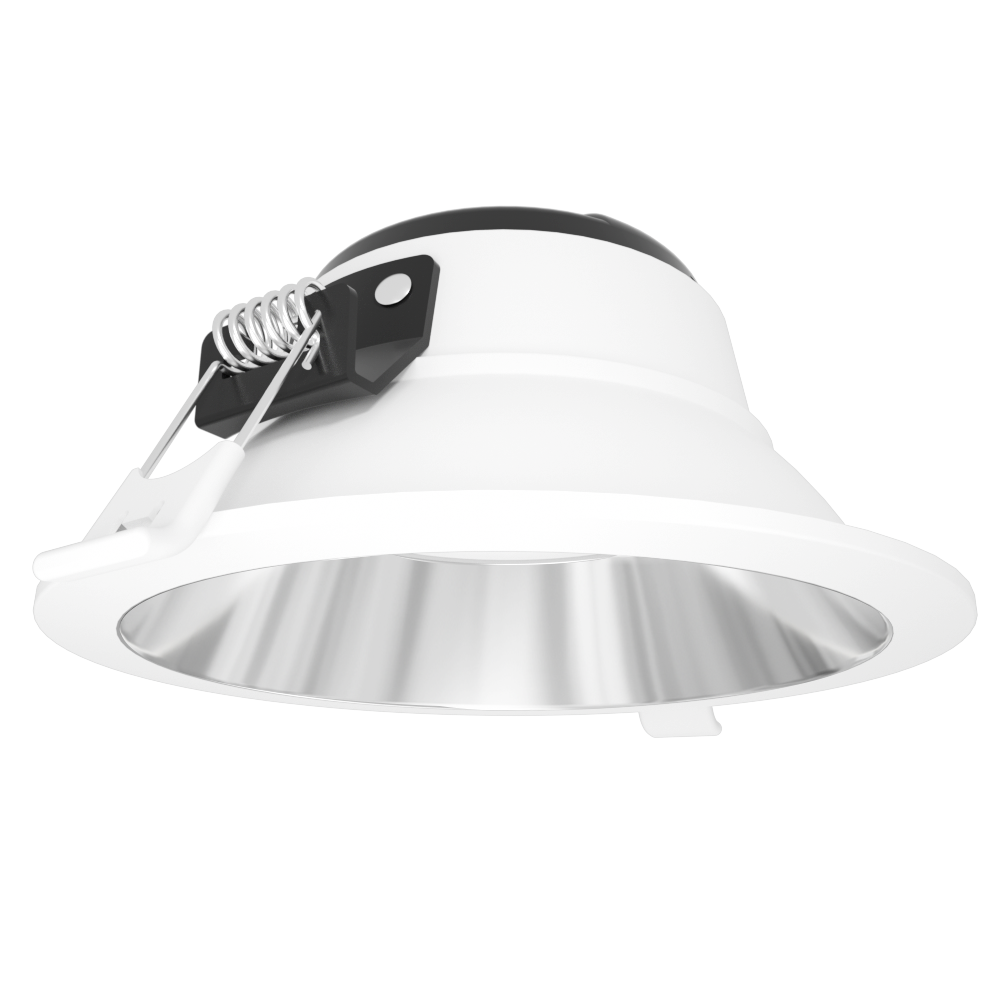
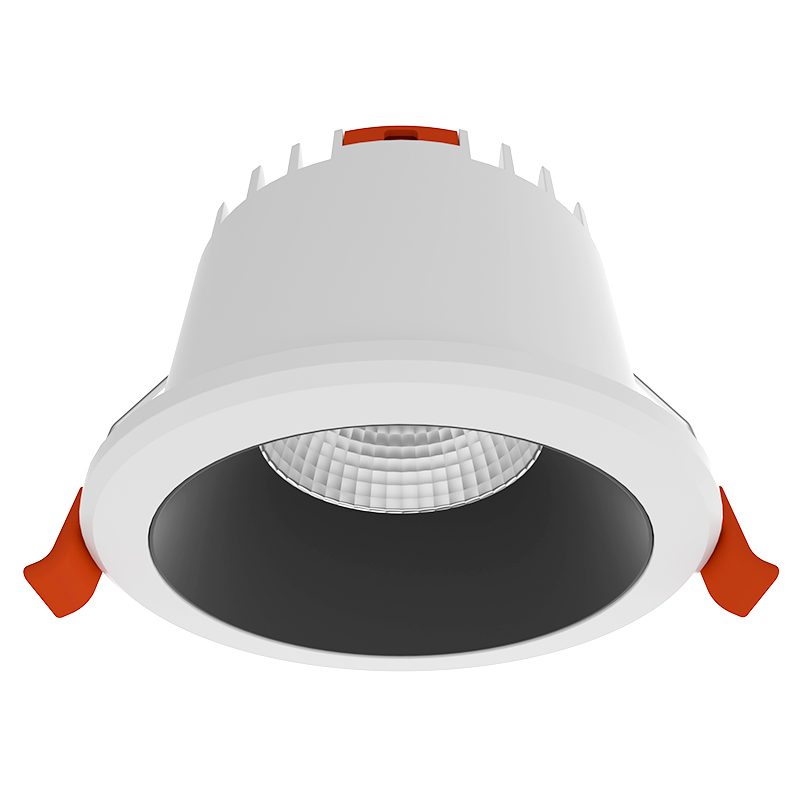
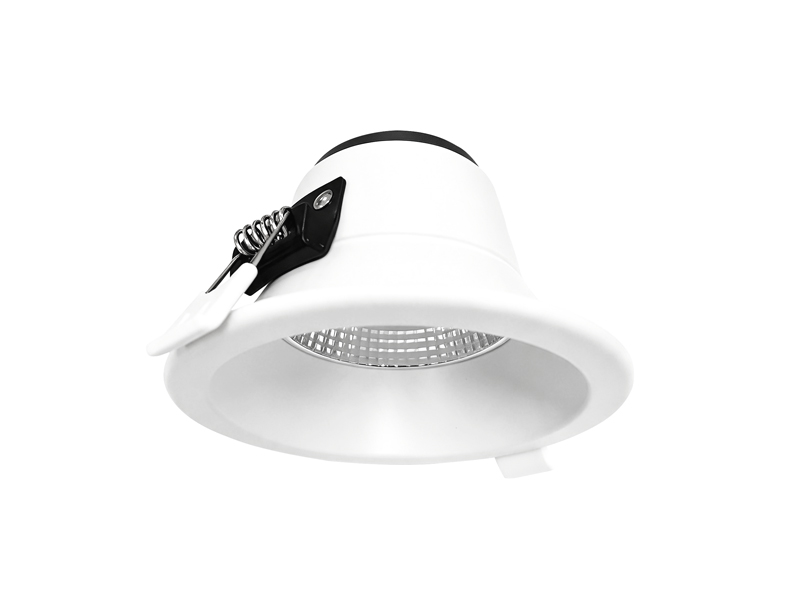
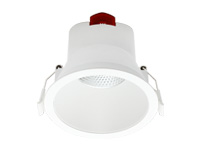
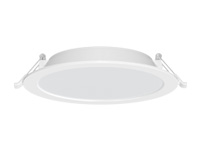
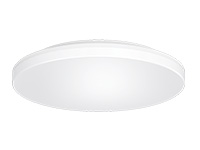
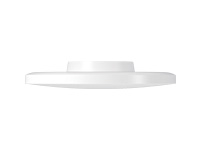
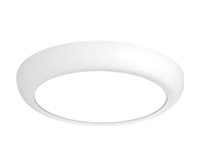
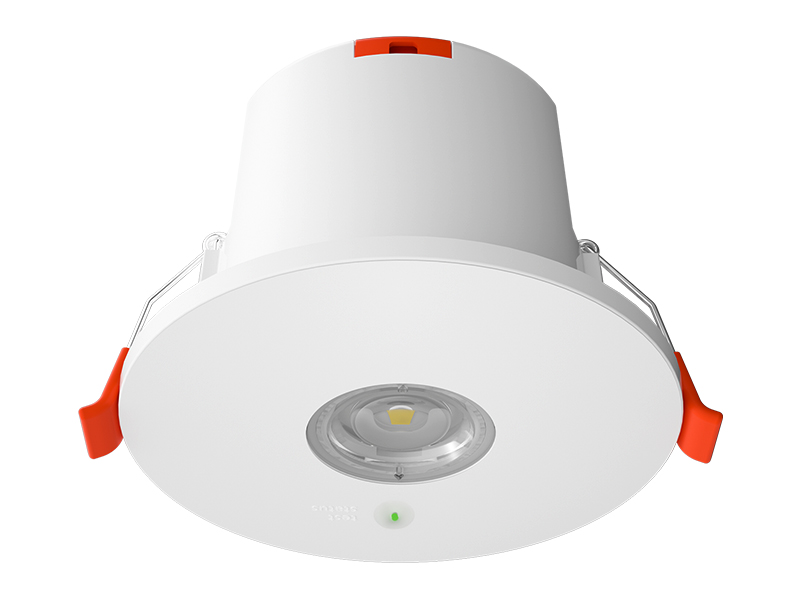
Our Phoenix Slim Down Lights include D2130-F, represented below by its fixed 4000K model column. The series description contains broader colour selection language, but this table retains the actual column values. Keeping that distinction visible helps the project compare the proposed supply configuration rather than combining convenient attributes from different descriptions into a product that has not been specified.
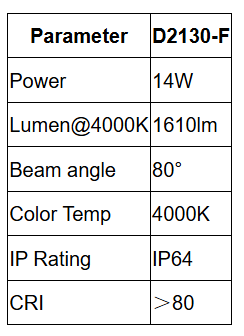
The slim frame should not be used as a substitute for complete dimensional information. Confirm the body, ceiling opening and external isolated driver arrangement against the available space. The IP64 rating also needs to be assessed against the actual location and installation conditions; it is not a general statement that the fitting is suitable for every cleaning regime or clinical environment.
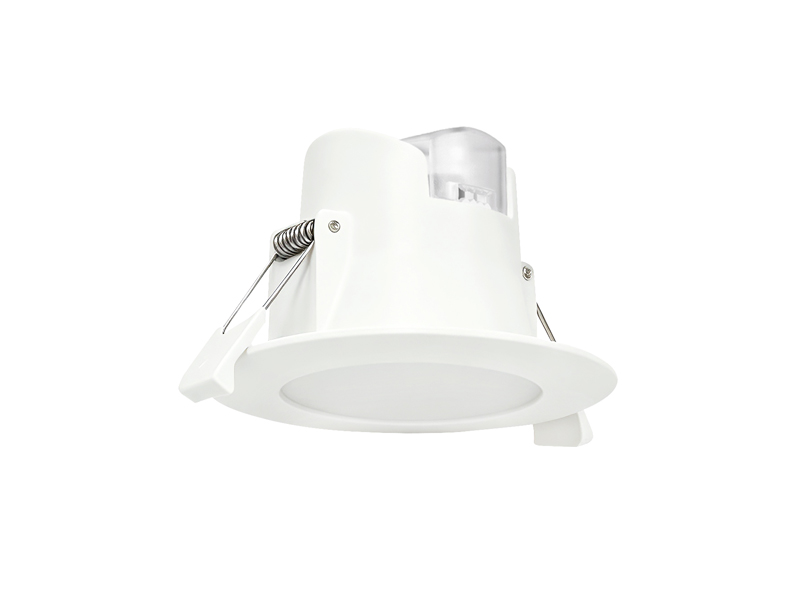
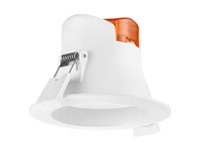
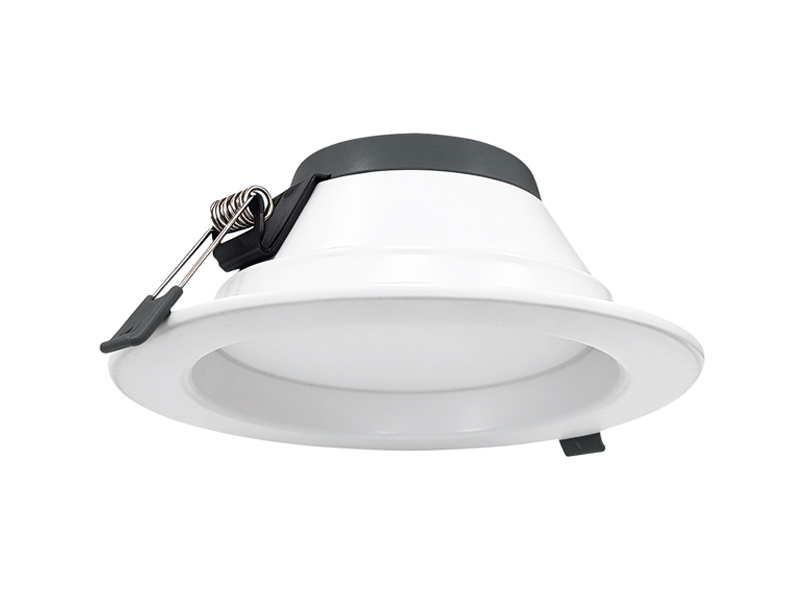
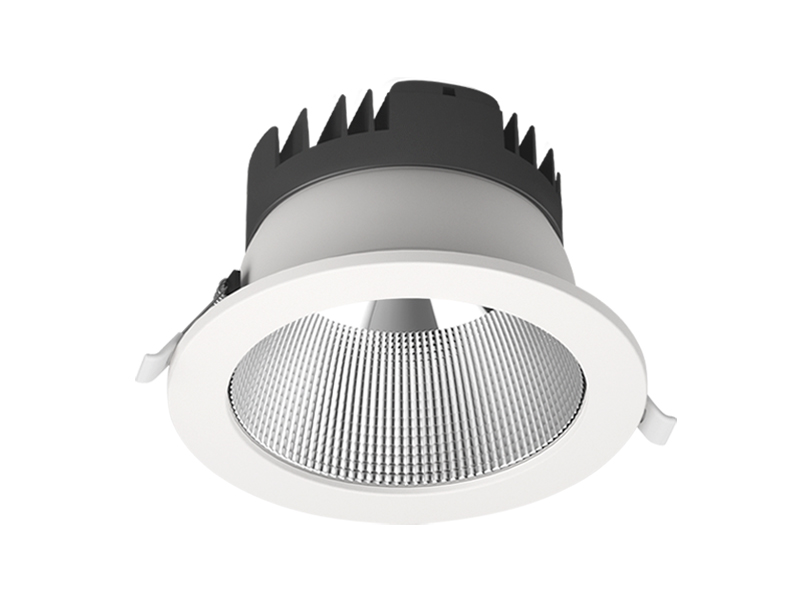
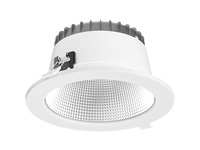
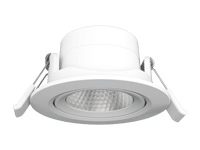
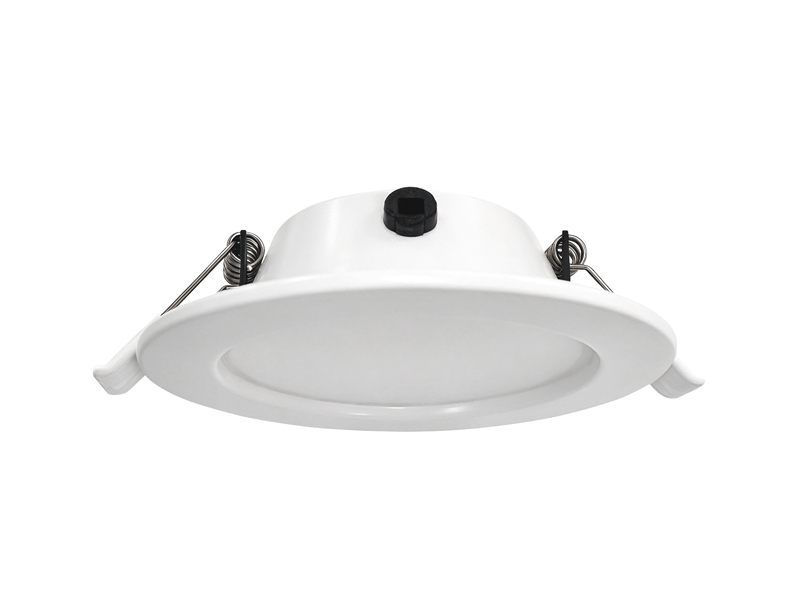
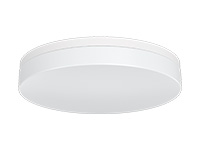
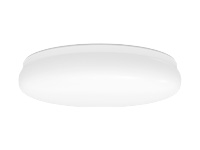
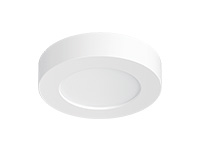
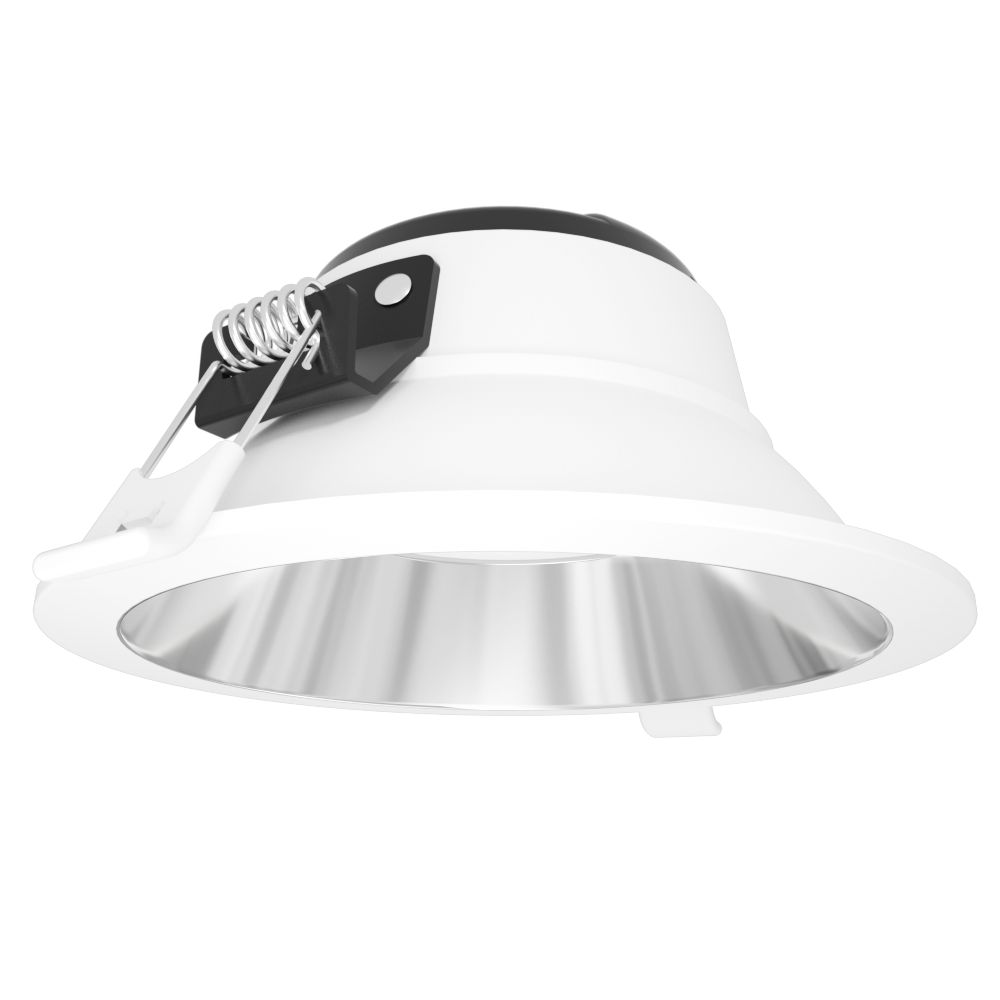
Melody Down Lights offer another configuration through D1090-A. Its listed 40° beam differs from the Phoenix Slim example, so a matching colour temperature does not imply the same coverage or appearance. Compare the complete distribution at the intended height, together with the output and the surfaces the room needs illuminated, before deciding which model belongs in the fixture schedule.
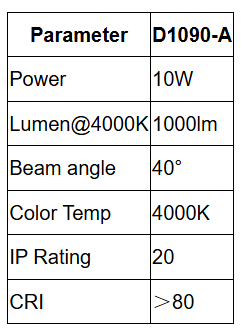
This model uses an internal non-isolated driver and recessed installation. Its IP20 rating must be considered separately from the other example's rating. Confirm the electrical connection and ceiling requirements for the ordered fitting. Where a dimming option is proposed within the series, obtain the actual configuration and controller compatibility rather than assuming the standard model automatically includes the required operating behaviour.
Keep a room assignment beside each approved model code. Record the colour setting or fixed colour specification, optical version, driver arrangement and required mounting details. If the project accepts a substitution, compare those fields again and repeat the relevant layout or sample review. A similar product name or power rating is insufficient evidence that the accepted application remains unchanged.
For Hospital Lighting, the product record should remain connected to the design task. LED Hospital Lighting decisions also need the actual operating requirement, especially where different areas use independent controls. Our Hospital Lighting Solutions use the specification review to coordinate product selection with room conditions, while any clinical or specialist task continues to receive the additional assessment required by the project team.
At IMIGY Lighting, we recommend Phoenix Slim Down Lights and Melody Down Lights through their defined configurations, rather than a collection of isolated headline figures. Share the room schedule, ceiling survey and proposed controls so the evaluation can address the real installation. The aim is a model selection that can be checked before supply, verified during acceptance and understood later when a replacement or room change needs review. This prevents a family name from replacing the detailed technical evidence on which the room's original fixture selection and acceptance were based.
Q: Does a colour rendering index above 80 prove that a downlight suits every healthcare task?
A: No. It is one product characteristic and does not establish every task specific requirement. Define the activity first and identify any additional evidence needed for that application. Keep approval for general occupied areas separate from decisions involving clinical observation or specialist work.
Q: Can we use a series colour selection statement when the chosen model column lists 4000K?
A: Confirm the actual supply configuration before doing so. A family statement and a specific model column may describe different options. Retain the model column values for the comparison unless the ordered variant is separately verified, and record the accepted colour configuration in the fixture schedule.
Q: What should be checked when a proposed substitute has the same wattage as the approved model?
A: Compare output conditions, optical distribution, colour, protection, dimensions and driver arrangement. Recheck any affected calculation or sample assessment. Matching power alone does not demonstrate the same illumination, physical installation or control behaviour, so the substitution needs an explicit technical comparison.
It is recommended that you upgrade the latest browser
 Chrome
 Firefox
 Edge