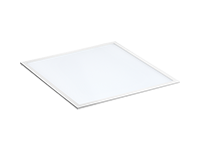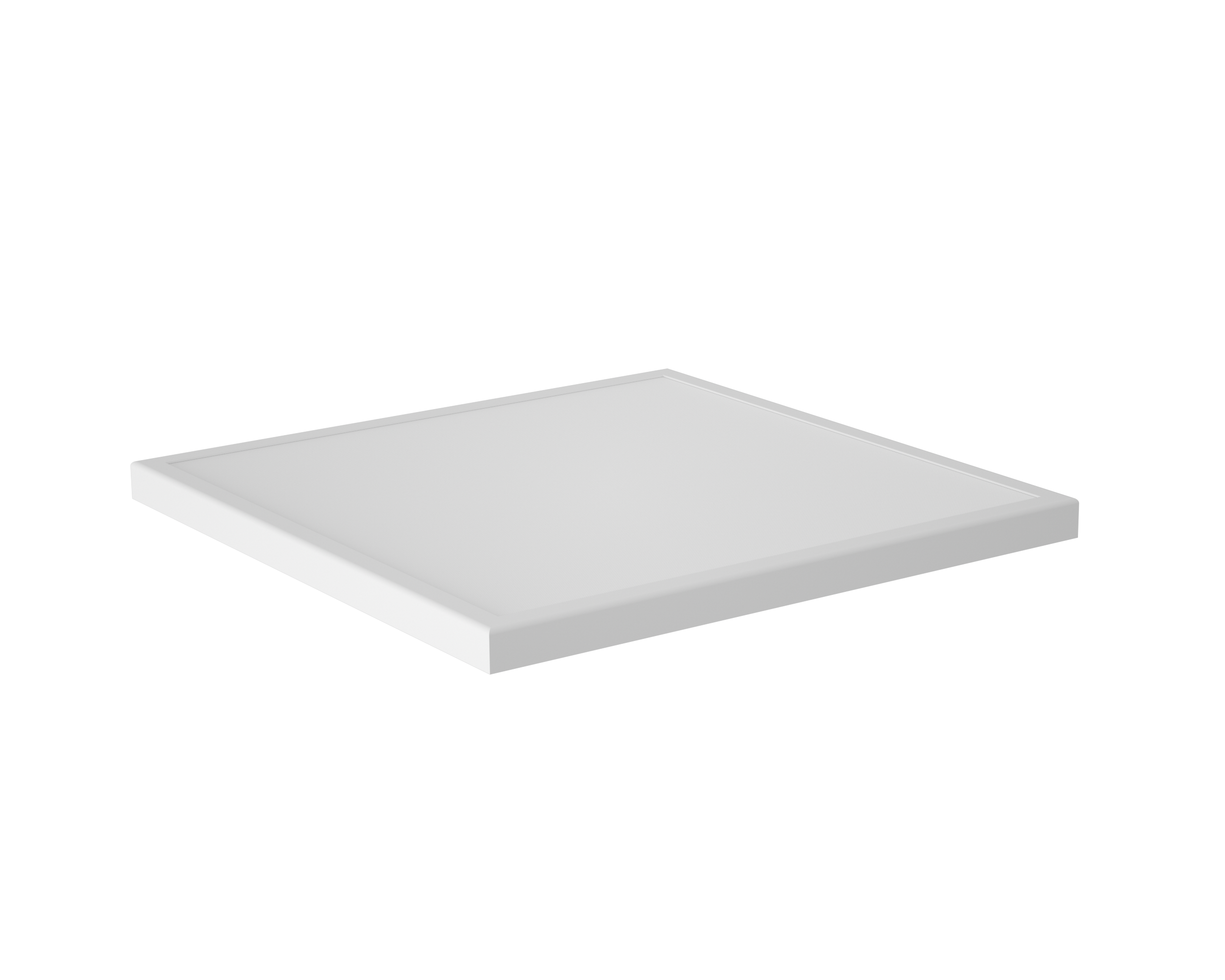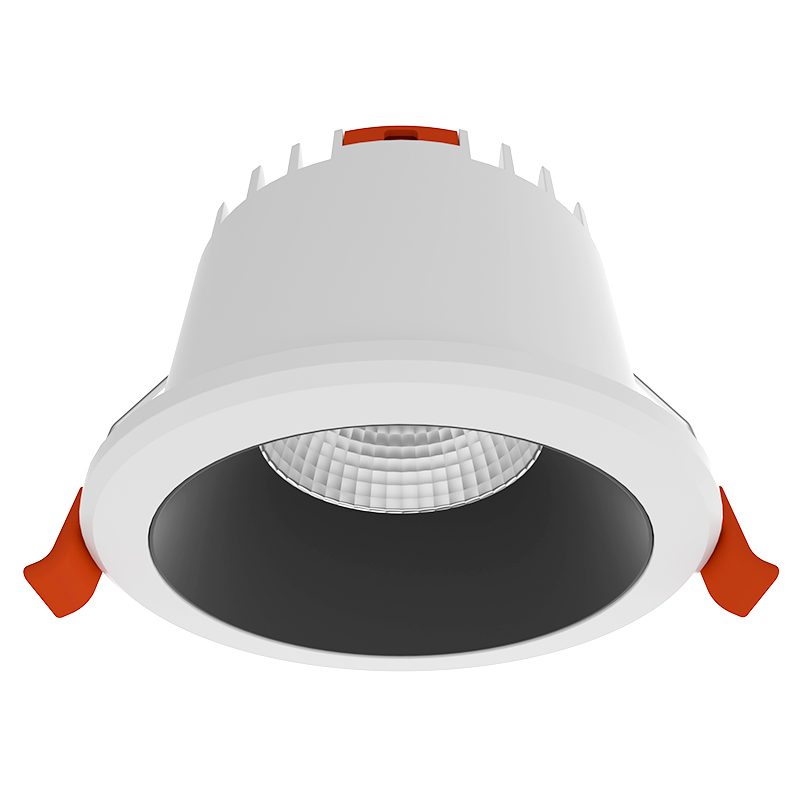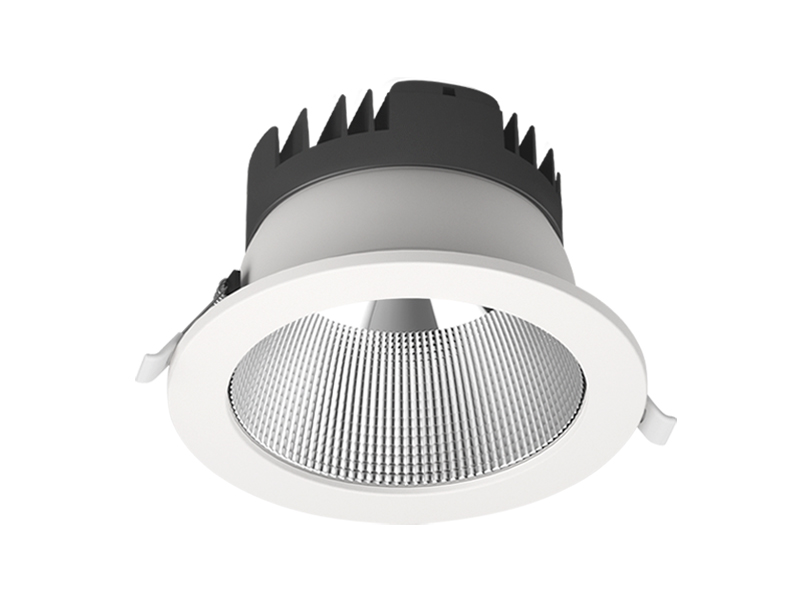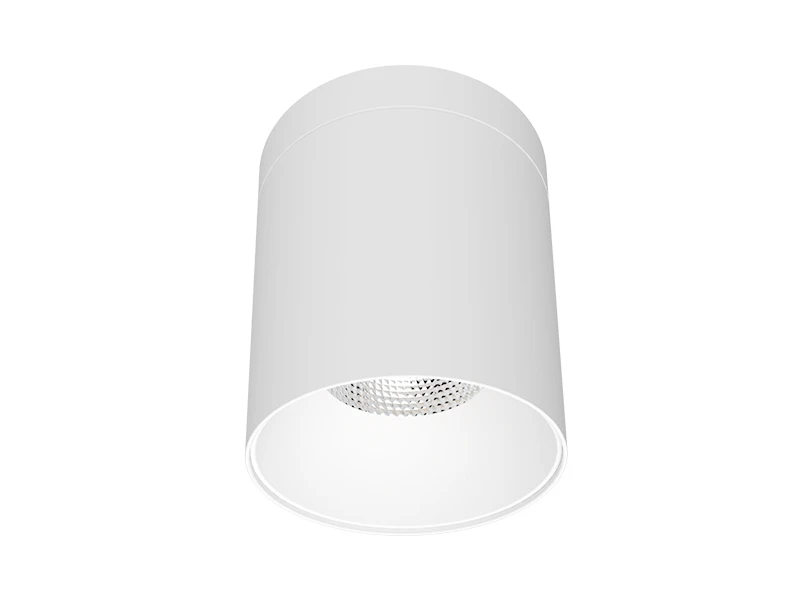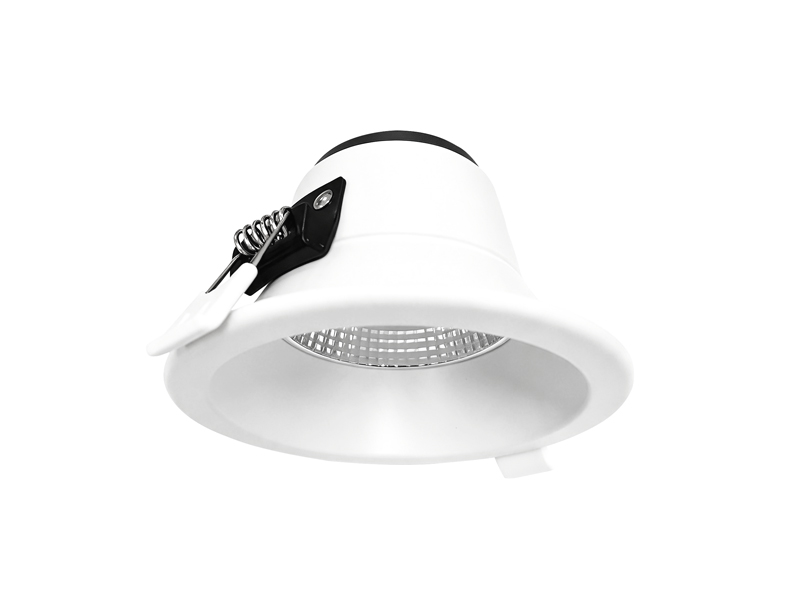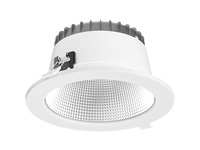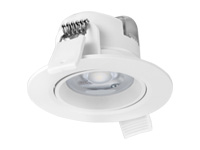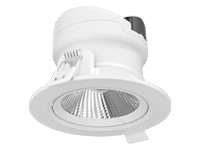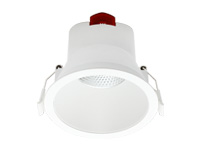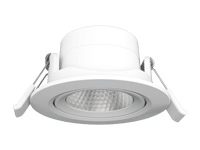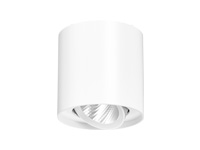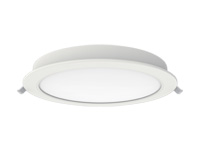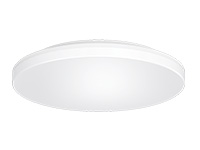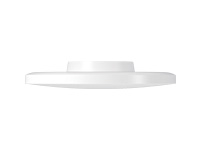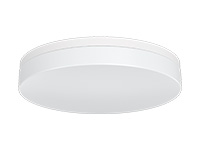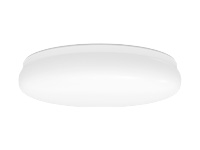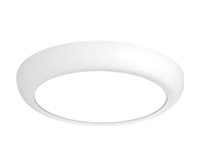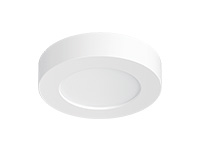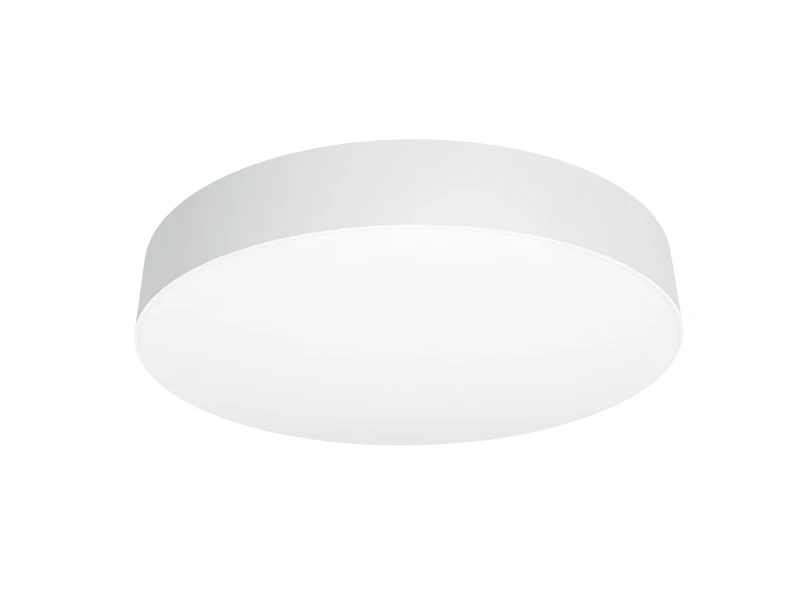

Choose office downlights by matching the lighting task, beam distribution, ceiling opening and driver arrangement before comparing wattage. At IMIGY Lighting, we recommend Phoenix Down Lights for evaluating broader illumination and Miracle Down Lights where a more compact recessed fitting and integrated driver deserve closer consideration. The right choice depends on the actual room, rather than a single efficiency figure.
An office can contain concentrated screen work, short conversations, circulation and reception within the same floor. Treating every ceiling position alike can leave some desks uncomfortable while lighting empty space unnecessarily. Our approach to Energy Saving Office Lighting starts with those differences. We connect the selected model to the working plane, the people using it and the building that must accommodate it, so the replacement has a practical purpose beyond reducing the number printed on a power label.
Record desk positions, viewing directions, ceiling conditions and operating patterns before selecting fixtures. Compare complete model specifications under the same stated conditions. Check the proposed beam in the room and keep driver accessibility within the installation review. For Energy Efficient Office Lighting, a lower installed load is useful only when the occupied work areas still receive appropriate, comfortable illumination.
Begin with a drawing of the furniture and the ceiling together. A symmetrical grid can look orderly overhead while placing a bright aperture in a monitor reflection. Identify the usual seated viewing directions and review where the light will fall on desks, partitions and nearby walls. Walk through the layout from the entrance as well; reception staff and visitors may see a different set of bright surfaces from those at the workstations.
Separate the fixture decision from the control decision. A selectable colour temperature allows a commissioning choice, but does not establish automatic scheduling or occupancy response. If the project needs dimming, request the matching driver and controller details for the ordered configuration. Do not assume that two downlights with the same electrical input will respond to the same control equipment.
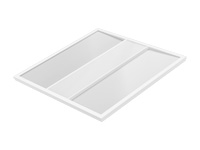
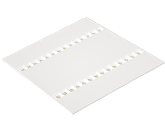
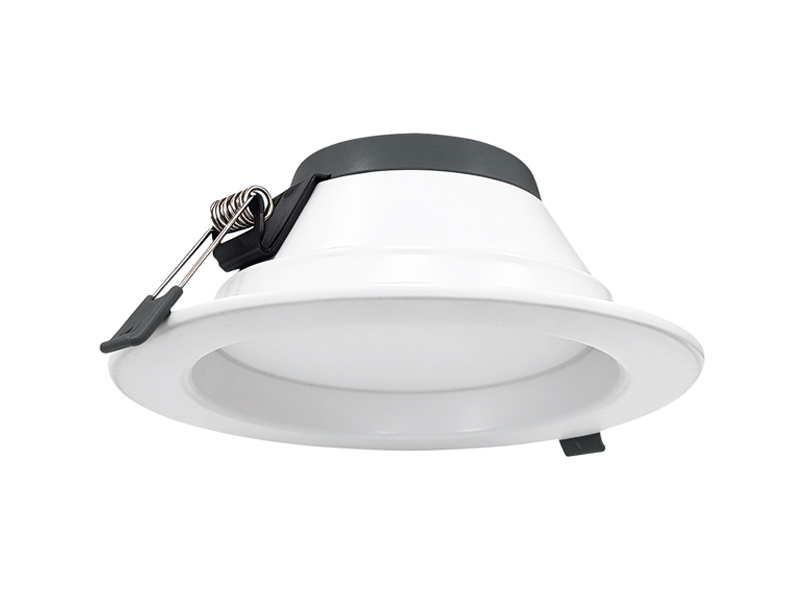
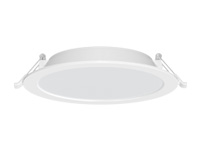
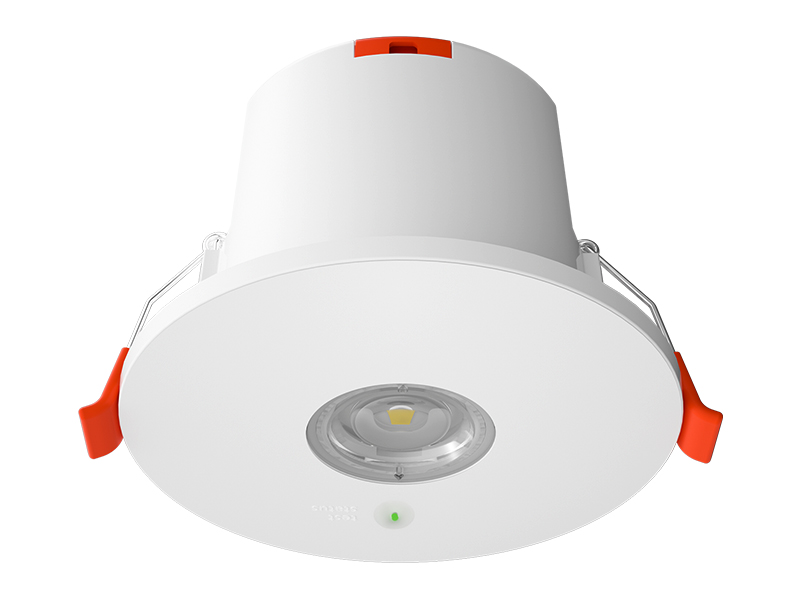
Our Phoenix Down Lights provide a documented starting point when reviewing the relationship between output and beam width. The D2100-D-TW model below combines an 80° beam with an external isolated driver. Those characteristics help frame the design discussion: the beam should be assessed for overlap at the relevant work height, while the separate driver needs an accessible location in the ceiling arrangement.
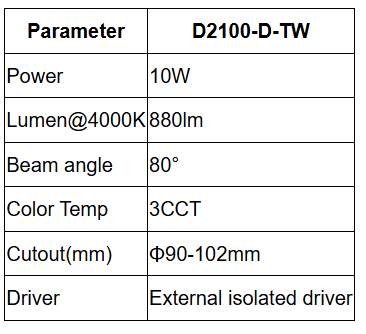
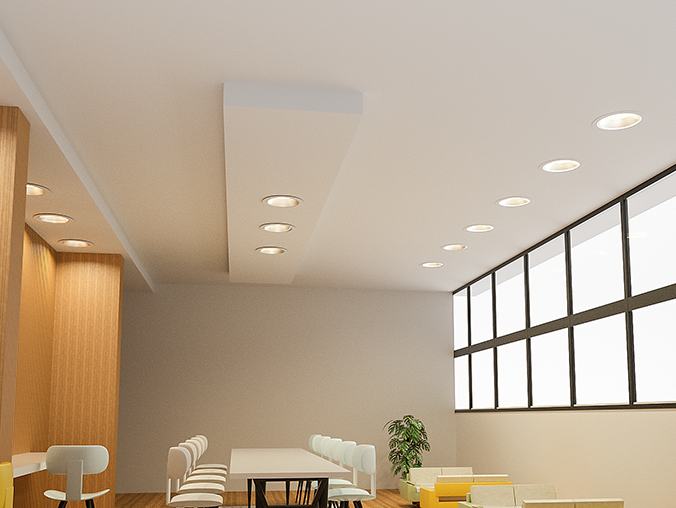
The table describes one model, not every member of the series. Its three selectable colour temperatures are 3000K, 4000K and 6000K. We recommend agreeing the setting during the sample review and recording it in the project schedule. A consistent setting can support a coordinated appearance across adjacent rooms, but comfort still depends on fixture positions, surrounding brightness and the surfaces within view.
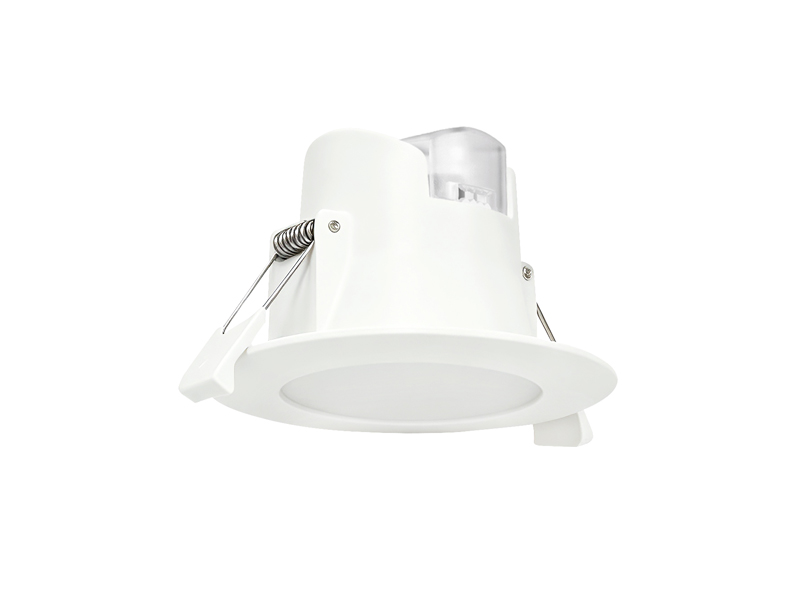
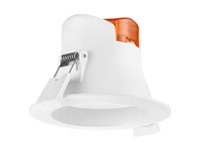
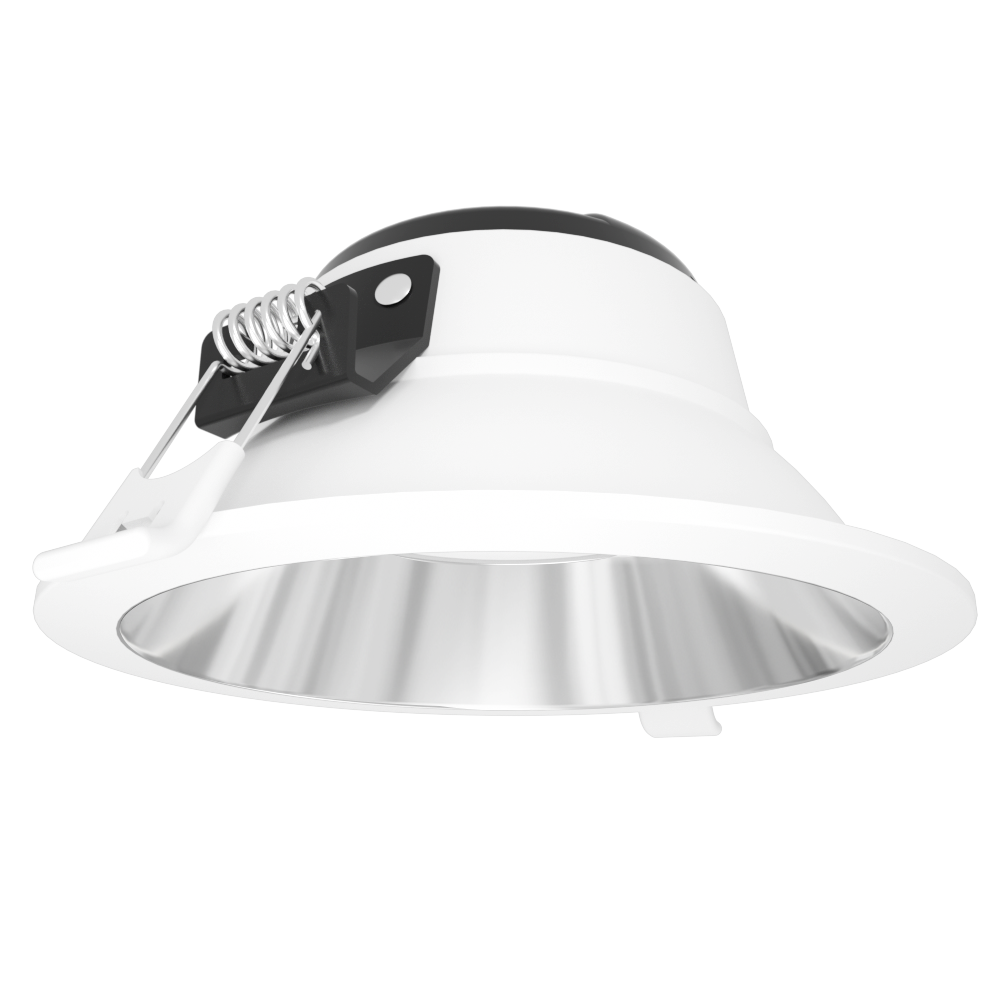
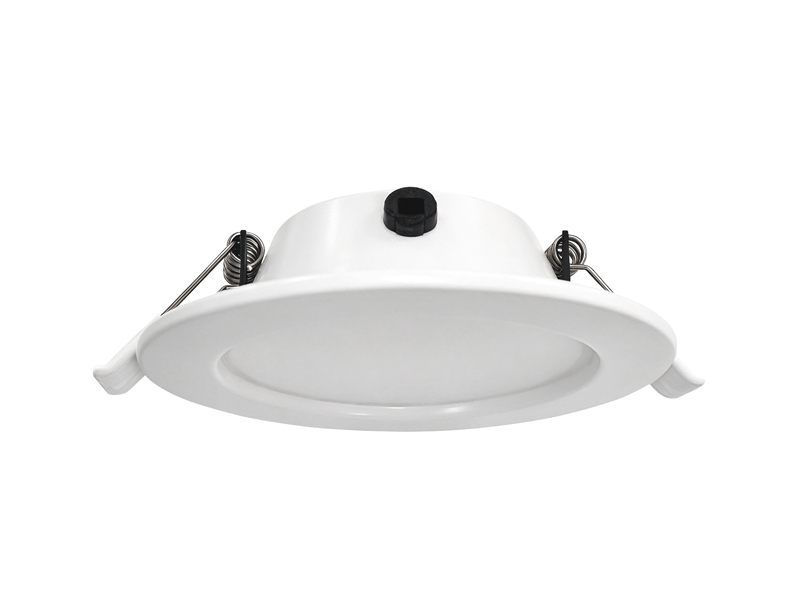
Miracle Down Lights offer a different installation arrangement. For D9100-A-TW, the driver is internal and non-isolated, so the ceiling review should consider the complete luminaire and the manufacturer's connection instructions. An integrated driver reduces the number of separate components to position; it does not remove the need to check clearance, ventilation, access and electrical suitability.
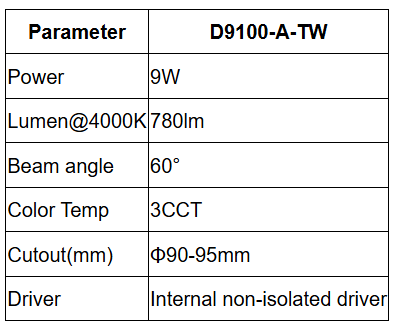
This example has a 60° beam and a smaller specified opening range than the Phoenix model above. It also has a different listed output, so these two fittings should not be treated as interchangeable replacements. Compare the calculated illumination at the desk, check the ceiling aperture against its actual measurement and inspect the sample from the seated position. A compact appearance alone cannot establish suitability for sustained screen work.
For an office refurbishment, record the chosen code, colour setting, driver arrangement, opening size and assigned room on one fixture schedule. Keep the sample decision alongside that schedule, including any changes made after checking reflections. This gives the installation team a clear reference and makes later substitutions easier to assess against the original lighting intention.
The same discipline can support Energy Saving Retail Lighting when the task changes from a desk to a display. For Energy Efficient Supermarket Lighting, shelves and product faces become important receiving surfaces. Energy Efficient Warehouse Lighting adds storage geometry and access requirements. These applications share a need for task matching, but an office downlight should not be transferred to them without a separate review of mounting conditions and light distribution.
Include the existing installation in the comparison. Record which rooms are occupied together, which fittings are normally left on and whether the current furniture differs from the original drawing. This helps separate a fixture replacement from an operating change. If the proposed arrangement changes both, describe the assumptions for each so that any energy comparison has a clear basis.
During acceptance, inspect the installed model labels against the approved schedule and confirm the chosen colour setting. Check a desk near the edge of the lit area as well as one directly below a fitting. Retaining those observations gives the facilities team a useful starting point if a workstation later moves or a replacement unit appears different from its neighbours.
At IMIGY Lighting, we present Phoenix Down Lights and Miracle Down Lights as specific options to evaluate against your office brief. Share the ceiling survey, furniture arrangement and control requirements with us so that the product discussion starts with the intended use. A successful selection gives the project a documented model, an achievable installation arrangement and a room that has been checked from the positions where people actually work.
The record should identify the agreed viewing positions, because a later inspection from another angle may produce a different impression of the lighting.
Q: Should we select the lower wattage model whenever both downlights fit the ceiling?
A: Not automatically. Compare the output, beam and planned quantity as a complete arrangement. A lower wattage fitting may require different spacing or additional fixtures to serve the same task. Review the resulting installed load together with desk illumination and visual comfort, rather than judging the individual lamp in isolation.
Q: Can a three colour temperature downlight automatically change with the office timetable?
A: The three settings describe selectable colour temperatures, not a timed control function. Automatic changes require a specifically supported system and product configuration. Agree the intended switching or dimming behaviour separately, then confirm it with the driver documentation and a representative sample before approving the order.
Q: What should we verify when changing from an external driver to an integrated driver?
A: Check the complete fixture dimensions, available ceiling space, wiring arrangement and maintenance access. The original opening may still need adjustment even if the visible trim looks similar. Have the proposed connection and protection arrangements checked by the project electrician, and retain the approved model information with the installation record.
It is recommended that you upgrade the latest browser
 Chrome
 Firefox
 Edge