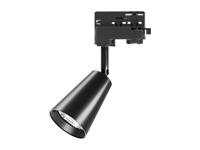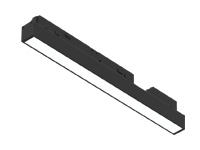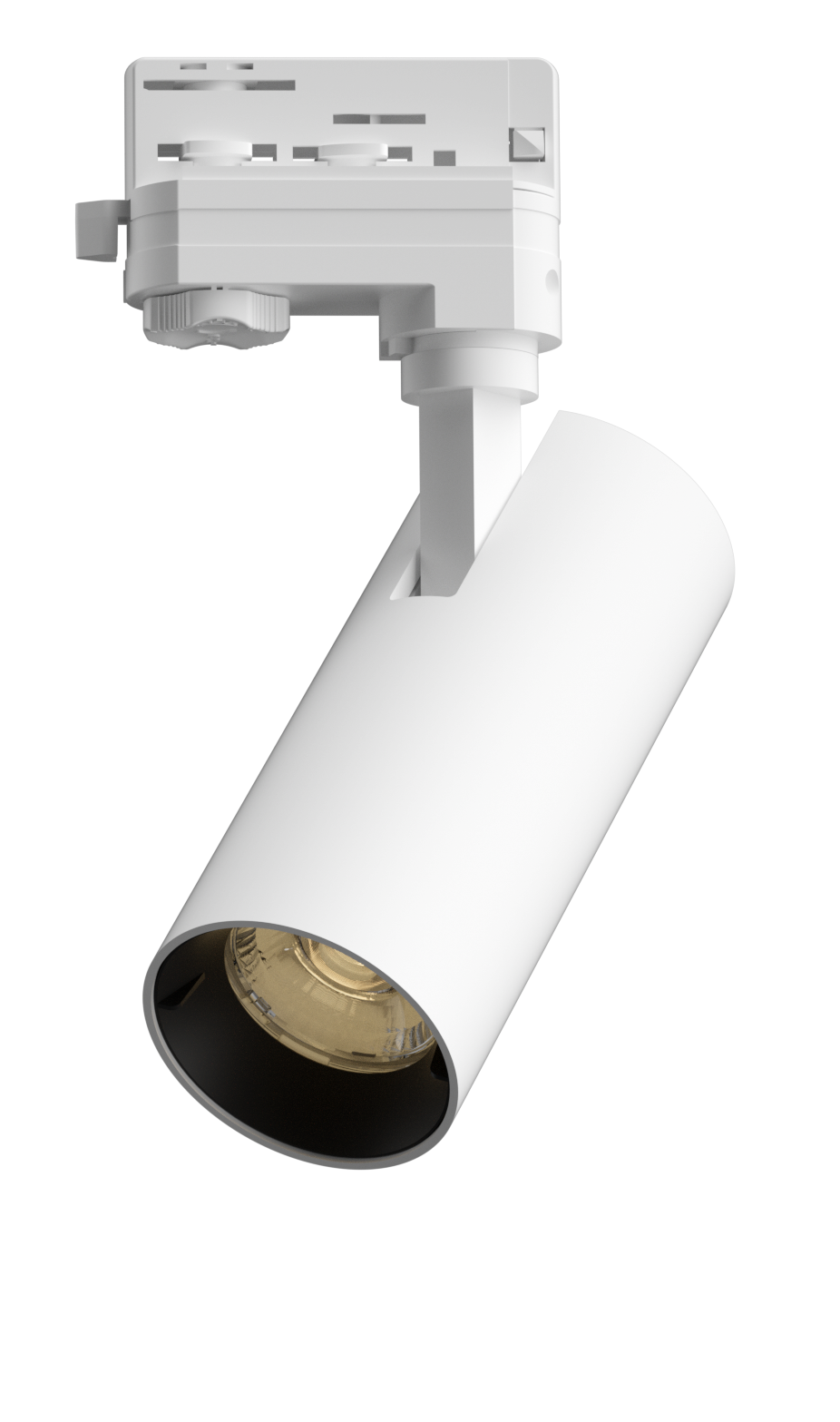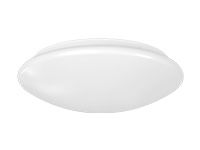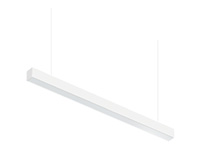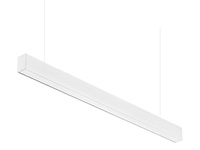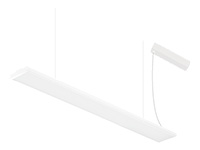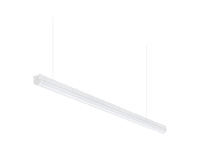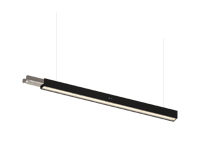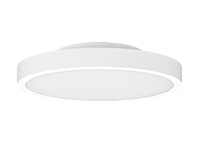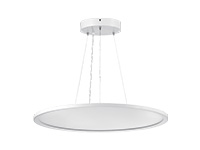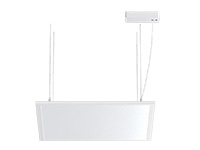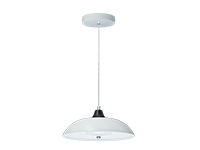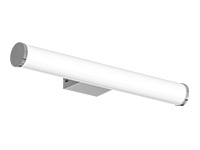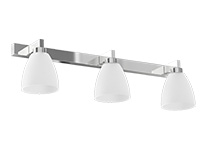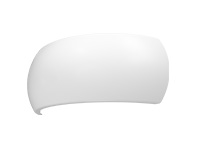

Select a warehouse beam by considering mounting height, storage geometry and the surfaces workers need to see. A nominal angle alone cannot determine spacing or prove suitability for a high ceiling. Separate local support areas from open storage in the project schedule. A packing room with a suitable ceiling can present a different installation opportunity from an exposed storage hall. State the intended location beside each model so the selection cannot be extended to another area without review.
At acceptance, compare the installed positions with the storage plan and record any deviations. This gives the operator a practical reference when equipment moves or a new rack blocks the original light path.
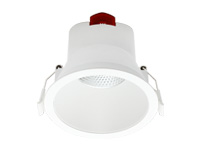
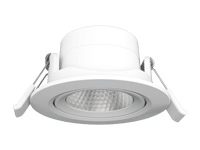
At IMIGY Lighting, we recommend evaluating Melody Down Lights and Explorer Down Lights for the specific warehouse areas their documented configurations can serve, supported by photometric calculations and an installation review.
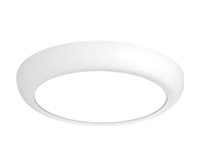
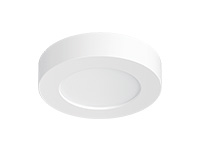
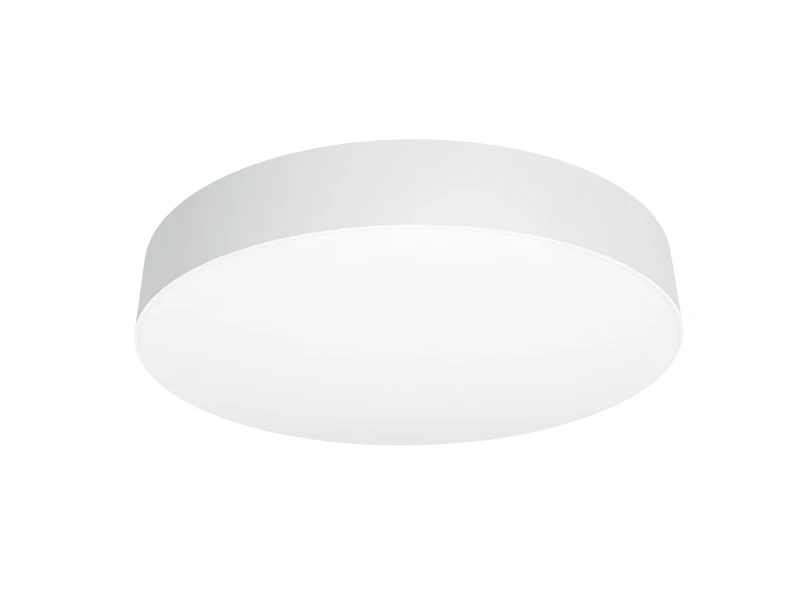
A warehouse can include shelving aisles, packing benches, enclosed service rooms and staff areas with very different lighting tasks. Applying one fixture pattern throughout can direct light onto obstructions while leaving the relevant work surface poorly served. Our approach to Energy Efficient Warehouse Lighting starts by separating those tasks. The selected Melody Down Lights and Explorer Down Lights examples provide different beam and output combinations; neither should be assumed to replace a dedicated high bay luminaire simply because it uses LED technology.
Define the task plane and storage arrangement before comparing beam angles. Use full photometric information to assess overlap, obstructions and darker positions. Confirm the environment and physical installation requirements for the selected model. Keep a ceiling mounted downlight's intended role distinct from an unrestricted warehouse suitability claim, and evaluate the complete lighting arrangement rather than the wattage of one fixture.
Identify what needs to be seen: a packing bench, a label on a rack, a circulation route or equipment in a service room. These surfaces differ in height and orientation. Lighting that reaches an open floor may contribute little to a vertical label behind a shelf edge. Mark those interruptions on the layout so that the calculation represents the storage arrangement rather than an empty building.
Mounting height changes how a distribution interacts with the task. A narrower nominal beam can produce a more concentrated pattern, but concentration alone does not establish adequate coverage. A broader distribution may improve overlap in one area and send light onto the top of storage in another. Compare the full distributions at the proposed positions before deciding the number and spacing of fixtures.
Environmental suitability is a separate decision. Review dust, moisture, temperature and any other conditions that affect the chosen location. A protection rating addresses defined characteristics and does not establish suitability for every industrial environment. Where the application falls outside the documented scope, request a suitable product assessment rather than extending an indoor downlight's role through a general efficiency argument.
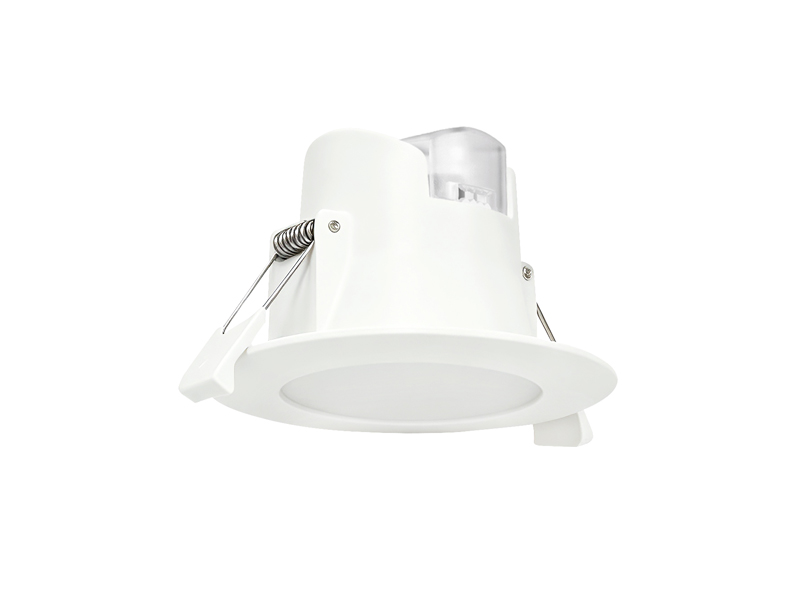
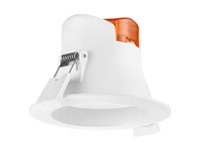
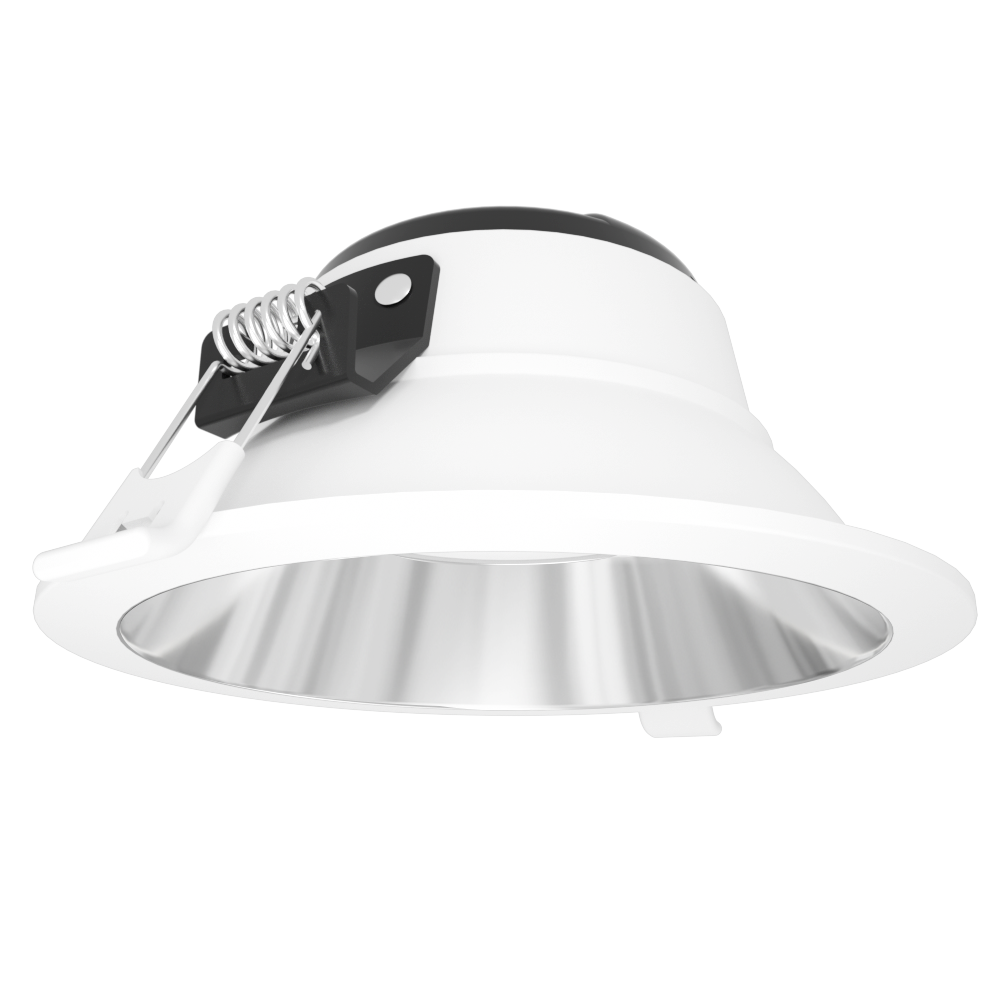
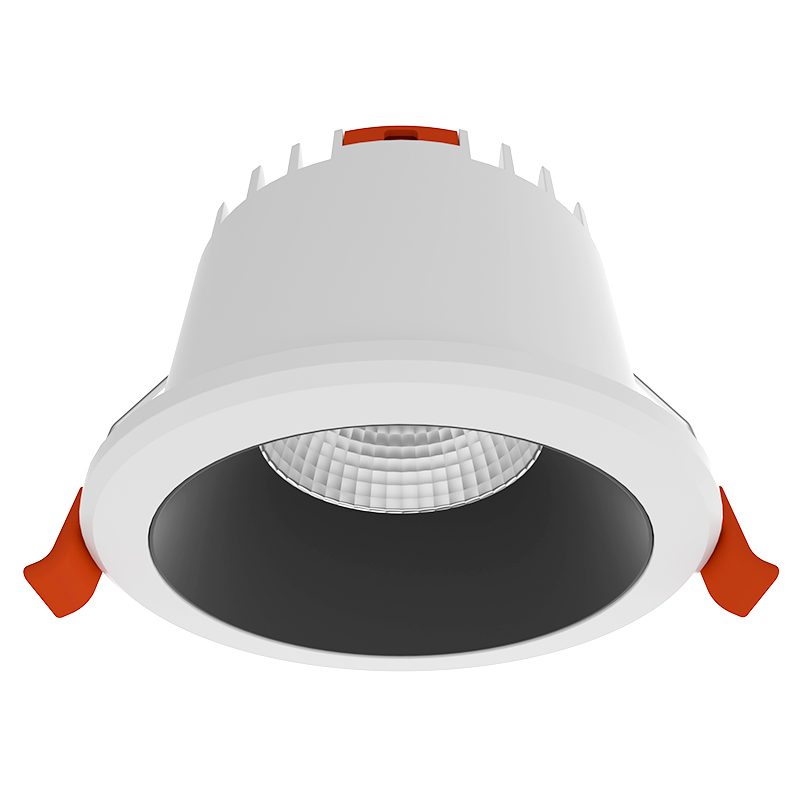
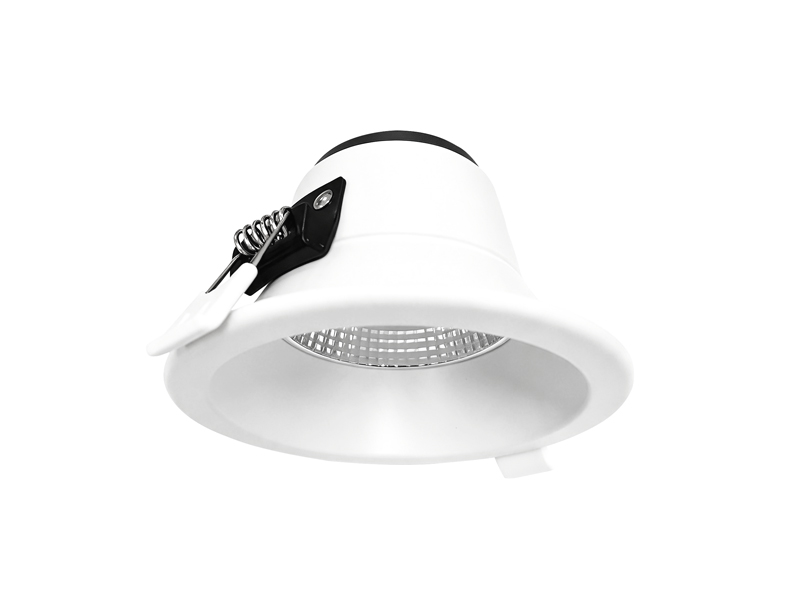
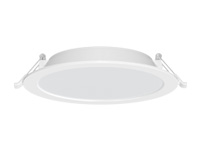
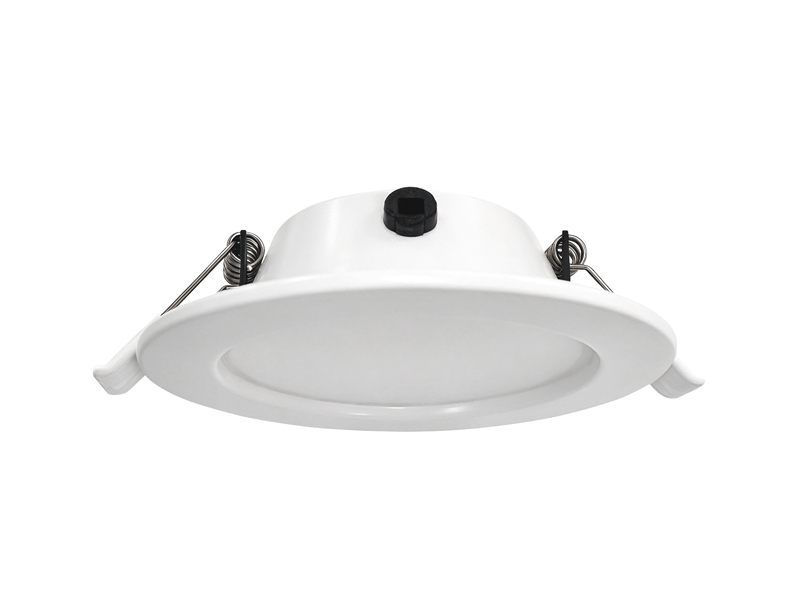
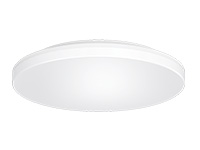
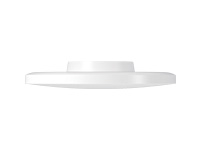
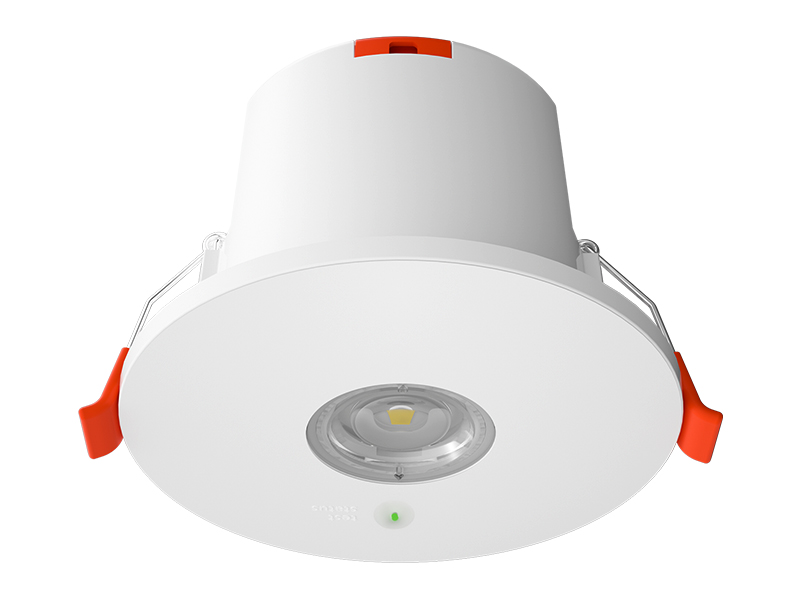
Our Melody Down Lights include D1090-A, a model with a listed 40° beam and 1000lm output at 4000K. This combination can be evaluated for an appropriate local area, such as a suitably enclosed support space, subject to the actual ceiling and environmental requirements. The model's specified installation conditions should lead the assessment rather than the building's general warehouse label.
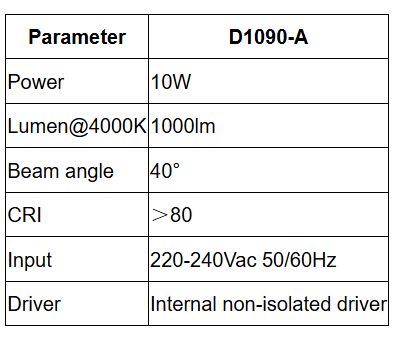
The source records an internal non-isolated driver and recessed installation for this model. Check the complete fitting against the ceiling construction and connection instructions. A compact fixture can be convenient in a local ceiling arrangement, but it should not be assigned a universal mounting height, aisle spacing or storage coverage on the basis of its 40° angle alone.
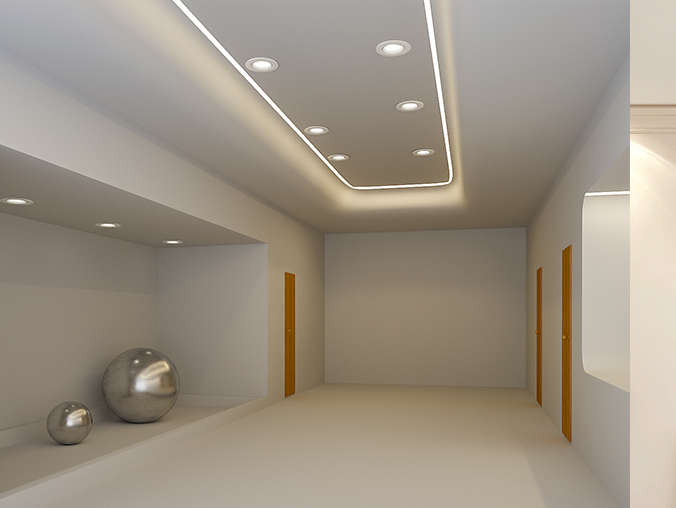
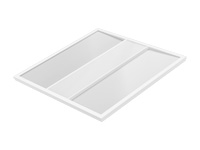
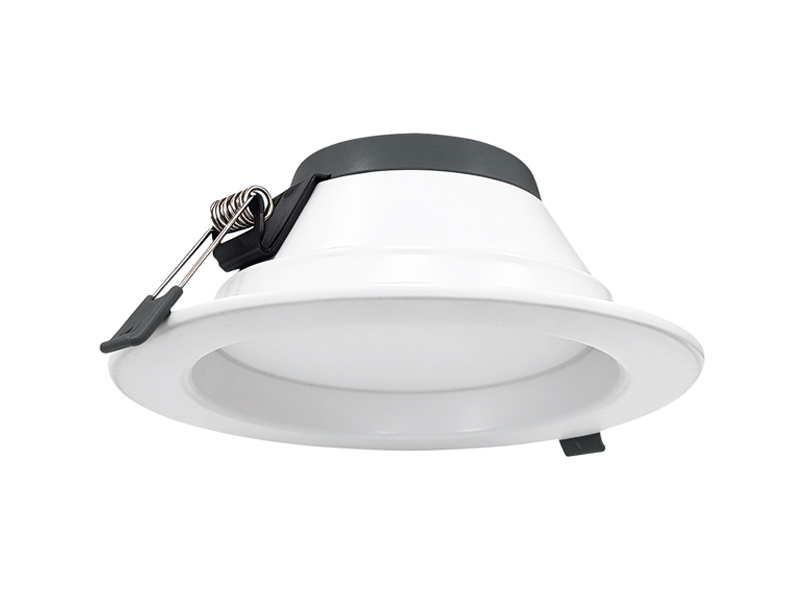
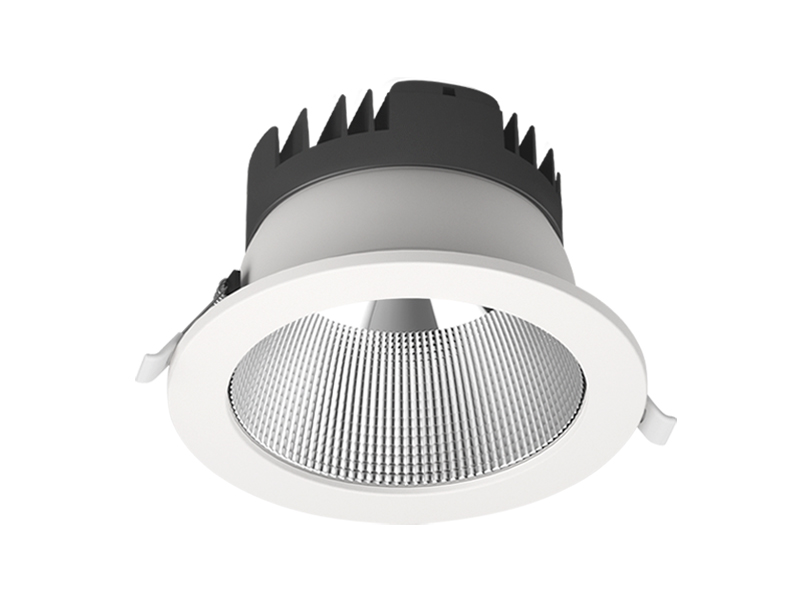
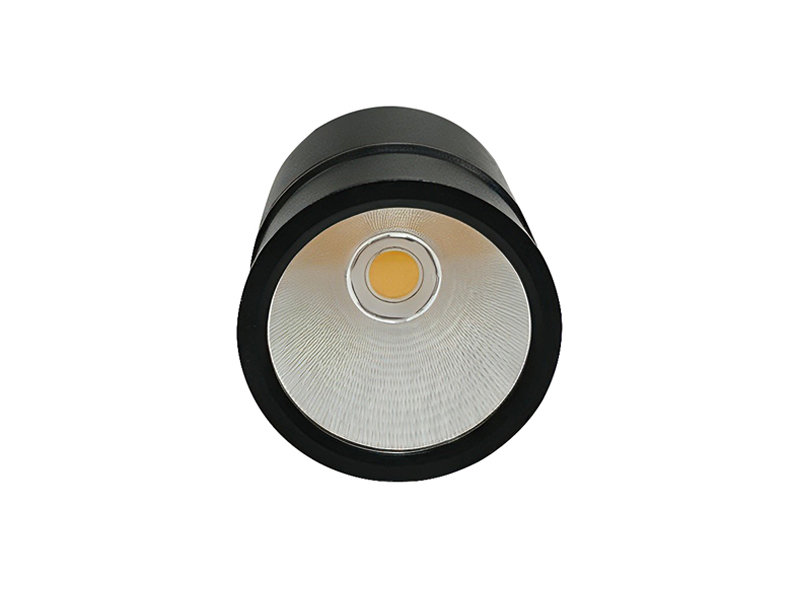
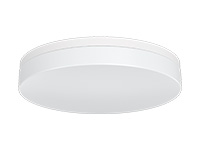
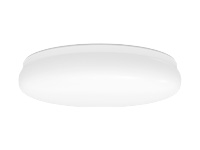
Explorer Down Lights provide a different comparison through the selected D15205-A-TW2 configuration. Its listed 60° beam, output and external isolated driver give the designer another combination to examine against the same receiving surface. The objective is to establish which arrangement serves the specific space, rather than to assume the higher output will always produce the better result.
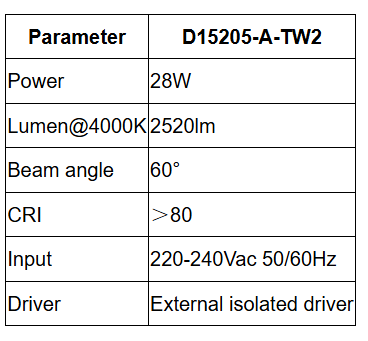
This is the A version with reflector and lens optics, so its information should remain separate from other Explorer optical versions. Its three selectable colour temperatures are setup choices, not evidence of occupancy control or scheduled colour changes. Confirm the accepted setting and any required control configuration separately, then include the driver location and maintenance access in the approved installation arrangement.
Use the planned storage heights and typical stock positions when checking the scheme. Review labels, working surfaces and routes from the positions people actually occupy. Record where a rack, duct or sign interrupts the light. If storage will change regularly, identify which areas need a later review and retain the calculation inputs so the effect of those changes can be assessed.
Different spaces in a mixed commercial building need different evidence. Energy Saving Office Lighting and Energy Efficient Office Lighting require attention to desk work and screen reflections. Energy Saving Retail Lighting concerns merchandise emphasis, while Energy Efficient Supermarket Lighting must account for shelf faces and customer movement. The same planning discipline applies, but the accepted beam and fixture role should follow each task.
At IMIGY Lighting, we recommend using the documented Melody Down Lights and Explorer Down Lights examples as the beginning of a specific application discussion. Share the mounting heights, ceiling construction, storage plan and environmental conditions before finalising the model. A useful warehouse lighting plan identifies what each fixture is intended to illuminate, demonstrates the expected coverage and leaves a clear installation record for the people who will operate the space.
Recheck the lighting whenever storage changes alter the surfaces workers need to see.
Q: Can a 40° or 60° beam specification tell us the correct distance between warehouse fixtures?
A: No. The nominal angle does not describe every part of the distribution or the effect of the room. Use photometric data with the actual mounting height, task plane and obstructions. Check the lower illuminated positions as well as average values before approving the spacing for the intended use.
Q: Is the higher lumen model automatically the appropriate choice for a tall storage aisle?
A: Higher output alone does not establish suitability. The fixture's distribution, mounting requirements and environmental scope must match the application. Review the calculated light on the relevant surfaces and consider a dedicated luminaire where the ceiling height or storage arrangement calls for a different product category.
Q: What should be reviewed when the warehouse adds taller racks after installation?
A: Update the storage geometry and check which paths of light are obstructed. Reassess the working surfaces and routes affected by the new racks, then review fixture positions or product selection as needed. Preserve the revised layout and configuration information so future changes can be compared with a reliable record.
It is recommended that you upgrade the latest browser
 Chrome
 Firefox
 Edge