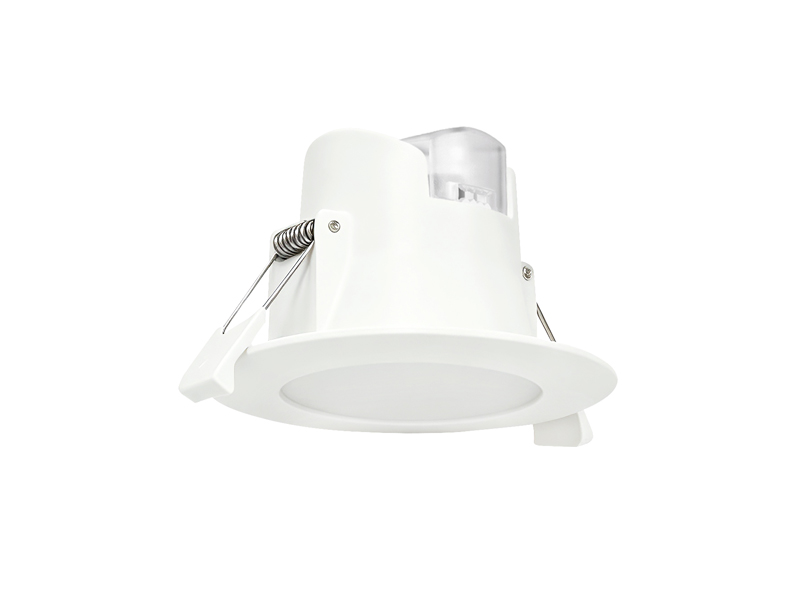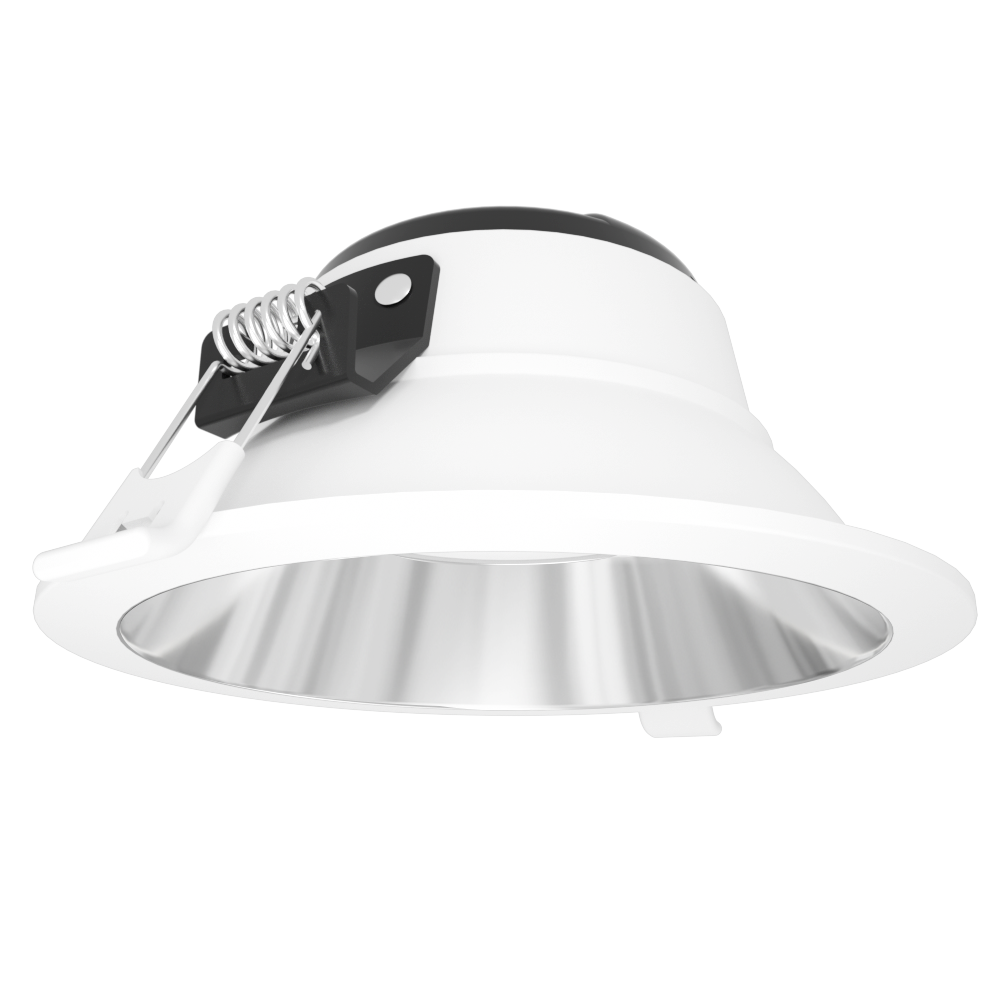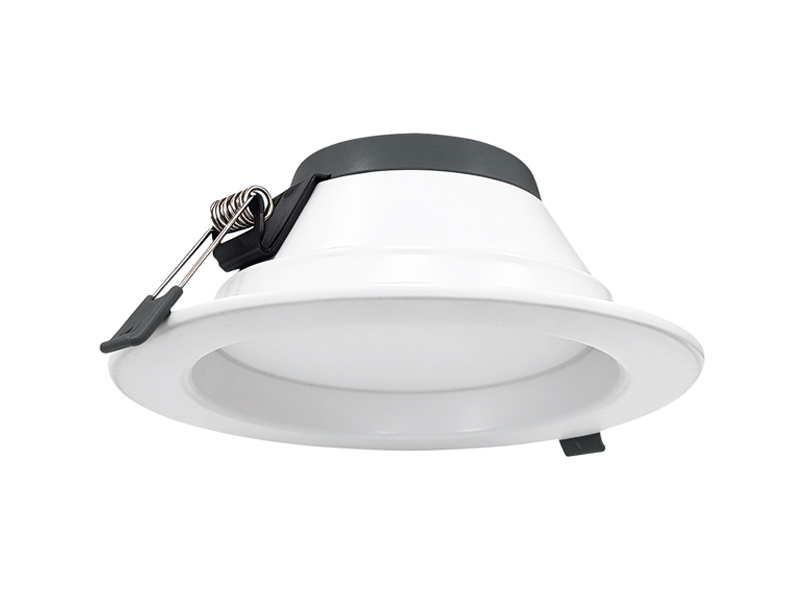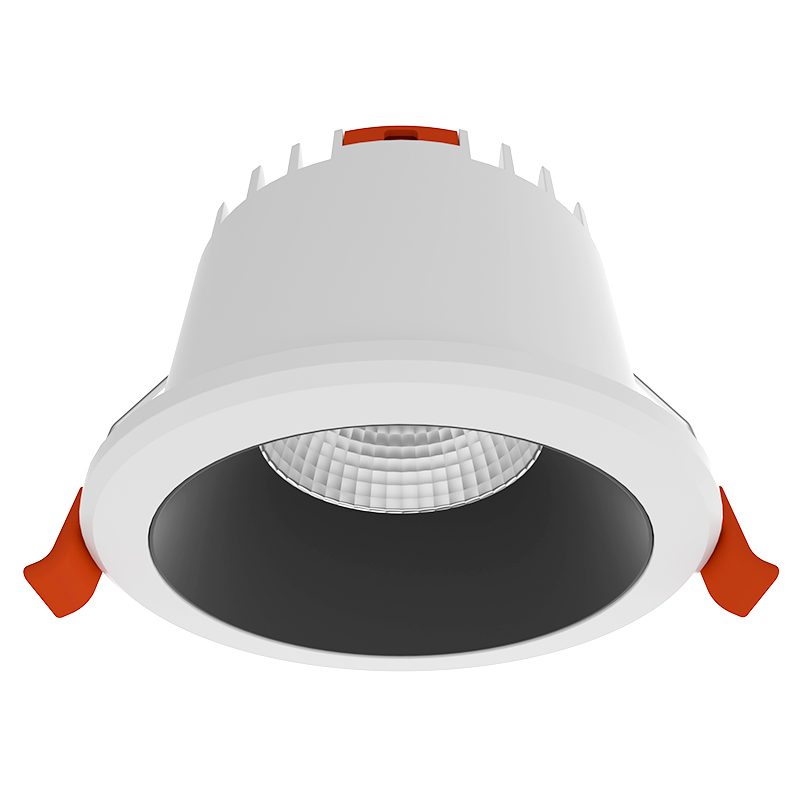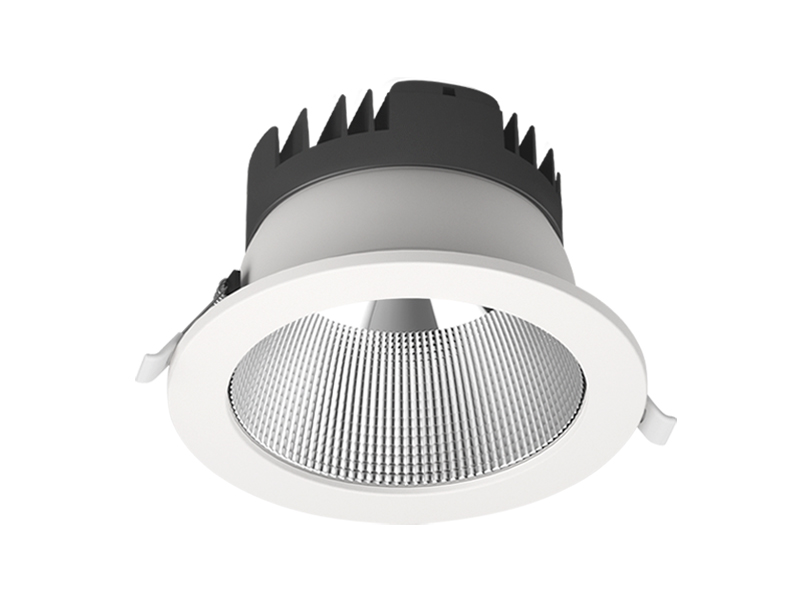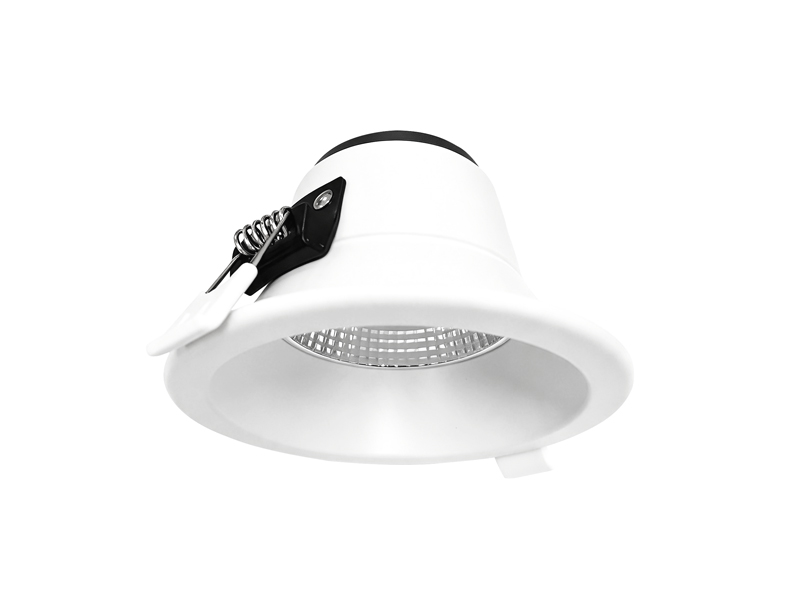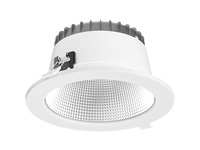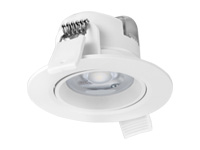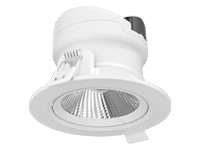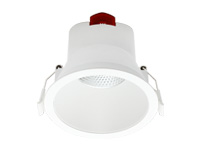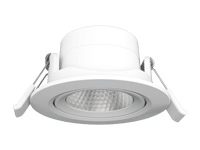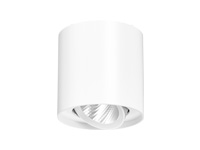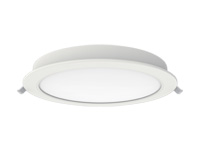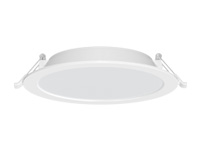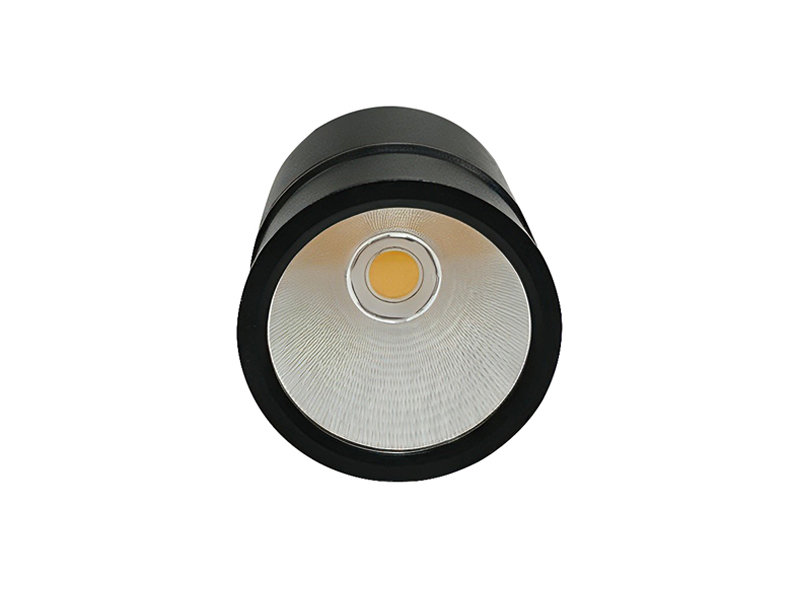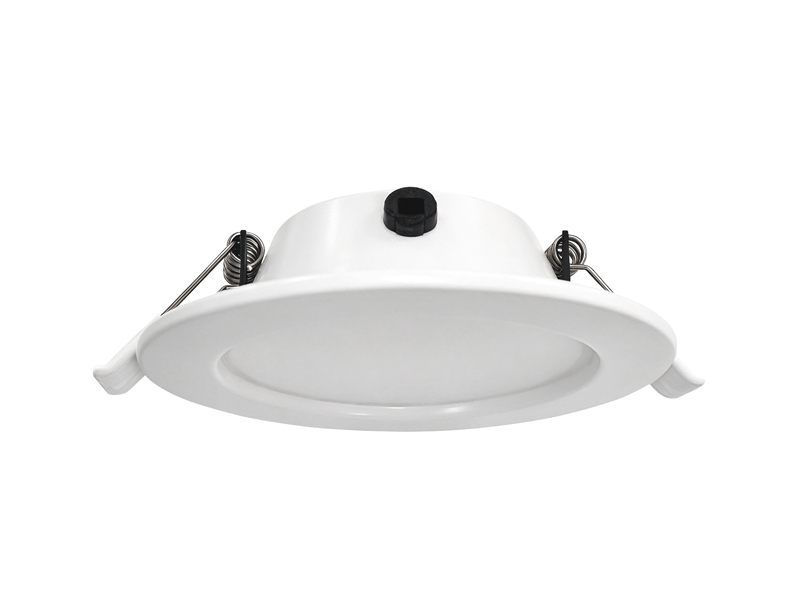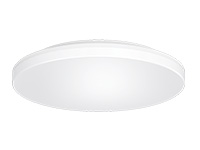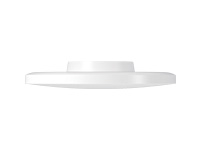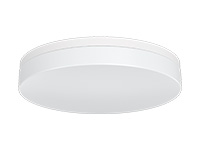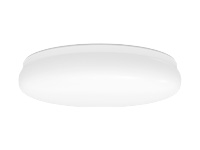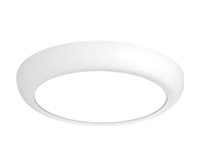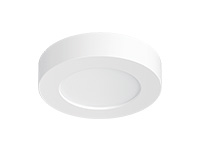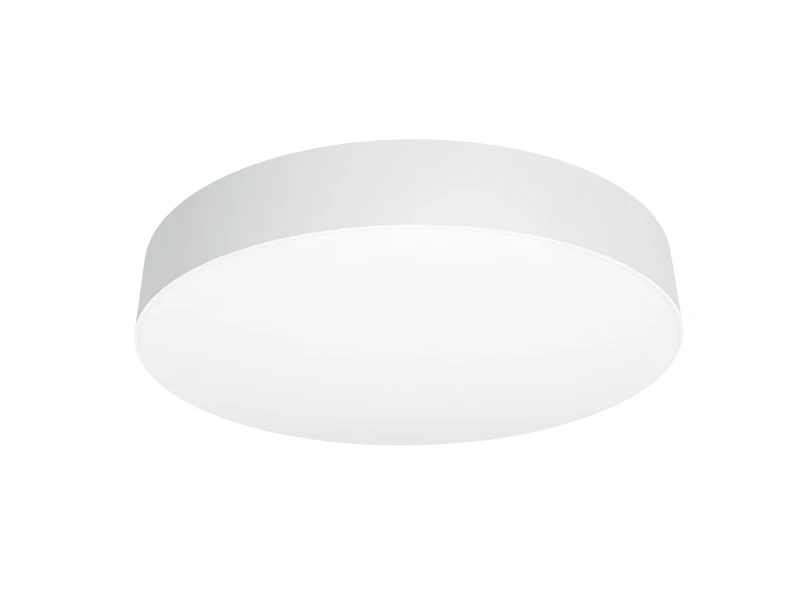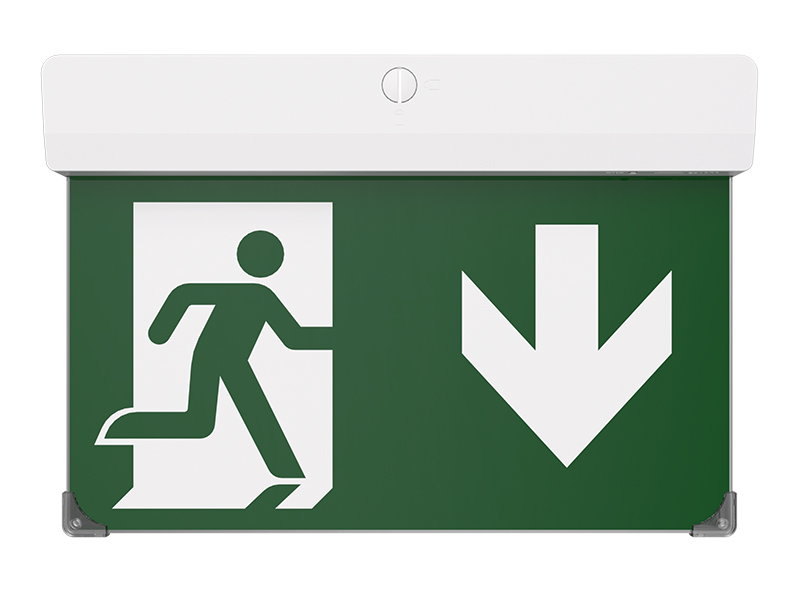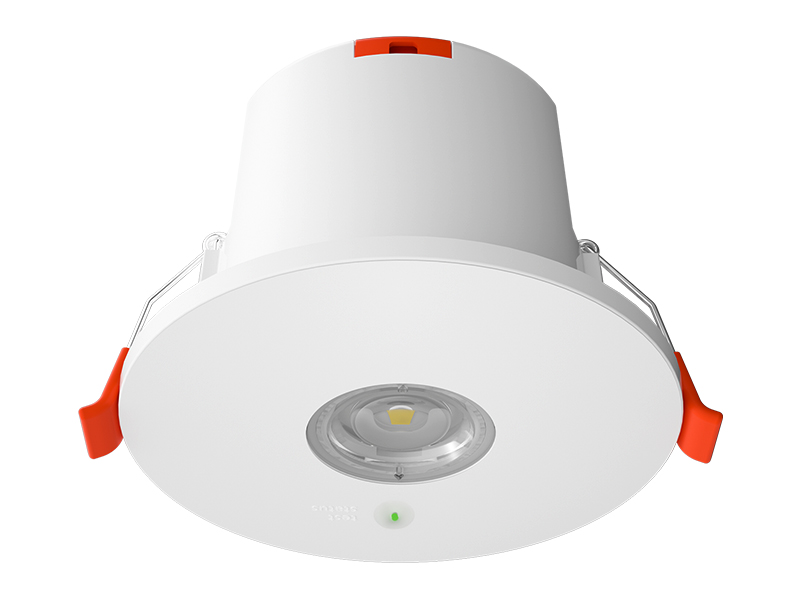

Placing a circular luminaire at the centre of a ceiling can look balanced, but symmetry does not demonstrate useful emergency coverage. At IMIGY Lighting, we start with the area that needs illumination and the distribution available from the selected configuration. Our Guard Fit Emergency Downlight illuminates the relevant surfaces, while our Voyager Emergency Blade Exit Sign marks the direction to follow. A Round emergency light should be positioned according to its confirmed emergency performance and the space it serves, rather than by copying the positions of normal lighting without further assessment.
Identify the relevant route and surfaces, then assess the chosen emergency distribution at the actual mounting height. Consider obstacles, changes in direction and the relationship between adjacent areas. Guard Fit offers interchangeable round and oval lenses. Position Voyager independently where the relevant sign face can be read before people reach a turn. Review the route under the intended emergency condition.
The shape of the visible cover does not define the footprint below it. Select the lens and operating configuration before assessing coverage. Keep normal light output separate from emergency performance, and do not calculate universal spacing from a catalogue beam angle. Review the completed layout using information for the actual products being supplied.
Begin with the project plan and identify what must be illuminated during the intended emergency condition. Review the route as a connected arrangement rather than a collection of isolated fixture points. A central position may serve some surfaces but leave other relevant locations outside the useful distribution. Furniture, partitions and changes in ceiling height can also alter the result.
For an LED emergency light, mounting height and distribution need to be considered together. Do not infer floor coverage from the visible diameter of the luminaire or assume that a circular housing produces an identical pattern in every configuration. The lens, output and surrounding geometry are more informative than the outline of the cover.
A Square emergency light would require the same application review. Changing the housing outline does not, by itself, resolve a gap in coverage. Where the proposed layout has an uncertain area, ask for the relevant emergency performance information and review the actual arrangement. Moving a fixture or changing its optical configuration should lead to another assessment of the affected surfaces, not an automatic approval based on appearance.
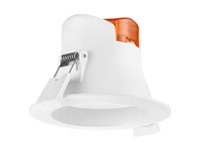
Our Guard Fit Emergency Downlight provides interchangeable round and oval lenses. The source associates the round lens with open areas and the oval lens with corridors. Select the intended lens before reviewing positions so the assessment corresponds to the supplied configuration.
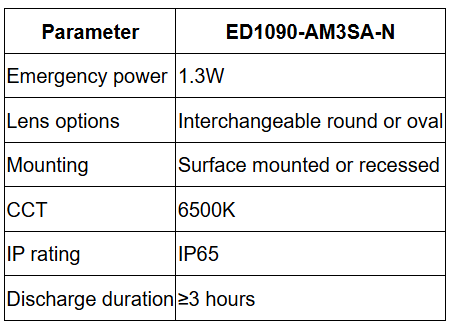

The table identifies the 1.3W emergency version. Use its configuration and photometric information when checking coverage; electrical power does not establish the light reaching the floor. If the proposed lens changes, revisit the distribution review instead of assuming that an unchanged housing means unchanged coverage.
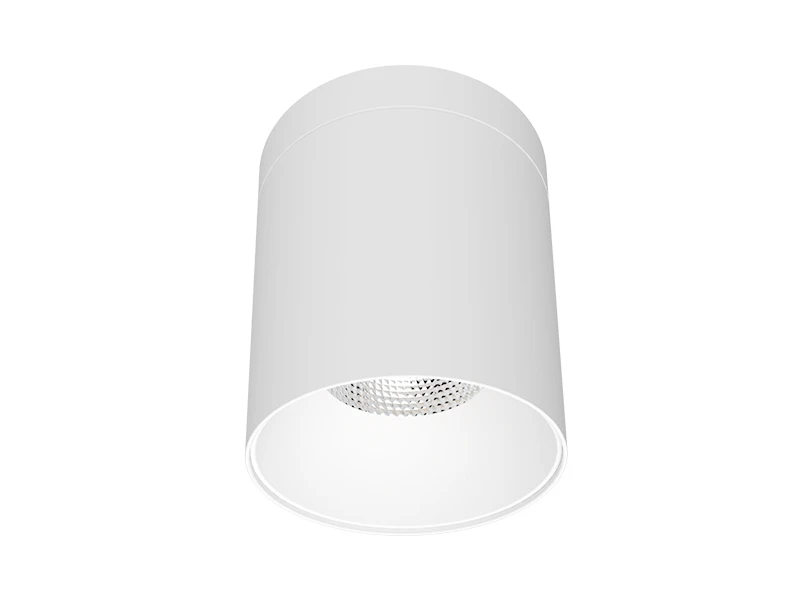
Guard Fit can be considered with surface or recessed mounting. The available method must be assessed against the actual ceiling and component arrangement. It is also important to distinguish coverage from environmental fit: a protection rating describes another product characteristic, rather than proving where the light should be located. Keep both questions in the review without allowing one to stand in for the other.
Our Voyager blade sign identifies the exit direction, so its location follows the approach view. Assess whether the sign is readable before a corridor branches or a doorway changes the direction of travel. The closest downlight need not share the same mounting point.
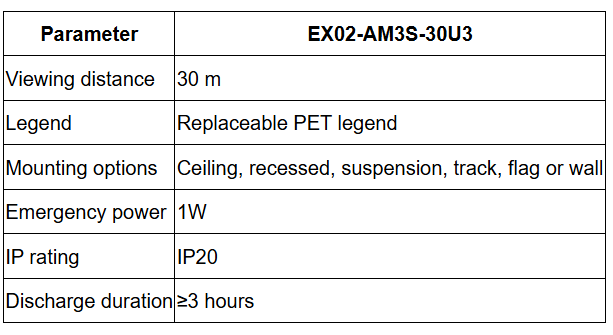
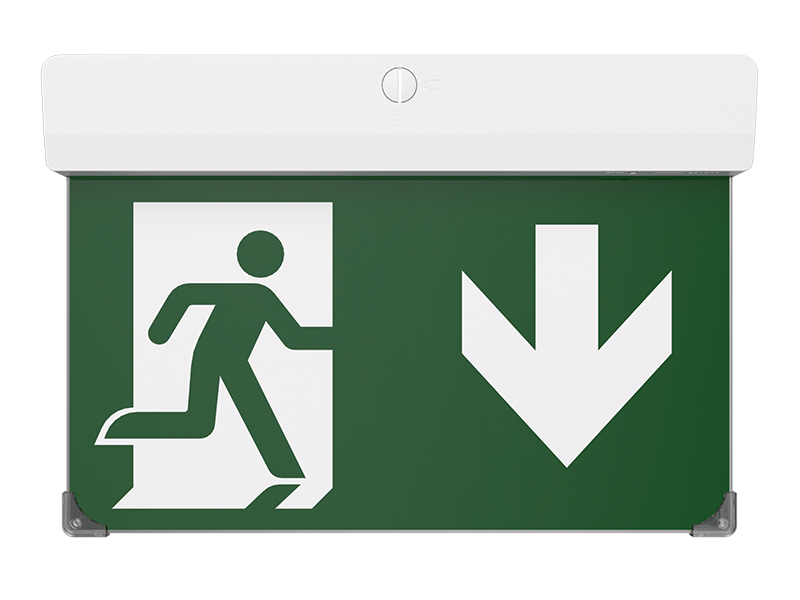
Treat the listed viewing distance as a product specification, not as a fixture spacing rule. A door leaf, projecting beam or suspended fitting may block the legend. Walk the approach in both relevant directions and check that the approved arrow is visible from the point where it matters.
When coordinating an Emergency light fixture with Voyager, record the downlight and sign as separate items on the drawing. Compare ceiling, wall and suspension options for the sign if the ceiling position is obstructed. Guard Fit's IP65 and this Voyager model's IP20 apply to different products; assess the conditions at each location separately.
At IMIGY Lighting, we recommend recording the model, lens, mounting position and emergency configuration together. For a Rechargeable emergency light, also retain the relevant battery and test information so the performance discussion refers to the intended supplied unit. Where data remains unresolved, mark the affected area rather than filling the gap with normal output figures.
Review connections between areas as well as individual rooms. A locally suitable position does not establish that the transition to the next area has been addressed. Our Guard Fit and Voyager options address distinct tasks, so verify light distribution and legend visibility separately before accepting the combined arrangement. A clear record of what was assessed makes later configuration changes easier to identify and prevents unverified substitutions from becoming part of the accepted arrangement.
Keep a note of the assumptions used for each assessed area, including the selected optical version and the relevant mounting position. When the project team proposes a change, compare it with those assumptions before reusing the earlier result. This makes it easier to distinguish a harmless drawing update from a configuration change that requires another coverage assessment.
Keep normal lighting and emergency performance identifiable throughout the review, including any later changes to the selected product configuration.
Q: Does a round cover mean the emergency light will illuminate a circular area evenly?
A: Not necessarily. The visible shape does not establish the distribution from the selected lens or the effect of the mounting height and surrounding surfaces. Guard Fit offers different lens choices, so identify the actual configuration before reviewing coverage. Do not derive an installation pattern from the cover outline alone.
Q: Can the Voyager viewing distance be used as the spacing between Guard Fit downlights?
A: No. The viewing distance describes the sign, while downlight spacing depends on the emergency distribution and site geometry. Check the route illumination using the selected Guard Fit optics. Then verify the sign independently from the intended approach, particularly where ceiling features or open doors can obstruct the legend.
Q: What changes should trigger another review after a layout has already been assessed?
A: Review changes to the lens, emergency configuration, mounting height or position, as well as alterations to partitions and other relevant obstructions. Even if the housing remains the same, those changes may alter the assumptions behind the earlier assessment. Keep the approved configuration identifiable so the team can determine which areas need to be checked again.
It is recommended that you upgrade the latest browser
 Chrome
 Firefox
 Edge