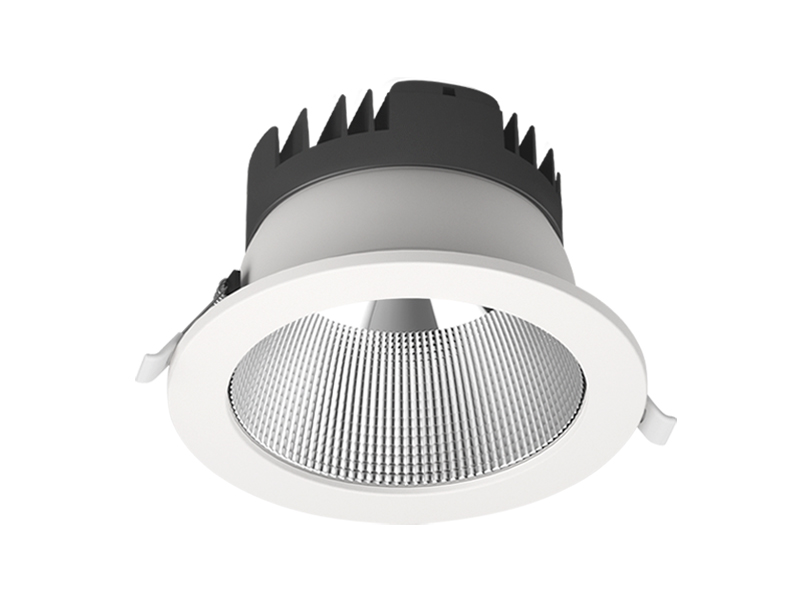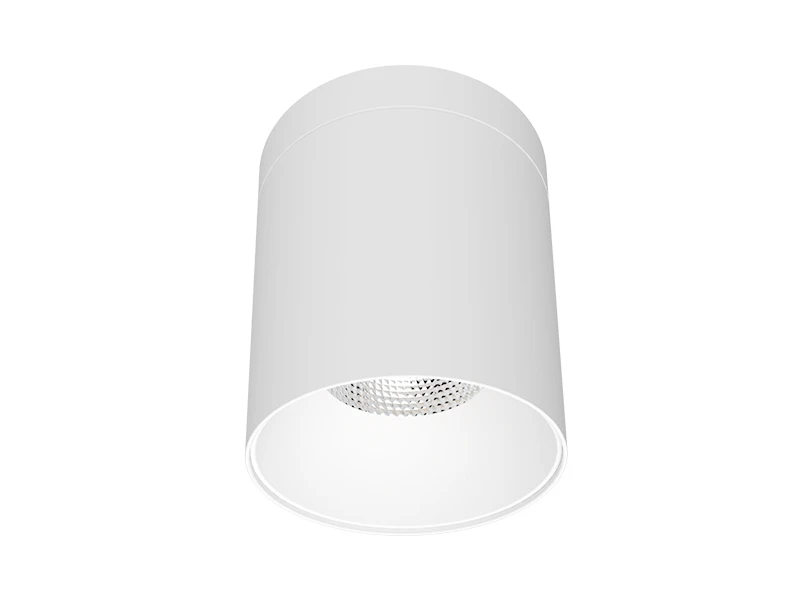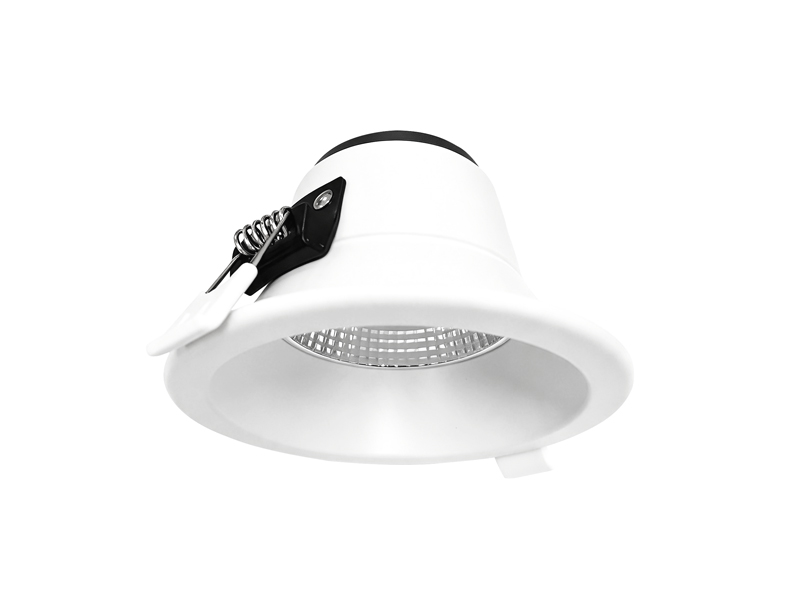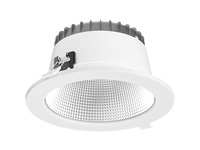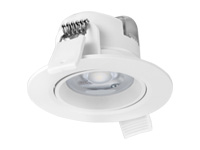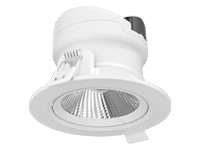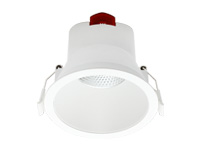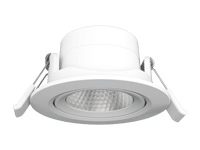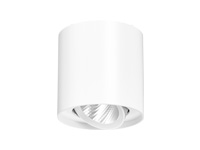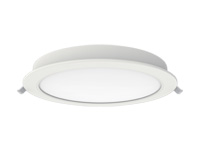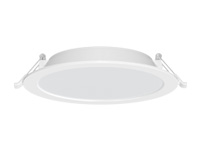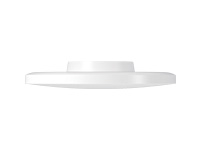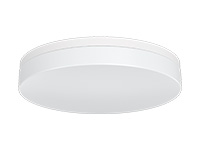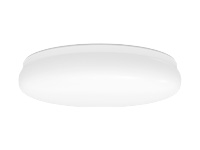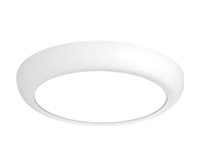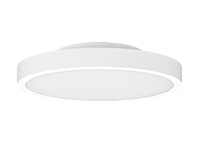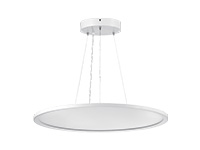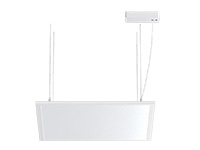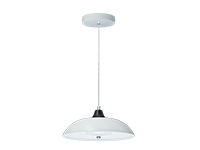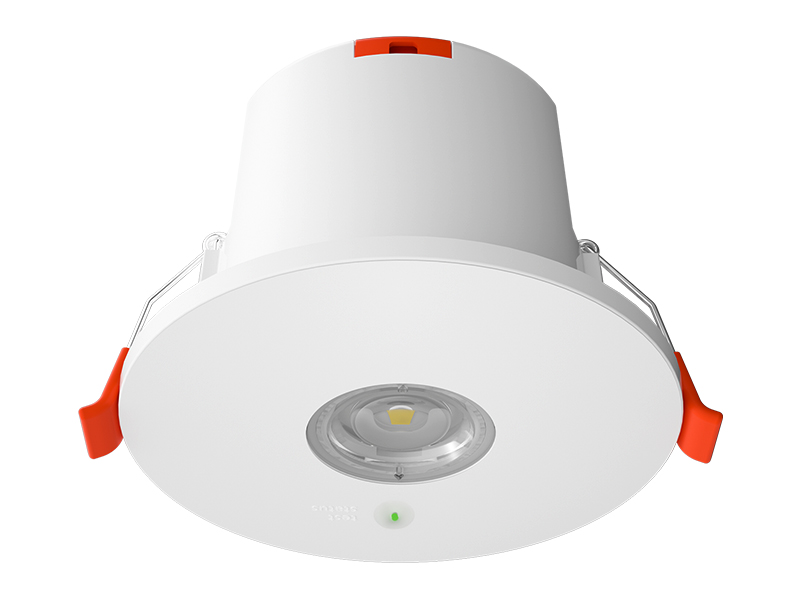

Assess LED Healthcare Lighting through a combination of light output, distribution, colour characteristics and the configuration that produces them. A high lumen value alone cannot show whether a fixture suits a particular hospital space. AtIMIGY Lighting, we recommend comparing like conditions and recording what each specification actually establishes. Explorer Pro Down Lights and Phoenix Down Lights provide different examples for this process. Their selected models differ in output, beam angle and colour temperature options, so they should be evaluated against the room brief rather than treated as interchangeable entries on a schedule.
Identify the exact model before comparing values. Separate colour temperature selection from colour rendering, and separate fixture information from installed performance. Ask for supporting information where the schedule requires characteristics not established in the product table. Confirm the driver and control arrangement independently of the listed power or colour choices.
For Hospital Lighting, start with the intended activities and viewing conditions. Light output describes the quantity leaving the fixture under stated conditions, but it does not describe how much reaches a particular counter or circulation surface. Distribution and placement determine where that output travels. Comparing two luminaires solely by total lumens can therefore favour a configuration that does not serve the intended area as well.
Colour information needs the same care. Colour temperature concerns the appearance of the light; a selectable range allows a choice between listed settings. Colour rendering describes another characteristic and cannot be inferred from the number of colour settings. When a project requires additional colour information, request the relevant evidence instead of extending a general catalogue statement into an unsupported claim.
Likewise, an external driver identifies a component arrangement rather than a confirmed dimming protocol. The selected control interface, operating range and behaviour need their own confirmation. Do not let a specification sheet become a collection of assumptions simply because several products use familiar descriptions. Mark confirmed values, configuration dependent options and unanswered questions separately in the review record.
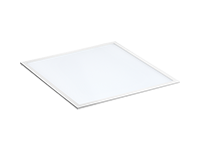
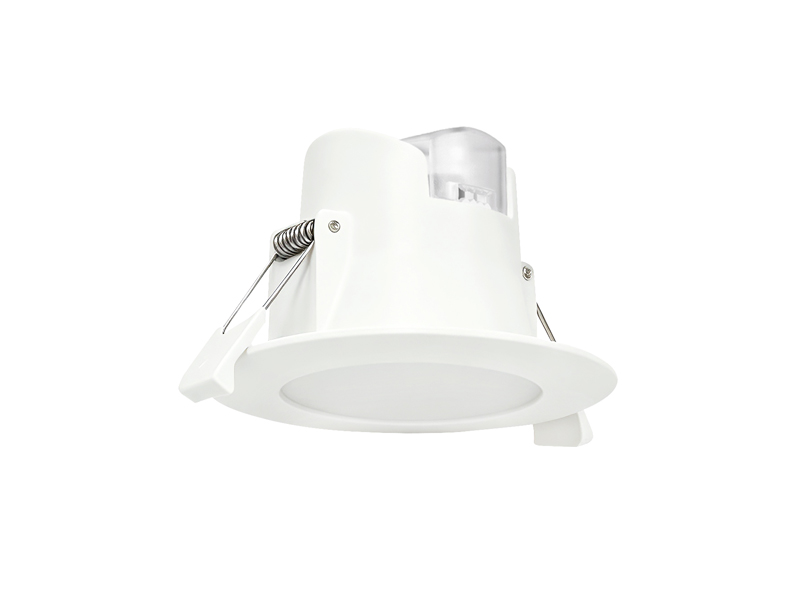
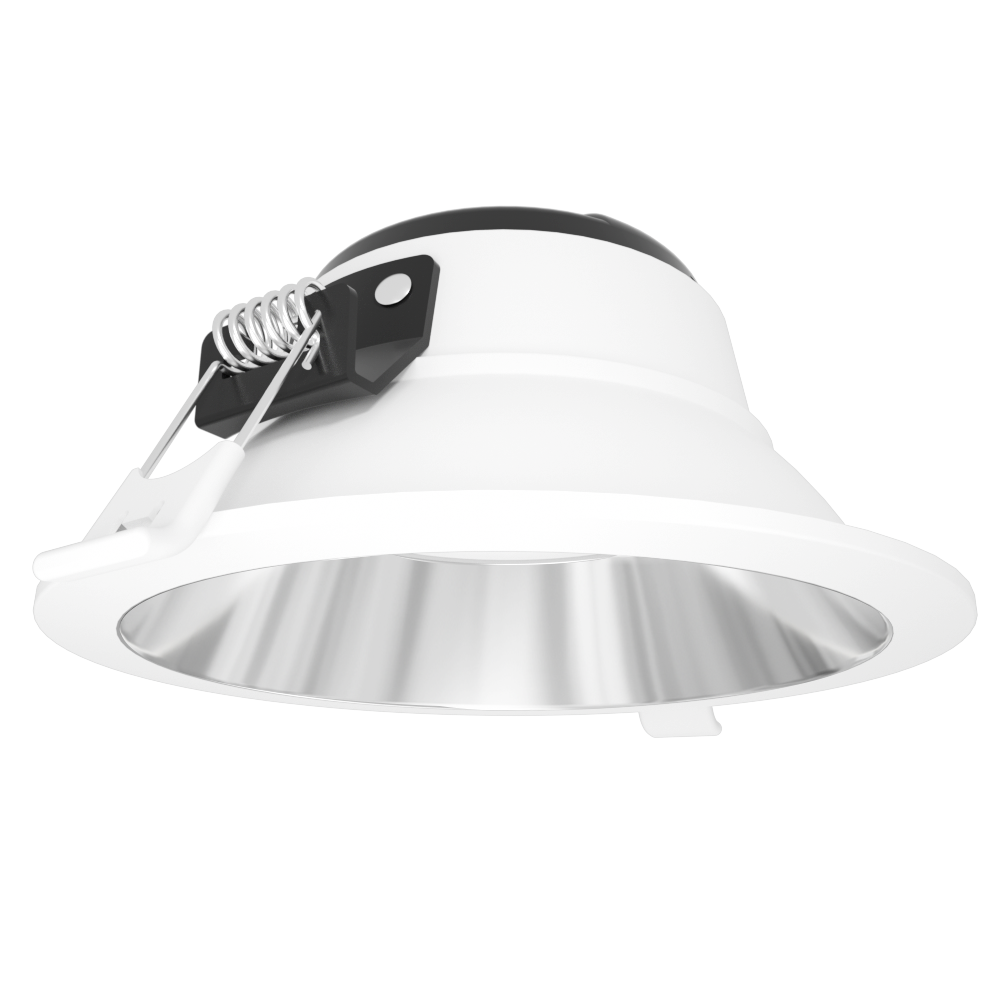
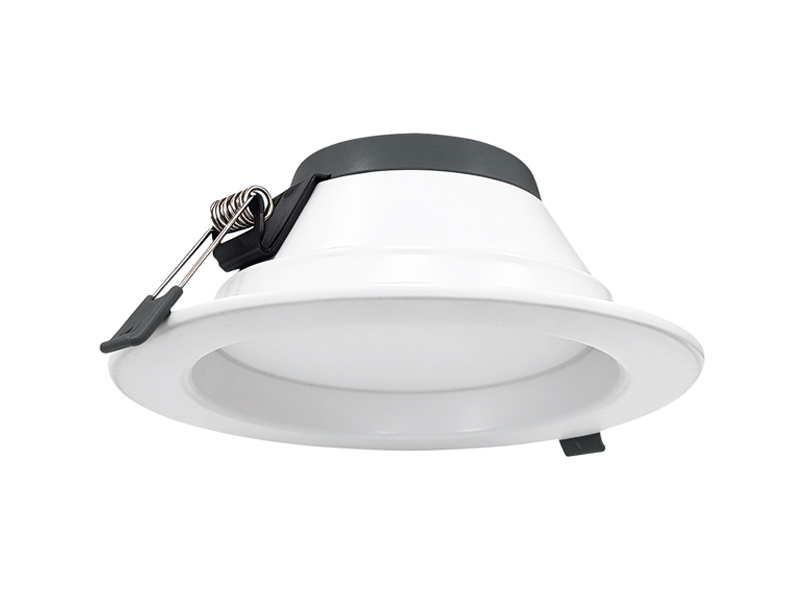
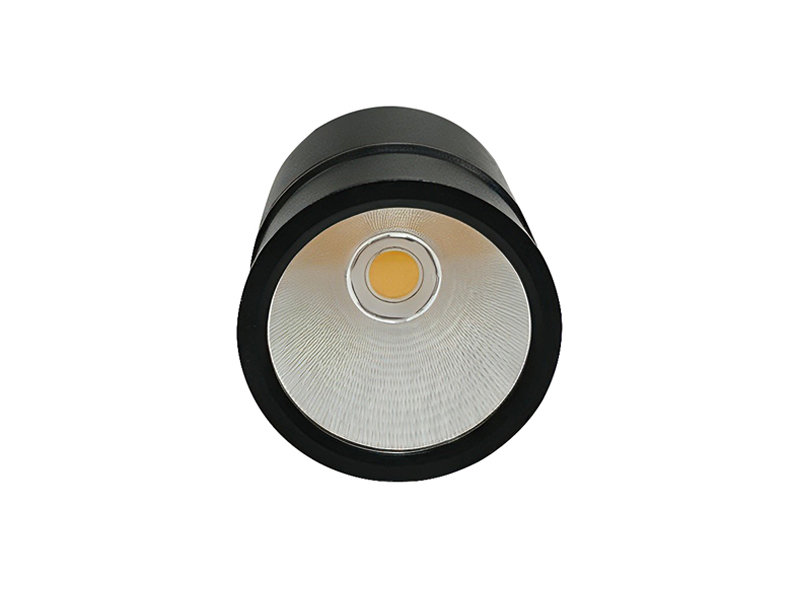
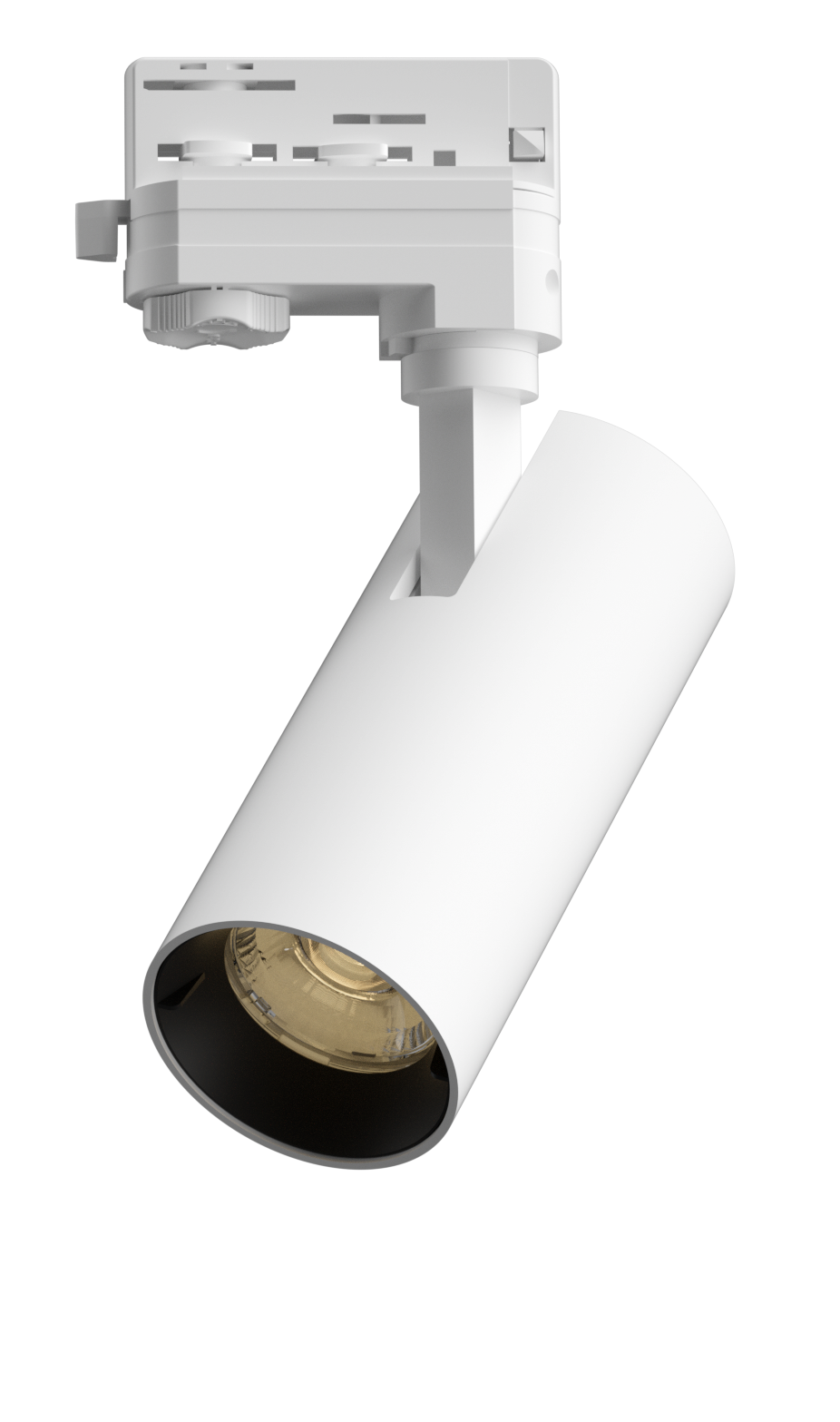
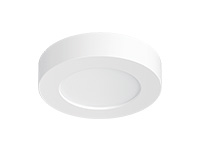
Our Explorer Pro Down Lights example below is a specific model in the A series. Its listed values provide a starting point for comparing the selected configuration with the intended use.
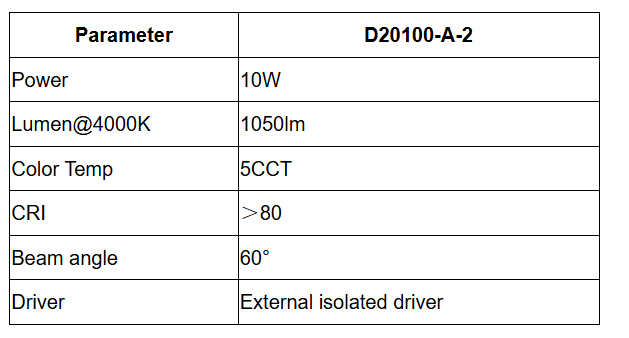
The five colour temperature choices do not establish automatic changes throughout the day. If a project proposes scheduled changes, first confirm the actual product and control capability needed for that behaviour. For Healthcare Lighting, discuss the preferred setting in the room context rather than assuming that more settings alone indicate better suitability.
The reflector and lens arrangement in this family is described with a glare rating below nineteen. Treat that as catalogue information requiring an appropriate room assessment. It does not replace a review of direct views, reflected light or the relationship between fixture positions and occupied locations. The selected beam angle also needs to be assessed against the intended mounting height and target surfaces.
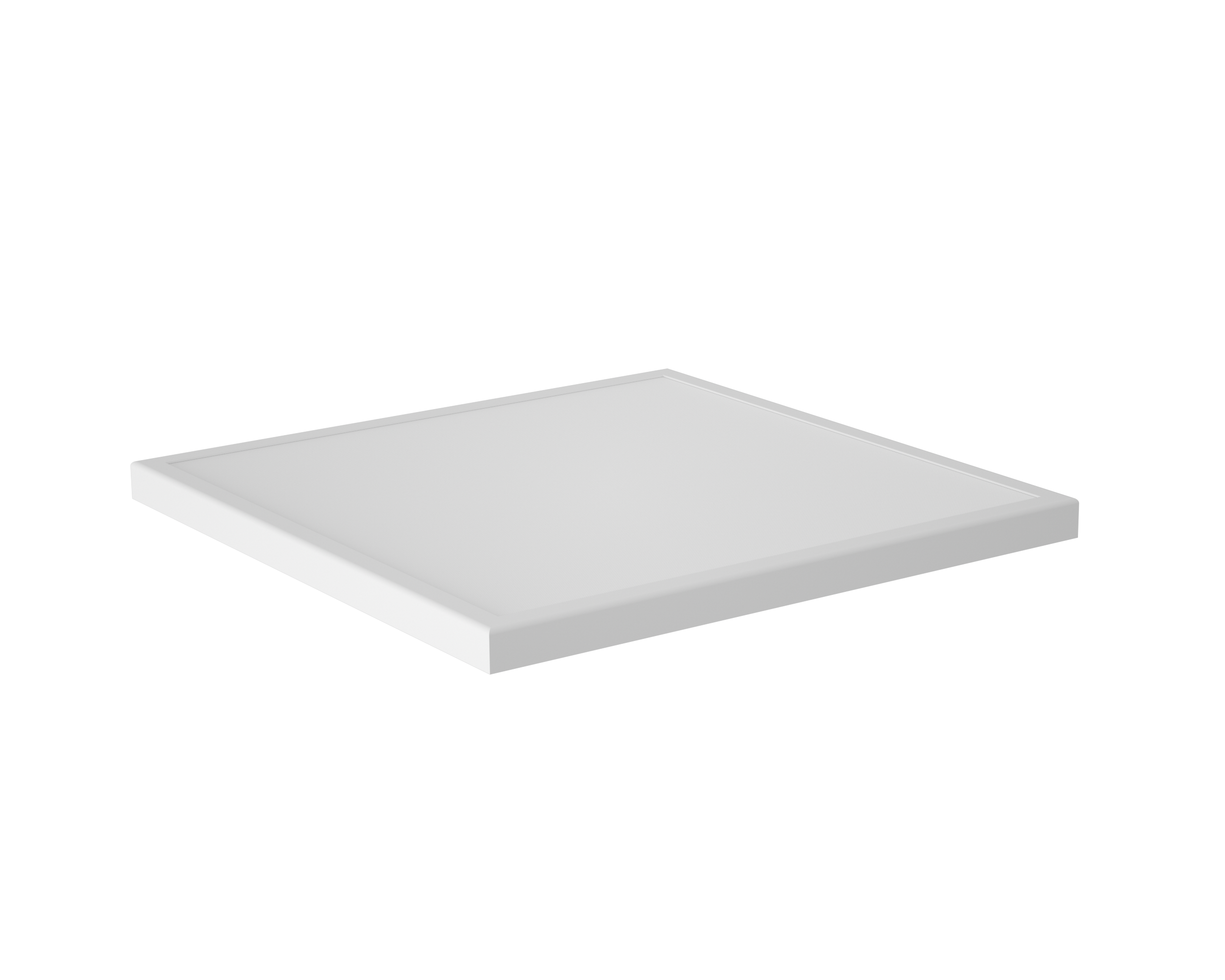
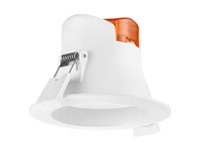
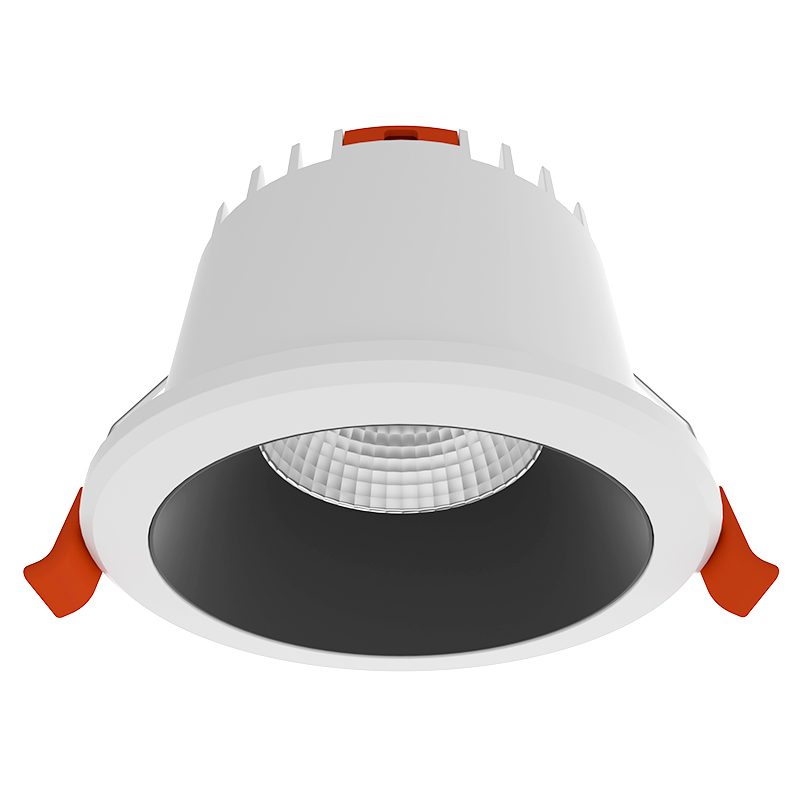
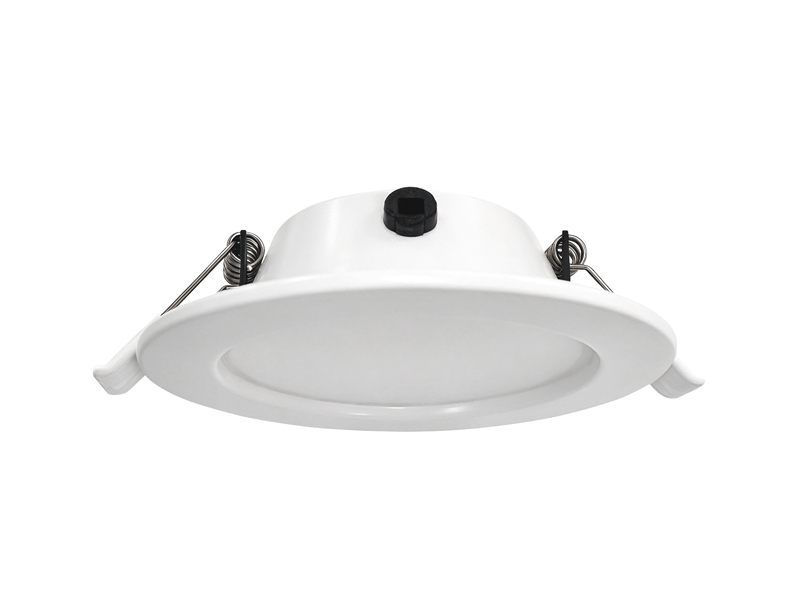
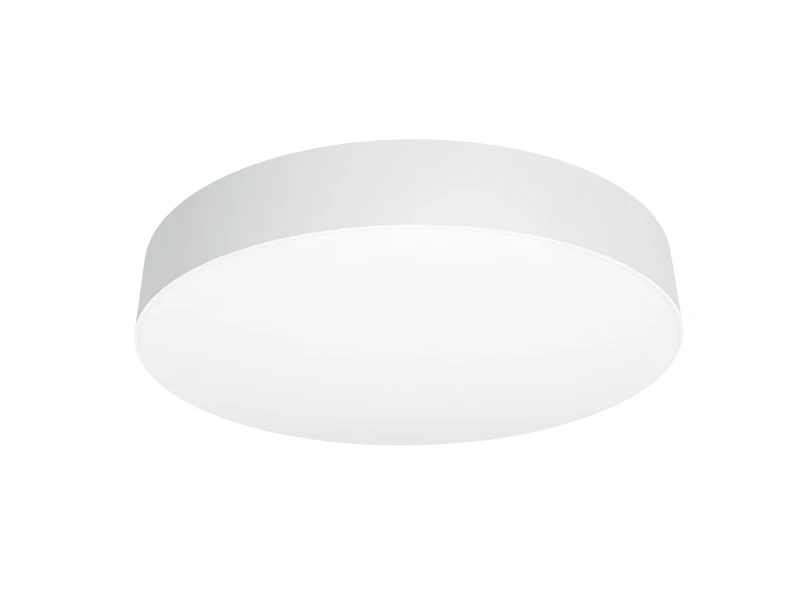
Our Phoenix Down Lights model below uses a different power and output combination. This is an alternative configuration to assess against the brief, rather than a direct replacement claim for the Explorer Pro example.
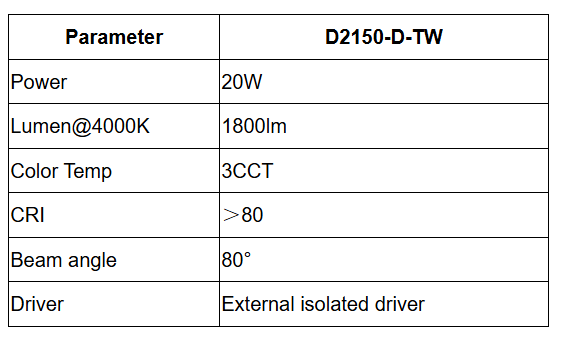

Both selected models list a colour rendering index above eighty. That shared statement does not establish every aspect of colour performance, nor does it confirm suitability for every clinical activity. If the project requires additional measurements or particular evidence, include those requirements in the enquiry and assess the relevant documentation before approval.
For LED Hospital Lighting, the Phoenix model’s broader listed beam should be studied together with the room geometry. A broader angle is not proof of uniformity, and a higher output does not remove the need to review bright sources in occupied sightlines. Check the proposed positions and surrounding finishes. Confirm the chosen driver separately when dimming is required; family information about changing drivers does not identify a specific interface for every supplied unit.
At IMIGY Lighting, we encourage a review record that connects each requirement to a confirmed product detail or a planned verification. Record the model code, selected colour setting, optical configuration and driver arrangement. Where flicker behaviour, additional colour measurements or a particular control protocol matter to the brief, request appropriate supporting information rather than claiming those characteristics from an unrelated table entry.
This gives Hospital Lighting Solutions a clearer basis for comparison. A reviewer can see why a particular configuration was selected, which conditions were assessed and what remains to be confirmed before ordering. Explorer Pro and Phoenix offer different starting points; a disciplined evaluation identifies their relevant strengths without turning a single figure into a complete judgement of quality. The result should be a coherent specification that can be checked against the delivered configuration.
Record the conditions behind a comparison as carefully as the numbers themselves. If a submission changes a colour setting, optic or driver, confirm which values still apply to that configuration. Do not combine the strongest figures from different variants into an imaginary product. A useful review retains a short explanation of the selected arrangement and the documents supporting it.
This is especially helpful when several people review the schedule. The designer may focus on distribution, while the installation team needs component and connection details. A shared configuration record keeps those discussions aligned with the same actual product.
Keep any unresolved requirement visible in the review record, with a clear request for evidence, so that missing information does not become an assumed capability during later approval.
Q: Does a higher lumen output automatically make one downlight a better choice for a hospital project?
A: No. Higher output may be useful for a particular arrangement, but the project also needs an appropriate distribution and comfortable occupied views. Compare the target surfaces, mounting conditions and proposed positions. Confirm that the values refer to the actual selected models and comparable operating conditions before using them to support the decision.
Q: If two products both state a colour rendering index above eighty, can we assume their colour performance is identical?
A: That statement establishes a shared threshold, not identical performance across every characteristic. It also does not provide measurements that are absent from the source information. Where colour assessment matters to a specific activity, define the required evidence and review it for the ordered configuration instead of relying on the common threshold alone.
Q: Which unanswered details should be resolved before a product specification becomes an order?
A: Resolve details that affect the intended application, including the exact model, selected settings, mounting arrangement and any required control interface. Ask for supporting evidence for characteristics the project depends on but the available table does not establish. Keep the approved sample and documentation aligned so that a later substitution does not silently change the assessed configuration.
It is recommended that you upgrade the latest browser
 Chrome
 Firefox
 Edge