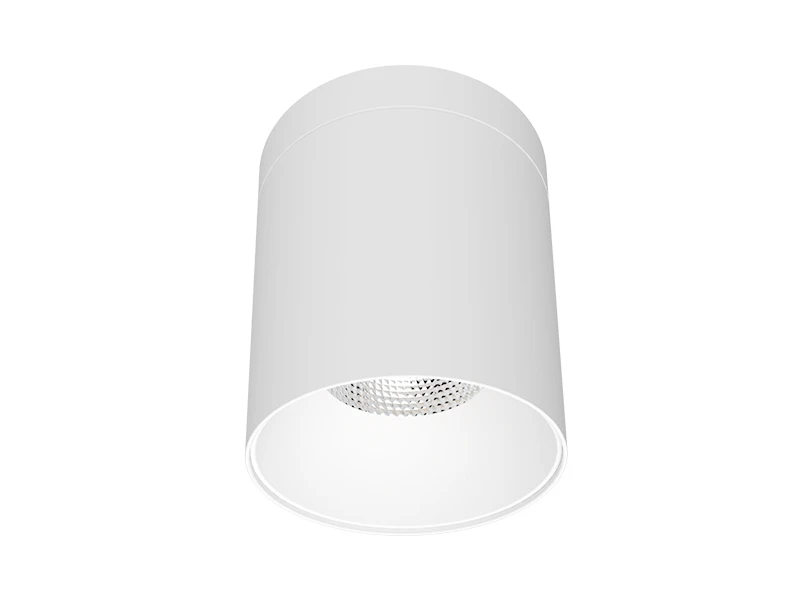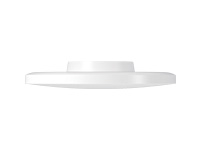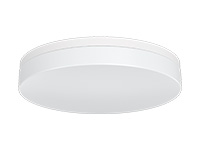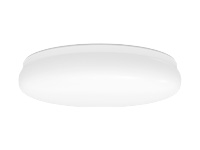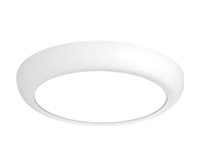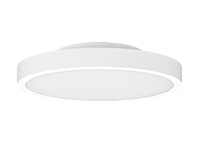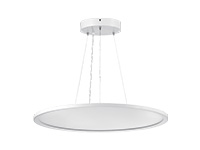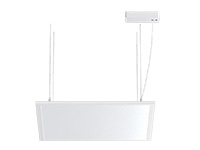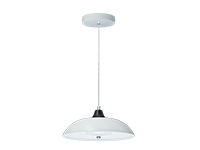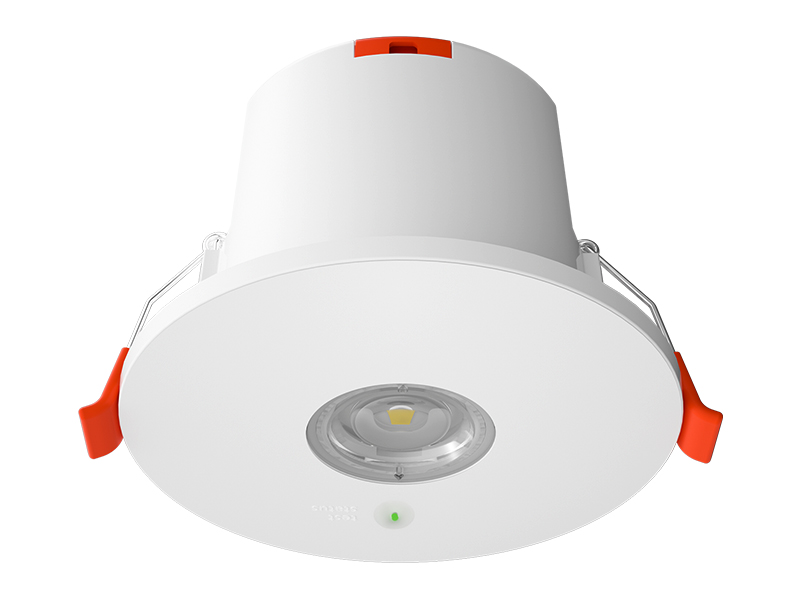

Replacing an existing downlight can appear straightforward until the ceiling opening, driver location or lighting pattern is checked. A new fixture may fit the visible space while changing the light received below it. At IMIGY Lighting, we recommend reviewing physical and lighting requirements together. Explorer Down Lights and Explorer Pro Down Lights provide two documented product references for that review. The selected examples share nominal power and similar opening ranges, yet list different outputs and beam angles. Those differences show why a replacement checklist should describe the complete configuration rather than treating a familiar size as proof of equivalence.
Before upgrading to LED Hospital Lighting, record the existing opening, support conditions, electrical equipment and lighting task. Check the proposed fixture’s complete installation and distribution, then identify any retained controls. Review a representative replacement before repetition. Matching the opening range is useful, but it does not independently establish equivalent illumination, mounting conditions or electrical compatibility.
Measure the actual opening. Identify the selected optical and driver versions. Keep power and output attached to the correct code. Review the arrangement below the ceiling, including changed furniture or activities. Confirm installation information and assess any location differences before treating one successful replacement as a building wide solution.
Record the ceiling opening and surrounding condition, together with the space available for the fitting and driver. Note how the existing fixture is supported and what equipment is intended to remain. A replacement should follow relevant installation information rather than an assumption that the old assembly defines the requirements of the new product.
For Hospital Lighting, also record why the fitting is being replaced. Inadequate light at a task, an uncomfortable visible source and inconvenient operation are different issues. A new product can change some characteristics while retaining the problem if the original positions are copied without review. Keep the reason for the upgrade visible throughout selection.
Review Healthcare Lighting from occupied positions as well as from the ceiling. Furniture, screens and activities may have changed since the old arrangement was installed. Confirm whether the intended replacement layout still serves them. The original fixture count and positions are survey information, not automatically the correct requirements for the next installation.
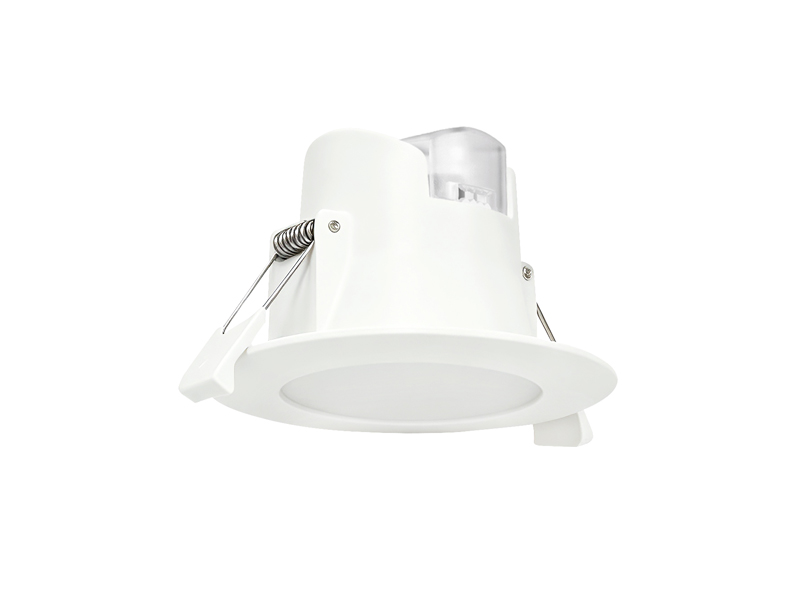
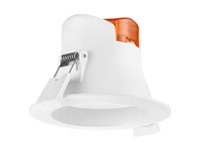
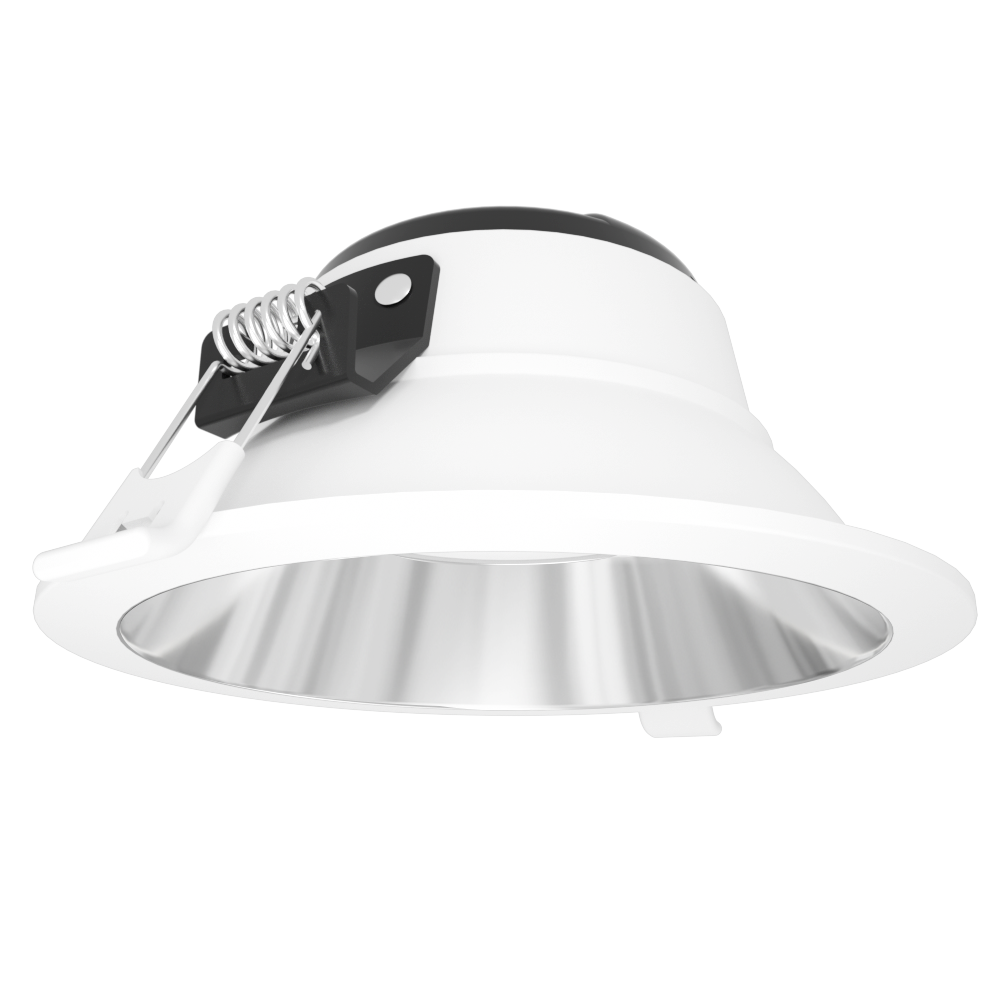
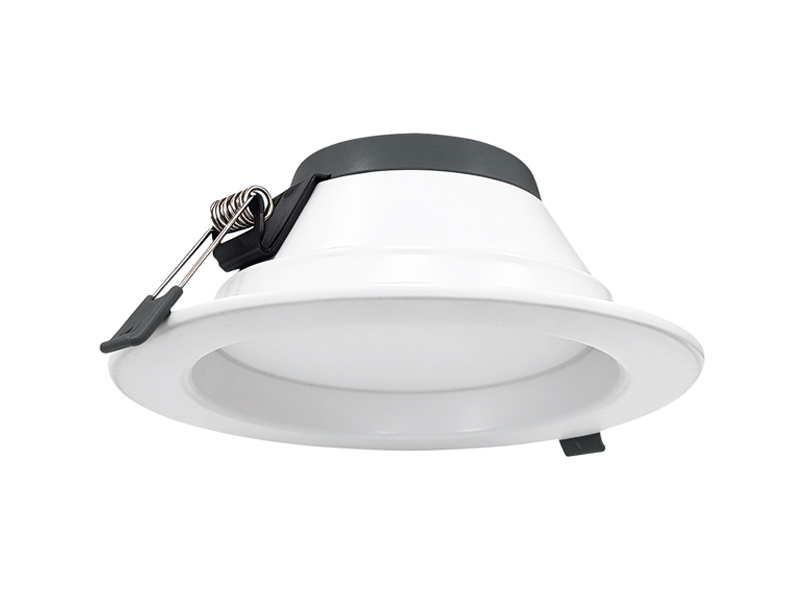
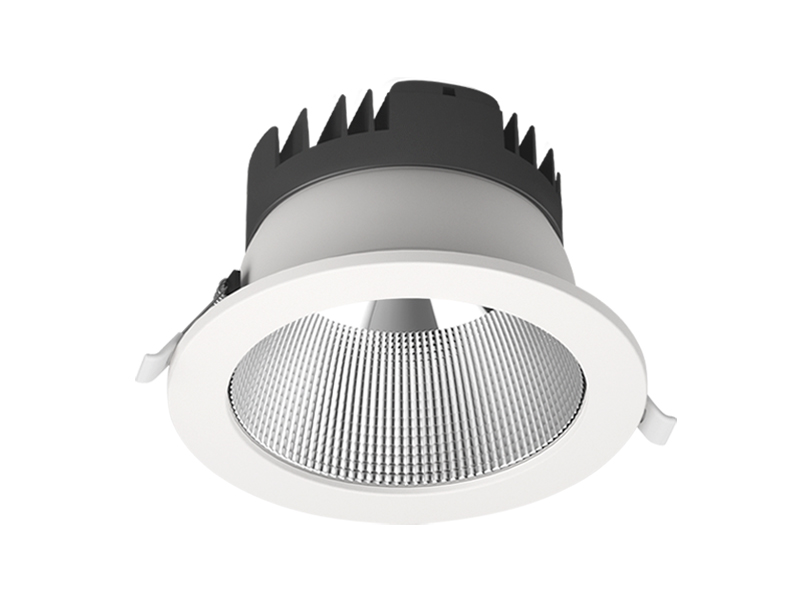
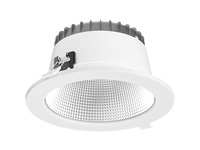
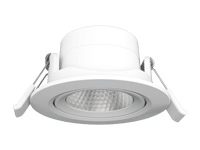
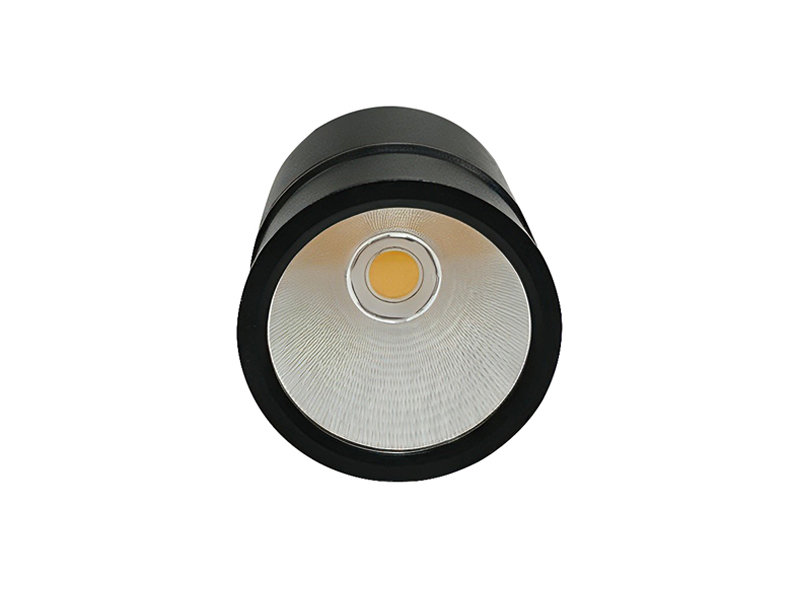
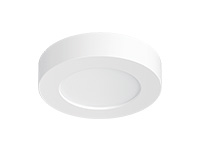
This Explorer Down Lights example belongs to the reflector and diffuser version. Its opening range and distribution provide a specific starting point for examining the proposed replacement, rather than a generic reference to every Explorer product.
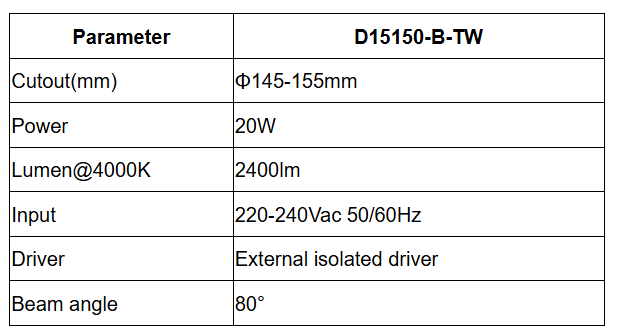

The family describes recessed installation and an external driver. Optional ring accessories are listed, so confirm the selected trim and the relevant installation details. A similar visible ring does not prove that another optical version or assembly will provide the same result.
The listed beam angle should remain part of the comparison. If the new proposal changes the distribution, assess where the light reaches the task surfaces and how the source is seen. Do not treat matching nominal power as a reason to omit that review. Electrical questions about retained controllers also require confirmation for the actual driver configuration.
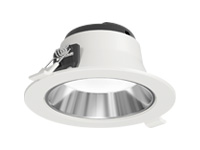
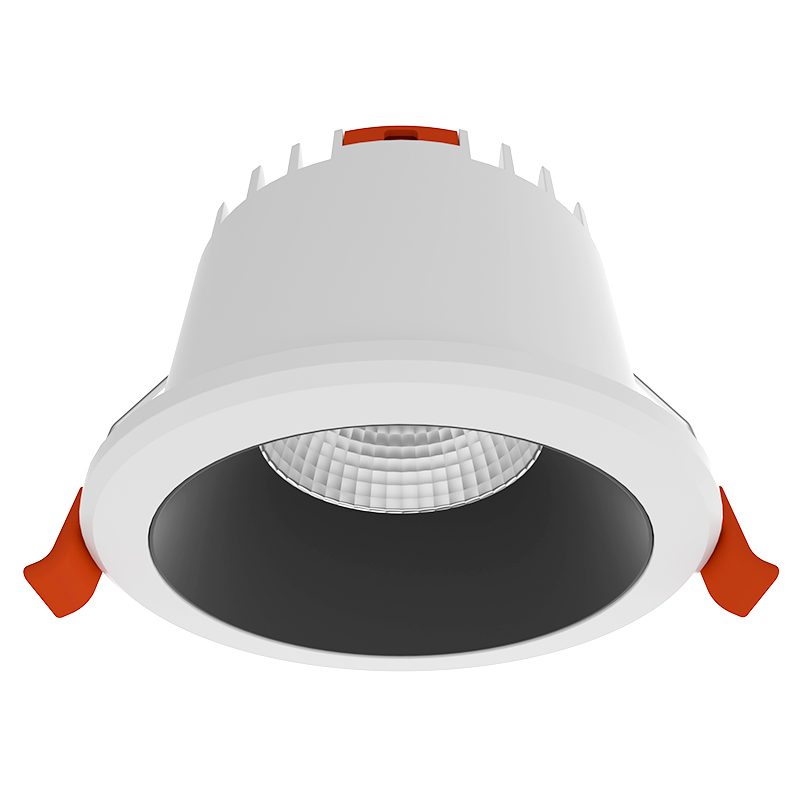
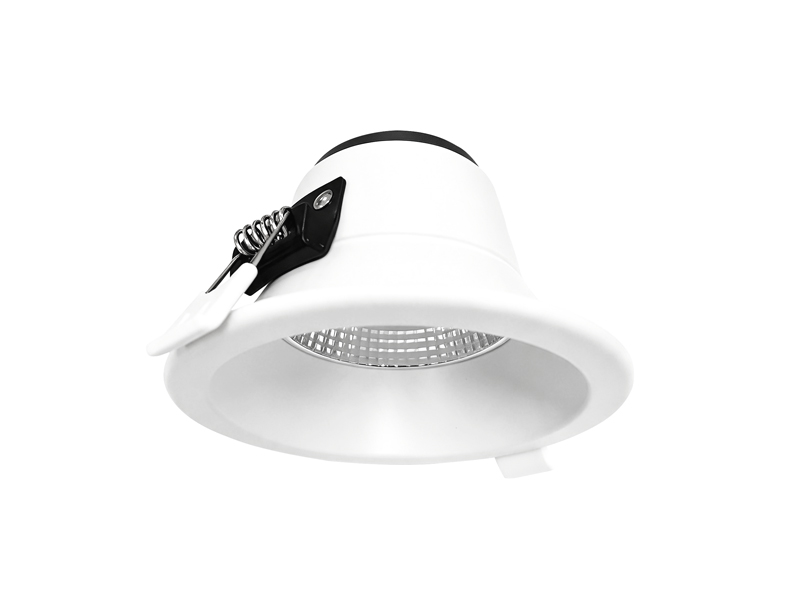
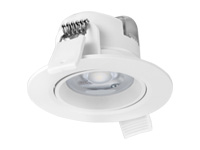
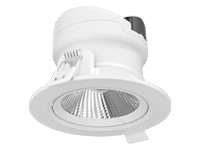
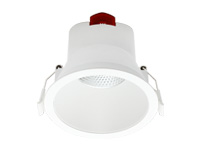
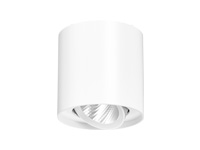
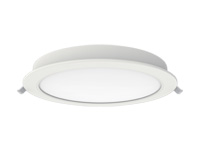
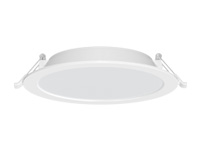
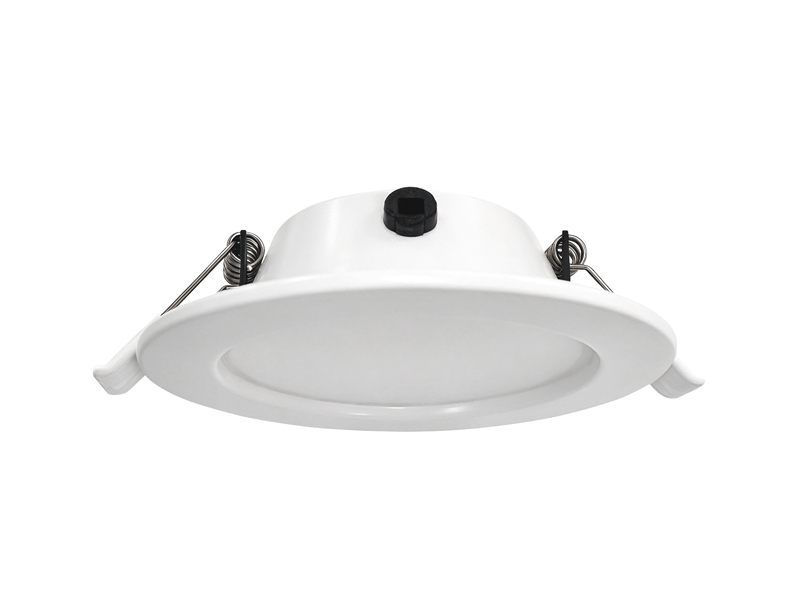
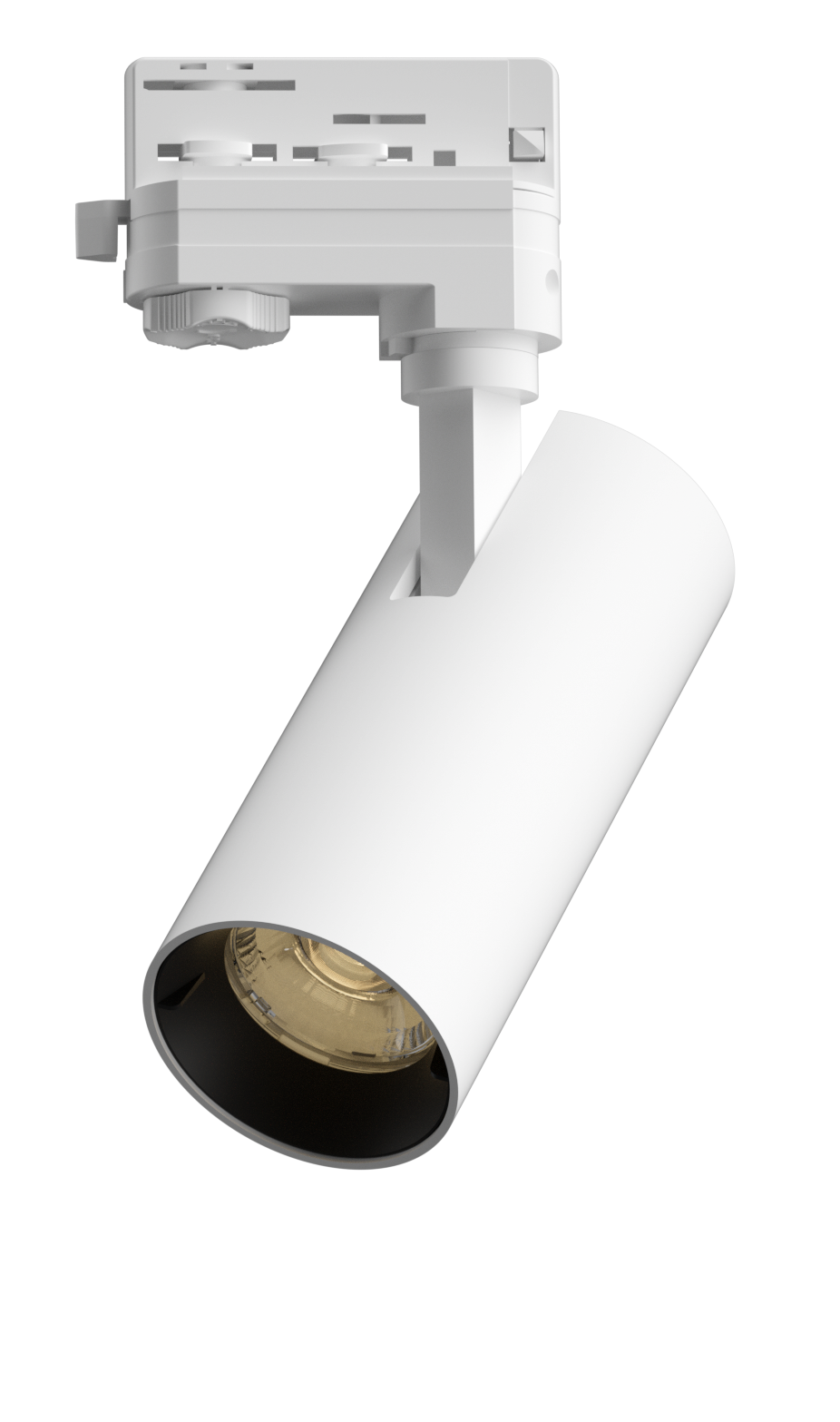
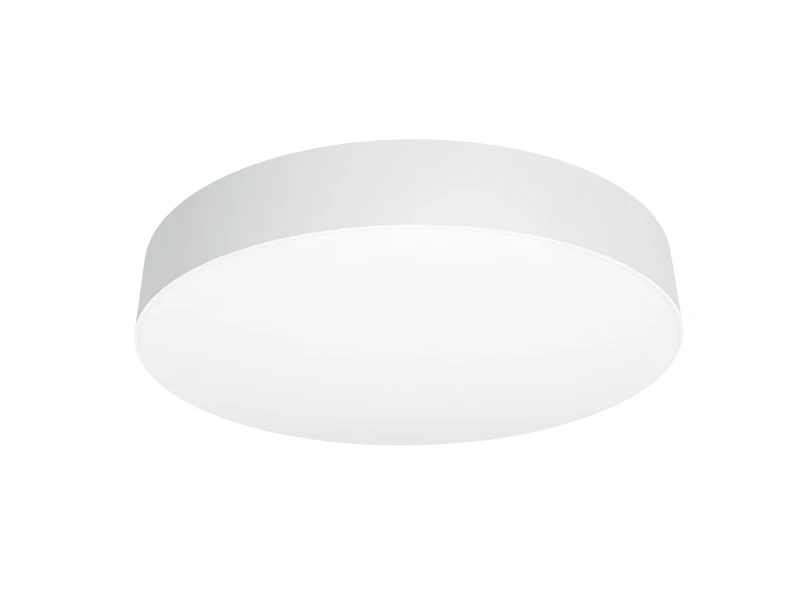
Explorer Pro Down Lights provides another identified candidate. The selected example is the reflector and lens version, with a different documented output and beam angle from the Explorer reference above.
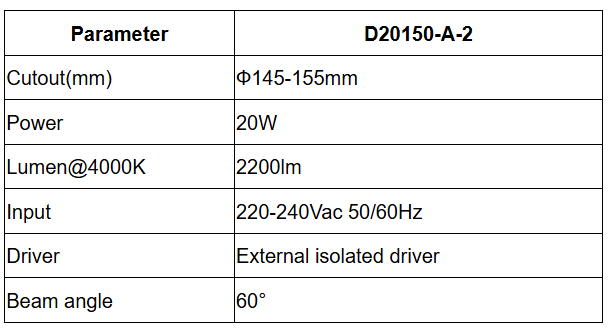

The Explorer Pro A family describes several colour settings and accessory choices. Confirm the intended optical arrangement and installation details before reviewing the sample. If a proposed accessory changes the selected distribution, return to the relevant layout questions rather than carrying over conclusions from another configuration.
The opening range does not describe every aspect of fit. Check the actual assembly, driver accommodation and access required by the installation information. Where a different electrical version is proposed, keep it identifiable and confirm its relationship with retained equipment. The product should be reviewed as a complete replacement configuration, not simply as a fitting that enters the old opening.
Check LED Healthcare Lighting using the proposed model, optical version and operating arrangement in a representative location. Assess the mounting and the light received by the intended tasks. Record the conditions reviewed, including the ceiling, retained equipment and relevant views, so that the trial becomes a useful reference rather than an informal visual impression.
At IMIGY Lighting, we recommend extending Hospital Lighting Solutions only after comparing other locations with those trial conditions. Some may share the arrangement; others may have another opening, support or activity. Retain the exceptions and resolve them before repetition. An identified Explorer or Explorer Pro configuration, a physical survey and a lighting review give the upgrade a clear basis for implementation while keeping the original purpose of replacement in view.
Keep an exception register during the ceiling survey. An opening that has been altered, a driver that cannot be reached or an obstruction above one fixture may prevent a standard replacement approach at that position. Record the location and the proposed resolution rather than allowing the exception to disappear inside a general fixture count.
The approved sample should then function as a configuration reference. Retain the model code, optical arrangement, selected setting and relevant mounting information alongside the observation record. When another product or accessory is proposed, compare it against that reference before accepting the change. A similar appearance is not enough to show that distribution, component space and retained controls remain appropriate. This makes the replacement review useful to both the person ordering the equipment and the team checking the completed installation.
Before wider replacement, make sure the installation team can identify the approved configuration and recognise the specific conditions that require a separate review rather than applying the sample automatically.
Q: If both candidates list similar opening ranges and the same power, can either be used without reassessing the room?
A: No. The selected outputs and distributions differ, and the complete installation still needs checking. Assess the task surfaces and occupied views with the proposed configuration. A shared opening range helps the physical review but does not establish an identical lighting result or eliminate questions about the driver and retained equipment.
Q: Can the old controller remain simply because the replacement uses an external driver?
A: An external driver description does not establish the required interface or compatibility. Identify the retained controller and proposed driver version, then obtain the relevant confirmation. Keep that question separate from whether the fixture fits physically, so that a successful mounting check does not become an assumed electrical approval.
Q: What should be compared before repeating a trial installation in other rooms?
A: Compare the actual openings, support conditions, available space, retained equipment and activities below the ceiling. Keep the accepted fixture configuration clear. Where conditions differ, review the affected questions separately instead of assuming that the same room name or a similar ceiling appearance makes the trial representative.
It is recommended that you upgrade the latest browser
 Chrome
 Firefox
 Edge