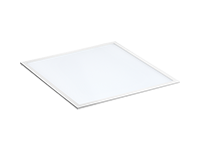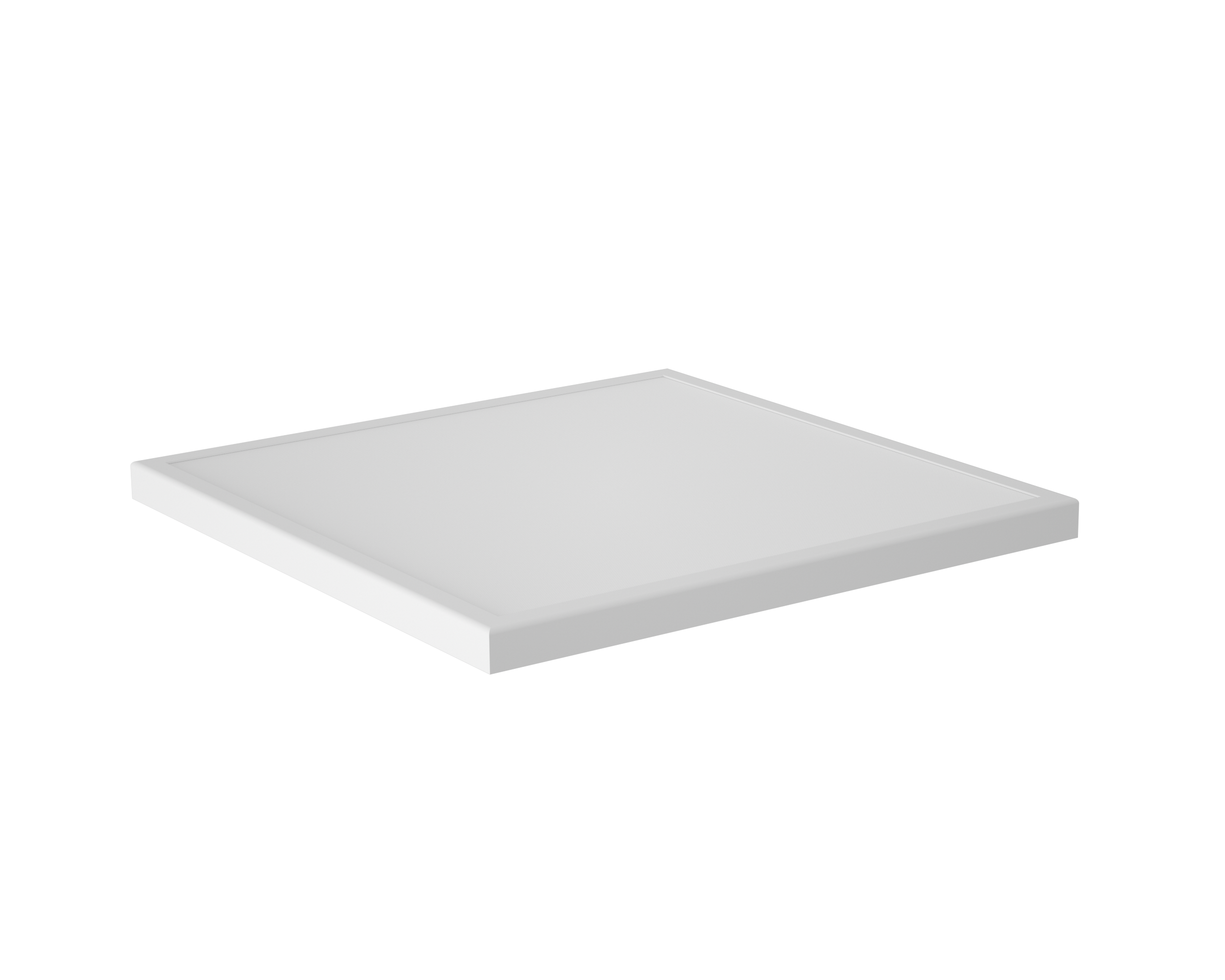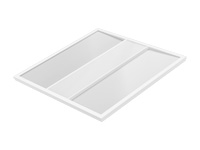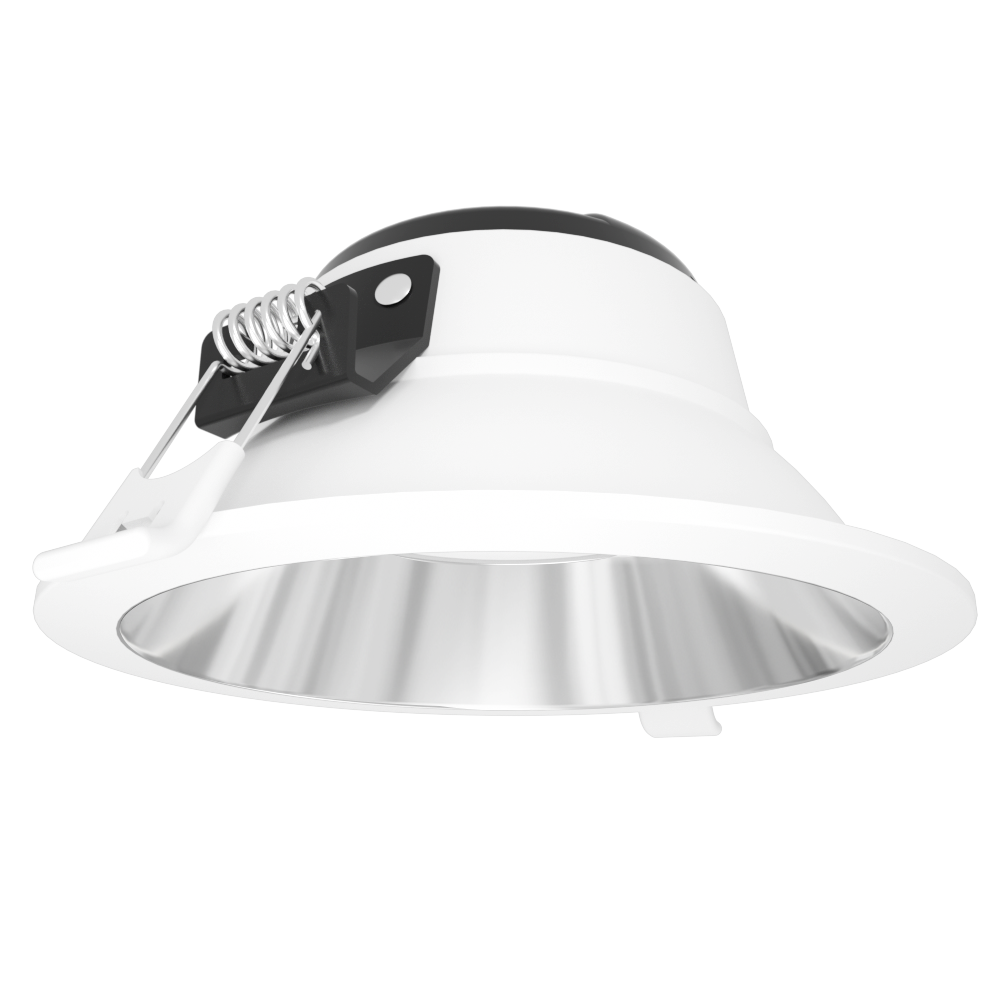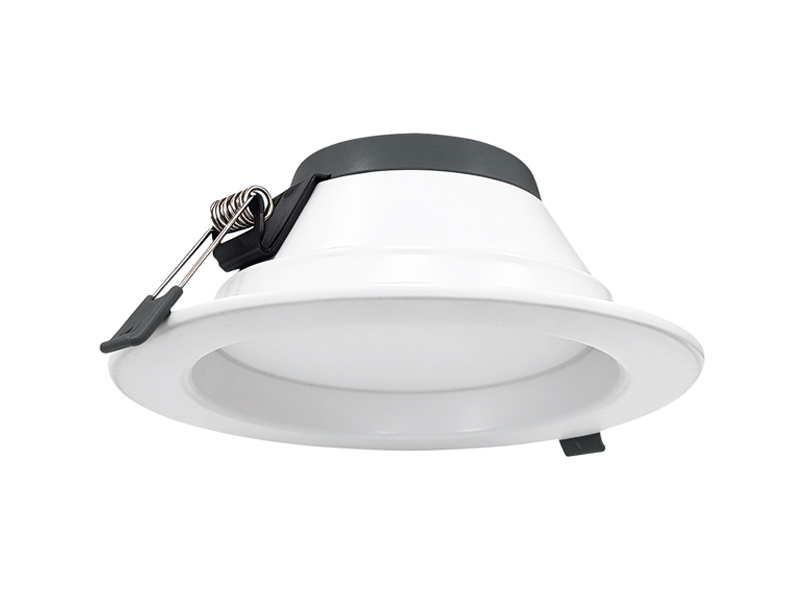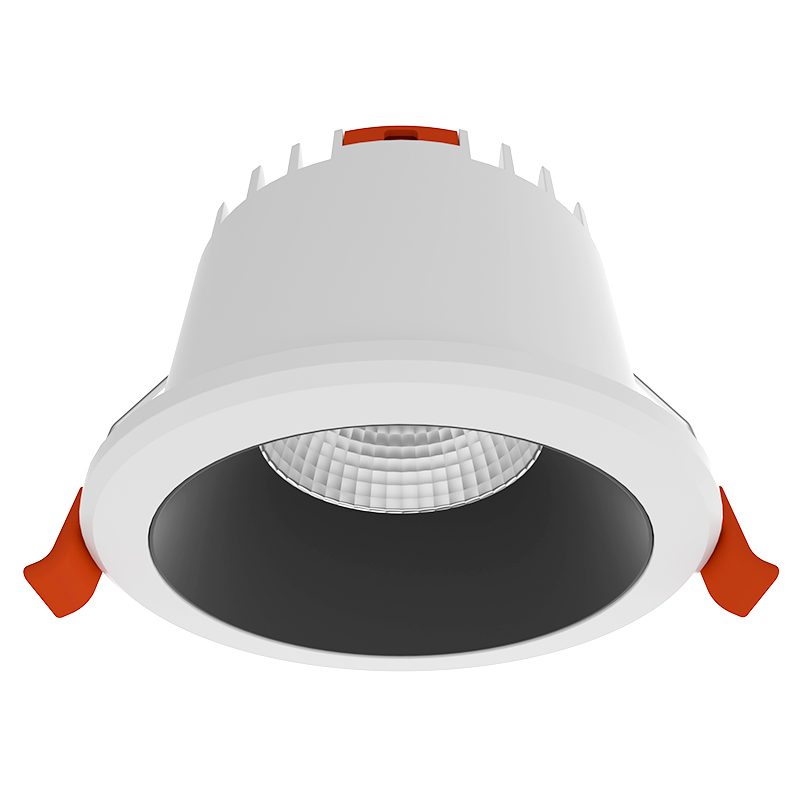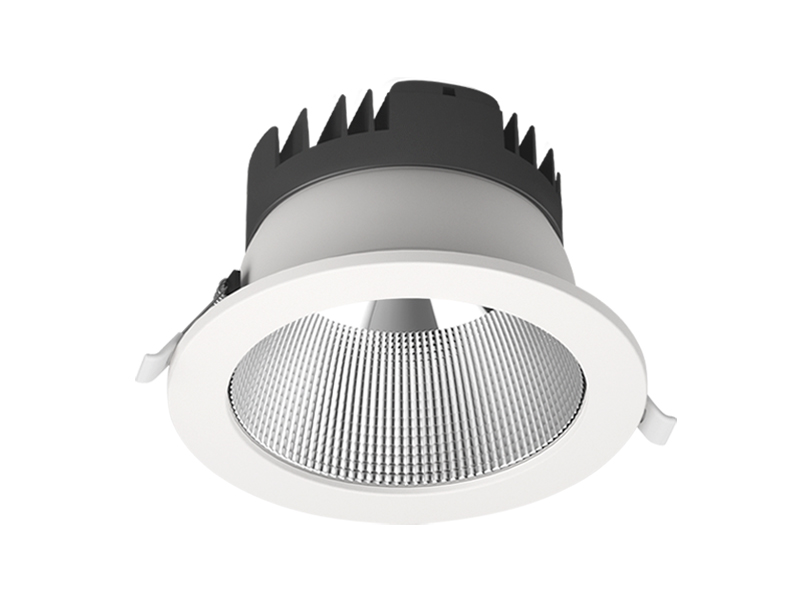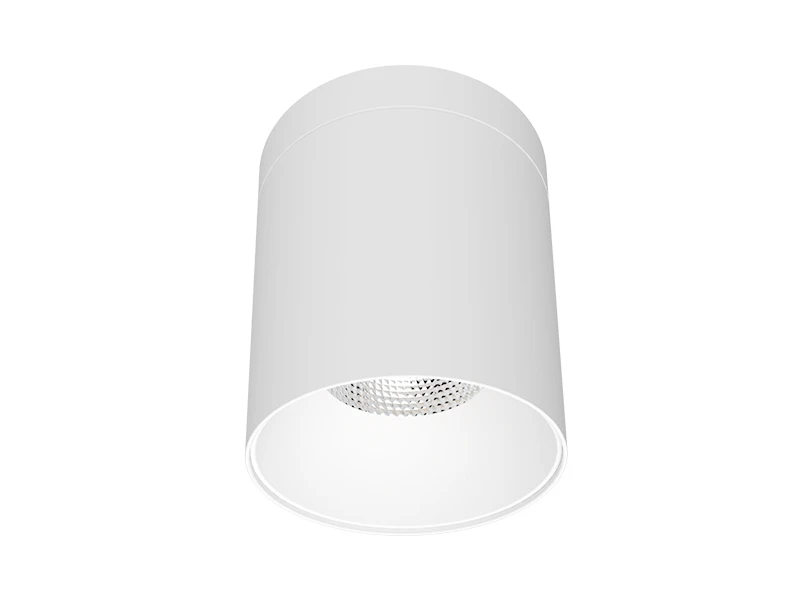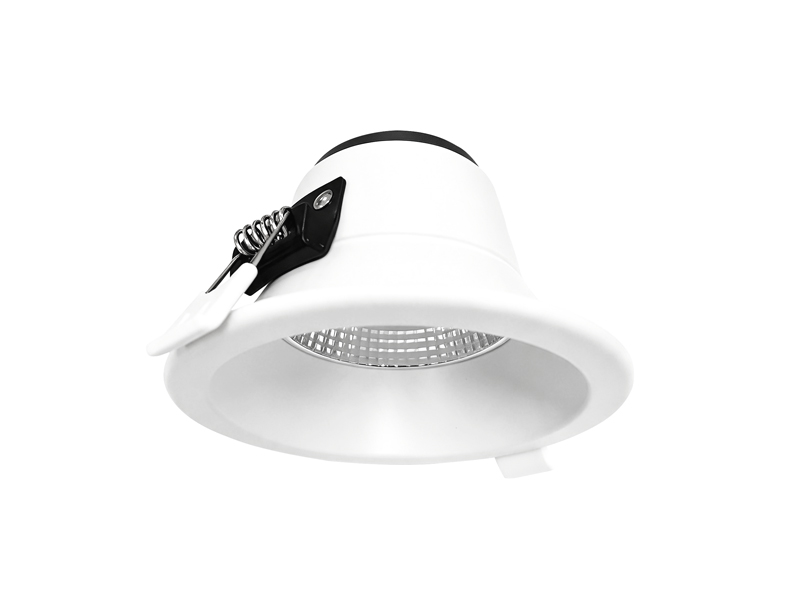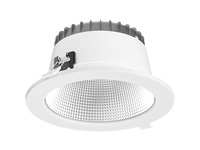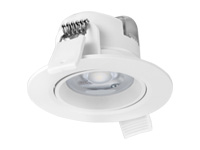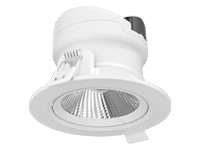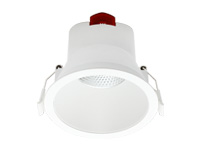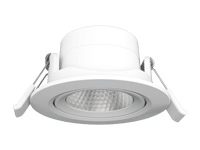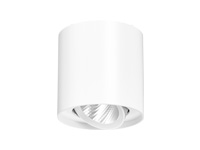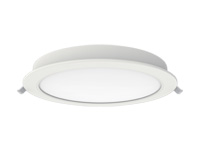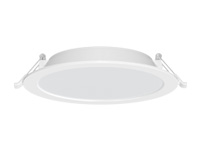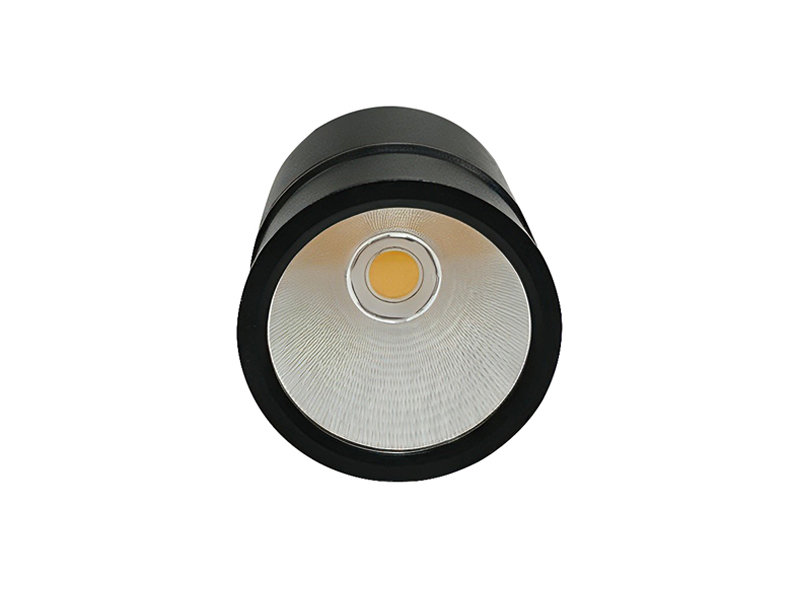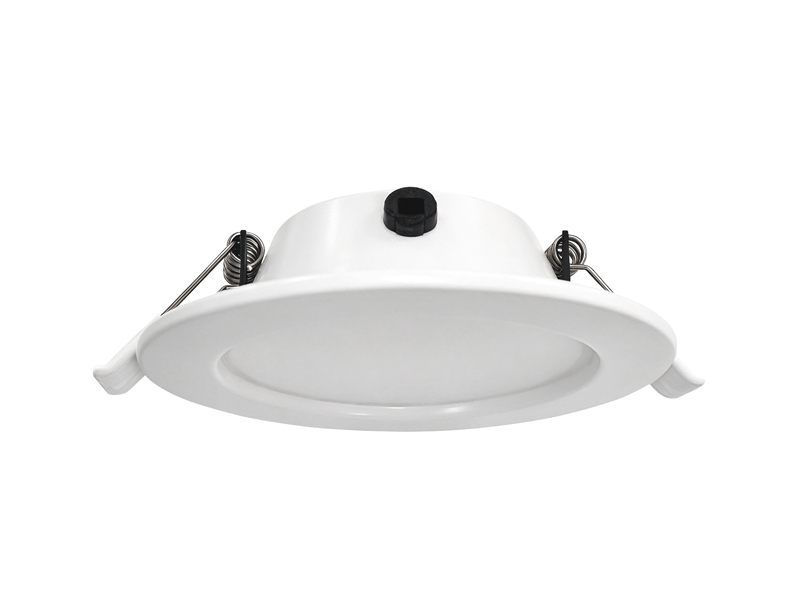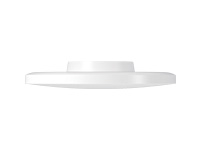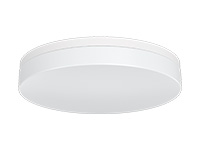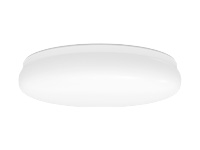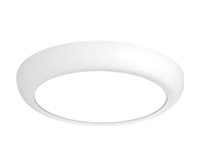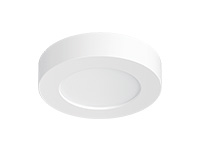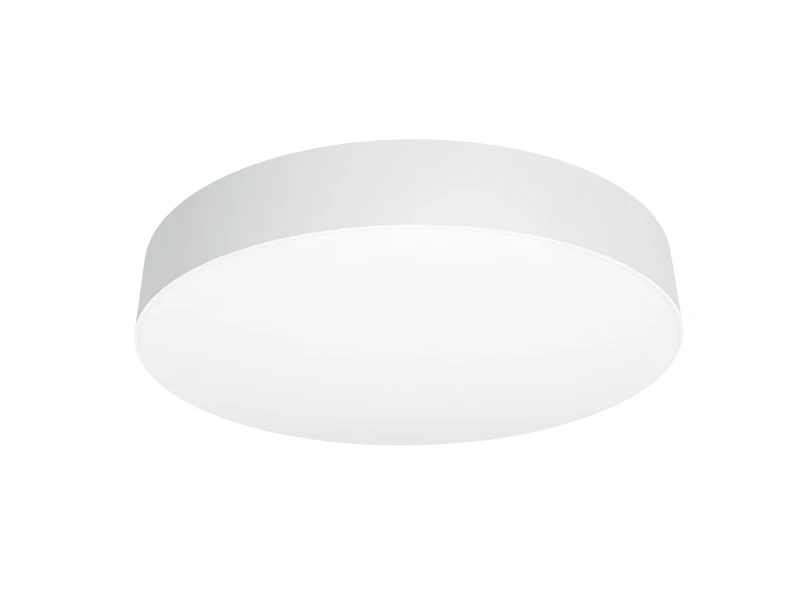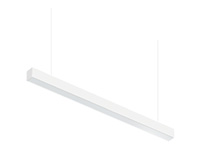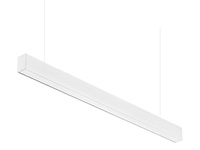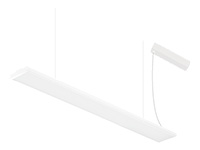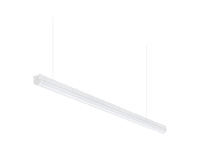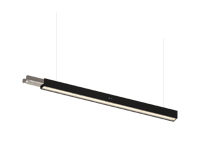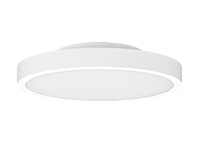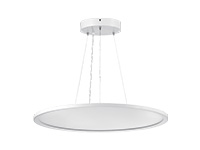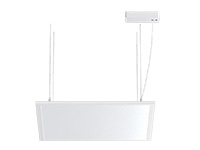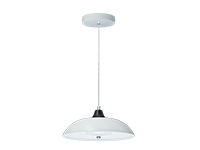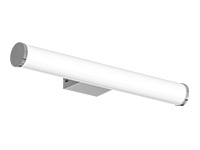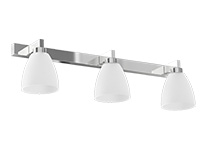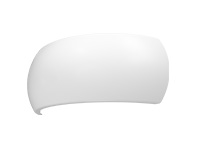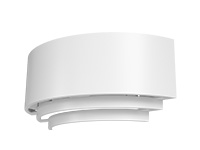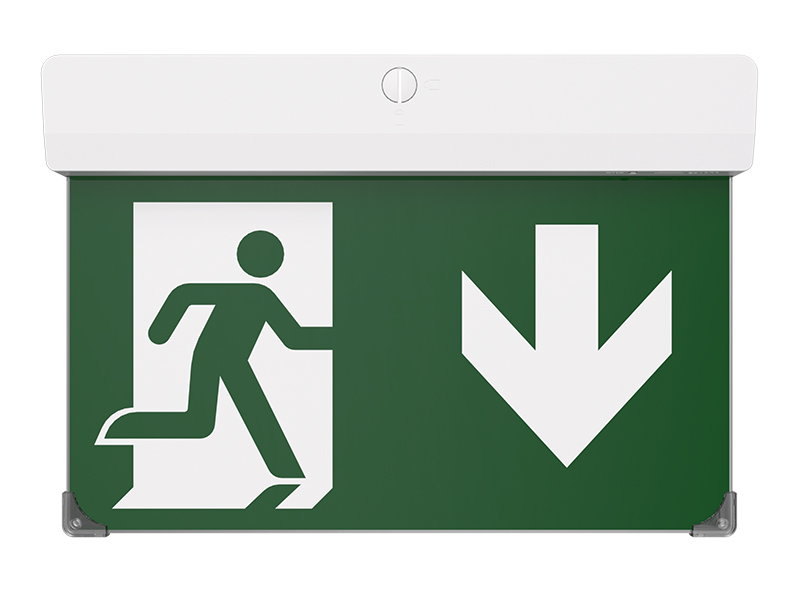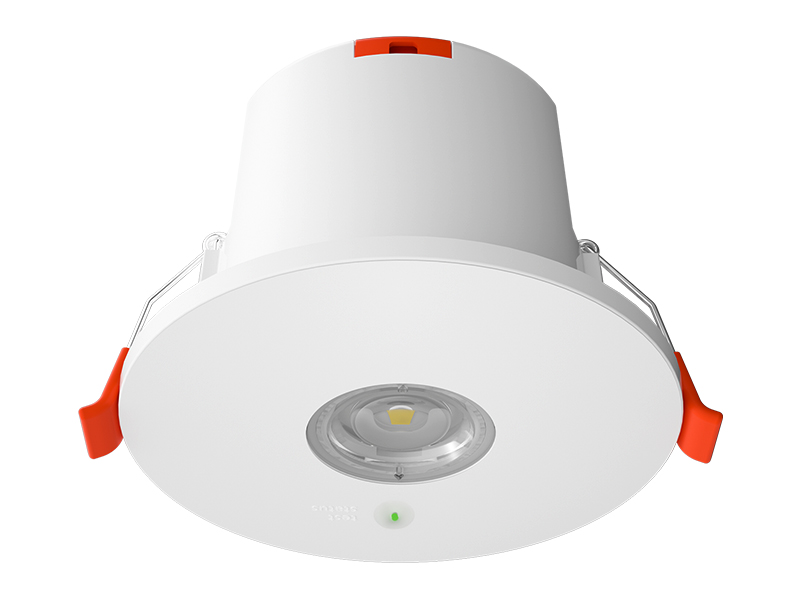

A hospital lighting retrofit brings new products into a building with existing ceilings, services and operating routines. Matching the visible face of an old fixture is only the beginning of that review. At IMIGY Lighting, we recommend surveying the installation before confirming a replacement configuration. Butterfly Troffer Lights and Younger Troffer Lights provide two product references with different body depths and documented characteristics. Their dimensions help start the discussion, while fixing details, electrical arrangements and the lighting task still need to be checked against the actual site. A useful plan makes those conditions clear before repeated replacement begins.
Ask an LED Hospital Lighting Manufacturer to address the recorded ceiling, electrical and operational conditions with an identified product configuration. Check the complete installation assembly and any retained controls, then assess the lighting result. Similar face dimensions do not prove that a new fixture can use the old fixing arrangement, available space or electrical equipment without further review.
Measure the existing installation before selecting a replacement. Distinguish body size from the ceiling opening and mounting assembly. Identify retained equipment precisely. Review access and installation requirements. Assess the layout against the current activities, and check a representative location before applying the same arrangement to areas with different conditions.
Record the ceiling module, opening, support arrangement and available space around the existing fixture. Note any nearby services that affect the proposal. A replacement may have a similar outline while requiring another fixing detail. The review should follow the relevant installation information and the actual ceiling condition rather than relying on the nominal panel format alone.
Tell a Hospital Lighting Supplier what electrical equipment is intended to remain. Identify the supply and any existing controllers or other devices relevant to operation. Ask what information is needed to establish the proposed fixture’s relationship with them. An external driver description does not by itself confirm a particular dimming interface or compatibility with every retained controller.
When consulting an LED Hospital Lighting Supplier, explain the lighting problem as well as the physical constraint. A change intended to address unsuitable distribution needs assessment beyond whether the product fits. Keep the occupied views, furniture and required task surfaces in the review so that the retrofit does not reproduce an inadequate arrangement in a new housing.
The selected Butterfly Troffer Lights model offers a defined body size and electrical reference for the survey. Its figures should remain attached to the actual proposed version throughout the installation discussion.
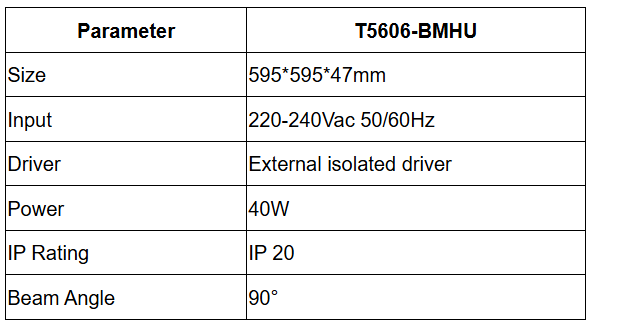

The Butterfly family lists suspended and recessed installation options. Confirm the chosen method, supporting components and relevant instructions for the project. The body depth does not independently describe the external driver, service access or every element of a suspension or ceiling support arrangement.
Review whether the intended location can accommodate the complete assembly without assuming that the old fixture’s conditions remain sufficient. Where a different mounting arrangement is proposed, identify that change explicitly. Product selection and site preparation can then be discussed against the same configuration instead of being resolved separately by different participants.
Younger Troffer Lights provides another documented body profile. The smaller listed depth is useful comparative information, but it should not be extended into a conclusion that the product fits every shallow ceiling or can reuse every existing mounting arrangement.
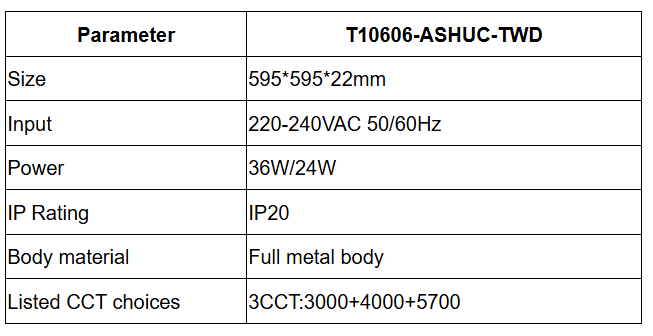
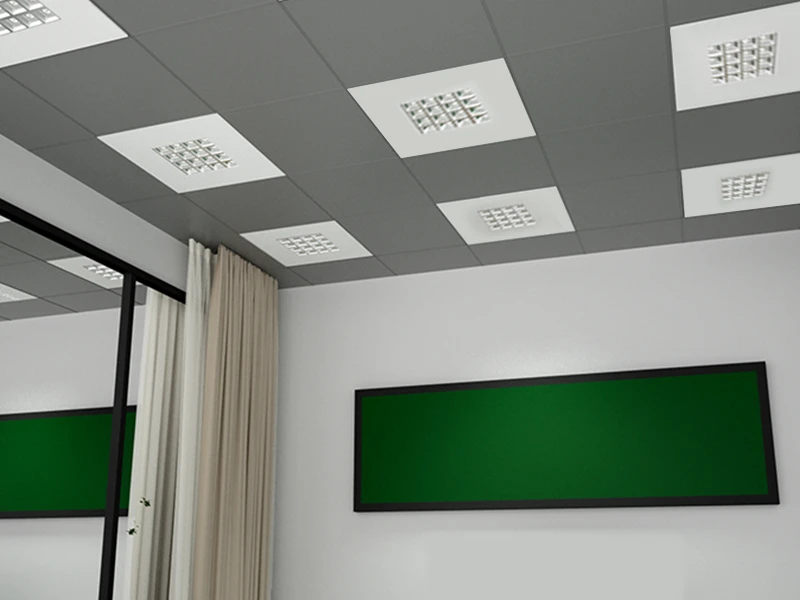
Request the installation and electrical information needed to assess the proposed Younger configuration. Keep any unanswered mounting or control questions visible. The full metal body description and listed power alternatives identify characteristics of the product; they do not establish the fixing components, driver arrangement or operating method required by the retrofit.
Check the intended appearance against the surrounding ceiling as well as the physical conditions. A representative review should identify what has actually been confirmed. If the available sample does not represent the final installation arrangement, record the limitation and obtain the information needed before extending the proposal to other locations.
Ask a Hospital Lighting Manufacturer to provide model related information for the proposed version, then review the representative site with the installation team. Identify any locations that differ in ceiling, available space or retained equipment. A successful trial supports the conditions reviewed; it should not be treated as evidence for every area without checking the differences.
At IMIGY Lighting, we recommend selecting a Healthcare Lighting Supplier through this connection between product and building. Use an identified Butterfly or Younger configuration, check the full installation and review the actual lighting task. Retain the accepted details and the exceptions requiring another response. This gives the retrofit a practical basis for implementation while preventing a similar outline or appealing body depth from becoming an unsupported promise of compatibility.
Document the representative location carefully enough that another area can be compared with it. Photographs may help explain the visible ceiling, but measurements and identified equipment remain important where compatibility is uncertain. Include the installation team in deciding which differences matter. A location with another support arrangement or retained controller may need a separate review even when its room name is the same. If furniture or activities have changed since the old installation was designed, include those changes in the lighting assessment rather than treating the old positions as fixed requirements. The retrofit record should explain which conditions have been checked and which still require attention. This lets the project extend a suitable arrangement responsibly without assuming that a successful fit in one place establishes compatibility throughout the building.
Revisit the affected checks whenever a meaningful site or product condition changes during planning.
Q: If the visible dimensions of a new troffer match the old fixture, can the installation be treated as compatible?
A: No. Check the opening, fixing system, support, electrical arrangements and complete assembly. Similar face dimensions are useful survey information but do not establish every installation condition. Review the actual site and product information before deciding whether the replacement can follow the existing arrangement or requires another approach.
Q: Does a shallower listed body guarantee that the product will work in a ceiling with limited space?
A: Not by itself. The full installation may involve other components and access requirements. Confirm the relevant assembly and the available site conditions for the exact version. The body dimension should remain one part of the assessment rather than becoming a substitute for the missing installation details.
Q: What should be checked before a successful trial is repeated elsewhere in the hospital building?
A: Compare the ceiling, available space, retained equipment and intended activities with the trial conditions. Keep the accepted product and configuration identifiable. Review meaningful differences separately, so that the trial supports an informed extension of the plan rather than an assumption that every location shares the same constraints.
It is recommended that you upgrade the latest browser
 Chrome
 Firefox
 Edge