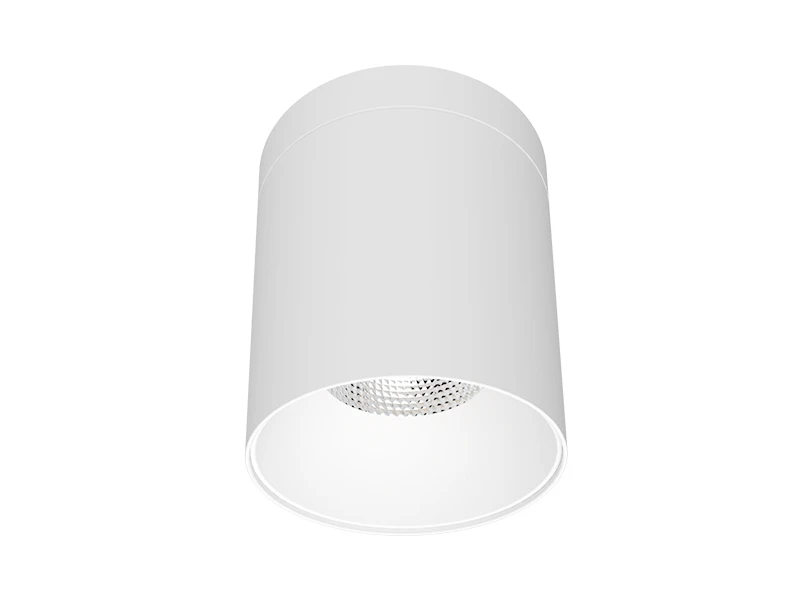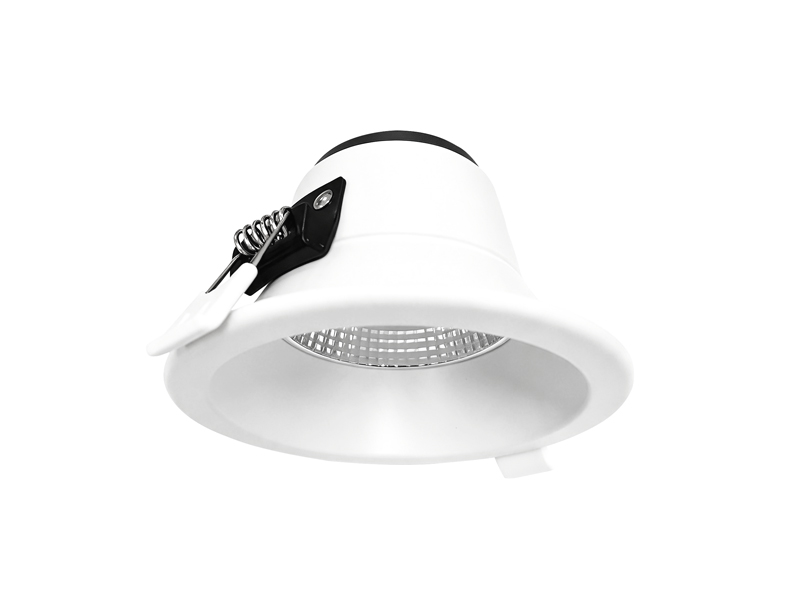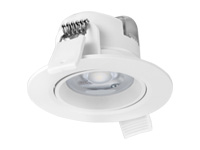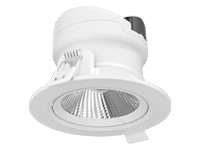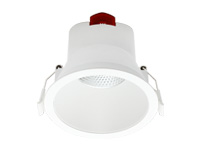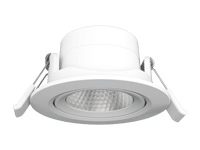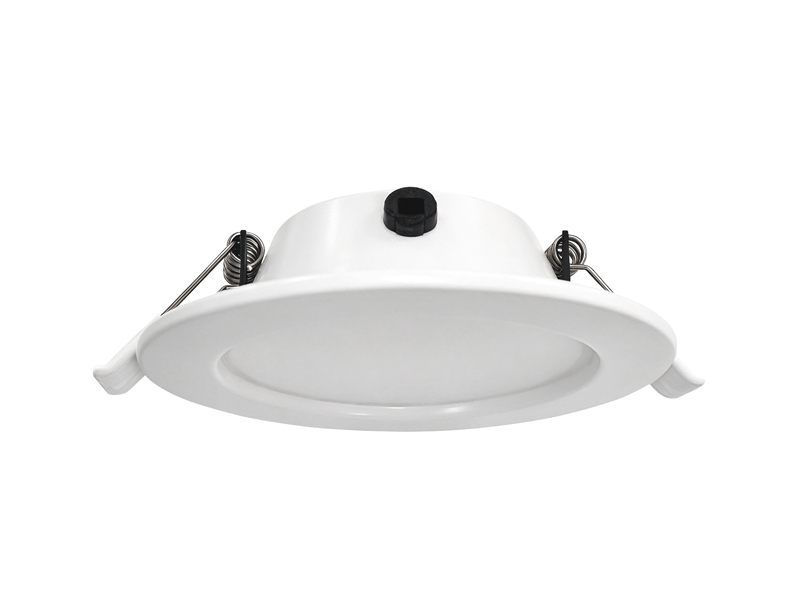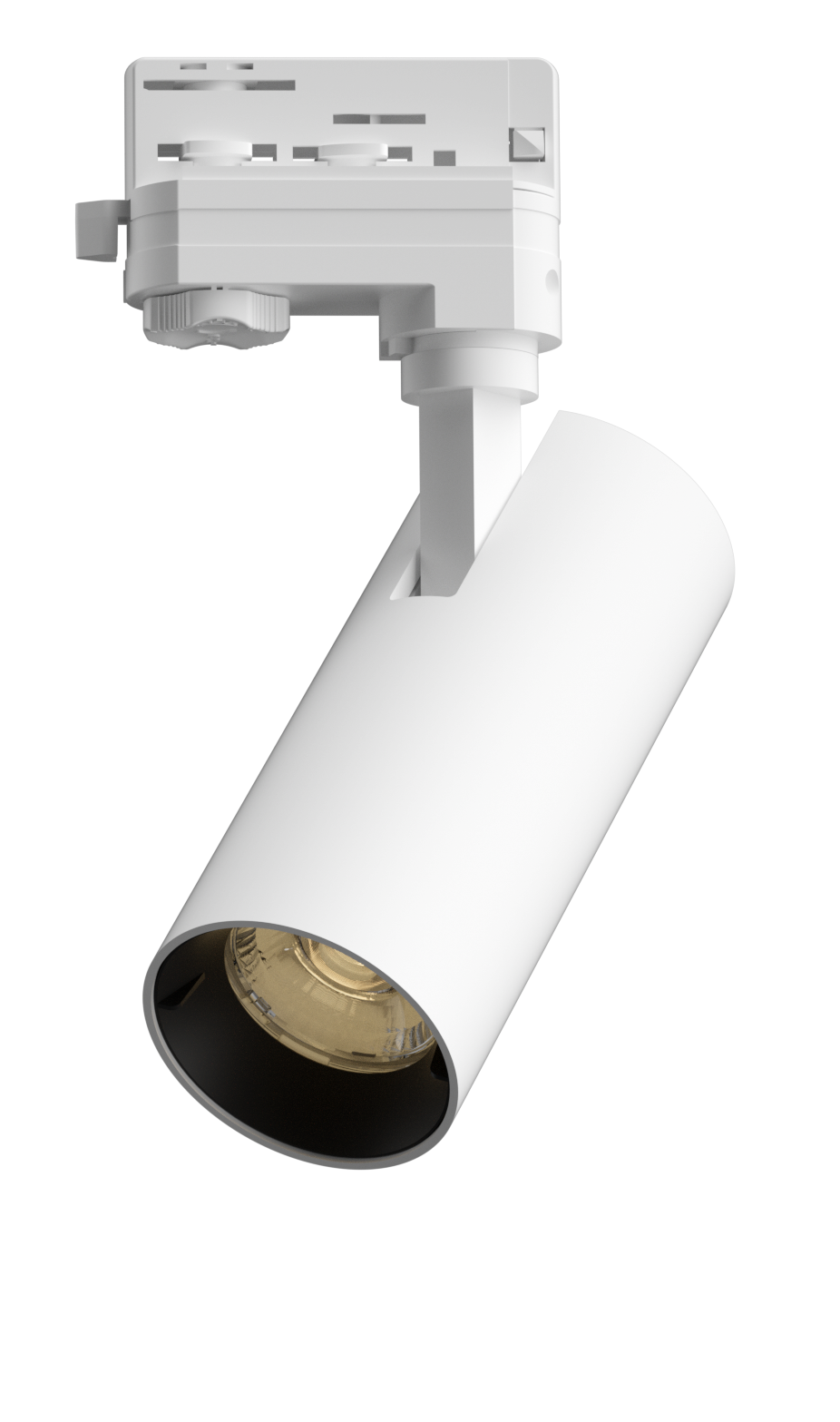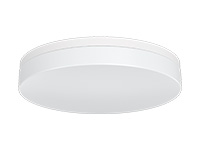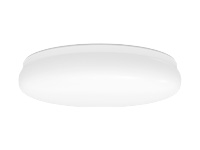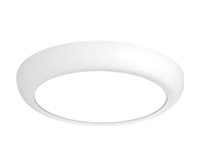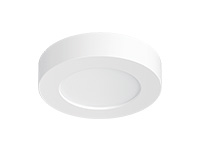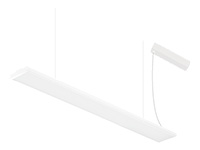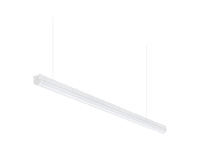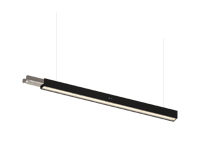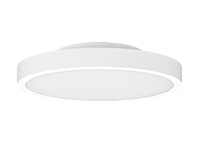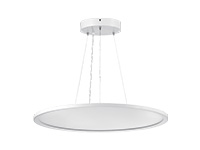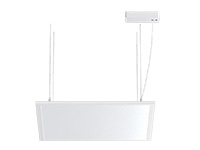

Lighting proposals can appear comparable while describing different configurations or leaving important questions unanswered. A shared face size, similar wattage or familiar family name does not establish an equivalent offer. At IMIGY Lighting, we recommend reviewing each proposal against the same application brief and keeping its model specific information intact. Butterfly Troffer Lights and Younger Troffer Lights offer two product references for this process. Their differences help the project distinguish a documented product characteristic from missing information, so that an incomplete offer does not appear equivalent merely because fewer details have been provided.
Compare an LED Hospital Lighting Supplier proposal using exact codes, confirmed functions and matching information fields. Retain the conditions attached to output figures and separate fixture data from accessories and installation details. Keep unresolved items visible. If two proposals change quantities or positions, compare the complete layouts rather than ranking individual products as though the arrangements were identical.
Compare the same level of detail. Attach output to the correct power and model. Separate colour options from control functions. Record accessories explicitly. Distinguish a known difference from an unanswered question, and evaluate any substitution against the original project requirements rather than accepting a match in only one column.
Begin with the application schedule: activities, occupied views, ceiling conditions and required operation. Ask each proposer to identify the product configuration intended for that area. A family name in one offer and a complete code in another create an unequal comparison until the first offer is clarified. Do not fill the gap through assumptions based on appearance.
When considering a Hospital Lighting Supplier, ask which functions and accessories are included in the proposed configuration. A listed range option is not necessarily part of the offer. Keep the driver, control requirement and mounting arrangement identifiable, so that a visually attractive sample does not conceal an unresolved electrical or installation question.
An LED Hospital Lighting Manufacturer may provide several versions within one family. Retain each version’s own data and do not combine a lower power figure with another model’s higher output. Where a requirement cannot be established reliably from the available material, request clarification rather than using an inferred number to complete the comparison.
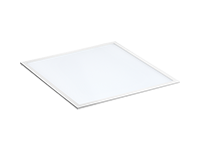
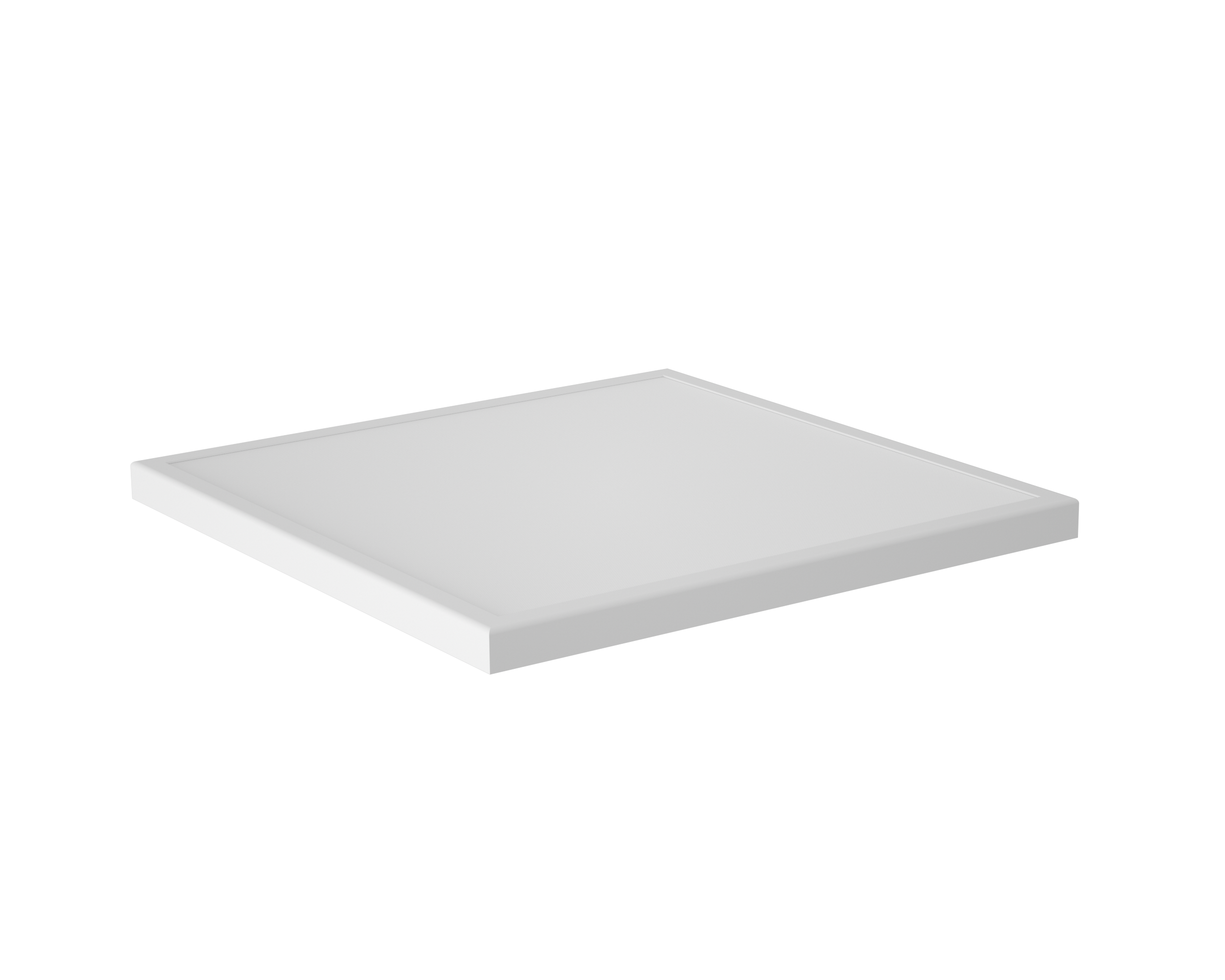
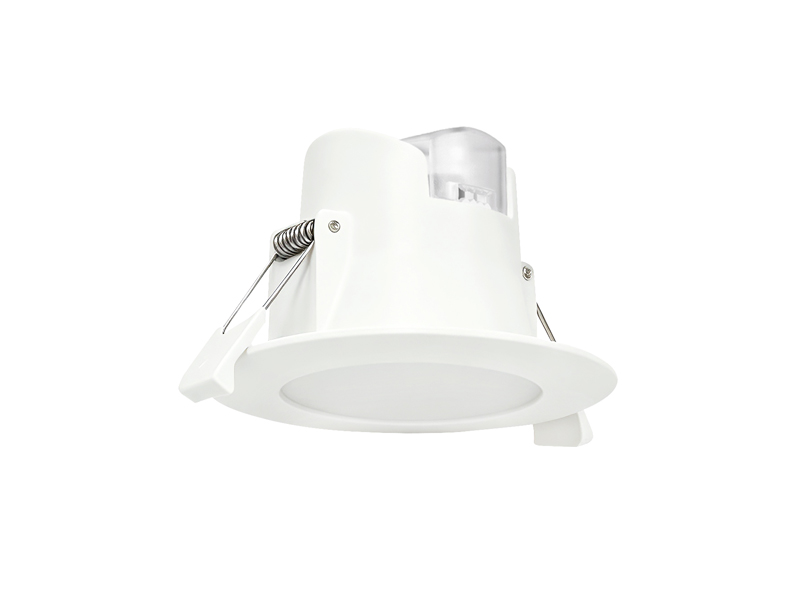
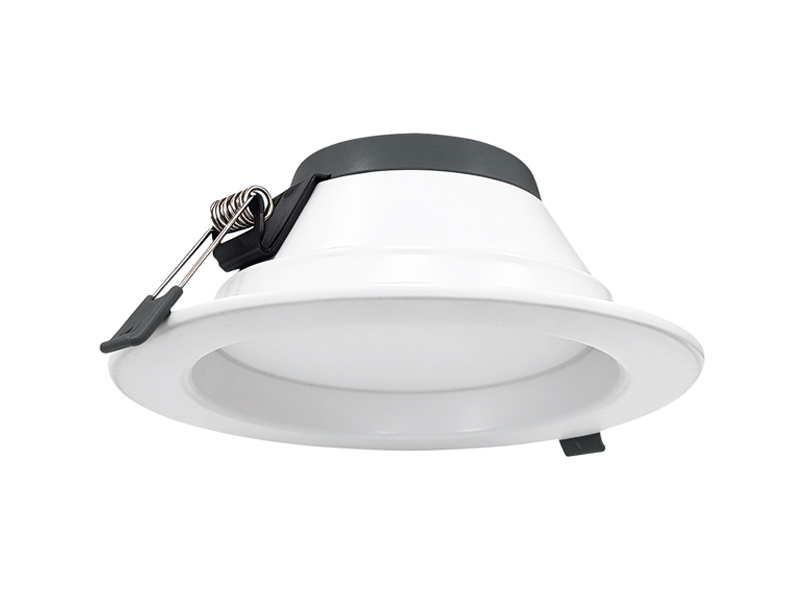
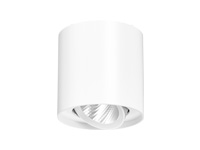
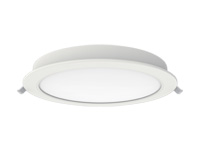
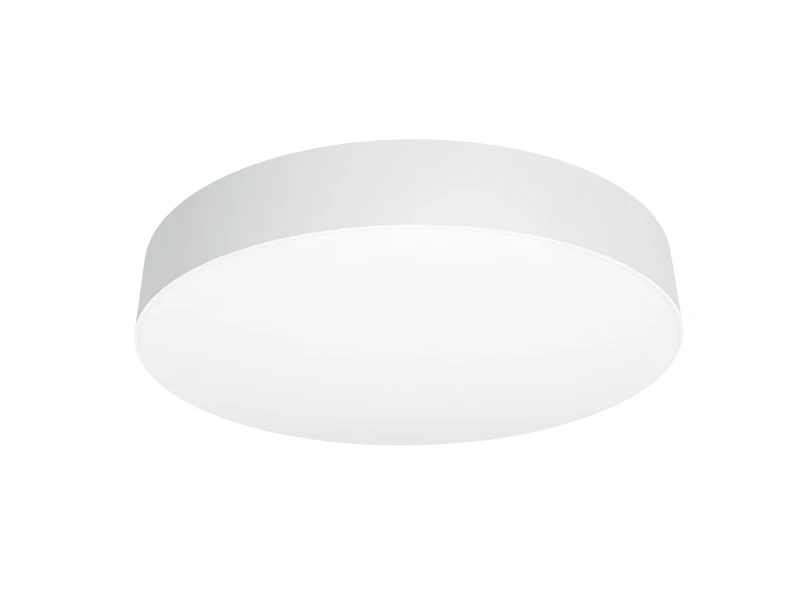
The Butterfly Troffer Lights example below provides an identified configuration with documented output and distribution. These figures form a specific comparison reference and should not be substituted with the data of another Butterfly version.
The family describes construction without a light guide plate, with an aluminium frame and PC reflector. Suspended and recessed installation options are listed. Confirm the actual accessory arrangement in the proposal. A product characteristic and an included installation component are different pieces of information and should not be merged into one vague description.
Review the proposed arrangement against the lighting task. The beam angle does not independently establish fixture spacing or the result at a particular work surface. If a proposal uses another layout, show that change and assess its consequences. A useful comparison makes the relationship between the selected product and its intended positions visible.
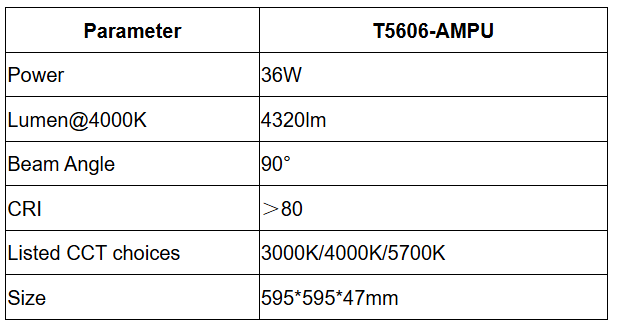
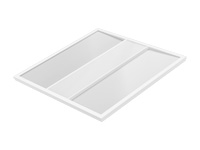
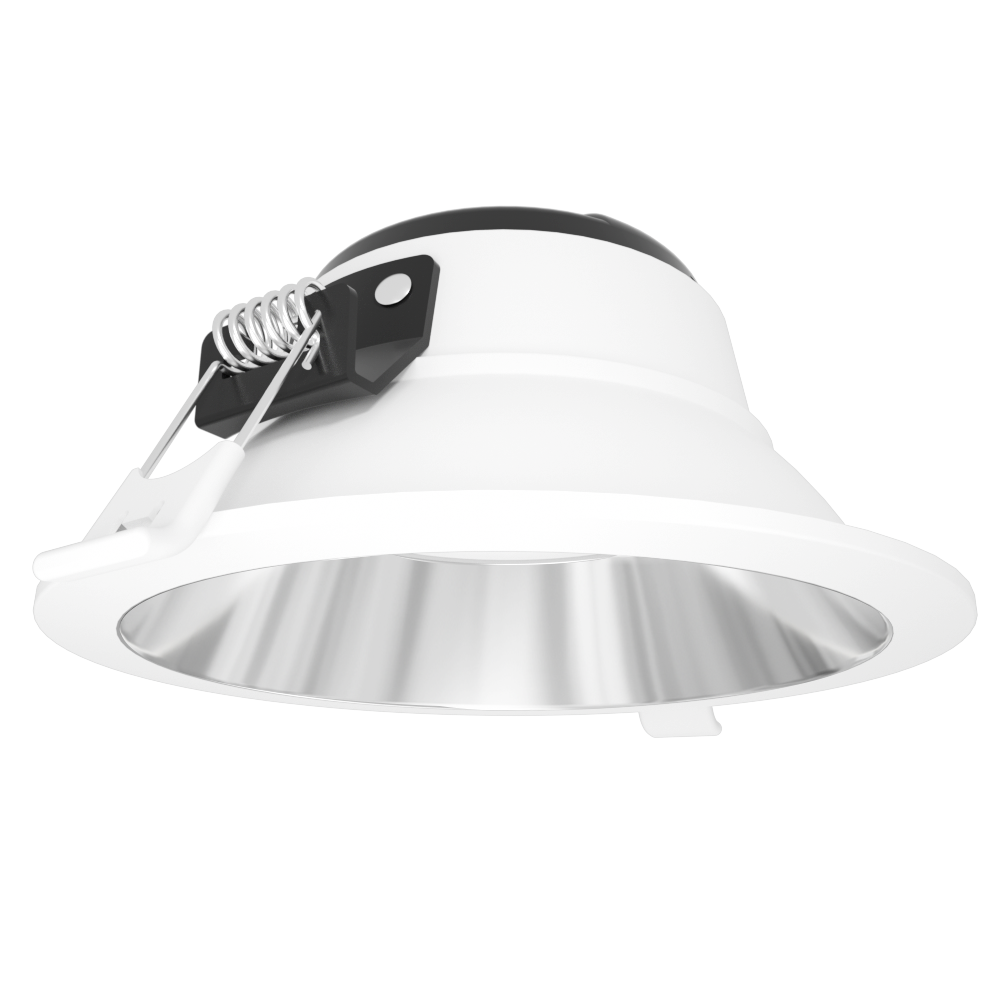
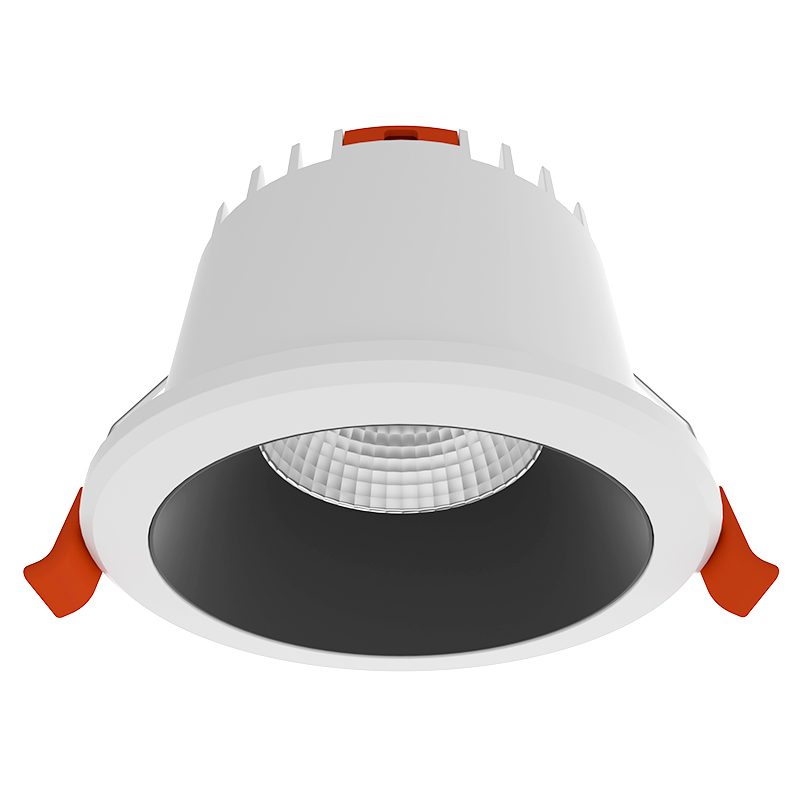
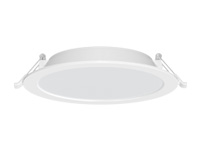
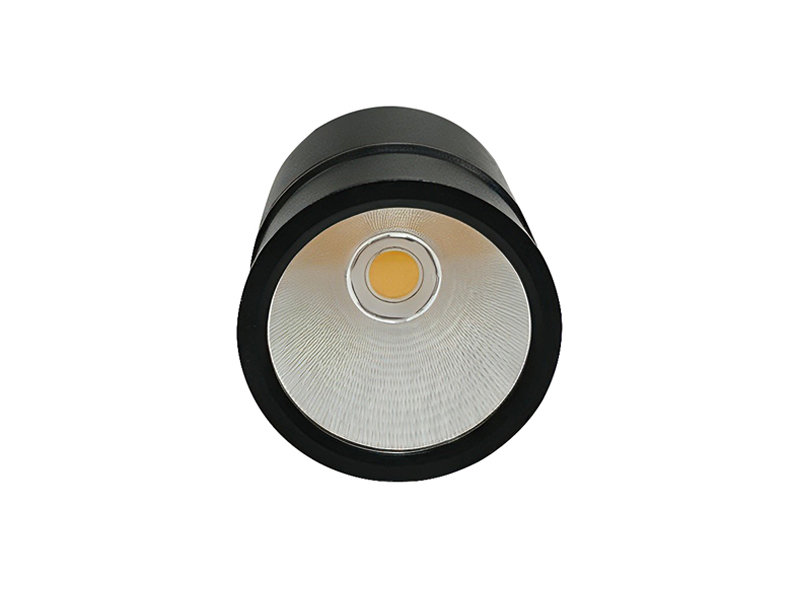
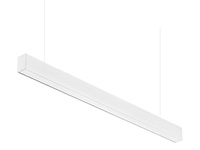
Younger Troffer Lights provides a different body profile and a listed power configuration. Use the following identified information as a starting point while keeping further performance or installation requirements open until they are confirmed for the proposed version.
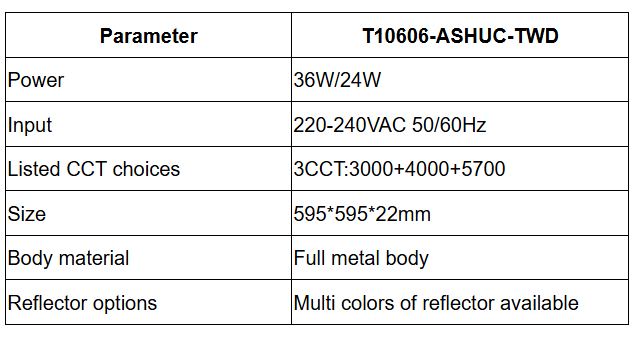
The product information describes a full metal body and reflector colour choices. Include the requested finish in the comparison, but do not treat an appearance option as proof of a particular optical result or control capability. If another specification is important to acceptance, ask for clear supporting information connected to this model.
The listed power alternatives should remain distinct from any unconfirmed operating method. Ask how the offered configuration is identified and what settings or versions apply. A comparison should state what is known and what still needs confirmation instead of assigning a function or output relationship that the available information does not reliably establish.
Ask a Hospital Lighting Manufacturer to explain any proposed substitution through the same fields used for the original selection. Identify changes in dimensions, output, control or accessories, then review the affected project requirements. Similarity in one characteristic should not close a question about another, especially when the installation arrangement also changes.
At IMIGY Lighting, we recommend selecting a Healthcare Lighting Supplier from a comparison that is complete enough to support the intended decision. Retain an identified Butterfly or Younger configuration, mark accepted differences and preserve any remaining conditions. This turns several offers into a practical technical reference for the people purchasing and installing the products. The preferred proposal should be understandable through its confirmed content and suitability for the brief, rather than through assumptions that were never recorded.
Use the same application reference on each comparison sheet and identify the date or version of the offer being reviewed. If a proposer adds information later, update the affected fields without silently carrying over assumptions from the earlier offer. A known difference in body depth needs a suitability decision; an unidentified mounting component needs clarification. Those situations should remain distinguishable. Also identify whether the proposed sample is intended to demonstrate appearance, installation or a confirmed operating configuration. A useful comparison explains both the evidence available and the decision it supports. This makes the preferred offer easier to discuss with the project team and reduces the chance that a later substitution will be accepted on a superficial similarity while changing a characteristic that mattered to the original selection.
Keep the updated comparison available to the people responsible for the final product selection decision.
Q: Can two proposals be treated as equivalent when their fixtures have the same nominal power and similar visible dimensions?
A: No. Output, distribution, driver configuration and installation components may differ. Compare the complete versions against the same requirements and identify any missing information. Shared headline figures do not establish the same lighting result, mounting arrangement or control behaviour in the proposed application.
Q: How should a comparison handle a feature described as available in the family but not identified in the offered configuration?
A: Keep it as an item requiring confirmation. Ask which version provides the feature and whether that version is included in the offer. Do not use the general family description to complete the configuration automatically. Review any changes to performance or installation that accompany the confirmed option.
Q: What is the difference between an accepted specification difference and an unresolved information gap?
A: A documented difference can be evaluated against the project brief and accepted or rejected. An unanswered question still needs information before that decision is possible. Record them separately, so that an offer containing fewer details does not appear to match simply because its unknowns have been overlooked.
It is recommended that you upgrade the latest browser
 Chrome
 Firefox
 Edge