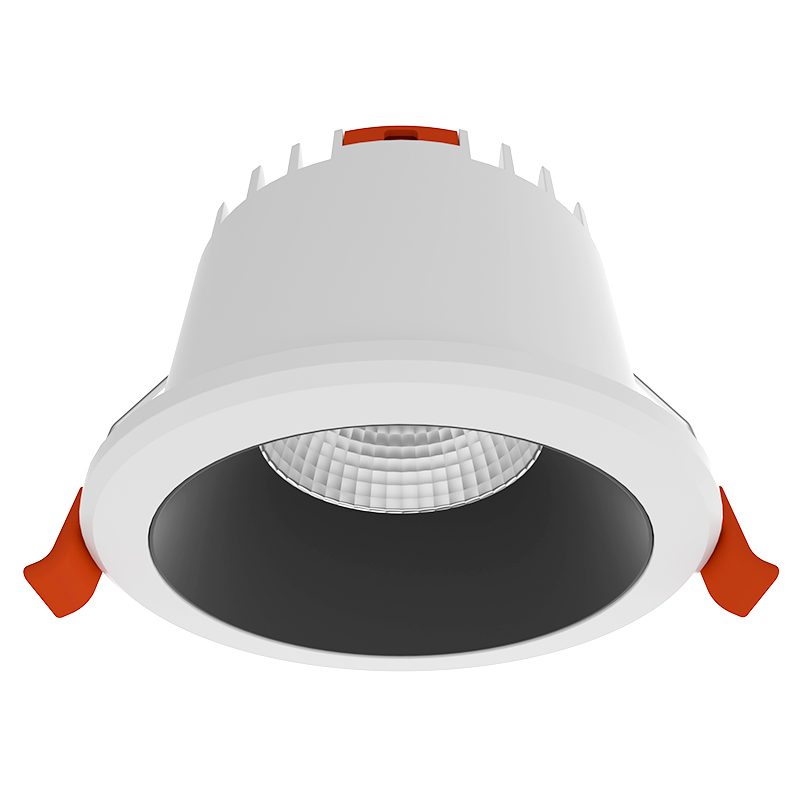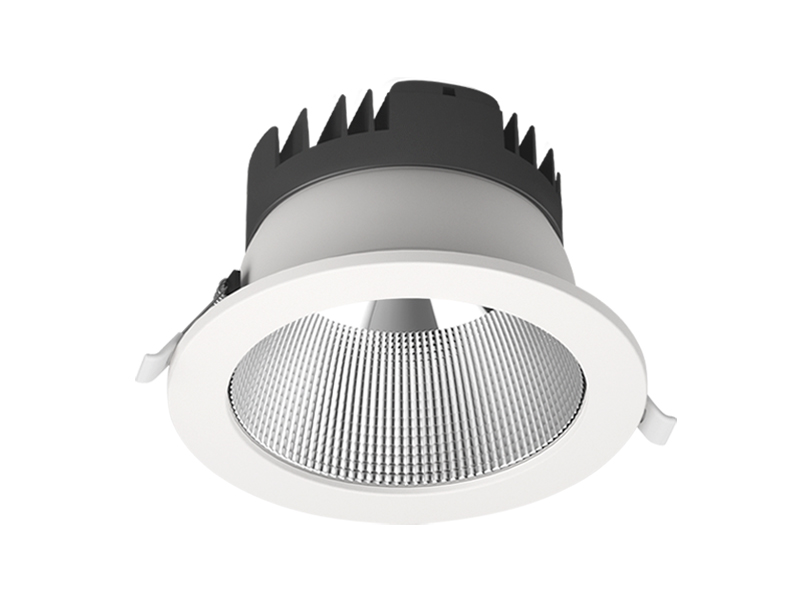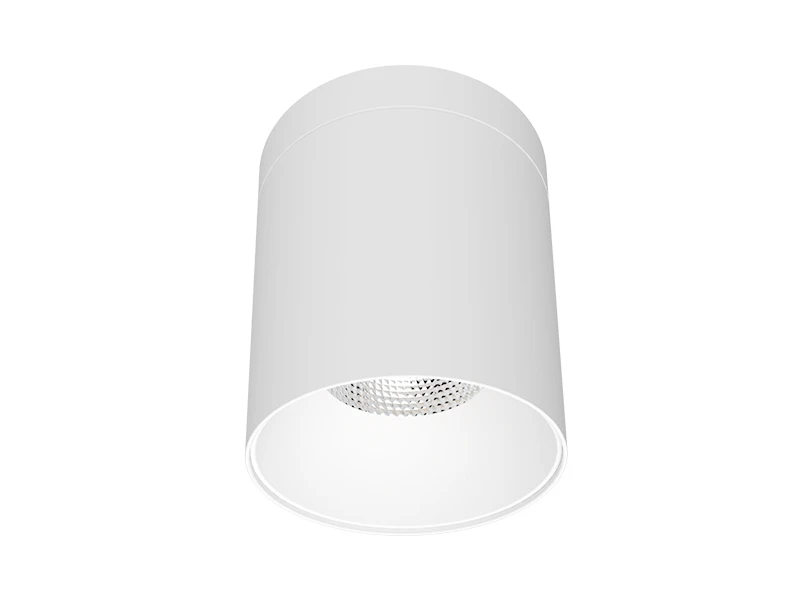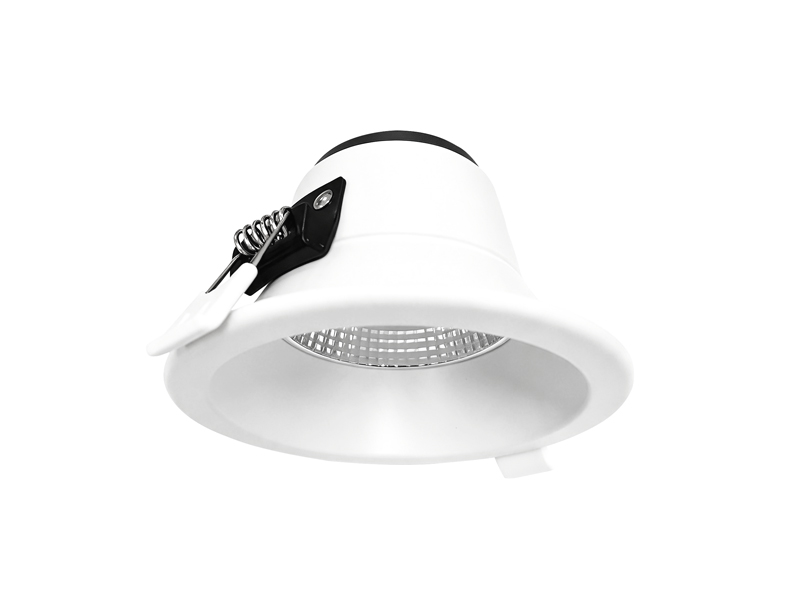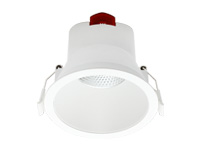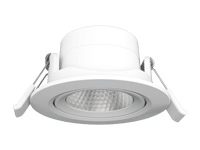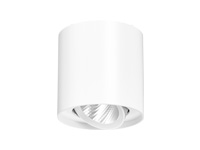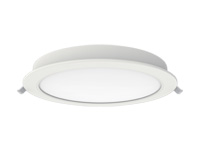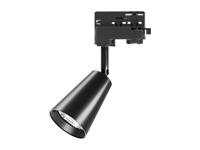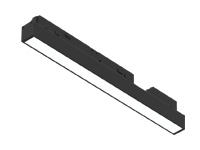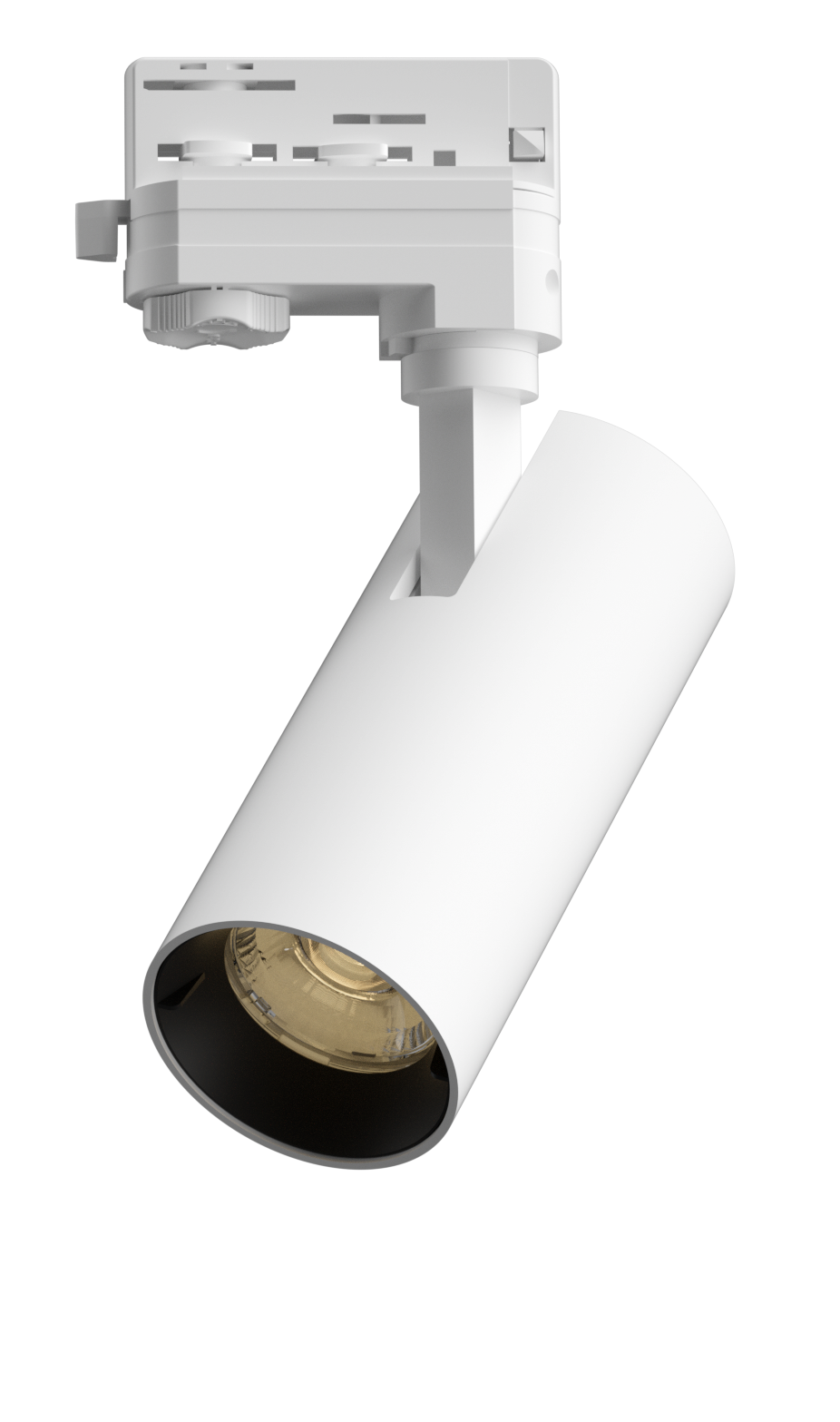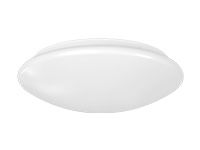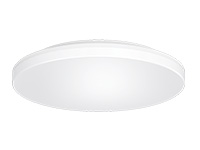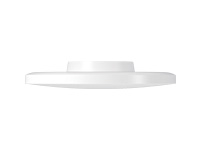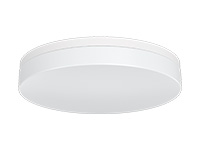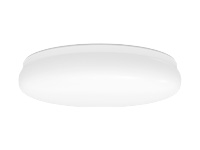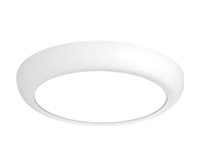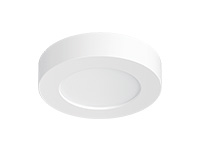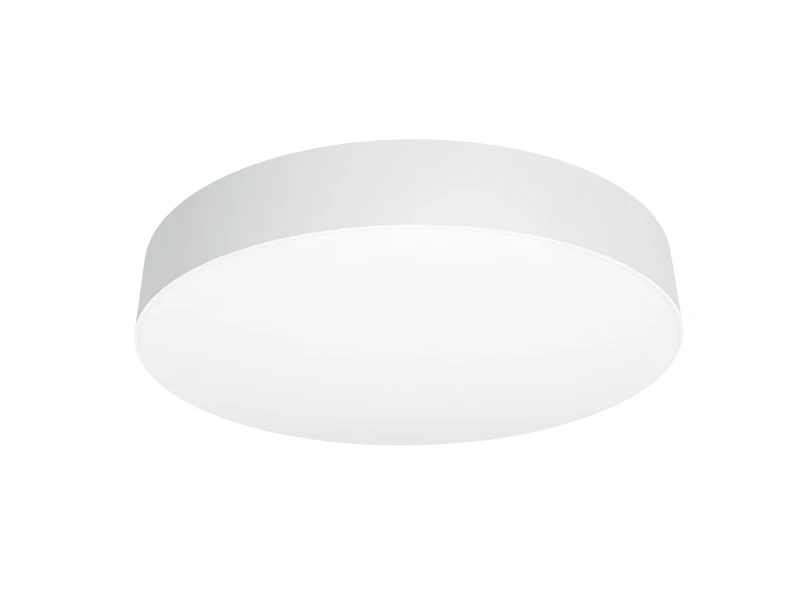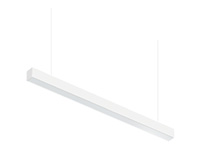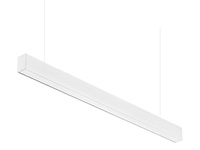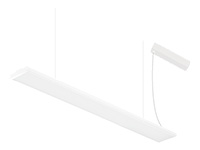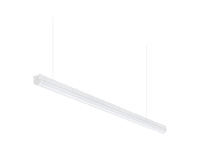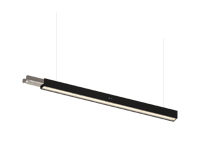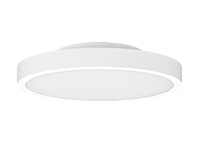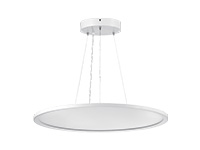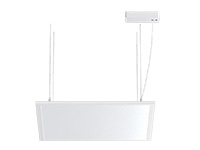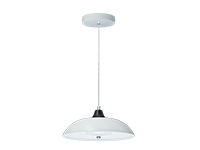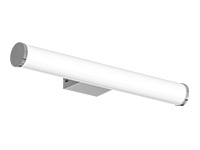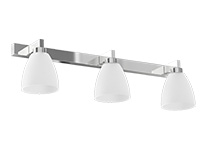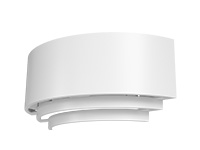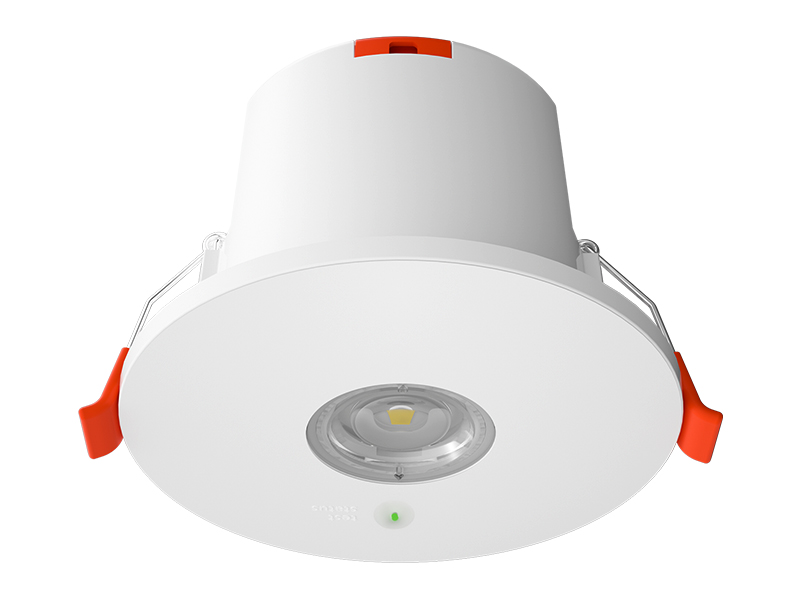

Evaluating a manufacturer requires questions that a product photograph cannot answer. Buyers need to understand how a proposed configuration is identified, what evidence supports acceptance and how changes would be assessed during a project. AtIMIGY Lighting, we recommend anchoring that evaluation to specific products. Butterfly Troffer Lights and Younger Troffer Lights provide two references with different documented construction and dimensions. Their specifications help define what should be reviewed, while production procedures, quality records and any required certification need separate evidence. Keeping those subjects distinct makes the assessment more useful than a general discussion about quality.
Evaluate a Hospital Lighting Manufacturer by connecting evidence requests to the exact product and application. Ask how the agreed configuration, samples and proposed changes are identified. Review available supporting documents against the project’s acceptance criteria. Product ratings and materials can guide the questions, but they do not prove factory processes or the scope of certificates that have not been examined.
Separate product suitability from manufacturing capability. Identify the version behind every sample and document. Ask how changes are communicated. Make acceptance questions specific to the application. Record which findings are confirmed and which remain open, so that a catalogue description does not become an unsupported conclusion about production or quality management.
Begin with the configuration the project intends to purchase. Ask how similar codes, driver alternatives and appearance options are distinguished in the information supplied. A clear identity allows a sample observation or document to be related to the correct product. Without that connection, the assessment may collect material that does not answer questions about the proposed order.
When reviewing an LED Hospital Lighting Manufacturer, ask what would happen if a component or configuration changed after sample review. Request an explanation of how the affected characteristics would be identified and what information would be available for reassessment. These are questions to resolve, not claims that a particular undocumented process already operates at the supplier.
A Hospital Lighting Supplier should also be asked how the project’s acceptance requirements will be addressed. Specify the product characteristics and evidence the hospital team needs. Review the actual response rather than assuming that a broad quality statement covers every installation environment or task. Where a document concerns another model, clarify its relevance before extending its conclusions.
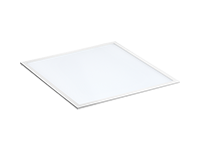
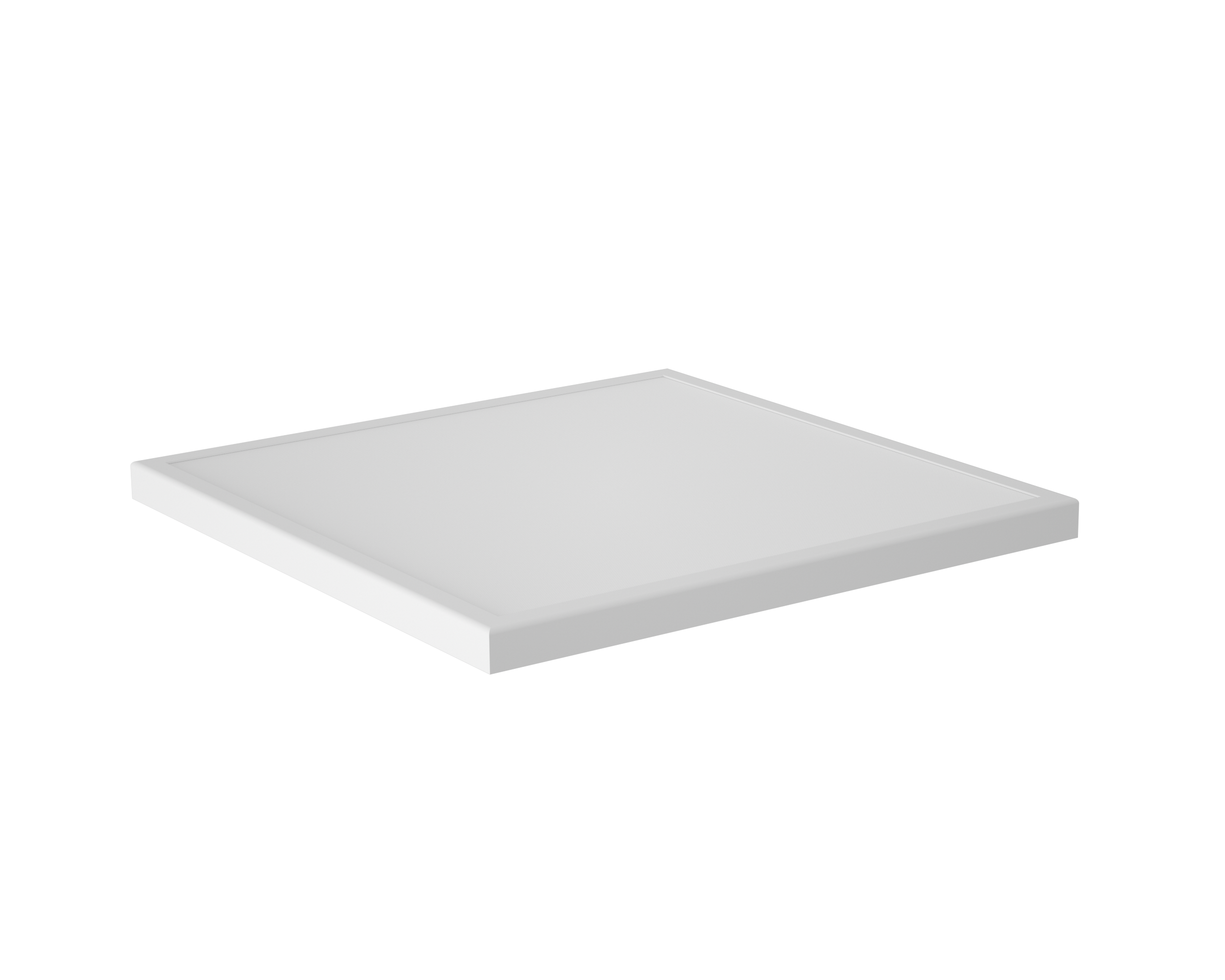
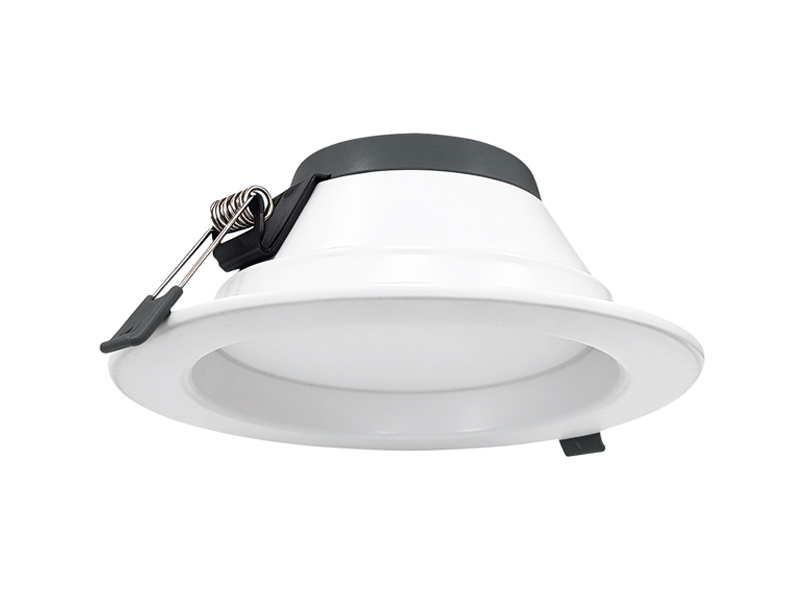
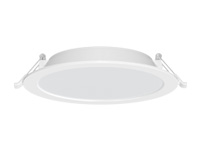
This Butterfly Troffer Lights example provides a defined electrical and protection profile for the evaluation. Refer to the code when requesting relevant information so that records can be checked against the intended configuration.
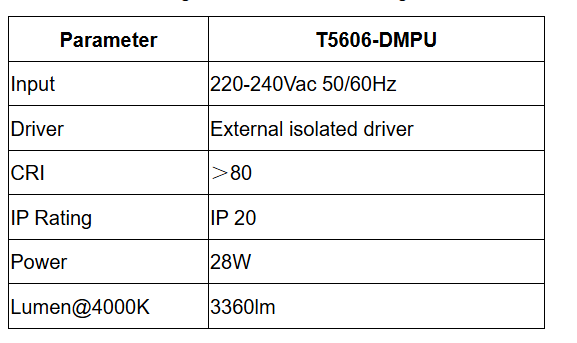

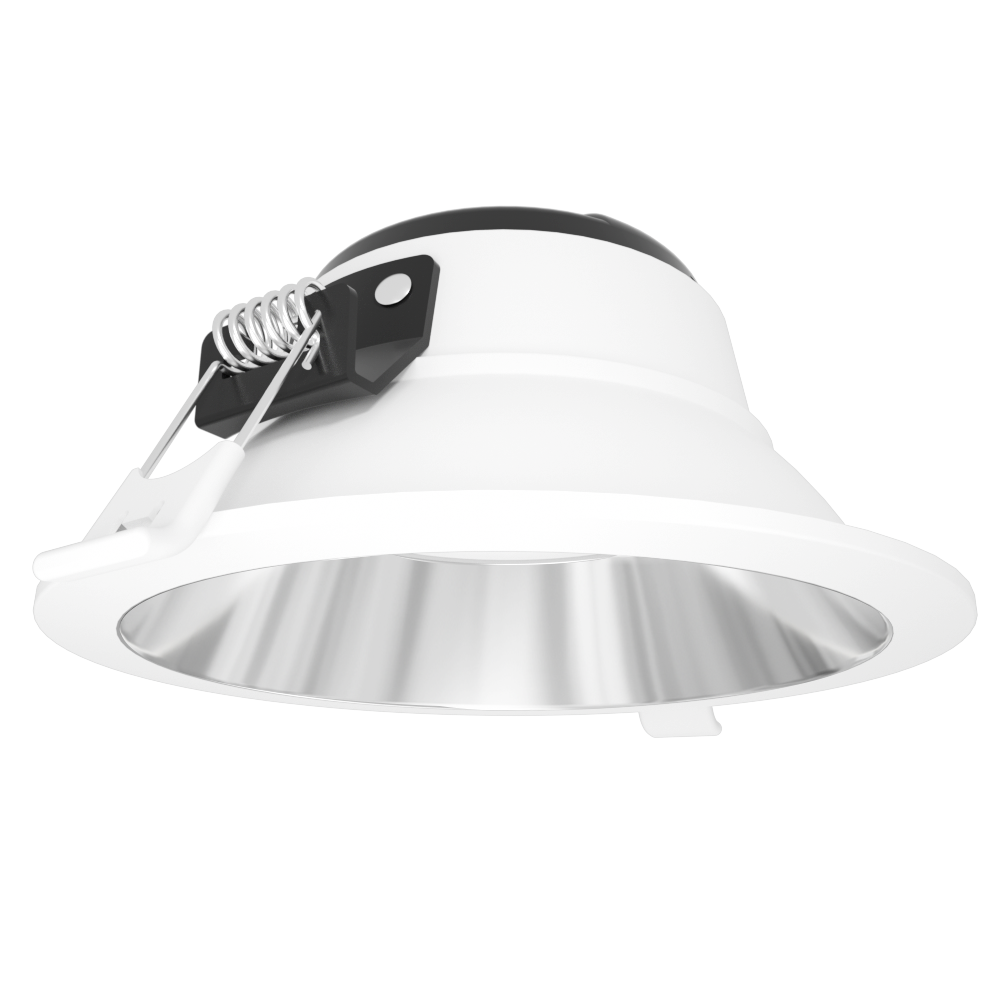
The Butterfly family describes an aluminium frame and PC reflector, with construction without a light guide plate. Those characteristics can help define sample inspection questions about the intended assembly. They do not establish manufacturing inspection methods, component traceability or a particular certification status by themselves.
For the proposed external driver configuration, ask which information identifies the intended electrical version. If a sample differs, determine what it can demonstrate and what still requires review. Keep the accepted product configuration clear before asking how consistency would be checked in subsequent project deliveries.
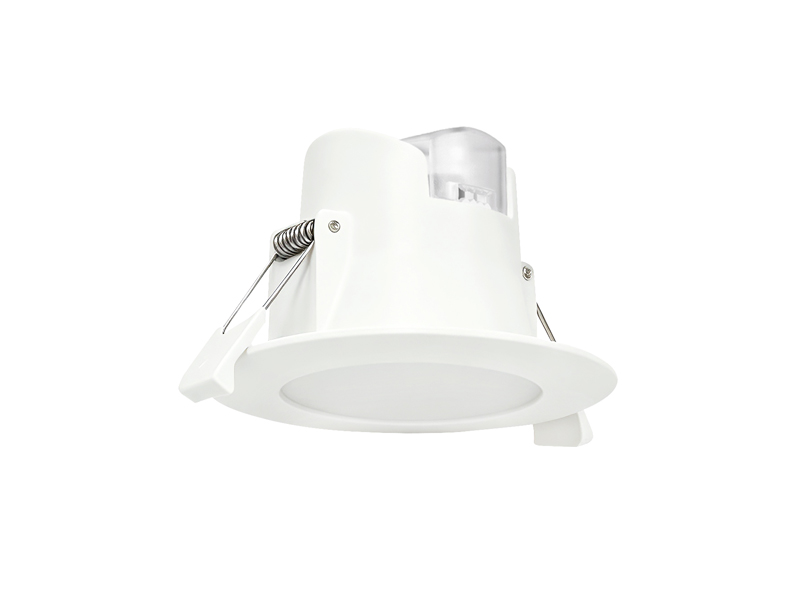
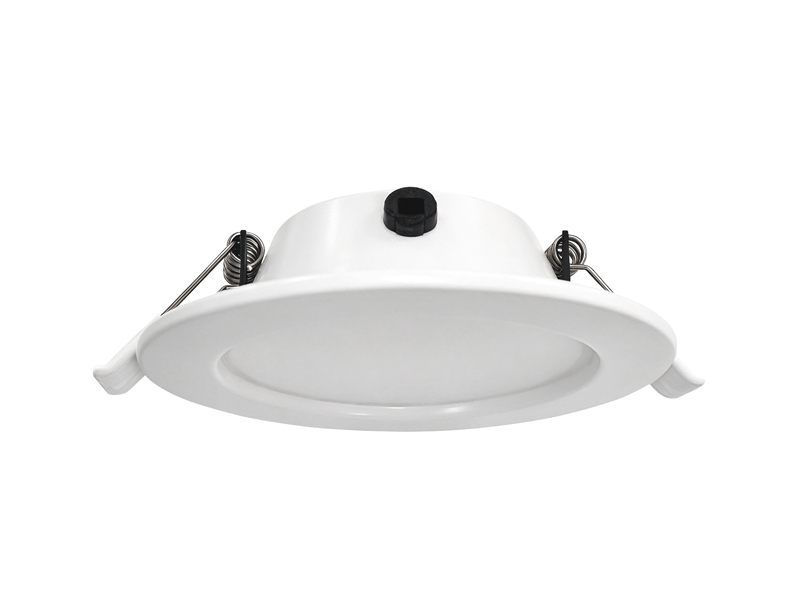
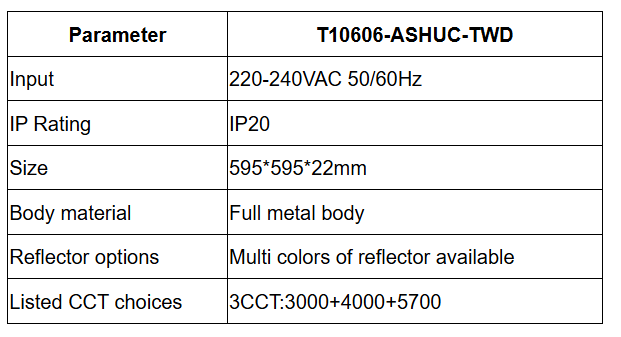
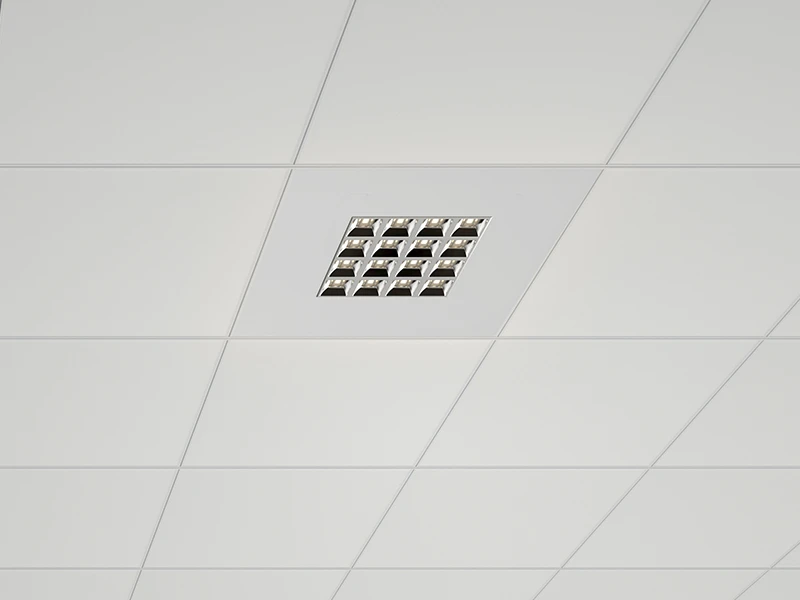
Younger Troffer Lights offers another reference for assessing model identification and configuration information. Its documented body size and appearance choices create practical questions about whether the reviewed sample represents the product intended for the project.
The product information describes a full metal body and reflector colour options. Ask how the selected version would be identified in the final schedule and sample record. Appearance differences should remain distinguishable, while electrical or installation details not established by the listed information require their own confirmation.
When assessing the sample, relate observations to the agreed requirements rather than adding unverified capabilities. A material description does not prove suitability for a specific cleaning regime or specialised hospital environment. If the project has such requirements, identify them explicitly and request the corresponding evidence for the proposed configuration.
Before selecting an LED Hospital Lighting Supplier, organise the findings by question: product identity, configuration, installation information and required supporting evidence. Give each a clear status. An unresolved document request should not disappear simply because a sample looks acceptable, and a document review should not replace a practical installation question.
At IMIGY Lighting, we recommend evaluating a Healthcare Lighting Supplier through this connection between product and evidence. Use an identified Butterfly or Younger model to define the questions, review the information actually provided and retain the conditions attached to acceptance. This gives the project a clearer technical reference and makes later changes easier to assess without relying on an assumed factory capability or a claim transferred from another configuration.
Ask how the information supplied for assessment would remain linked to the configuration finally proposed. For example, a sample may be reviewed before an appearance option is selected, or an electrical detail may be clarified later. The assessment should identify which observations still apply and which require another response. Keep these questions concrete: what changed, which agreed characteristic could be affected and what evidence is needed to judge it? This approach does not prescribe an undocumented factory procedure; it defines what the project needs to understand before accepting a revision. Include the people responsible for technical approval and installation when setting the acceptance questions. Their involvement helps ensure that the evaluation addresses practical decisions instead of collecting general documents that look comprehensive but leave the intended configuration unclear.
Retain the reviewed evidence with the configuration, so future questions can be assessed against an identified reference.
Q: Can the protection rating and material description in a product table establish that a manufacturer has passed a hospital project’s quality assessment?
A: No. Those entries describe selected product characteristics. The project’s assessment may require additional records, documents or practical checks, each with its own relevance to the intended application. Review the evidence requested and its connection to the exact configuration rather than inferring approval from a catalogue table.
Q: Why should an assessment identify a particular driver or appearance version rather than only the product family?
A: Different configurations may not answer the same acceptance questions. A sample or document connected to one version should be reviewed for its relevance to another. Clear identification helps the project recognise those differences and request further information before treating the reviewed material as representative of the proposed order.
Q: What should the buyer do if the proposed configuration changes after the original sample has been accepted?
A: Identify the changed characteristics and compare them with the accepted reference. Ask what information supports the revision and decide which questions require another review. Update the approval record only after considering the consequences, keeping the original and revised configurations distinguishable for the people responsible for purchasing and installation.
It is recommended that you upgrade the latest browser
 Chrome
 Firefox
 Edge