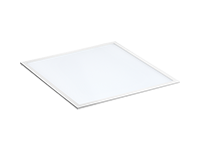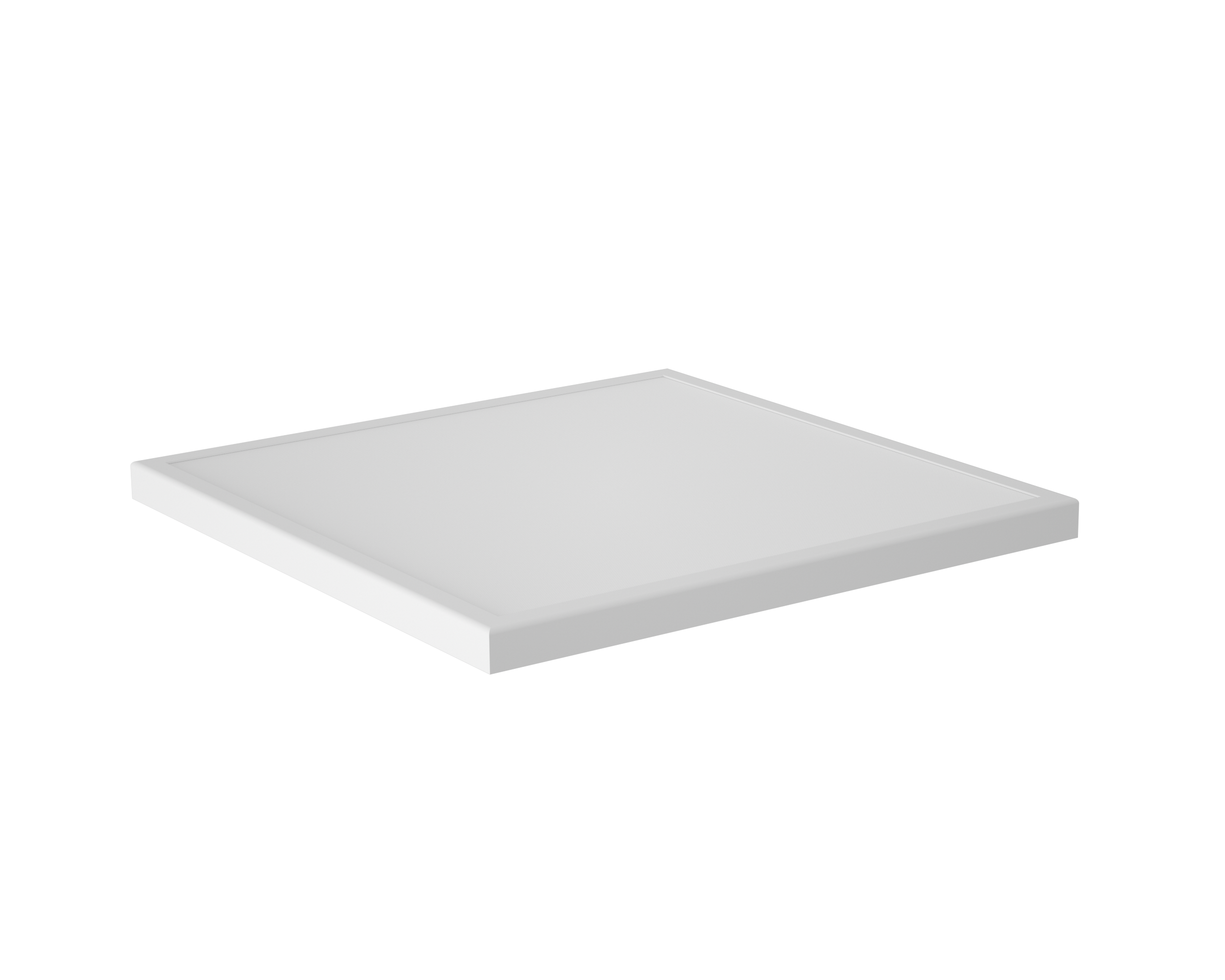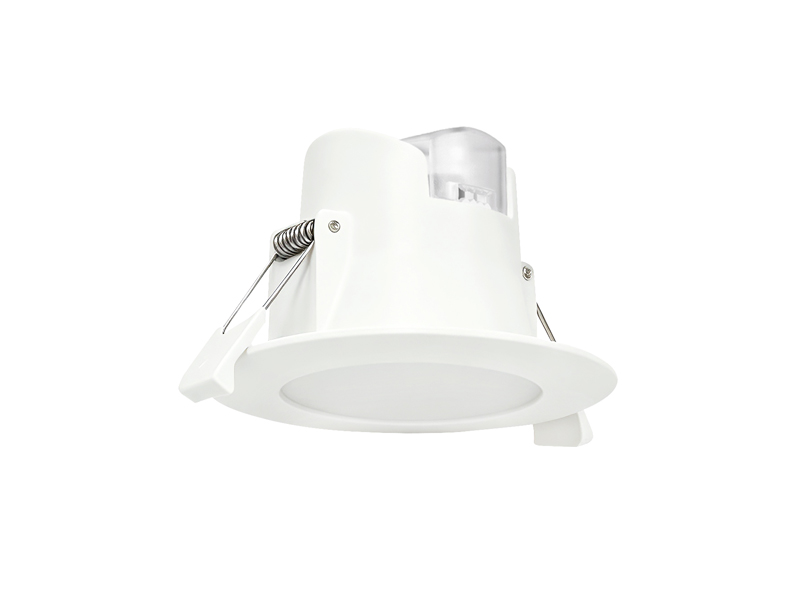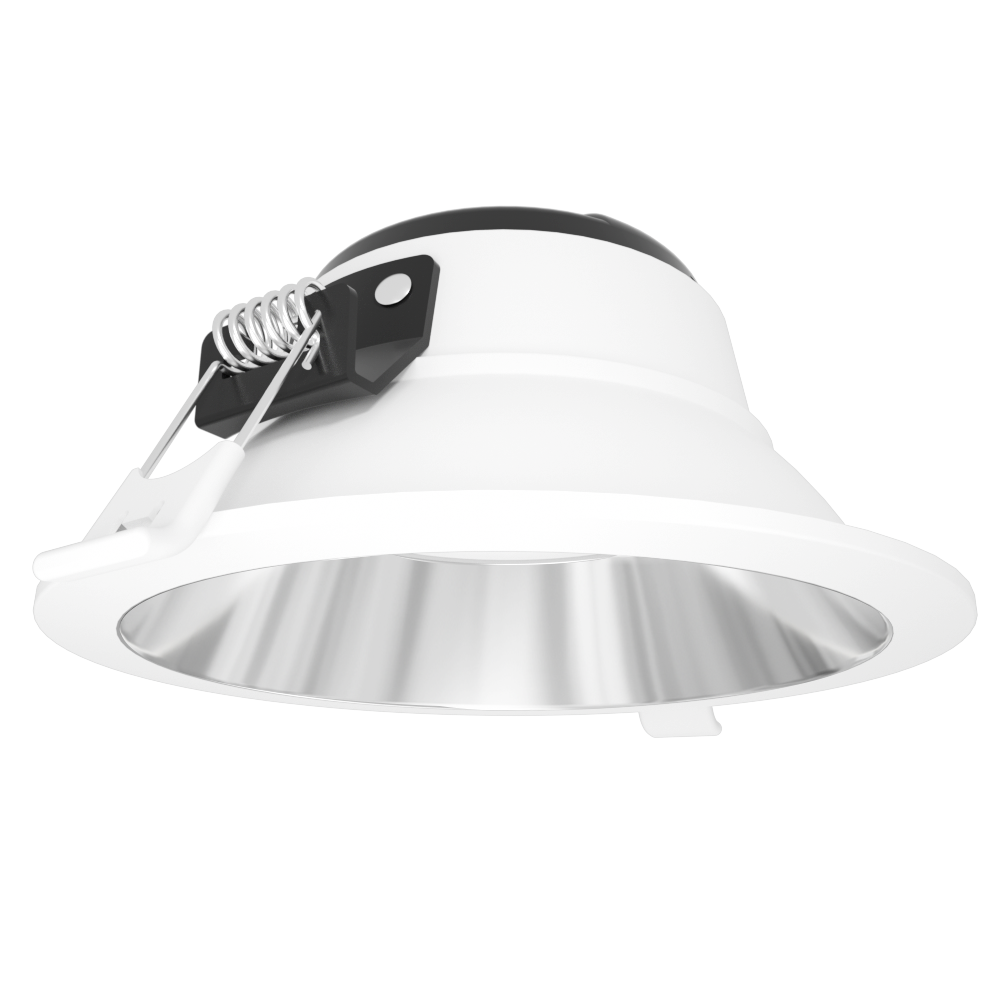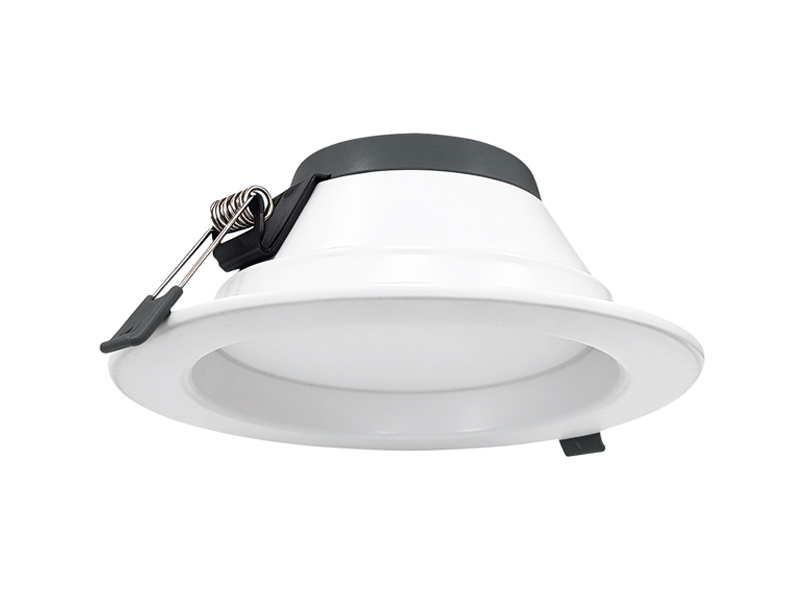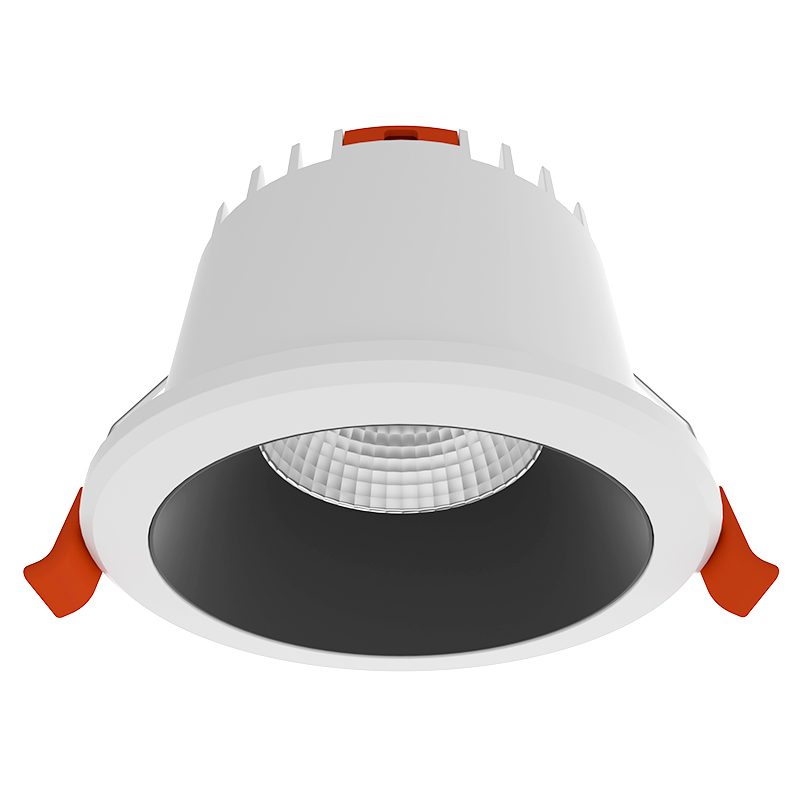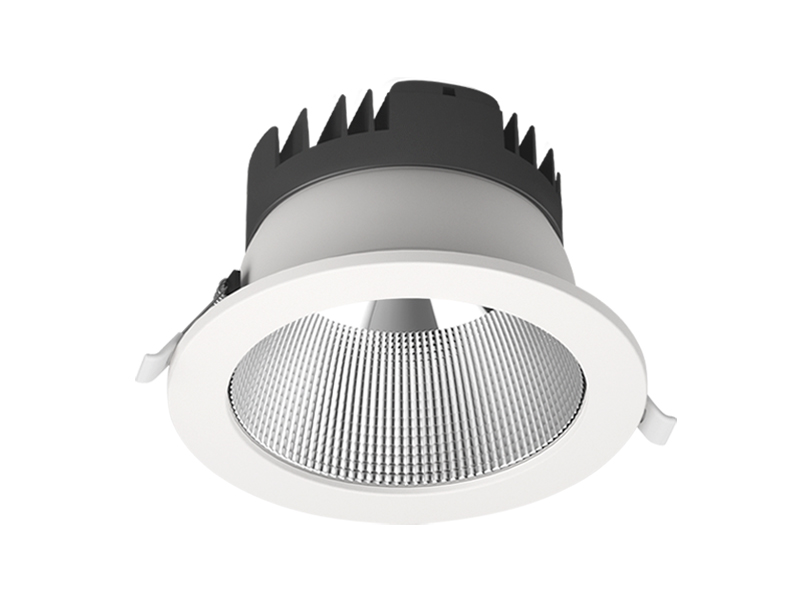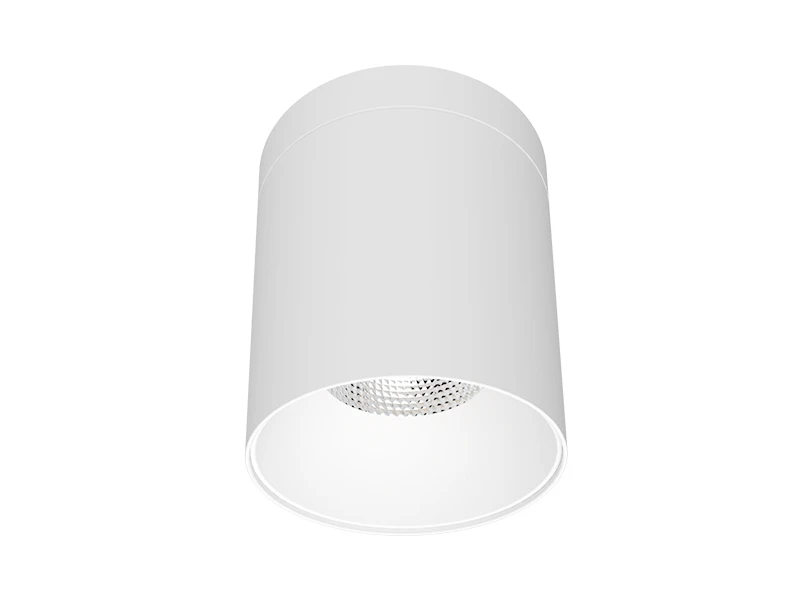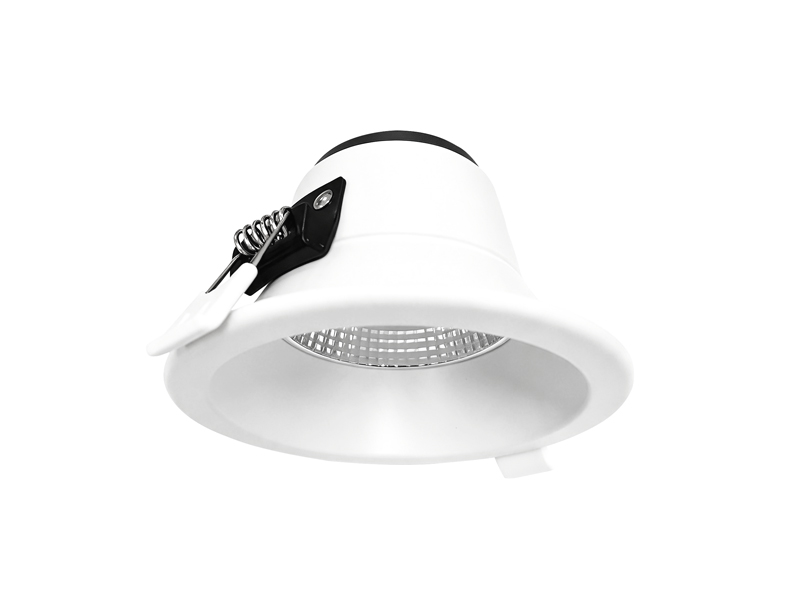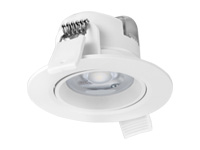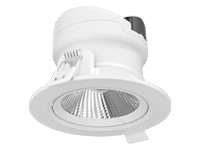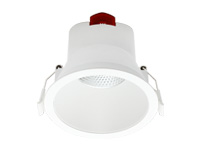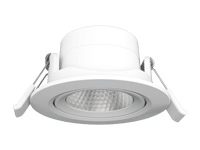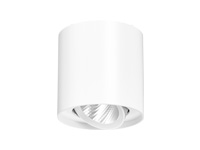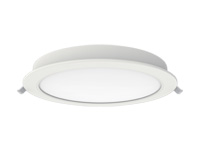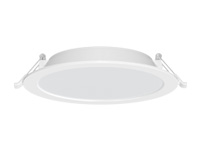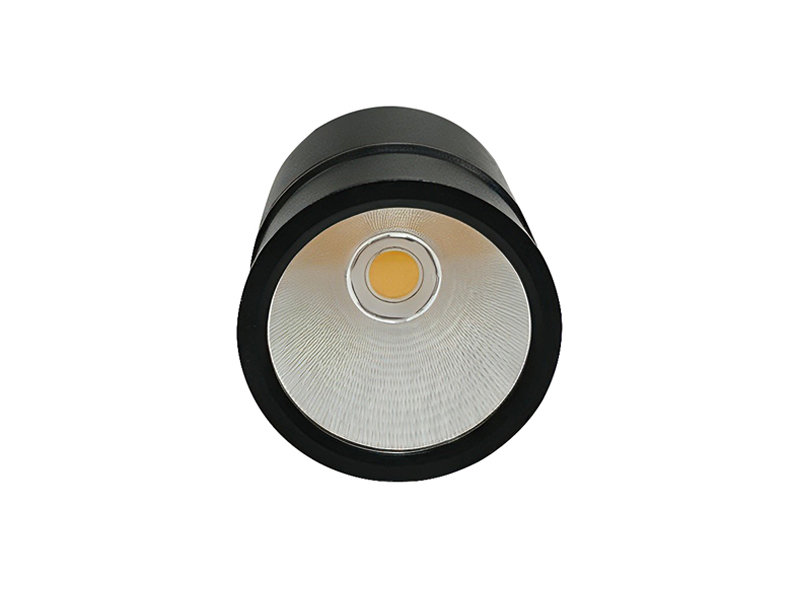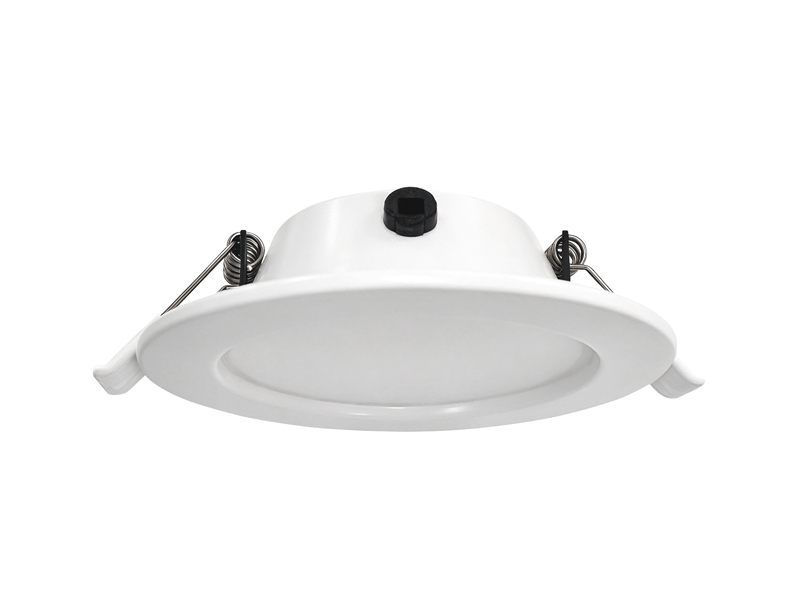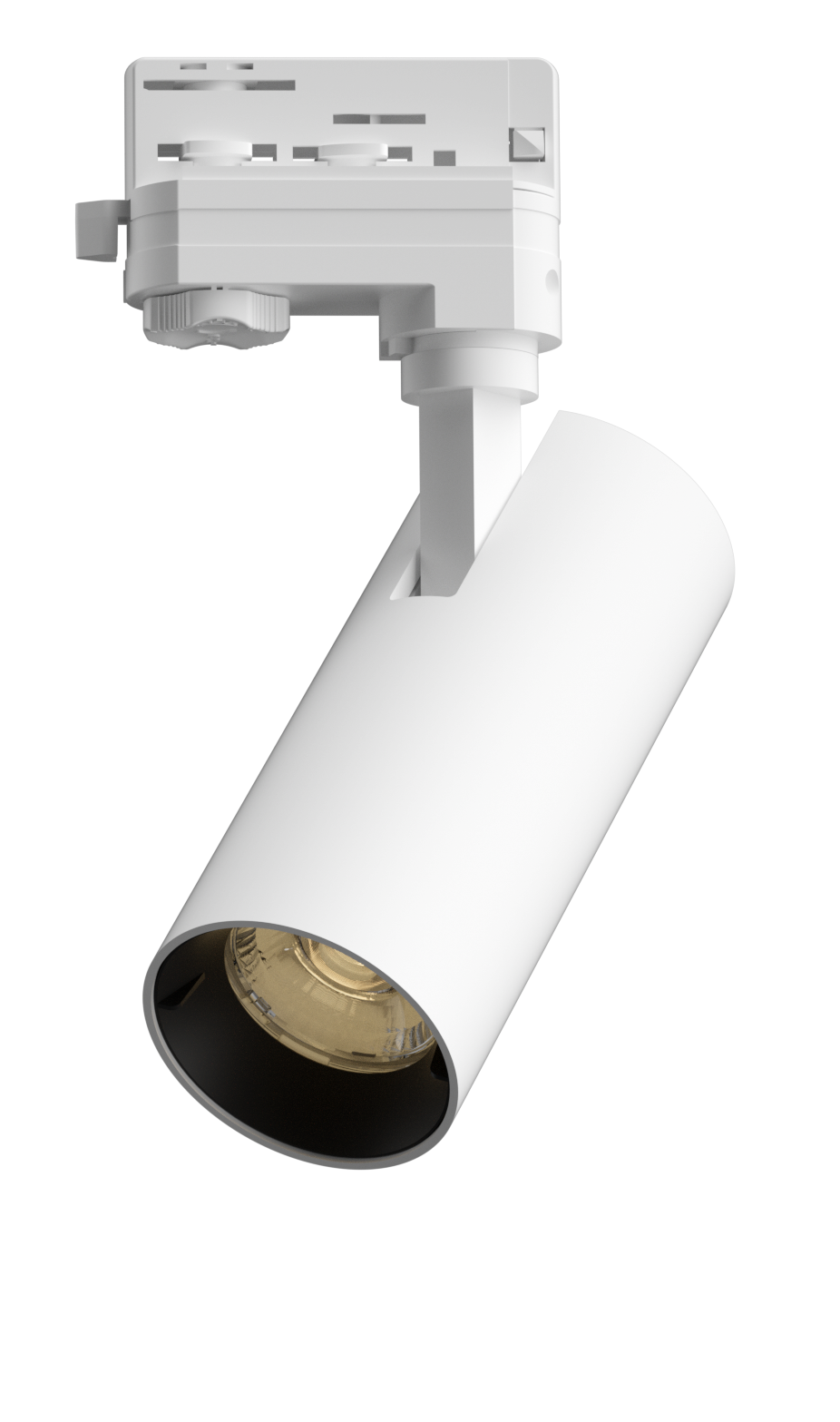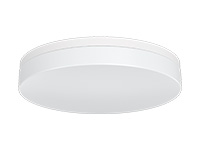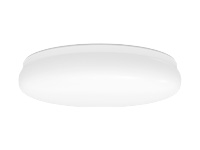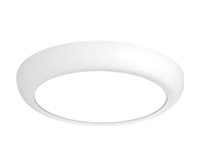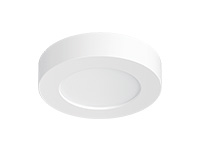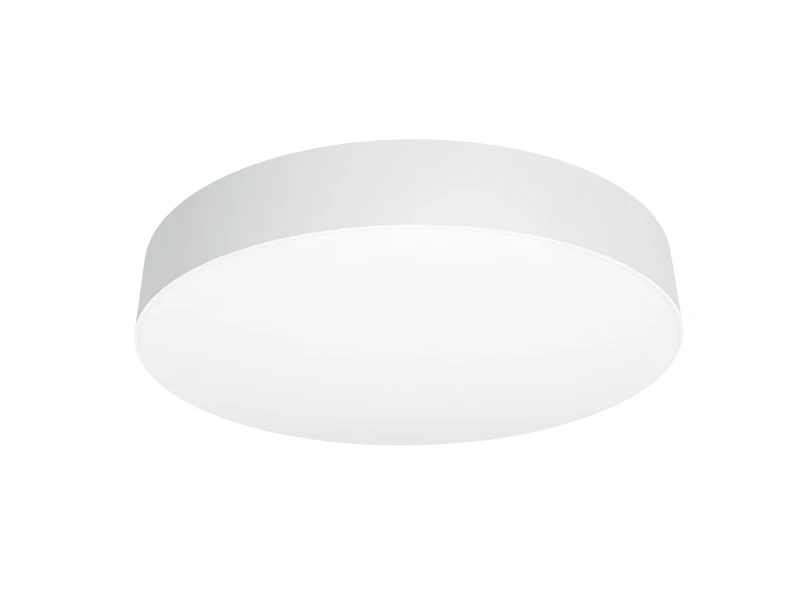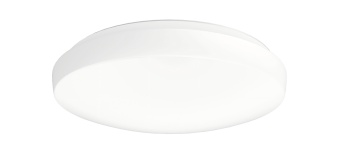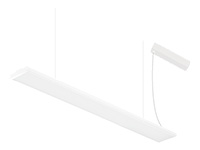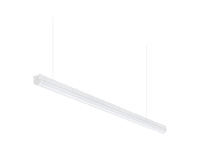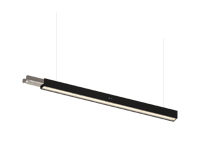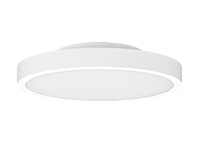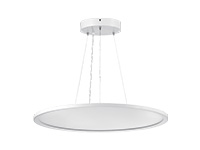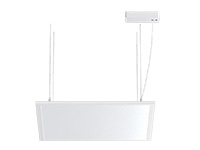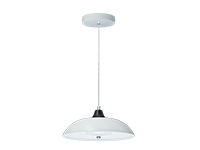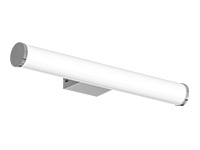

Hospital lighting procurement begins with a description of the spaces being served, not a request for one fixture to suit an entire building. Reception areas, circulation routes and occupied rooms present different activities, views and installation conditions. At IMIGY Lighting, we recommend turning those differences into specific questions before choosing a product. Butterfly Troffer Lights and Younger Troffer Lights provide two references for that discussion. Their documented characteristics help define candidates, while the project still needs to establish the required performance, installation arrangement and acceptance evidence for each application.
Ask a Hospital Lighting Supplier for the exact product configuration, installation information and evidence relevant to the intended area. Describe the lighting task and occupied views, then identify what must be confirmed about drivers, controls and accessories. Keep product data separate from claims about suitability for a particular hospital environment. A complete enquiry should make unanswered questions visible before a sample is accepted.
Specify the application before selecting a family. Keep each code linked to its data. Identify the complete installation rather than relying on the visible dimensions. State control requirements explicitly. Request evidence against the project brief and use a representative sample review to resolve practical questions about the proposed configuration.
Begin with the room type, activities and positions from which the light will be seen. Explain whether the proposal concerns a new ceiling or existing openings. Include the intended operating pattern and any equipment to be retained. These details help distinguish a product enquiry from an assumption that the same arrangement can be repeated throughout the hospital.
When speaking with an LED Hospital Lighting Supplier, ask which data belongs to the actual offered code. A family can contain different outputs, driver arrangements or accessories. Request clarification if a sample represents another version, and identify which observations remain applicable. A photograph or similar face size does not establish that two configurations provide the same performance.
Ask a Hospital Lighting Manufacturer what supporting information can be provided for the acceptance requirements. Specify the documents or checks the project needs instead of requesting a general assurance of quality. Product ratings describe particular characteristics; they do not independently establish conformity with every hospital requirement or demonstrate manufacturing practices that have not been reviewed.
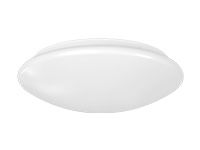
The selected Butterfly Troffer Lights example gives the procurement team an identified output and physical profile. Use the complete code when discussing a sample or installation arrangement so that the conversation follows one configuration.
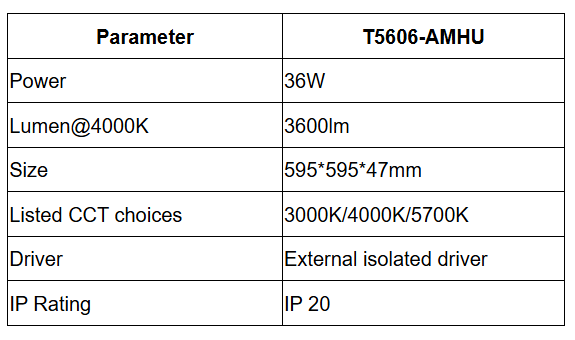

The Butterfly family describes construction without a light guide plate, with an aluminium frame and PC reflector. Suspended and recessed installation options are listed. Confirm the components and information required for the chosen arrangement. The body dimensions do not describe every part of the installation or determine compatibility with an existing ceiling system.
The family also lists a catalogue glare statement below nineteen. Treat this as selection information and review the proposed room from the relevant occupied positions. It does not guarantee the result of every layout. Questions about source visibility and task illumination should remain part of the enquiry, especially where the fixture is seen from more than one posture.
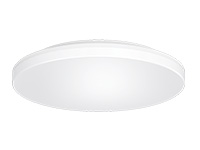
Younger Troffer Lights provides a second documented reference with a different body depth. Its listed power and colour configuration should remain attached to this model, rather than being combined with the output or driver information of another product.
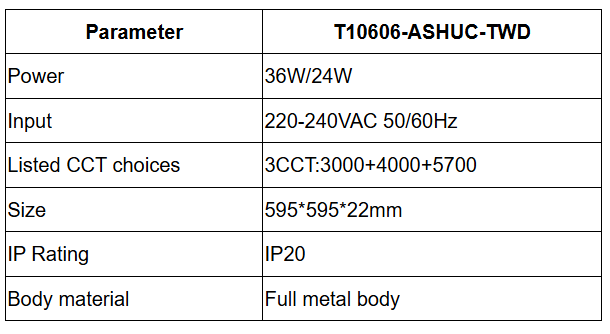
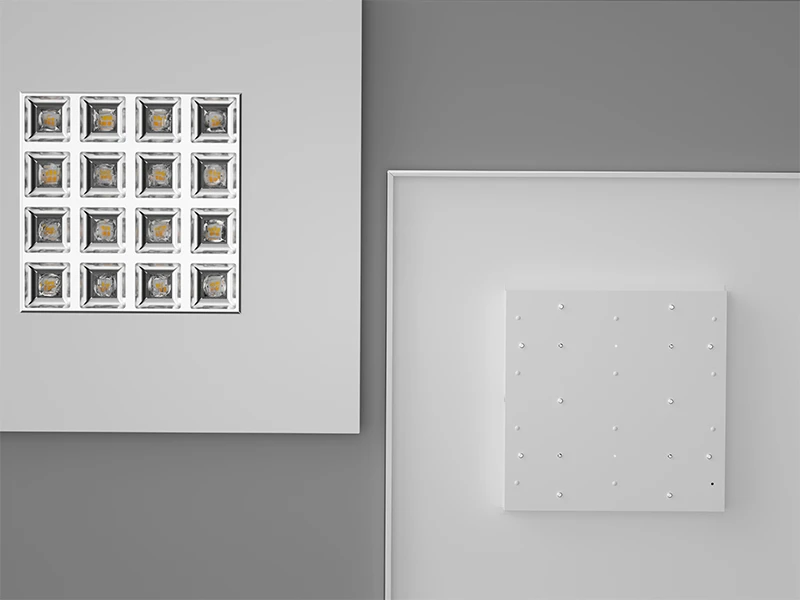
The Younger information describes a full metal body and reflector colour options. Confirm the intended appearance using the version proposed for the project. Choosing a reflector finish does not establish a particular control interface, mounting method or quantified lighting result. Those questions need their own supporting information.
Ask for the installation and electrical details required to assess the complete assembly. A shallow body can be useful survey information, but it does not establish all space or fixing requirements. The sample should be identified accurately so that the approved appearance and any confirmed functional details can be retained together in the purchasing record.
Before appointing an LED Hospital Lighting Manufacturer, consolidate the model, required functions, installation information and outstanding evidence requests. Identify what a sample is intended to demonstrate. If a particular requirement remains unresolved, keep it open rather than treating approval of the appearance as approval of the complete technical configuration.
At IMIGY Lighting, we recommend choosing a Healthcare Lighting Supplier through this practical exchange. Begin with an identified Butterfly or Younger model, connect the questions to the application and review the response against the hospital brief. Retain the accepted configuration and any conditions attached to it. This provides a clearer basis for purchasing and subsequent installation than relying on a broad product description that different participants may interpret differently.
Give the enquiry a clear area reference so that replies about different rooms are not combined accidentally. A supplier response concerning a reception ceiling should not be used to close a question about another installation with different conditions. Invite the project participants to identify which information they need before the sample review: the person assessing the light may have different questions from the person checking installation. Bringing those questions together makes the meeting more productive. After reviewing the response, record which points have been answered and what still needs attention. If the offered configuration changes, return to the affected questions instead of relying on the original discussion. This keeps the procurement checklist connected to the actual product and application throughout selection, rather than allowing it to become a form completed once and then set aside during implementation.
Q: Can a general lighting product description prove that a fixture is suitable for every hospital room?
A: No. The proposed application needs its own requirements and evidence. Identify the activity, installation conditions and acceptance criteria, then review the exact configuration. A useful product candidate should not be presented as universally suitable merely because the building is a hospital or the family has an appealing performance description.
Q: What should be clarified when the offered sample has a different driver or appearance option from the proposed order?
A: Identify the difference and what the sample can still demonstrate. An appearance review may remain useful without proving the behaviour of another electrical configuration. Record the proposed final version and request the information or further review needed to close the remaining questions before treating the sample as the complete reference.
Q: Which records help the purchasing and installation teams follow the same decision after selection?
A: Retain the complete code, confirmed configuration, required accessories and relevant installation information. Include the sample acceptance observations and any unresolved conditions. This allows a later delivery or proposed substitution to be checked against an identified requirement, rather than against an informal memory of the product family.
It is recommended that you upgrade the latest browser
 Chrome
 Firefox
 Edge