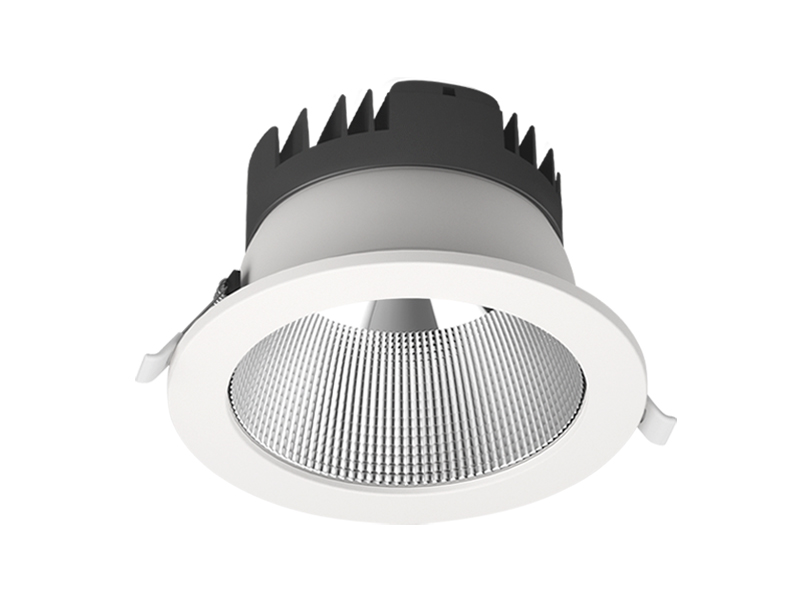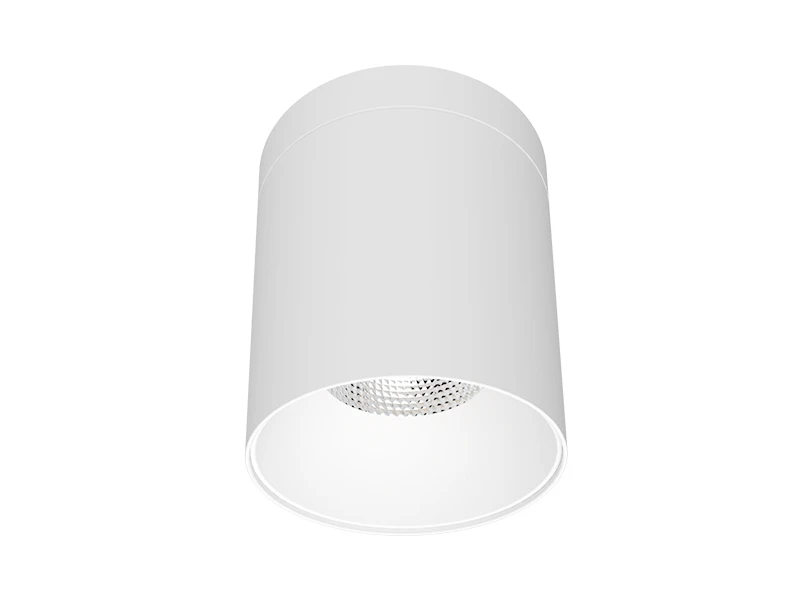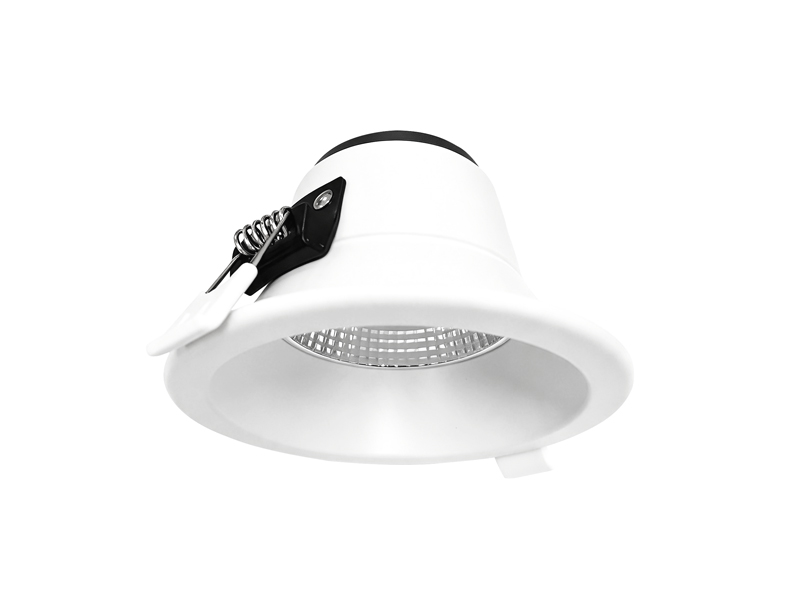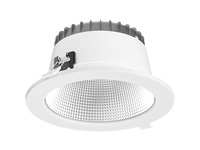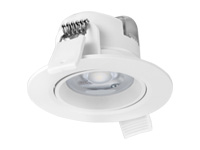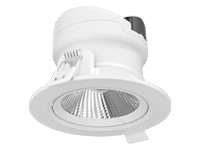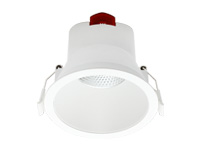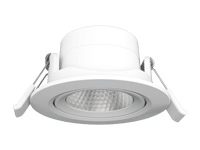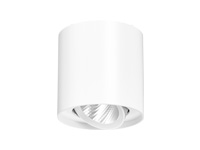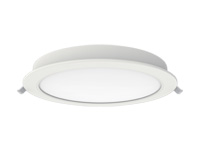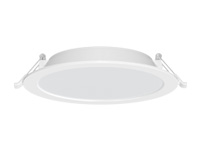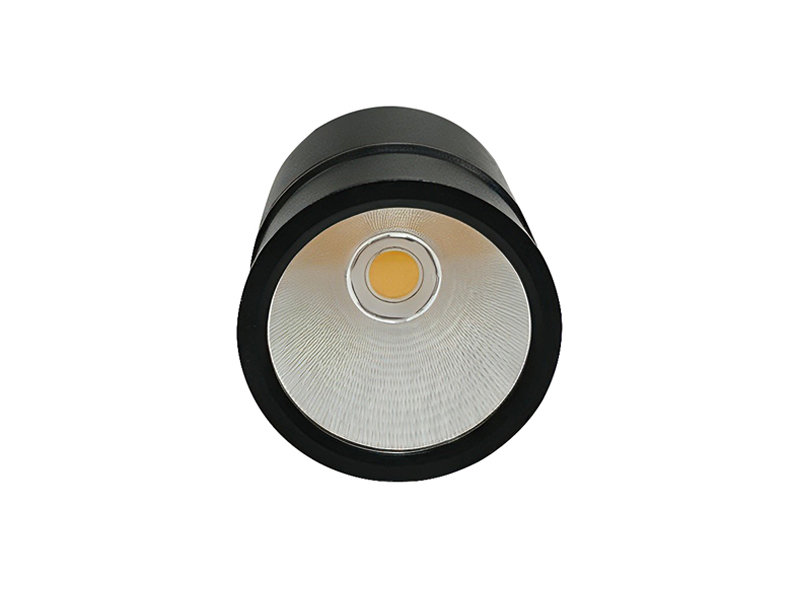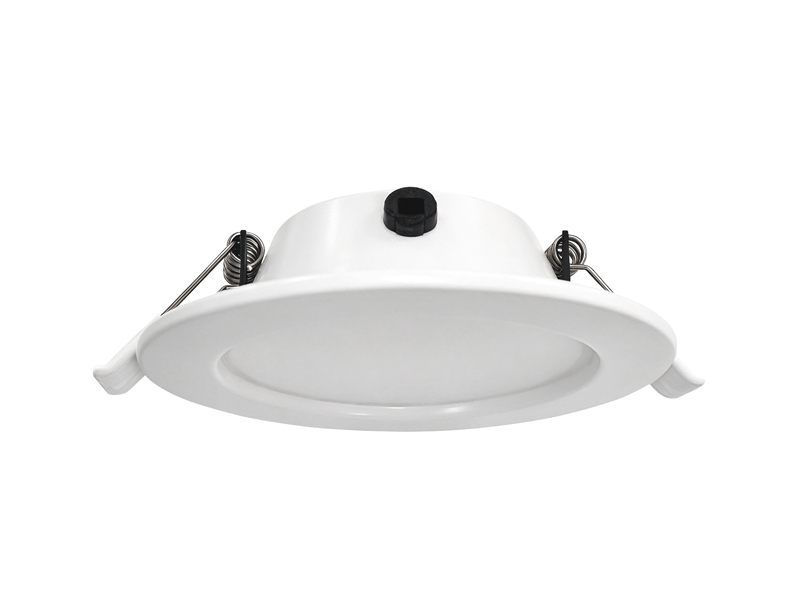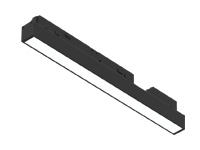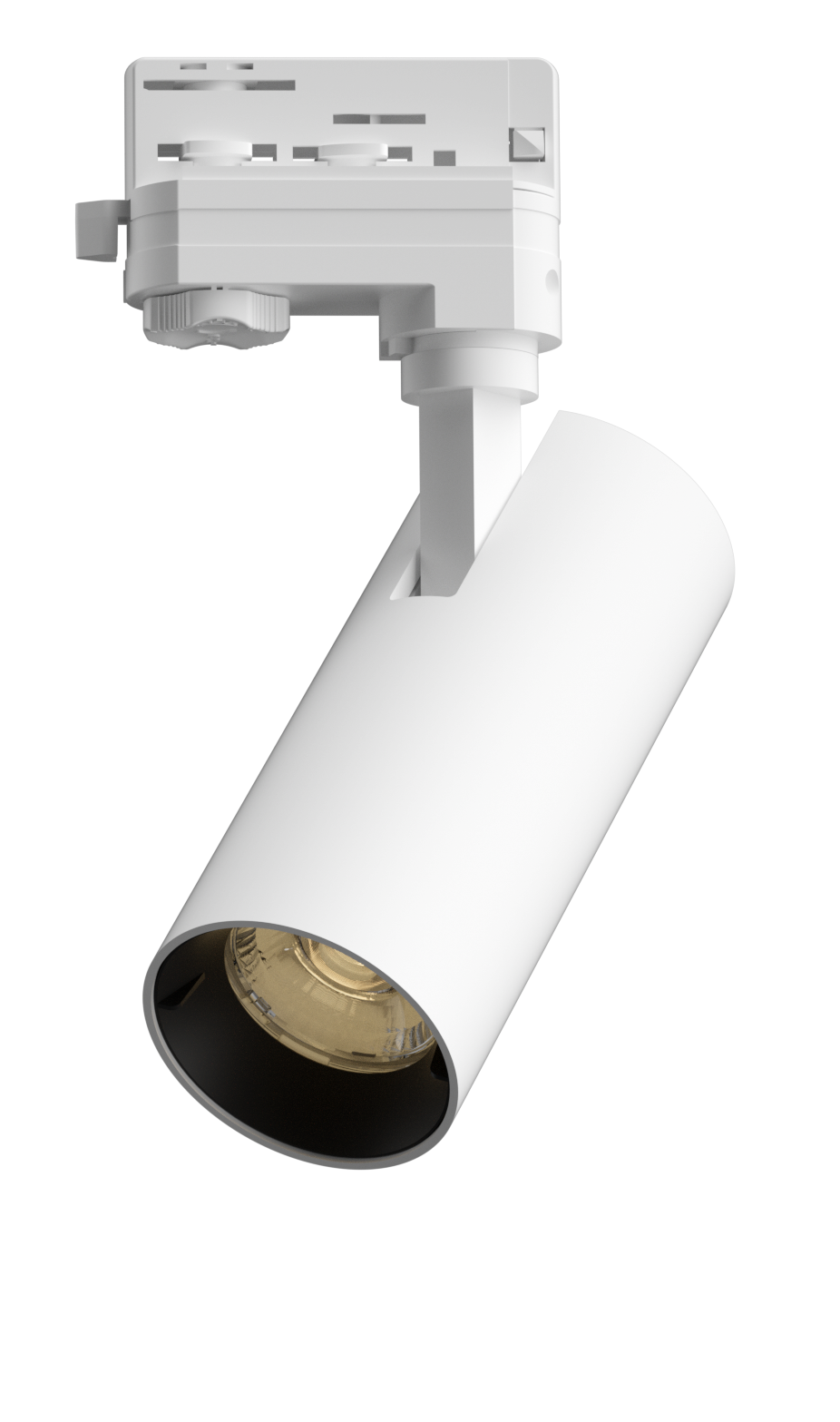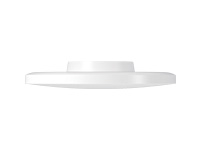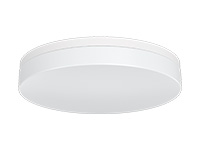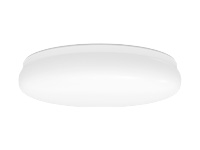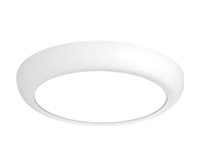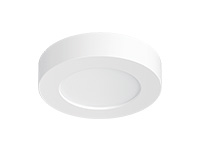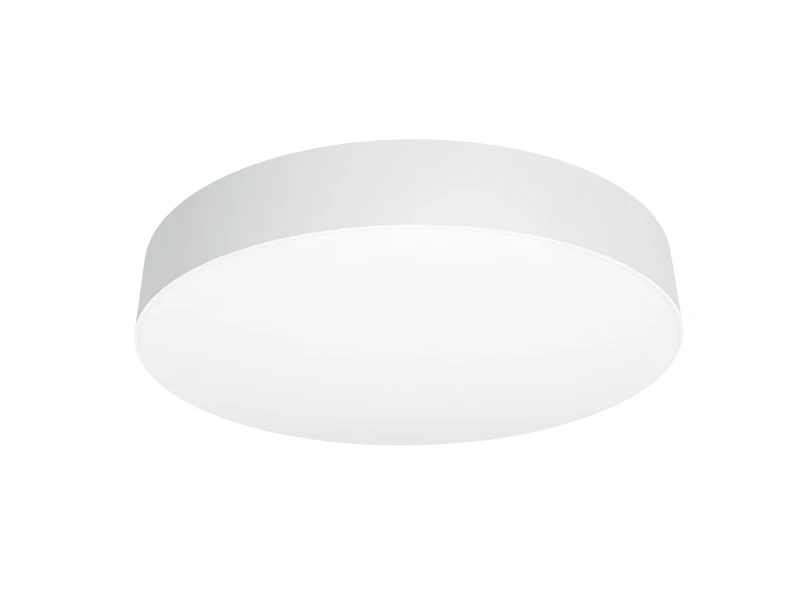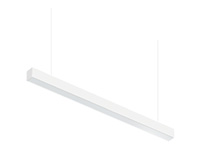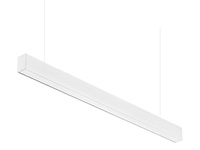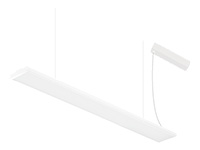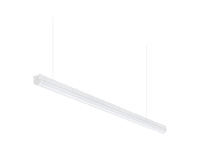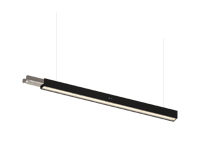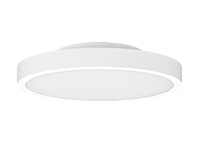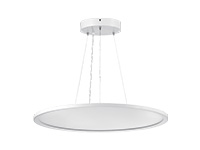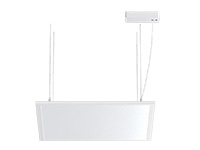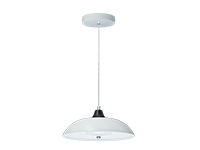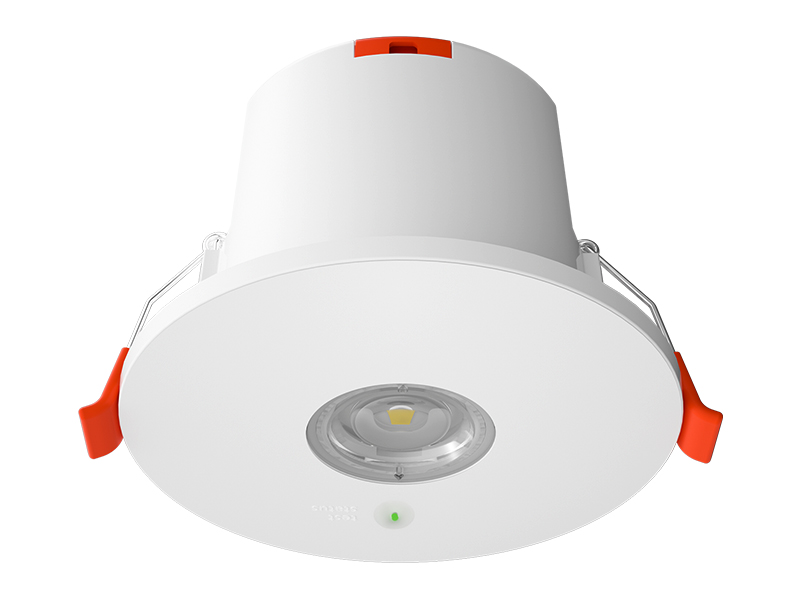

A hospital building contains many applications, and a useful supplier discussion recognises their differences. A reception counter, a waiting area and a room with reclined occupants do not present the same tasks or views. At IMIGY Lighting, we recommend selecting the product and supporting information around those conditions. Butterfly Troffer Lights and Younger Troffer Lights provide two candidates for evaluation, each with documented characteristics that can inform the discussion. The decision should connect the actual configuration with the intended application, rather than treating a broad healthcare label as evidence that one arrangement suits every part of the project.
Choose a Healthcare Lighting Supplier by matching the offered configuration and available evidence to each application. Describe the tasks, viewing positions, ceiling and operating needs. Identify any additional environmental or acceptance requirements, then review the exact product and supporting response. A suitable relationship is demonstrated through application specific information, not assumed from a general product family description.
Group areas by activity while retaining meaningful differences. Consider seated, standing and reclined views where relevant. Separate catalogue performance from the installed result. Confirm physical and control arrangements. Request evidence for additional requirements and use a representative review to establish the conditions under which a product is accepted.
Start with the people and tasks below the ceiling. At a reception counter, examine the working surface and the views on both sides. In a waiting area, consider information displays and seated directions. Where occupants recline, review the overhead view separately. These observations help define application questions without claiming that one product automatically resolves them.
Ask a Hospital Lighting Supplier to relate the proposed configuration to those requirements. The response should make clear which product is being offered, what is known about its performance and what needs further confirmation. A general statement about light quality should not replace a question about the particular task or viewing condition that matters to the project.
A Hospital Lighting Manufacturer should also be asked for evidence relevant to additional environmental requirements. Identify the conditions explicitly rather than inferring suitability from a material name or protection marking. If a space has requirements beyond the documented information, keep that question open until the relevant response can be assessed for the exact configuration.
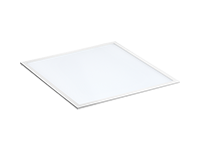
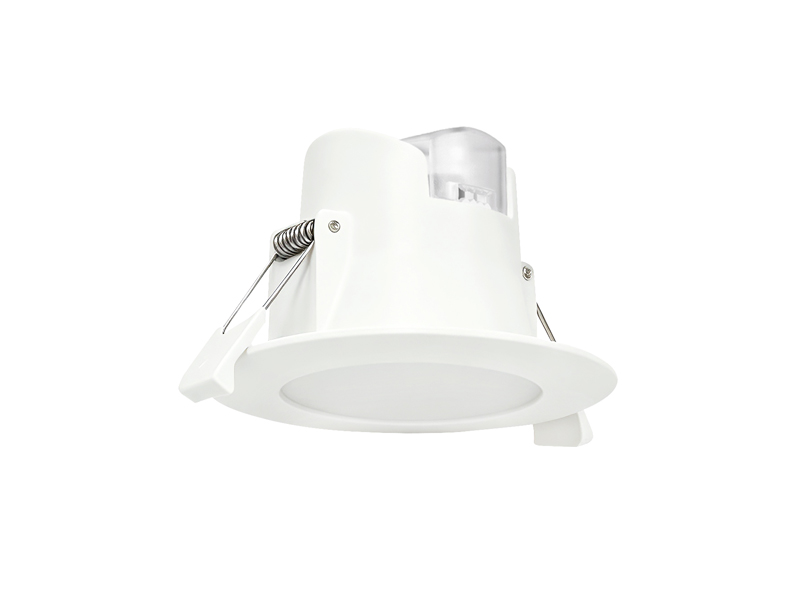
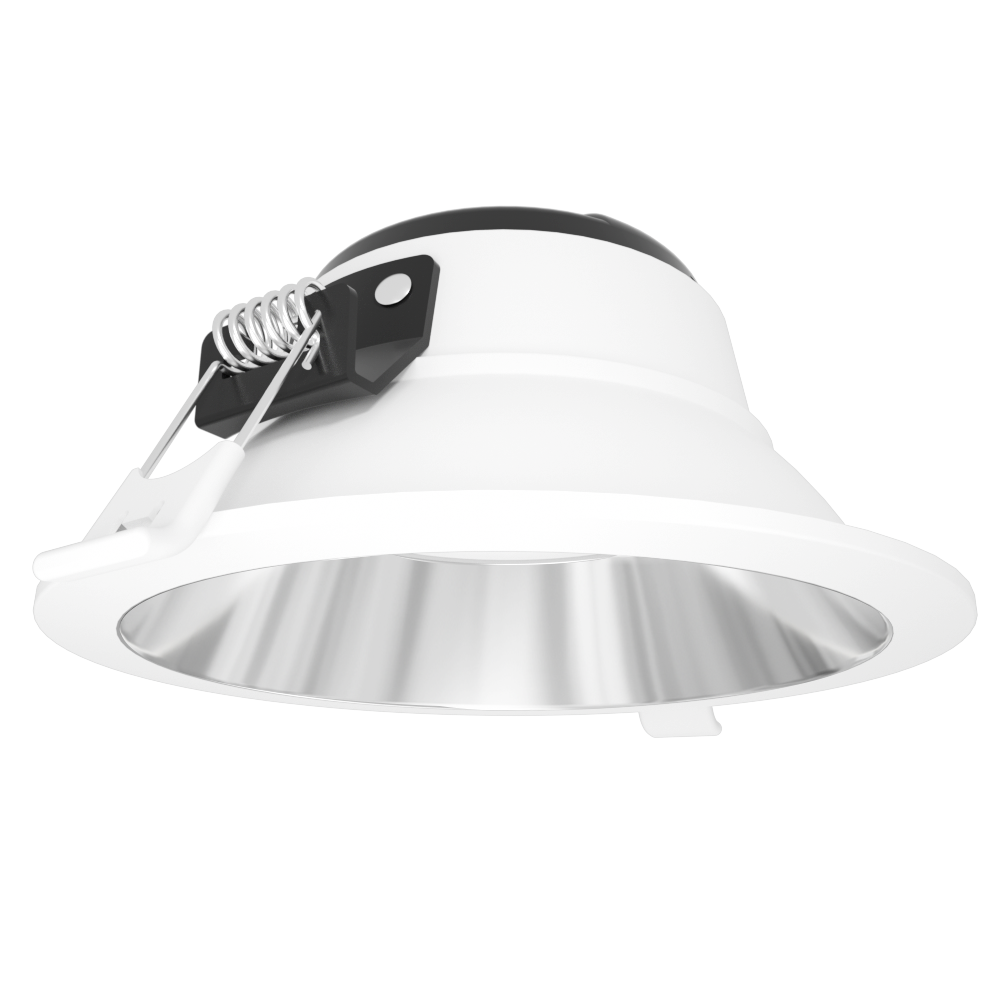
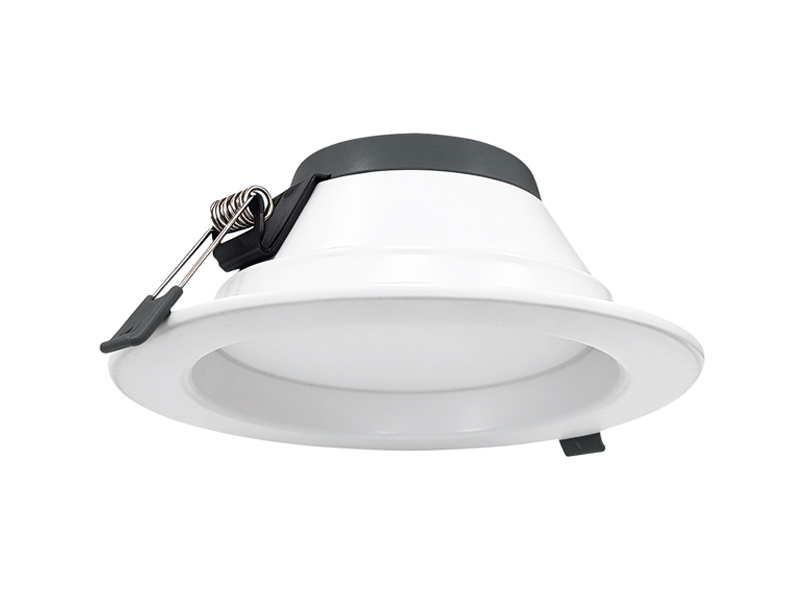
The selected Butterfly Troffer Lights example offers an identified output and distribution for the application review. Keep the code attached to these figures when discussing a candidate layout or evaluating another version.
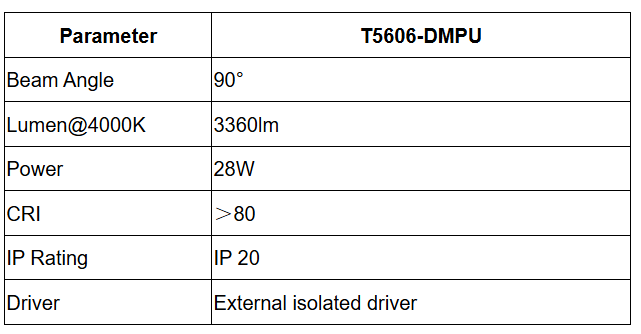

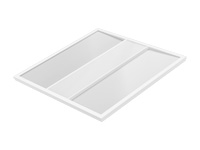
The Butterfly range describes an aluminium frame, PC reflector and construction without a light guide plate. It lists suspended and recessed installation options. Confirm the intended method and components for the application, rather than assuming that the family’s possible arrangements are all included in the proposed configuration.
Its catalogue glare statement can inform selection, but the actual occupied view still needs assessment. Examine source visibility, reflections and the receiving surfaces relevant to the area. A tidy ceiling pattern does not establish the result from every posture, and an attractive output figure does not show where the useful light will be received.
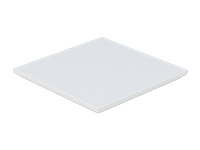
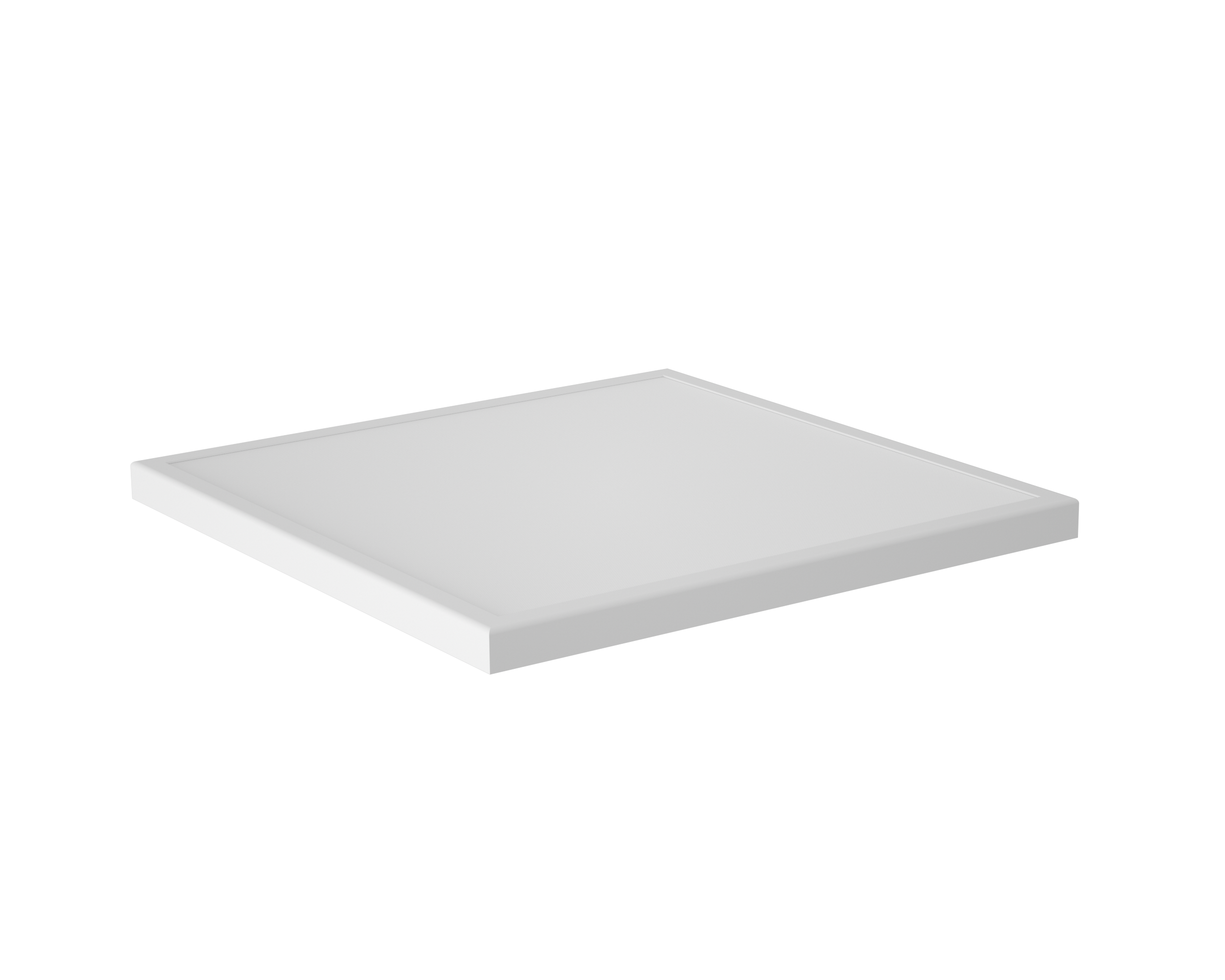
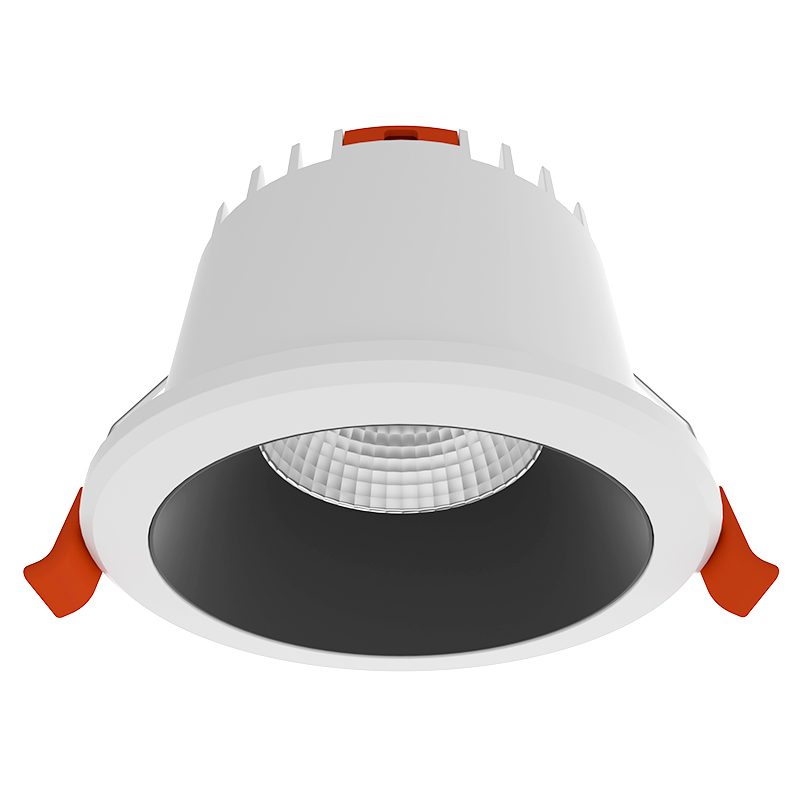
Younger Troffer Lights provides another product reference with a different body profile and appearance choices. The following information identifies characteristics that can be reviewed without transferring unconfirmed functions from another family.
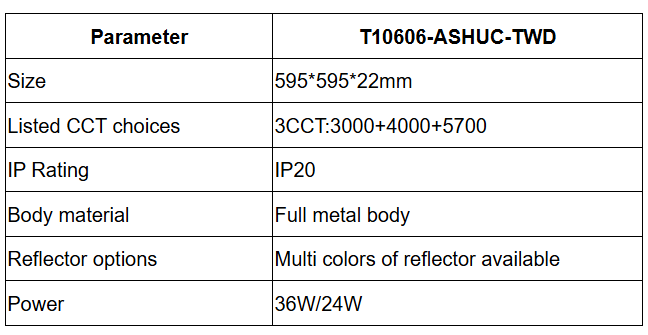
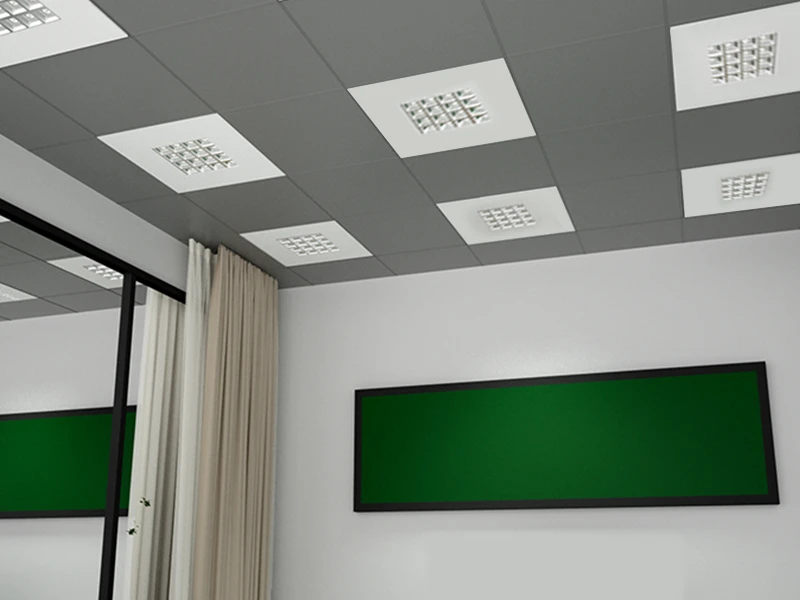
Reflector colour options concern the proposed appearance and should be identified in the sample review. They do not establish colour rendering performance or a specific distribution in the room. Keep the selected finish distinct from the technical evidence needed to assess lighting and installation requirements.
Ask for the actual mounting and electrical configuration before treating the product as suitable for the area. A shallow body and listed power options are useful starting information, but they do not answer every control or installation question. The chosen version should be connected to the application brief and the evidence reviewed, not merely to a preferred appearance.
When reviewing an LED Hospital Lighting Supplier, assess whether the response resolves the project’s practical questions. Can the proposed product be identified clearly? Are installation and operation addressed with relevant information? Are outstanding conditions acknowledged rather than obscured by a general claim? These questions help the project compare the substance of different responses.
At IMIGY Lighting, we recommend assessing an LED Hospital Lighting Manufacturer using this application based process. Begin with an identified Butterfly or Younger configuration, review the relevant tasks and views, then retain the supporting information and conditions attached to acceptance. This gives the project a usable selection reference while allowing different areas to receive different arrangements. The preferred proposal should fit the actual brief and make clear what has been confirmed before purchasing and installation proceed.
A useful application schedule should also show the reason for each proposed product choice. Identify the task or physical condition that the candidate is intended to address, then state how that question will be reviewed. If several areas use the same model, retain the different placement or operating requirements where relevant. This prevents a shared product name from becoming an assumption of identical application. During the sample discussion, include the people who understand the activities in the space as well as those checking the installation. Their observations can help distinguish a product question from a layout issue. Keep the resulting decision linked to the conditions reviewed, so that changes to furniture, use or installation can trigger a focused reassessment rather than an unexplained repetition of the earlier product choice.
Q: Should the same troffer layout be used in reception, waiting and patient areas when a project prefers one product family?
A: A shared family does not establish a shared layout. Activities, posture and installation conditions differ. Review each application using the intended configuration and identify which arrangements can genuinely be repeated. Keep the room requirements visible so that product consistency does not conceal a need for different placement or operation.
Q: Can a metal body or protection marking prove suitability for a specialised hospital environment or a particular cleaning requirement?
A: Not on its own. Those characteristics should be considered against the specific requirement, with appropriate supporting information for the selected version. State the actual conditions and review the evidence provided. Do not extend a general material description into a capability that has not been established.
Q: What makes a supplier response useful when some application requirements still need clarification?
A: It identifies the proposed configuration, distinguishes confirmed information from open questions and explains what evidence or review is needed next. This allows the project to make a defined decision. A broad assurance that everything is suitable is less useful than a response that addresses the actual tasks, installation conditions and acceptance requirements.
It is recommended that you upgrade the latest browser
 Chrome
 Firefox
 Edge