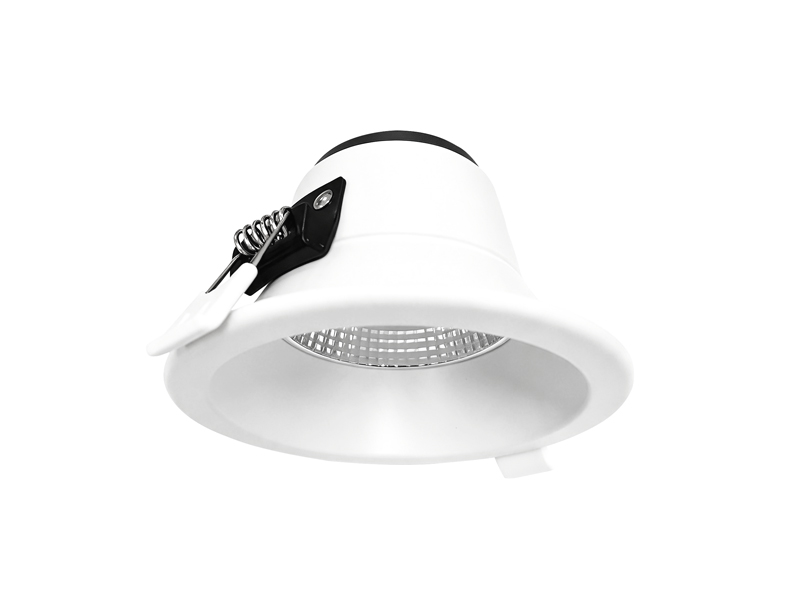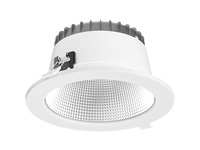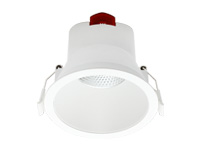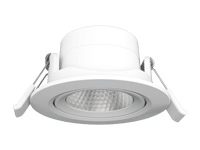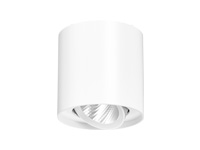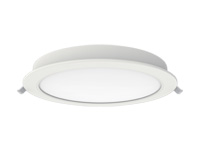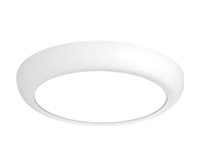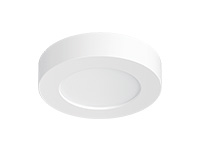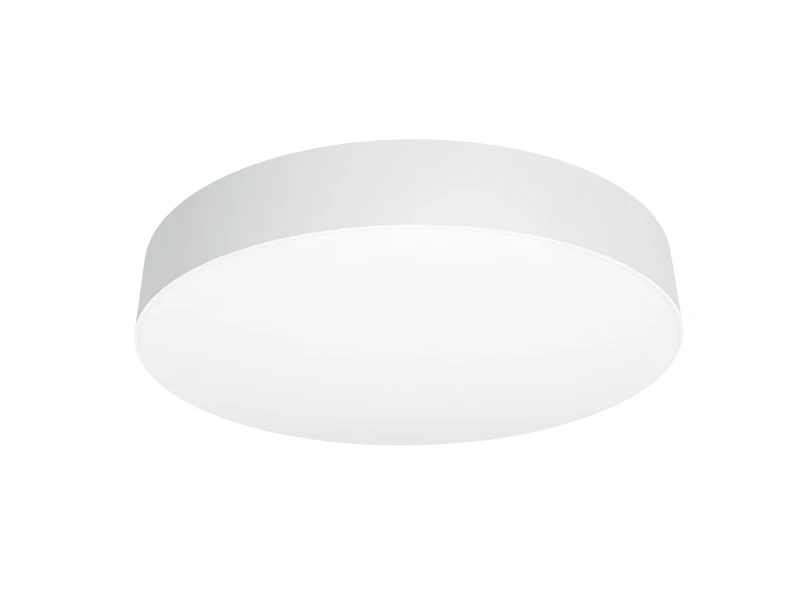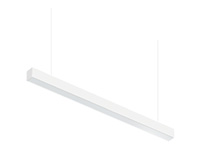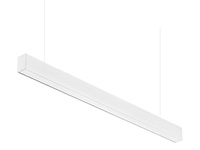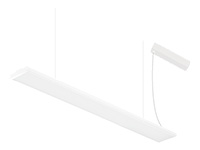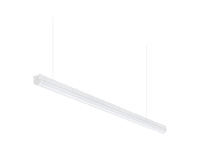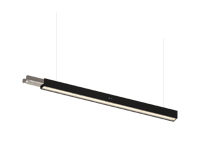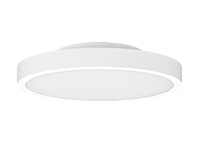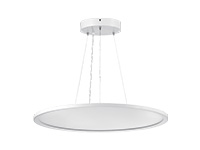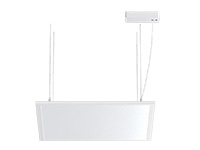

A building may contain several lighting problems at once: empty rooms remain illuminated, some work surfaces receive unsuitable light, and different ceiling types complicate replacement. Starting with a product list can hide those differences. At IMIGY Lighting, we recommend beginning with an area assessment and a clear description of what needs to change. Swan backlit panel lights and Swan slim backlit panel lights provide documented candidates once that brief is established. The assessment should help decide where a product replacement, layout review or control discussion is relevant, giving each proposed action a reason connected to the building’s actual use.
Start Energy Saving Lighting Solutions with a room inventory, an operating baseline and a record of lighting problems. Group areas by activity, ceiling conditions and usage pattern. Identify what each proposed change is intended to achieve before selecting products. Review a representative area and retain the exceptions that need a different response rather than treating the whole building as one identical installation.
Survey use and condition together. Separate operating waste from unsuitable distribution or installation constraints. Record fixture quantities and actual hours. Group similar areas, but keep differences visible. Assign each proposal a defined purpose and acceptance check. Product selection should follow the brief instead of becoming a substitute for understanding the building.
Walk the building with the people who know how its spaces operate. Record activities, occupied periods and the existing switching arrangement. Note where the current lighting is useful and where it causes problems. A room that is illuminated unnecessarily needs a different discussion from a room where the light is required but poorly distributed.
For Energy Saving LED Lighting, keep the baseline specific enough to support later comparison. Fixture ratings, quantities and operating patterns should belong to identified areas. If information is incomplete, record the gap rather than replacing it with an assumed schedule. The purpose is to understand the current arrangement, not to create a precise looking result from uncertain inputs.
Planning Energy Efficient LED Lighting also requires physical information. Identify ceiling modules, mounting methods and any installation restrictions relevant to the proposal. These conditions can affect which product arrangements are practical. Keep them alongside the task description so that an apparently suitable panel is not selected before its installation has been considered.
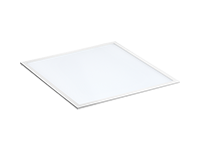
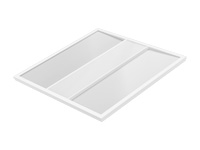
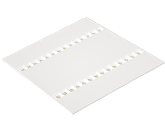
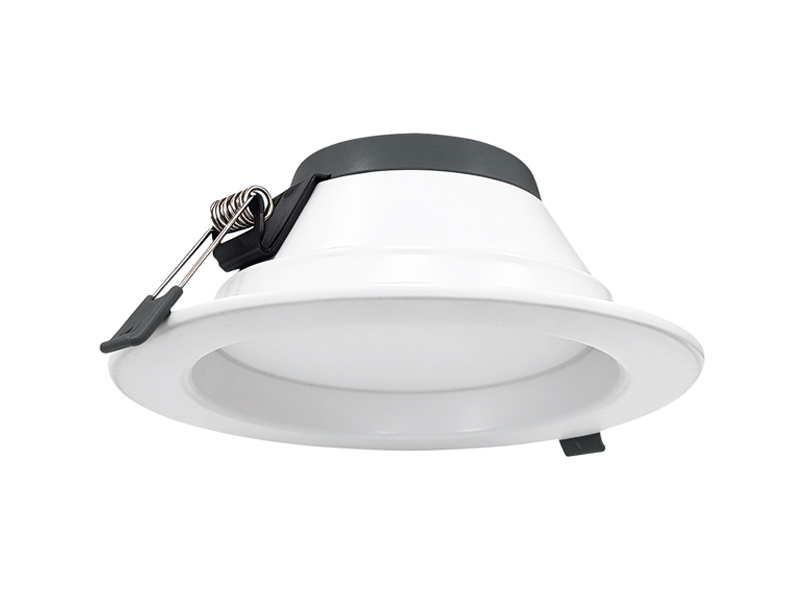
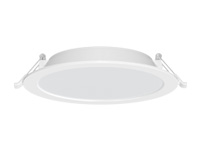
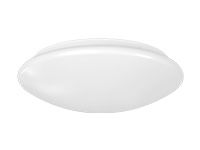
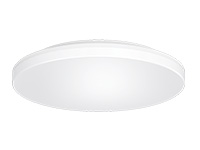
The selected Swan backlit panel lights example gives the planning team a defined model for a particular ceiling format. Its dimensions and electrical data can be reviewed against the recorded conditions once the area’s lighting task is clear.
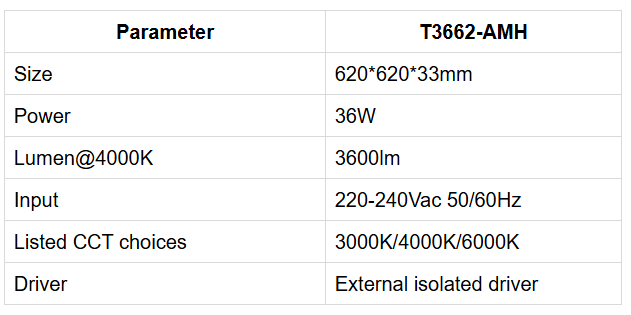
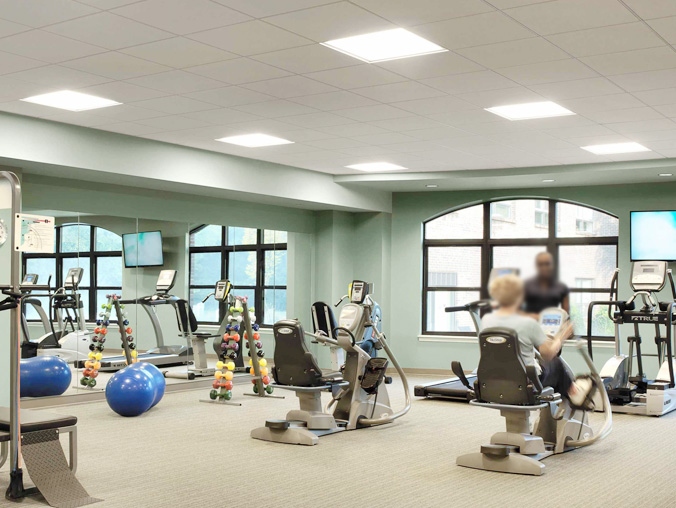
The Swan range describes backlit construction with PMMA lenses and no light guide plate. Recessed, suspended and surface mounting accessories are listed as available. Identify the arrangement required by the surveyed area and confirm the components involved. Do not turn a list of available accessories into an assumption that every mounting method is included with each product.
For planning purposes, assign this candidate a specific question: does its proposed layout provide the required light in the area being reviewed? The assessment should retain that question through sample selection and installation review. A product table helps define the candidate, while the layout connects it to the work undertaken below.
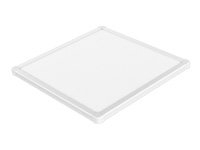
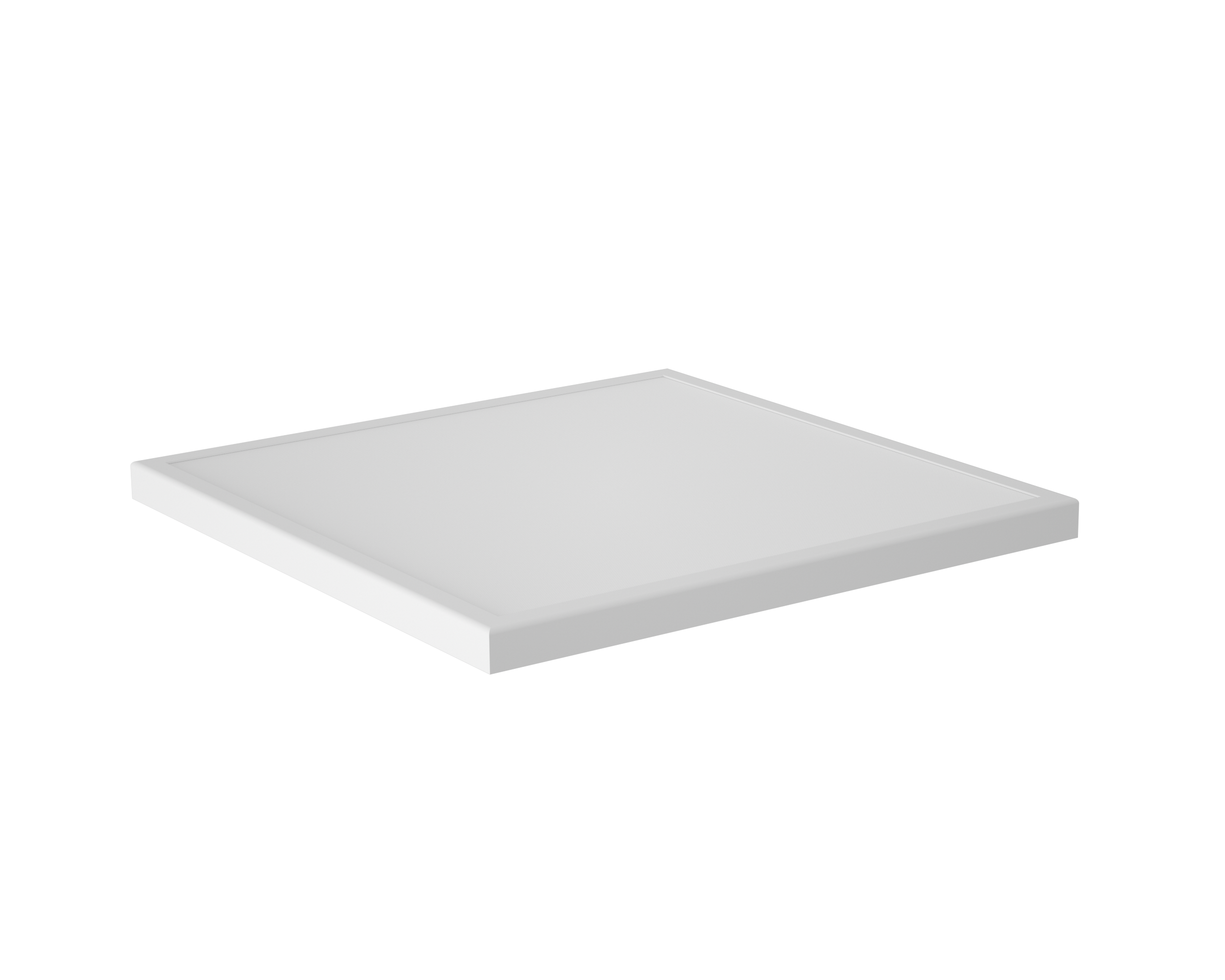
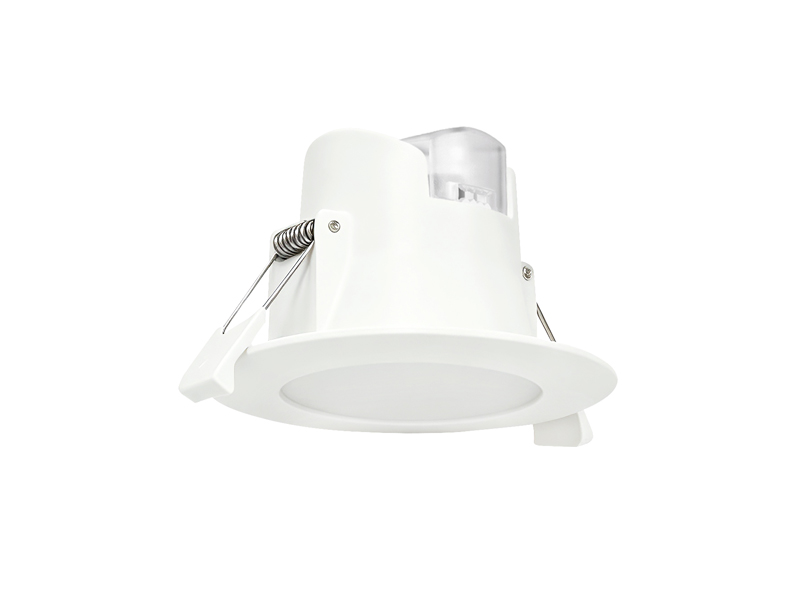
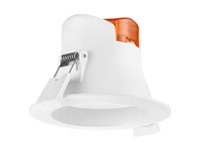
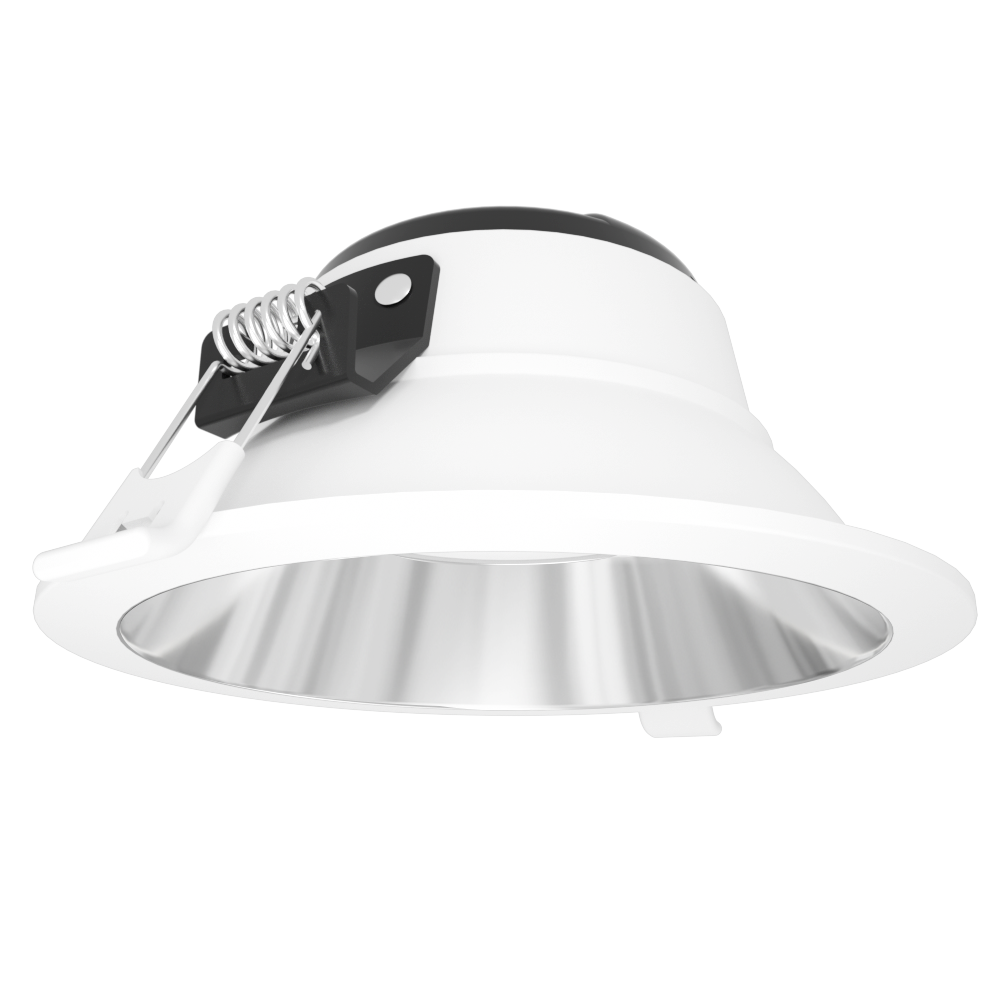
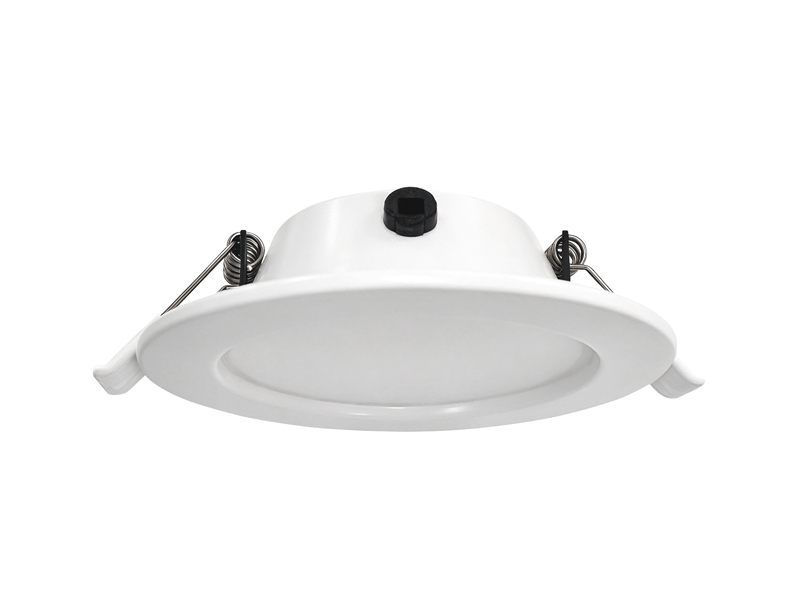
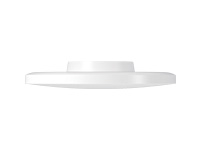
Swan slim backlit panel lights provides another documented reference for comparison. The selected code belongs to the Slim range and should remain linked to that range, rather than being merged with a similarly named standard Swan product.
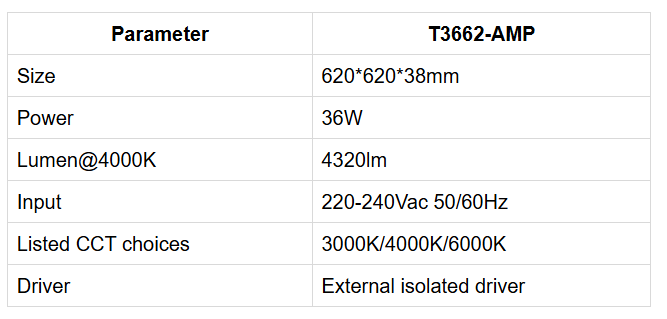

The Slim family describes a narrow frame and a backlit arrangement without a light guide plate. Its listed body dimensions still need to be assessed as part of the complete mounting system. A name suggesting slimness should not replace checking the actual depth, external driver accommodation and chosen accessories.
The two selected examples have different listed outputs at the same nominal power. Keep those figures attached to their respective codes, then assess the layout each would require. A higher output is selection information, not proof that the product is the right answer for every surveyed room or that it will deliver a particular building level saving.
Review High Efficiency LED Lighting candidates only after defining the task and installation conditions. Identify whether the proposal addresses output, distribution, operating pattern or another recorded issue. If several changes are combined, describe them separately so that the project can understand what is being assessed during the trial.
At IMIGY Lighting, we recommend evaluating High Efficacy LED Lighting within a staged plan. Begin with a representative area, use an identified Swan or Swan Slim configuration and check the result against the original brief. Record the accepted layout and any area specific exceptions. This gives the wider proposal a consistent basis while allowing different rooms to receive different responses. A useful assessment turns observations into defined decisions and keeps product selection connected to the outcomes the building needs.
Give each group of rooms an assessment owner and a clear list of questions to resolve. The person confirming the ceiling condition may need different information from the person describing occupied hours. Combining those findings in one area record helps prevent product selection from moving ahead while a practical constraint remains unknown. Before extending the plan, compare the proposed trial with the conditions represented by the group. Where a room differs, describe the difference and decide whether it affects the product, layout or operation. This keeps the assessment manageable without assuming that grouping rooms removes the need to check meaningful exceptions or changes discovered during the project.
Update the area record when an important condition changes later.
Q: Should an assessment begin by choosing the same replacement panel for every room in the building?
A: Begin with activities, operating patterns and physical conditions instead. Several rooms may eventually share a product, but that should follow the assessment. Keep differences such as ceiling format, workstation layout and control requirements visible. A repeated product choice does not establish that every room needs the same fixture count or arrangement.
Q: How can the assessment distinguish unnecessary operation from a problem with the light delivered to a task?
A: Record when illumination is needed and separately inspect where it is received. An empty room remaining lit concerns operation, while a poorly lit task may concern output or distribution. The proposal should identify the issue and the intended response, rather than assuming that a lower power panel resolves both.
Q: What should be retained after a representative area has been reviewed successfully?
A: Keep the model, configuration, mounting arrangement, layout and operating conditions together with the acceptance observations. Identify which other areas share those conditions and which differ. This allows the trial to support a wider plan without treating it as proof for rooms that were not represented by the review.
It is recommended that you upgrade the latest browser
 Chrome
 Firefox
 Edge