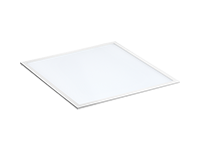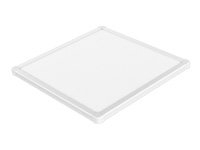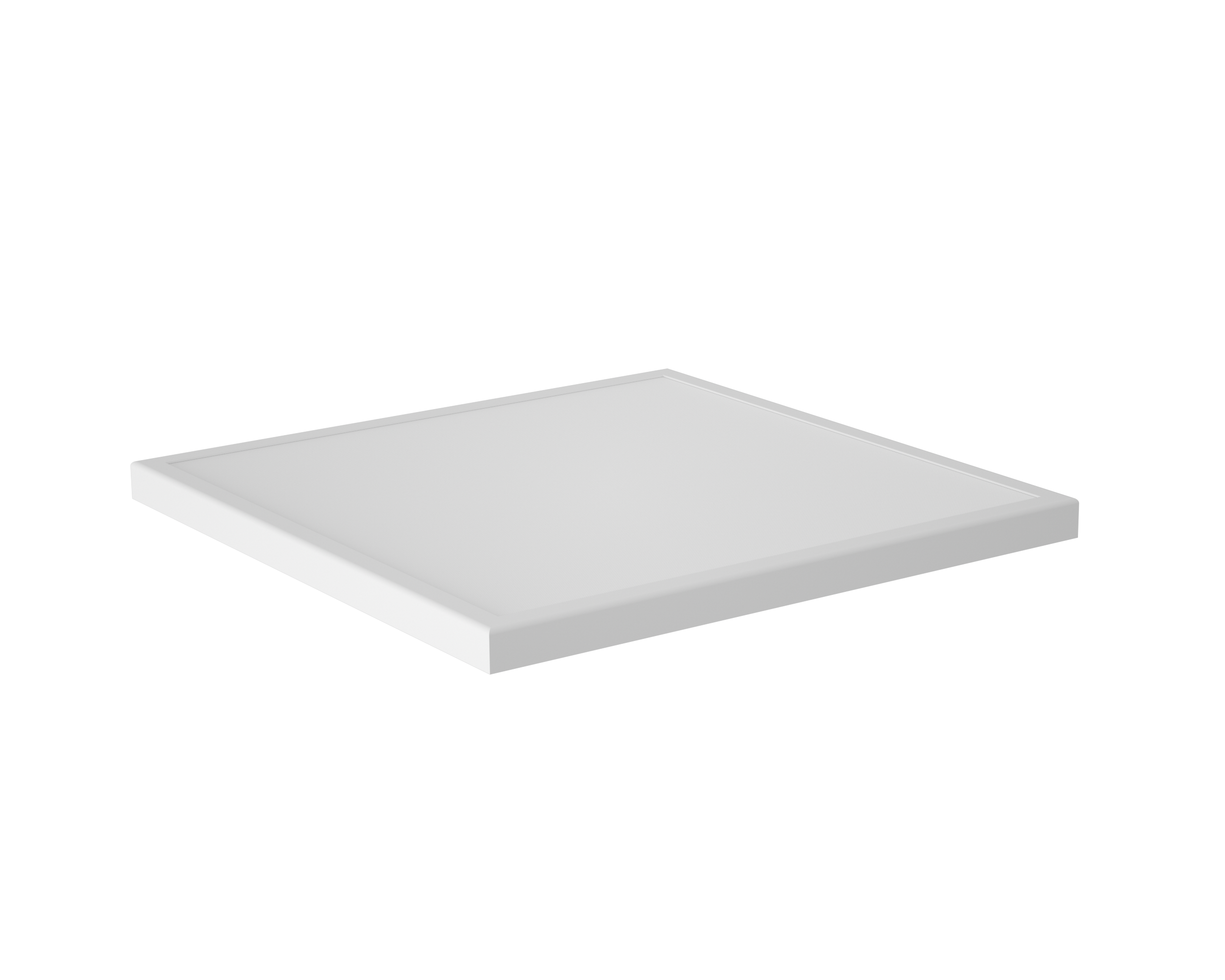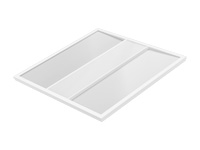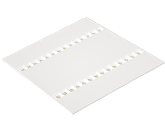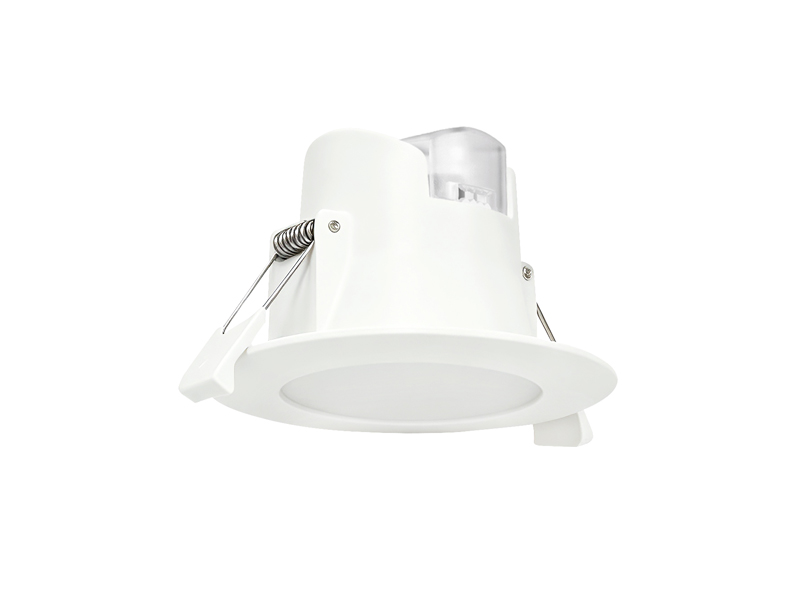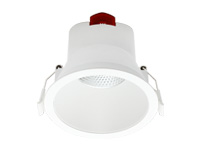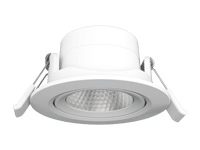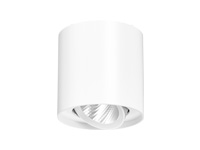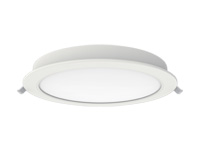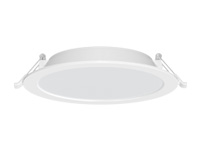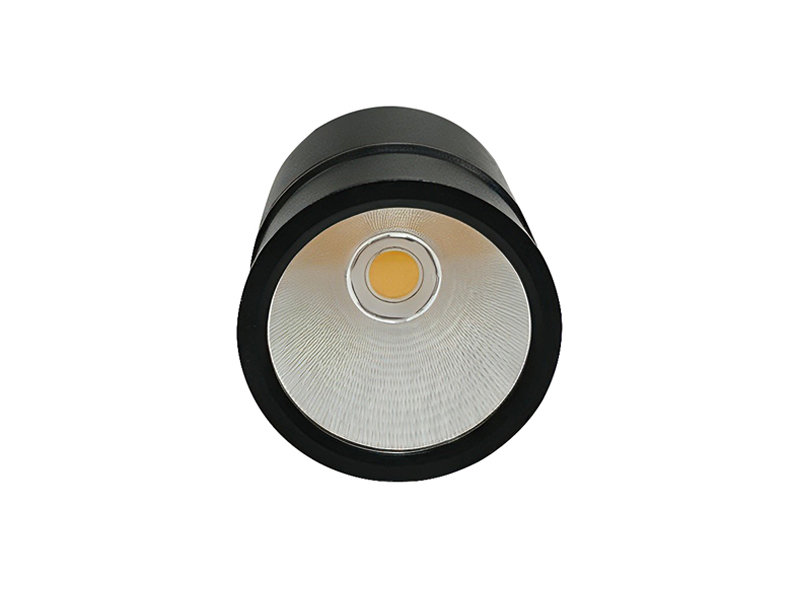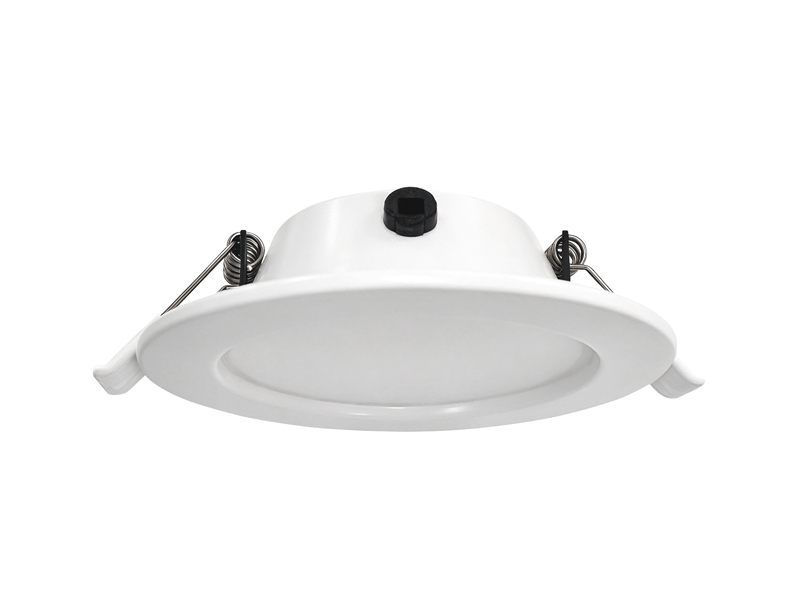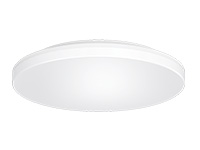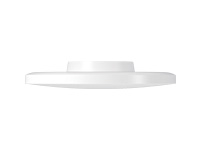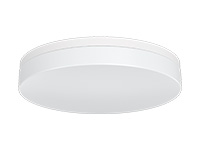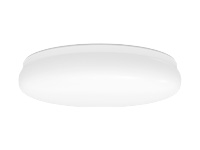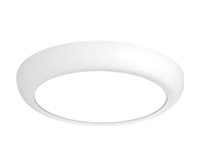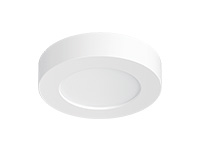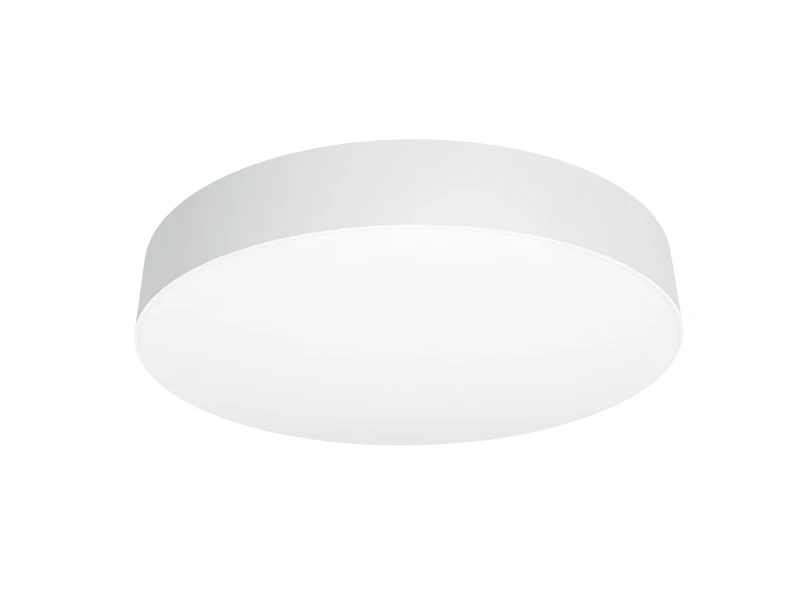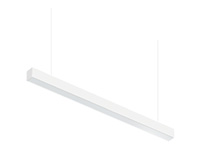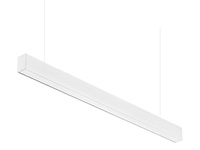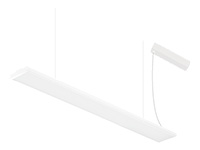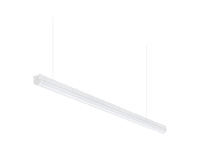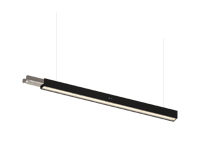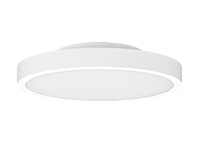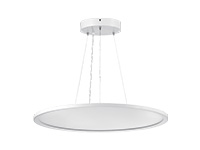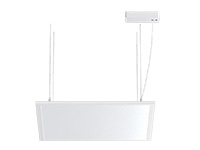

Rooms rarely remain occupied in exactly the same way throughout a working day. A meeting room may alternate between discussions and empty periods, while a nearby workstation remains in use. AtIMIGY Lighting, we recommend defining those patterns before discussing sensors. Our Fairy edgelit panellights and Cloud Ceiling Panel Lights offer documented product references with different driver options described in their range information. They provide a basis for configuring the lighting side of a proposal, while the sensing device, coverage and operating sequence need separate confirmation. The aim is useful operation that follows the space, rather than adding a sensor without a clear purpose.
To make Energy Efficient LED Lighting respond to occupancy, define the required detection area and lighting behaviour, then match the sensor or controller with a confirmed driver configuration. Check entry, quiet occupancy, departure and manual operation. Do not infer an integrated occupancy sensor from a dimming option or assume that every driver supports the same response.
Describe occupancy before selecting the sensing arrangement. Separate detection from the driver that operates the light. Define which fixtures should respond together. Include people who remain seated with little movement. Confirm manual operation and review the actual sequence in the completed room, using the furniture and partitions expected in service.
Begin with the activity rather than a sensor type. Record where people enter, where they remain and which neighbouring areas should operate independently. For a meeting room, discuss both arrival and a quiet seated discussion. For circulation space, review the route and its approaches. These observations help define the detection requirement without assigning an unsupported coverage claim to a product.
Effective Energy Saving Lighting Solutions also need an agreed departure sequence. Specify whether the intended response is switching, dimming or another confirmed operating arrangement, and what an occupant should be able to change manually. Exact settings should follow the selected control equipment and the room trial; copying an arbitrary delay from another installation may not suit the activity.
Keep Energy Saving LED Lighting claims connected to actual operation. A sensor does not establish a quantified saving merely by being present. The previous operating pattern, occupied periods and confirmed response all influence the assessment. First check that the system supports people using the space, then evaluate energy use against the relevant baseline.
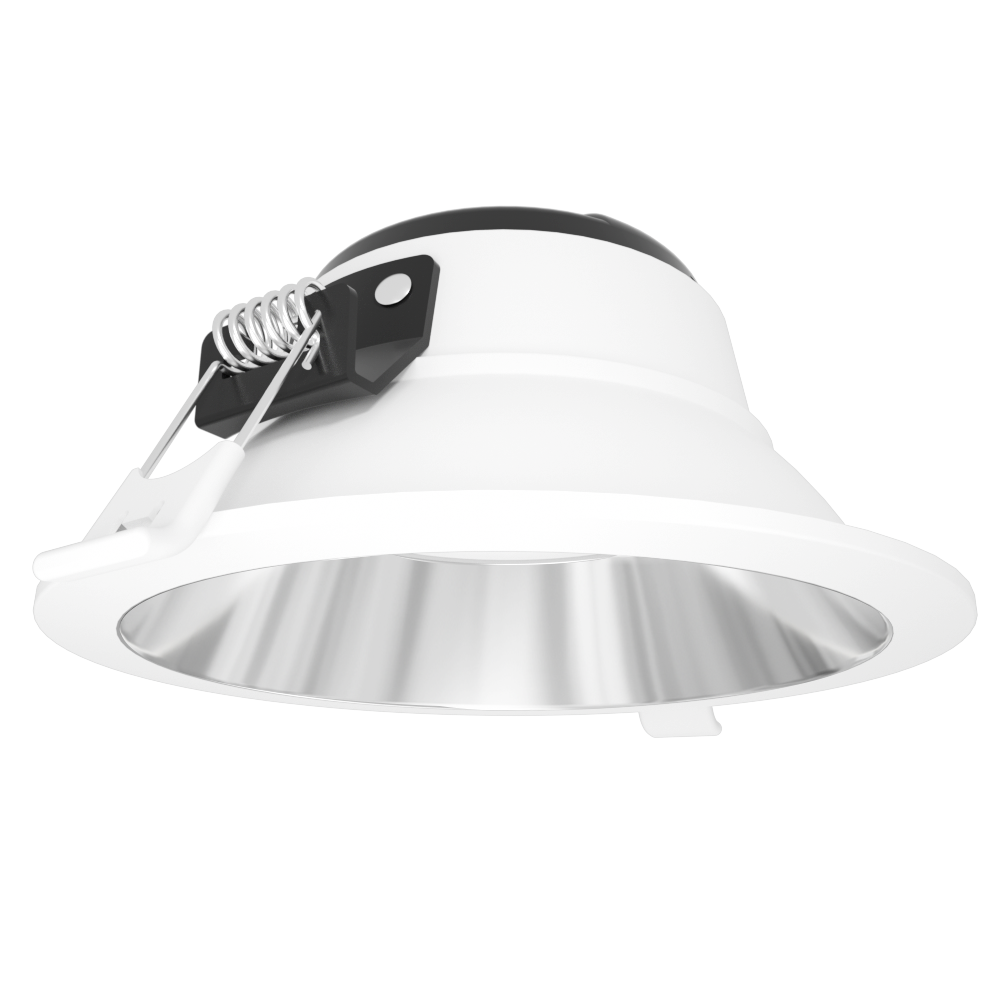
The selected Fairy edgelit panellights example identifies a specific electrical and physical configuration. Its table provides a starting reference for the fixture, while the intended control version should be confirmed as part of the system discussion.

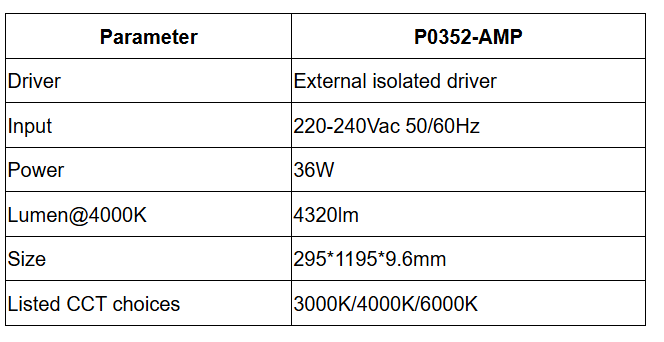
The Fairy range describes ordinary switching, one to ten volt dimming and DALI dimming options. These are alternative configurations to clarify, not functions established for every unit by the table alone. Identify the required driver and the interface used by the proposed sensor or controller before deciding that the two are compatible.
Also confirm where the external driver and any separate control equipment will be accommodated. The slim panel body does not define the total installation assembly. Keep access and the selected mounting arrangement in the plan, so that the control proposal can be installed and reviewed as a complete configuration.
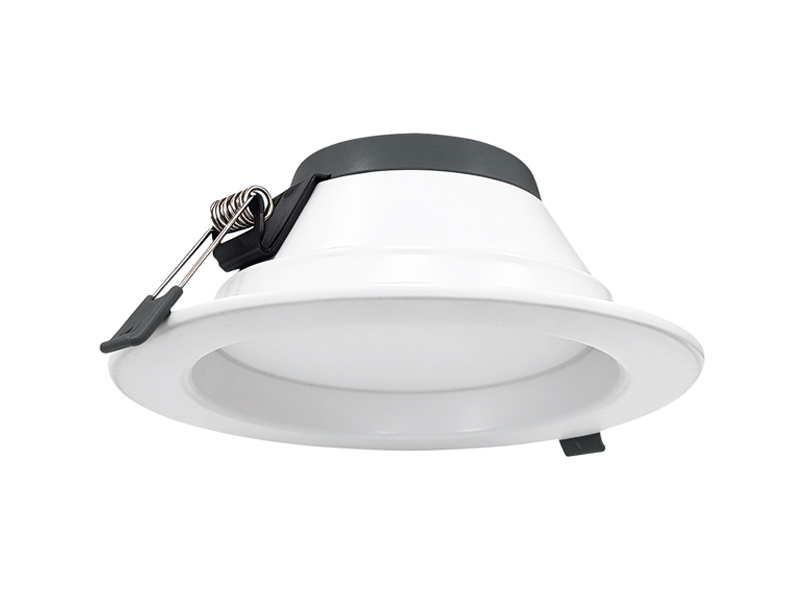
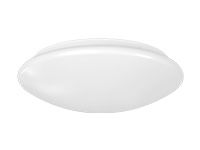
Cloud Ceiling Panel Lights provides another model reference for the same control planning process. The product information describes direct surface mounting and alternative driver arrangements at range level, allowing those requirements to be raised explicitly during selection.

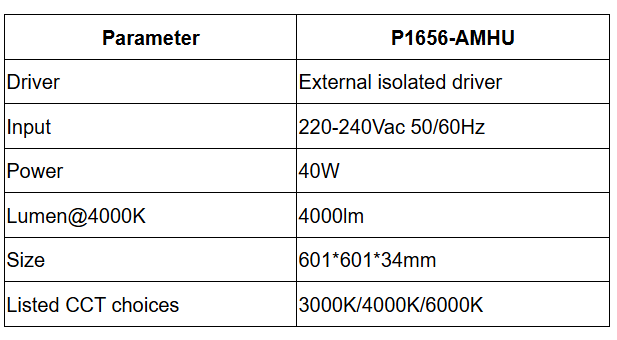
Confirm the actual mounting components and the chosen driver version for the proposed configuration. A listed DALI or analogue dimming option does not establish that a sensor is built into the panel. The detection device and its connection to the lighting control arrangement should be identified separately, with the operating relationship checked before installation is repeated.
For a room divided by furniture or partitions, review which lights should respond to each occupied area. A shared response may be useful in one layout and inconvenient in another. The selected fixture’s output and body dimensions help define the lighting proposal, while the zone boundaries need to follow the room’s activities and confirmed control design.
When evaluating High Efficiency LED Lighting, include the lighting state reached after detection, not only the nominal power of the fixture. Check whether the required tasks remain supported and whether the transition is understandable to users. Any proposed reduced level should be assessed in the actual arrangement rather than assumed suitable from the product name.
At IMIGY Lighting, we recommend reviewing High Efficacy LED Lighting and occupancy controls as related but separate choices. Use an identified Fairy or Cloud fixture, a confirmed driver and a defined control sequence. Test arrival, quiet activity, departure and manual operation, then record the accepted settings. This connects a clear product configuration with the behaviour the room needs and gives the project a practical basis for subsequent energy assessment.
A boundary check is especially useful where one occupied zone sits beside another with a different activity. Test whether entering the first area produces only the intended response, and observe what happens while a person remains in the neighbouring area. Also check how manual operation interacts with the confirmed automatic sequence. These checks should follow the available equipment functions, rather than introducing assumed capabilities during the trial. Record the accepted behaviour in ordinary language as well as the settings, so that the people using the room understand what the system is intended to do. This helps distinguish an equipment setting issue from a mismatch between the control brief and the actual activity.
Retain the approved sequence for future reference.
Q: Does selecting a dimmable panel mean an occupancy sensor is included and ready to operate?
A: No. Dimming describes a possible driver capability, while occupancy detection requires an identified sensing arrangement. Confirm the actual driver, sensor or controller and their interface. Establish the intended behaviour separately, so that the specified configuration does not rely on a function inferred from a general product description.
Q: How should a room be checked when people may sit quietly for an extended activity?
A: Include that activity in the review rather than testing only a person walking through the entrance. Use the planned furniture positions and observe whether the confirmed arrangement maintains the required lighting. Adjust available settings according to the selected equipment, then repeat the relevant activity before accepting the sequence.
Q: Can one sensor control neighbouring rooms or zones simply because they use the same panel model?
A: The product model does not determine the appropriate detection area. Review the activities, partitions, approaches and intended independence of each zone. Confirm the control arrangement that can provide the requested behaviour, and test the boundaries so that use in one area does not produce an unintended response in another.
It is recommended that you upgrade the latest browser
 Chrome
 Firefox
 Edge