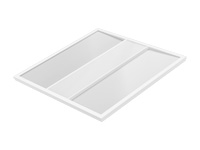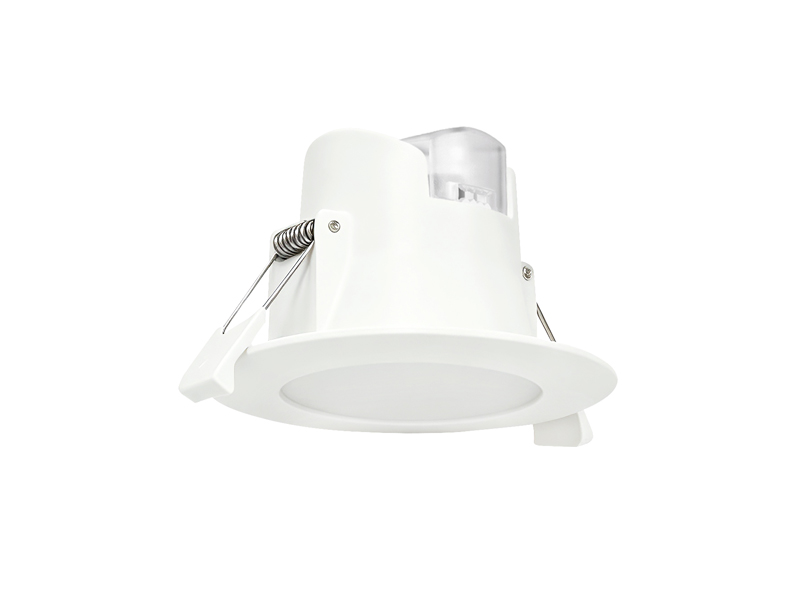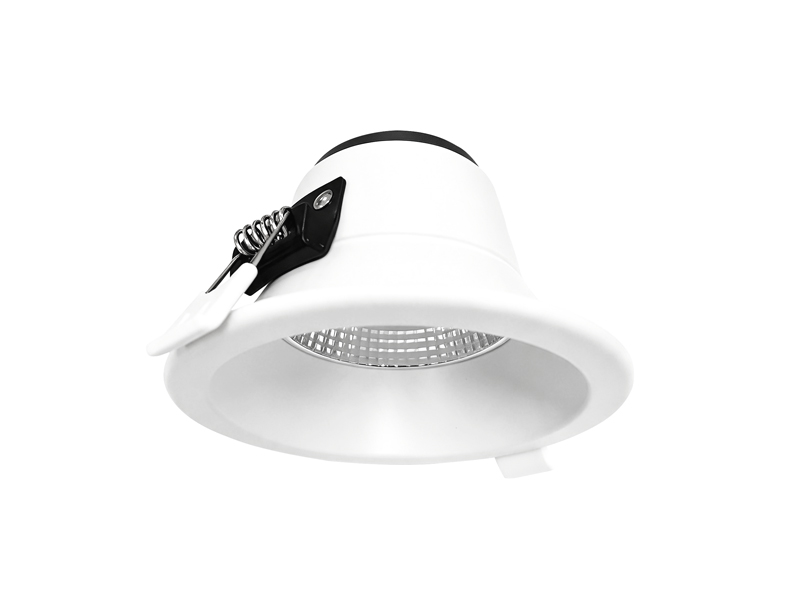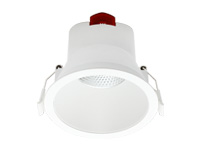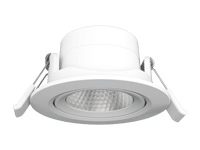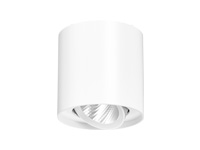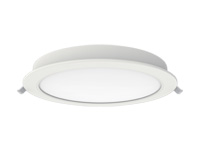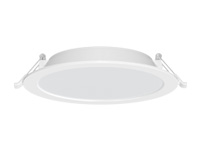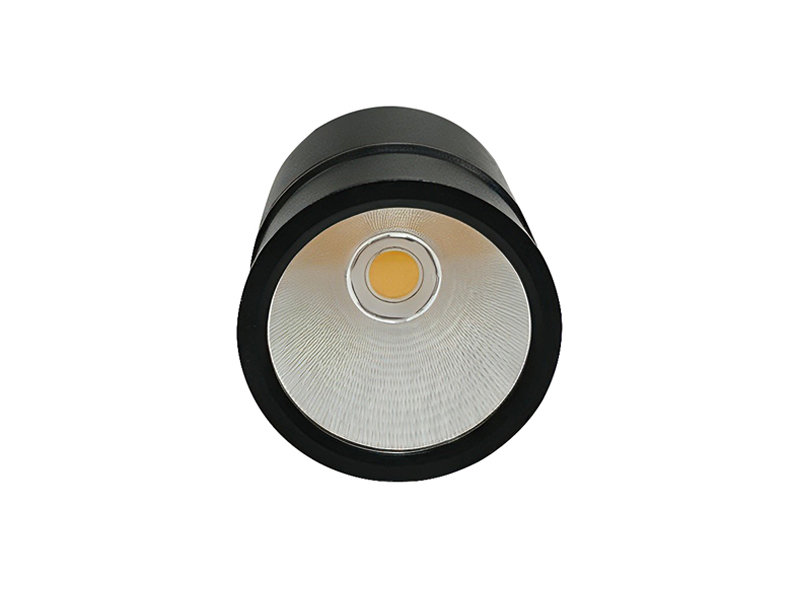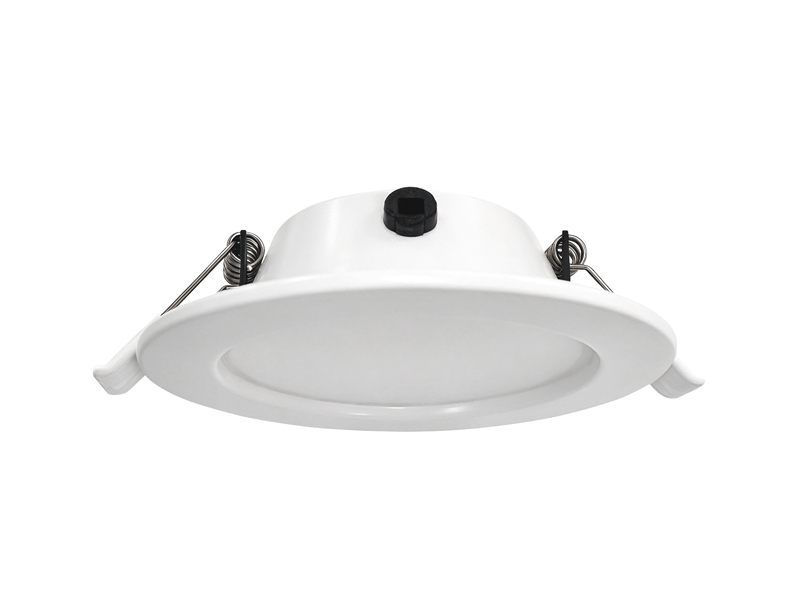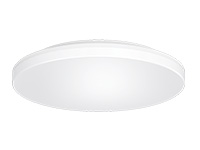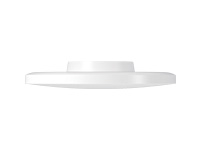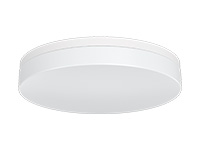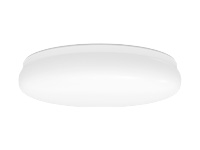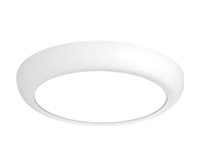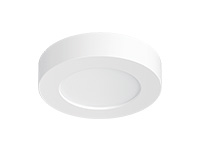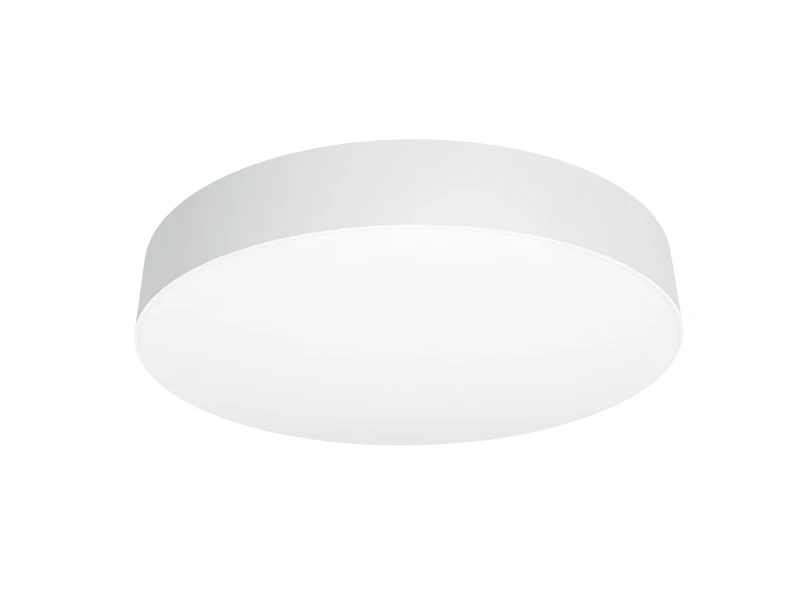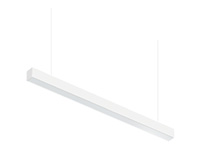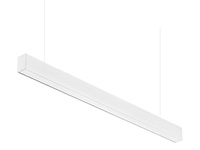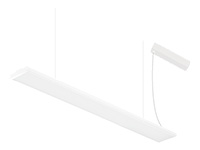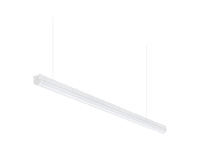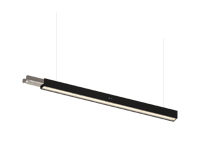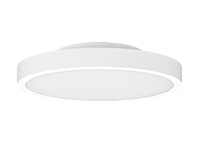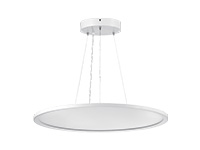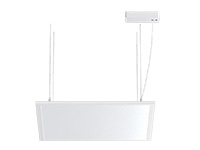

A strong lumen figure can attract attention without answering whether a panel is right for the room. Output, power, distribution, colour characteristics and installation conditions describe different aspects of performance. At IMIGY Lighting, we recommend comparing them together and retaining the exact product configuration behind each figure. Our Swan slim backlit panel lights and Cloud V2 Ceiling Panel Lights offer useful examples: the selected models list the same power and output, while their beam angles and body shapes differ. Those differences help explain why a meaningful evaluation needs more than one efficiency headline.
Evaluate High Efficiency LED Lighting by matching exact power and output figures, retaining their stated conditions and assessing the distribution needed by the room. Review colour rendering, physical dimensions and the intended installation separately. Two products with the same nominal efficacy can still lead to different layouts and different views from occupied positions.
Keep power and output attached to the correct code. Compare like operating conditions. Treat distribution and source visibility as separate questions from efficacy. Review colour data without inferring unlisted characteristics. Check the mounting arrangement and assess a representative layout before deciding which product provides the performance required by the project.
Start with the lighting task and the surfaces that need illumination. A product can have an attractive output to power relationship while distributing its light differently from another candidate. The layout needs to connect that distribution with actual positions, not merely with the total area written on the room schedule. Retain both the product data and the proposed arrangement during evaluation.
For High Efficacy LED Lighting, make sure any calculated comparison uses the correct model figures and the same stated conditions. A ratio derived from rated output and power is not a measurement of the useful light reaching every task. Avoid allowing a single comparison column to replace the assessment of the complete installation.
When evaluating Energy Efficient LED Lighting, also ask what the available colour information actually establishes. Colour temperature choices and the listed colour rendering figure should remain separate entries. Neither confirms every additional aspect of light quality a project might require. Where further evidence is needed, identify the requirement and request information connected to the selected configuration.
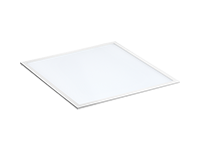
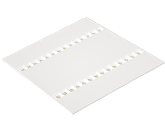
The selected Swan slim backlit panel lights example provides a rectangular product reference with a documented distribution. Keep this version distinct from the standard Swan backlit range, even where similar naming or codes appear in the catalogue.
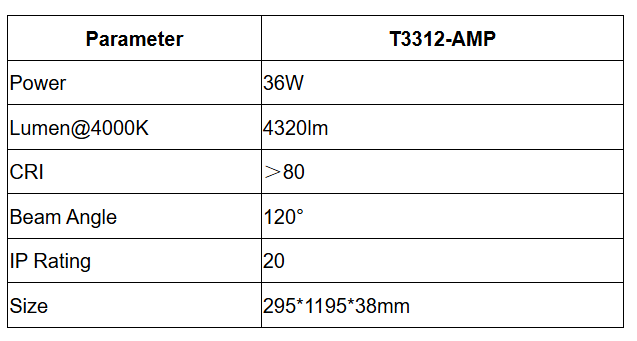

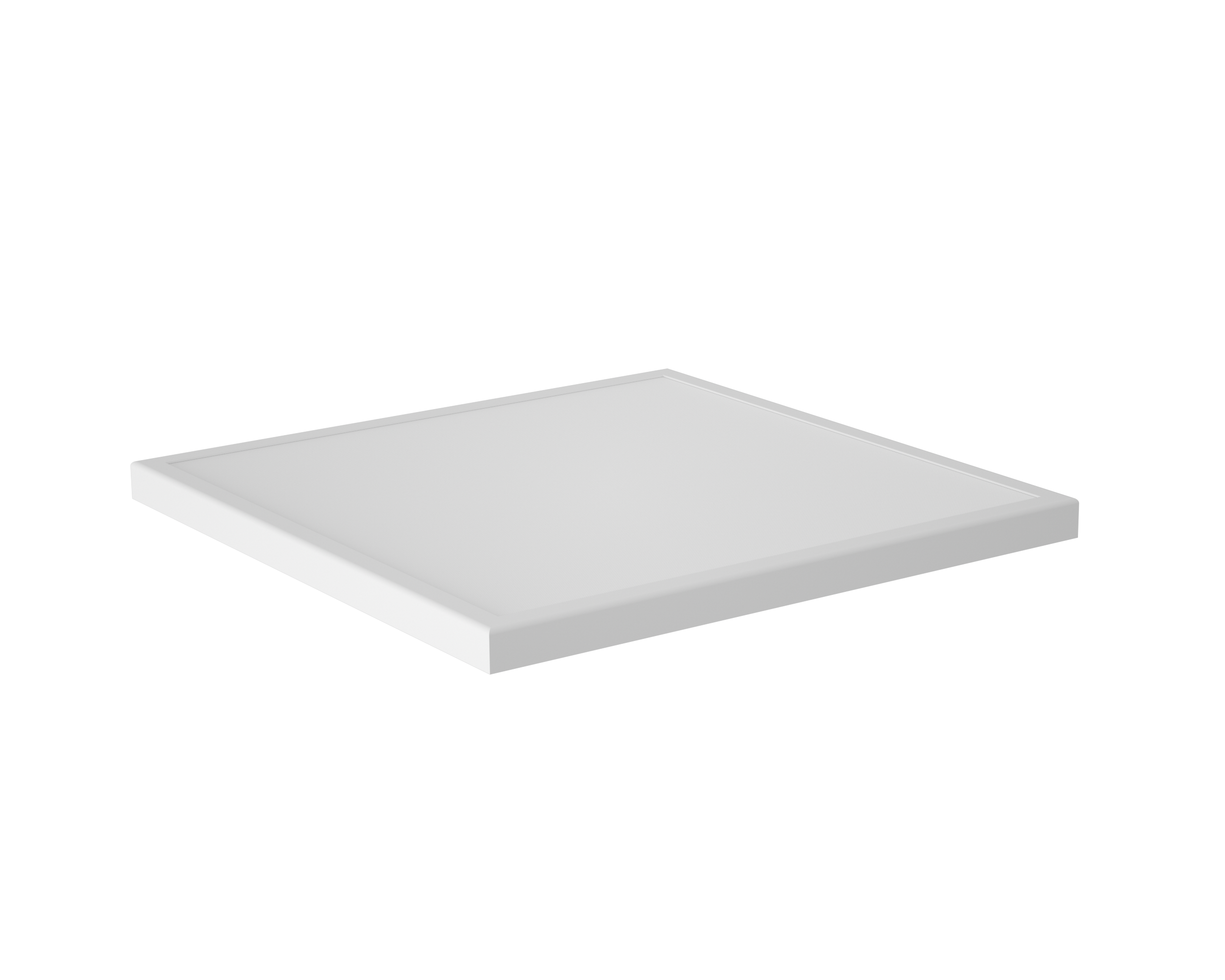
The Swan Slim family describes a backlit construction with PMMA lenses and no light guide plate. Recessed, suspended and surface mounting accessories are listed as available. Confirm the actual assembly for the intended installation; a family description of a slim frame does not mean the complete assembly has the same depth as another product.
Review the selected distribution against the arrangement of workstations or circulation. A wider listed beam angle does not automatically guarantee uniformity, and it does not establish how comfortable the source will appear from every direction. Product selection should retain the room geometry and the positions people use when assessing the result.
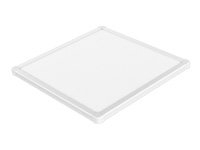
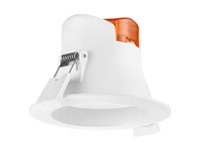
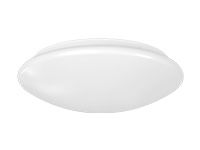
Cloud V2 Ceiling Panel Lights provides a second reference with the same listed power and output as the Swan Slim example. Its different body format and beam angle make it a useful reminder that matching headline figures do not establish an interchangeable lighting arrangement.
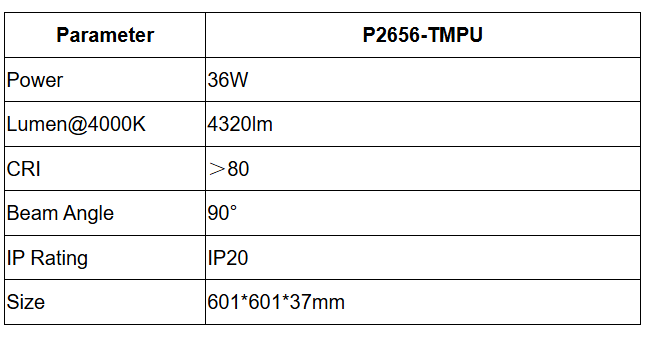

The table identifies this specific model and its listed dimensions. Do not borrow mounting details or optional functions from the original Cloud range simply because the names are related. Confirm the relevant installation information for Cloud V2 and keep any outstanding accessory or control questions visible during the evaluation.
Assess the proposed positions using the product’s own distribution information. A narrower listed angle is not inherently better or worse; its usefulness depends on where light is needed and how fixtures are arranged. If the layout changes between candidates, compare those complete layouts rather than treating a different fixture pattern as though only the product name had changed.
For Energy Saving LED Lighting, retain the intended operating arrangement alongside the product comparison. Rated fixture performance and hours of operation answer different questions. A choice based on the required lighting, suitable installation and confirmed operation gives a clearer basis for assessment than assigning a general energy saving conclusion from one catalogue figure.
At IMIGY Lighting, we recommend building Energy Saving Lighting Solutions around an identified Swan Slim or Cloud V2 configuration and a reviewed layout. Record why the selected distribution, dimensions and available colour data suit the task. Test the important views and receiving surfaces, then retain any conditions attached to acceptance. This approach makes the decision understandable to the installation team and gives later substitutions a defined performance reference instead of an ambiguous request for an efficient panel.
Keep the comparison conditions visible when presenting a preferred candidate. If one proposal assumes another mounting height or changes the fixture positions, those are layout differences that belong in the decision. Similarly, a sample using another optical or driver configuration should be identified before its observations are applied to the scheduled product. A useful review can explain both what was checked and why it matters to the intended task. This makes it easier to reconsider a selection when furniture moves or a substitution is proposed, because the original reasoning remains attached to a specific configuration and arrangement. It also prevents a performance discussion from gradually becoming a comparison of different conditions without anyone recognising the change.
Repeat the relevant checks when those conditions change.
Q: If the two selected panels list the same power and lumen output, should they produce the same result in a room?
A: Not necessarily. The listed distributions and body formats differ, and the installation arrangement also affects where light is received. Compare each specific model in the proposed layout. Equal headline figures do not prove equal task illumination, identical fixture spacing or the same view from occupied positions.
Q: Can a high efficacy figure replace the need to review colour characteristics and visual comfort?
A: No. Efficacy describes output in relation to power under the stated conditions. Colour information and source visibility require their own assessment. Use the documented data without inventing additional quality metrics, and check the relevant views in the room before concluding that a particular product satisfies the wider brief.
Q: What should be checked when a proposed substitute matches the original panel’s wattage but changes its distribution or dimensions?
A: Revisit the affected layout and installation conditions. Check how the new distribution relates to work surfaces and occupied views, and confirm the physical assembly. Keep the substitute’s own output and configuration identifiable. Acceptance should follow the project requirements rather than a match in the wattage column alone.
It is recommended that you upgrade the latest browser
 Chrome
 Firefox
 Edge