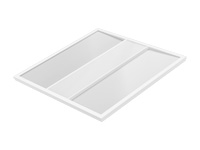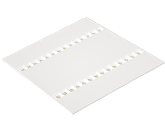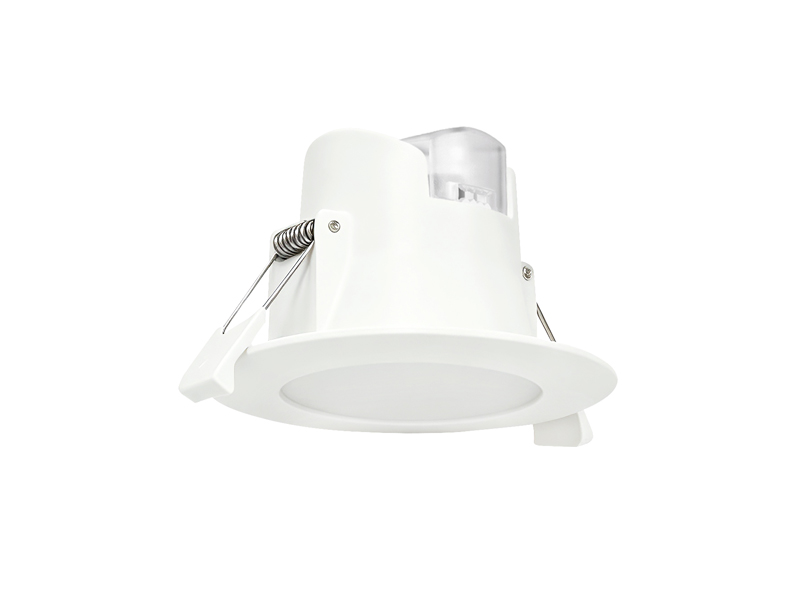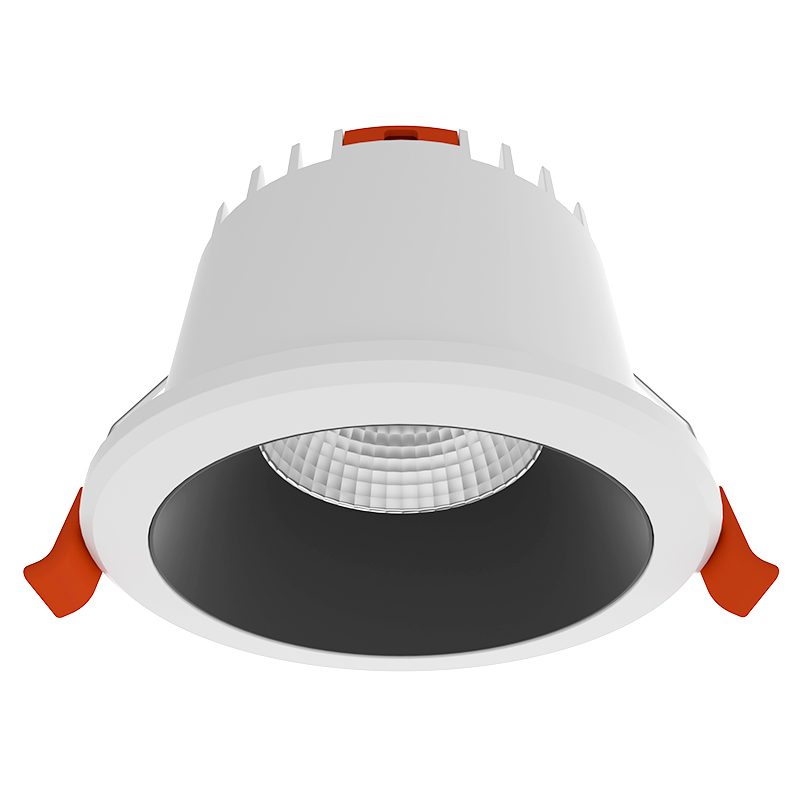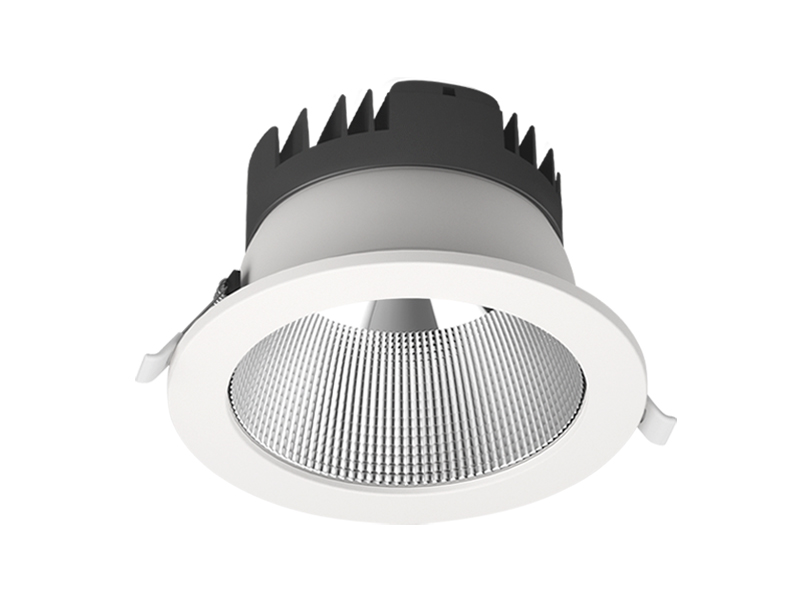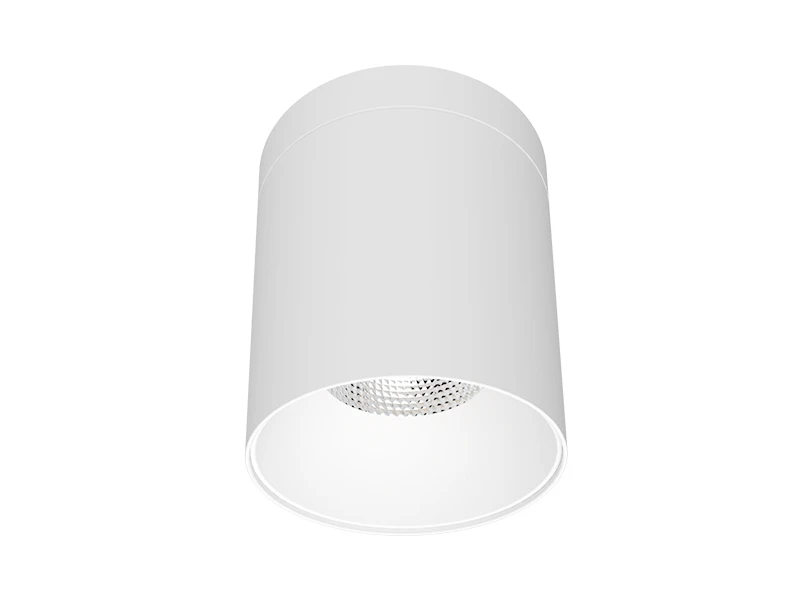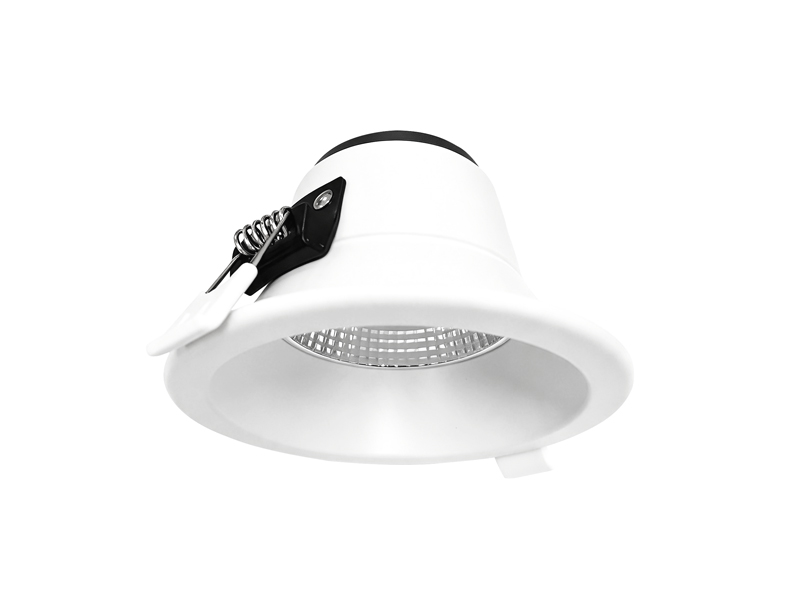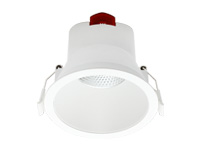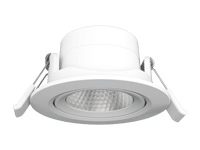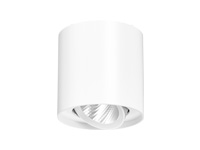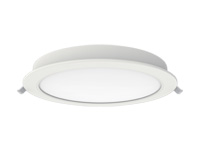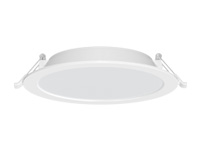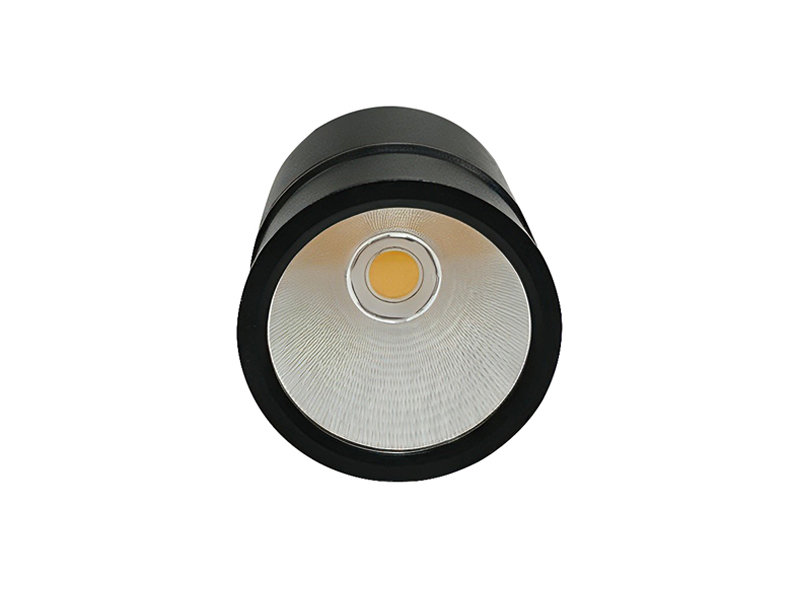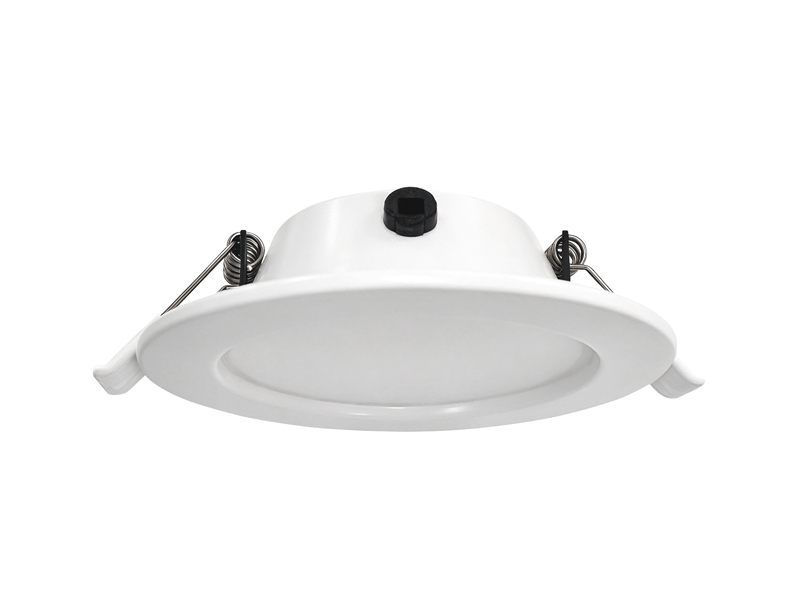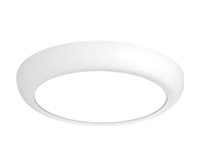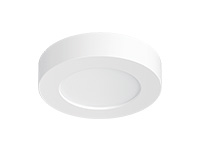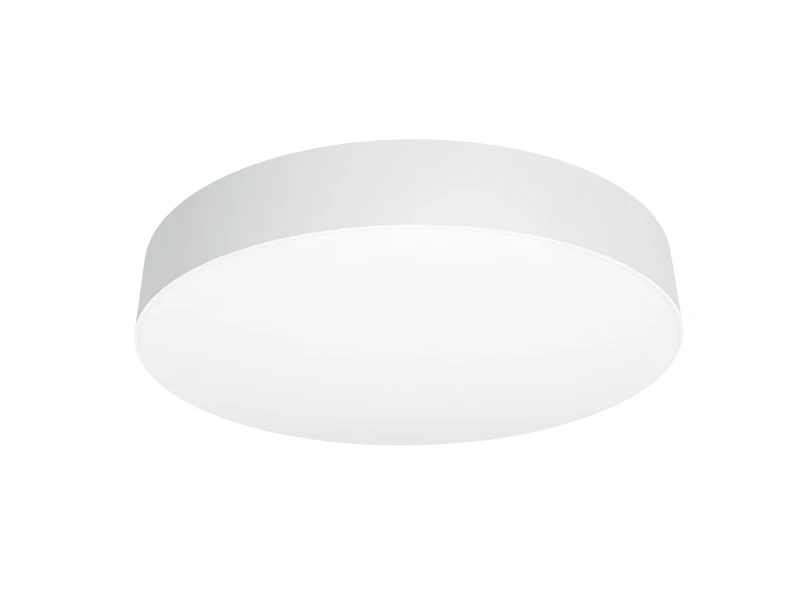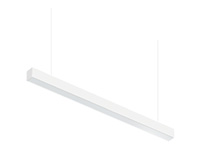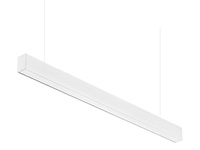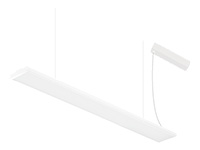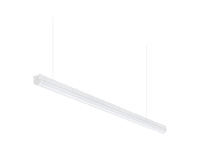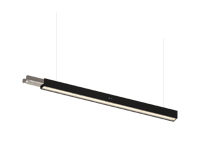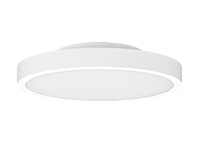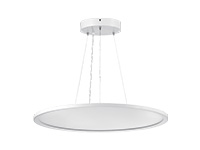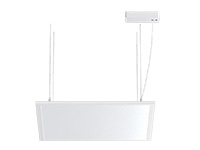

A panel’s lumen output describes the light emitted by the product under its stated conditions. It does not tell a designer exactly how much reaches a desk, a circulation route or another receiving surface. At IMIGY Lighting, we recommend connecting the product data with the room geometry and fixture arrangement before judging usefulness. Cloud Ceiling Panel Lights and Cloud V2 Ceiling Panel Lights provide two documented examples with similar rectangular formats but different listed outputs and powers. Their comparison helps explain why useful illumination depends on the complete arrangement, even when catalogue figures appear easy to rank.
Assess High Efficacy LED Lighting using the exact product distribution, proposed positions and surfaces that need illumination. Review room height, finishes and occupied views alongside power and output. A favourable output to power relationship does not guarantee that every task receives suitable light, and a listed beam angle does not supply a complete spacing rule.
Begin with the receiving surfaces rather than total lumens alone. Use the specific model’s distribution information. Review fixture positions with the room geometry and finishes. Inspect bright sources and reflections from occupied positions. Compare complete layouts and retain the intended operating state when checking whether the delivered light is useful.
Identify what needs to be seen and where it is located. A desk, a wall sign and a walking route present different receiving surfaces. Their relationship to the ceiling fixtures matters. A room wide lumen total can conceal an unsuitable position or a layout that gives an unused area more attention than the activity the proposal is meant to support.
For High Efficiency LED Lighting, obtain the relevant distribution information when assessing a layout. The listed beam angle is useful catalogue data, but it does not describe every aspect of the light pattern. Ceiling height, spacing and surface characteristics also affect the arrangement. Avoid deriving one universal installation distance from the angle and applying it to unrelated rooms.
Evaluate Energy Efficient LED Lighting from the observer’s side as well. A surface can receive light while a visible source or reflection remains distracting. Check seated and standing views appropriate to the activity. An adjustment should be reviewed against both the useful illumination and the resulting view, rather than assuming that one has improved whenever the other changes.
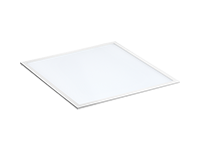
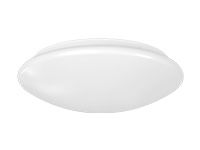
The following Cloud Ceiling Panel Lights example provides a defined output, power and body size for the layout discussion. Keep those figures attached to this specific code instead of treating all rectangular Cloud products as identical.
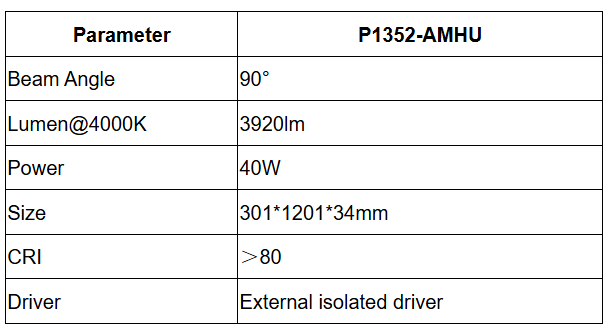
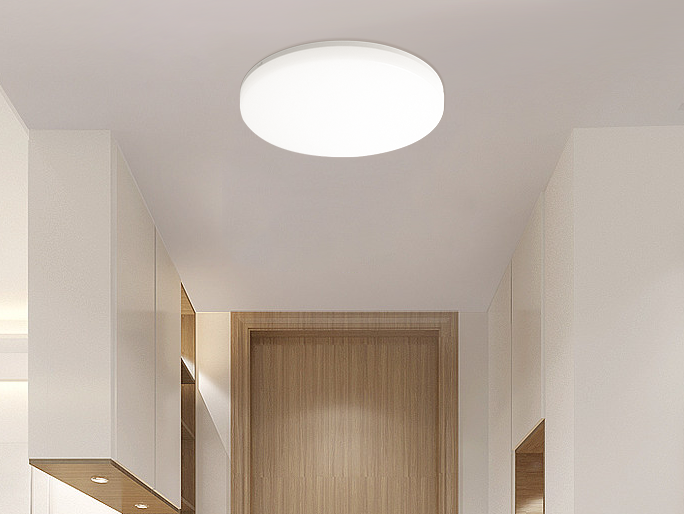
The Cloud range describes direct surface installation and lists alternative driver configurations. Confirm the mounting details and chosen operating version for the proposed arrangement. Where a product description includes a catalogue glare statement, it should remain selection information rather than a guarantee of the result from every occupied position in the completed room.
Place the candidate on the layout in relation to the task surfaces, then review the available distribution information. If the existing arrangement leaves an important surface poorly served, repeating its positions with another product may retain the problem. Assess whether the proposed fixture arrangement addresses the identified issue before accepting it as a useful improvement.
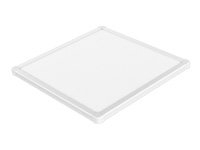
Cloud V2 Ceiling Panel Lights provides another rectangular model reference. The selected example lists a different output and power while retaining the same nominal beam angle as the Cloud example. Those similarities do not establish identical performance at every location.
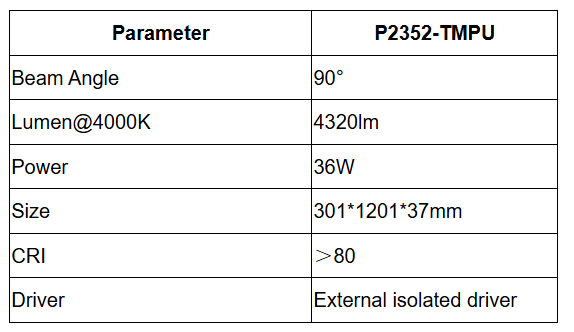

Use the model’s own data and confirm the applicable installation information for Cloud V2. Do not transfer accessories or control functions from the original Cloud range without confirmation. Body dimensions help identify the product but do not independently establish the full mounting assembly or the distribution needed for a particular task.
If a comparison changes the number or positions of panels, show that change explicitly. Comparing only individual product figures would hide an important difference between the two proposals. Assess the complete arrangement, including the views and surfaces that matter, before deciding which candidate supplies the useful light required by the room.
For Energy Saving LED Lighting, keep the operating state in the assessment. A layout checked at one output condition does not automatically establish the result of a different proposed state. Where controls are part of the project, confirm the actual configuration and review the lighting condition that occupants will experience during the relevant activity.
At IMIGY Lighting, we recommend planning Energy Saving Lighting Solutions around the task, the product and the layout together. Use an identified Cloud or Cloud V2 model, examine its distribution in the proposed room and verify the important receiving surfaces and views. Retain the accepted arrangement for later comparison. This makes useful illumination a concrete part of the decision, allowing efficacy to inform the selection without replacing the question of where the light is actually needed.
During a layout review, inspect more than the easiest central position. Include the edge of the working area, a position near a wall and any task with a different orientation. The purpose is to understand whether the arrangement serves the whole brief, rather than finding one favourable observation. Where a task moves, reassess its relationship to the fixtures instead of assuming that the same room total remains sufficient. Record any proposed adjustment with the relevant model and positions. This connects the review to a repeatable arrangement and helps explain whether a later difference comes from the product, the furniture or the way the lighting has been laid out in the room.
Recheck the affected positions after any change.
Q: Do two panels with the same listed beam angle necessarily deliver the same light to every working surface?
A: No. The angle is one part of the product description. Output, the full distribution and fixture positions still need consideration. Review each specific model in the proposed room, including height and finishes. A shared angle does not prove identical task illumination or justify reusing a layout without assessment.
Q: Can a product with a higher lumen output compensate for an unsuitable fixture position?
A: Not reliably. More emitted light does not establish that it reaches the intended surface in the required way. First examine the geometry and available distribution information. Review the proposed positions, relevant reflections and occupied views before deciding whether additional output is useful or whether the arrangement itself needs attention.
Q: How should two proposals be compared when one uses fewer panels or a different spacing pattern?
A: Compare the complete layouts rather than the individual fixtures alone. Identify the selected codes, quantities, positions and operating conditions, then assess the same tasks and views. This keeps any difference in useful illumination connected to the actual proposal instead of attributing every change to one headline efficacy figure.
It is recommended that you upgrade the latest browser
 Chrome
 Firefox
 Edge