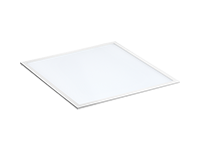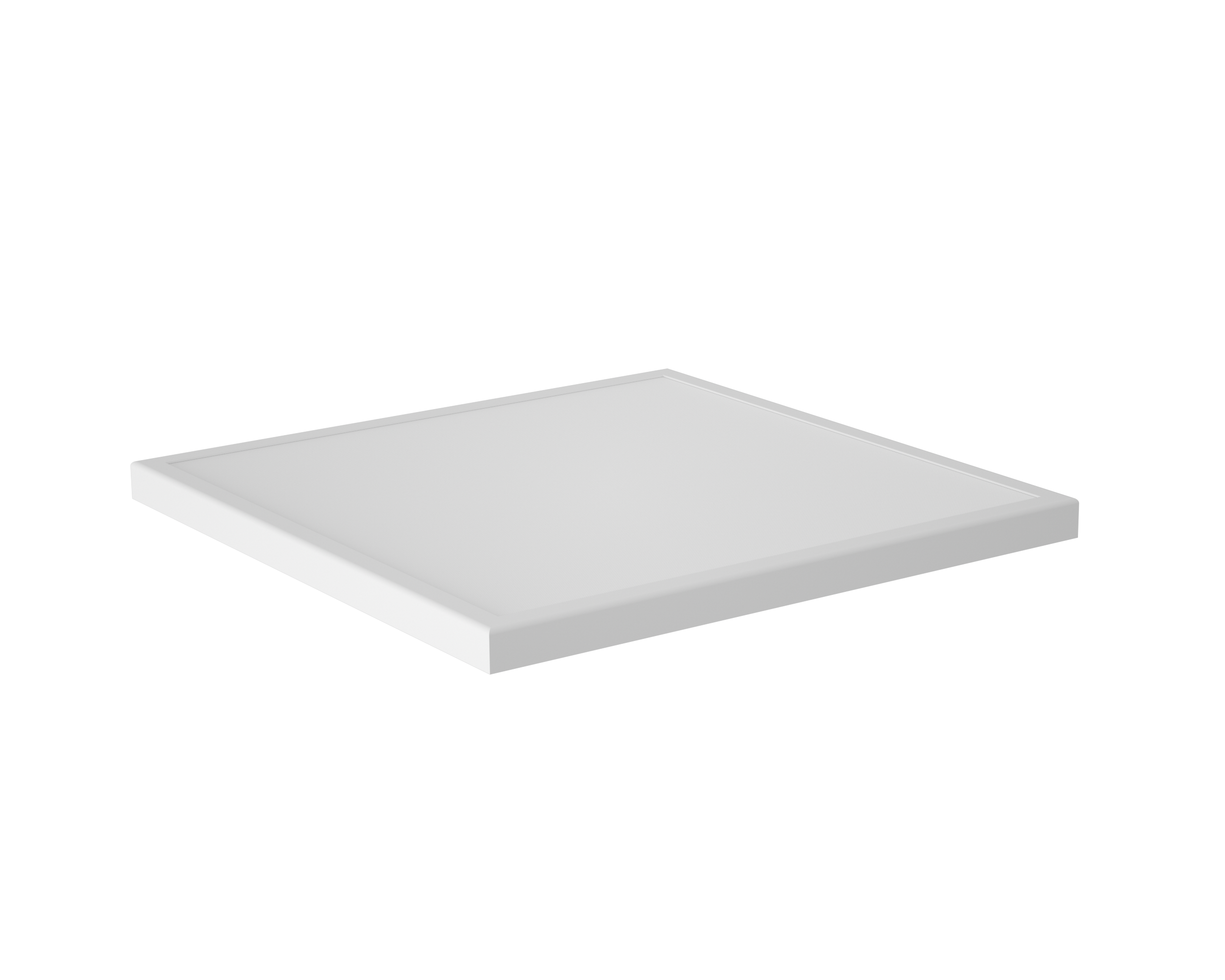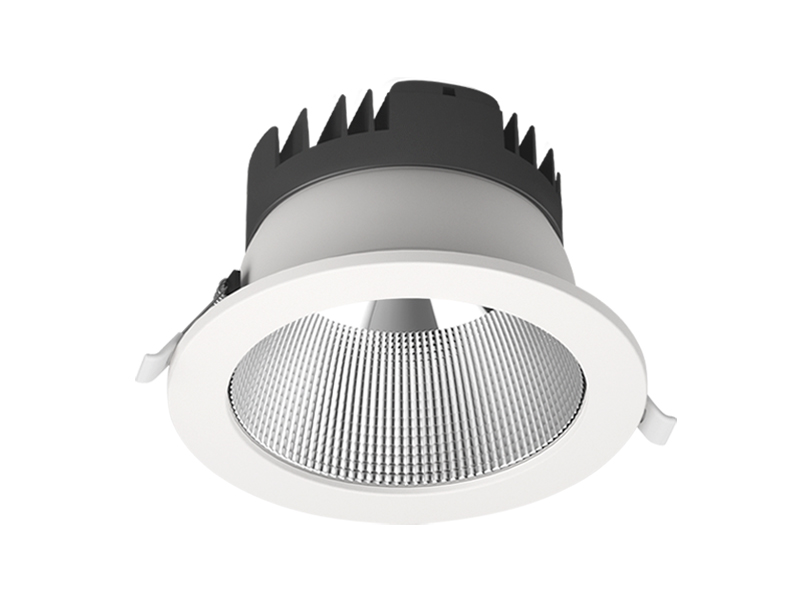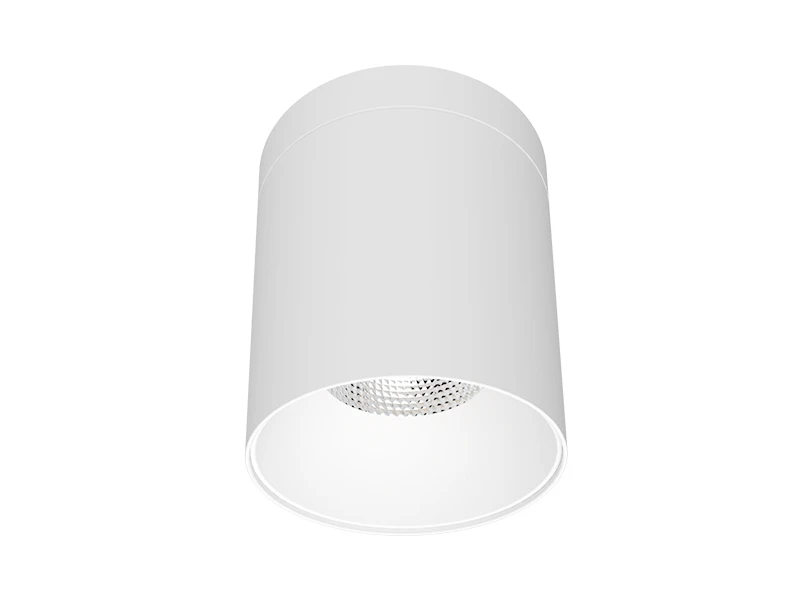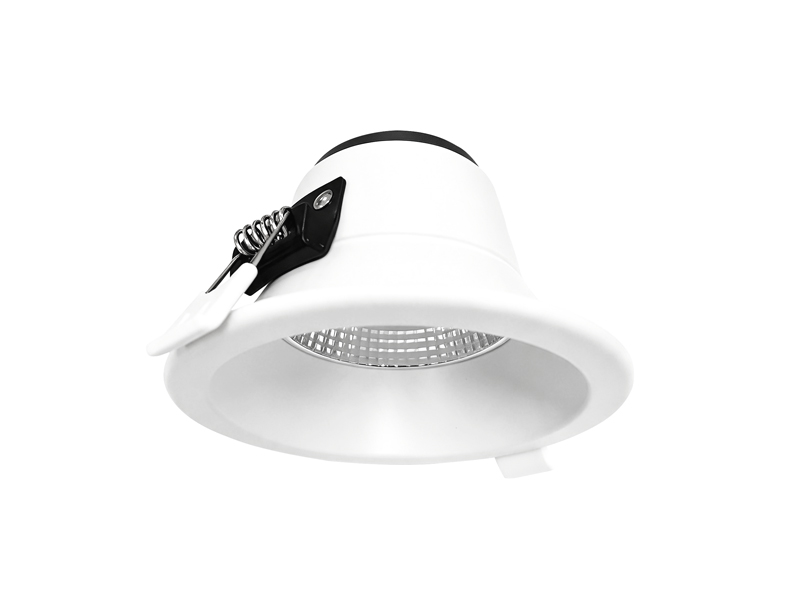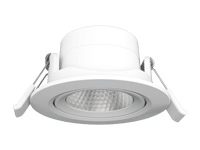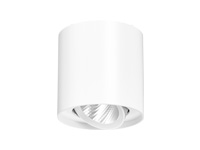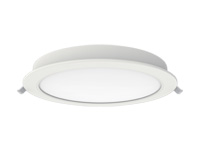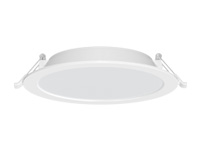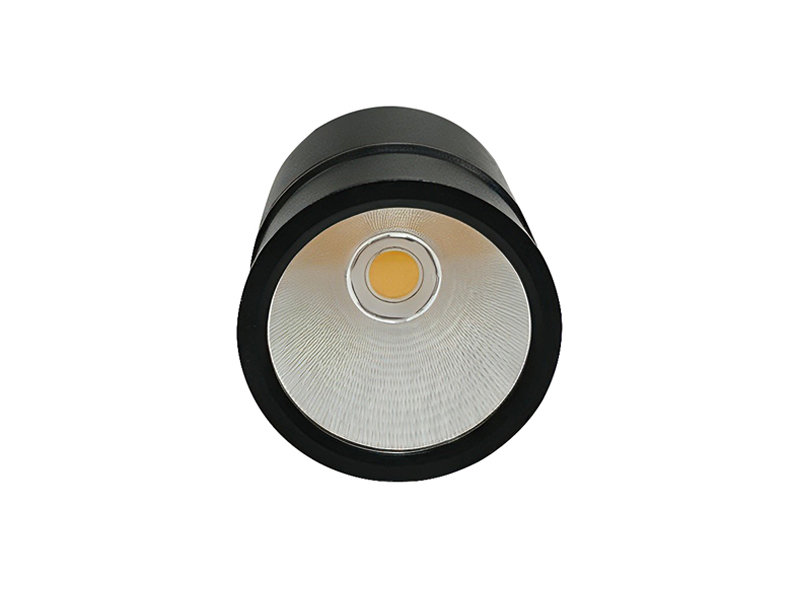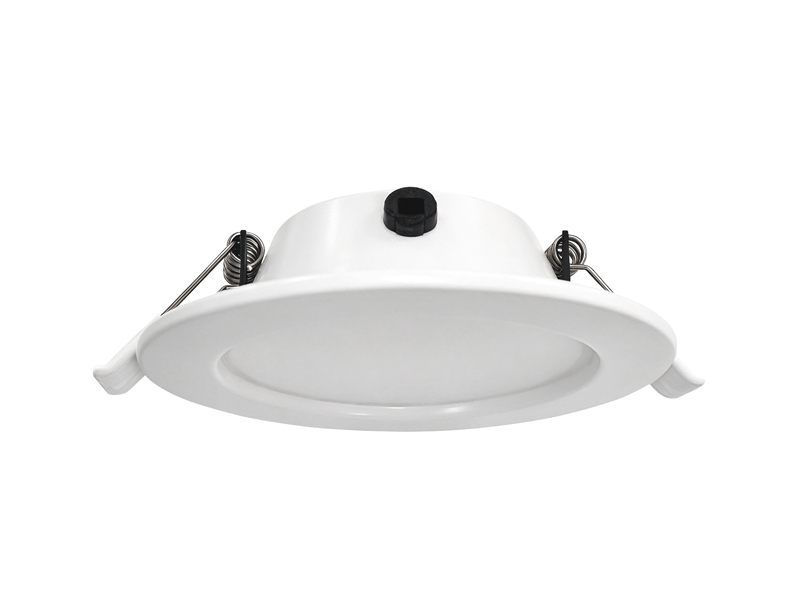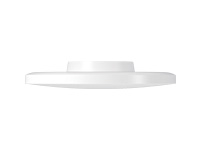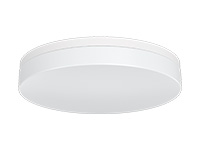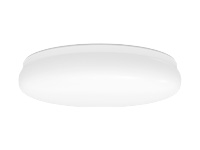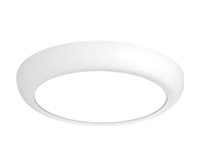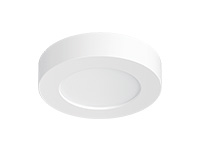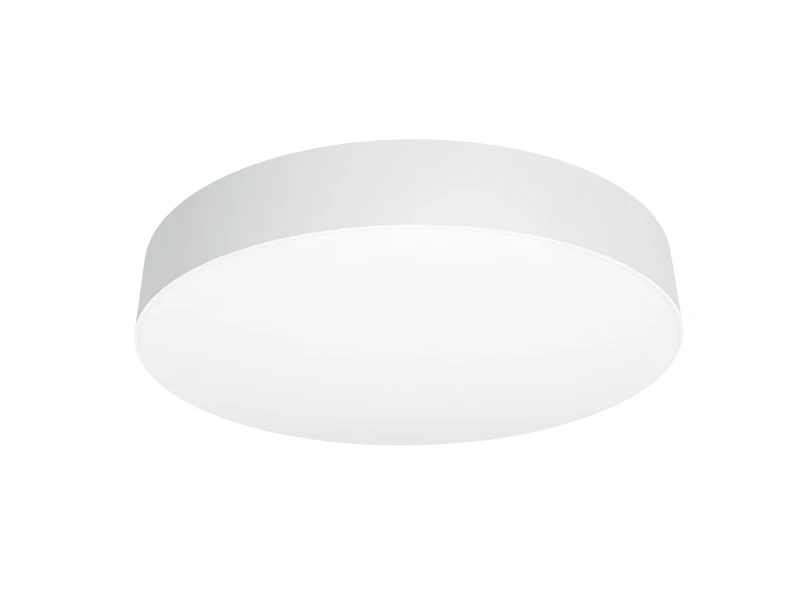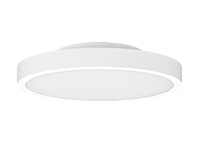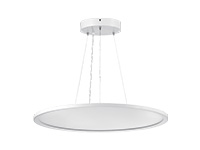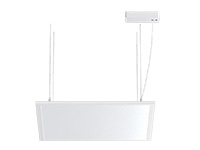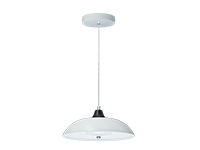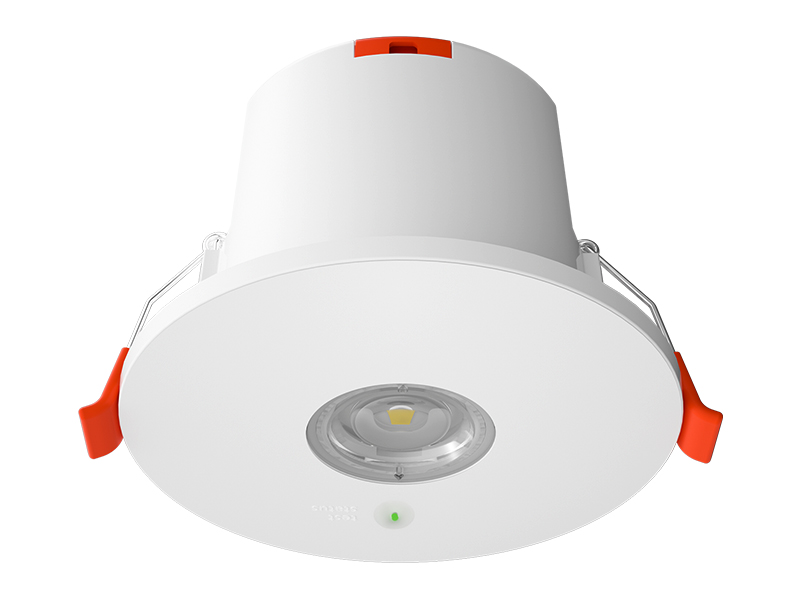

A ward lighting arrangement can look orderly on the ceiling while placing a bright source directly in a patient’s view. The problem becomes clearer when the room is reviewed from a bed, a chair and the staff working position rather than from the doorway alone. At IMIGY Lighting, we recommend checking those sightlines before moving fixtures or increasing output. Our Explorer Down Lights and Phoenix Down Lights offer different documented optical configurations for that review. The useful question is where each selected fixture should contribute light, and what an occupant will see from the positions actually used in the room.
Review Hospital Ward Lighting from the occupied positions first. Identify whether discomfort comes from a directly visible source, a reflection or a strong brightness contrast. Then adjust the proposed fixture arrangement and assess the result before repeating it. Product beam angles and catalogue glare descriptions support selection, but they do not independently predict comfort at every bed position.
Draw the bed positions before finalising ceiling locations. Include reclined and seated views in the review. Inspect reflective surfaces as well as direct views of fixtures. Separate general room illumination from local task requirements. Compare the actual optical versions being proposed and verify the outcome using the intended furniture arrangement and operating settings.
Mark the positions of pillows, chairs, circulation routes and staff tasks. From each position, consider the directions people commonly look. A fixture near the centre of a ceiling bay may still be poorly located relative to a reclined view. Avoid shifting every fitting by the same amount without checking whether that simply moves the problem to another bed.
For Hospital Patient Room Lighting, distinguish direct brightness from a reflected image on a nearby surface. A change in light output may not solve a reflection caused by geometry. Inspect the relationship between the fixture, the surface and the observer before deciding whether position, optical configuration or another part of the arrangement needs attention.
Connections to Hospital Corridor Lighting can also affect the room view when a door is open. Consider the doorway as an additional viewing condition, especially when neighbouring areas operate differently. Review those transitions together while preserving the ward’s own requirements. A local improvement should not be assessed in isolation from the other visible light sources.
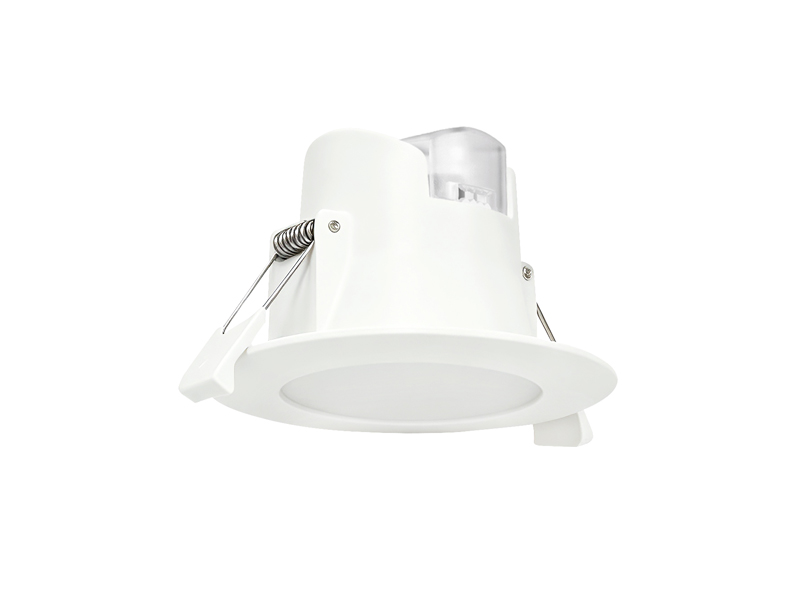
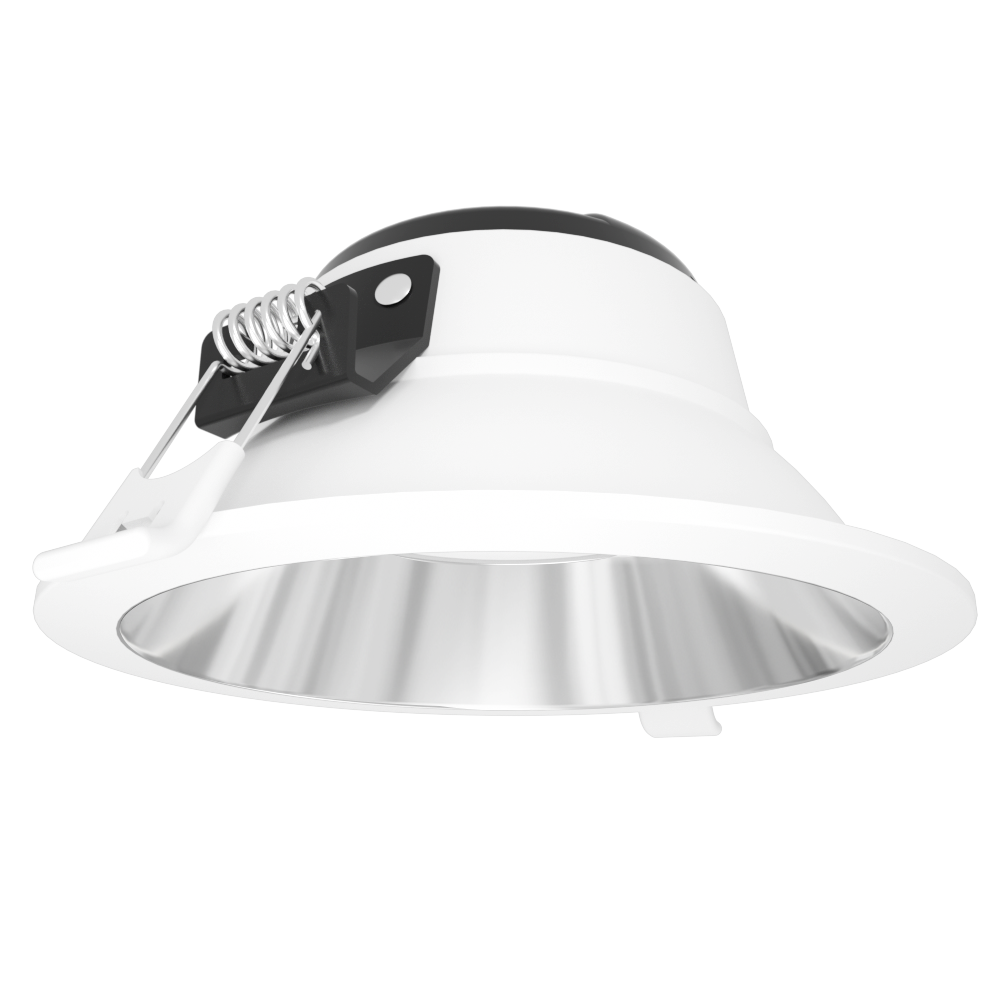
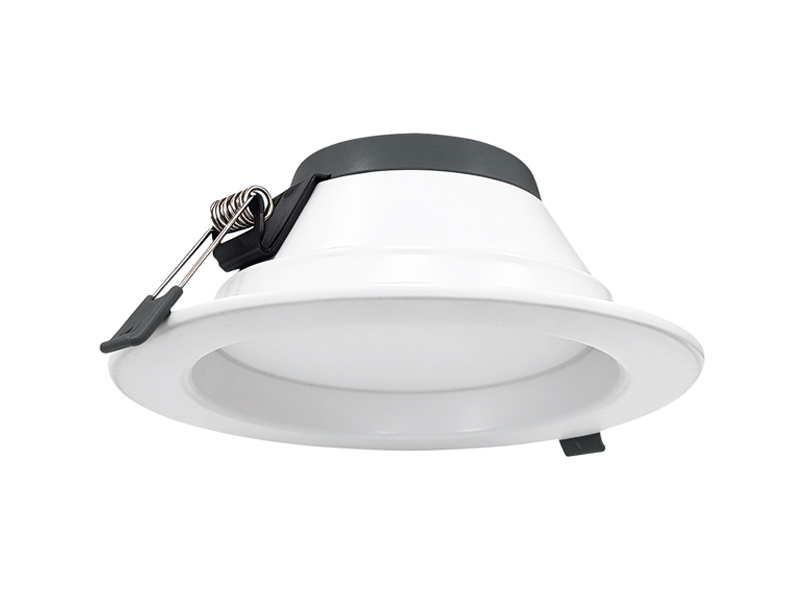
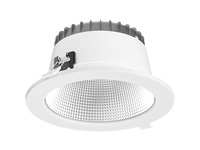
The selected Explorer Down Lights example belongs to the reflector and lens version. Its documented distribution provides a specific basis for assessing where light will fall and how the proposed position relates to the occupied areas.
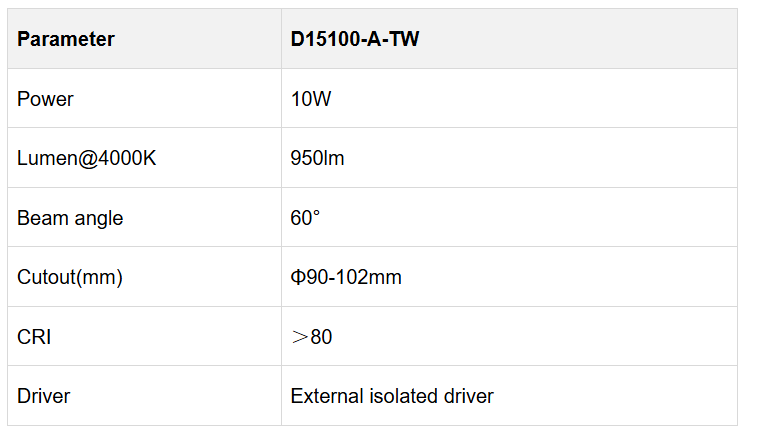
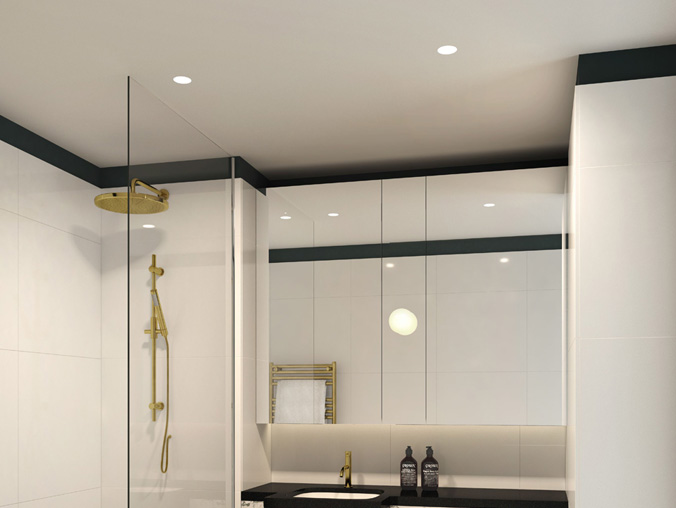
The Explorer A family lists a catalogue UGR value below nineteen for the reflector and lens version. This is not a guarantee that every ward arrangement achieves that value or avoids discomfort. Check the relevant viewing conditions, the chosen optical configuration and the complete room layout when assessing the installation.
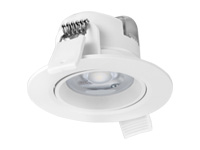
The range describes recessed installation and optional ring accessories in different forms. Confirm the exact trim and optical version for the sample review. An accessory change should not obscure the need to retain the intended distribution. Also check the actual ceiling opening and the space needed for the external driver before accepting a relocated mounting position.
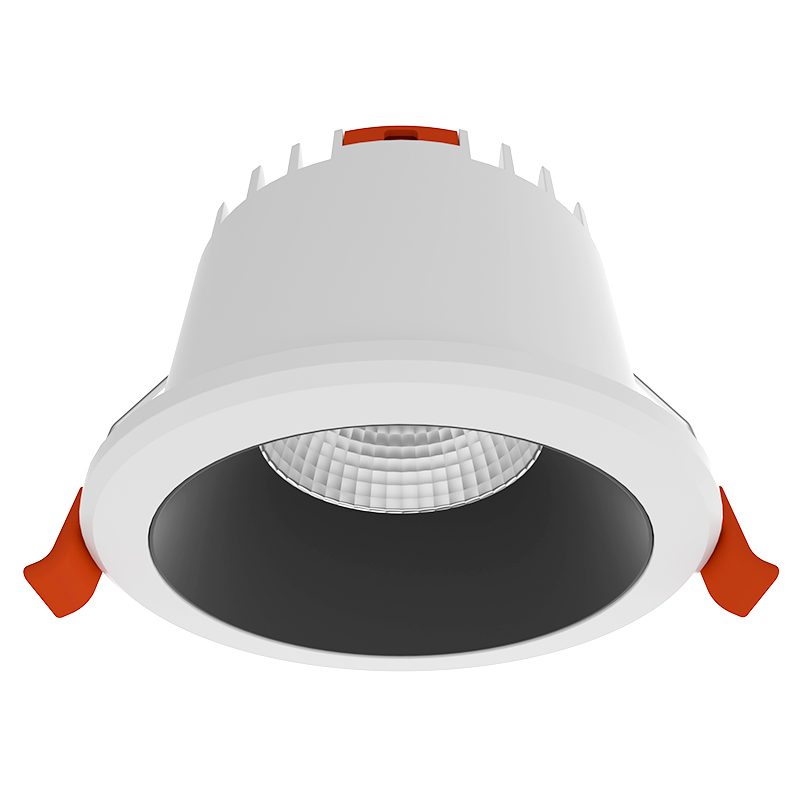
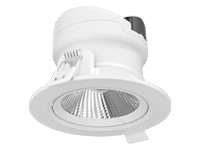
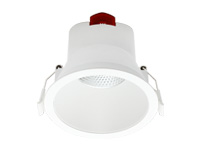
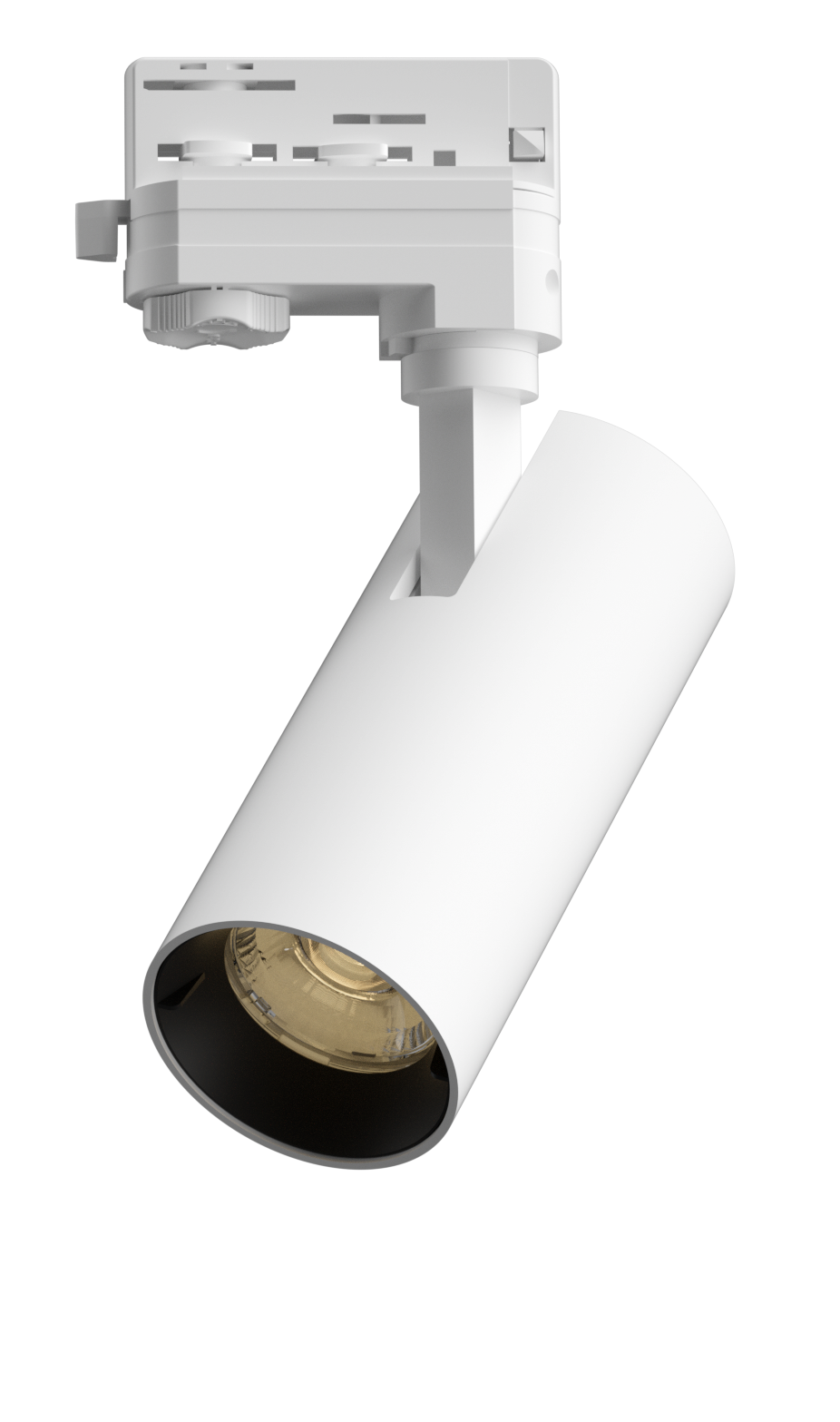
Phoenix Down Lights offers a different listed beam angle in this example. It should be reviewed as a distinct product configuration rather than treated as a direct substitute for the Explorer example merely because their nominal powers match.
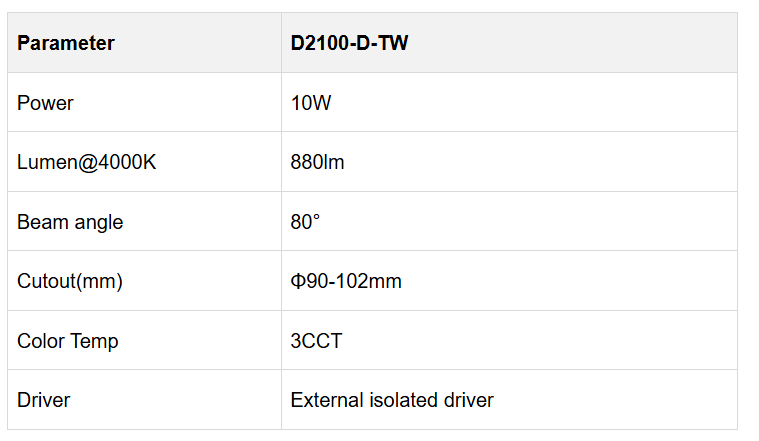

The Phoenix family describes recessed and surface installation options, with dimming arrangements available through driver changes. Confirm the installation components and driver version that apply to the project. The model data does not establish compatibility with a particular existing dimmer, and the colour selector does not provide automatic scene control.
Assess whether the proposed distribution helps the intended room arrangement without placing an objectionable source in an occupied sightline. A broader listed angle does not automatically mean lower glare. Review the actual fixture appearance, its location and the surfaces receiving light. This keeps the selection focused on the room rather than on a single catalogue figure.
At IMIGY Lighting, we recommend testing a representative bed bay before repeating a revised layout. Include the intended furniture and check the room under the operating conditions that matter to staff and occupants. Record which fixture version, settings and positions were reviewed, so that later changes can be assessed against a defined arrangement.
Use the same attention to sightlines when coordinating Hospital Waiting Area Lighting and Hospital Reception Lighting elsewhere in the building, while keeping their activities distinct from the ward. For the ward itself, an identified Explorer or Phoenix configuration, carefully located fixtures and a review from actual occupied positions provide a stronger basis for selection than relying on a tidy ceiling pattern. The final arrangement should address the observed source of discomfort and retain the lighting needed for the agreed tasks.
Include the final pillow position when reviewing a bed bay, rather than using the mattress outline as the only reference. Small changes in furniture arrangement can alter what is visible overhead. Also inspect the view when a curtain or other room divider is in its intended position, because it changes the surrounding surfaces seen by an occupant. If the proposal is revised, return to the same observation points to compare the result. This provides a consistent way to judge whether the identified problem has improved, while allowing the staff team to check that the revised arrangement still supports the agreed room activities.
Retain these observations when the bed layout changes during later project coordination.
Q: If a fixture has a low catalogue glare rating, can it be placed directly above any bed without further review?
A: No. A product description does not establish the result from every viewing position in a complete room. The reclined view, surrounding brightness and other visible sources still matter. Use the catalogue information to identify a suitable candidate, then review its actual placement in relation to the bed and the intended operating conditions.
Q: Will choosing the wider beam angle automatically make a ward lighting arrangement more comfortable?
A: Not automatically. Beam angle describes one aspect of distribution, while discomfort also depends on source visibility and the room geometry. Compare the specific Explorer and Phoenix versions in the intended arrangement. Assess where the light is useful and whether a bright source or reflection remains in the occupant’s view.
Q: Should every fixture be dimmed when one bed position experiences glare from the current layout?
A: First identify the cause and the affected sightline. Reducing all output may leave another activity inadequately lit without resolving the original geometry. Review placement, reflections and any confirmed control options together. Check the revised arrangement against the ward’s agreed requirements before extending the change to other positions.
It is recommended that you upgrade the latest browser
 Chrome
 Firefox
 Edge