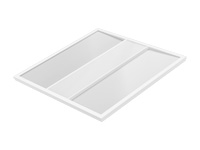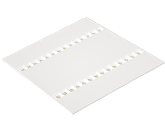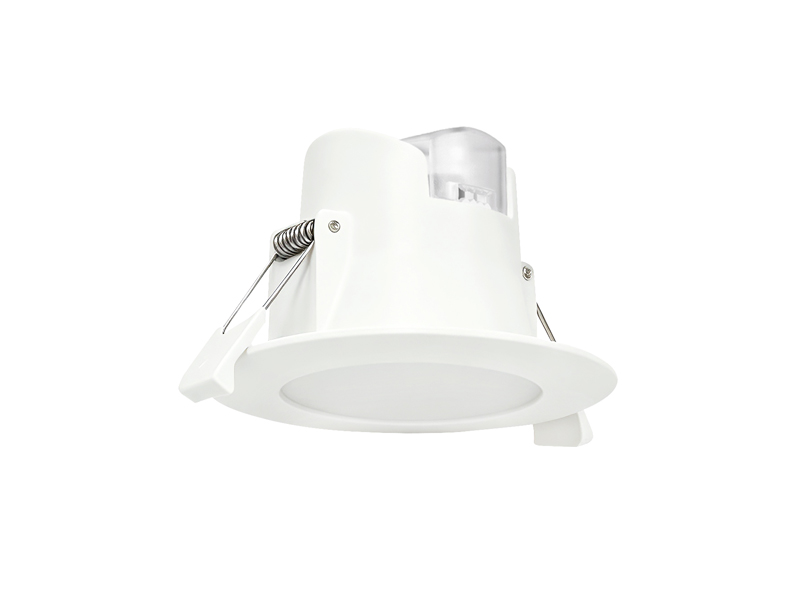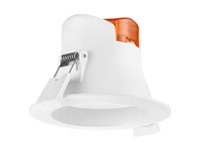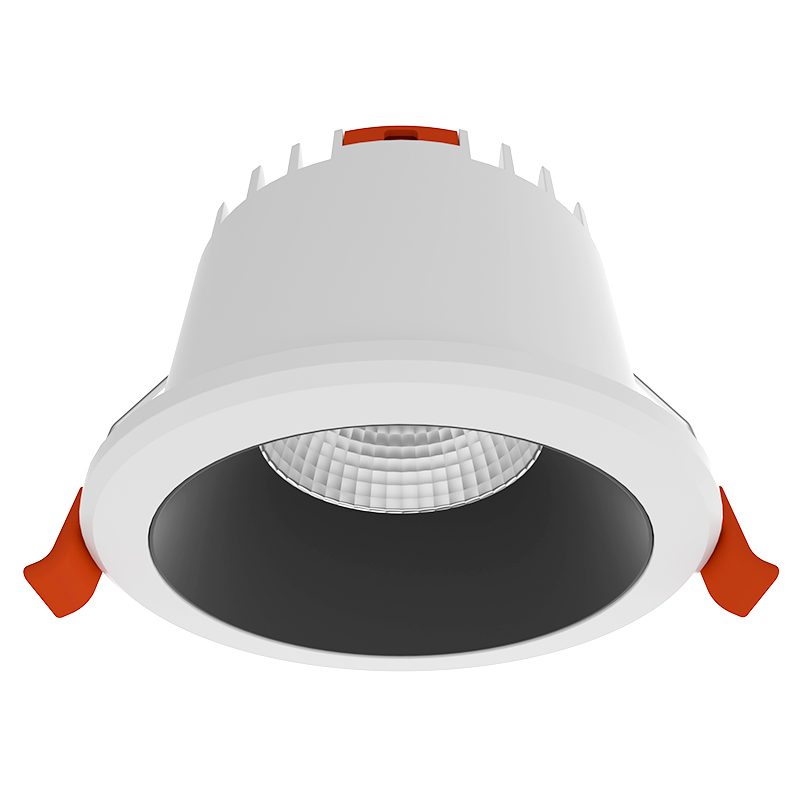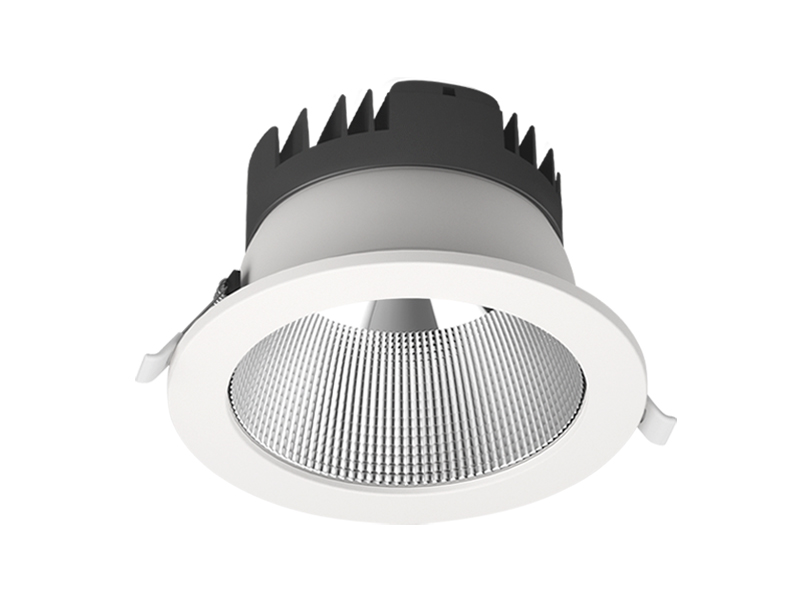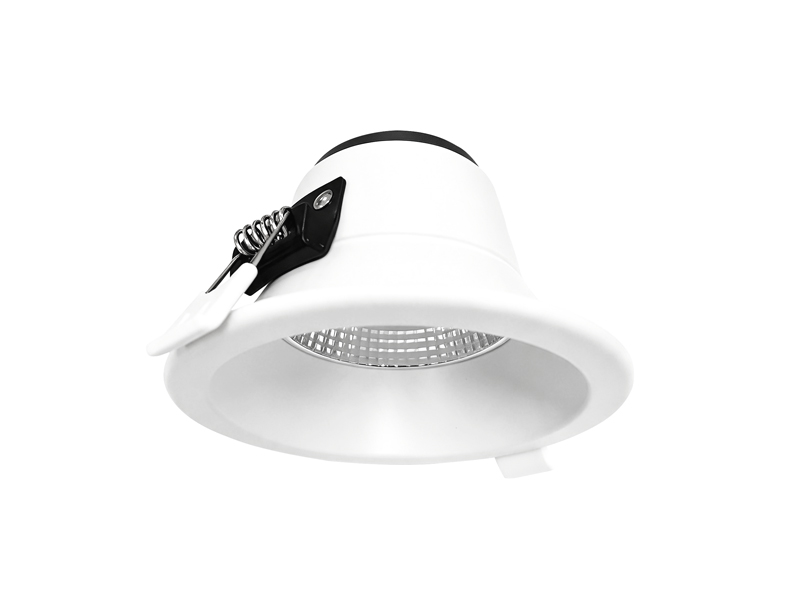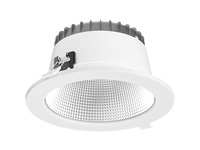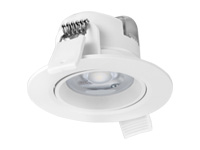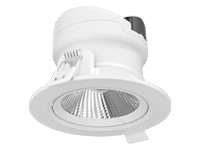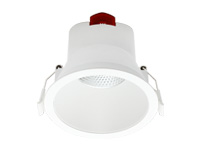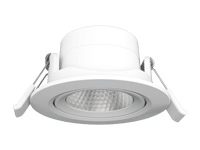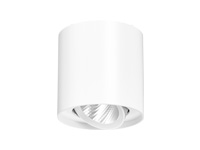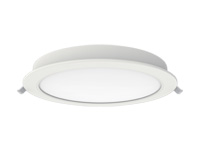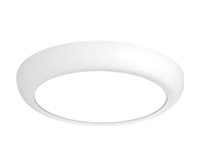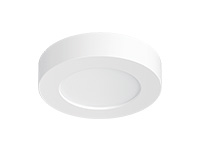

Replacing older ceiling lights is rarely just a matter of finding a new fixture with a similar outline. The existing mounting surface, electrical supply, switching arrangement and lighting needs all affect whether a replacement is suitable. At IMIGY Lighting, we recommend surveying those conditions before choosing the product configuration. Our UFO Ceiling Lights and Sunflower Ceiling Lights offer different starting points: the selected UFO example has a fixed colour temperature and a shallow body, while the selected Sunflower example provides dual power and selectable colour temperature. Their differences should guide the compatibility review rather than disappear behind a general retrofit claim.
Ask an Energy Saving LED Lights Manufacturer to match a defined replacement model to your recorded site conditions. Check the mounting interface, fixture dimensions, supply requirements and actual control configuration. Then assess whether the replacement provides suitable lighting for the space. A matching diameter or nominal wattage alone cannot establish that an older installation can accept the new product.
Measure the existing installation before selecting a replacement. Separate the visible fixture outline from its fixing arrangement. Identify retained controllers instead of assuming compatibility. Compare output and operating patterns when assessing energy use. Confirm accessories for the chosen installation method and review one representative location before repeating the replacement across the building.
Record the mounting surface, available space and the marks or openings left by the old fixture. A replacement body may cover the previous outline while still requiring a different fixing arrangement. Conversely, an existing opening may need further attention even when the new fixture appears large enough. The installation decision should follow the relevant instructions and the condition of the actual mounting surface.
Tell an Energy Saving LED Lighting Supplier which electrical and control components are intended to remain. Existing dimmers, sensors or switching devices should be identified precisely. A fixture that supports a particular optional function is not automatically compatible with every existing controller. Ask which version is proposed and what confirmation is needed for the retained system.
When consulting an Energy Efficient LED Lighting Supplier, also explain why replacement is needed. Uneven illumination, an unsuitable colour appearance and inconvenient switching are different problems. A new product should be assessed against the relevant issue, rather than selected solely because it consumes fewer rated watts than the old fitting.
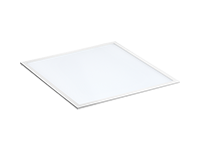
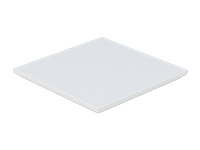
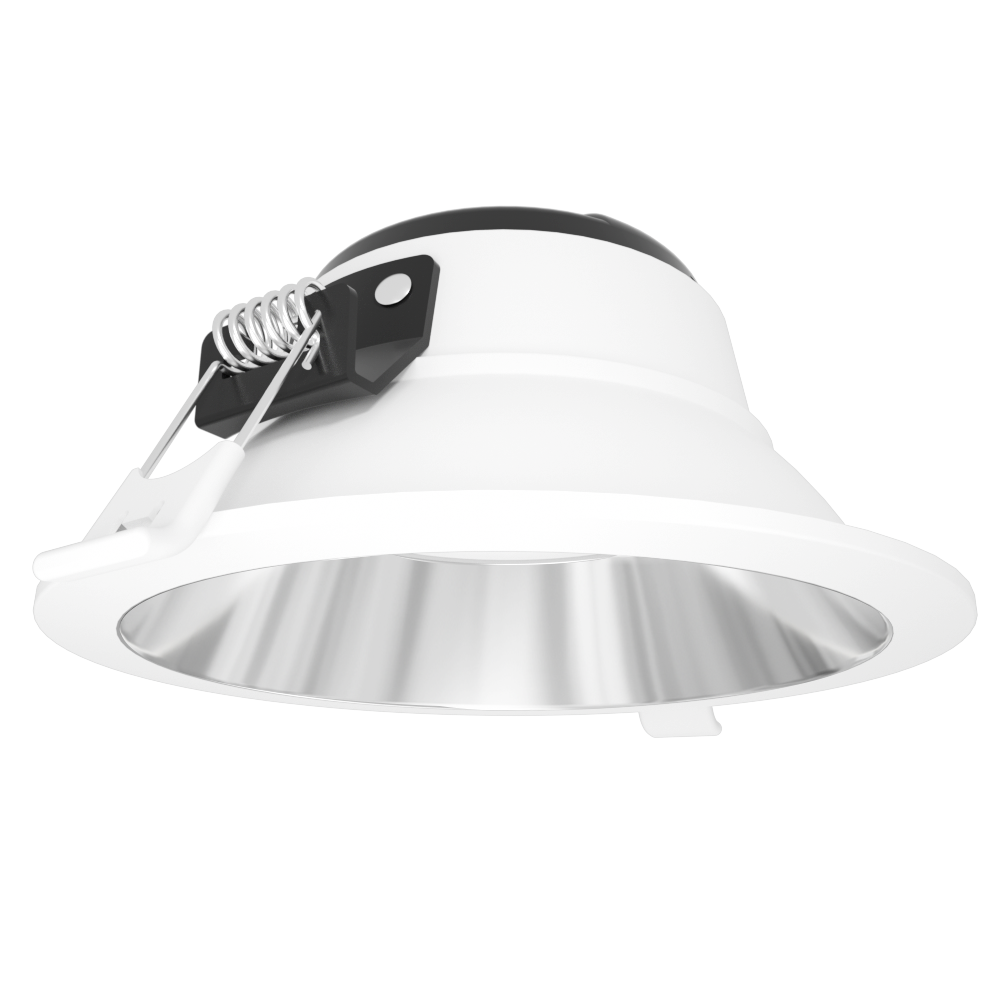
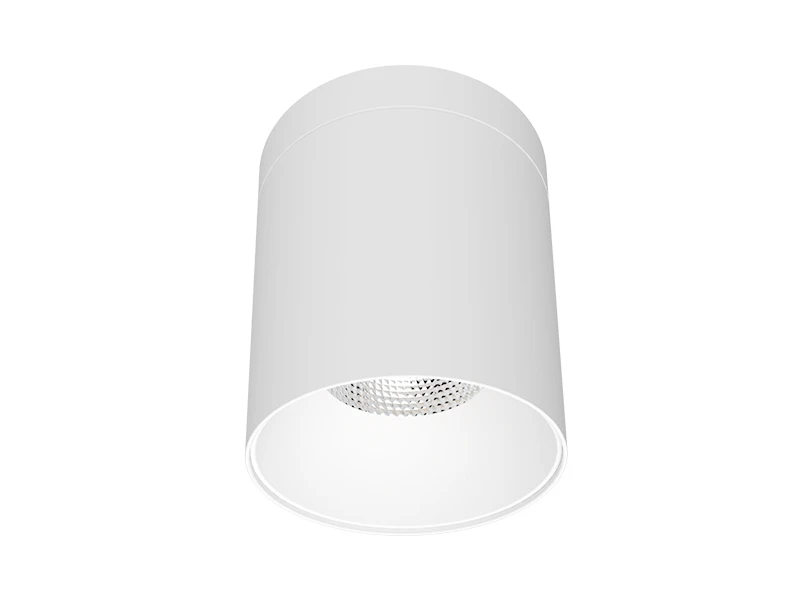
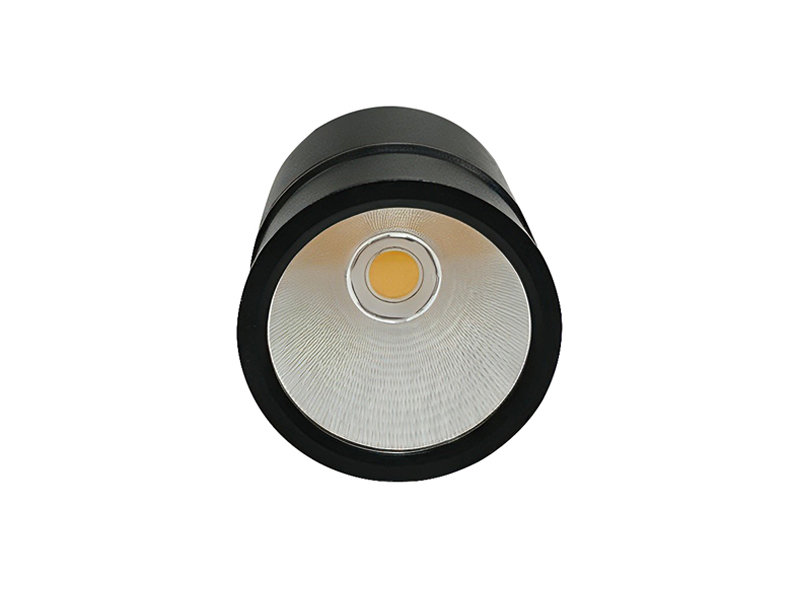
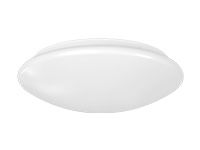
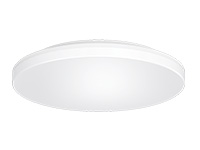
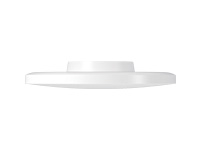
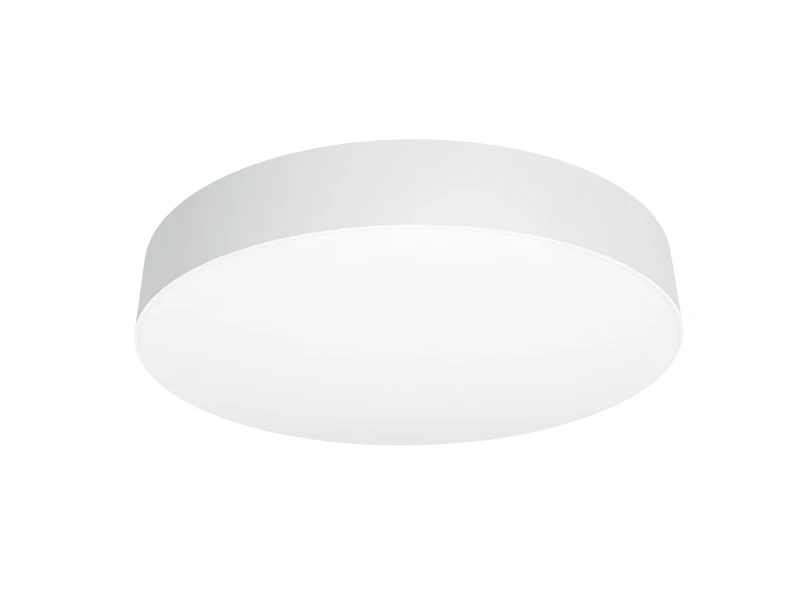
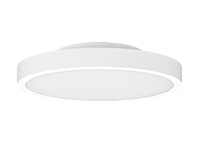
The following round UFO Ceiling Lights example offers a defined fixed colour temperature configuration. Its body dimensions are useful for an initial physical review, while the supply and output data help identify further questions about the proposed replacement.
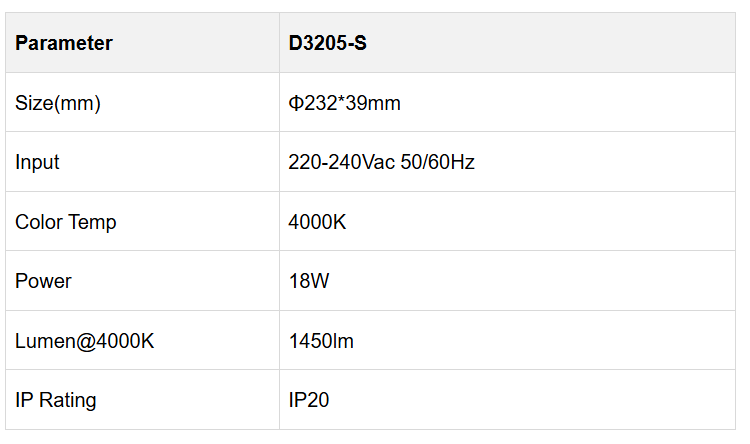

The UFO range describes surface and wall installation, with an integrated driver. Its family information also lists other colour temperature choices. The selected model data above, however, identifies a fixed configuration; do not interpret alternative ordering choices as a colour selection function included in this specific example.
Use the listed body depth to assess the visible projection, not to infer the fixing method or electrical connection space. Where dimming is required, confirm the actual version and controller relationship separately. The selected protection rating should also be checked against the installation environment before the fixture is accepted for a particular location.
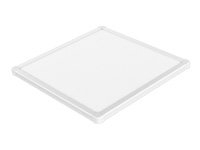
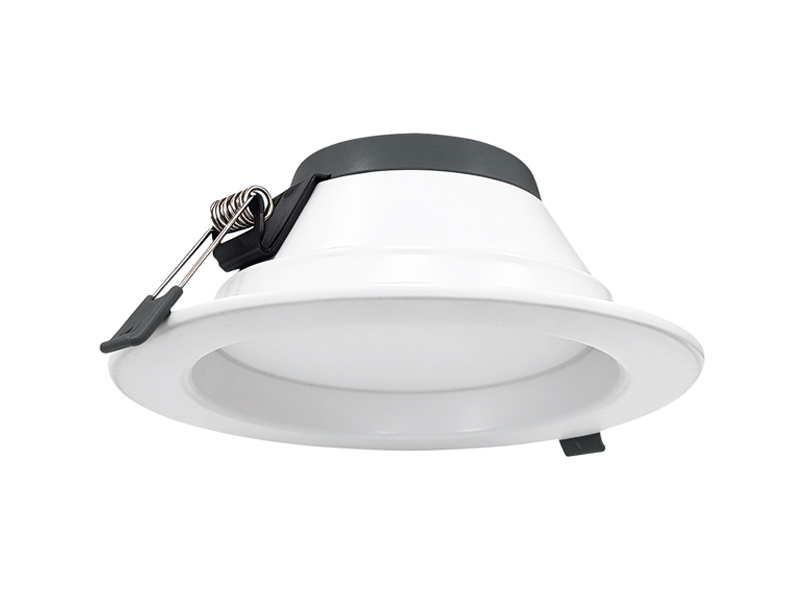
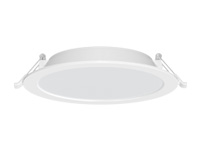
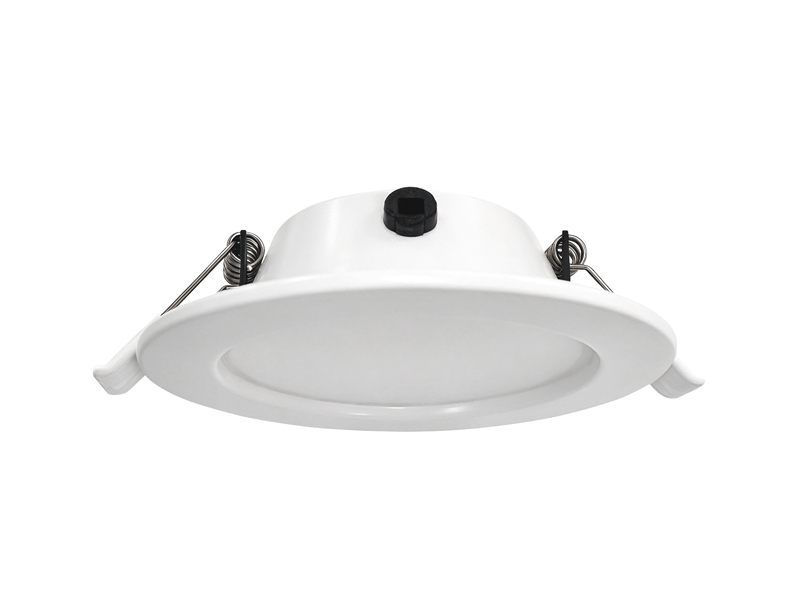
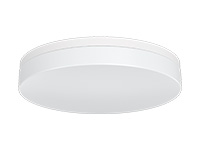
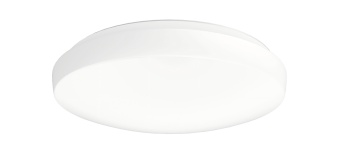
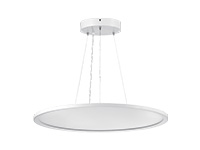
Sunflower Ceiling Lights provides a different documented combination of power and colour selection. This can support a more detailed selection conversation when the project needs to establish an appropriate operating configuration across several areas.
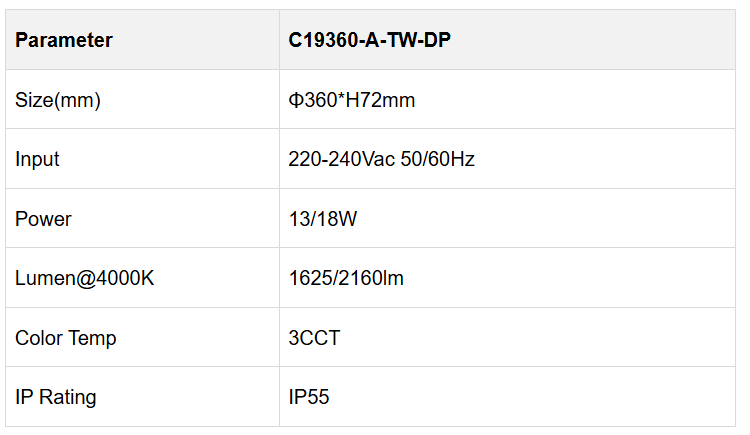
The Sunflower family describes several installation arrangements, including surface and suspended options. Confirm the components and instructions applicable to the chosen arrangement instead of assuming that every installation kit is included. Its family information also describes microwave sensing and emergency options, which require separate configuration confirmation when requested.
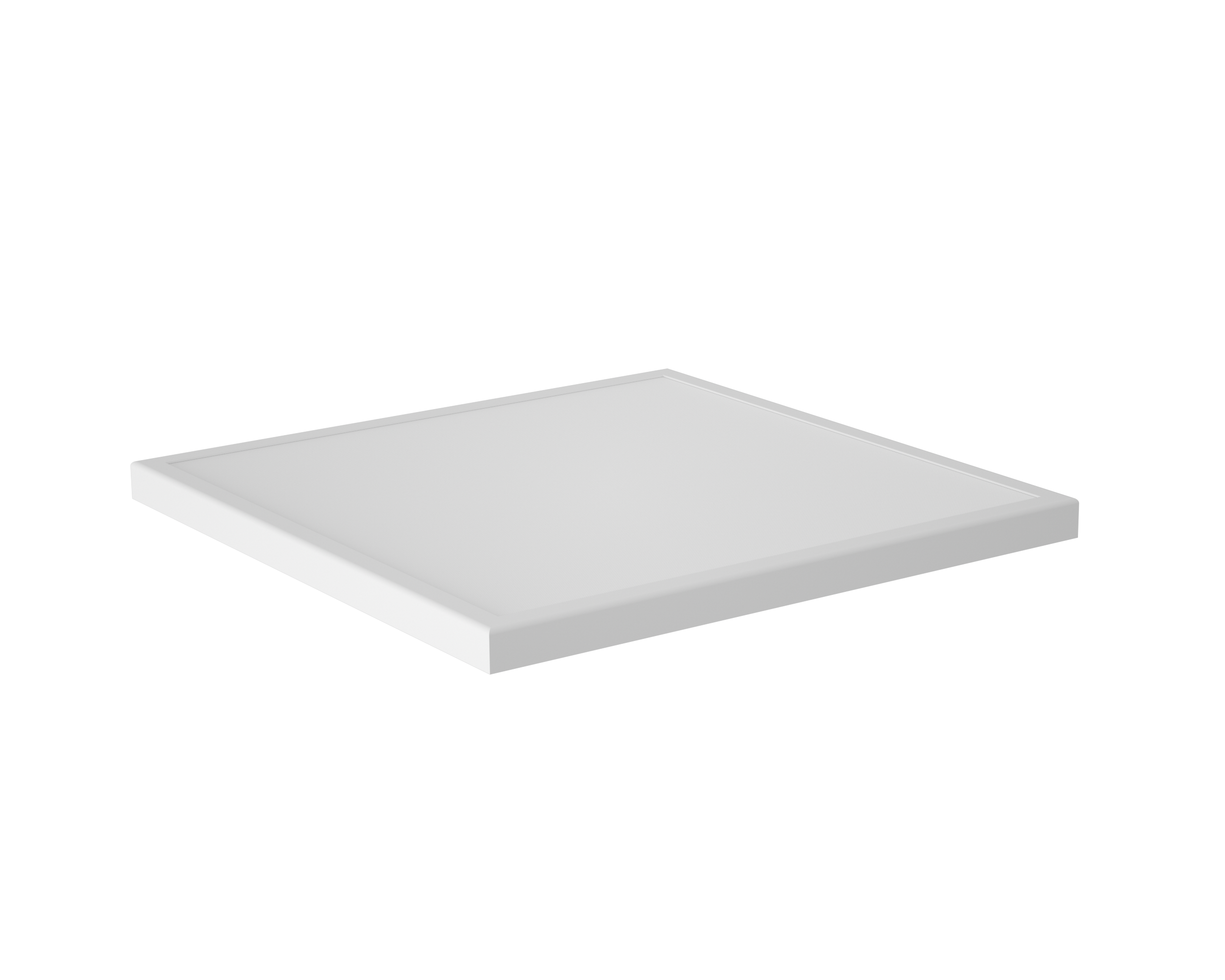
The larger outline and different depth of this example should be considered alongside the existing ceiling condition. Selectable settings can help define the intended configuration, but they do not remove the need to assess actual lighting. Keep the chosen power position and colour setting in the replacement schedule so that later installations follow the reviewed arrangement.
Ask an Energy Efficient LED Lighting Manufacturer which product information is available for the exact proposed version. Review the mounting requirements and any questions about retained equipment before approving a repeated installation. A representative trial location can reveal appearance, coverage and control issues that a photograph or dimensional comparison alone may miss.
If discussing changes with an Energy Efficient LED Lighting OEM Manufacturer, state the physical or functional limitation that the standard product does not address. Treat any requested modification as a separate technical question. At IMIGY Lighting, we recommend using the UFO and Sunflower configurations as documented starting points, then checking the building conditions systematically. A clear compatibility review helps the replacement solve the original lighting problem while giving installers a more precise basis for the work.
Keep removed fixture information and the proposed replacement details together during the survey. Photographs can support the record, but measurements and identified equipment are needed where physical or control compatibility remains uncertain. If several areas have different ceiling conditions, do not assume that a successful trial in one area resolves every location. Group similar conditions and review the exceptions before repeating the work.
Avoid describing a replacement as compatible until the relevant checks are complete. A useful review identifies both the conditions that match and the items that need attention. This gives the project team a realistic basis for planning the work, including locations where an alternative mounting arrangement or a different configuration may need consideration before the installation can proceed as intended across the entire project area.
Q: If the new light is wide enough to cover the old fixture outline, does that confirm the installation will work?
A: No. Visible coverage is only one consideration. The fixing arrangement, mounting surface, existing opening and electrical connection requirements still need checking. A body dimension does not define a ceiling cutout. Review the relevant installation information and the actual site before treating the replacement as physically suitable.
Q: Can the existing dimmer or sensor remain when an older fitting is replaced with one of these products?
A: That depends on the identified controller and the confirmed fixture version. Do not infer compatibility from the presence of optional control features elsewhere in the range. Provide the retained device information and establish the intended operating behaviour before accepting the replacement configuration for the installation.
Q: How should the energy saving potential of a retrofit be assessed without relying on wattage alone?
A: Record the existing installation, fixture quantities and actual operating hours, then compare a replacement arrangement that meets the required lighting task. Include any confirmed changes to operating schedules or controls. This provides a meaningful basis for assessment without assuming that every lower power product delivers equivalent illumination or identical use patterns.
It is recommended that you upgrade the latest browser
 Chrome
 Firefox
 Edge