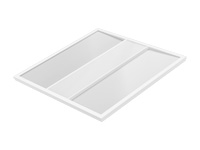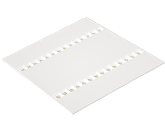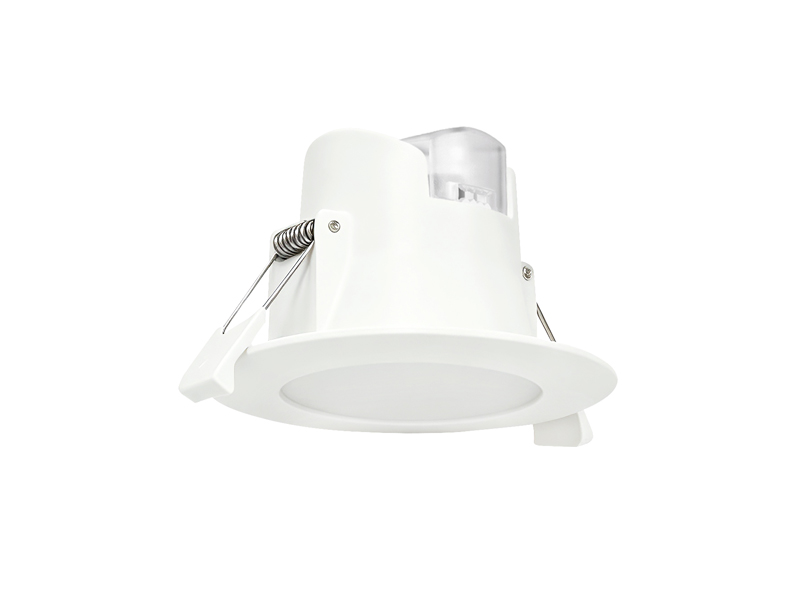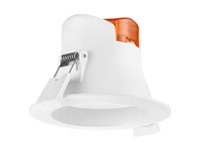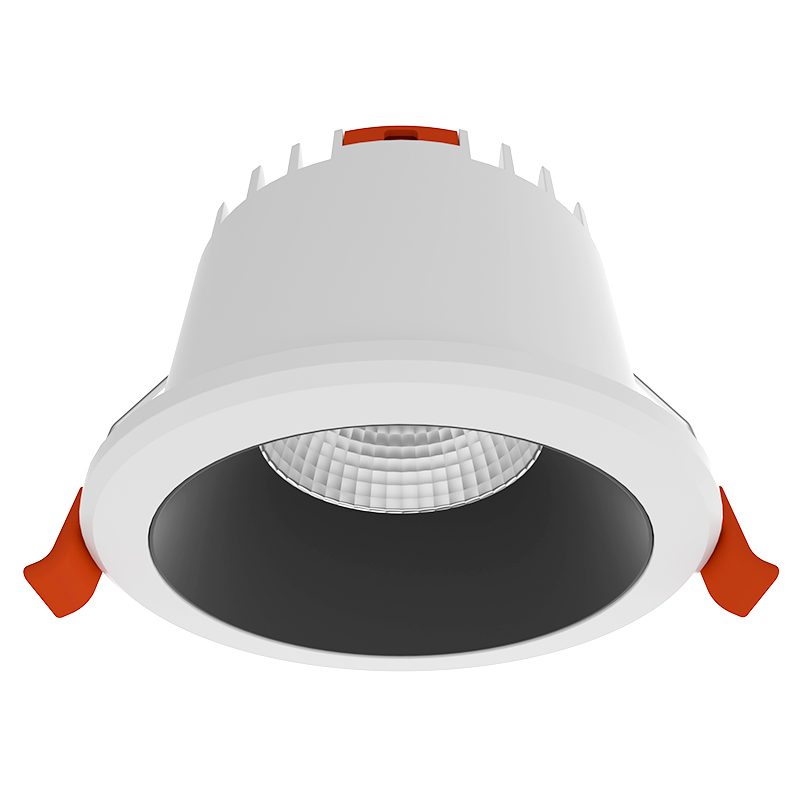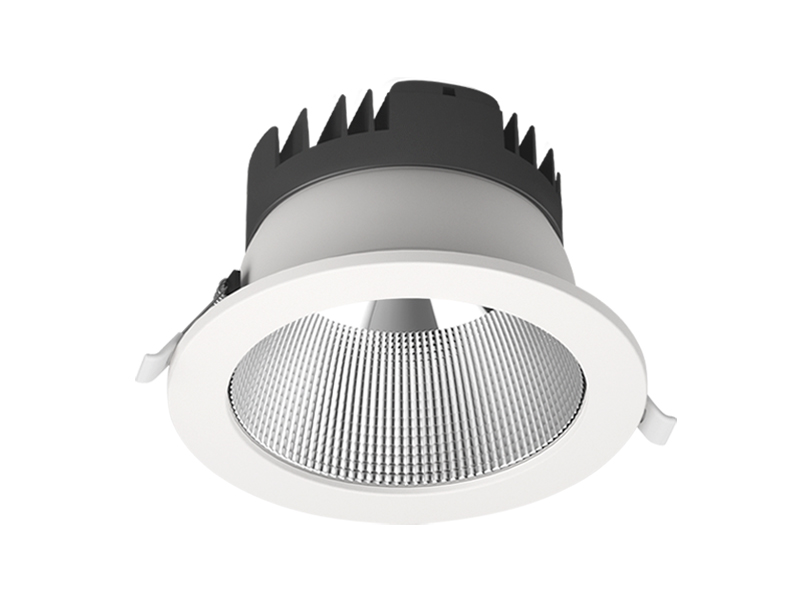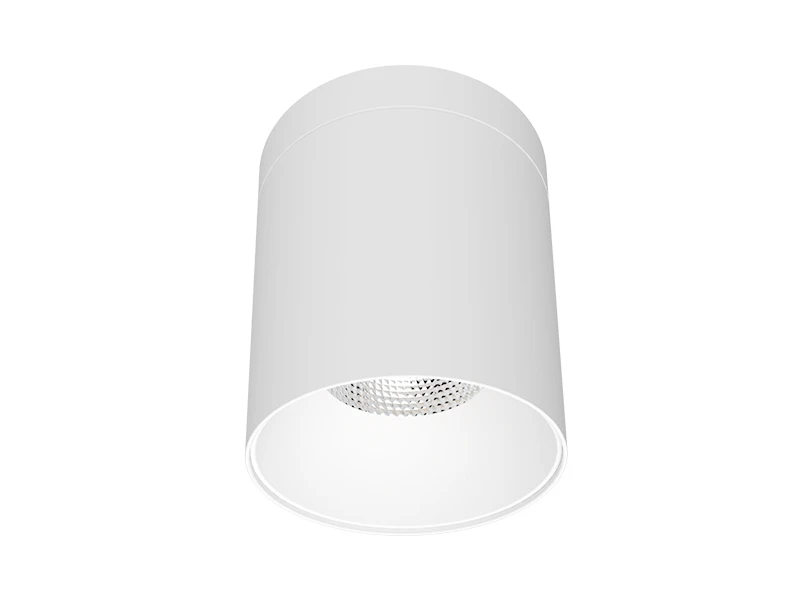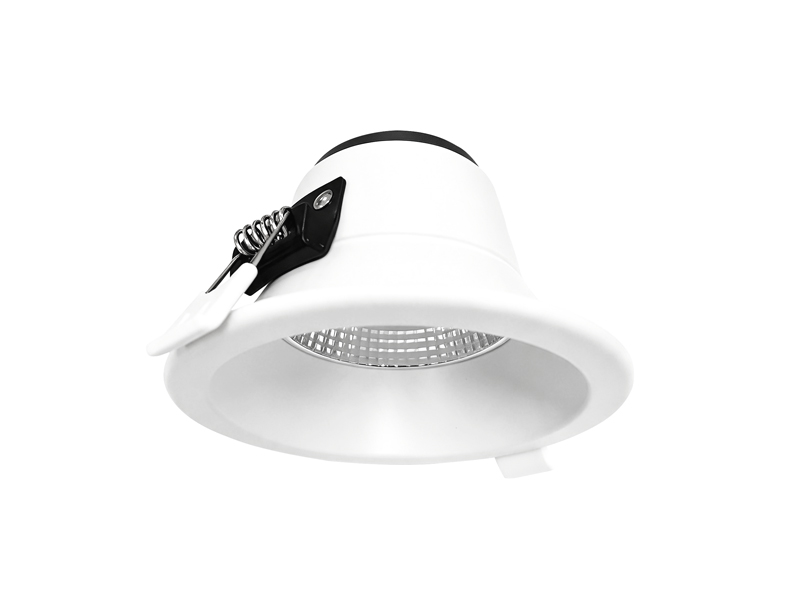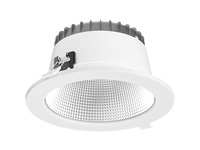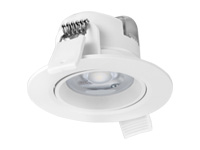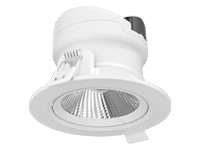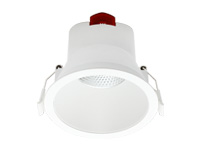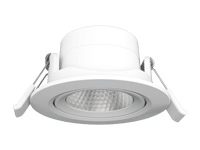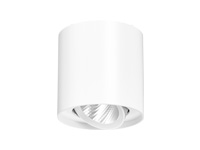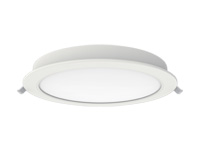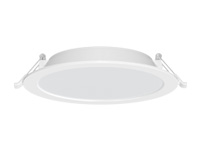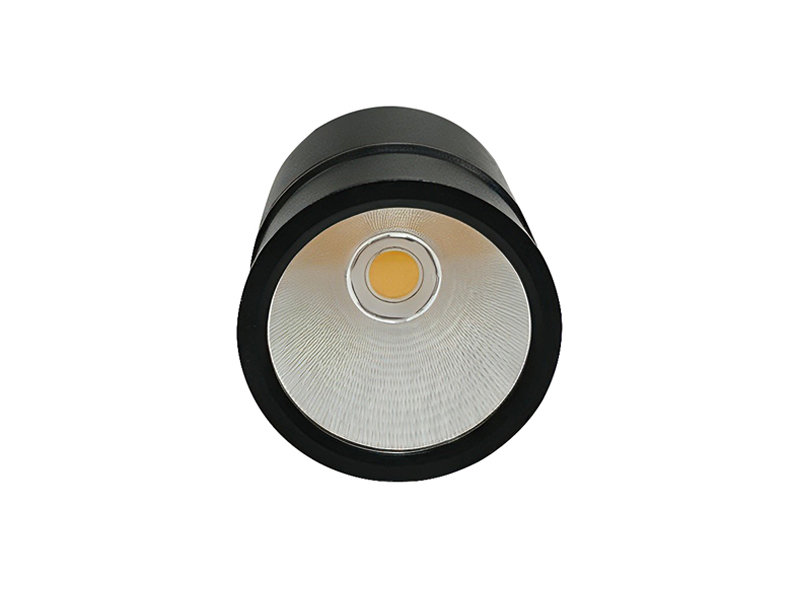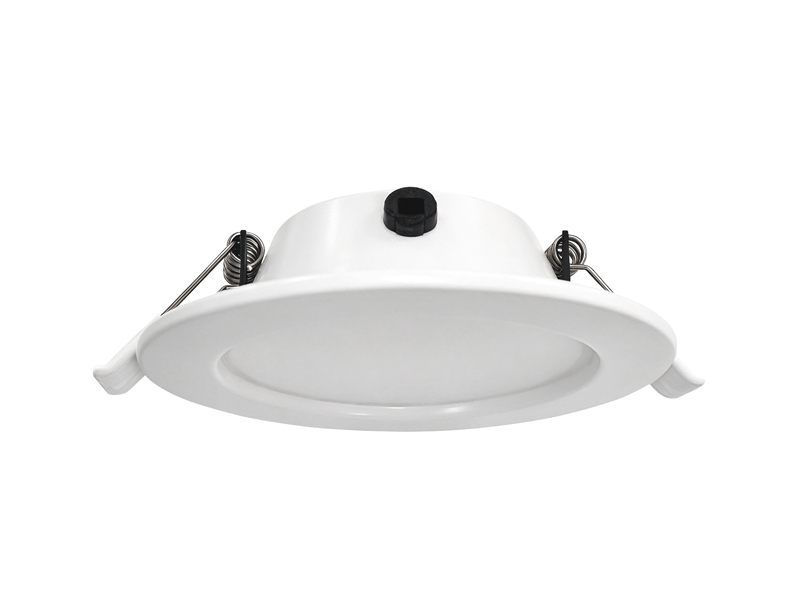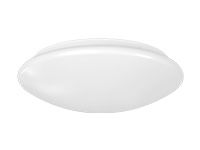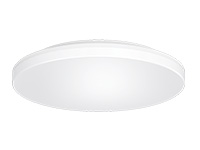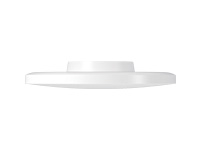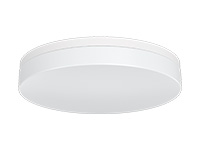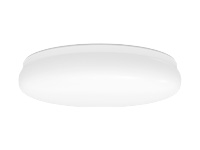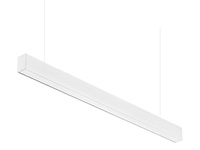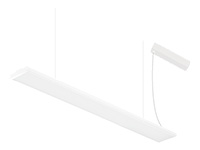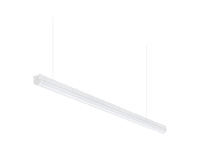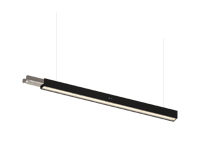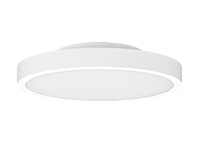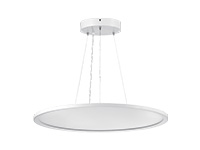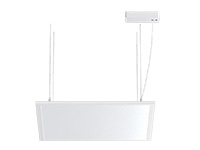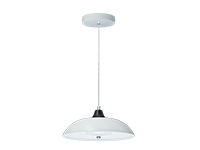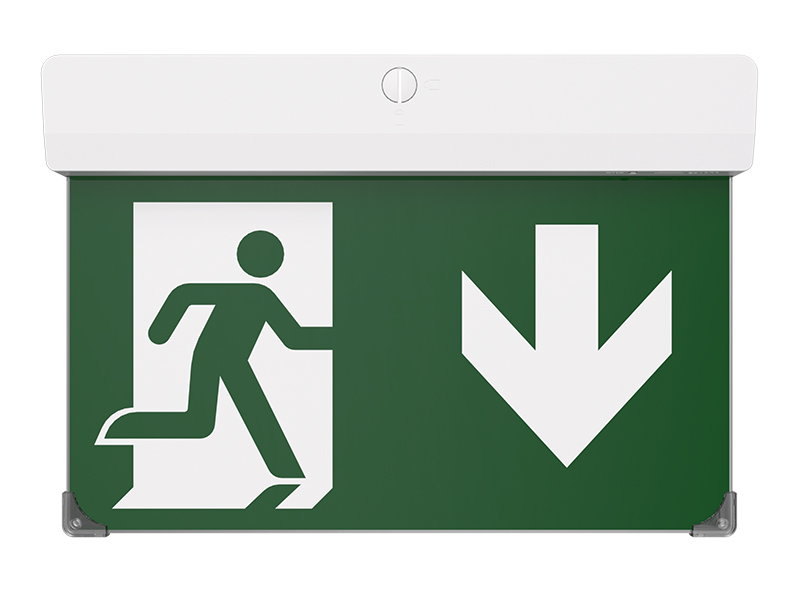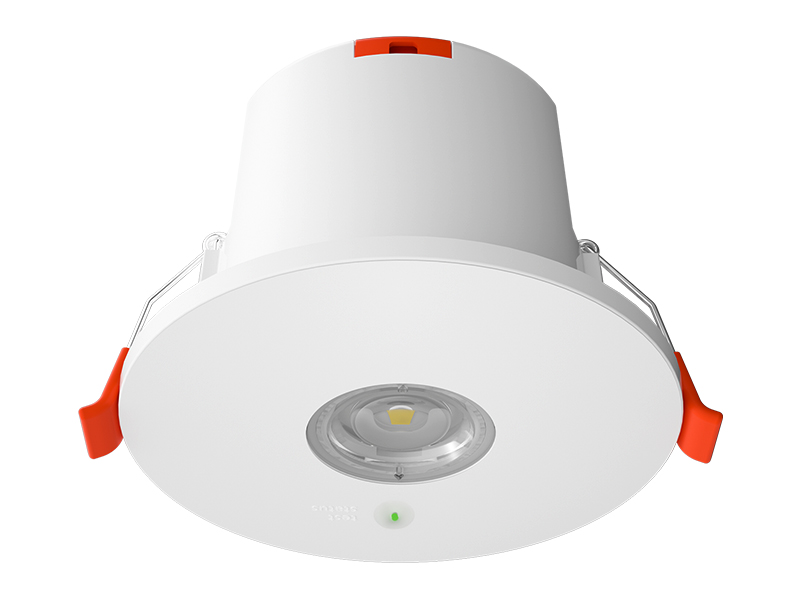

A product catalogue can show whether a fixture is worth considering, but evaluating a manufacturer requires a different set of questions. Buyers need to understand how an agreed product configuration will be identified, checked and kept consistent through a project. At IMIGY Lighting, we recommend using specific products as anchors for that evaluation. Our Halo Ceiling Lights and Rainbow Ceiling Lights provide useful examples because their documented configurations differ in construction and protection ratings. Those differences help define what needs checking, without treating a specification table as proof of factory processes or wider manufacturing capabilities.
Assess an Energy Efficient LED Lighting Manufacturer by linking each requested piece of evidence to the product you intend to purchase. Ask how model identity, component changes, sample approval and final checks are handled. Review the evidence provided rather than assuming that a catalogue rating establishes production consistency, certification coverage or the suitability of a particular factory process.
Separate product suitability from supplier capability. Use an exact code when requesting records. Check whether an approved sample represents the intended configuration. Ask how changes are communicated and evaluated. Treat environmental ratings as product selection information, then request supporting evidence where the project requires it. Keep unverified capabilities open until they have been demonstrated.
Begin by identifying the configuration that matters to your project. Ask how a supplier distinguishes similar models, optional functions and revised components. For example, a change to a cover, driver or housing may affect whether a previously reviewed sample still represents the proposed product. Request an explanation of the change and the evidence needed to assess its consequences.
When comparing an Energy Efficient LED Lighting Supplier, ask what records can connect a finished sample with its agreed specification. Relevant questions include how the product code is identified, which settings were used during evaluation and how exceptions are recorded. These are requests for evidence, not claims that every supplier already operates a particular system.
An Energy Saving LED Lighting Supplier should also be asked how proposed substitutions will be brought to your attention. A substitute component should not be accepted merely because the finished light looks similar. Decide which changes require another sample review and which documents must be updated before the project proceeds. This makes the evaluation more concrete than a general discussion about quality.
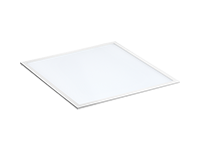
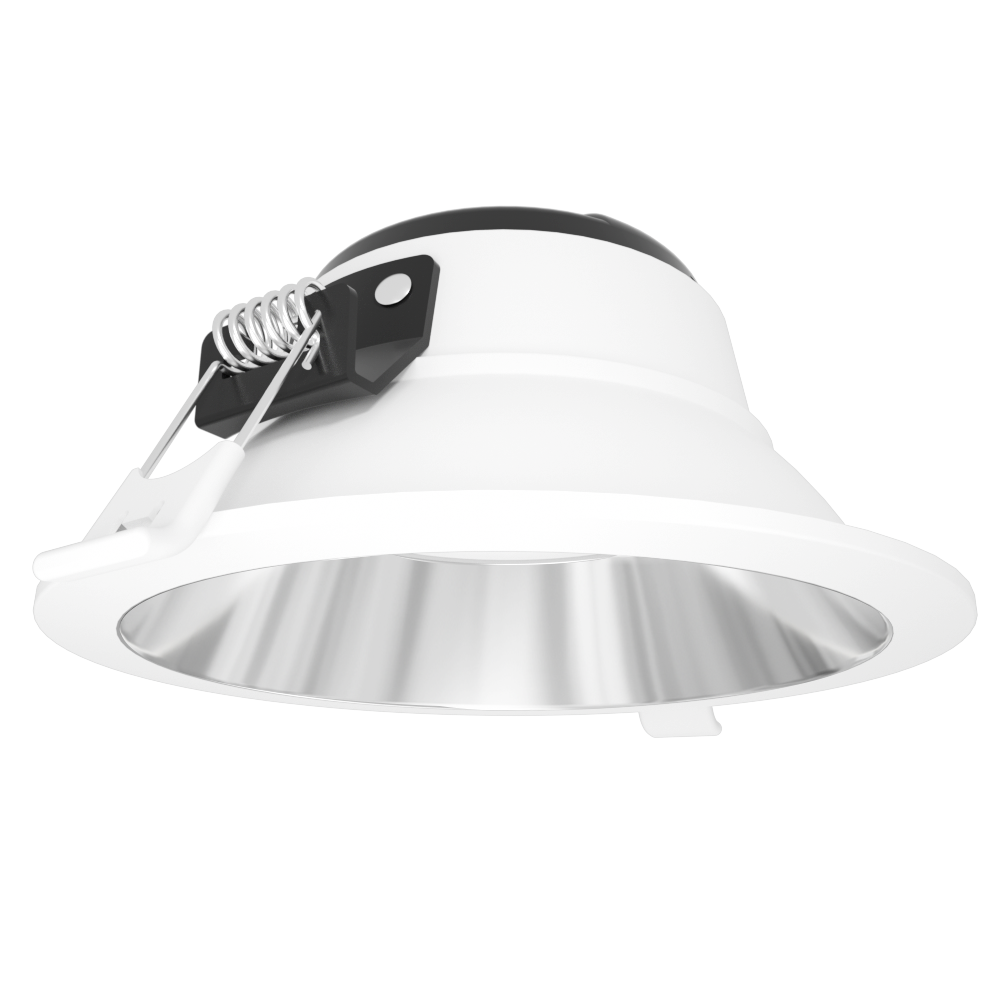
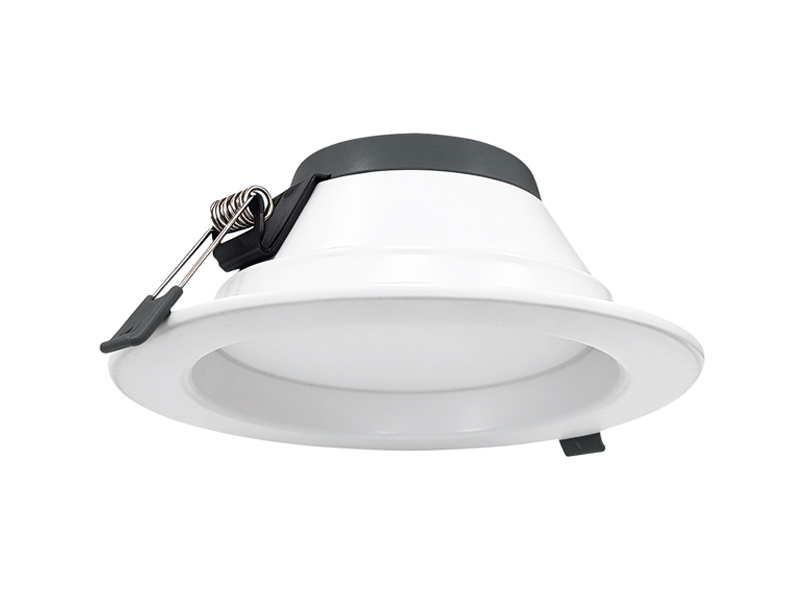
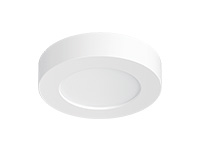
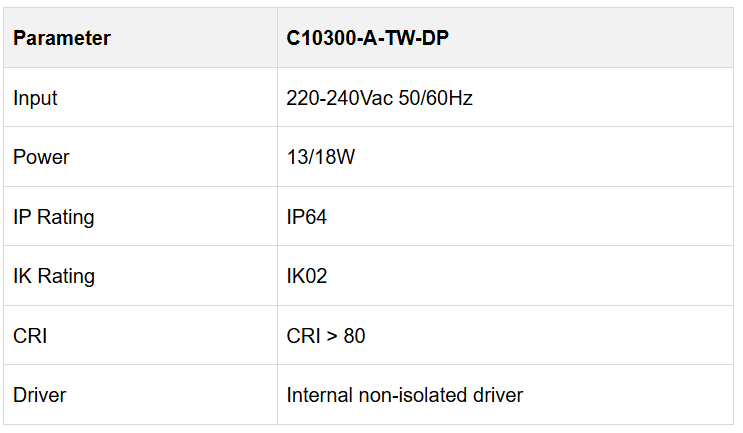
The selected Halo Ceiling Lights example provides a specific electrical and protection profile. Use its code when asking for installation information or model related supporting documents, so that the response can be checked against the intended fixture.
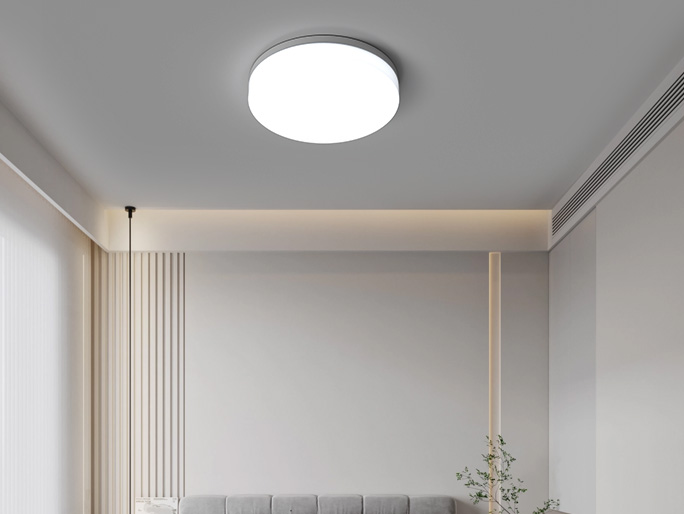
The Halo range describes a backlit product with a PMMA cover and metal plate. Surface and wall installation are listed, and the family includes microwave sensing support. Where an additional function is requested, identify the applicable version before deciding what should be tested or demonstrated. The standard product description alone does not establish the configuration of an optional functional sample.
During an evaluation, ask how the selected power position and colour setting will be recorded. If a sample arrives with different settings from those agreed, establish whether it can still answer the intended selection questions. Keep product identification and operating configuration together when reviewing the results.
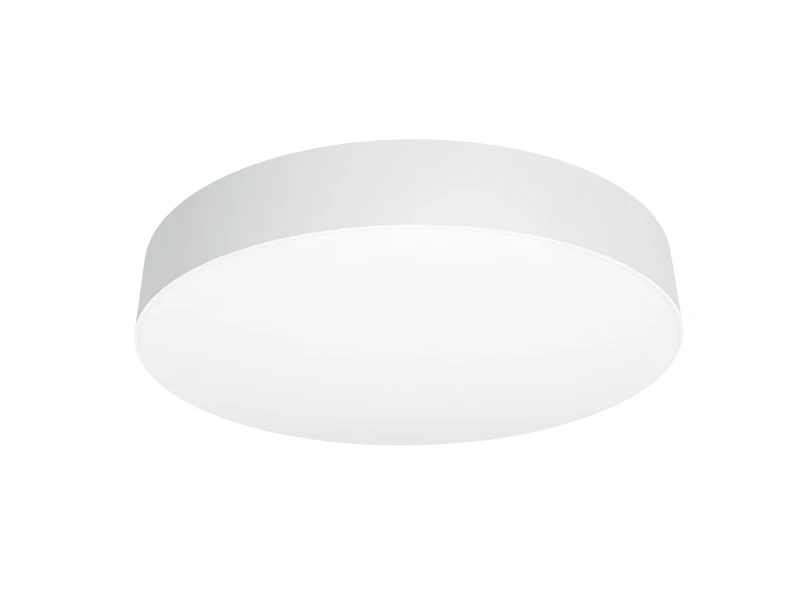
Our selected Rainbow Ceiling Lights reference is a square model. Its documented ratings differ from the Halo example, demonstrating why evidence requests should follow individual models rather than assuming that one family represents every product.
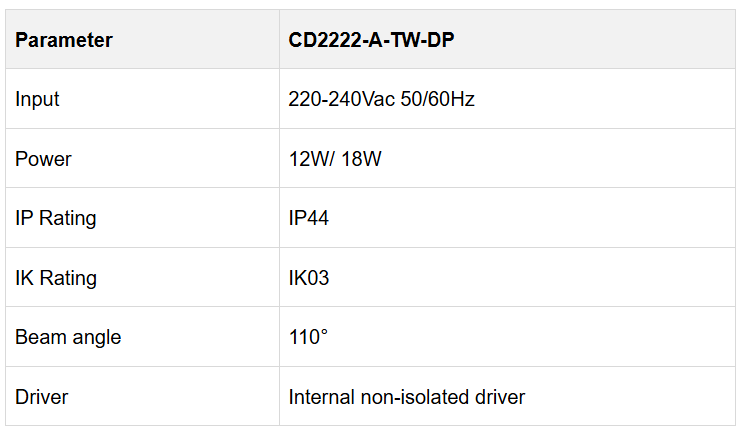

The Rainbow range includes round and square versions, with surface, recessed and wall installation described in the family information. Confirm the applicable mounting details for the selected version. A family offering several control possibilities does not mean that every shape or model includes those functions. In particular, do not assign a sensor configuration to this selected example without corresponding confirmation.
For the factory discussion, ask which checks address the features relevant to your installation. If the project requires evidence about protection performance, request documents that identify the applicable model and conditions. The table supplies a starting specification; it does not establish the scope of any certificate or report that has not been reviewed.
Before appointing an Energy Saving LED Lights Manufacturer, separate confirmed findings from unresolved requests. Product appearance, electrical configuration, installation information and any required evidence should each have a clear status. Where a response does not match the proposed model, ask for clarification rather than extending conclusions from a different product.
For an Energy Efficient LED Lighting OEM Manufacturer, add questions about how requested changes will be assessed and reflected in the approved configuration. Avoid assuming that a standard catalogue proves every customisation capability. At IMIGY Lighting, we recommend using Halo and Rainbow examples to define precise review questions, then making the decision from the evidence actually available. A focused evaluation gives a project a clearer technical foundation and reduces ambiguity when samples or specifications change.
Include the people responsible for installation and acceptance when defining the questions. They may need different evidence from the team reviewing the catalogue. An installer may focus on mounting information, while the acceptance review may focus on the agreed operating configuration. Bringing those needs together helps avoid an evaluation that collects documents without answering the practical questions raised by the actual project.
Where evidence is incomplete, describe the outstanding question precisely. This gives the supplier an opportunity to respond and keeps the acceptance decision tied to what has actually been reviewed for this project.
Q: Do the IP and IK ratings in a product table prove that the manufacturer has passed my required factory assessment?
A: No. Those ratings describe product characteristics and should be assessed against the installation requirements. A factory assessment concerns additional matters that need their own evidence. If the project requires supporting reports or certificates, review the relevant documents and confirm their applicability to the selected product instead of inferring approval from the catalogue.
Q: Why should an evaluation identify the exact Halo or Rainbow model rather than just the family name?
A: A family may contain different sizes, shapes, settings and functional options. Evidence connected to one configuration may not answer questions about another. An exact code gives the discussion a defined reference and helps reveal when a sample, drawing or proposed substitution differs from the product being considered.
Q: What should happen when a supplier proposes changing a component after a sample review?
A: Ask what changes, why it is proposed and which agreed characteristics may be affected. Review the available supporting information and decide whether another sample or technical assessment is needed. Update the accepted specification only after the consequences have been considered, so that the project does not proceed with an unidentified configuration.
It is recommended that you upgrade the latest browser
 Chrome
 Firefox
 Edge