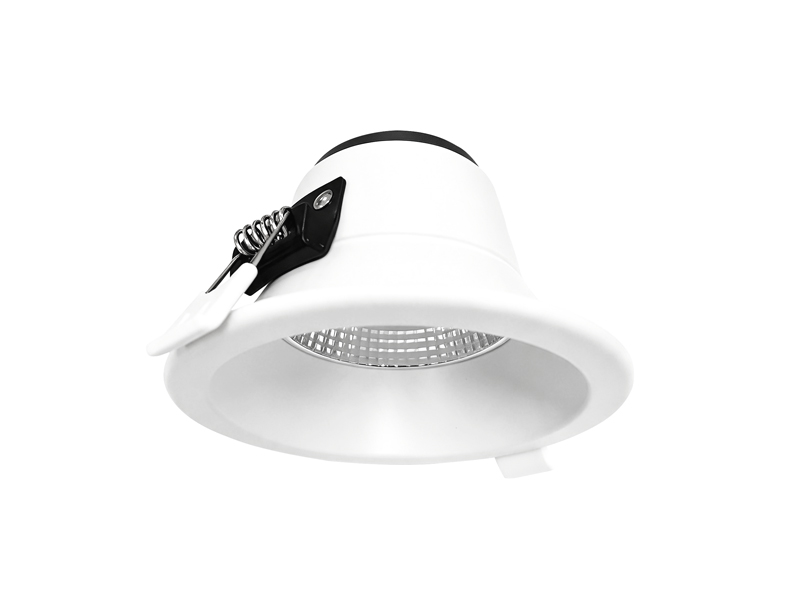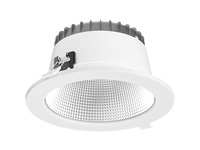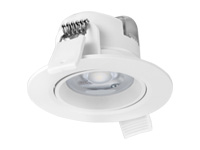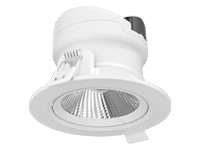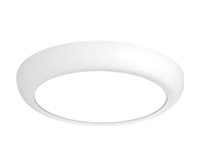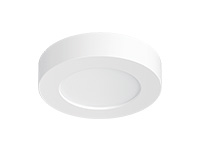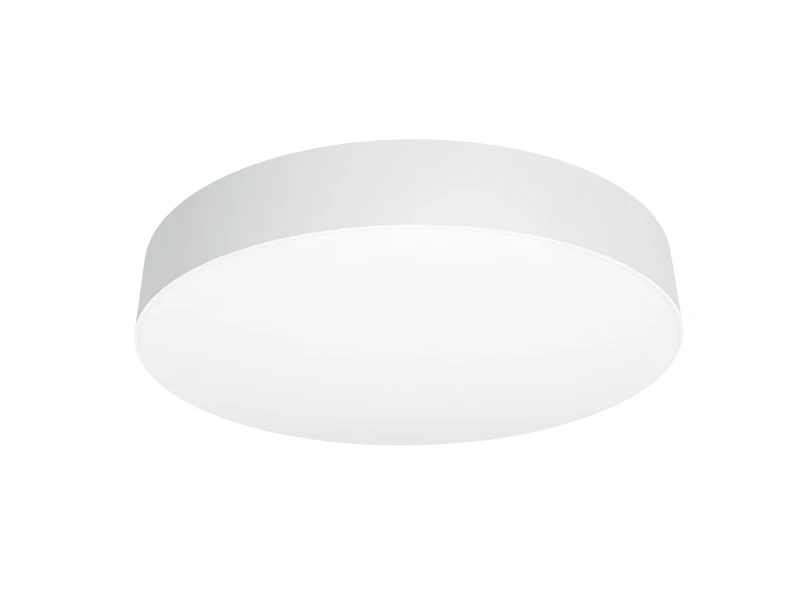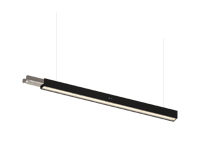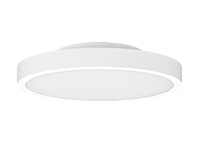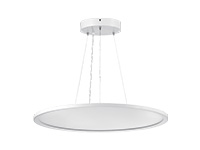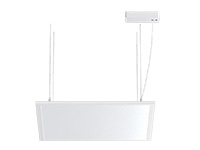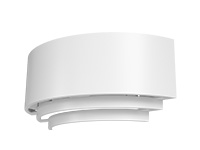

Two lighting proposals can look similar while describing different products. Matching wattages may hide different outputs, a familiar product name may cover several configurations, and a compact quotation may leave mounting details unresolved. At IMIGY Lighting, we recommend comparing what each proposed unit will actually provide before deciding which proposal fits your project. Our Floria Ceiling Lights and Bean Ceiling Lights illustrate why this matters: both selected examples offer two power settings, yet their documented outputs, dimensions and beam angles differ. A useful review keeps those differences visible and relates them to the intended room.
Review an Energy Efficient LED Lighting Supplier proposal by matching exact codes, operating settings and output conditions. Compare the selected power position with its corresponding lumen figure, then assess distribution, physical dimensions and environmental suitability. List options separately from included functions. Finish with a clear account of any differences that still require technical confirmation.
Equal power does not establish equal lighting performance. Two selectable power positions do not demonstrate continuous dimming. Colour temperature selection is another independent feature. Product dimensions describe the fixture, not automatically the mounting interface. Compare equivalent information in each proposal and leave unanswered fields visible instead of filling them through assumptions.
Start by separating the proposed fixture from surrounding project services and accessories. A complete fitting description should identify the selected model, required settings and intended mounting arrangement. If one proposal names a series while another names an exact code, ask for clarification before calculating any performance difference. Otherwise, the comparison begins with unequal information.
An Energy Saving LED Lighting Supplier may present a low power setting prominently. Check whether the stated output belongs to that position or to a higher setting. Keep each power and output pair together. Also retain any stated colour temperature condition, because a figure detached from its original context can make a proposal appear more directly comparable than it is.
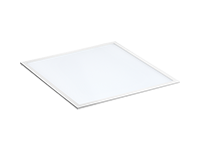
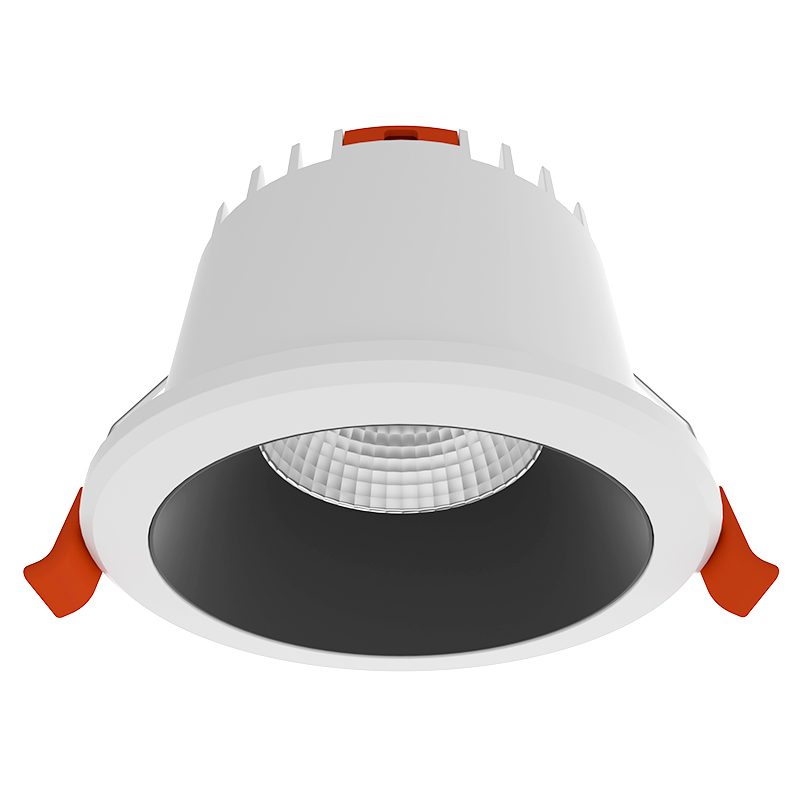
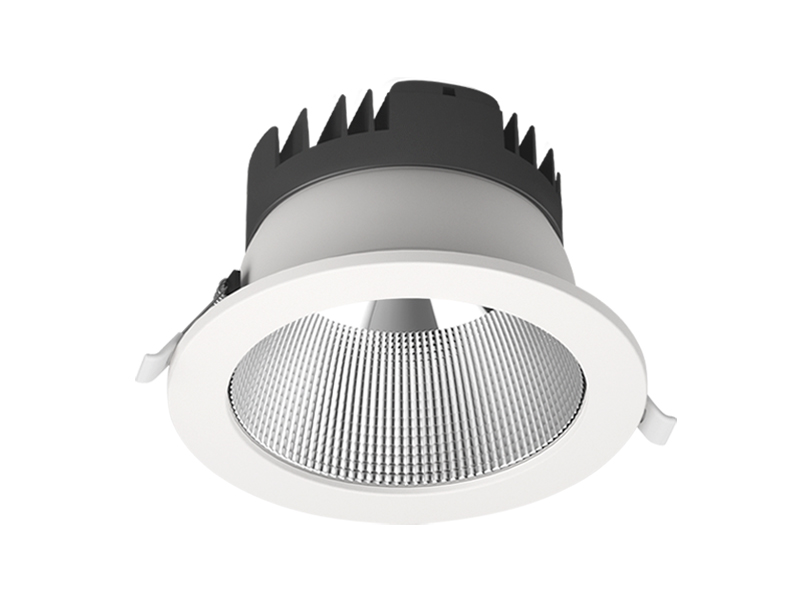
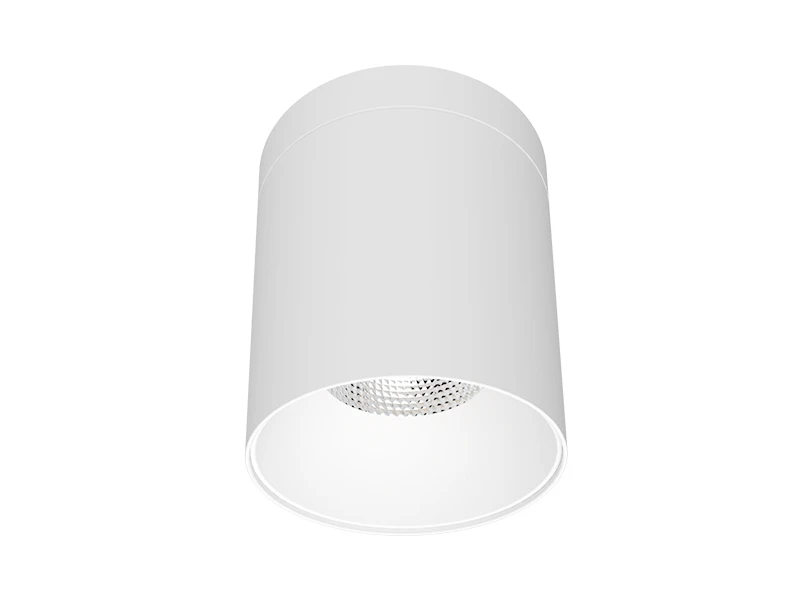
When a proposal comes from an Energy Efficient LED Lighting Manufacturer, review what is standard, optional or still subject to confirmation. Do not infer a particular sensor, driver interface or accessory from a broad family description. For the same reason, a product photograph should support identification rather than substitute for dimensional or electrical information.
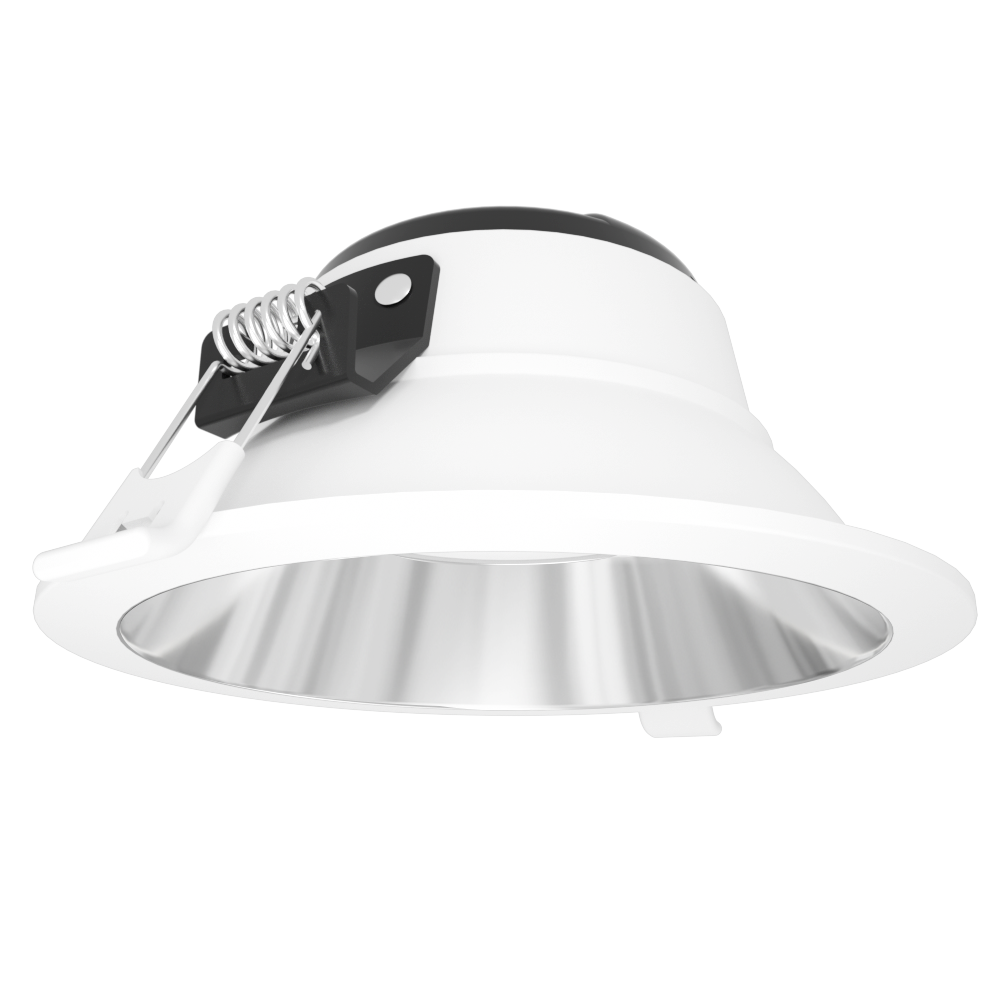
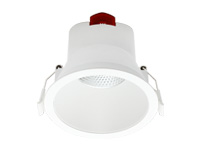
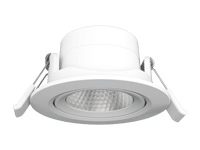
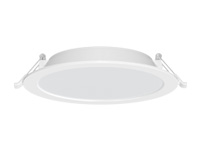
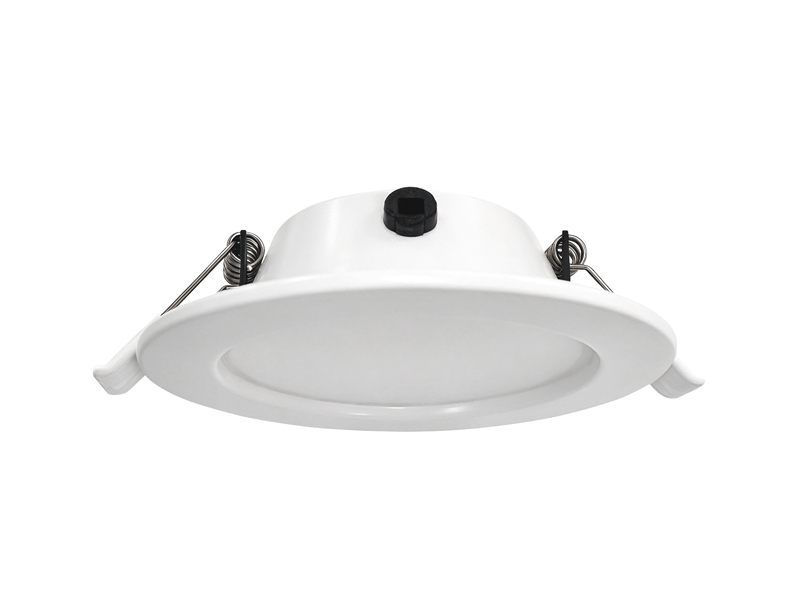
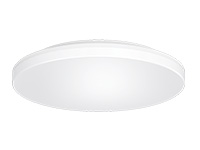
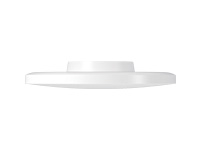
The selected Floria Ceiling Lights model provides a defined reference for a dual power comparison. Read the first output against the first power position and the second output against the second position, rather than combining whichever figures make the most attractive headline.
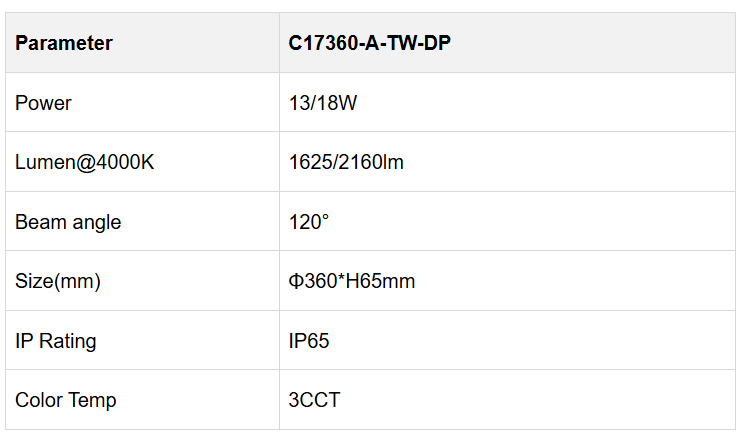
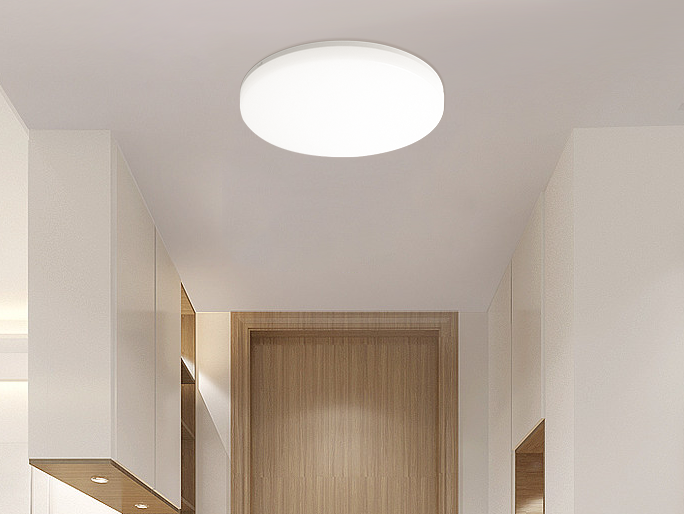
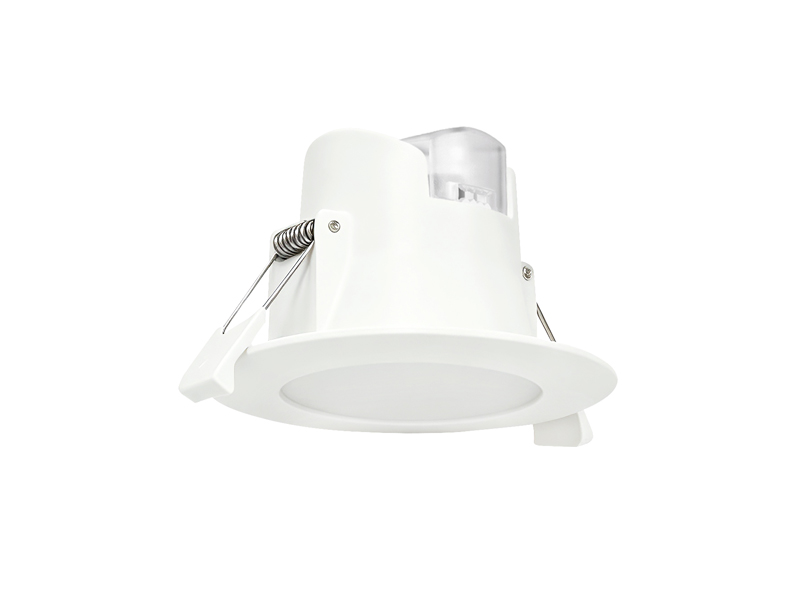
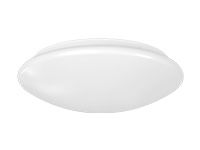
The Floria range describes a round fitting with a built in driver and surface or wall installation options. Its family information also describes microwave sensing support. Confirm the actual functional version where sensing is required; the table identifies the selected power and colour configuration without establishing every available control option.
Consider whether the intended room can use either power position appropriately. This is a lighting decision, not merely a procurement preference. A lower setting should be assessed against the required illumination, while the larger physical outline needs to be considered against the available mounting surface and surrounding ceiling details.
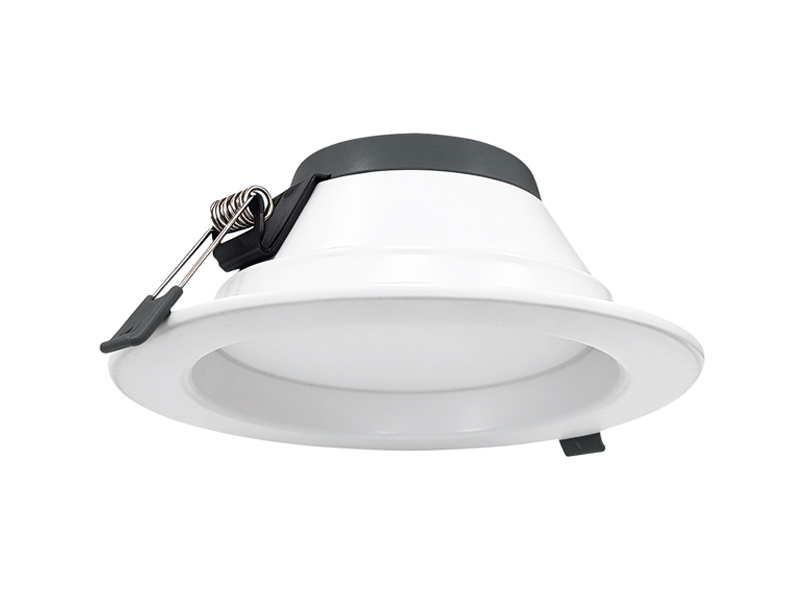
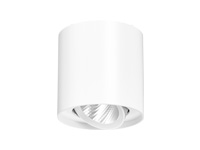
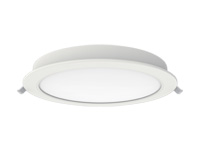
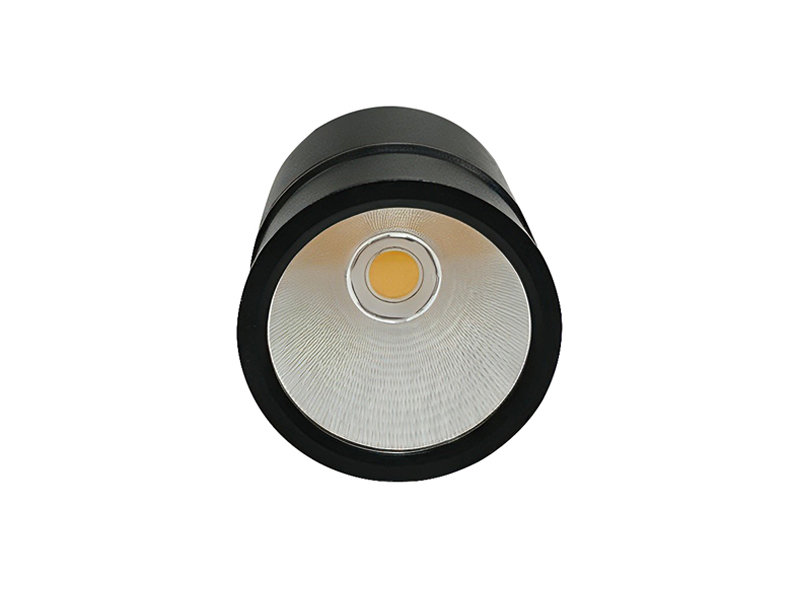
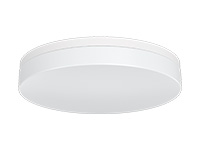
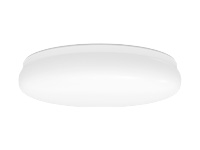
Bean Ceiling Lights supplies a different documented combination at the same two nominal power positions. This makes it useful for showing why a proposal review should retain more than a wattage column.
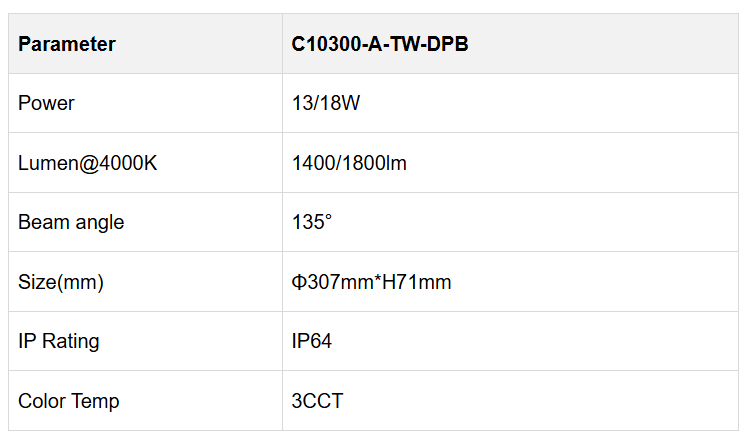
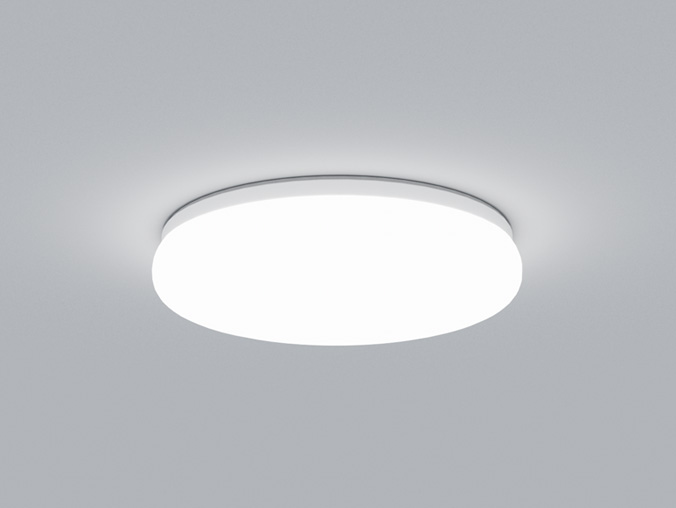
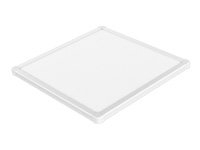
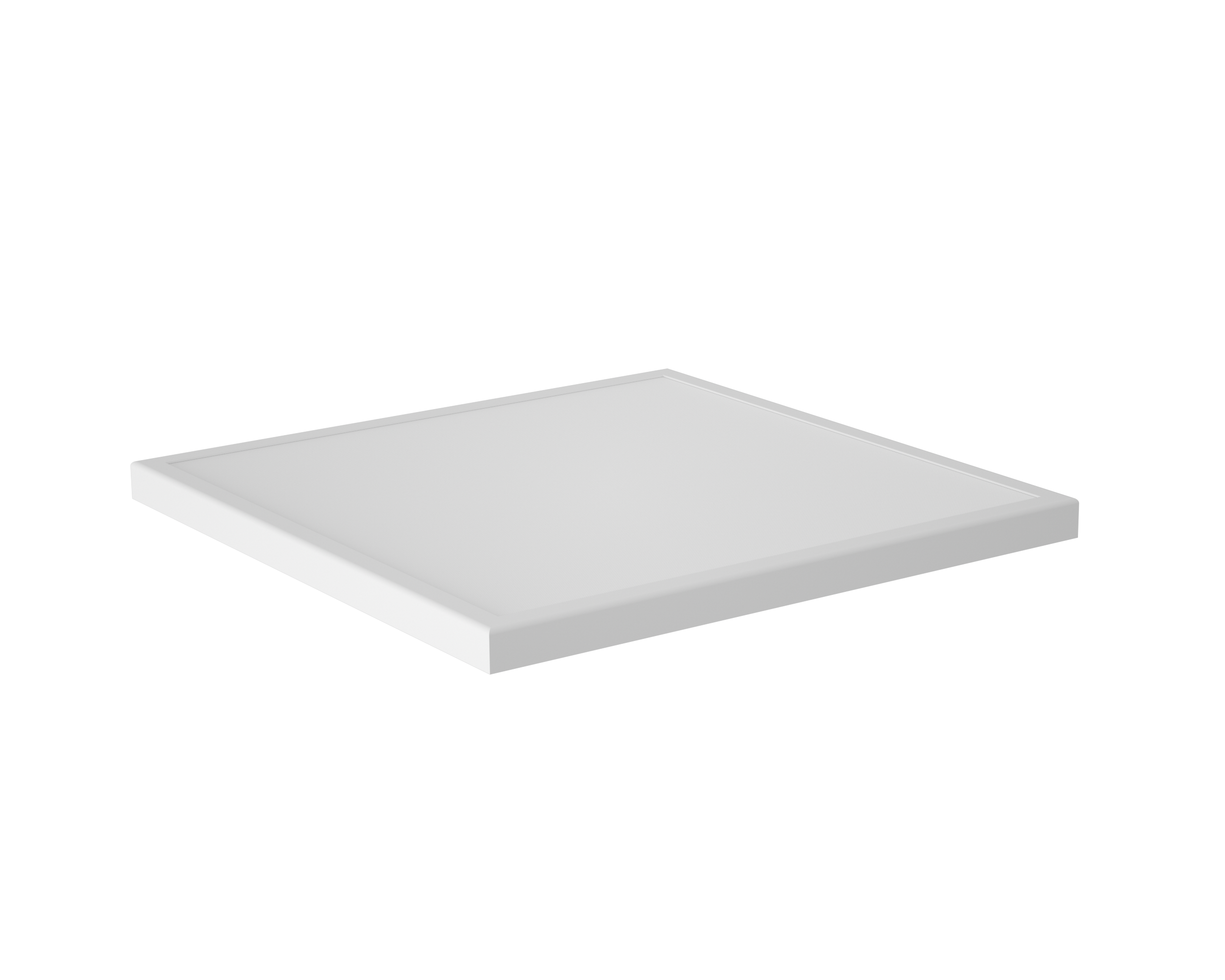
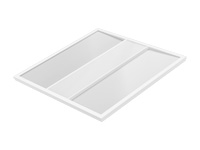
The Bean range uses a backlit arrangement with a PMMA cover and metal plate. Surface and wall installation are described in its family information. The selected example has a different beam angle and body size from the Floria example. Those distinctions should remain visible when considering the appearance and spread of light in the proposed installation.
Do not rank the two models from a single figure. A wider listed beam angle does not independently establish uniformity in a particular room. Similarly, a different protection rating should be judged against the location requirements. A sample review or suitable lighting assessment can help connect the catalogue differences to the actual selection.
Ask an Energy Saving LED Lights Manufacturer to explain any substitution using the same comparison fields as the original offer. Keep an exception list covering output, dimensions, installation components and control configuration. A replacement product should be assessed against the project requirement, rather than accepted solely because its nominal power matches.
If working with an Energy Efficient LED Lighting OEM Manufacturer, identify requested changes as separate review items. Do not let a proposed customised appearance obscure unresolved performance or mounting information. At IMIGY Lighting, we recommend retaining the chosen Floria or Bean configuration, the confirmed settings and the accepted differences in the final schedule. That turns a collection of quotations into a practical specification that purchasing and installation teams can interpret consistently.
A useful comparison also distinguishes a documented difference from an unanswered question. A different diameter is a known design characteristic; an unidentified mounting accessory is missing information. Record those situations separately. The first needs a decision about suitability, while the second requires clarification. This prevents a proposal with less detail from appearing equivalent simply because its unanswered fields have been overlooked during the review.
Include the installation team in the review where mounting details differ. A proposal may describe a suitable light yet leave an unresolved physical interface. Clarifying that interface before selection helps prevent a later change from disrupting an otherwise sound lighting decision. Keep those practical observations, including relevant installer feedback, alongside the product figures so that the final choice reflects the whole requirement, including how the selected fixture will be used in the intended space.
Q: Why do these Floria and Bean examples show different lumen figures when their power positions are the same?
A: The documents identify different product designs and output combinations. Matching nominal wattage alone does not make them equivalent. Keep each model’s own figures intact and assess the amount and distribution of light required by the room. Avoid replacing documented output with an assumed value derived from another family.
Q: Can dual power selection be treated as proof that the fixture works with the existing dimmer?
A: No. Selecting between defined power positions does not establish compatibility with a dimming interface. If dimming is part of the project, identify the existing controller and obtain confirmation for the proposed fixture version. Keep colour temperature selection, power selection and dimming requirements as separate entries during the review.
Q: How should an incomplete proposal be handled when the product appears suitable but some details are missing?
A: Preserve the missing items in the comparison and request the relevant information before accepting the configuration. A promising appearance or familiar product name should not close an unresolved technical question. Confirm the code, configuration and installation information, then compare the updated proposal against the same requirements used for the other products.
It is recommended that you upgrade the latest browser
 Chrome
 Firefox
 Edge