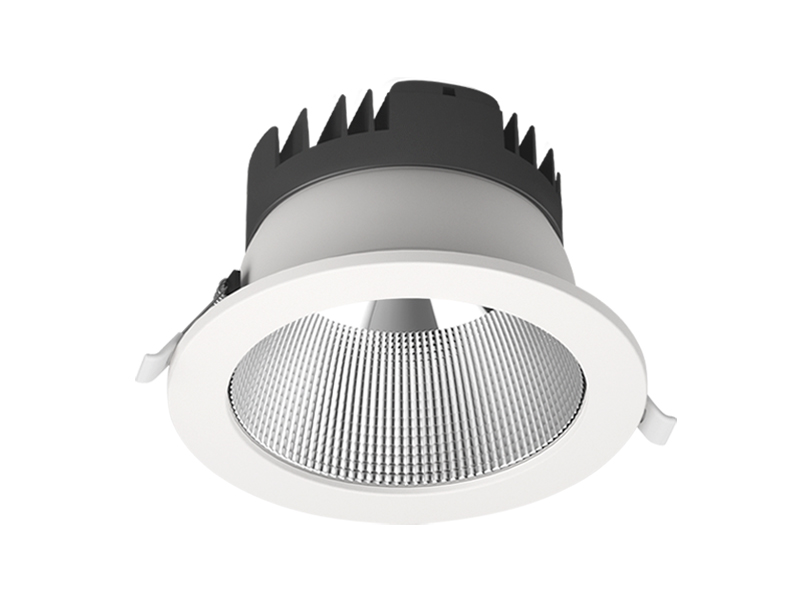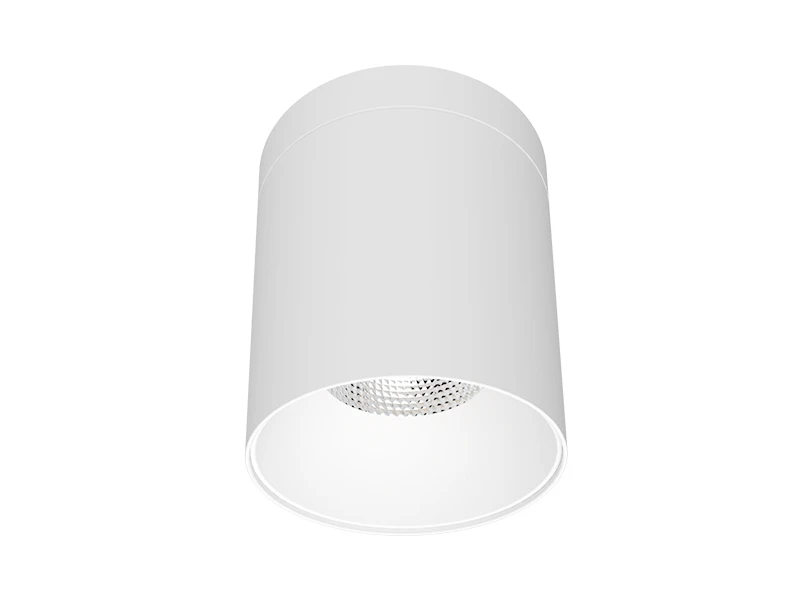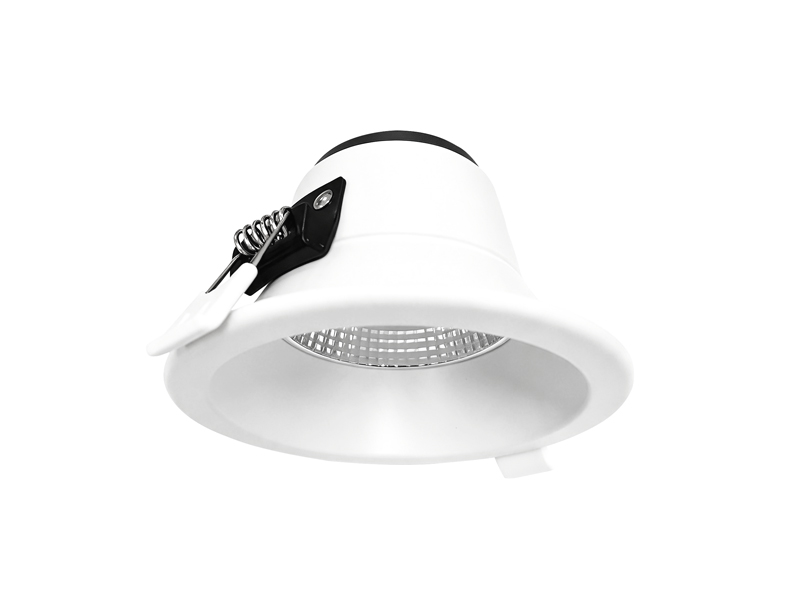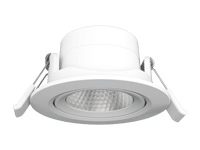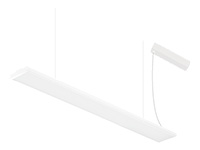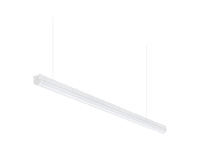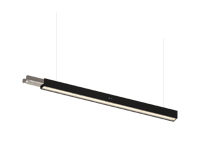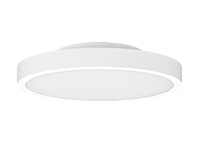

Choose an Energy Efficient LED Lighting OEM Manufacturer through a clear brief, a defined product reference and a review of the requested changes. Establish which characteristics must remain fixed, what evidence is needed for approval and how revisions will be identified. At IMIGY Lighting,Do not treat a catalogue option as confirmation that every requested customisation is available for the chosen model.
Define the intended application before appearance changes. Separate standard specifications from requested modifications. Review optical, electrical and mounting consequences independently. Use a sample that represents the intended final configuration. Agree how changes will be recorded and assessed. Keep unconfirmed capabilities visible until the relevant technical discussion has resolved them.
Start with the room type, installation arrangement and lighting task. Then describe the appearance, operating settings and control behaviour you want. Identify the requirements that are essential and those that are preferences. This gives an Energy Saving LED Lighting Supplier a concrete basis for discussing whether a standard configuration is suitable or further review is needed.
Next, identify exactly what you want to change. A different cover appearance, another driver configuration and revised installation information are not one interchangeable request. Ask how each proposal affects the selected product and which information is required before it can be assessed. Avoid treating a successful discussion about appearance as approval of electrical or control changes.
An Energy Efficient LED Lighting Supplier should be asked to distinguish confirmed product options from new requests. Keep the baseline code in the project record and give proposed variations their own clear description. This makes it possible to compare the reviewed sample with the final requirement and to recognise when a later revision changes the original basis of approval.
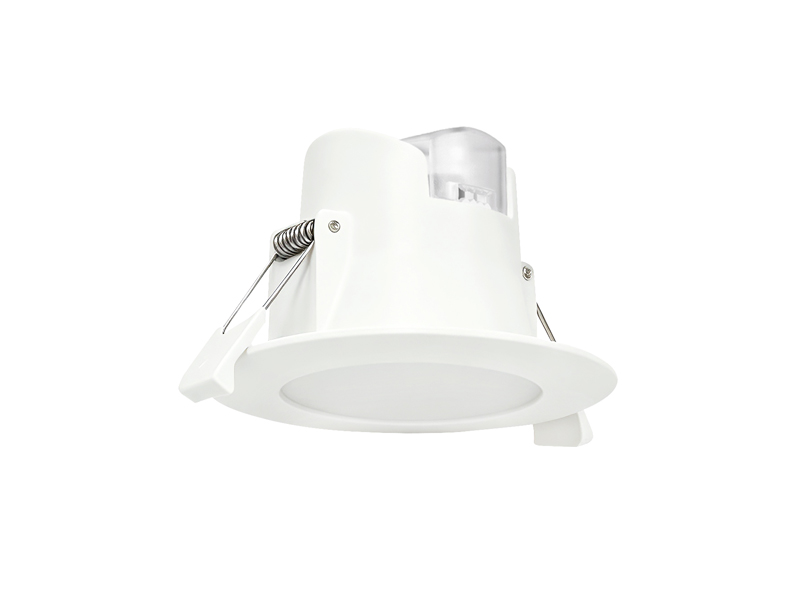
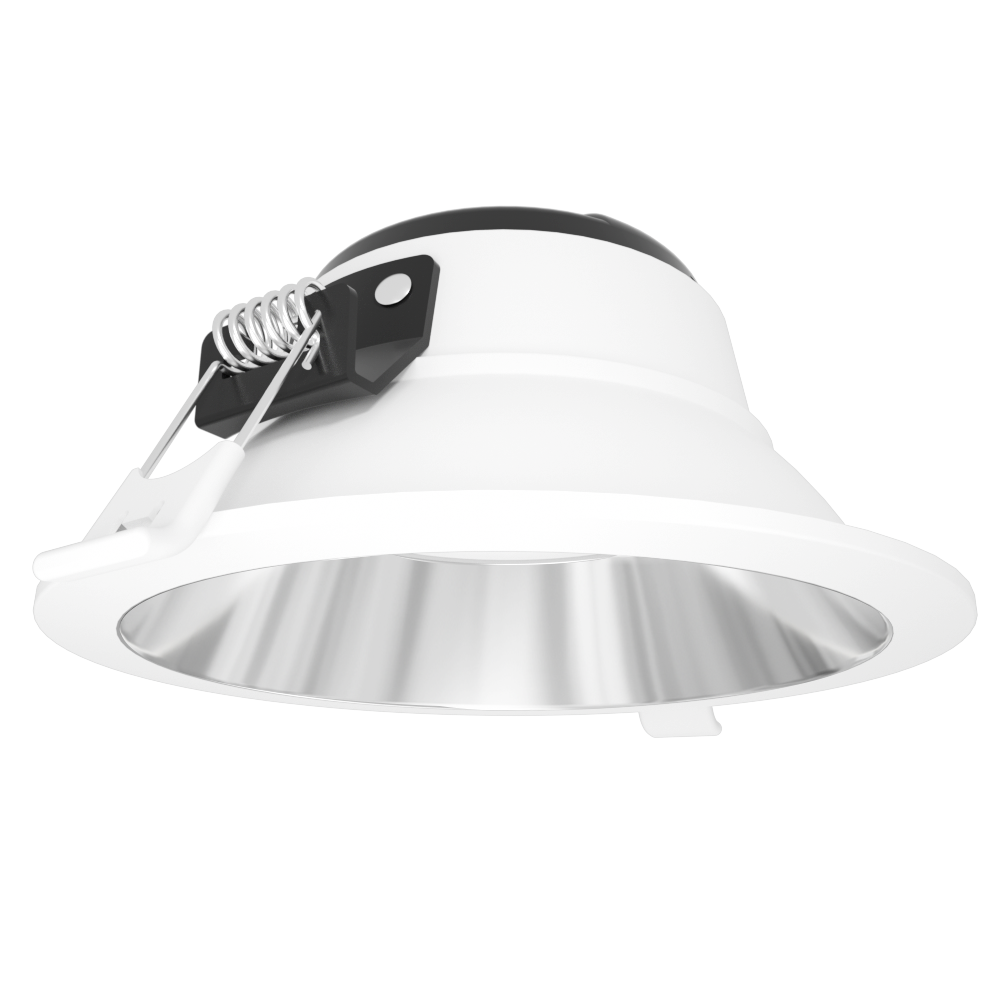
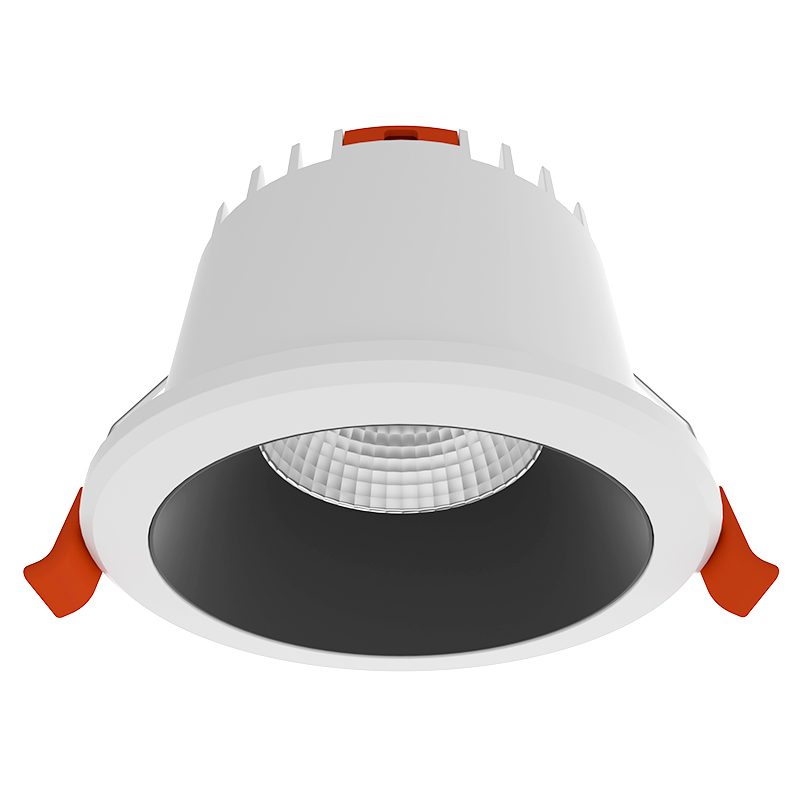
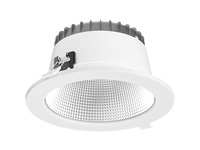
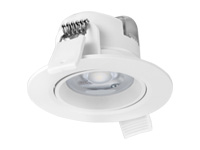
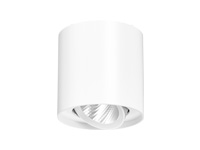
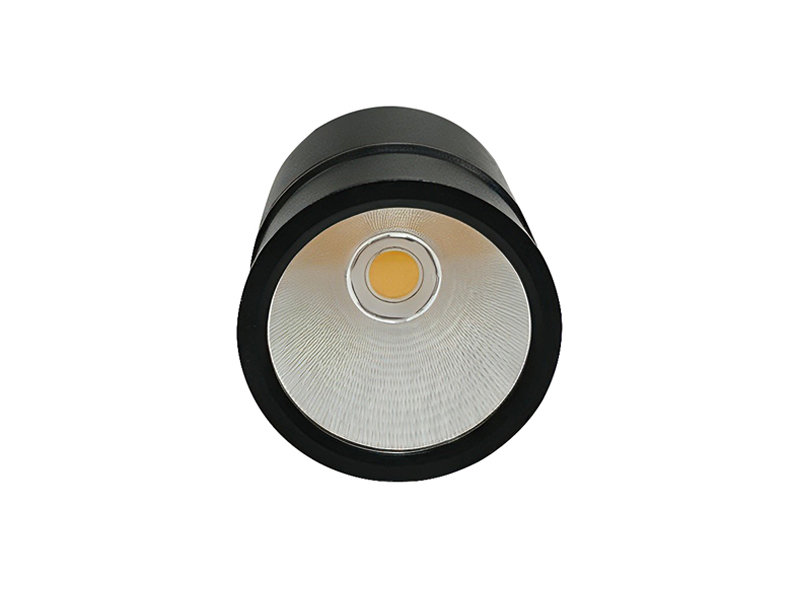
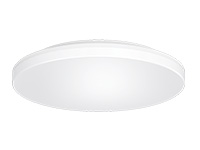
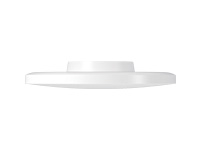
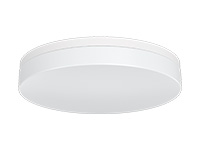
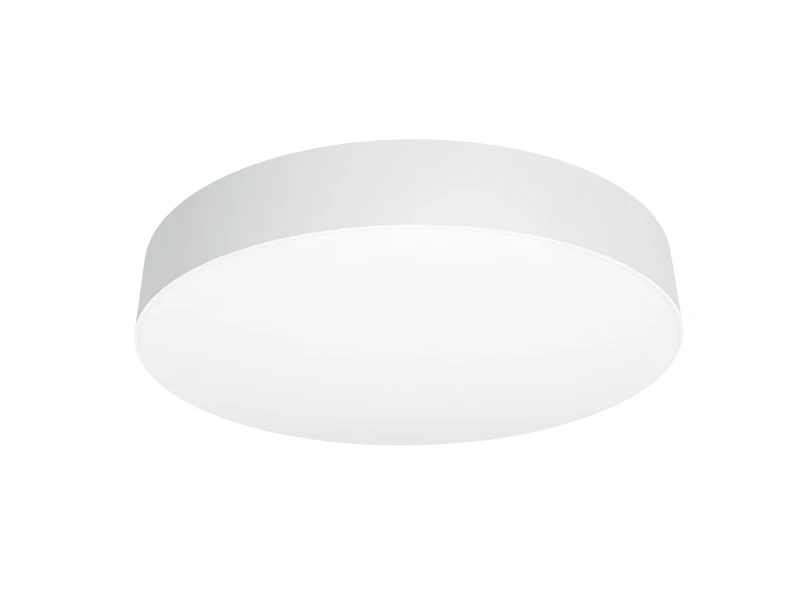
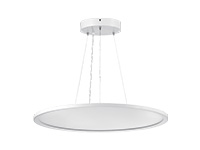
The Turbot Ceiling Light example below uses the crown cover version. Its listed data forms a standard reference for discussing the intended product, rather than a set of promised values for an unspecified customised version.
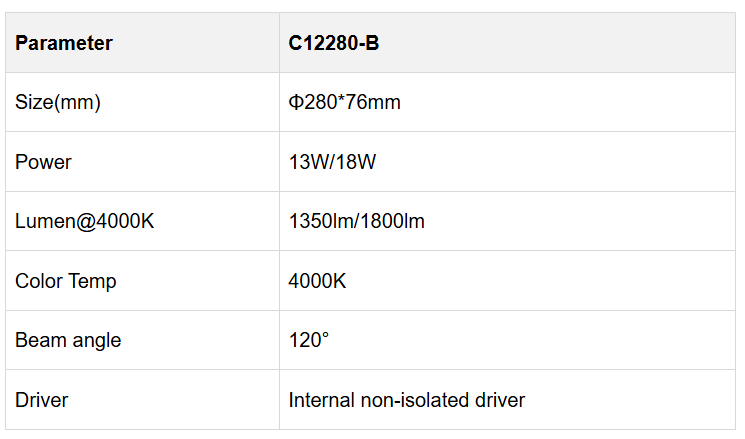
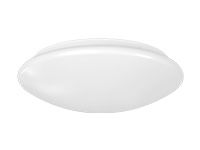
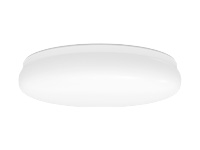
Turbot family information describes mushroom, crown and moon covers sharing a base plate within the range. This is useful when discussing appearance choices, but it should not be extended into a claim of interchangeability with other product families. Confirm the chosen cover and its corresponding dimensions before reviewing the finished appearance.
The selected parameter column lists a fixed colour temperature. Although the family information describes further configuration possibilities, those possibilities should not overwrite this model reference. Where a project requests another colour or control configuration, identify that request separately and ask which documented version can address it.
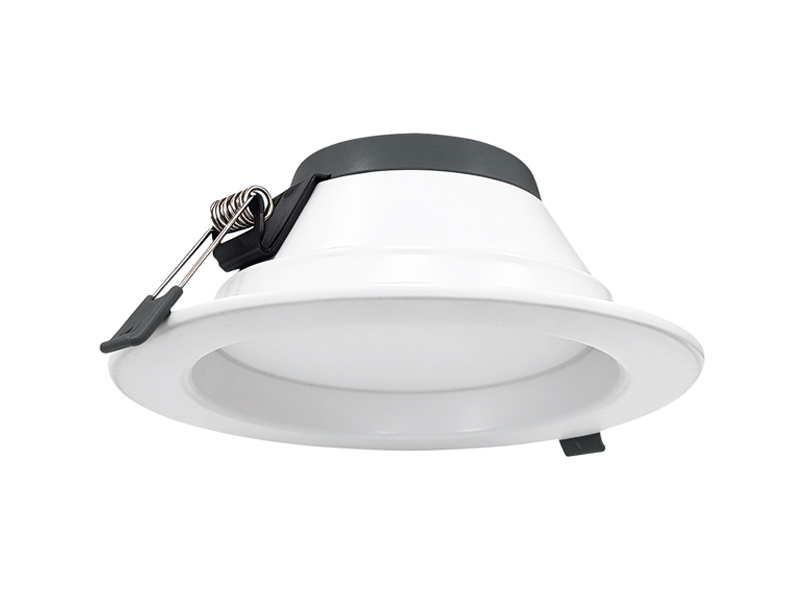
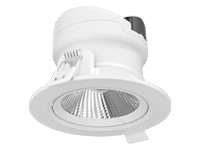
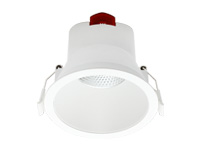
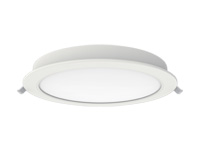
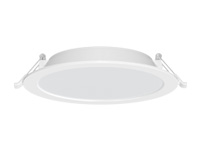
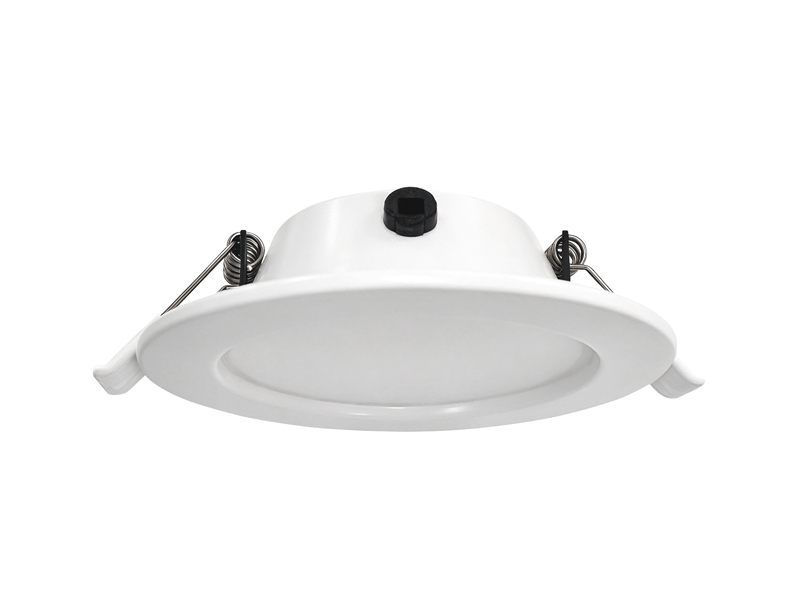
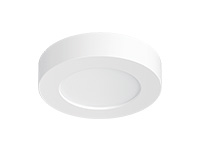
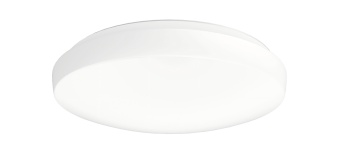
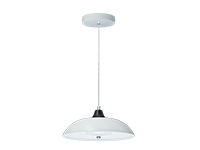
The selected Sofing Ceiling Lights model is a mushroom cover configuration with its own body depth and output. Retain its independent specification instead of borrowing dimensions or operating settings from the Turbot example.
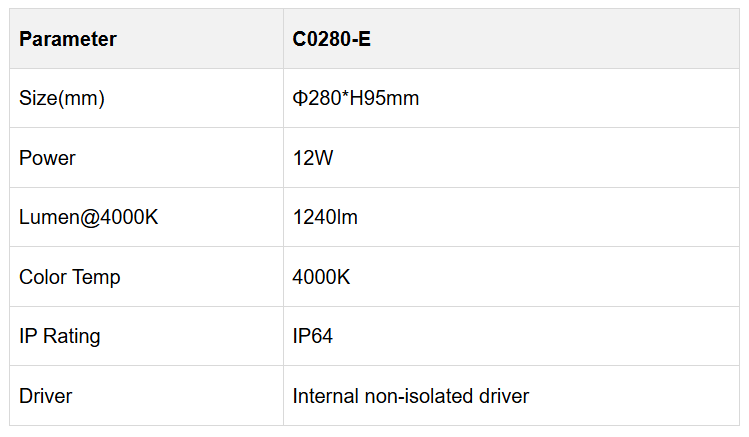
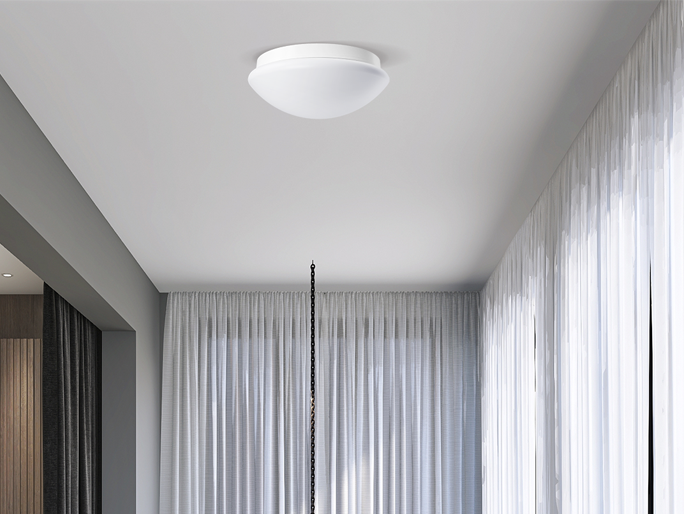
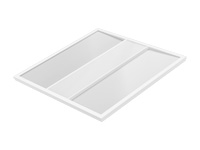
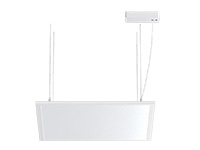
This Sofing size uses an edgelit arrangement with a PMMA cover and metal plate. Surface and wall installation are described in the range information. If a proposed change affects the cover or internal arrangement, ask what needs to be reassessed before accepting the revised product as equivalent to the original reference.
The range includes functional possibilities beyond this fixed configuration. Microwave sensing or emergency requirements should therefore be stated explicitly and confirmed for the intended version. A project brief should say what operation is required without assuming that an optional function is included in every model or can be added without further review.
When assessing an Energy Efficient LED Lighting Manufacturer, ask how the proposed sample will represent the requested configuration. Record the chosen cover, relevant settings, installation details and acceptance criteria together. If the sample differs from the intended product, identify which questions it can answer and which still need another review.
Before selecting an Energy Saving LED Lights Manufacturer for the project, clarify how later changes will be communicated. A revised appearance or component should trigger consideration of its consequences, rather than silently replacing an approved reference. At IMIGY Lighting, we recommend moving from a clear Turbot or Sofing baseline to a specifically reviewed configuration. This gives the project a practical direction while keeping requests, confirmed options and unresolved questions understandable throughout development.
Before asking for a final sample, check that everyone is reviewing the same brief. An appearance preference should not be mistaken for a mandatory performance requirement, and a requested feature should not be marked as confirmed without a response. Separating these points early helps the discussion stay precise. It also makes later decisions easier to explain when one proposed change affects several parts of the product specification.
Use the final documented project configuration review to confirm what has been accepted, rather than introducing new requirements informally. A clearly identified configuration is easier to discuss with all participants. If a point remains unresolved, keep it open and describe the evidence needed to close it, instead of allowing a product name alone to imply agreement on every requested characteristic of the proposed fitting.
Q: Does Turbot’s shared base plate mean that its covers can also be fitted to Sofing products?
A: No such relationship is established by the available product information. The shared base plate statement concerns cover choices within the Turbot range. Keep the two product families separate and use each model’s own dimensions and installation information. Any requested cross family arrangement would need its own confirmation rather than an assumption based on appearance.
Q: Can an OEM brief combine a different cover, another colour temperature and new controls in one sample request?
A: It can describe all those requirements, but they should remain separate review items. Each may affect different characteristics of the product. Identify the baseline model, explain the desired changes and request confirmation of the proposed configuration. An appearance sample alone may not answer questions about output, control operation or installation.
Q: What should happen if the requested configuration changes after a project sample has been reviewed?
A: Compare the new request with the reviewed reference and identify the affected characteristics. Decide which information or further sample is needed before updating the acceptance record. Keep the earlier and revised configurations distinguishable, so that purchasing and installation discussions refer to the same product rather than an evolving description with unclear boundaries.
It is recommended that you upgrade the latest browser
 Chrome
 Firefox
 Edge