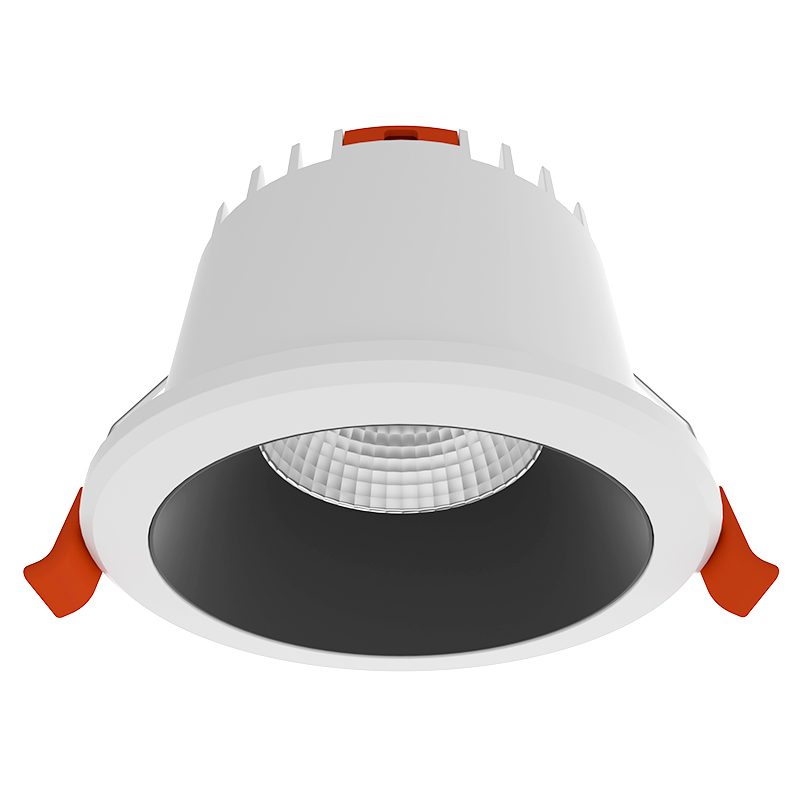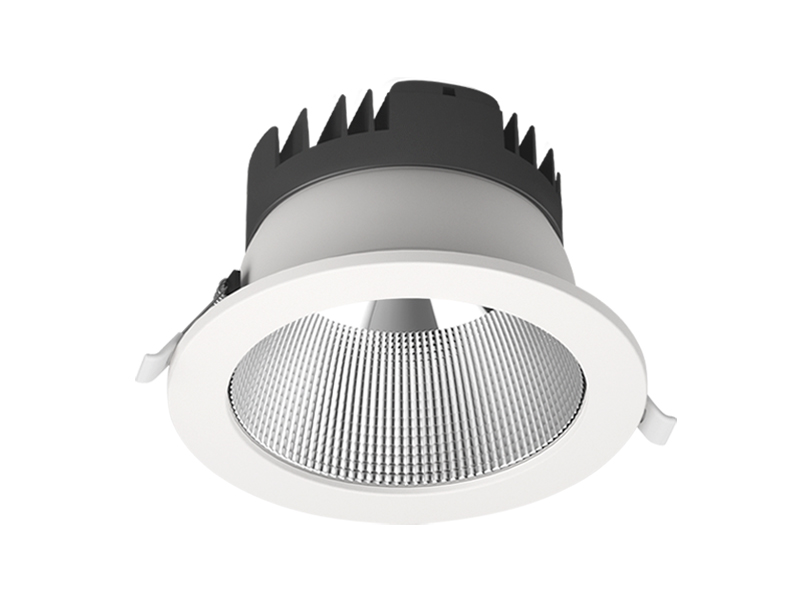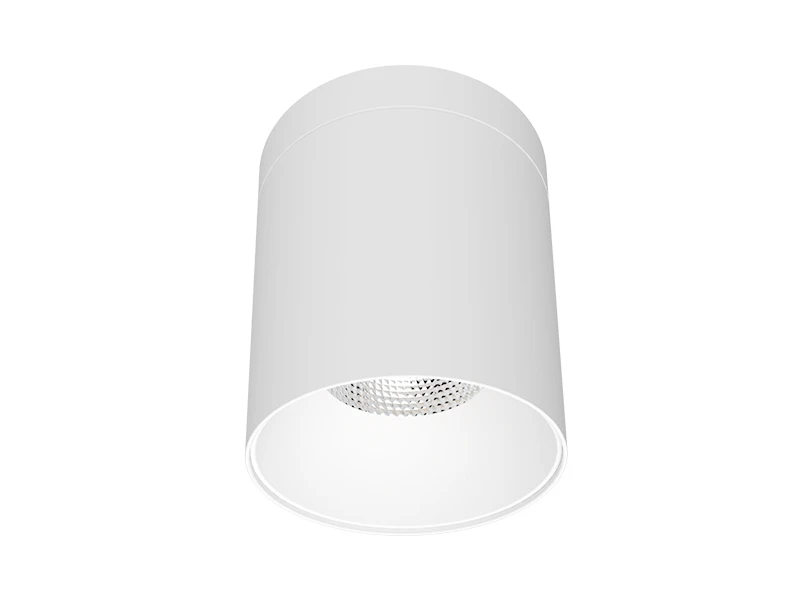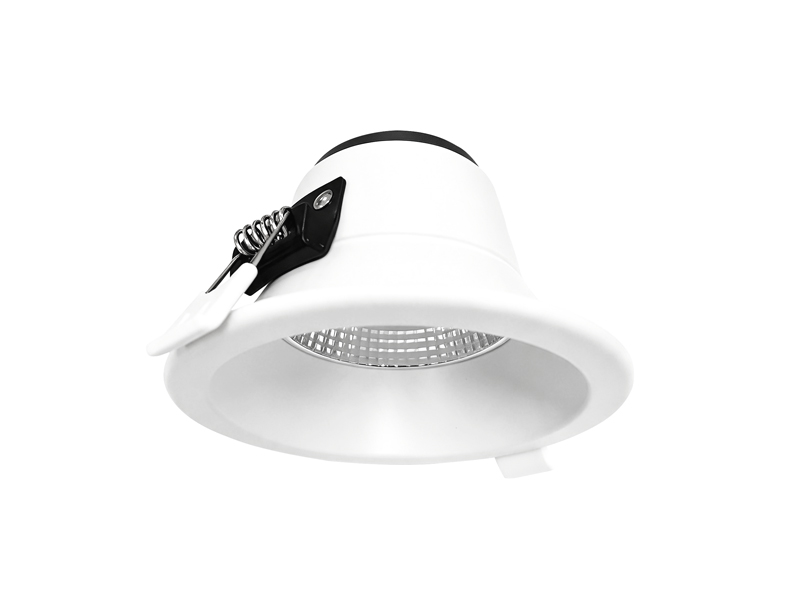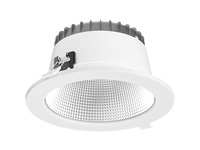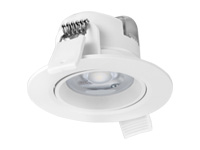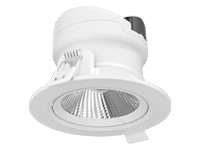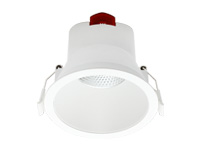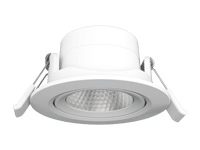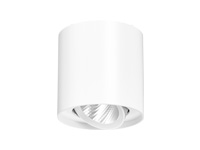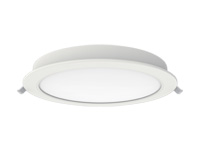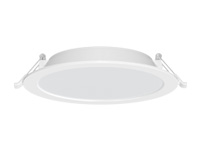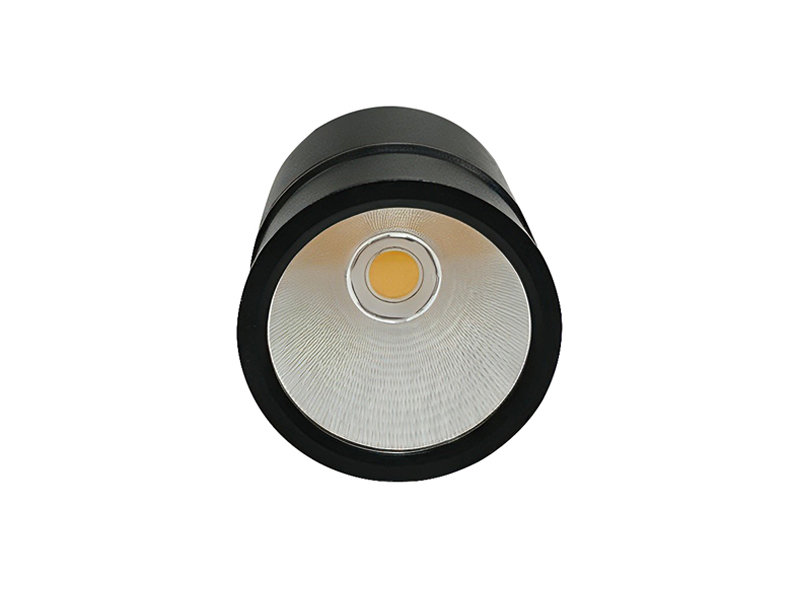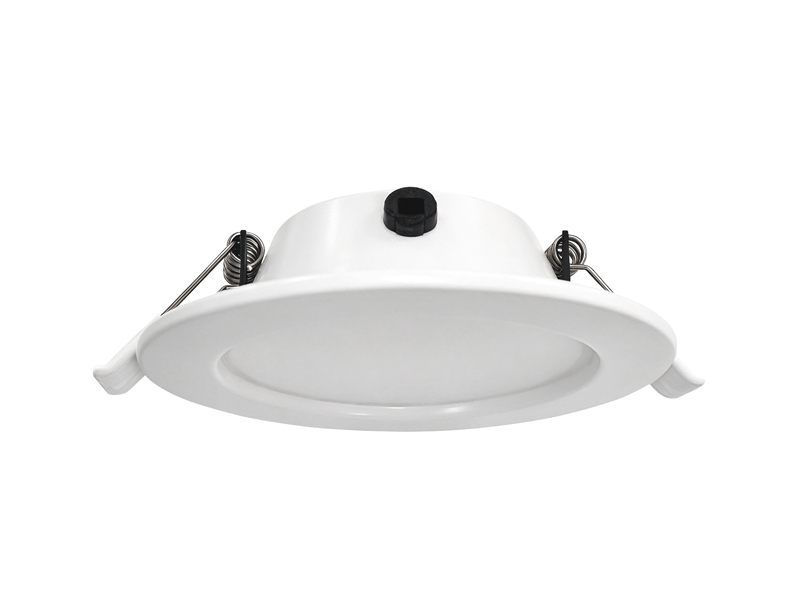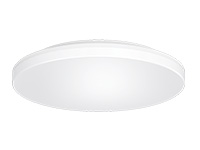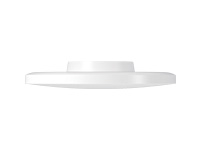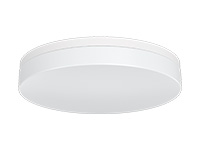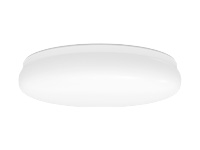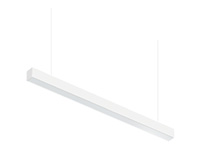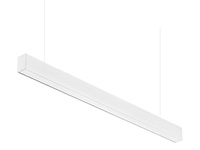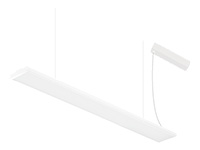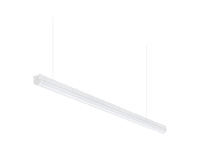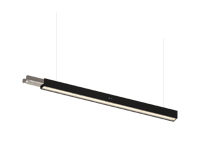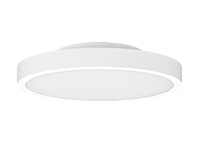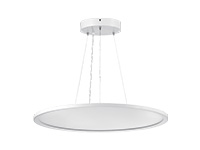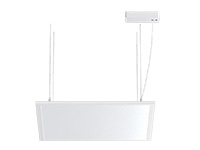

Choose an Energy Efficient LED Panel Light by comparing efficacy with distribution, colour quality and the installation arrangement. At IMIGY Lighting, our Swan slim backlit panel lights and Cloud Ceiling Panel Lights provide useful examples of why lumens per watt cannot answer every selection question. Begin with the required lighting task and compare complete model configurations under the same reference conditions. A higher ratio is useful information, but it does not establish how much useful light reaches a particular area.
The examples below retain the listed output at 4000K and the efficacy stated for each configuration. They also identify different beams and mounting approaches. Keeping these characteristics together makes the comparison more informative than ranking two product families by an isolated figure.
Compare the exact code, reference output and input together. For a Hospital LED Panel Light, review occupied views and the area needing light as well as the efficacy figure. Colour rendering, colour-temperature selection and distribution remain separate criteria; a stronger result on one does not establish every other aspect of light quality.
Lumens per watt describes the relationship between listed output and input for a configuration. It does not describe the complete lighting result in a room. The selected distribution, mounting position and number of fittings still need to suit the task. A higher output can be unnecessary in one location and insufficiently directed in another.
Use a consistent comparison condition. Do not take a high-output entry from one suffix and combine it with another version’s power. Where the proposed colour arrangement differs, obtain the corresponding information rather than assuming every setting has the same output. Keep the selected model identifiable throughout the comparison.
For LED Panel Lights for Hospitals in waiting areas or corridors, consider the normal views and the surfaces being illuminated. A high efficacy figure should not displace that review. Likewise, the colour rendering entry describes one aspect of colour performance; it should not be rewritten as proof of specialist suitability beyond the documented product information.
The examples also differ in total output, so they should not be treated as equal-light replacements simply because both are panels. Identify what the room actually requires before deciding how many fittings belong in the proposal. If the comparison changes the quantity or layout, show that change explicitly. This keeps the discussion centred on a usable arrangement and prevents the efficacy ranking from concealing a different lighting task or a different amount of installed equipment.
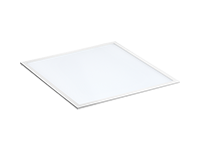
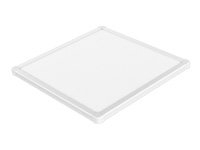
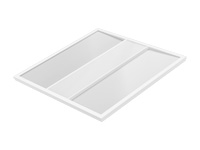
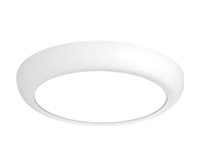
Our Swan slim backlit panel lights T3312-AMP example has a listed efficacy of 120lm/W at the stated reference output. It uses a lens-based backlit arrangement and a 120° beam. Those details should remain linked when comparing the selection with another optical construction or mounting position.
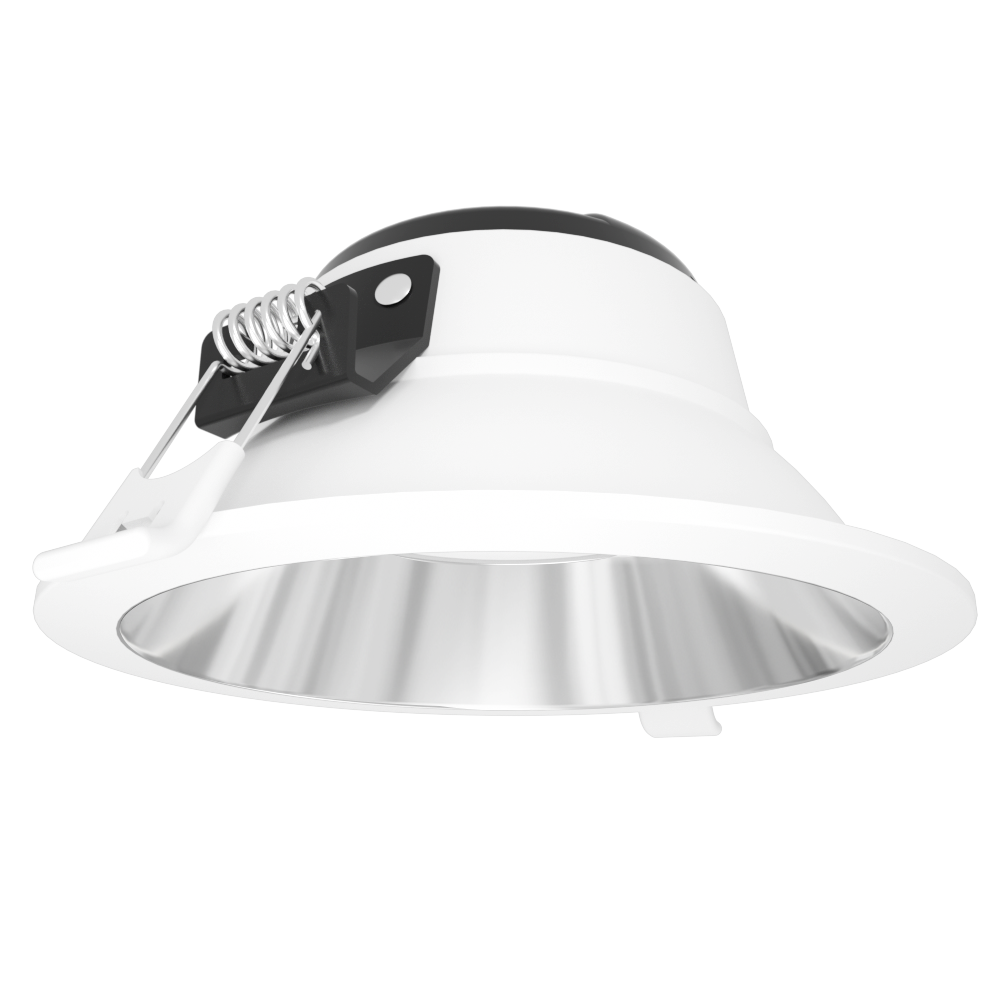
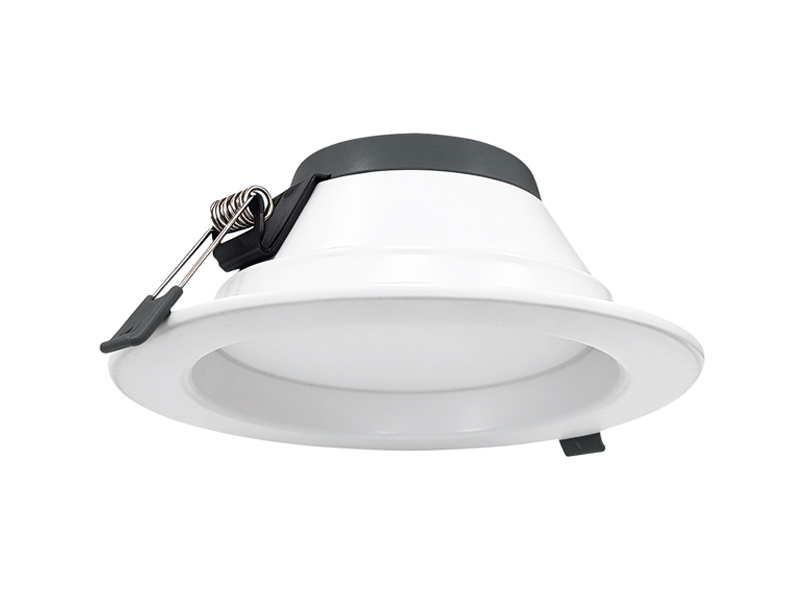
Swan slim offers a narrow frame around the emitting surface. That visual feature is different from a statement about the depth needed by the full installation. When considering a Recessed panel light arrangement, confirm the compatible mounting kit and ceiling conditions separately from the efficacy comparison.
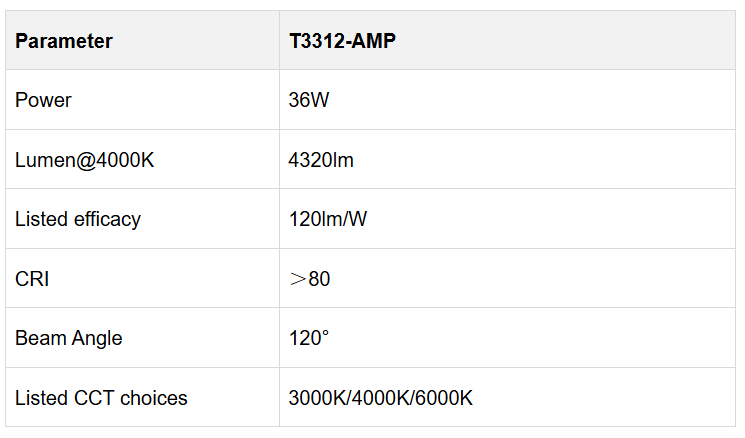

The range lists fixed-colour and selectable-colour options. Identify the actual version required by the project before repeating a configuration through several areas. A colour option should not be presented as automatic operation, and an efficient optical selection should not imply that every control function is included in the standard fitting.
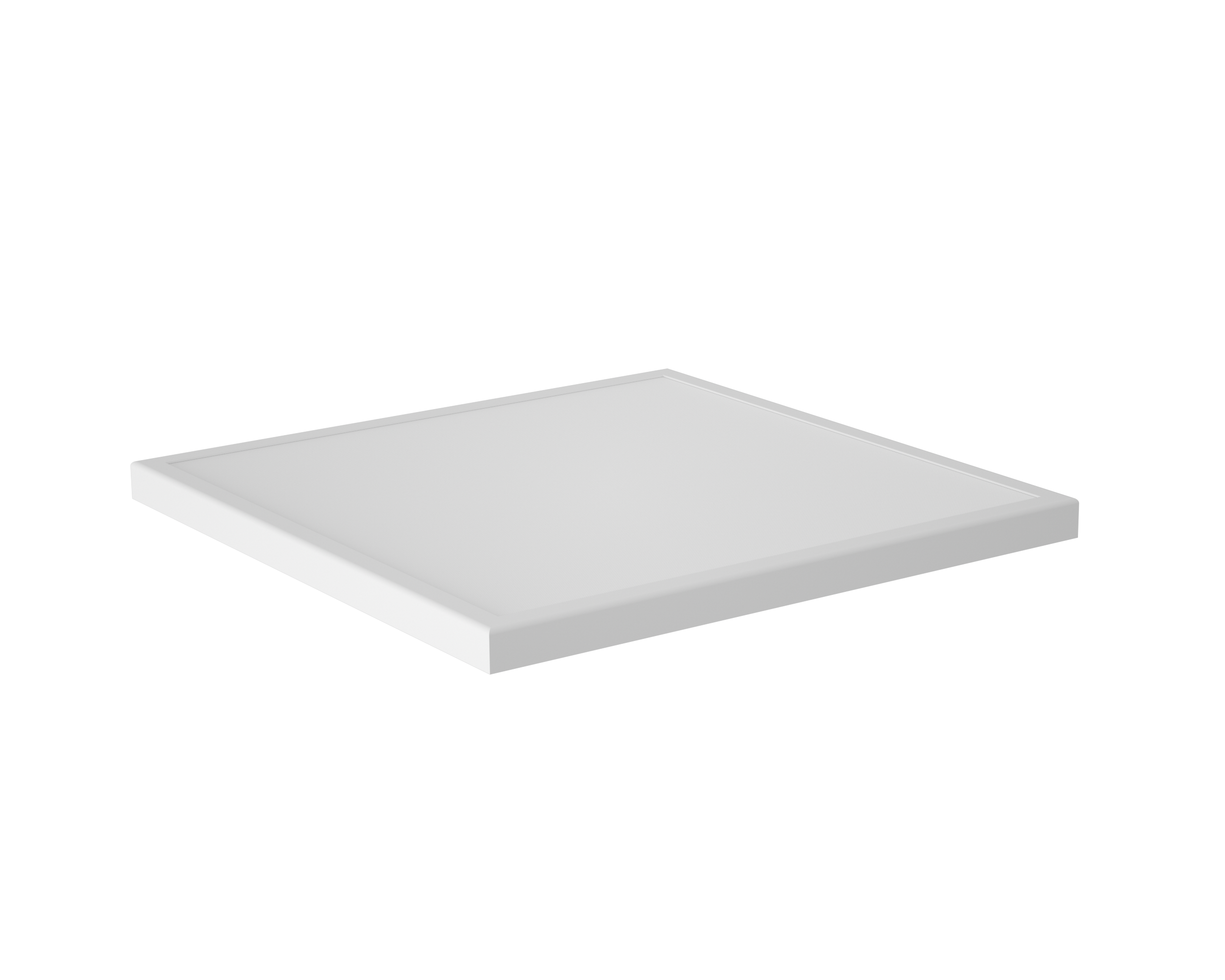
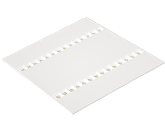
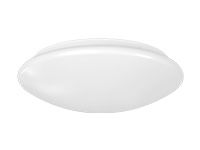
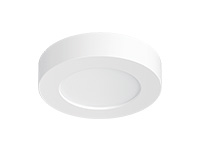
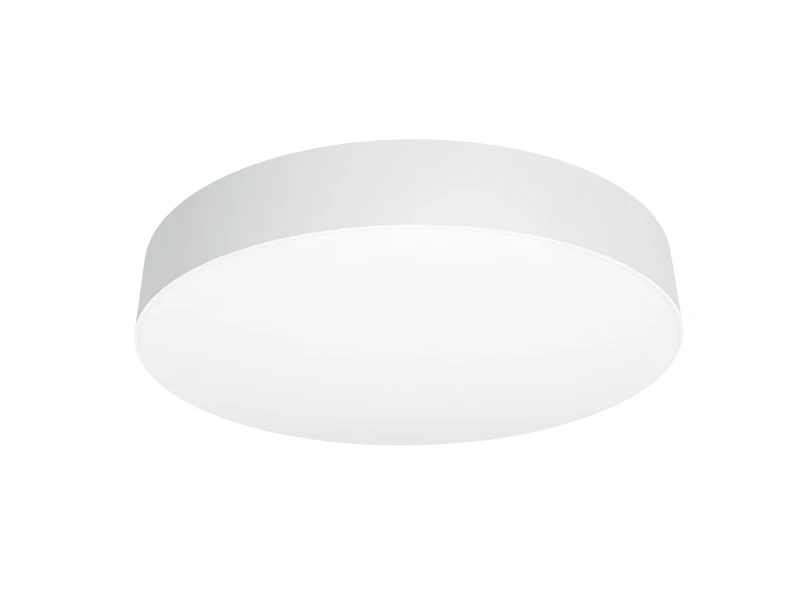
Our Cloud Ceiling Panel Lights P1352-AMHU example lists a 90° beam and an efficacy of 98lm/W. The range provides direct surface installation and a different panel construction from the Swan slim example. These differences help define the comparison; the efficacy ratio alone does not decide which arrangement suits the intended area.
Cloud’s product description includes a glare-related rating, but the completed room still needs assessment against its layout and viewing conditions. Keep the selected position and optical configuration visible in the proposal. Do not turn a catalogue statement into a universal promise about every observer and every installation.
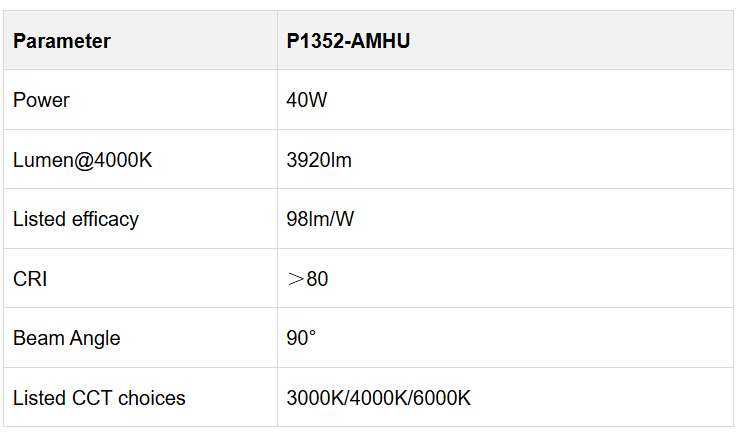

For a Surface mounted panel light requirement, Cloud’s direct-mounting approach can be reviewed against the actual ceiling. Include the fixing, external driver and cable arrangement. An optical comparison that omits these installation conditions may select a favourable number without establishing a workable product arrangement.
A product efficacy comparison is different from an assessment of the completed installation’s energy use. For a replacement proposal, retain the existing input, quantity and operating arrangement as the baseline where available. Compare the proposed system while preserving the required lighting task, rather than assuming the catalogue ratio describes the entire improvement.
Share your room plan, intended mounting method and lighting requirements with IMIGY Lighting when comparing Swan slim and Cloud. Specify the colour and optical choices that form part of the proposal. Keep the selected configurations with the layout so a later change in output, fitting quantity or mounting arrangement can be reviewed against the original objective. This makes the final selection explainable through useful light quality and installation conditions as well as efficacy.
Retain the criteria that matter to the actual area. Where the brief prioritises an occupied view, include it in the assessment rather than reducing the selection to an output target. Where the ceiling dictates a mounting route, keep that constraint visible alongside the optical comparison. Both products need to be evaluated against the same stated requirement, even though their configurations differ. If an alternative changes the colour arrangement or distribution, review the effect before calling it equivalent. A clear comparison explains the reason for the selection and the conditions under which that reason remains applicable.
Compare the selected configurations against the same target area and reference conditions before interpreting a higher efficacy figure as evidence of a more suitable lighting proposal.
Q: Should the Swan slim example always be selected because its listed efficacy is higher than Cloud’s example?
A: No. Compare the lighting task, distribution and installation requirement. The listed ratio is one product characteristic. A selection still needs to provide the intended room result and use a mounting arrangement that suits the actual ceiling.
Q: Does the colour rendering entry prove that a fitting is appropriate for every hospital application?
A: No. It identifies one documented characteristic of the selected product. The intended area and its lighting requirements need their own review. Keep general waiting-area or corridor selection distinct from claims about specialist functions that the product information does not establish.
Q: Can a catalogue efficacy figure be used directly as the energy reduction achieved by a retrofit?
A: No. The completed comparison needs the existing baseline and proposed fitting quantities and operation, while retaining the lighting task. Efficacy helps compare configurations; it does not by itself establish the energy use of the whole arrangement or a percentage reduction.
It is recommended that you upgrade the latest browser
 Chrome
 Firefox
 Edge