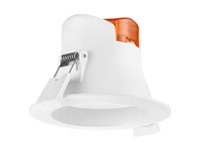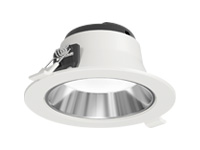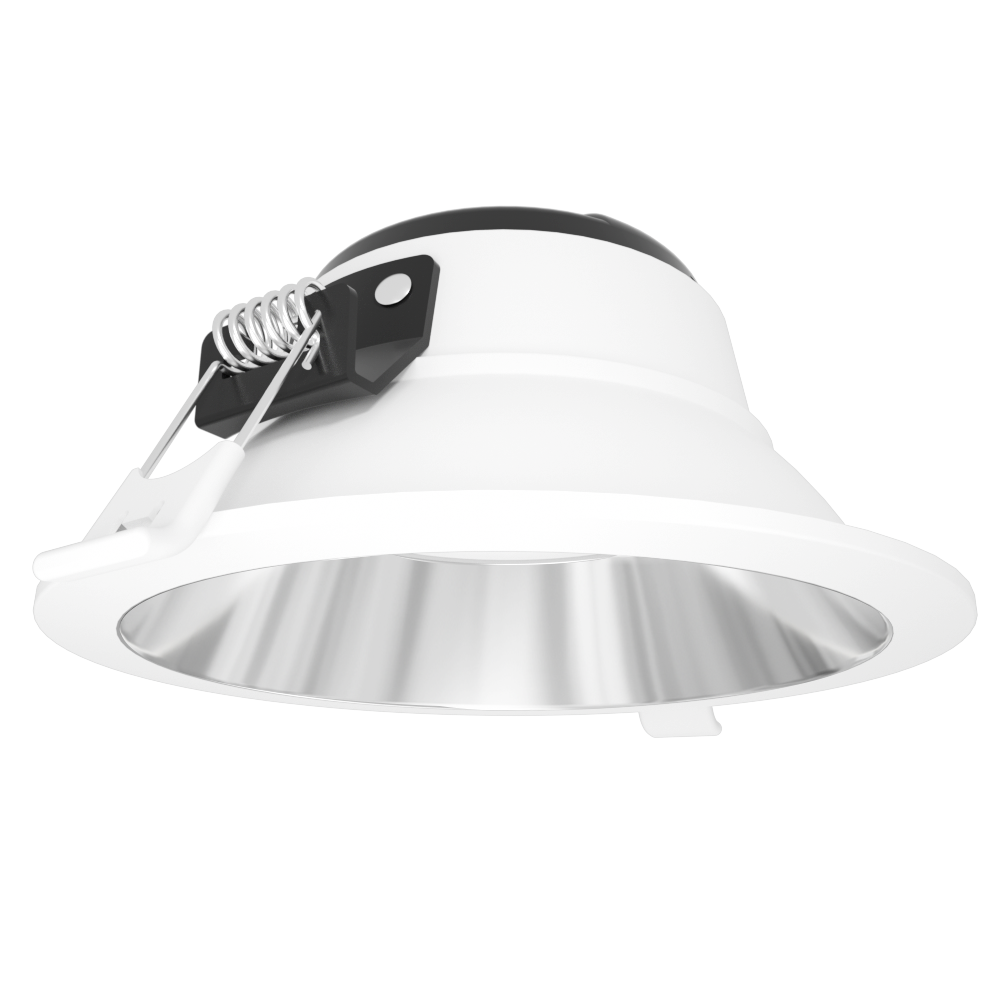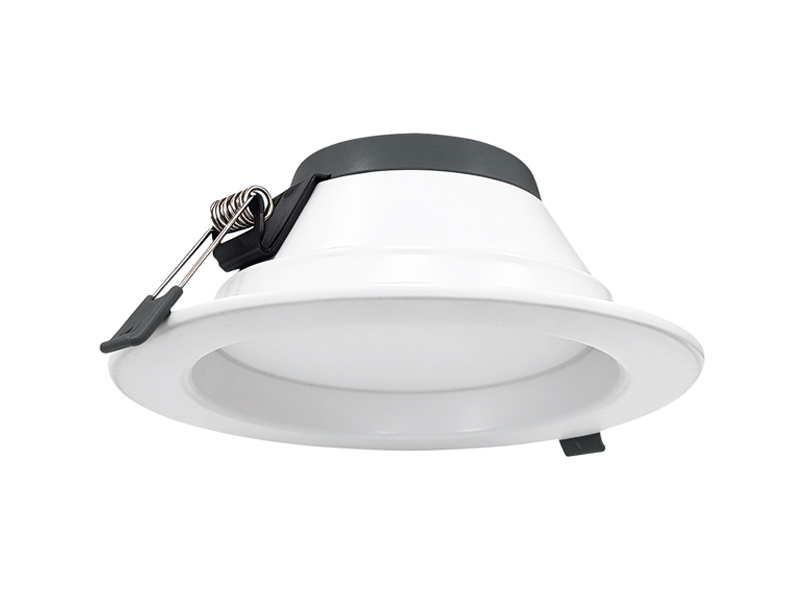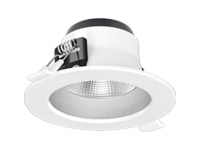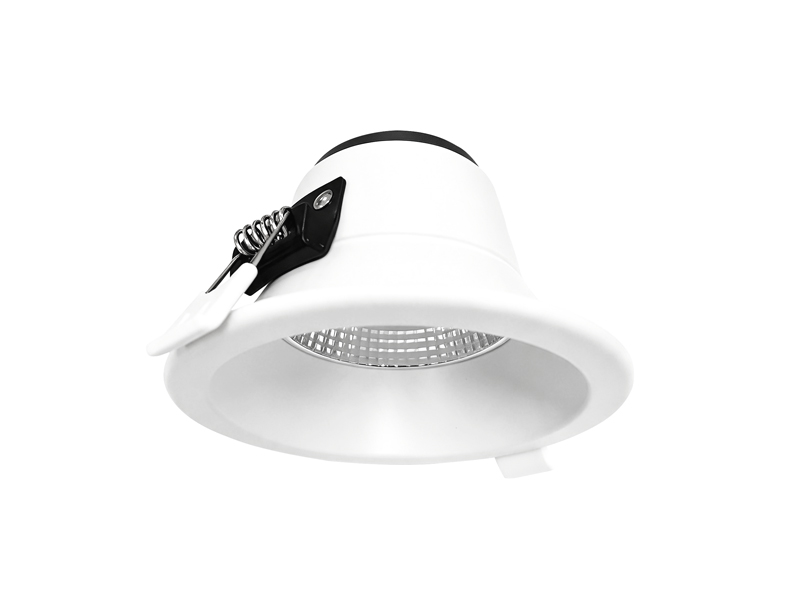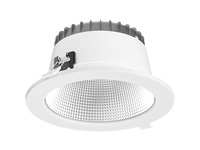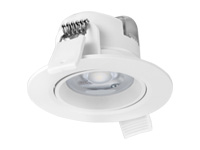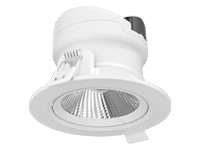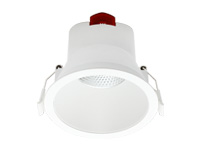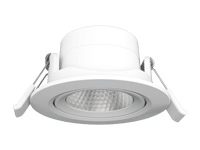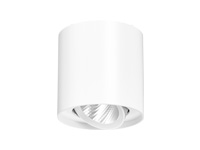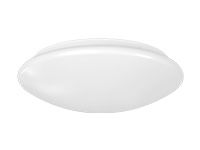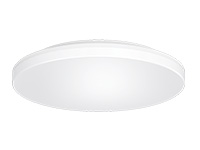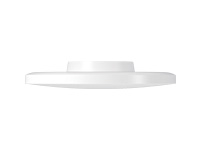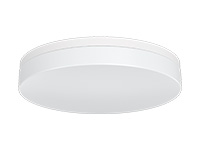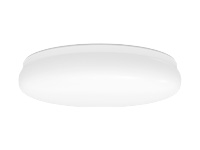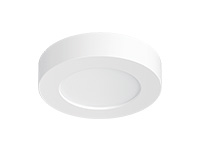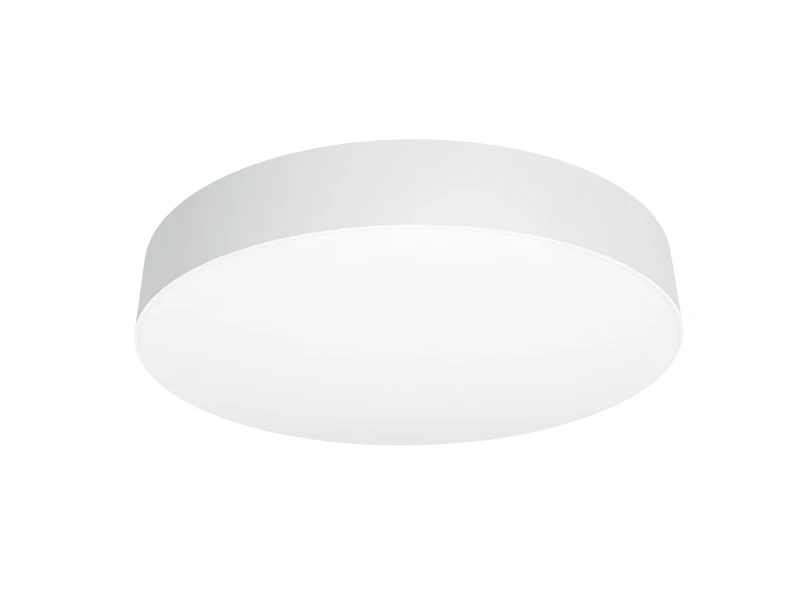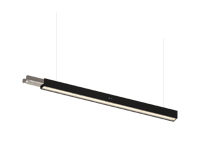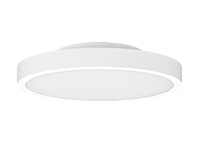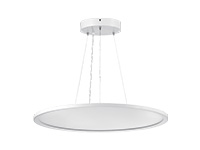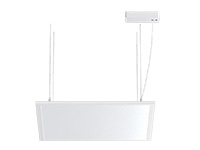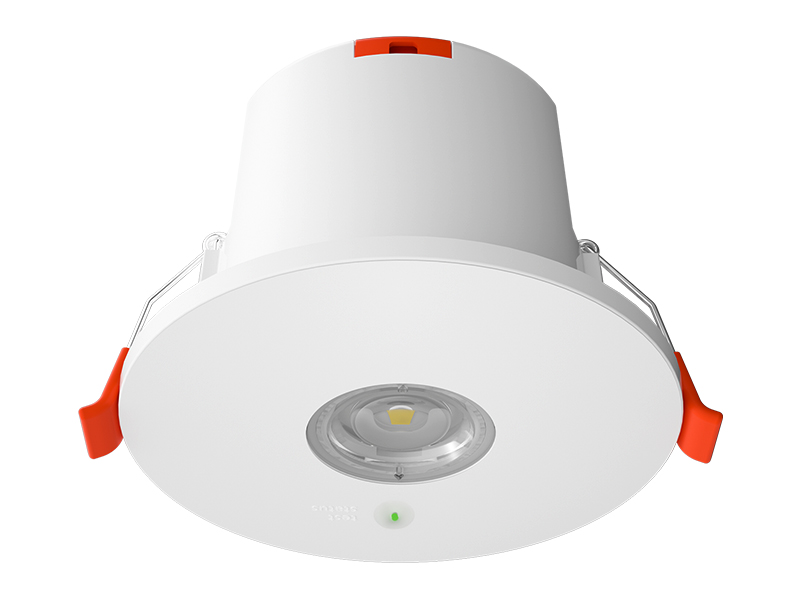

An Energy Efficient LED Downlight suits a lighting schedule when its confirmed switching or dimming arrangement can deliver the required behaviour. At IMIGY Lighting, we recommend defining that behaviour before choosing our Melody Down Lights or Tulip Down Lights. Separate the time when a fitting should operate from the way its light output can be controlled. A product’s power, colour temperature and beam describe its lighting configuration; they do not establish compatibility with every controller.
Start with an operating brief for each area. Record whether the proposal requires ordinary switching, dimming or another function, and identify any retained controls. This gives the product enquiry a practical direction and helps prevent a desirable operating pattern from being mistaken for a capability already included in the selected fitting.
Distinguish the schedule from the control interface. For an Energy Saving LED Downlight, confirm the exact driver and supported operation before discussing the intended reduction in use. A selectable colour temperature does not establish dimming, and an integrated driver does not identify a particular control protocol.
Describe what should happen in each area during ordinary operation. A waiting area with continuing use and an intermittently occupied room may need different arrangements. Record any periods when lighting must remain available before proposing a change to the schedule. The operating brief should come from the actual use of the space.
Next, identify what the control equipment must do to produce that behaviour. If the project simply needs scheduled switching, distinguish that proposal from one requiring changes in output. If existing dimmers are to remain, identify them before selecting a dimmable version. A general request for efficient lighting does not give the supplier enough information to confirm the interface.
When specifying LED Downlights for Hospitals, keep the operating requirements of the relevant area explicit. Do not transfer a reduced-output or switched-off period from another room merely because the fittings are similar. Review the schedule with the project team, then match it to a confirmed product and control arrangement rather than starting with an assumed universal setting.
Keep occupancy assumptions separate from confirmed equipment behaviour. A description such as reduced use in a quiet period needs a corresponding operating rule and a supported way to implement it. Identify who or what initiates the change without assuming that the fitting includes a sensor or timer. Where the proposal depends on another component, keep that component visible in the control review instead of assigning its function to the downlight itself.
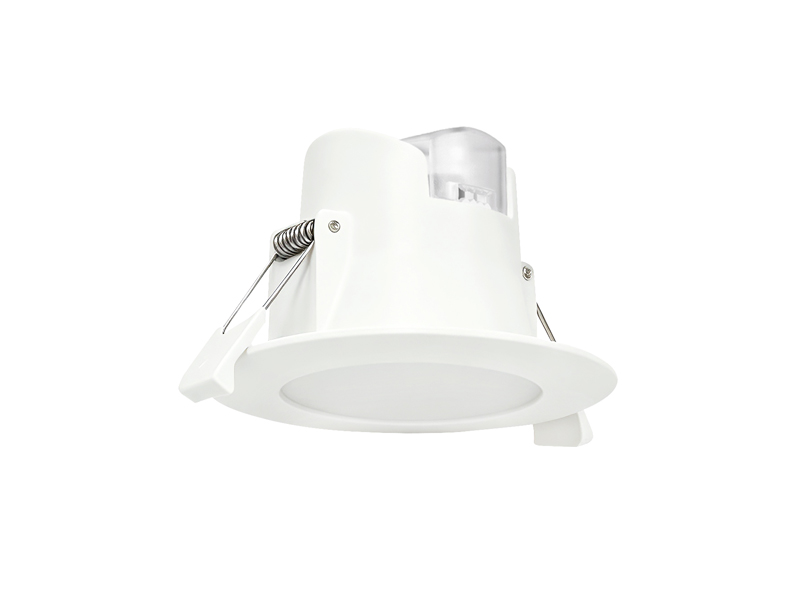
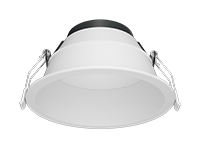
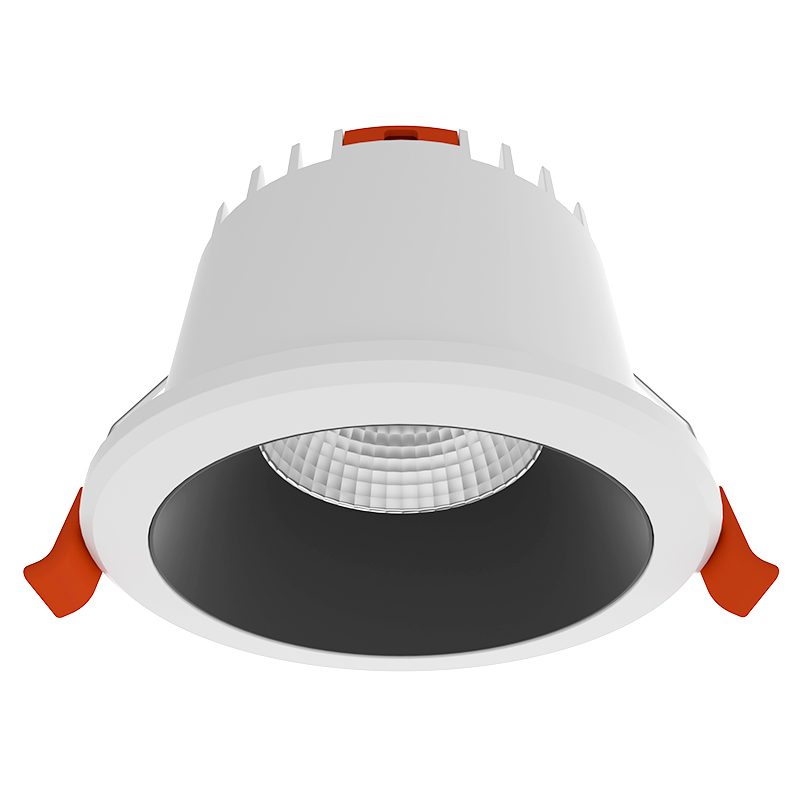
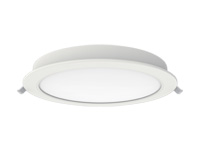
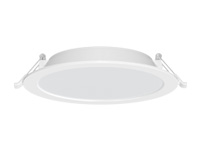
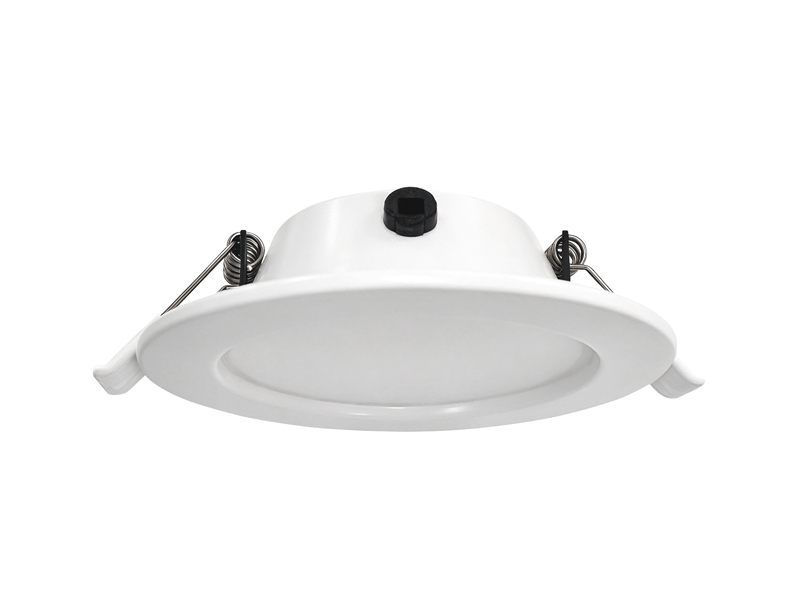
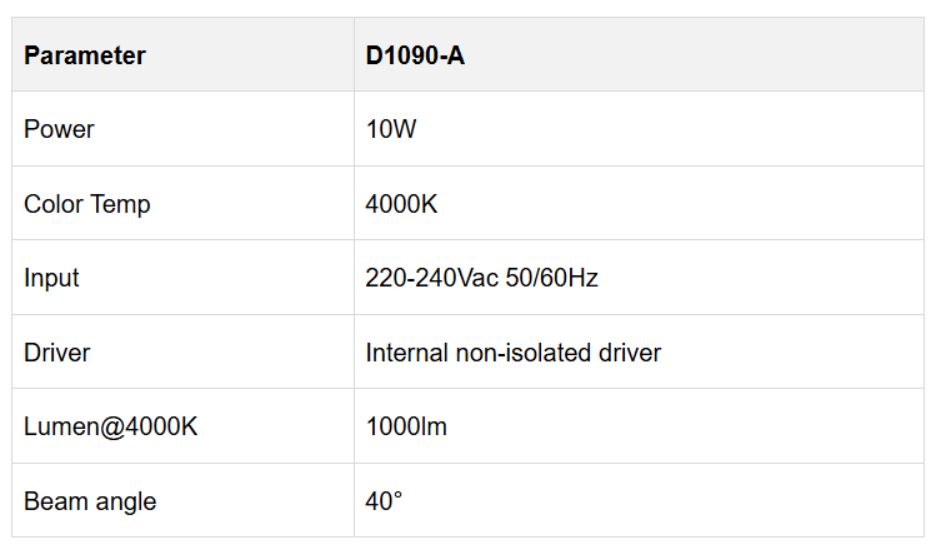
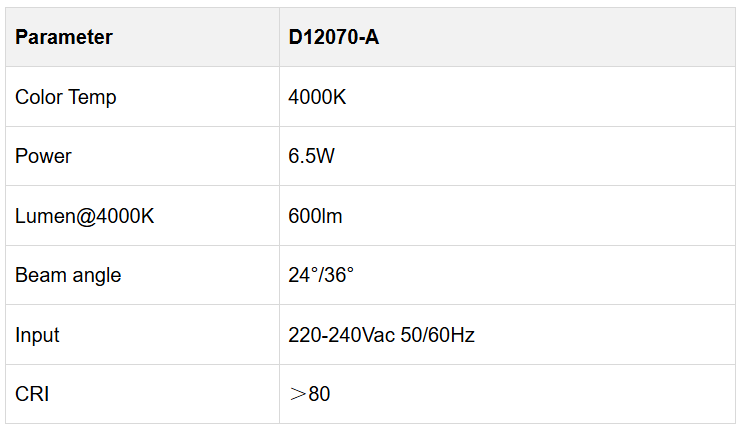
Our Melody Down Lights range lists Triac dimming as an option. The standard D1090-A parameter entry below identifies the lighting model, including its built-in driver arrangement and fixed-colour specification. The optional dimming statement should be resolved into the exact supplied configuration before it becomes part of the control schedule.
For a dimming enquiry, identify the intended controller and ask which Melody configuration is proposed to work with it. Keep that confirmation with the selected code. Do not describe the standard entry as supporting every existing dimmer, and do not infer another control protocol from the availability of the Triac option.
The range also lists other fixed colour temperatures as ordering choices. That is a different decision from changing output during operation. Retain the chosen colour version in the specification so the control review concerns the intended fitting, with its actual driver, rather than an unspecified member of the family.
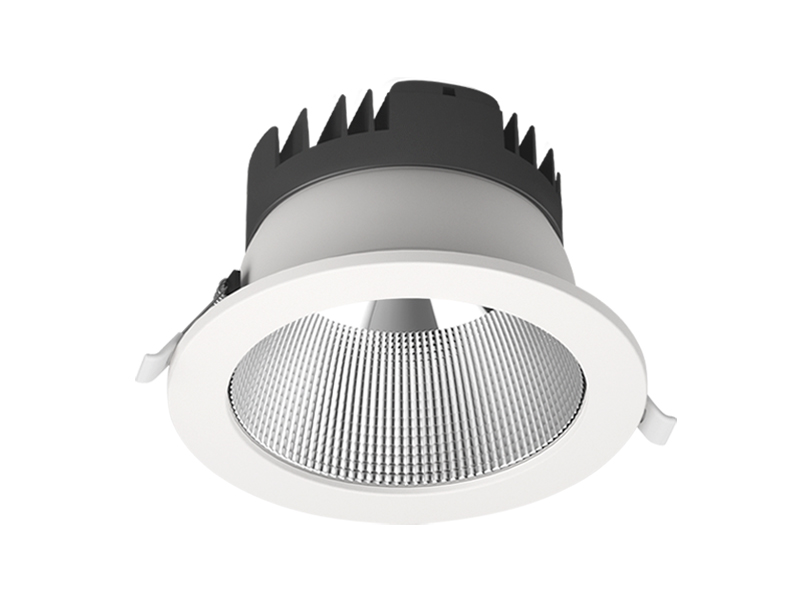
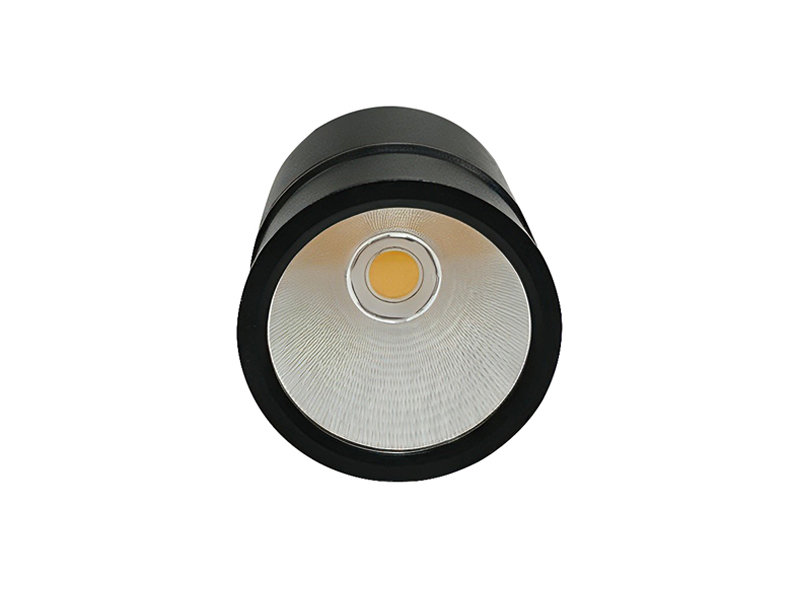
Our Tulip Down Lights example provides a fixed-colour specification with replaceable reflector options. Those features support a comparison of the lighting configuration. They do not establish a dimming interface. The selected Tulip model should therefore be reviewed against the operating brief without assigning it Melody’s optional control capability.
If the proposal includes ordinary switching, identify the intended arrangement and confirm the relevant installation requirements. If it requires dimming or another function, obtain product-specific confirmation before retaining Tulip in that part of the schedule. A similar input supply or integrated construction does not make two drivers equivalent for control purposes.

For Hospital LED Downlights, retain a clear distinction between the fitting selection and the room’s operating rule. A controller can only be assessed meaningfully when the selected driver arrangement is known. Keep the required behaviour, selected model and confirmed interface in the same project record so later substitutions can be checked against all three.
A High Efficiency LED Downlight comparison remains incomplete if the proposed operating behaviour is unresolved. The selected output and the intended hours of use need to describe a workable arrangement. Where a control capability is unconfirmed, mark it for resolution before treating the schedule as ready for implementation.
Share the area schedule, retained controls and required lighting behaviour with IMIGY Lighting when enquiring about Melody and Tulip. We recommend reviewing a representative confirmed arrangement before repeating it across several areas. Keep any different operating requirement on its own schedule line. This makes later changes easier to assess and helps ensure the selected product is being discussed for the function it actually needs to perform.
When reviewing the final schedule, read each operating instruction against the selected product line. A change of driver or a substitution of fitting should trigger another interface check, even when the visible appearance remains coordinated. Retain the confirmed arrangement and unresolved items together until the proposal is complete. This makes the enquiry more useful for both the project team and the supplier, because the required behaviour is described in terms that can be checked rather than as a general request for flexible or efficient lighting.
Review a proposed change against the operating brief before selecting another configuration. Keep a record of the intended interface so the replacement enquiry remains connected to the required behaviour.
Q: Does Melody’s optional Triac dimming statement mean the standard model can use any existing wall dimmer?
A: No. The option needs to be identified in the supplied configuration, and the intended controller must be checked against it. Retain that confirmation with the model so a general range option does not become an unsupported statement about the fitting being installed.
Q: Can Tulip be included in a dimming schedule because another IMIGY range offers a dimming option?
A: Not without product-specific confirmation. Tulip’s documented optical and colour choices do not establish the same control interface. Keep the requested dimming function unresolved until the selected Tulip configuration and intended control arrangement have been confirmed together.
Q: Does choosing a colour temperature establish a system that changes lighting automatically during the day?
A: No. The colour-temperature choice identifies one aspect of the fitting configuration. Automatic changes require their own supported arrangement. Describe the required behaviour separately and confirm that the selected equipment can deliver it before adding that operation to the schedule.
It is recommended that you upgrade the latest browser
 Chrome
 Firefox
 Edge