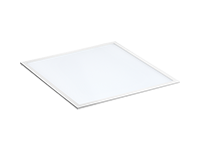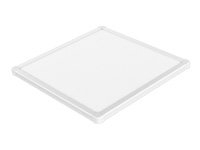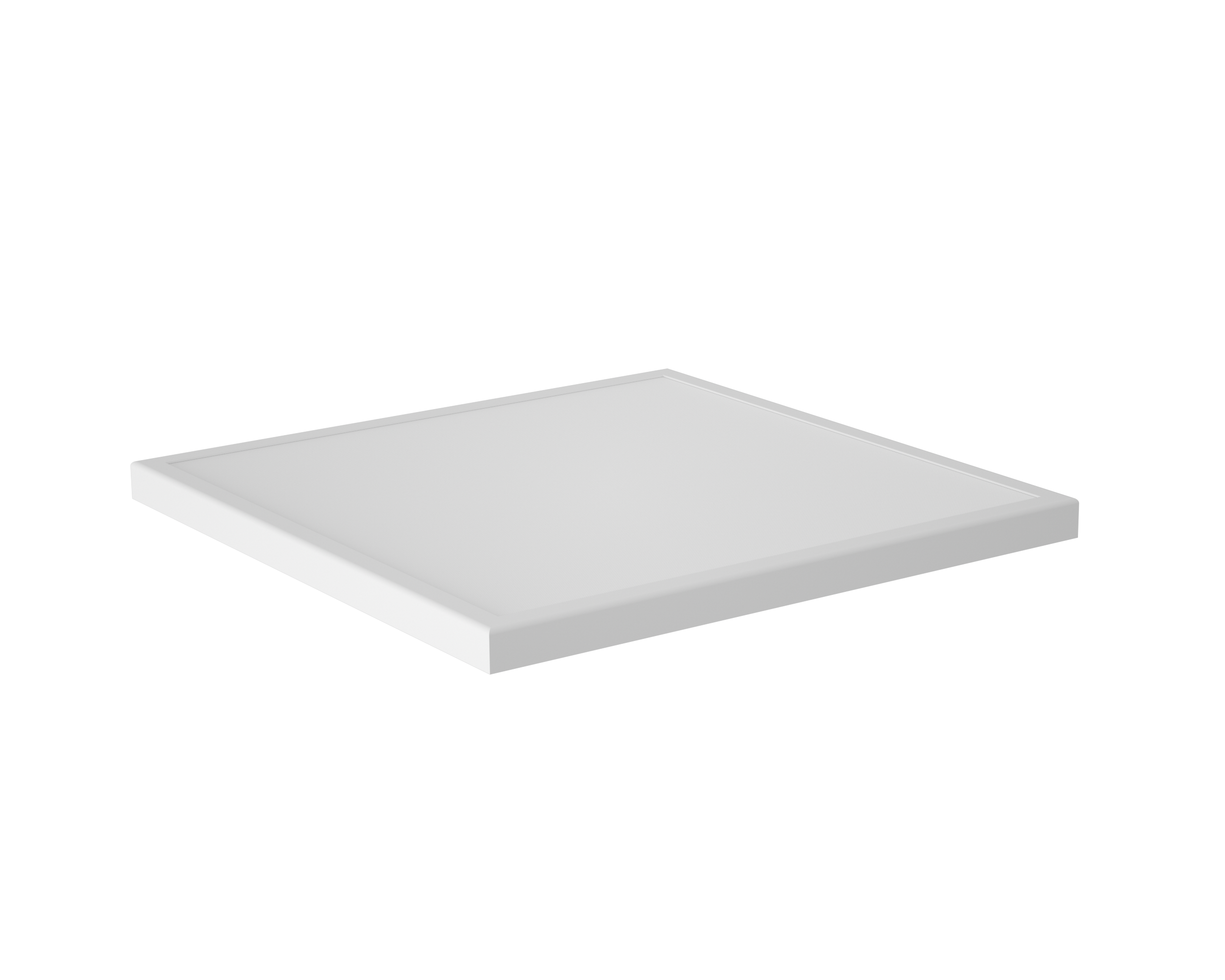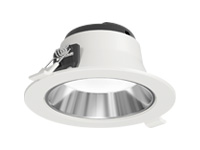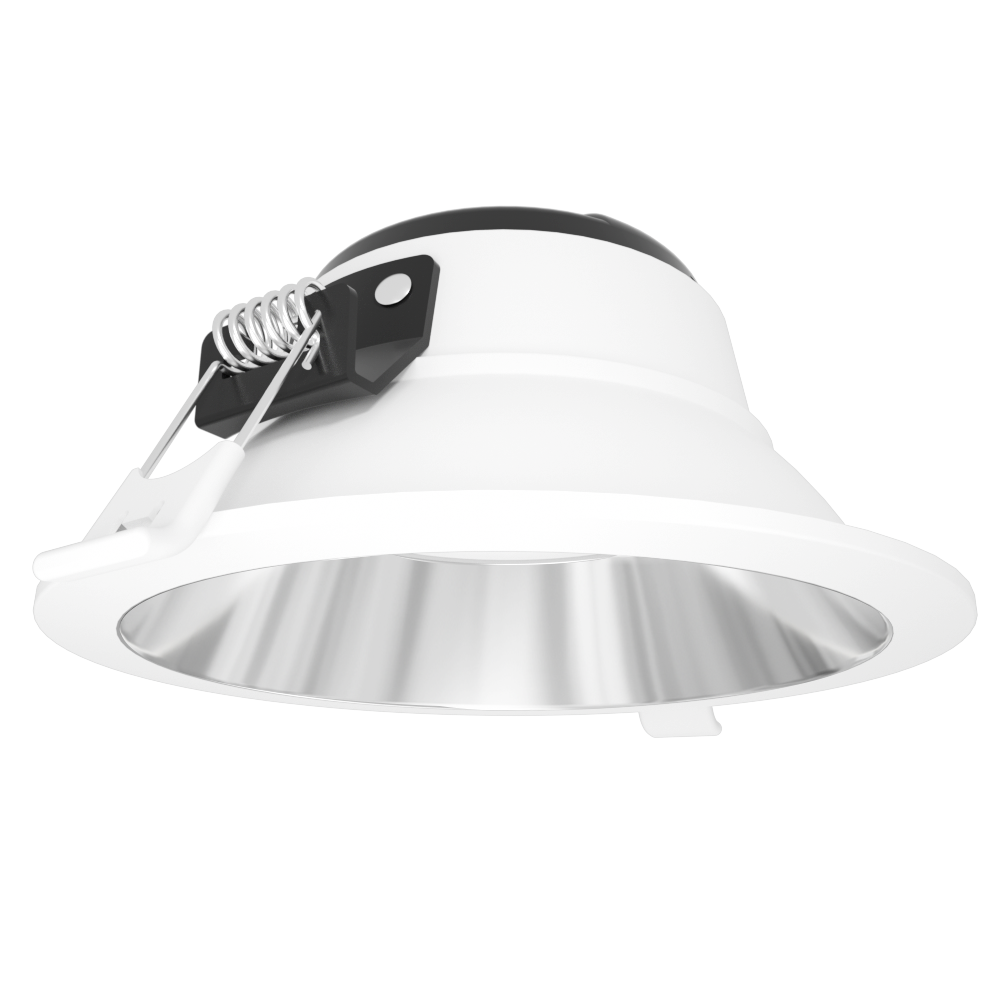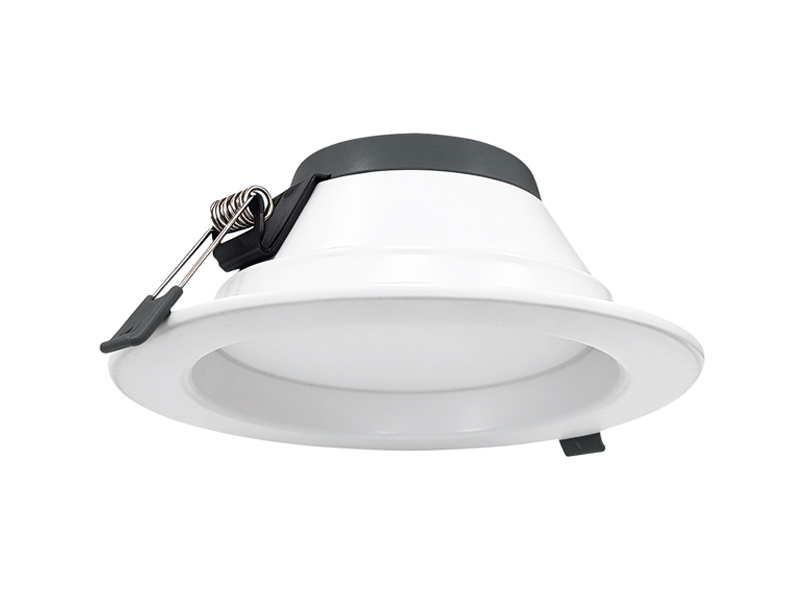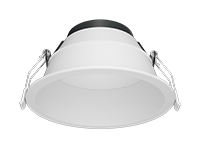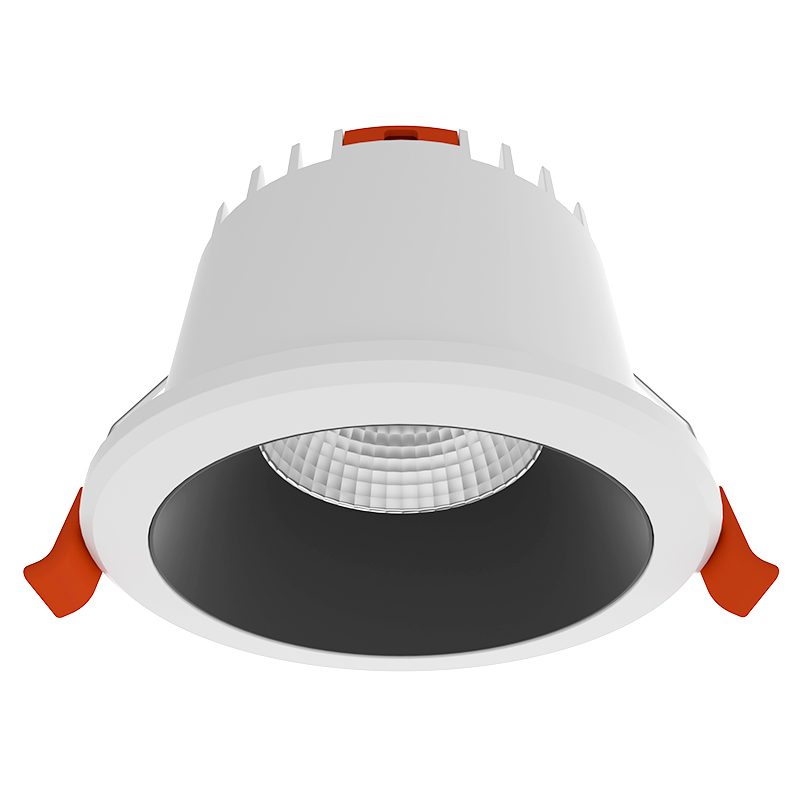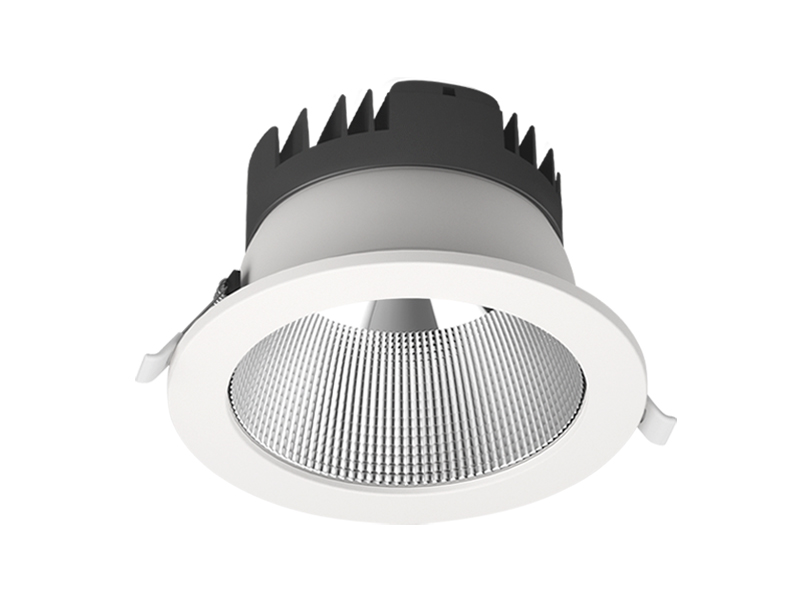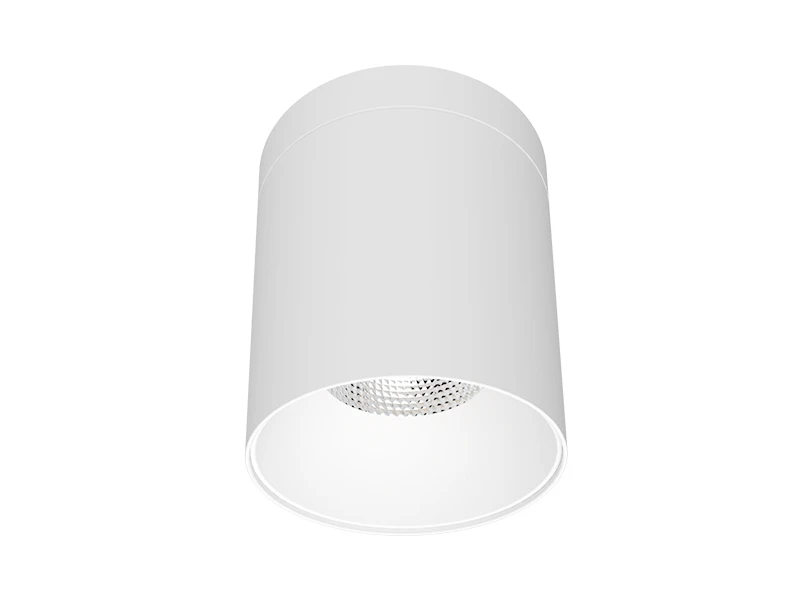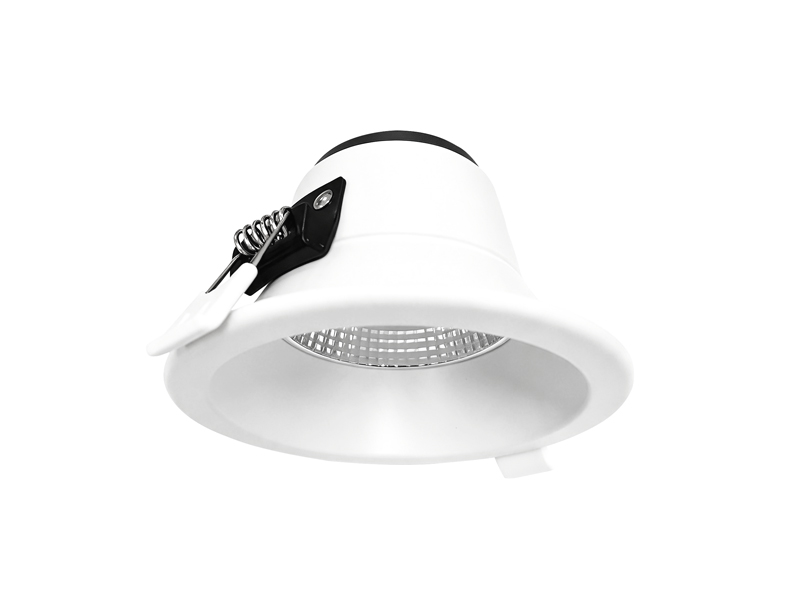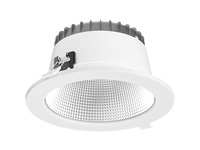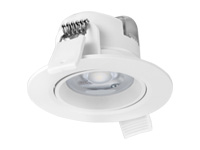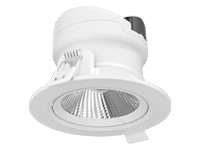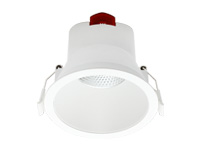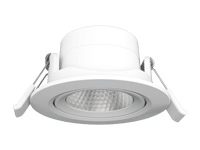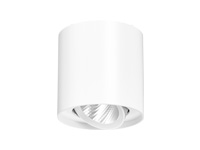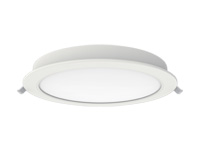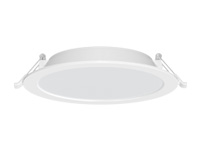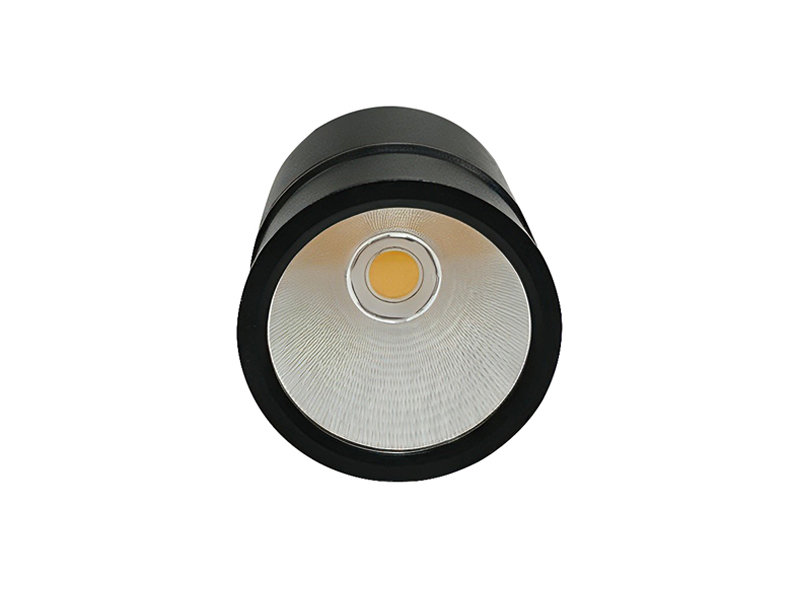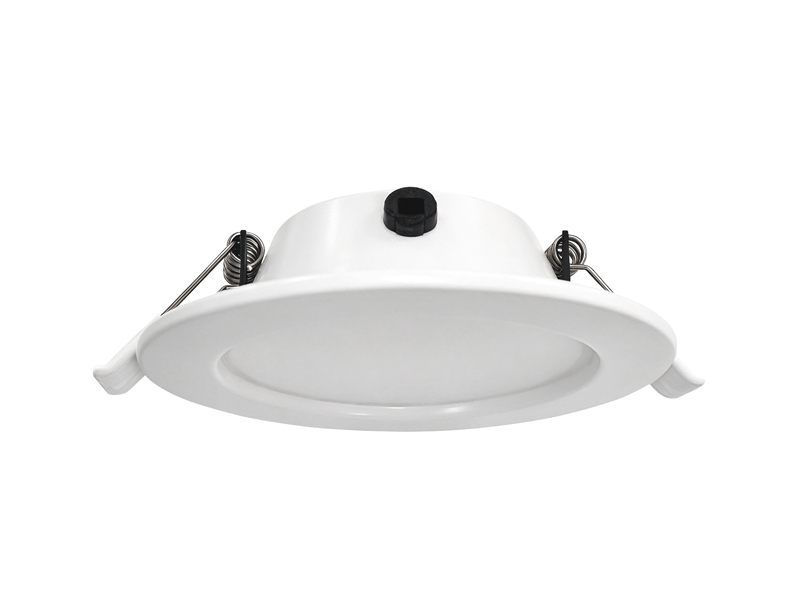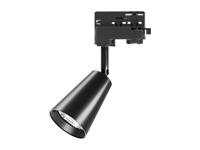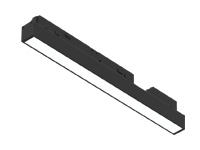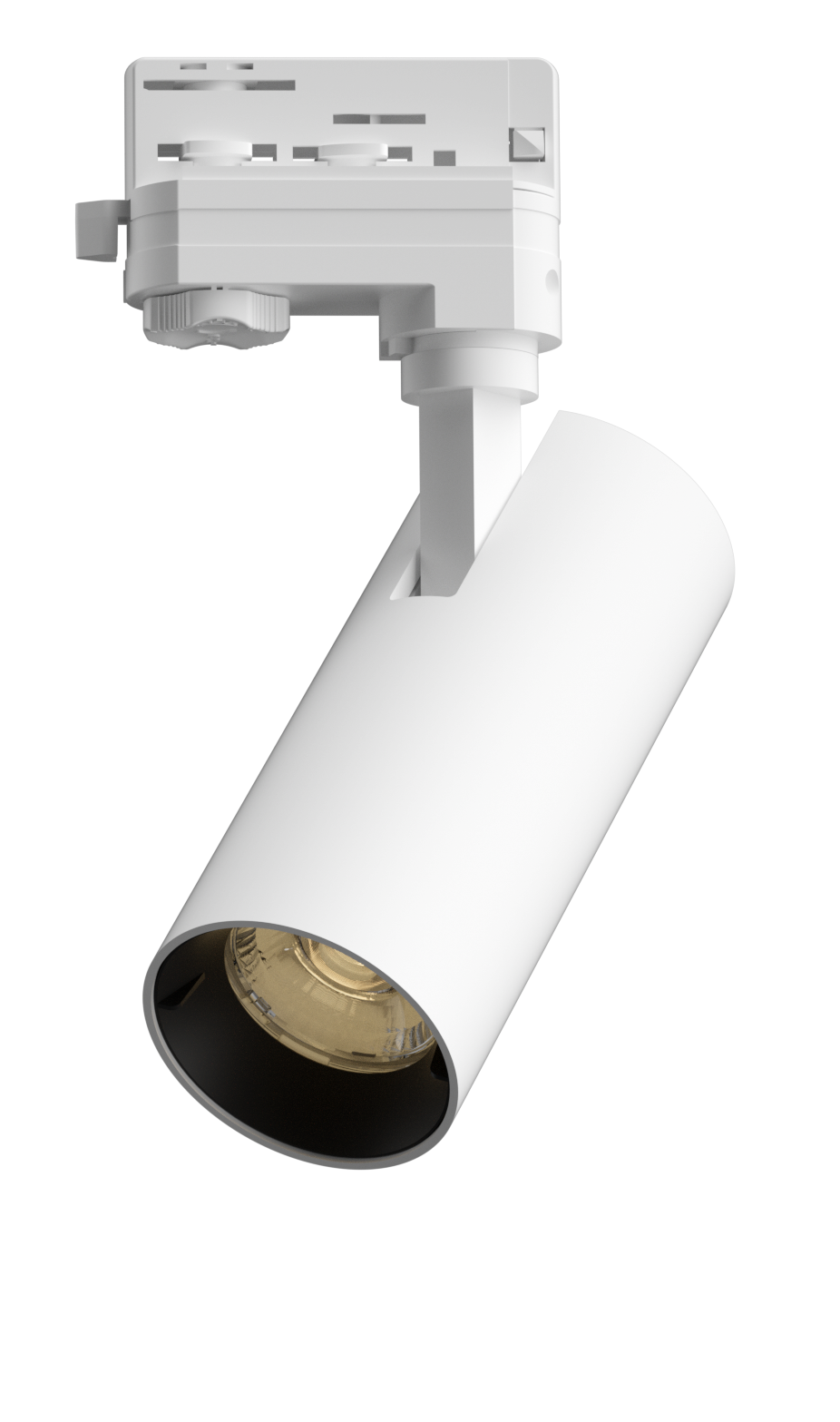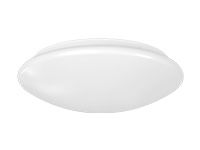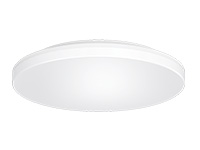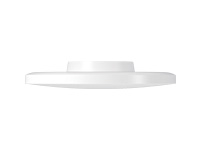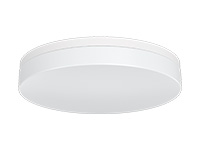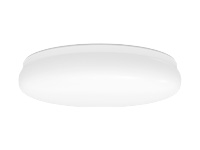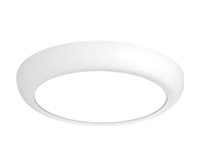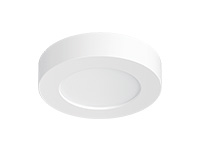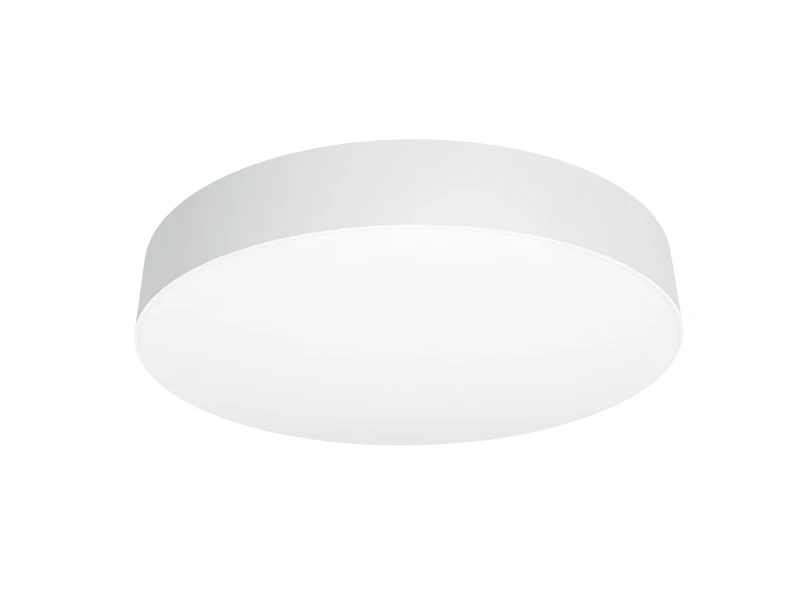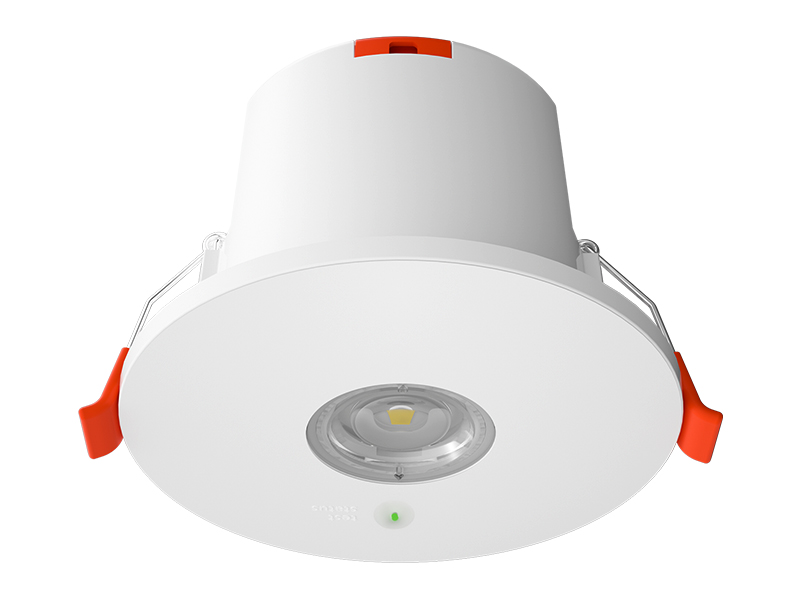

An Energy Saving LED Downlight replacement starts with the existing ceiling and the lighting task, not the old fitting’s wattage alone. AtIMIGY Lighting, our Legend Slim Down lights and Explorer Down Lights offer configurations that can be compared through their actual openings, output and driver arrangement. Measure the installation, identify the existing controls and decide what the replacement must achieve before selecting a model. This turns a replacement enquiry into a usable specification rather than an assumption that a similar-looking fitting will work.
A successful retrofit also needs a clear baseline. Record the old installation’s input, quantity and operating pattern where that information is available. Without it, a product comparison can describe the proposed fitting, but it cannot establish the energy reduction for the completed change. Keep that distinction visible when setting the project objective.
Measure the opening and check the complete assembly before ordering replacements. Keep driver access and control requirements with each location. The Energy Efficient LED Downlight selection should preserve the required lighting function. Similar power, front appearance or opening range does not make two configurations interchangeable.
Record the actual opening, ceiling material and available space above each representative location. Check whether the existing opening is regular and whether the surrounding finish can support the proposed mounting arrangement. Where conditions differ, keep a separate record rather than treating the entire room as one typical opening.
Identify the supply and the way the existing fitting is switched or dimmed. A retained control needs confirmation against the proposed configuration. Do not assume that an LED replacement supports it simply because both products use the same supply voltage. The selected driver and control arrangement are part of the replacement decision.
For Hospital LED Downlights used in corridors or waiting areas, compare the proposed lighting with the occupied layout as well as the ceiling. Retaining every old fitting position may preserve the appearance of the plan while carrying an unsuitable arrangement into the new installation. Conversely, changing positions can introduce construction requirements that a simple replacement did not originally include.
Separate the conditions that affect every location from those that affect only a few. A common supply arrangement may apply across the project, while an obstruction or damaged opening belongs to an individual position. Record both levels so the proposal remains specific without repeating the entire survey at every fitting. If a previously hidden condition is discovered during the first installation check, review whether it occurs elsewhere before repeating the same assembly.
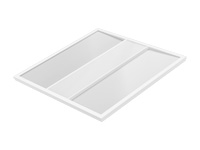
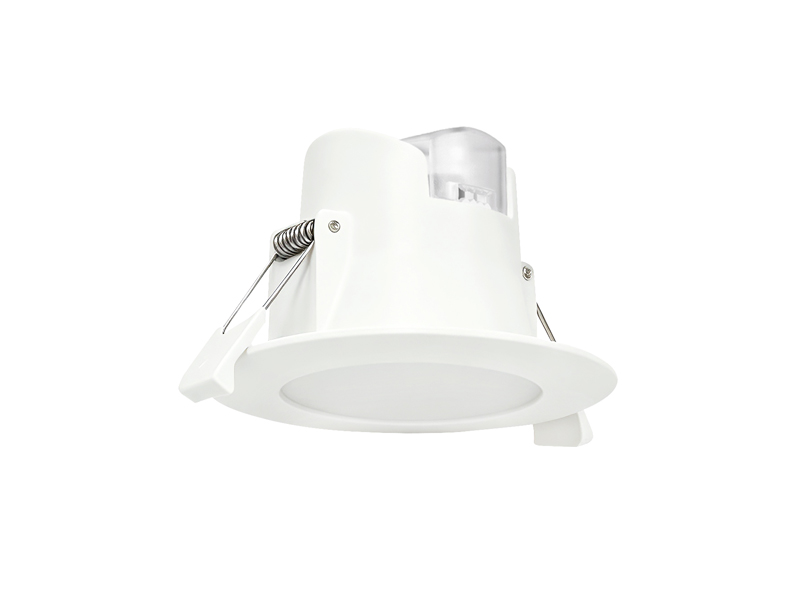
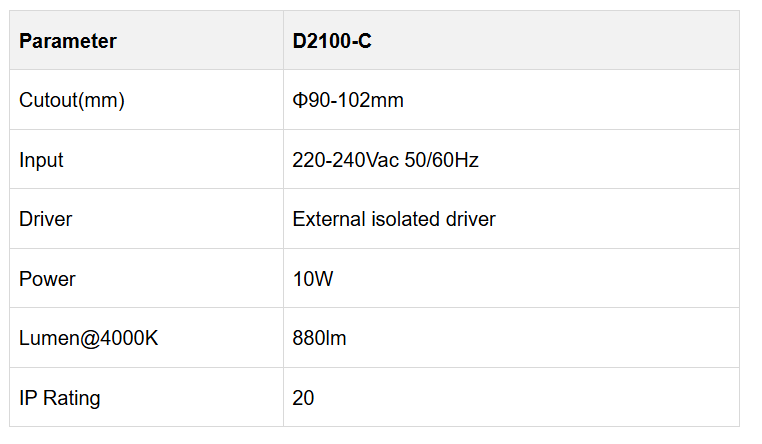
Our Legend Slim Down lights selection below uses the D2100-C configuration. Its listed opening range provides one part of the physical comparison, while the external isolated driver introduces another installation requirement. Check the body drawing and driver position before accepting the available ceiling space.
Do not infer a particular depth advantage from the word Slim. The selected code, dimensional drawing and installation arrangement need to establish whether the assembly suits the actual location. This is especially relevant where an old fitting occupied a shallow space but placed its driver somewhere else above the ceiling.
The range includes recessed and surface-mounted installation options with the relevant mounting arrangement. Confirm the chosen method and accessories in the replacement proposal. If the project changes from one mounting method to another, review the ceiling detail again rather than assuming the original opening checks remain sufficient for the revised installation.
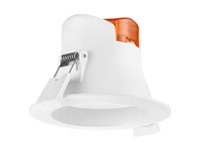
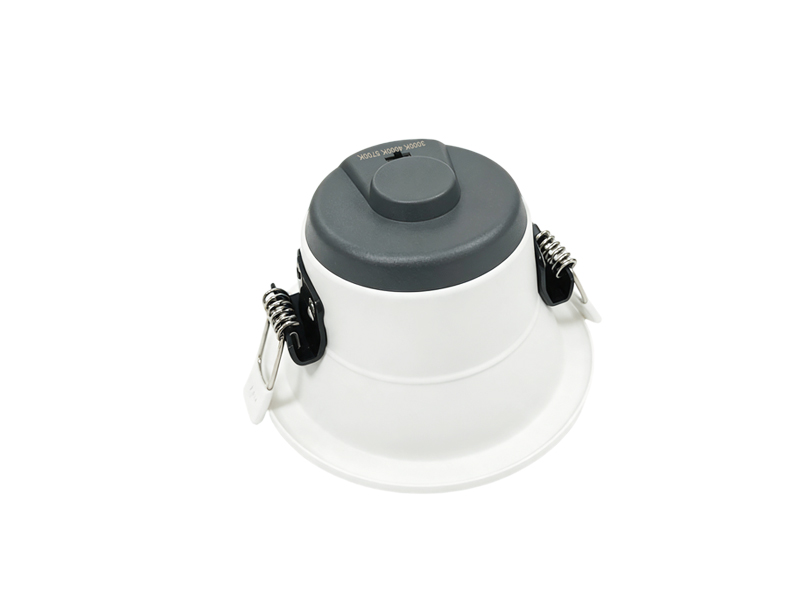
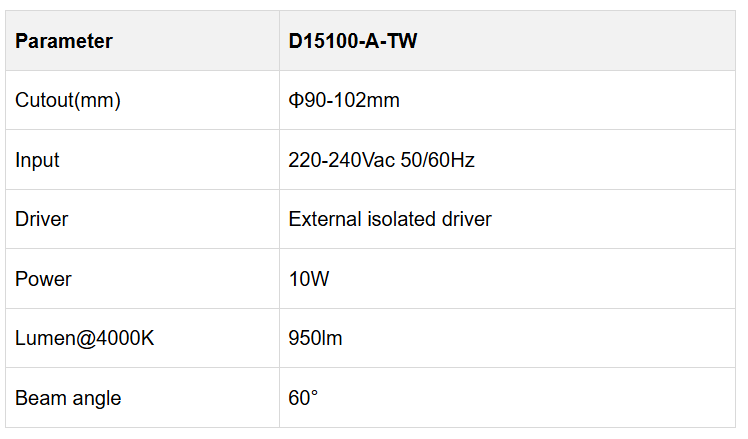
Our Explorer Down Lights A version uses a reflector-and-lens optical arrangement. The D15100-A-TW example has its own output and selectable-colour entry, alongside an external isolated driver. Although its listed opening range overlaps the Legend example, that overlap does not establish equal depth, mounting details or lighting performance.
Keep the A optical version identifiable when reviewing alternatives. Another Explorer version can have a different distribution and output. The replacement should therefore be checked against the selected code, not a mixture of values taken from different versions within the family. Confirm any ring accessories with the proposed fitting as well.
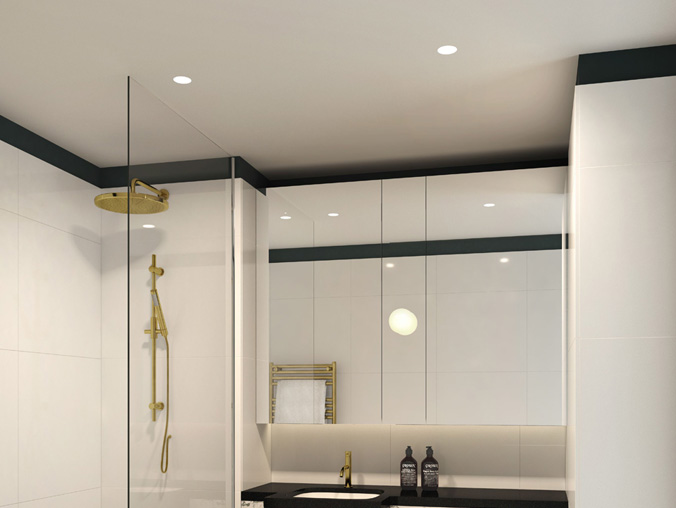
When selecting LED Downlights for Hospitals, compare the intended corridor or waiting-area role with the chosen Explorer configuration. The optical choice and location need to work together. A replacement that fits the opening still requires review of its light distribution and appearance from the normal occupied positions.
A High Efficiency LED Downlight figure is useful only within a complete comparison. Check that the proposed quantity, output, operating pattern and control arrangement answer the original objective. If the old installation data is incomplete, identify what still needs measurement rather than filling the gap with an assumed saving.
Send IMIGY Lighting the opening measurements, ceiling details and existing control information when enquiring about Legend Slim and Explorer. Include photographs or drawings showing unusual conditions and the proposed room layout. Select a representative location for checking the complete assembly before repeating the configuration across the project. Keep exceptions visible so a successful fit at one position does not become an unsupported conclusion for every opening.
Keep the old and proposed configuration descriptions side by side in the project record. This helps distinguish the intended improvement from an unrelated change in colour, distribution or mounting method. If a different product is proposed after the survey, repeat the relevant physical and control checks before adding it to the replacement quantity. A verified example is useful only when the remaining locations share the conditions that made it suitable. Record which openings were checked and which exceptions still require a separate decision, so the next installation review starts from evidence rather than an assumed typical ceiling.
For unusual openings, keep the location and measured condition with the proposed resolution so the installation team can distinguish an exception from the arrangement used elsewhere in the project.
Q: Can an overlap between two listed opening ranges establish that either fitting is a direct replacement?
A: No. The opening is one condition. Body depth, fixing arrangement, driver position and surrounding ceiling condition still need checking. Compare the complete selected assembly with the actual installation rather than approving a replacement from the diameter alone.
Q: Is a lower input enough to describe the completed retrofit as an energy reduction?
A: Establish the baseline and proposed operating arrangement first. The comparison needs the relevant quantities and operating pattern as well as input. A lower-rated fitting can be part of the proposal, but its rating alone does not describe the completed installation’s consumption.
Q: Should every old fitting location be retained when replacing lights in an occupied corridor?
A: Review the current layout before deciding. Existing positions may remain practical, but room use and viewing conditions can change. Keep any proposed move visible in the plan and assess its lighting and construction consequences before repeating it through the corridor.
It is recommended that you upgrade the latest browser
 Chrome
 Firefox
 Edge