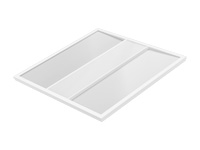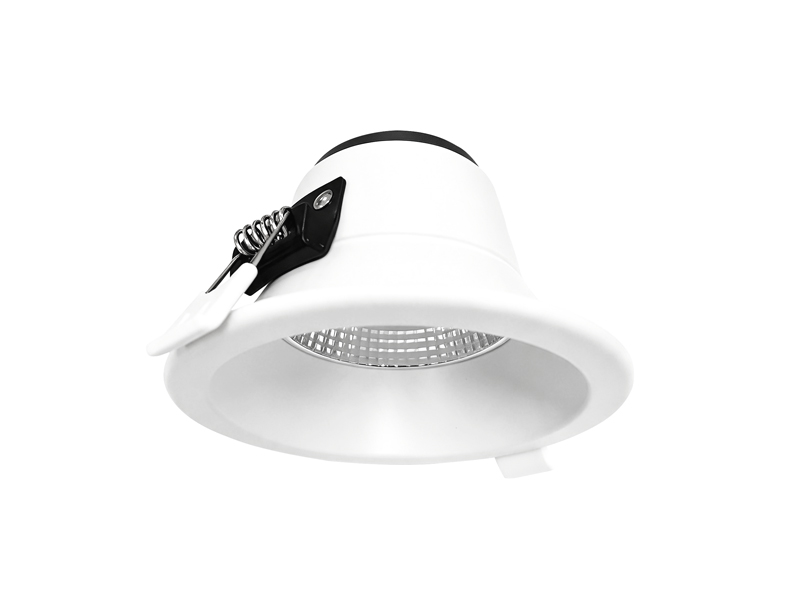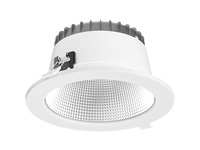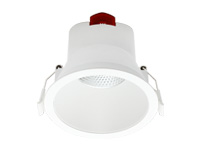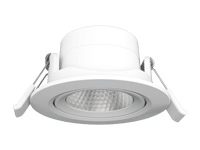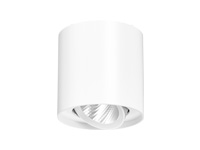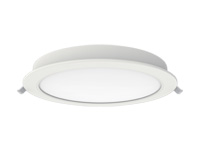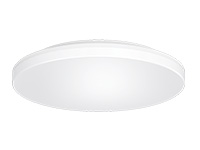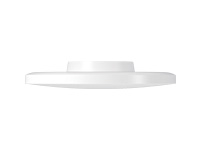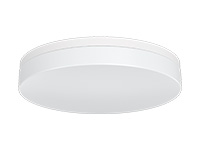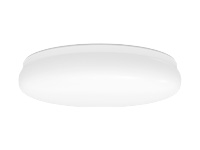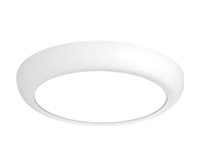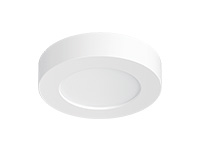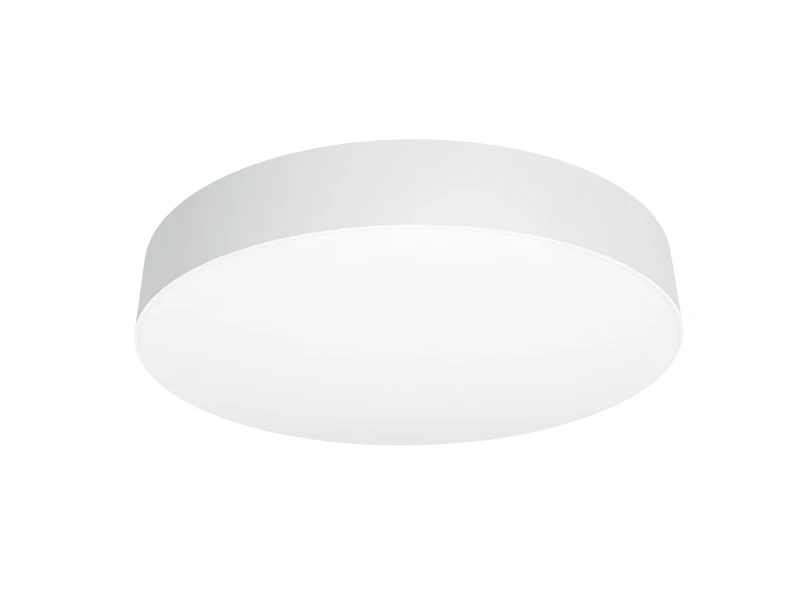

Position LED Downlights for Hospitals by checking the normal viewing directions before fixing the ceiling layout. At IMIGY Lighting, our Miracle Down Lights and Legend Down Lights provide different optical and driver configurations for that review. Start with the observer’s position, the surface being viewed and the proposed fitting location. Then compare the selected beam and output against that relationship. A neat row on a reflected ceiling plan does not by itself establish comfortable lighting from a waiting chair or along a corridor.
We recommend resolving the visible source of discomfort before changing every fitting. Record whether the concern is a direct view of a bright aperture or a reflected image on a nearby surface. That distinction makes the layout discussion more specific and helps avoid a change that reduces useful illumination without addressing the observed problem.
For Hospital LED Downlights, evaluate standing and seated views separately where both occur. Keep the optical version and mounting conditions attached to the layout. A lower wattage or a different colour temperature does not establish glare control. Review the actual viewing relationship, then assess how a proposed position changes it.
Use the planned furniture arrangement as the starting point. Mark normal seated directions in waiting areas and the approach directions along corridors. If a screen or glossy surface is involved, record its position as well. This does not require guessing a universal offset: it requires identifying the source that appears in the relevant view.
Compare practical alternatives under consistent conditions. Moving a chair, changing a fitting position and selecting another optical configuration answer different questions. Review one change at a time so the effect remains understandable. If the furniture position cannot change, record it as a constraint rather than evaluating a viewing angle that people will not normally use.
Do not infer a guaranteed room glare result from beam angle alone. The selected model data is useful for identifying the optical configuration, but the completed layout also depends on position and the surrounding room. For a proposed Energy Saving LED Downlight, ensure the adjustment preserves the required lighting task instead of treating dimmer surroundings as the only measure of comfort.
A useful observation record identifies the normal eye position and the visible source without assuming its cause. If a glossy counter shows a reflected image, include both the counter and the fitting in the review. If the aperture is directly prominent from a chair, preserve that seated view when comparing an alternative. Changing the room description without changing the observed relationship makes the comparison difficult to interpret.
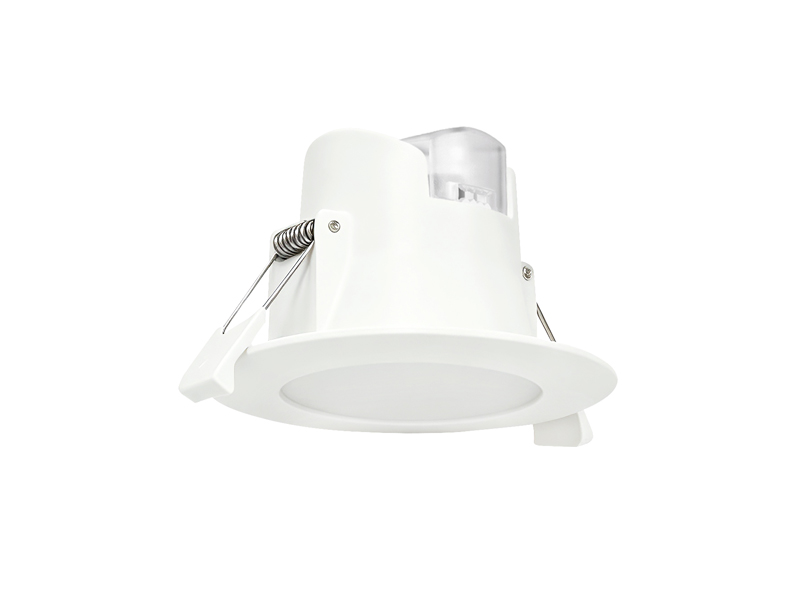
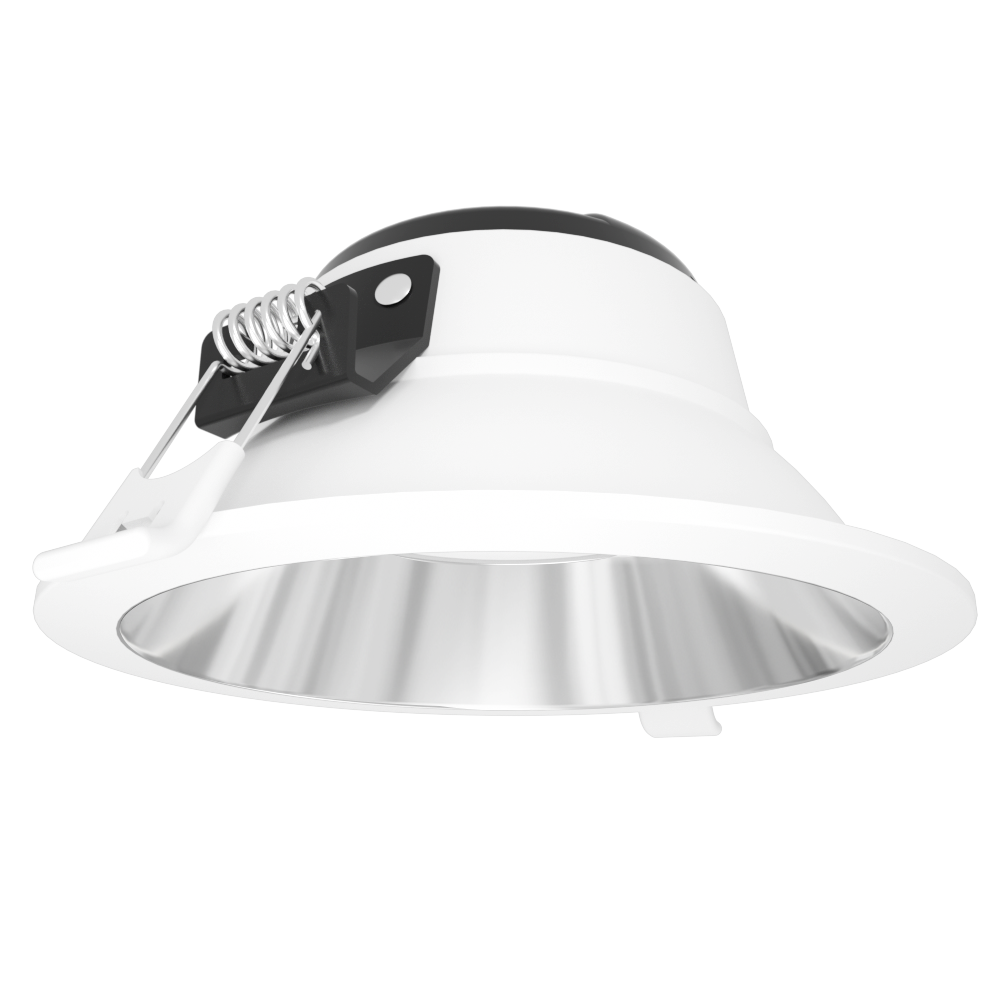
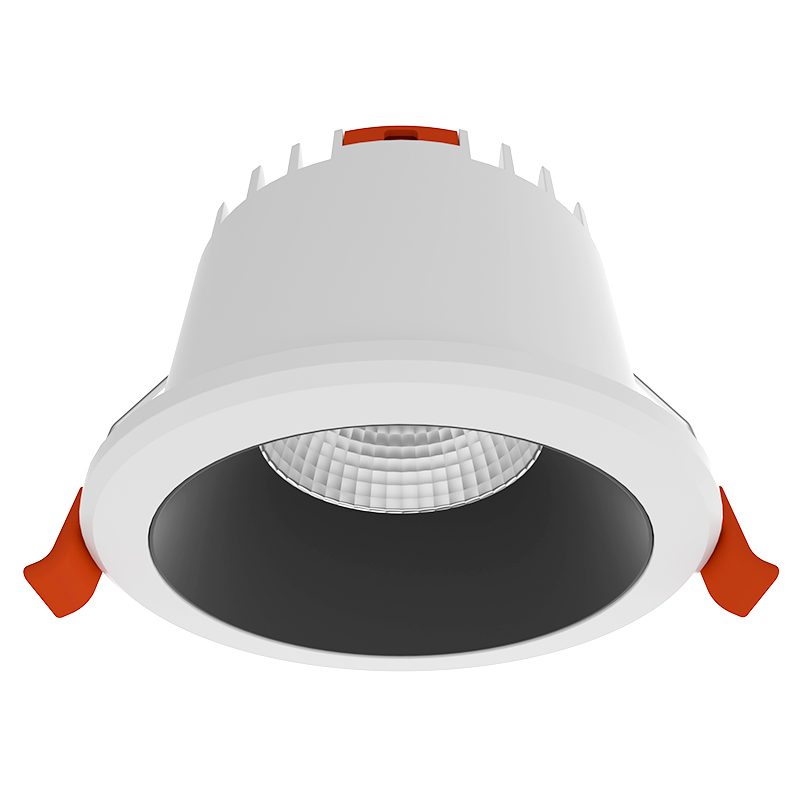
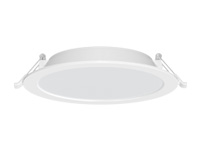
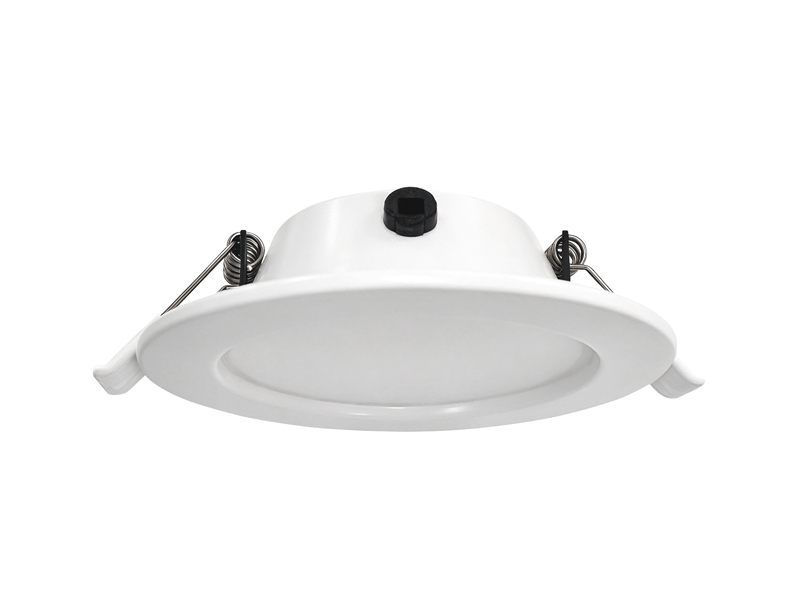
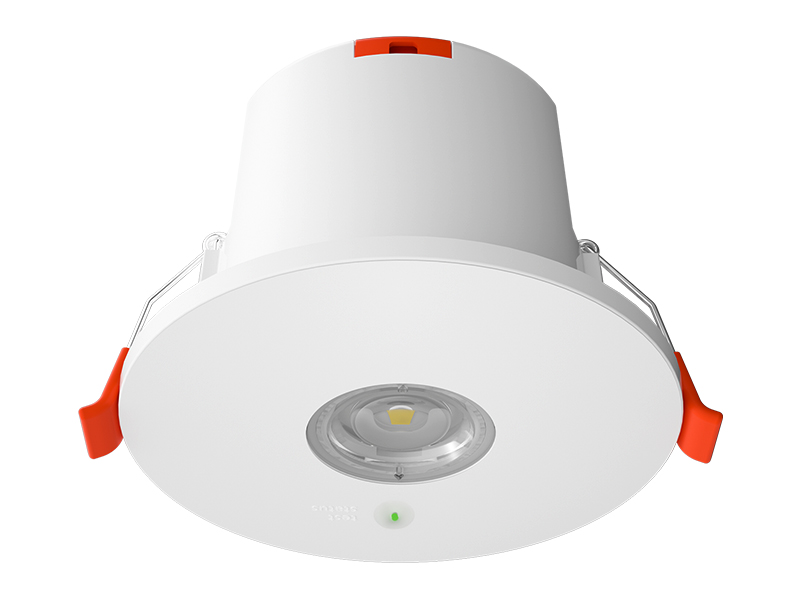
Our Miracle Down Lights include fixed-colour and selectable-colour versions. The D9070-A-TW example below is the selectable-colour configuration with the listed beam. Keep its suffix visible when comparing positions, because a neighbouring version can have a different beam and output despite a similar appearance.
Miracle uses an integrated driver arrangement in this example. This helps identify the assembly being considered, but it does not determine whether a person will see an uncomfortable source at a particular location. Review the proposed opening position from the actual occupied view, and retain the chosen colour setting when comparing alternatives.
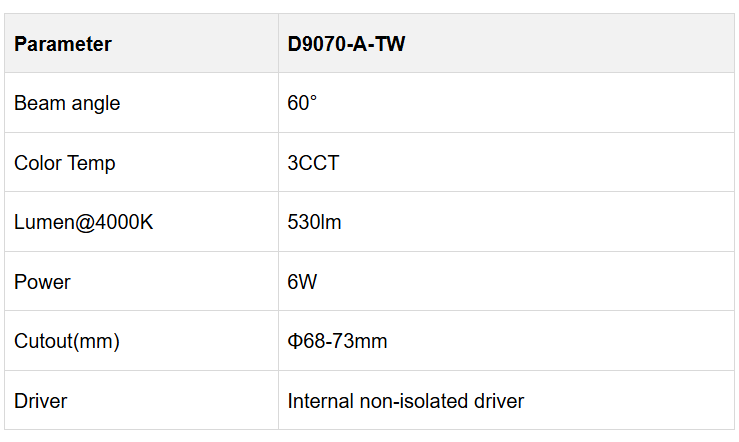

If a different Miracle model is proposed to suit the room, check its own optical entry before keeping the original placement decision. A family name is not a substitute for the selected configuration. The layout should describe the product that will actually be used, including any change affecting the appearance of the light in the room.
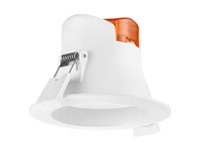
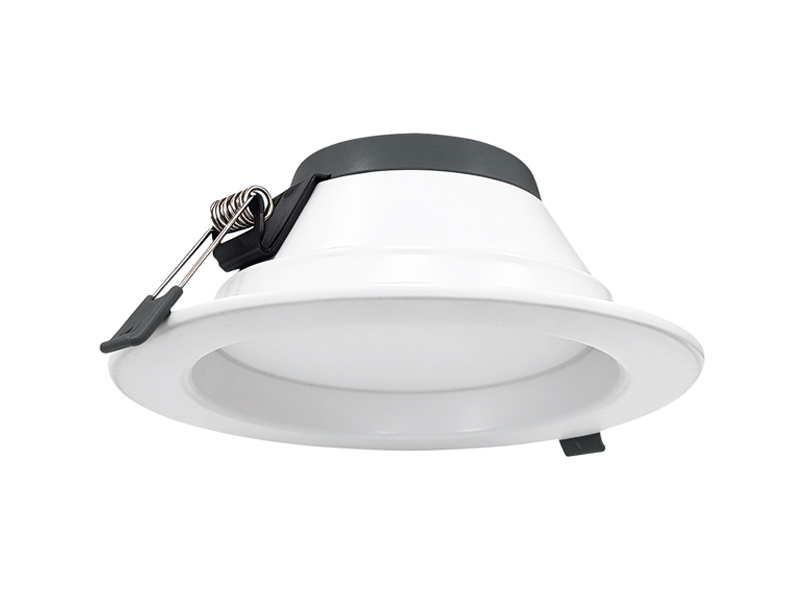
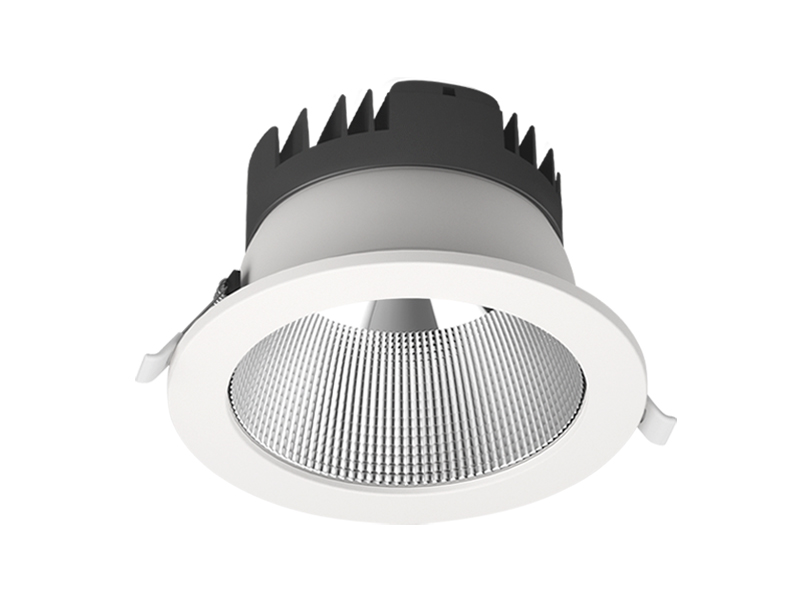
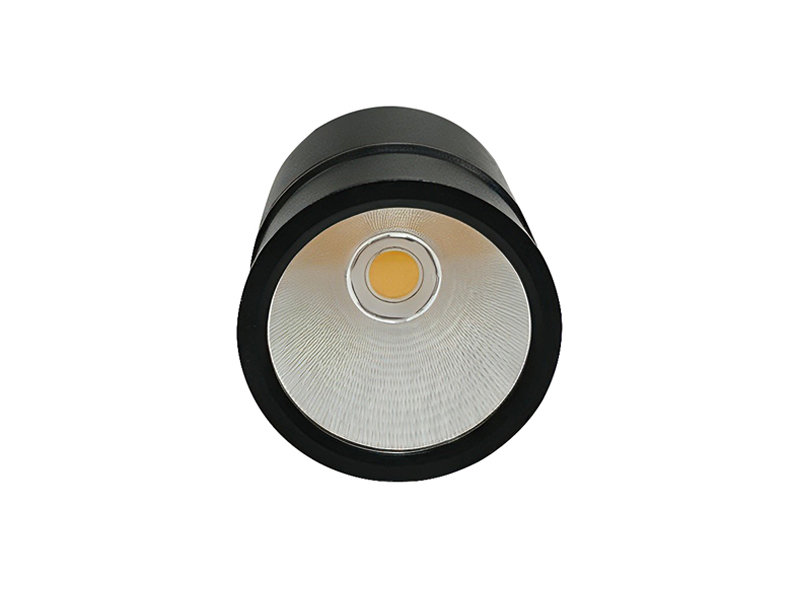
Our Legend Down Lights example below has a fixed 4000K entry, a listed beam and an external isolated driver. Its colour specification differs from the selected Miracle configuration. When assessing a placement alternative, distinguish a change in appearance from a change in distribution rather than assuming either will resolve the original concern automatically.
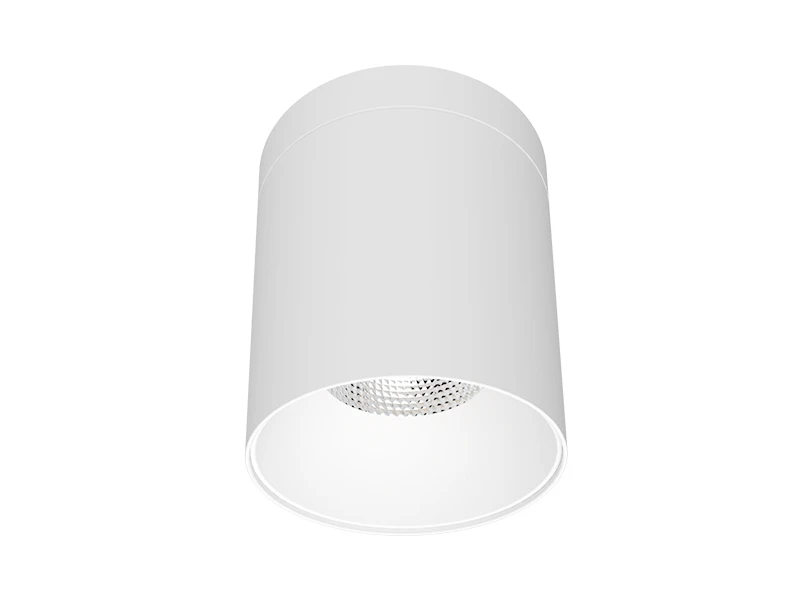
Legend offers recessed and surface-mounted installation options within the range, subject to the chosen mounting arrangement. Confirm that arrangement before reviewing the visible fitting position. An external driver also needs a suitable location and access provision; the apparent position of the light aperture does not describe every part of the installation.
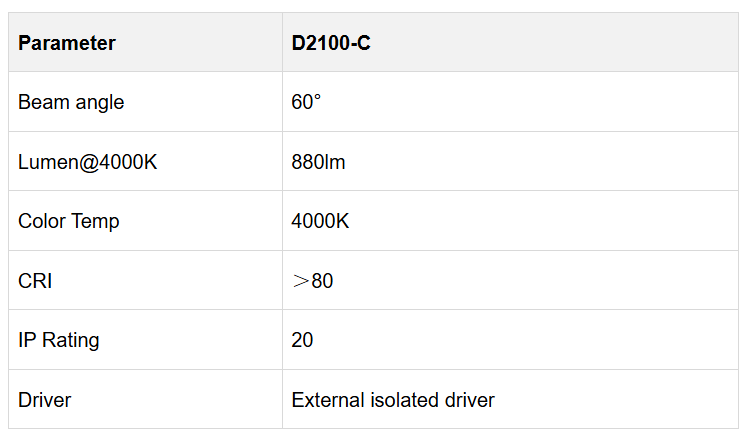
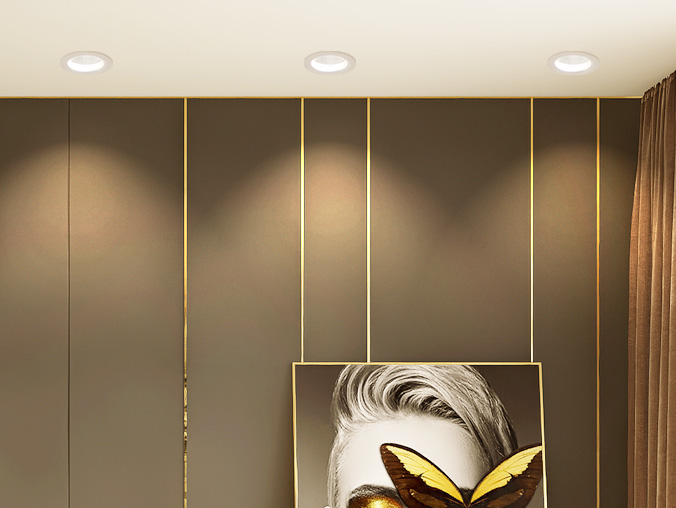
Retain the Legend code, driver arrangement and chosen mounting method in the drawing notes. If the ceiling construction changes, revisit the installation detail before accepting the same position. This connects the glare review to a physically workable proposal and avoids choosing a visually preferable location that the actual ceiling cannot accommodate.
An Energy Efficient LED Downlight selection should work with the room’s lighting task. A High Efficiency LED Downlight may offer an attractive output figure, but that figure cannot establish comfort from every viewing direction. Compare the proposed distribution and placement before deciding which product change is useful.
Share your corridor plan, seating directions and the troublesome view with IMIGY Lighting. For Miracle and Legend, we recommend keeping the selected model information beside those observations so the discussion addresses a specific configuration. Review the resulting proposal from the same normal positions, and record what changed. This gives later revisions a useful basis when furniture, ceiling details or the lighting requirement changes.
Before approving repeated positions, compare the selected arrangement at the relevant occupied views and on the intended illuminated surface. Keep the reason for a different position at a junction or seating row with the drawing. An exception can be appropriate when it answers a real viewing constraint. Recording that reason prevents later attempts to regularise the ceiling pattern from removing an adjustment that was made for a specific observed problem.
Retain the original observation beside the revised proposal so a later review can distinguish a genuine change in the viewing relationship from a different description.
Q: Would changing to a lower-power model always be the best response to an uncomfortable view?
A: No. First identify the source and viewing direction. A reduction in output may reduce useful light while leaving the source visible in the same position. Compare the proposed placement and optical configuration against the actual task before changing power.
Q: If two fittings have the same nominal beam angle, can they keep identical positions without further review?
A: Not automatically. Output, optical construction and the way the fitting is viewed can differ. The beam entry helps identify the selected version but does not establish equivalent room performance. Keep the relevant model and layout conditions together when comparing them.
Q: Can selecting a warmer colour temperature be treated as proof that a glare concern has been resolved?
A: No. A colour choice changes one aspect of the appearance, while the source position and viewing relationship still need assessment. Compare the uncomfortable view under the agreed setting and check that the intended lighting task remains adequately served.
It is recommended that you upgrade the latest browser
 Chrome
 Firefox
 Edge