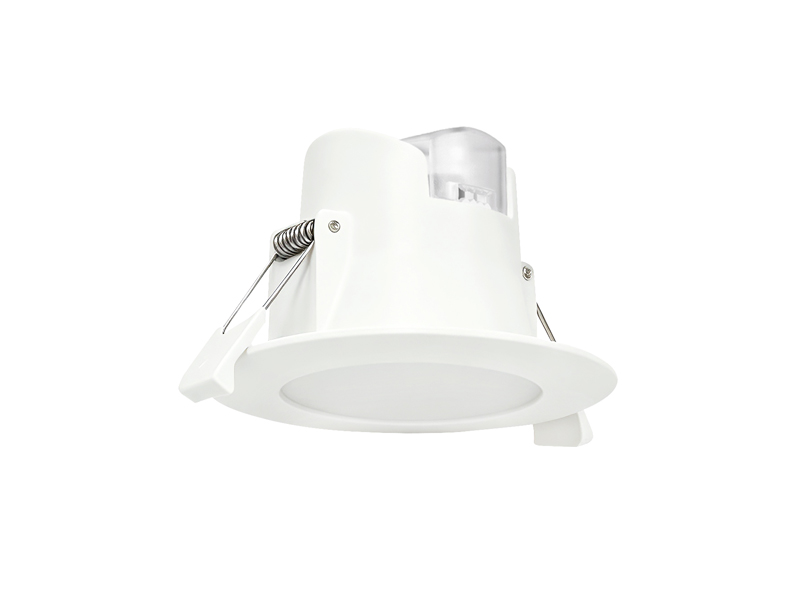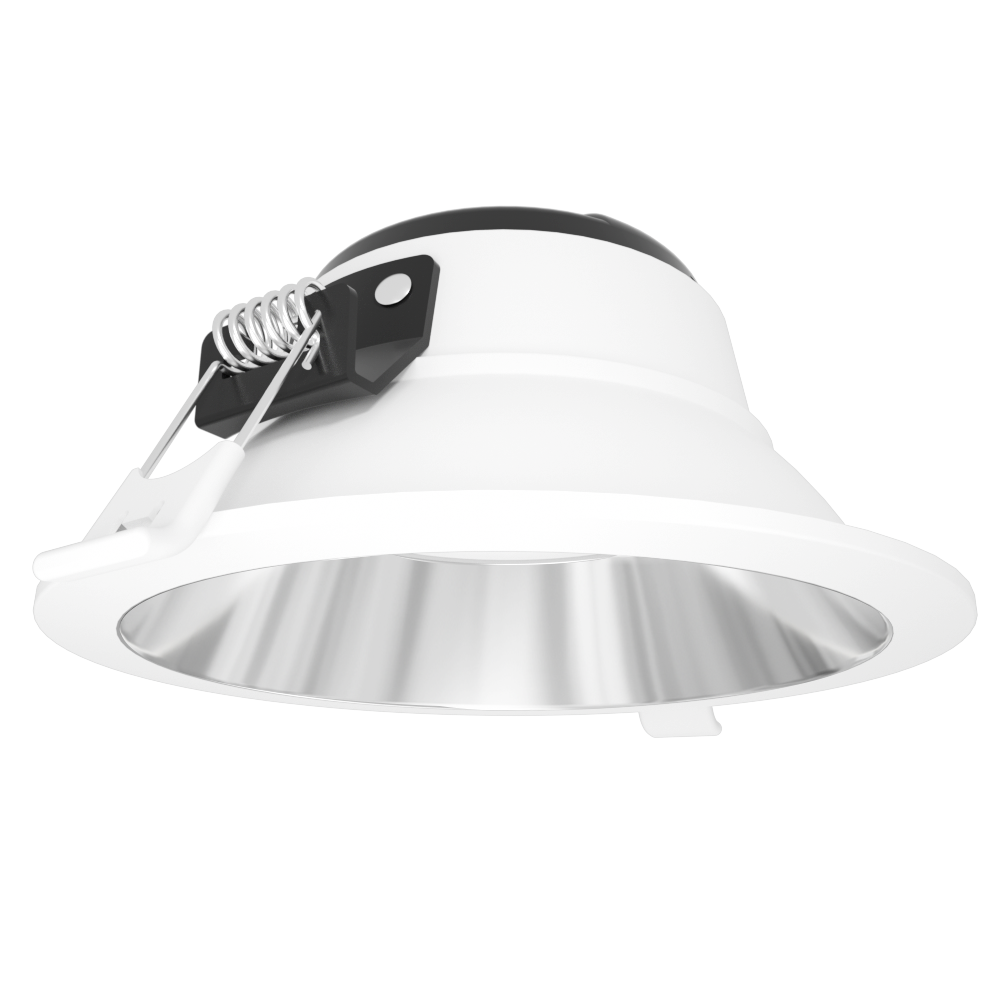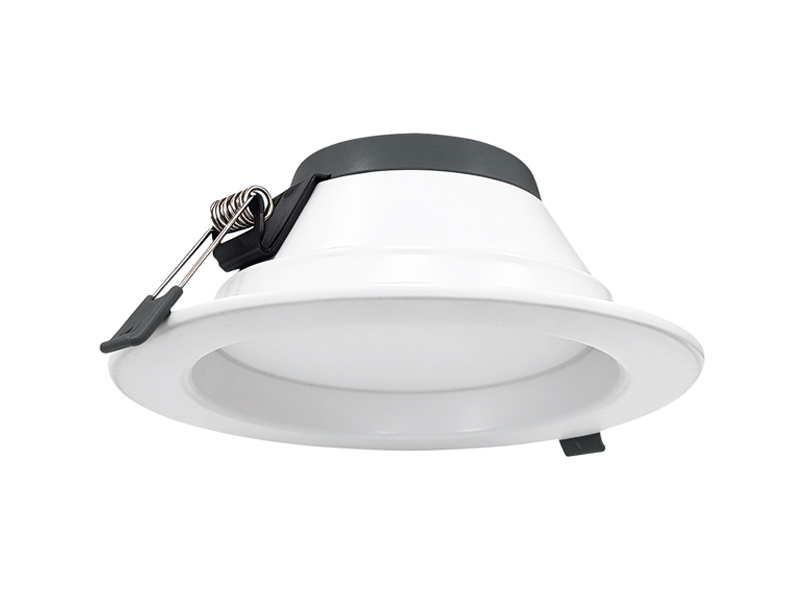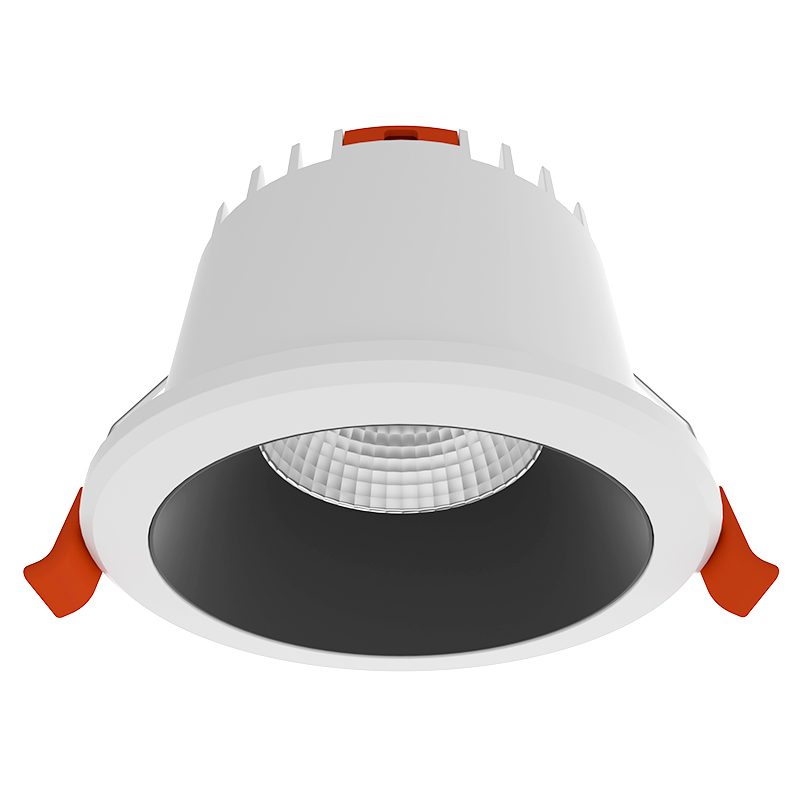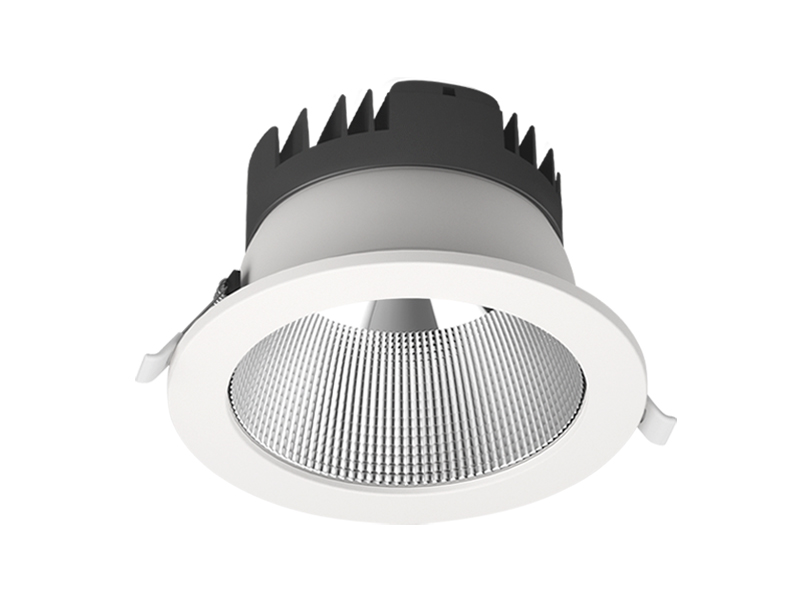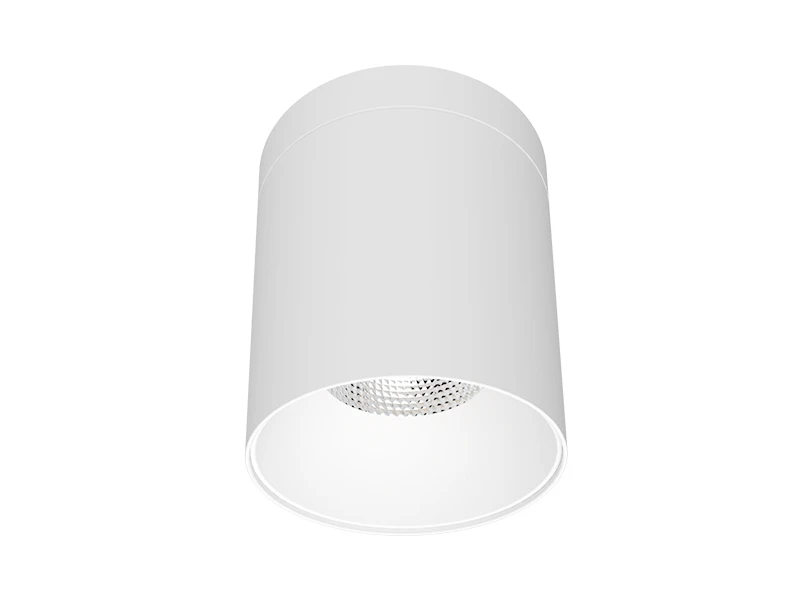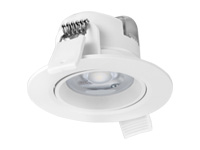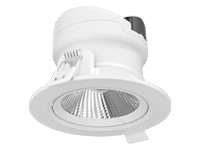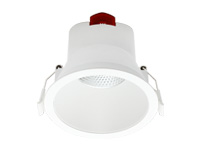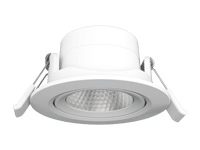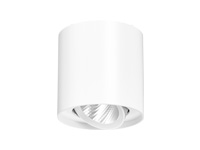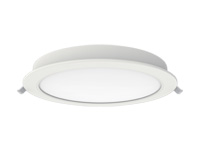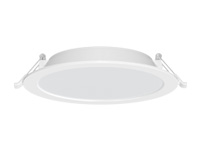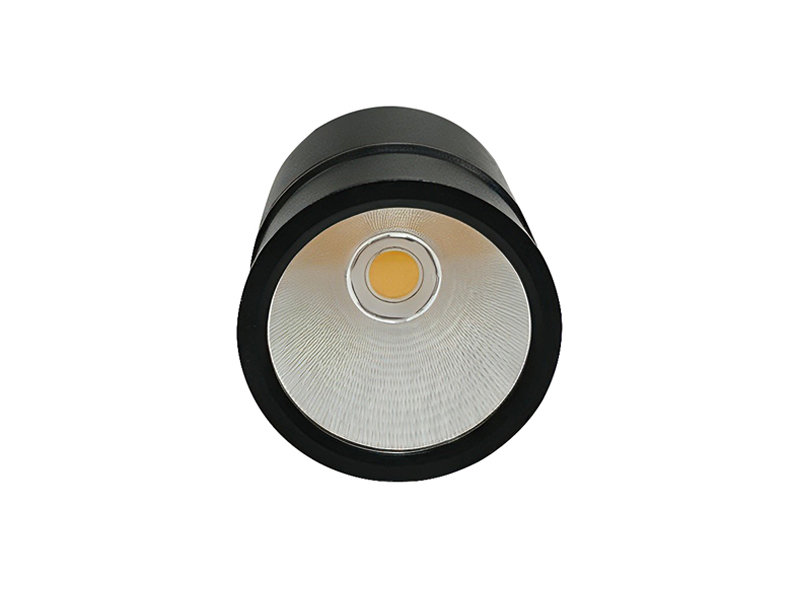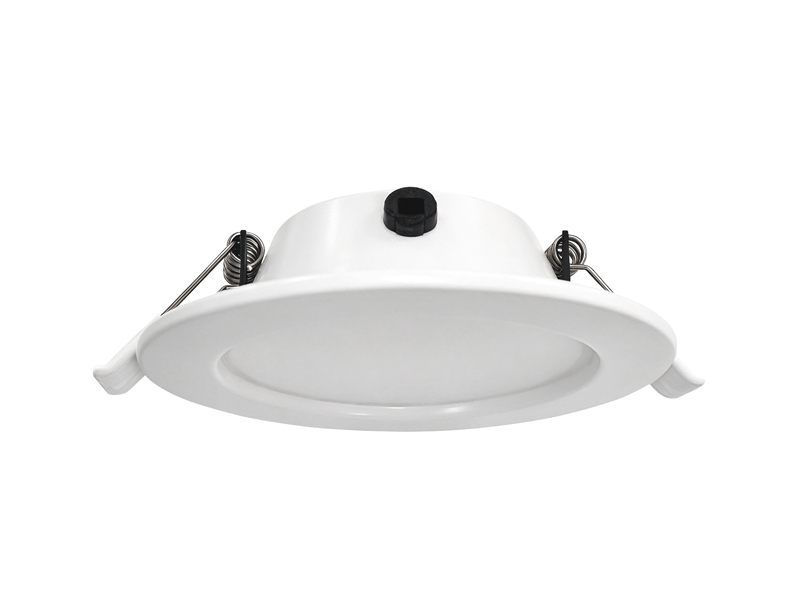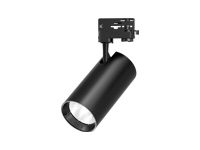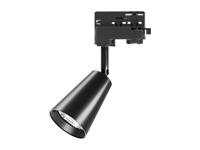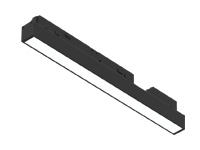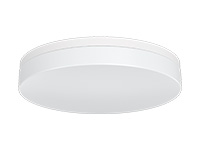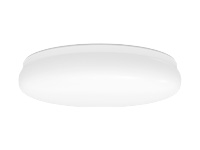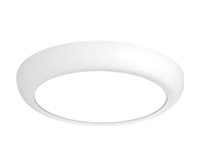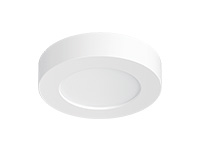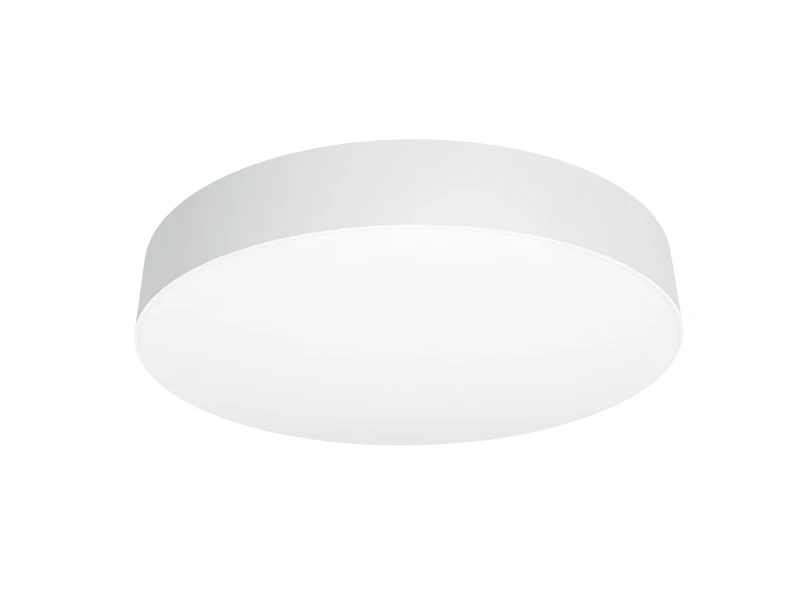

A High Efficiency LED Downlight should be assessed through useful output, distribution, viewing comfort and installation conditions as well as lumens per watt. At IMIGY Lighting, our Miracle Down Lights and Tulip Down Lights illustrate why one efficiency figure cannot answer every selection question. Their selected models differ in output, beam and opening requirements. Begin with the surface or area that needs light, then compare the complete configurations against that task rather than choosing the largest ratio in isolation.
The relevant question is what the selected fitting contributes to the intended layout. A narrower distribution and a broader distribution can serve different purposes even when their efficiency figures appear close. Keep the required lighting result visible throughout the comparison so a change in the metric does not quietly change the purpose of the installation.
Compare like conditions before comparing efficiency. For an Energy Efficient LED Downlight, retain the exact model, colour version and reference output. Check the beam, installation and driver alongside the input. An Energy Saving LED Downlight claim for a replacement also needs a defined baseline and operating arrangement; a catalogue ratio alone cannot describe the completed change.
Total lumens describe the light output listed for the fitting, while the beam helps identify how that output is distributed. Neither tells you the complete result on a particular surface without the layout conditions. A model with more output may be unnecessary for one task, while a lower-output selection may be unsuitable for another.
Compare the same reference condition where possible. The tables below retain the listed output at 4000K and identify the exact code. Do not combine one version’s output with another version’s power to create an apparently stronger result. If the project requires a different colour or optical configuration, compare the data for that proposed version instead.
For Hospital LED Downlights in corridors and waiting areas, include the normal viewing directions and the area being illuminated. The selection needs to support the lighting task without relying on brightness alone. A product figure is useful evidence for the selected configuration, but it cannot replace a review of distribution, occupied views and the actual ceiling arrangement.
Separate comparison criteria that describe the fitting from those that describe the completed arrangement. The selected code identifies the product, while quantities, positions and operating requirements describe its use. Keep both levels visible when discussing an alternative. Otherwise, a favourable change in one product figure may hide a change in the number of fittings or the task being illuminated, making the apparent comparison less useful.
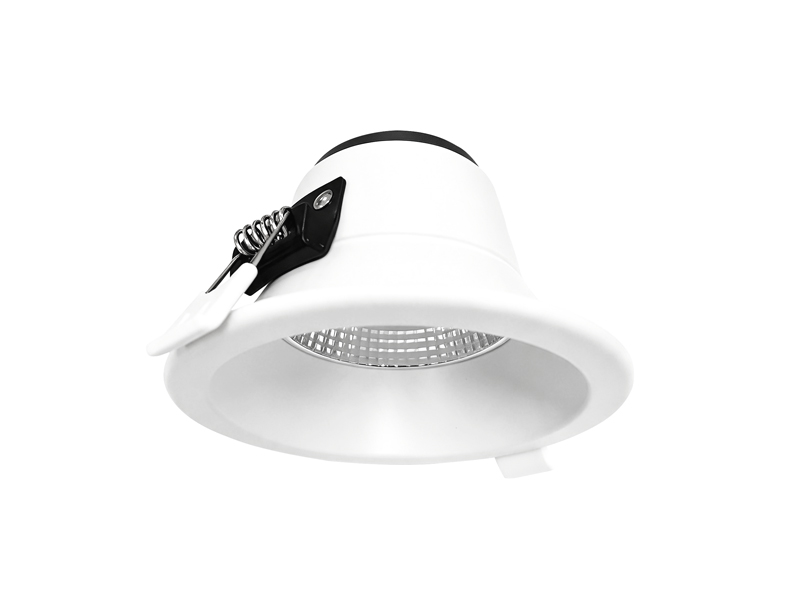
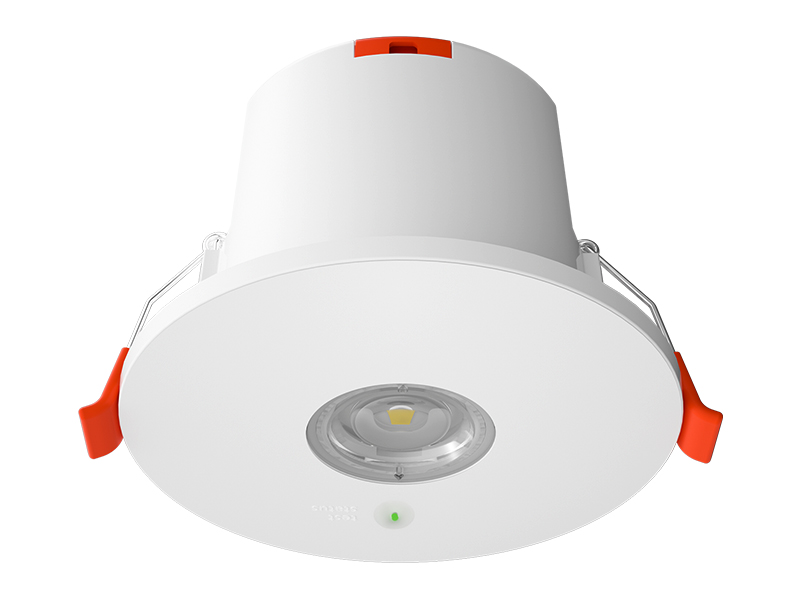
Our Miracle Down Lights D9070-A example is the fixed 4000K configuration. It has a different beam and listed output from the selectable-colour version within the same family. Retain that distinction when comparing performance, especially when a shortened series description might otherwise hide a change of configuration.
The integrated driver and listed protection rating provide further selection information. They should be reviewed for the actual installation rather than treated as additions to an efficiency score. Where the proposal needs a different colour arrangement or opening, check the relevant Miracle model before retaining the same output comparison.
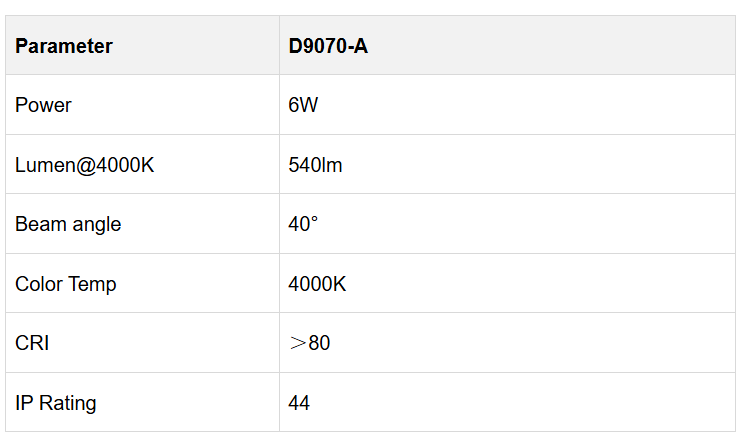

Use this example to connect the selected output with its beam and intended position. If the lighting task changes, reconsider the configuration rather than keeping the model simply because its ratio was previously accepted. The meaningful comparison remains the selected product against the current requirement, not the series against an abstract ranking.
Our Tulip Down Lights example below offers two listed reflector beam options. The replaceable reflector is a configuration choice that should remain identifiable in the proposal. Choose the required optical arrangement before assessing how the light relates to the target area; do not describe both options as one distribution operating simultaneously.
Tulip also has its own opening and driver requirements. A lower input than another fitting does not establish the same illumination over the same area. Compare the proposed quantity and positions with the intended lighting task. If the project needs another size within the range, use that model’s actual data for the revised proposal.
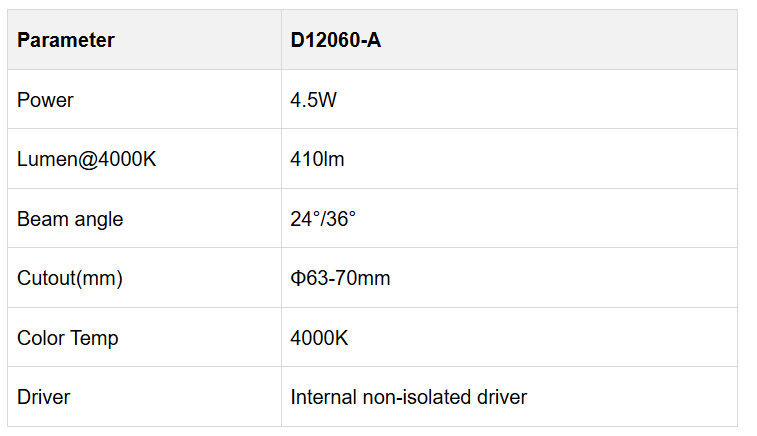

When considering LED Downlights for Hospitals, review the selected reflector from the relevant occupied positions as well as on the target surface. The listed optical choices support selection, but the room result needs its own assessment. Retain the chosen option with the model code so a later accessory change does not silently alter the basis of the comparison.
A useful performance comparison states why the selected output, distribution and assembly suit the project. Include the ceiling requirements and any control confirmation that still needs resolution. If the objective is reduced energy use, compare the complete proposed arrangement with the existing baseline rather than treating an efficiency ratio as the whole outcome.
Share your lighting task, room plan and installation conditions with IMIGY Lighting when comparing Miracle and Tulip. Identify the colour and reflector choices that have been assessed, then keep those details attached to the proposal. This allows the selection to be reviewed when the layout changes and helps the project team explain why the chosen configuration serves the space, beyond a single number on the product schedule.
Retain the reason for each optical choice in the selection notes. If a target surface moves or the occupied view changes, review that reason before accepting the previous configuration again. A documented choice helps the next discussion focus on useful performance. It also prevents a later substitution from being approved solely because its efficiency figure looks comparable, even though another aspect of the intended lighting arrangement has changed.
Compare each selection with the original lighting task before accepting a different output, beam or installation arrangement as equivalent.
Q: If two downlights have similar efficiency figures, should the one with higher total output always be selected?
A: No. Compare the lighting task and distribution first. Additional output is useful only where the proposed arrangement needs it. The selected positions, beam and occupied views still need assessment before choosing between configurations with different output.
Q: Can the fixed-colour Miracle entry be combined with the selectable-colour version’s beam in one specification?
A: No. Keep each version’s power, output, beam and colour arrangement together. Mixing entries creates a configuration that the selected model data does not establish. Use the complete code when comparing an alternative so the change remains visible.
Q: Does choosing the lower-power Tulip example prove that a replacement installation will use less energy?
A: Not by itself. Compare the relevant fitting quantities and operating arrangement with the existing baseline, while preserving the required lighting task. A lower input is one part of that comparison; it does not establish equivalent coverage or the total result of the replacement.
It is recommended that you upgrade the latest browser
 Chrome
 Firefox
 Edge