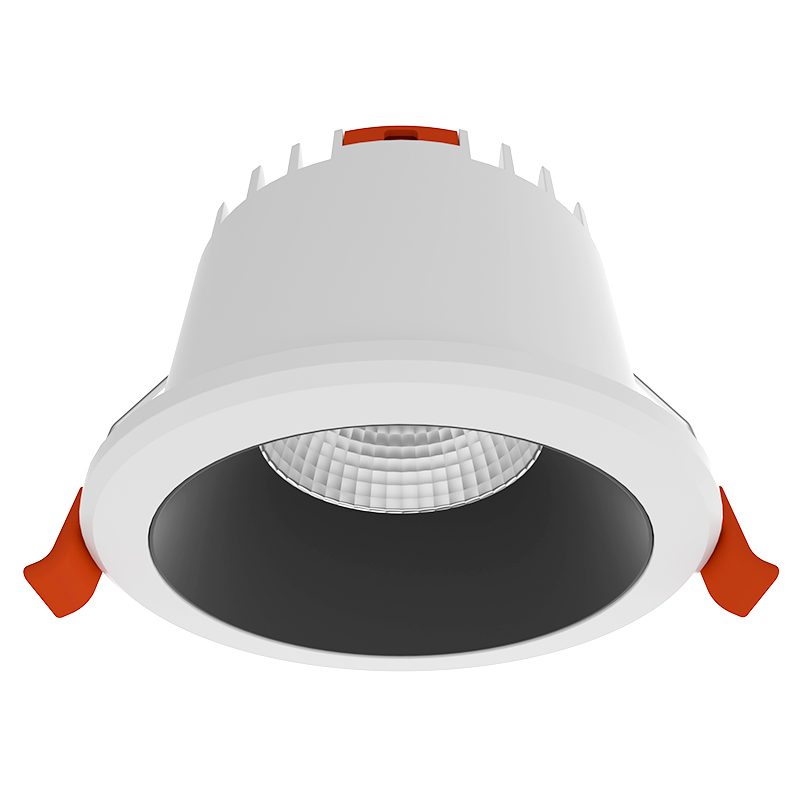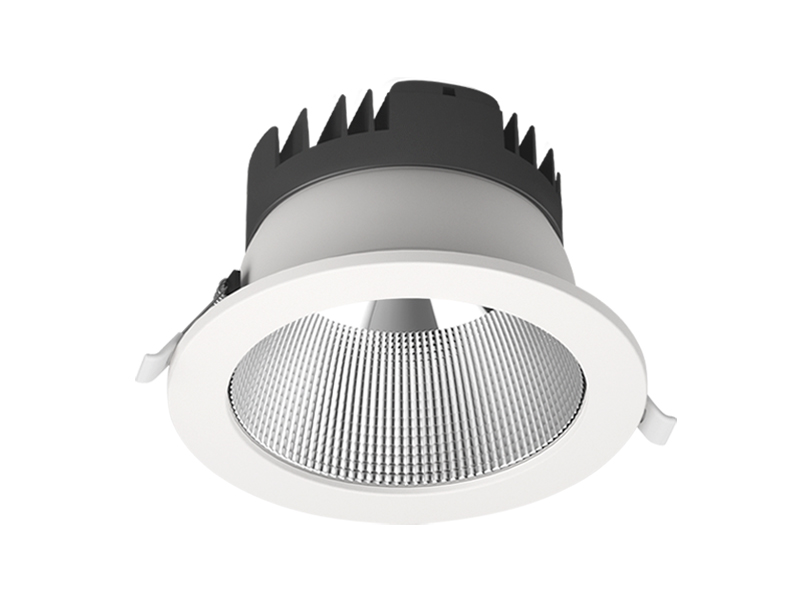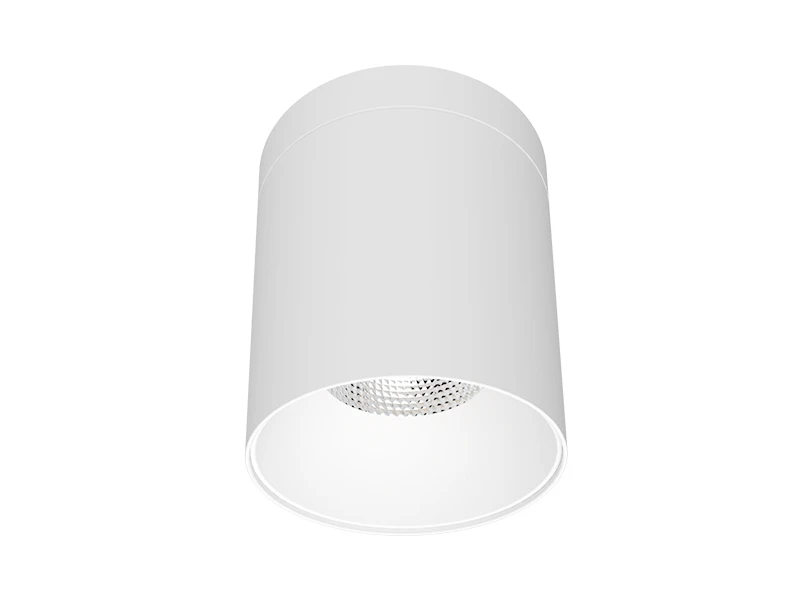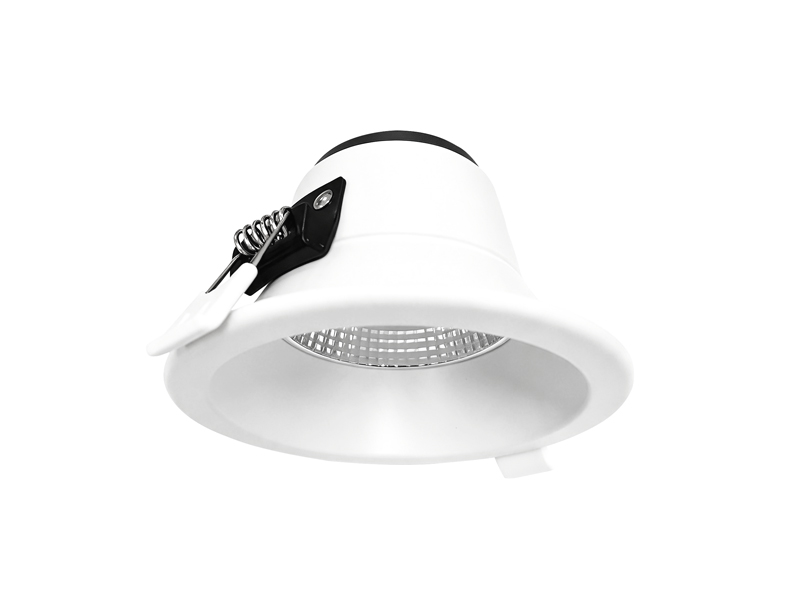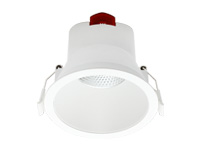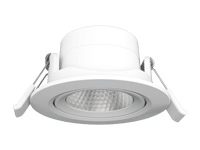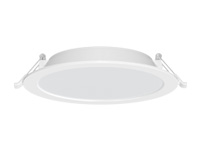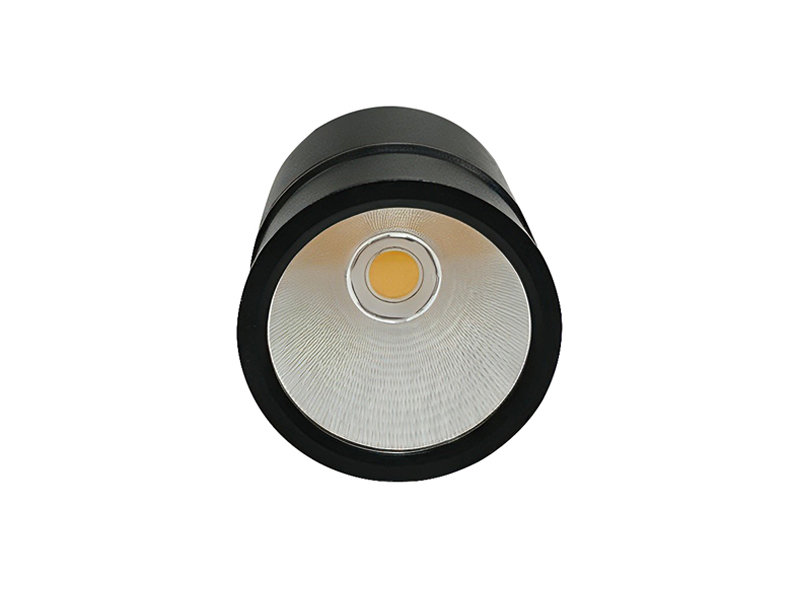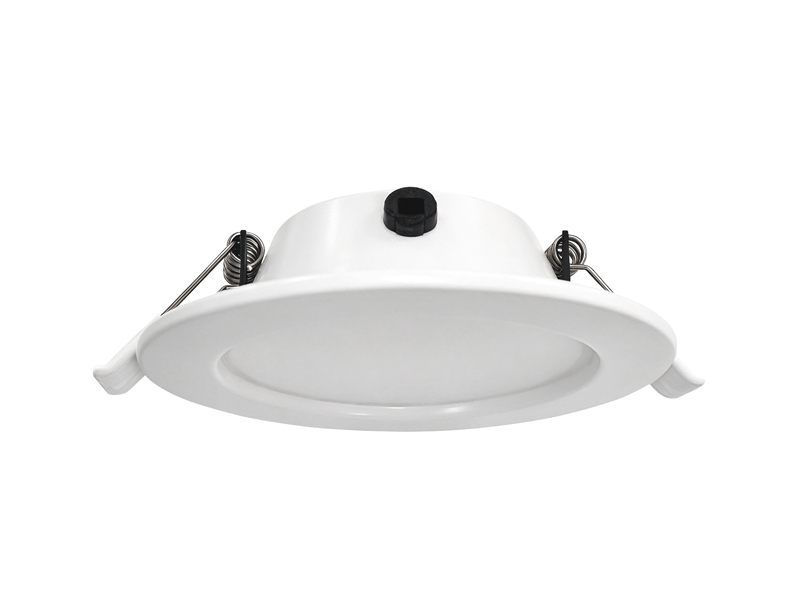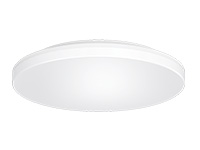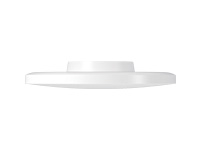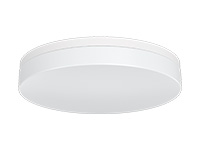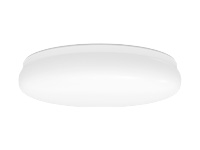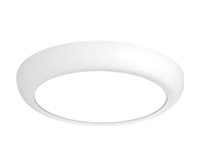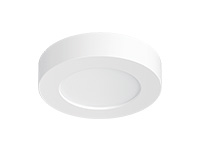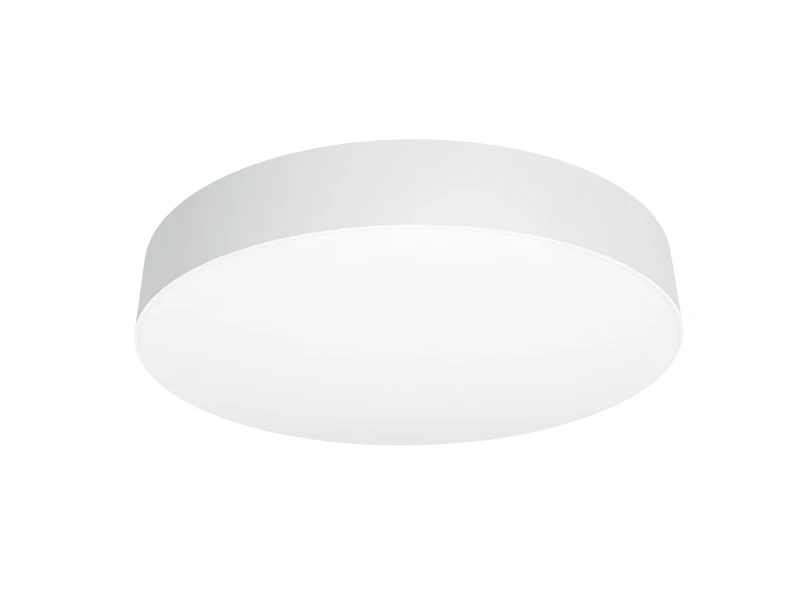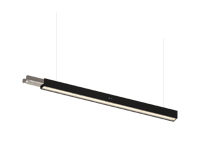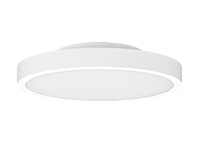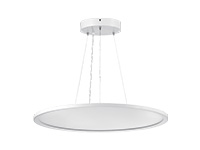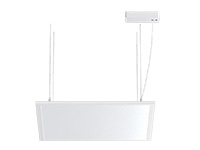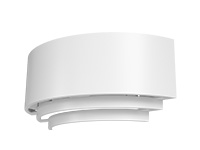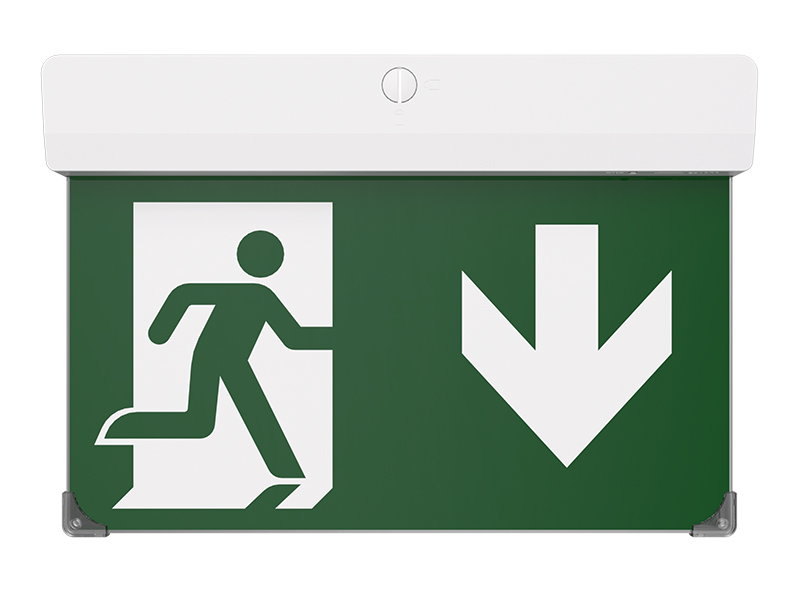

Evaluate a commercial led downlights supplier by how clearly its proposed configurations match your project schedule and ceiling conditions. At IMIGY Lighting, our Legend Slim Down lights and Explorer Down Lights provide options to examine through specific model data. We recommend comparing installation requirements, optical configuration and driver arrangement together. This gives the procurement discussion a practical basis beyond a series name or a general feature claim.
A project proposal should explain how the selected products answer the actual installation and lighting requirements. A range description alone cannot establish that match. Our Legend Slim and Explorer examples provide model-specific entries to compare, but the evaluation also needs the ceiling conditions and intended room use. Give those requirements consistently so the response can be assessed through relevant evidence rather than the number of features listed.
Give every supplier the same project requirements and compare their responses by exact code. Your led downlight supplier needs the room uses, openings, intended controls and finishes. For a plafon downlight, appearance and installation suitability should be reviewed separately.
Link each room or zone to a defined configuration and identify any proposed alternative. For led downlights wholesale schedules, retain those distinctions when quantities are combined. Ask the recessed led downlight supplier for the relevant installation details and supporting product documentation. Review documents for the actual model; a family-level statement should not replace confirmation of the selected configuration.
Prepare a requirement line for each zone or distinct installation condition. Include the opening, available space, desired appearance and intended optical task. Keep any control requirement separate enough to identify the proposed driver configuration clearly.
Compare responses against those same fields. If a proposal omits a required detail, leave it open for clarification rather than treating silence as confirmation. A product document covering several versions needs to be connected to the exact code selected for the project.
Distinguish a confirmed parameter from a proposed design outcome. A beam entry describes an optical characteristic; it does not prove that the entire room will achieve the intended distribution. Use the project layout to assess the resulting arrangement instead of asking a single product value to establish the complete installation result.
Separate an essential requirement from a preference when preparing the comparison. A specified opening or control arrangement may be mandatory, while a finish choice may allow alternatives. Making that distinction explicit helps the proposal answer the conditions that genuinely determine suitability.
When a requirement is not addressed in the available model data, request the relevant clarification rather than expanding a family statement to fill the gap. A documented limitation is more useful to the project than an unsupported assertion that every version provides the same capability.
At the final review, check that the selected sample, product code and installation detail all describe the same arrangement. A proposal can become inconsistent if an optical version changes while the earlier driver or accessory description remains in the file. Keep those relationships visible in the project record. This gives the evaluation a concrete conclusion: which configuration is selected, which requirement it addresses and which information still needs confirmation before the installation is planned.
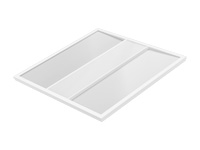
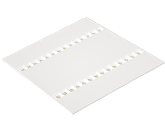
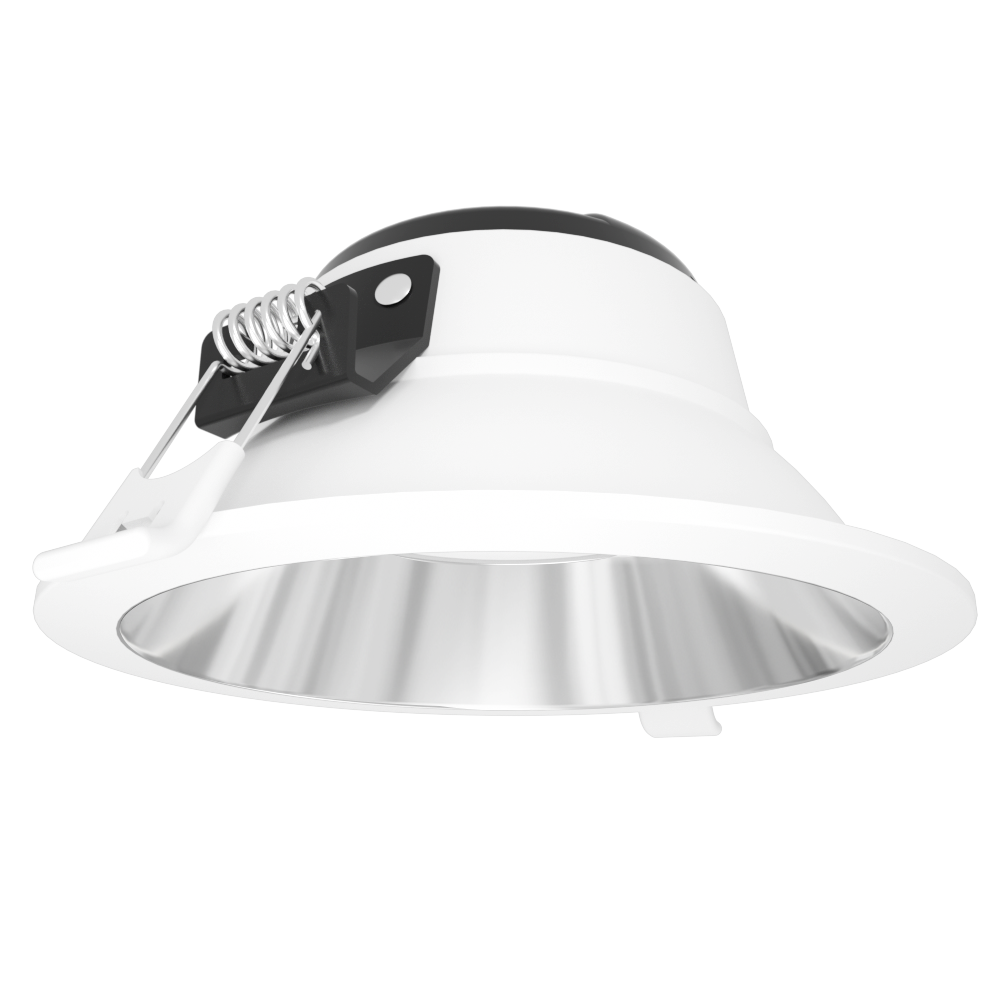
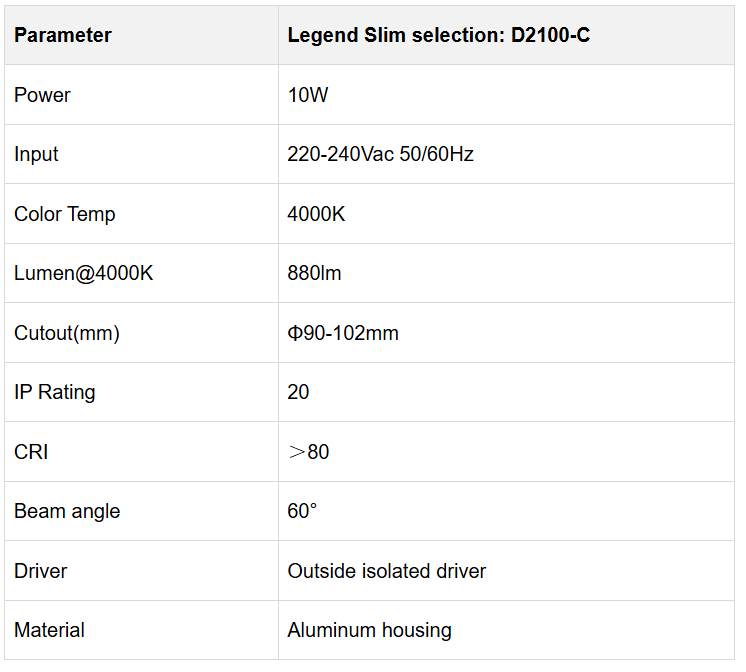
For our Legend Slim Down lights selection, confirm the model, external driver and intended mounting arrangement. The D2100-C configuration below provides a reference for comparison. Check the approved body drawing for depth requirements rather than inferring them from the series name or frame appearance.
For Legend Slim, specify the selected model before comparing physical dimensions. The selected configuration offers a basis for checking light output, beam and driver requirements. A slim series name alone does not establish how much ceiling space the assembly needs. Confirm the body drawing and driver position against the ceiling section, and record any installation condition that changes the selection.

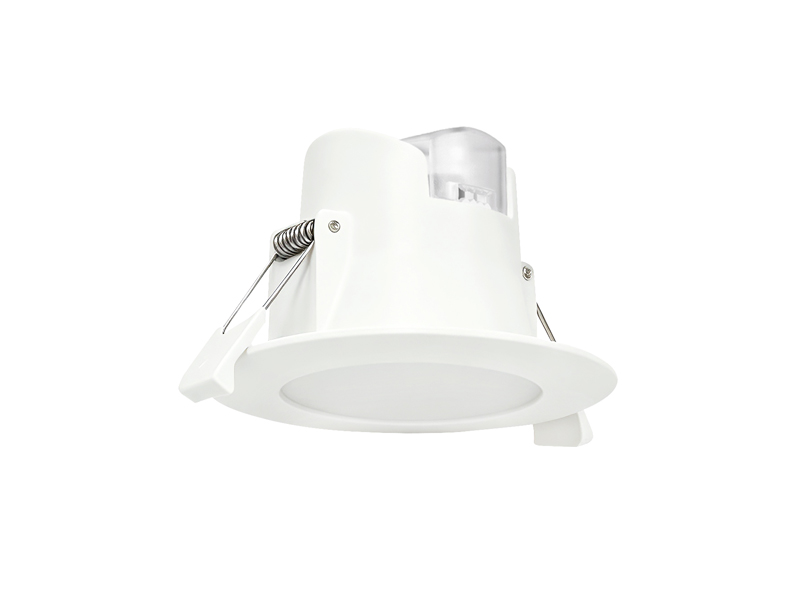
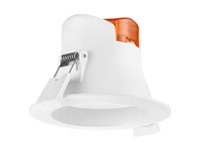
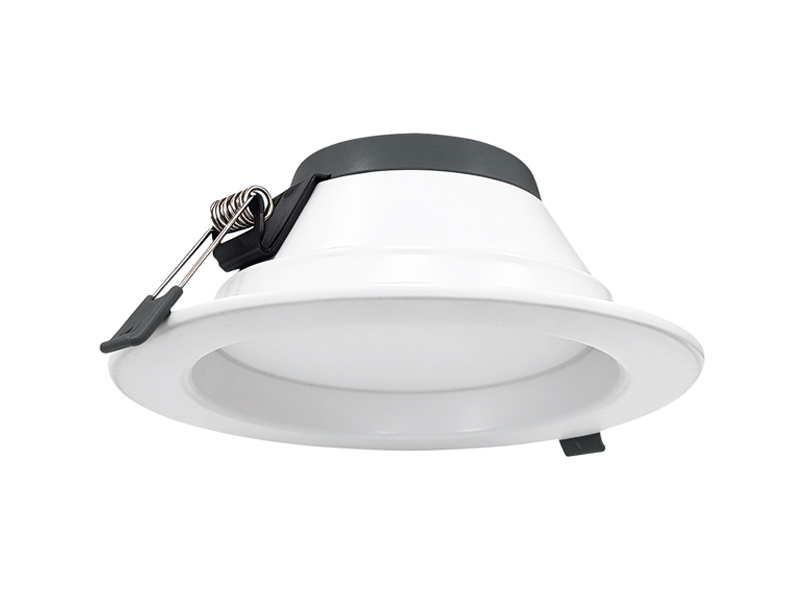
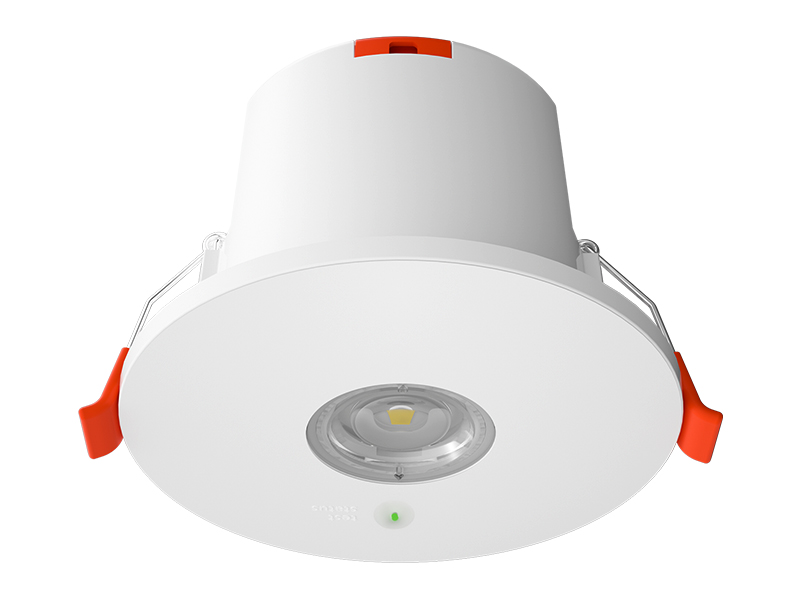
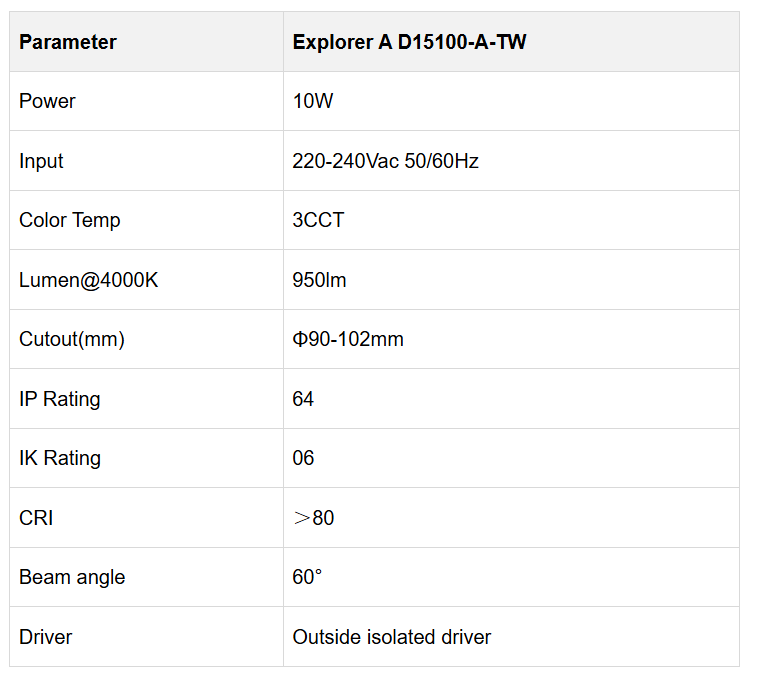
Our Explorer range includes different optical versions. The selected A version uses a reflector-and-lens arrangement; its 60° distribution should not be replaced in the schedule by the broader distribution of another version without review. Confirm ring accessories alongside the fitting code.
Explorer’s A version has a reflector-and-lens arrangement, while other versions use a different optical approach. Identify which version the proposal includes before comparing output and distribution. Ring accessories also need to remain attached to the actual configuration. An apparently equivalent face shape does not remove the need to compare the optical and installation requirements.
Send IMIGY Lighting your zone schedule, ceiling details and intended finishes. We can discuss the relevant Legend Slim or Explorer configuration around those requirements. Record the selected driver and accessories, then compare the sample and installation detail with the same specification. This helps project teams evaluate a proposal by the information needed to select, install and identify the intended product.
Use the final project schedule as the common reference for the selected sample, installation detail and any proposed alternative. Record which requirements have been answered and which remain unresolved. Update that reference when the configuration changes rather than retaining documents that describe different versions.
At IMIGY Lighting, we recommend supplying the zone schedule and ceiling information together with the intended finishes. This supports a discussion of Legend Slim or Explorer around concrete requirements. The evaluation can then explain why a configuration is appropriate for a particular area and what still needs confirmation, giving the project team an evidence-based selection record.
Retain the basis of the selected configuration so the project team can review later alternatives against the same requirements instead of starting from a description.
Q: Is matching the required wattage enough to accept an alternative downlight for a commercial project?
A: No. Check output, distribution, colour temperature, opening, driver and accessories. A power match can still produce a different lighting result or require different installation provisions.
Q: Can a slim series name be used as evidence that a downlight needs less ceiling space?
A: No. Verify the selected body drawing and driver arrangement. Neither the name nor the visible frame establishes the installation depth of the complete assembly.
Q: How should project teams assess product documents that describe a whole range rather than one model?
A: Use them as an overview, then request confirmation for the selected code. Keep version-specific optical, control and installation details attached to the project schedule.
Q: Should a proposal be accepted when the series description sounds suitable but the selected code is unclear?
A: Clarify the code and included configuration first. A suitable family overview is useful context, but the installation and sample review need a specific product reference with the relevant optical, driver and mounting details.
It is recommended that you upgrade the latest browser
 Chrome
 Firefox
 Edge