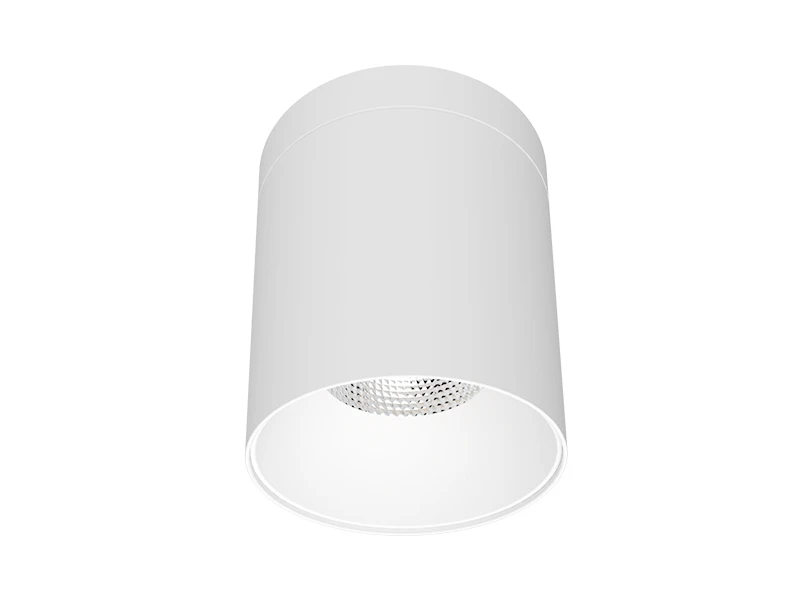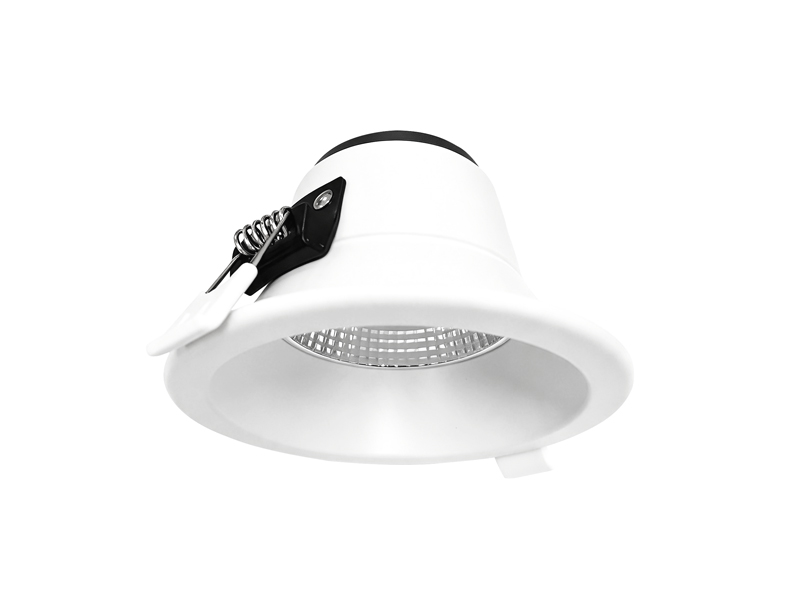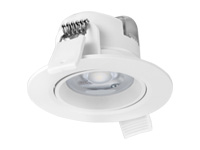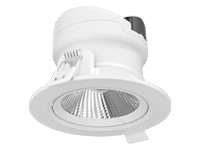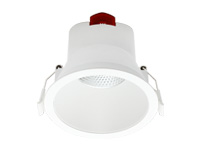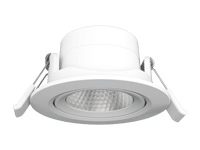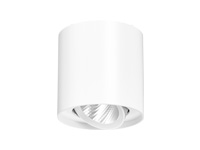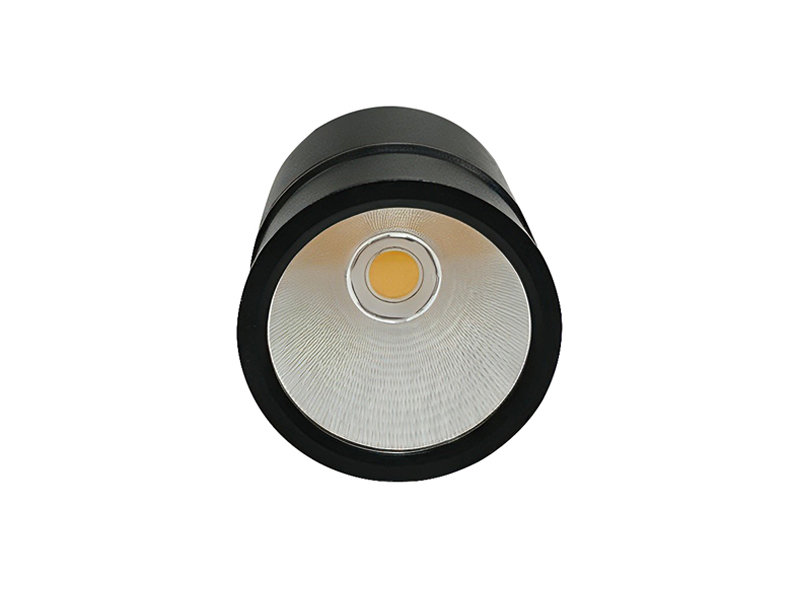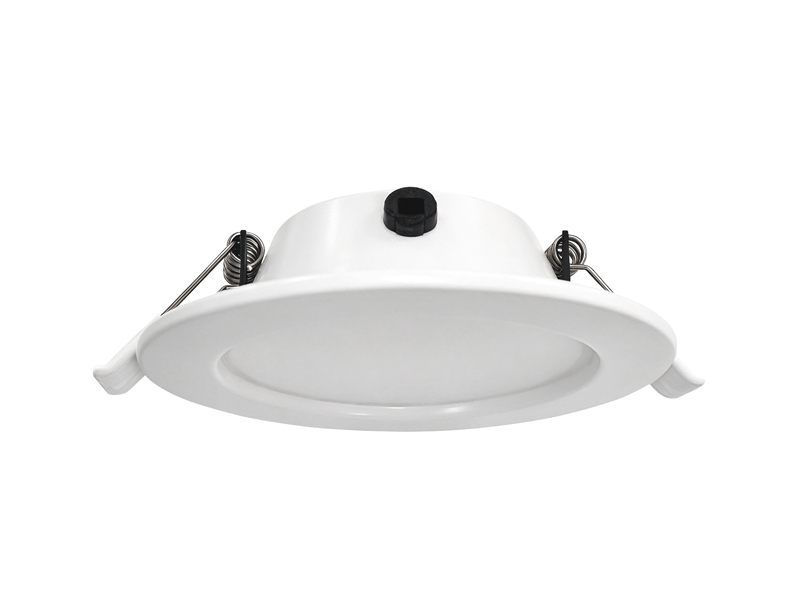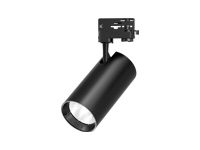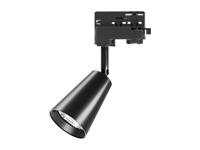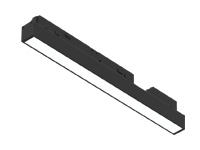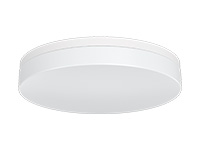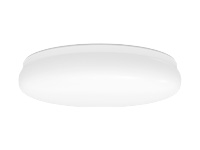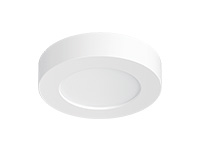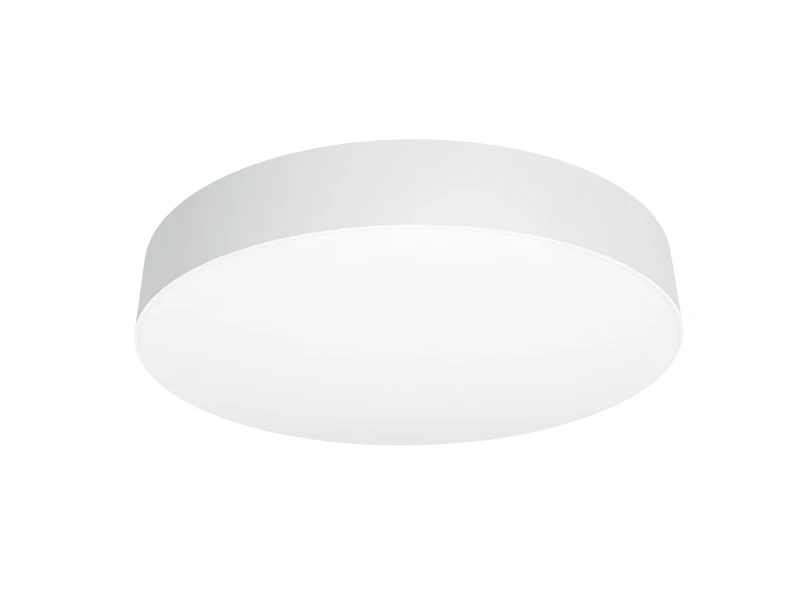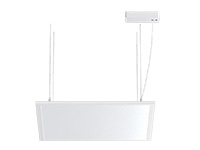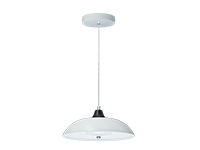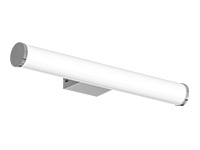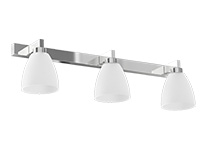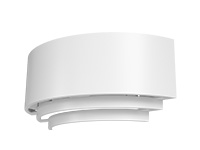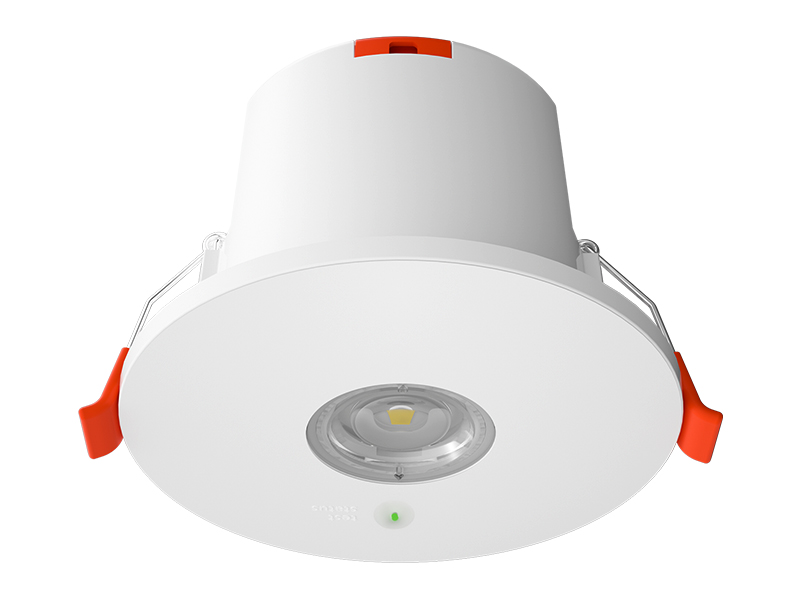

For led downlights wholesale orders, match every schedule entry to a complete configuration before confirming quantities. At IMIGY Lighting, our Miracle Down Lights and Legend Down Lights offer different combinations of output, beam and driver arrangement. A shared wattage or similar cutout does not establish equivalence. We recommend recording the exact code and colour-temperature version so that the agreed product can be identified consistently throughout the order.
A bulk schedule becomes unreliable when several apparently similar fittings are grouped under one description. Our Miracle and Legend examples share a listed power but differ in output, colour-temperature configuration and driver arrangement. Those differences matter when the same selection is repeated across rooms. Start with a configuration record for each item so quantity consolidation preserves the product distinctions instead of hiding them.
Use one schedule to connect model, output, colour temperature and installation requirements. A plafon downlight with selectable colour temperature is different from a fixed-colour version. Ask your led downlight supplier to resolve these differences before consolidating quantities.
Group fittings by their actual configuration, not just their visible size. Keep different driver, beam and colour-temperature versions on separate lines. When assessing a commercial led downlights supplier, check that the proposed data corresponds to each code. A recessed led downlight supplier also needs the opening and ceiling-space requirements so the schedule covers installation as well as light output.
Organise the schedule by the configuration that will actually be supplied. Retain the exact code and the room or zone using it. If two areas need different colour-temperature versions, keep them separate even when their visible fittings appear coordinated.
When comparing output, use the stated reference condition and selected version. A value from a nearby fixed-colour column should not be attached to a selectable-colour code. The same discipline applies to beam angle, driver and installation requirements.
If an alternative is proposed, compare it with the complete agreed specification before combining its quantity with another line. Record the reason for the change and any affected installation detail. A substitution should remain traceable instead of disappearing inside the total number of fittings.
Distinguish a repeated requirement from a repeated appearance. Two rooms may use coordinated fittings but need different output or colour-temperature configurations. Retain those differences even if the installation team prefers one simplified description for convenience.
The same care applies when quantities change. Adding more fittings to an existing line is straightforward only when the agreed configuration remains the same. If the revised layout introduces another opening or lighting task, identify the new requirement before adding it to the original quantity.
Use the full selected specification when checking alternatives. A proposed substitute may match the visible size while changing the driver arrangement or distribution. Record the difference and its effect on the intended installation before deciding whether it belongs on a separate schedule line. This keeps the order intelligible to the people selecting, checking and installing the products. It also makes later repeat selections easier to review because the record explains what was approved, rather than relying on a shortened name that could refer to several different configurations.
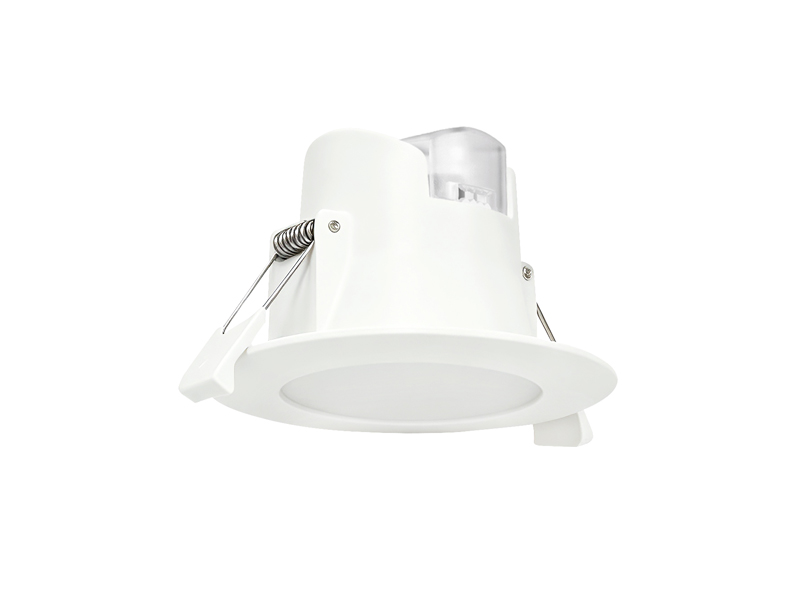
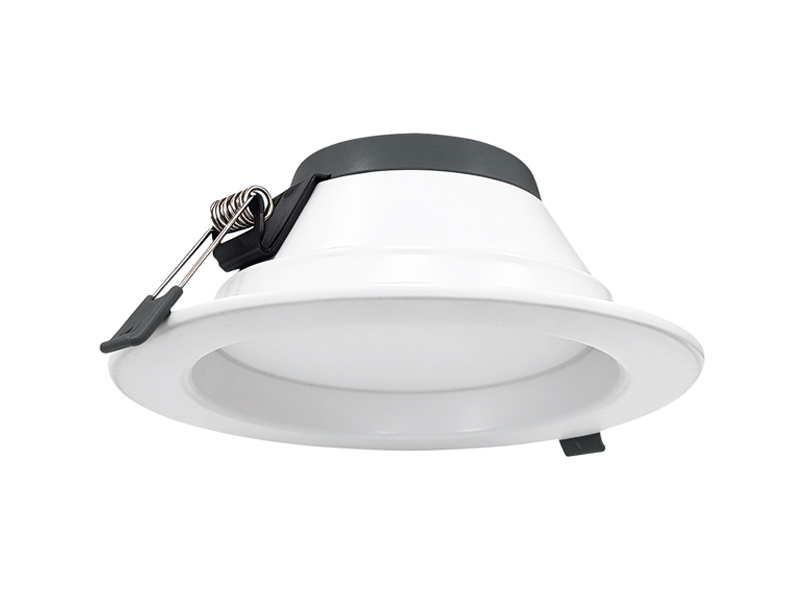
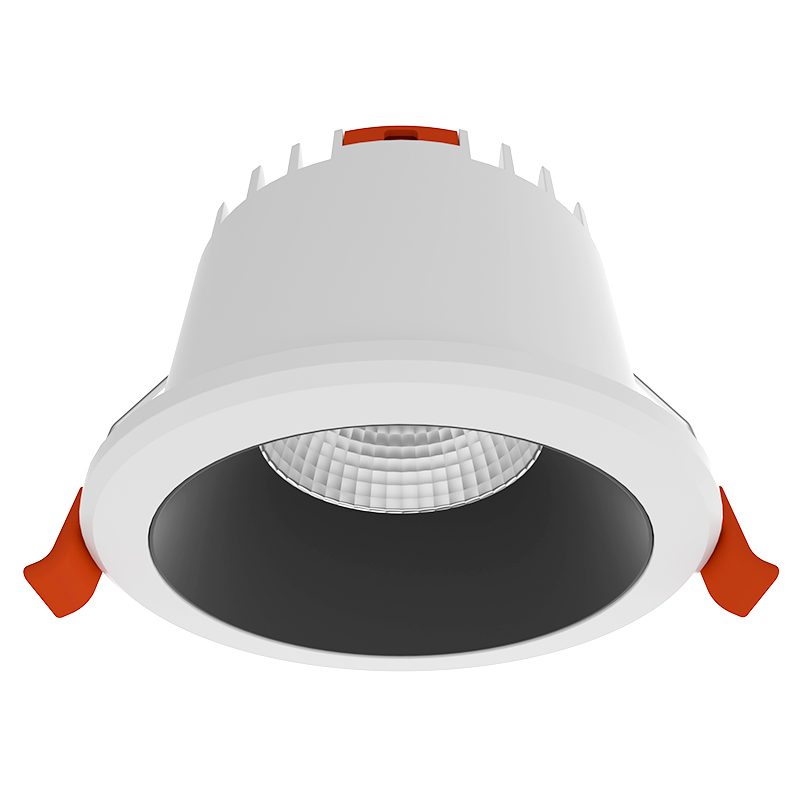
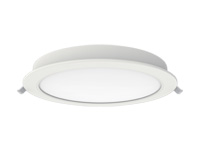
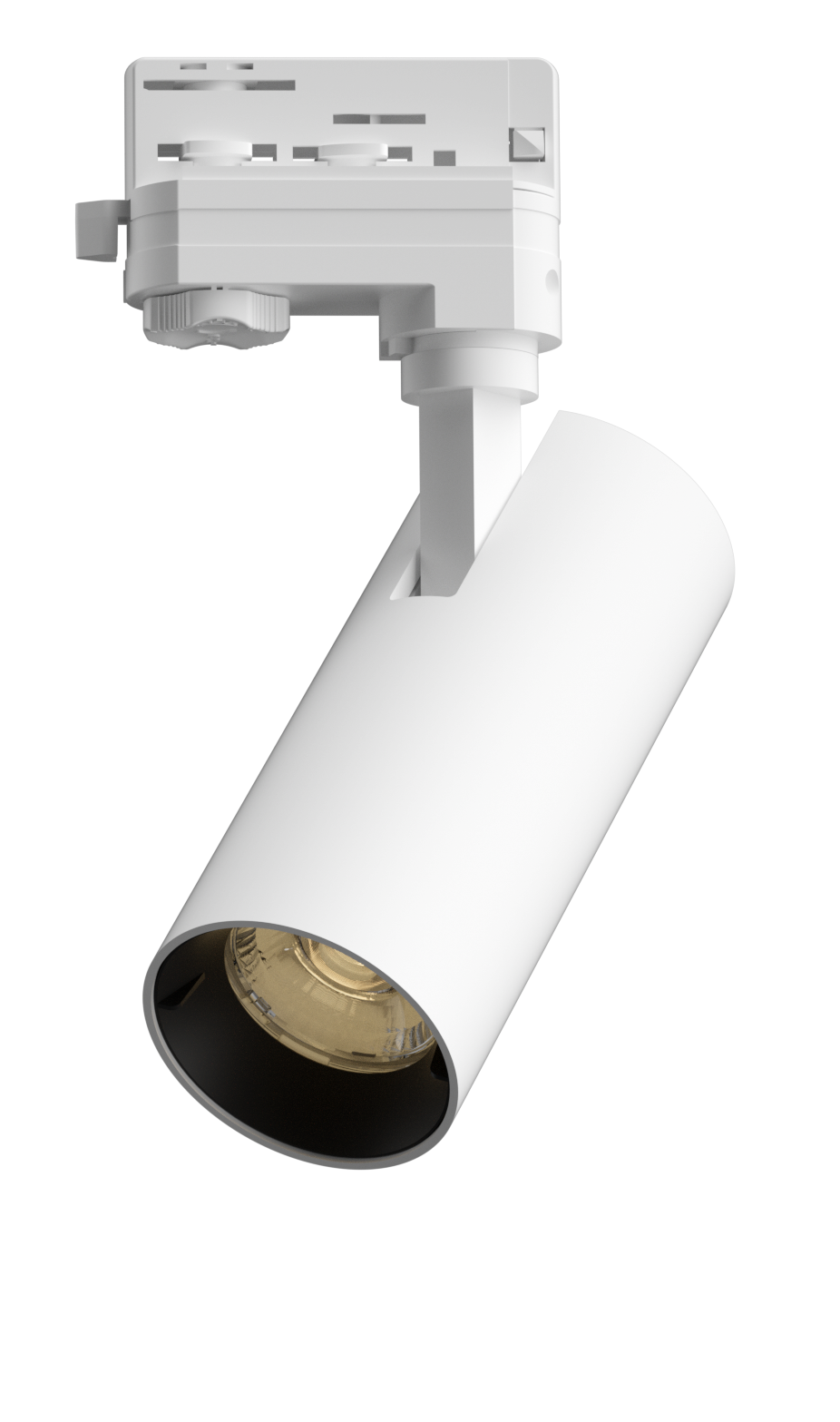
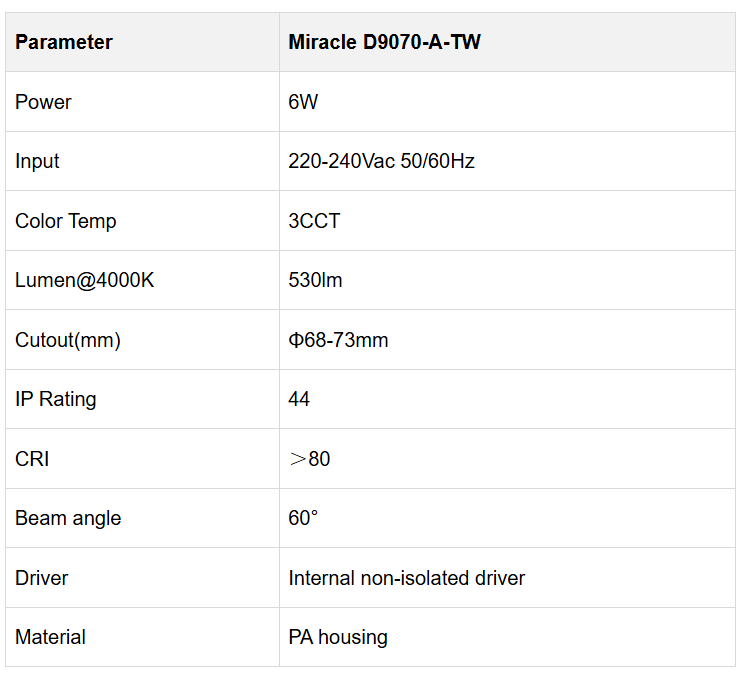
Our Miracle range includes fixed-colour and selectable-colour configurations. The selected model below is a 3CCT version, with a 60° beam listed in its data. Do not use the output or beam of the neighbouring fixed-colour model to describe this code.
The selected Miracle version has three selectable colour temperatures and its own listed output and beam. Keep those entries together. A similar code without the same suffix can describe another configuration, so the suffix should remain visible in the schedule and sample reference rather than being shortened away for convenience.

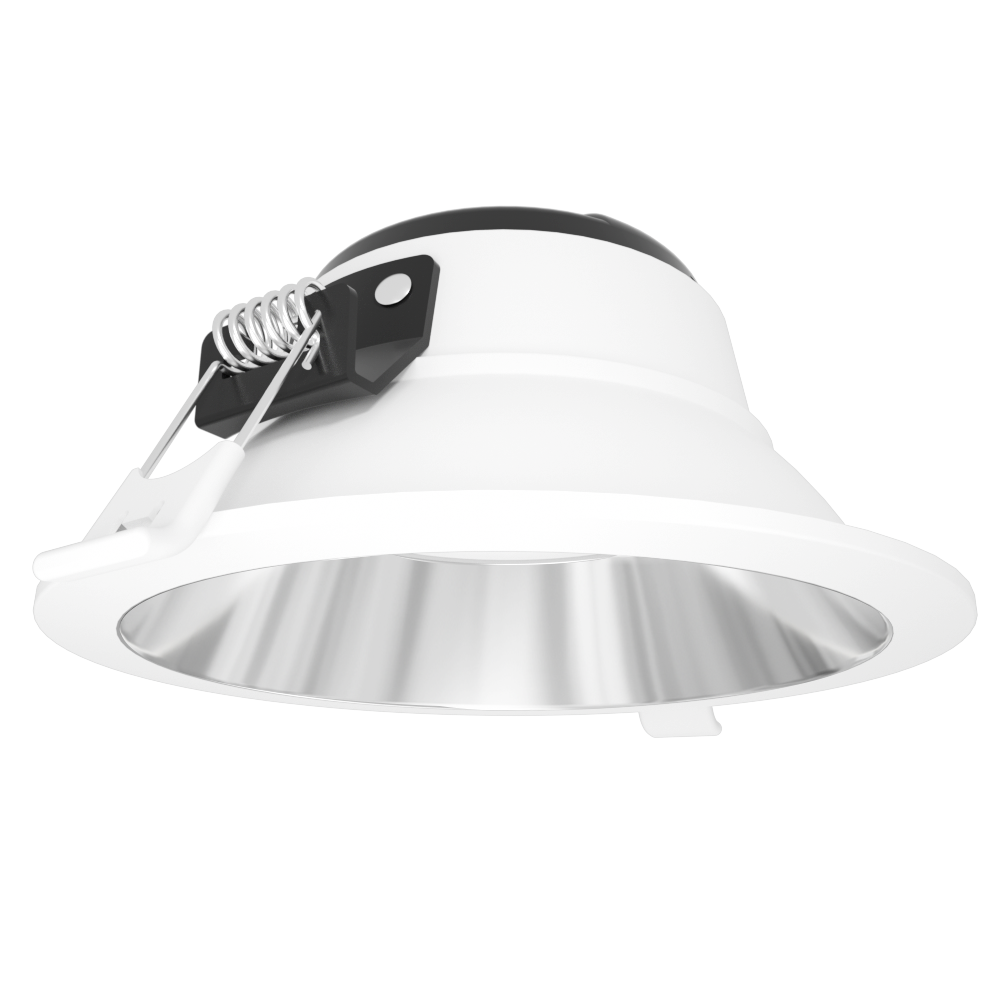
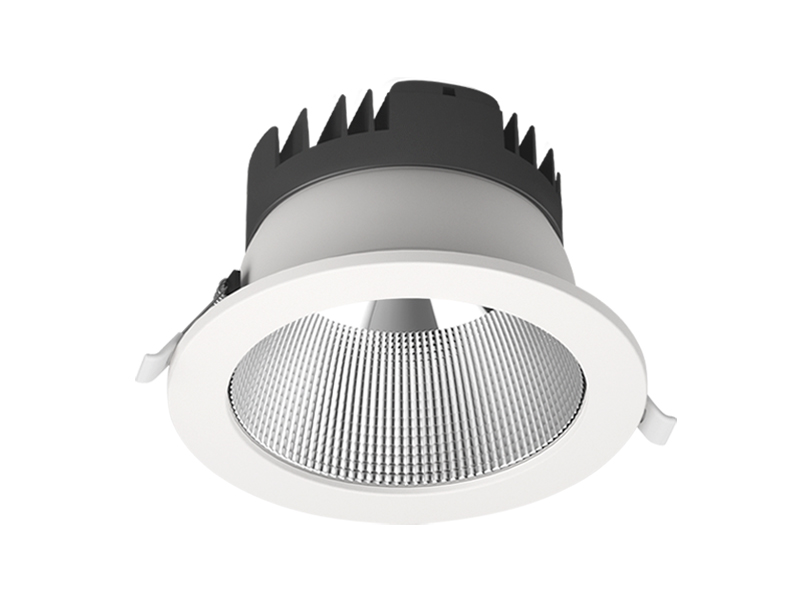
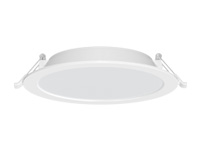
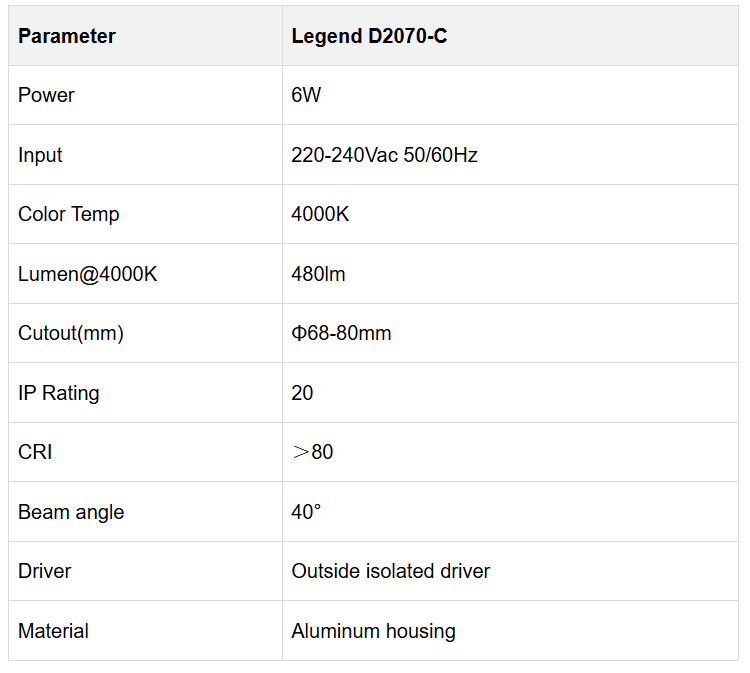
Our Legend range uses an external isolated driver and lists recessed and surface-mounted installation options, subject to the selected mounting arrangement. The version below has a fixed 4000K specification. Record that distinction if another schedule line calls for the selectable-colour version.
The selected Legend model has a fixed-colour entry and an external driver. That combination is different from Miracle’s and needs its own installation review. Where a different Legend version is requested, confirm its actual code and colour-temperature arrangement rather than assuming that every member of the family has the same selection method.

Share your room-by-room schedule with IMIGY Lighting so Miracle and Legend selections can be discussed against their intended roles. Keep the approved code, driver, finish and accessory choices together, and compare the selected sample with that record. A clear specification helps prevent an apparently similar version from being treated as the same item when the order is repeated across several areas.
Before confirming the final quantities, compare the room schedule with the agreed configuration list. Check that every repeated item refers to the intended code and that any alternative remains identifiable. Keep the selected finish and accessories attached to the same record where they form part of the proposal.
At IMIGY Lighting, we recommend using a representative approved configuration as the reference for each distinct schedule line. Share the room allocation and any proposed substitutions with the product enquiry. This helps Miracle and Legend selections remain clear when quantities are combined, and gives the project team a consistent way to check that repeated fittings match the intended specification.
Keep every approved substitution clearly identifiable in the schedule. If a repeat order refers to the same room type, compare its requirements with that record first. Appearance should not remove the need to verify the code, driver arrangement and colour-temperature configuration before quantities are combined.
Q: Can two 6W downlights be grouped as one specification when preparing a bulk order?
A: Not on wattage alone. The selected Miracle and Legend examples differ in output, colour-temperature configuration and driver arrangement. Keep them separate unless their project requirements have been reviewed.
Q: Does a choice of several fixed colour temperatures mean the fitting can switch between them after installation?
A: No. Fixed-colour ordering options and selectable colour temperature are different. Record the exact version and its supported settings rather than combining the two descriptions.
Q: How should a requested product substitution be checked before an order is finalised?
A: Compare the proposed code with the agreed output, beam, opening, driver and colour requirements. Document any changes and confirm their effect on the intended installation before accepting the substitution.
Q: Can a shortened series name replace the full code once a sample has been reviewed?
A: Retain the complete identification. The series can contain different colour-temperature, optical or driver versions. Keeping the agreed code and configuration together avoids losing the distinction when the selection is repeated in the order schedule.
It is recommended that you upgrade the latest browser
 Chrome
 Firefox
 Edge