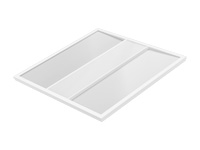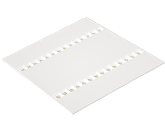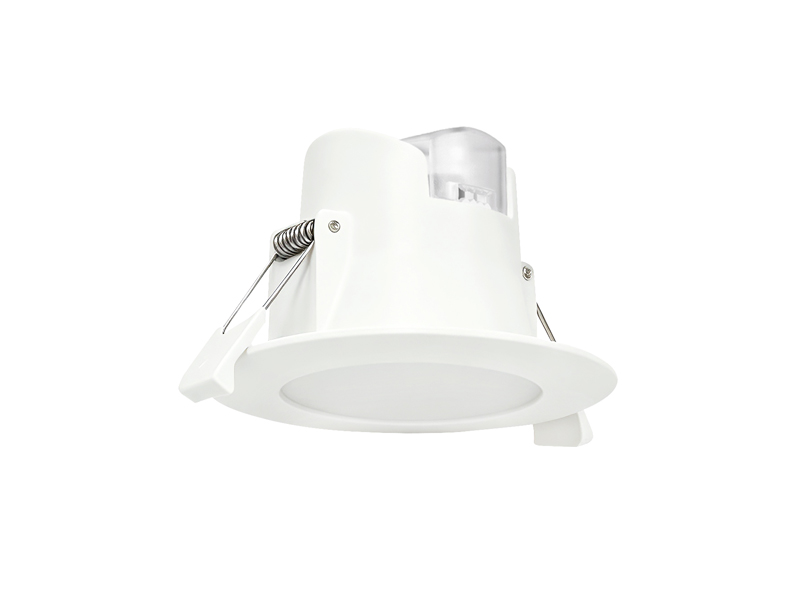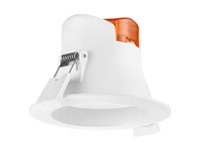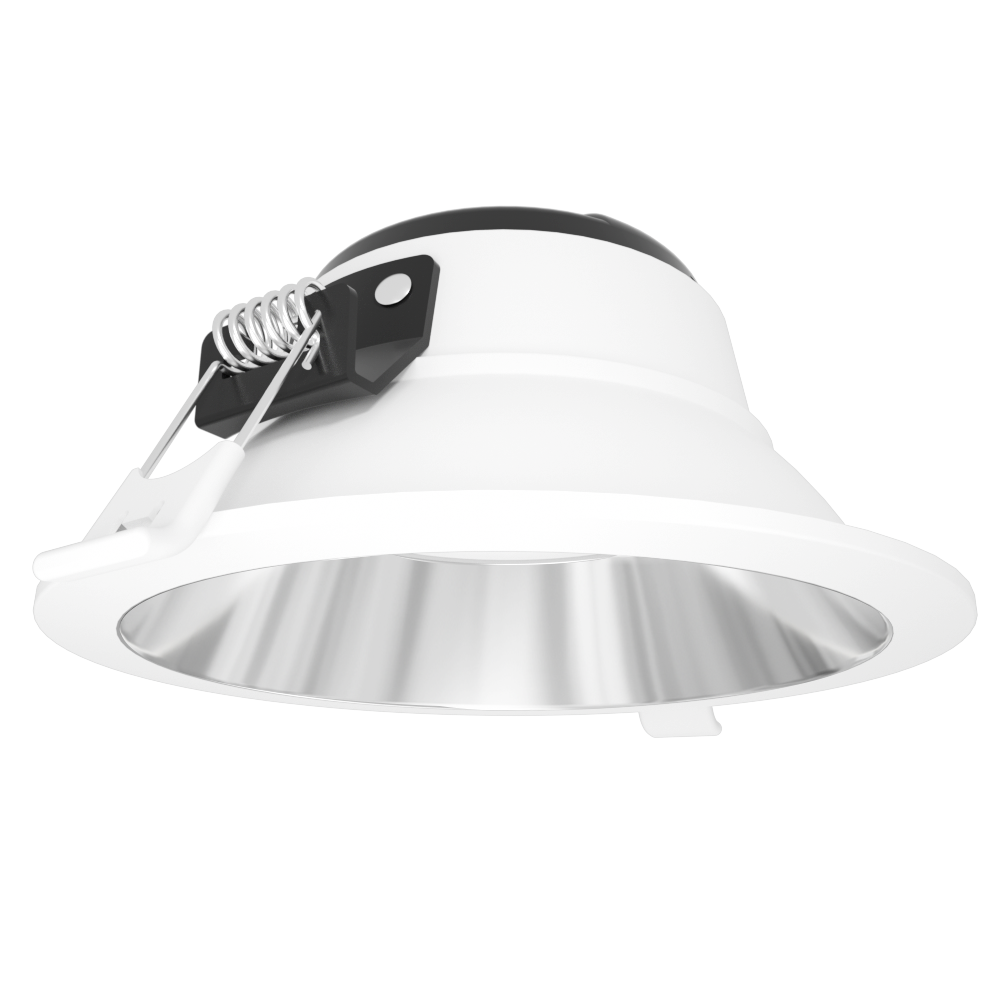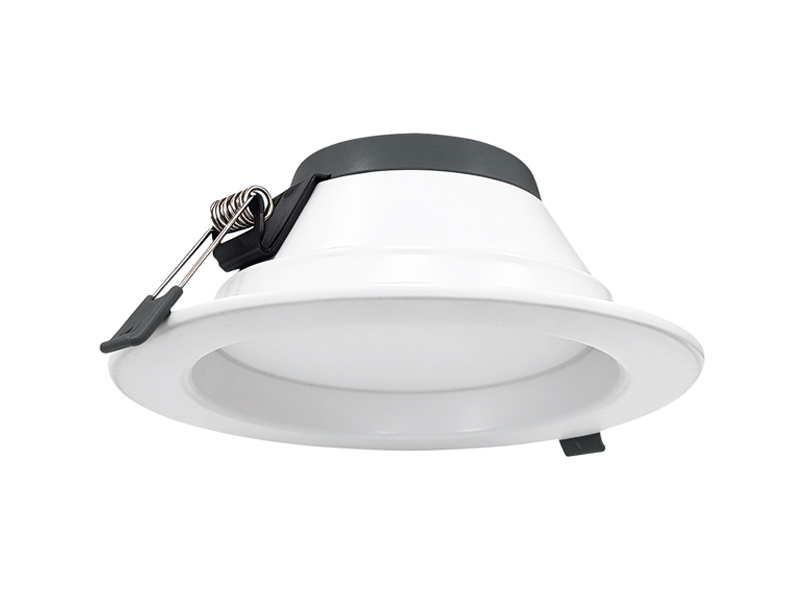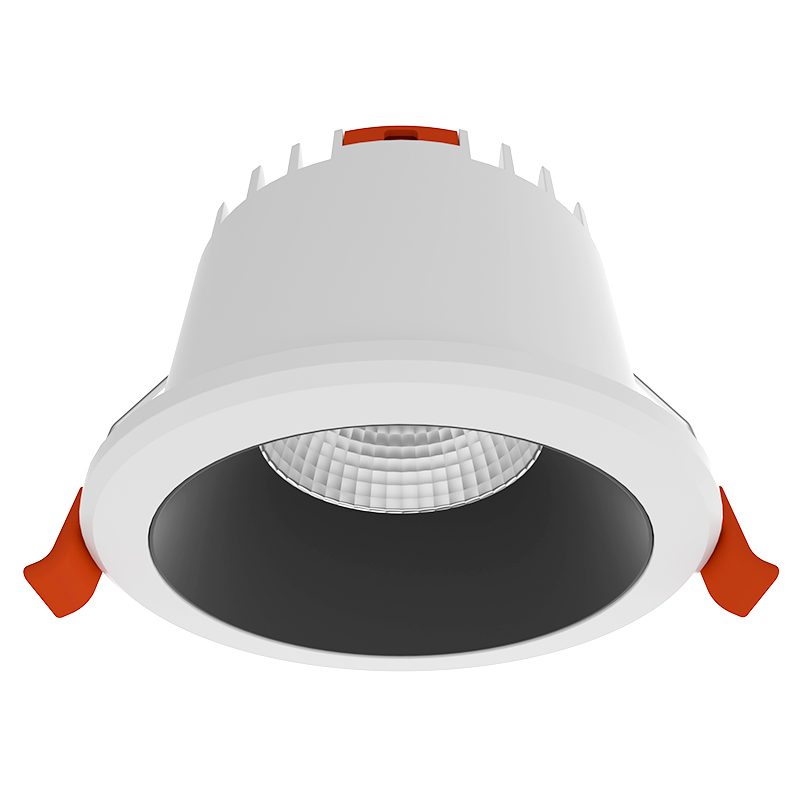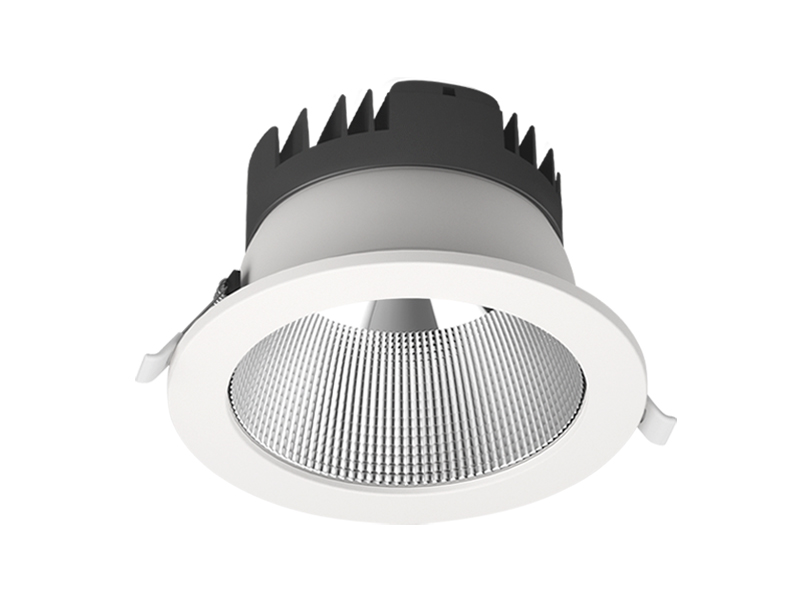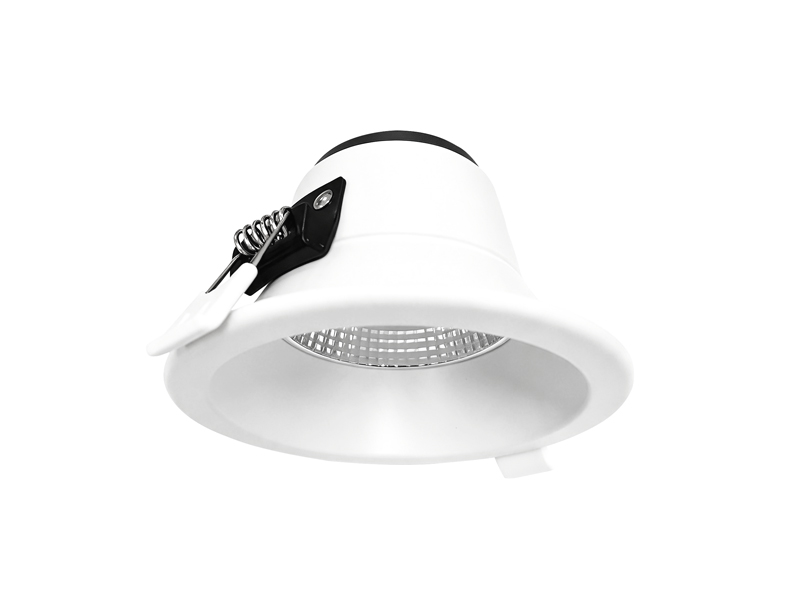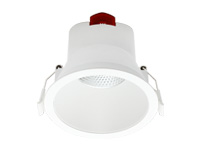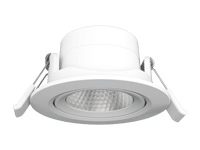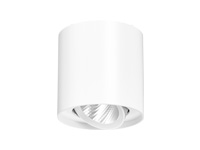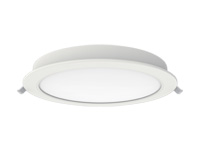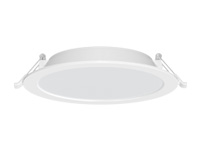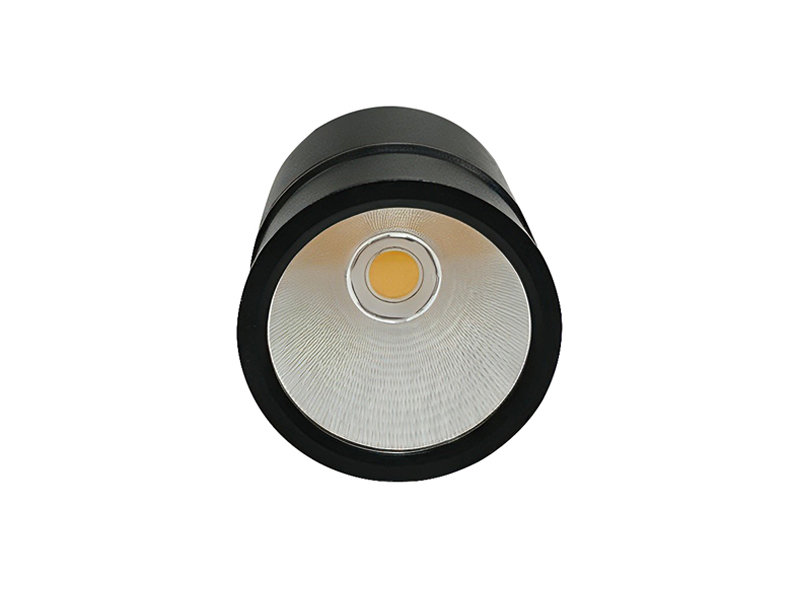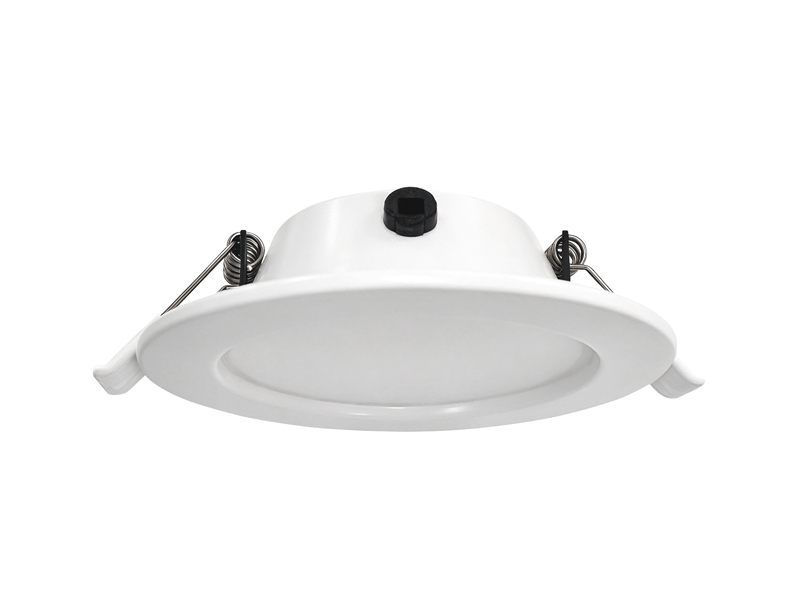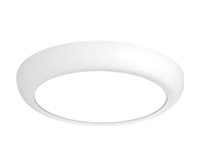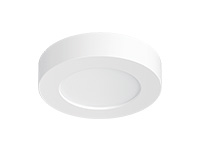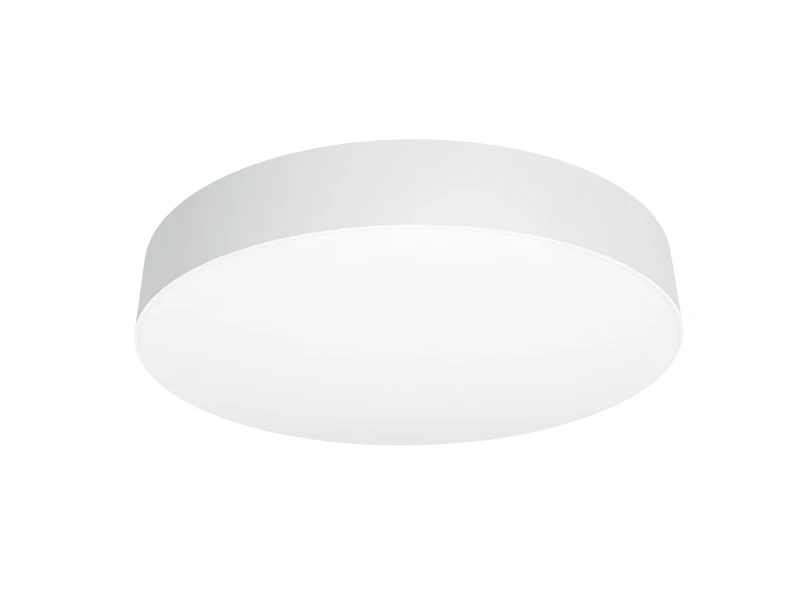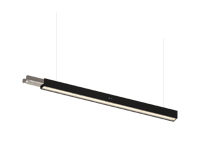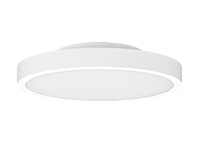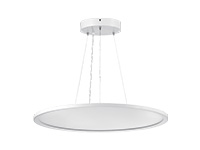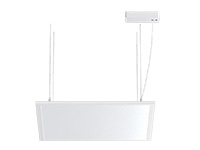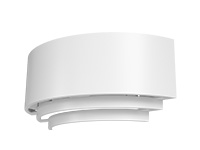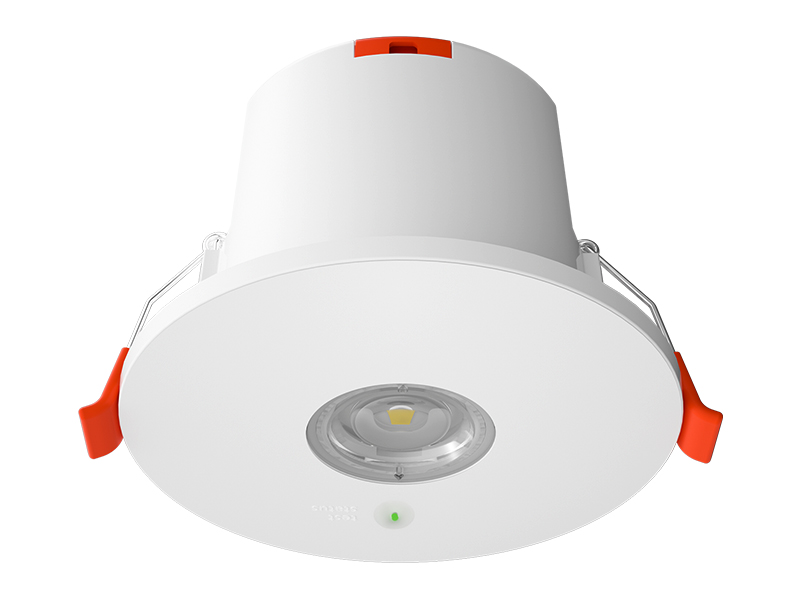

Ask an led downlight supplier to identify the exact model, optical configuration, driver and installation requirements behind each proposal. AtIMIGY Lighting, our Diamond Down Lights and Explorer Pro Down Lights illustrate why a series name is only the starting point. Diamond offers interchangeable reflector colours, while Explorer Pro includes distinct optical versions. We recommend confirming the selected configuration in writing so that its appearance, light distribution and ceiling requirements can be assessed together.
A useful supplier enquiry asks questions that can be answered against a defined configuration. A long catalogue feature list may span several versions and still leave the proposed product unclear. Our Diamond and Explorer Pro selections show why the enquiry should identify the optical arrangement, driver and installation requirements together. This makes the response easier to assess and gives the project team a record of what has actually been proposed.
Request configuration-specific information rather than a general feature list. For a plafon downlight, confirm the opening and driver arrangement alongside light output. A selectable colour temperature function, a driver option and a reflector option are separate specification decisions.
State the intended room, ceiling conditions and control requirements. Ask which features are included in the proposed code and which require a different version or accessory. For led downlights wholesale enquiries, keep those decisions against each line item. When comparing a commercial led downlights supplier or recessed led downlight supplier, compare the same installation and optical requirements.
Begin with the task rather than a request for the most feature-rich fitting. State where the light will be used, the existing or planned opening and the intended control arrangement. Those details help separate essential requirements from preferences that can be compared later.
Ask which product code covers the proposed configuration. Then identify the optical parts, finish and driver included with it. If an accessory or alternate version is needed, keep that information on the same enquiry line rather than relying on a conversation about the family as a whole.
Review the response for gaps. An answer about colour temperature does not resolve dimming compatibility, and a face protection statement does not describe every surface. Ask a specific follow-up question for each missing requirement so the selected sample can be checked against one complete proposal.
Ask how an alternative differs from the original proposal before describing it as equivalent. The response should identify the changed optical part, driver or installation condition, not merely offer another family name. This lets the project team decide whether the difference matters to the intended use.
Keep a record of the questions that have been answered and those that remain open. A clear enquiry can still contain unresolved requirements, provided they are visible and followed up before the configuration is finalised. It should not make a proposal appear complete by treating unconfirmed options as included features.
When the sample is reviewed, compare the actual configuration with the written response. Note any different accessory or version identification and resolve the discrepancy before using that sample as the project reference. This connects the supplier conversation to a product that can be checked, rather than leaving the decision attached to a general impression of the catalogue.
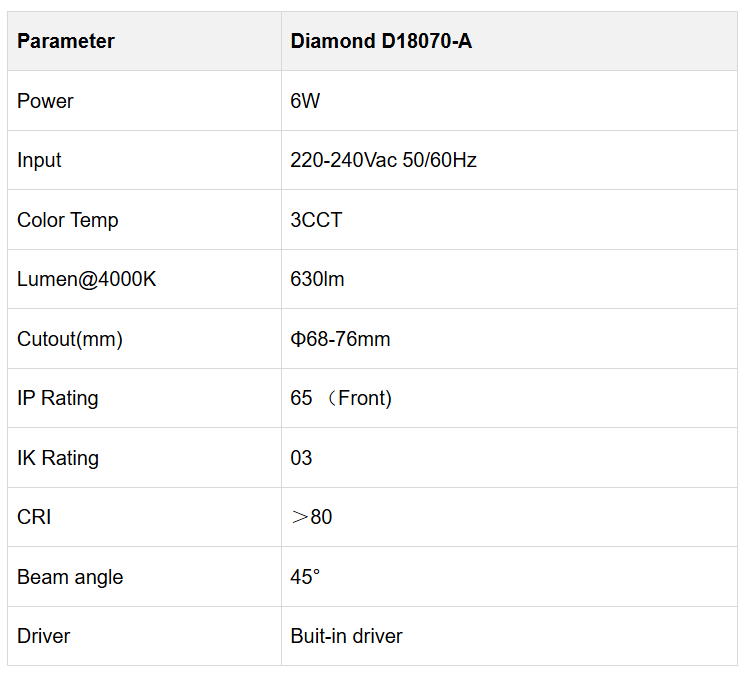
Our Diamond range features different reflector colours and an integrated driver design. For the selected model, the protection rating applies to the front as specified; it should not be extended to every surface. Confirm the required reflector and face-ring finish as part of the configuration.
Diamond’s reflector colour choices are relevant to the intended appearance. Confirm the selected reflector and face ring rather than assuming every illustrated combination is included. The integrated driver description and front protection entry remain characteristics of the proposed model; they should not be replaced by a broader statement that makes the configuration appear more capable than the data establishes.
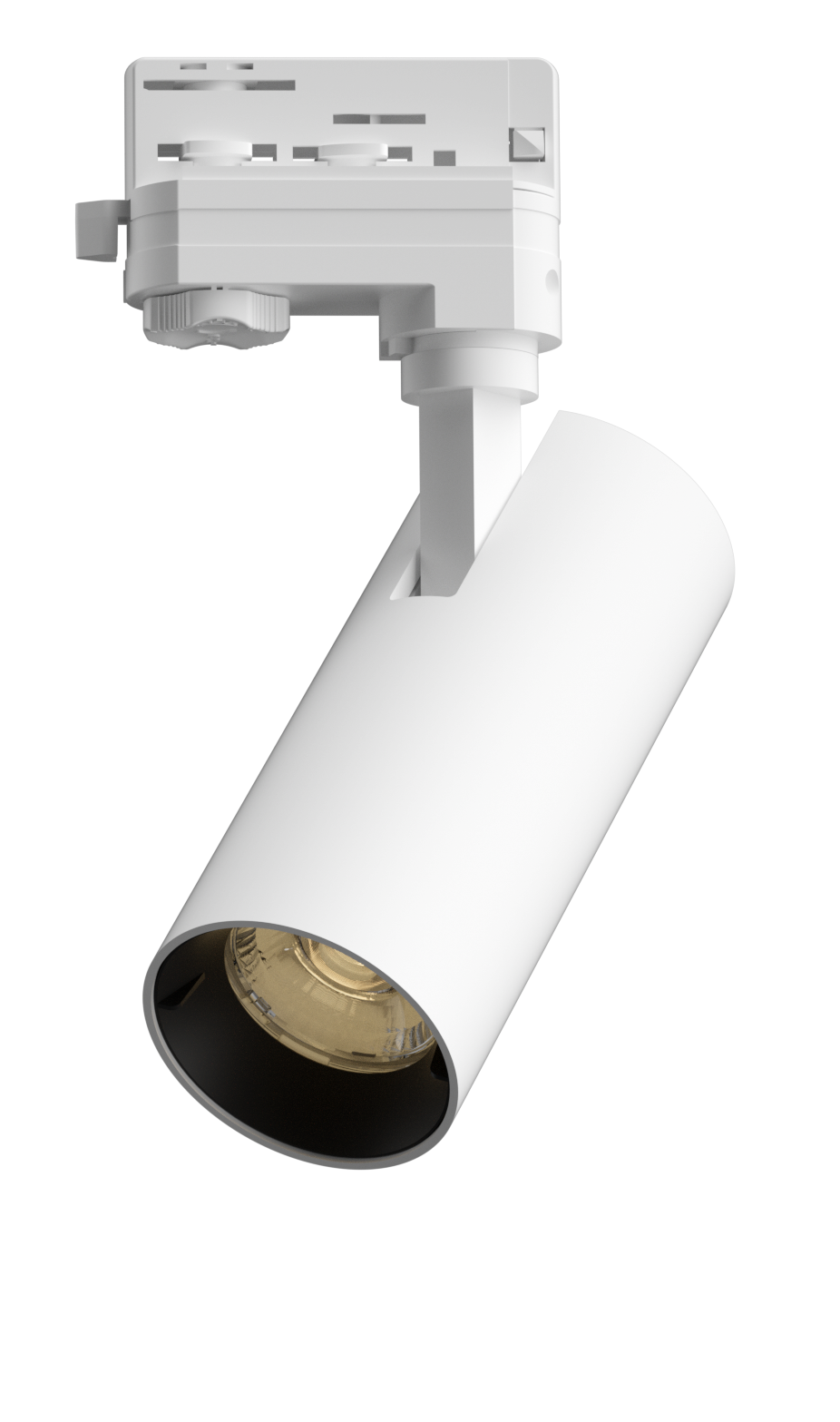
Our Explorer Pro range includes A, B and C versions. The selected A version uses a reflector-and-lens arrangement and provides five selectable colour temperatures. Its features should not be transferred automatically to another version carrying the Explorer Pro name.
Explorer Pro has distinct optical versions. In the selected A example, keep the reflector-and-lens arrangement and five selectable colour temperatures attached to the code. Do not transfer a feature from another version simply because the series name is shared. If the enquiry changes to a different version, compare the relevant data again before treating it as an equivalent proposal.
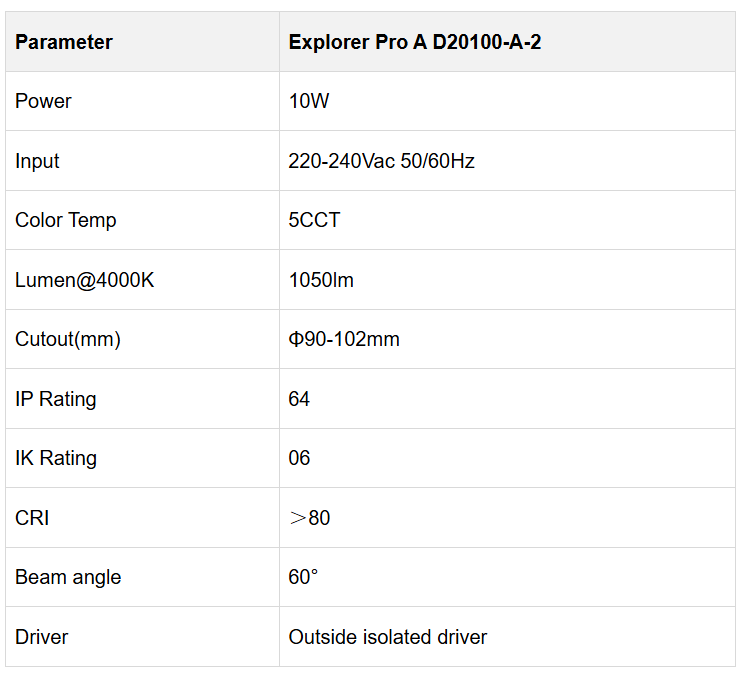
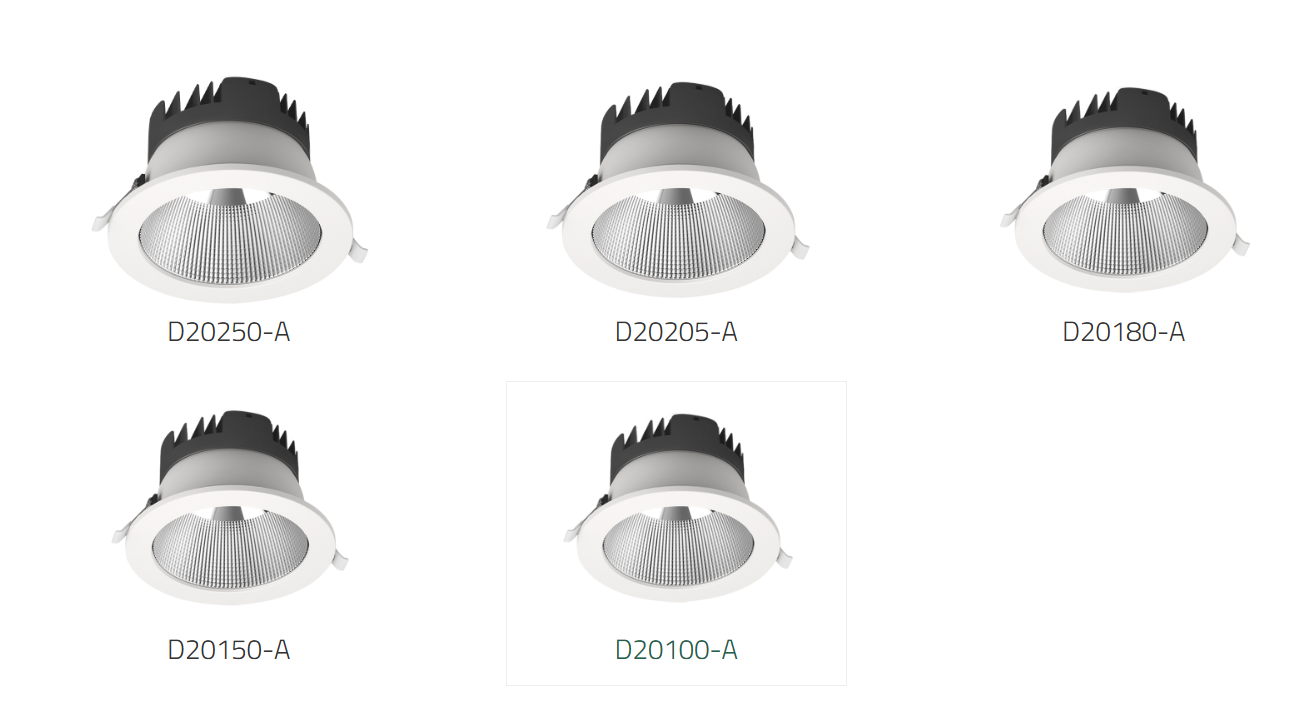
Send IMIGY Lighting your target areas, ceiling measurements and intended controls. We can discuss a Diamond or Explorer Pro configuration using those requirements. Confirm the exact code, finish and accessories, then compare a sample with the agreed specification. This helps turn a product discussion into a clear reference for subsequent selection and acceptance.
Before choosing between proposals, organise the answers using the same project requirements. Record the exact code, included accessories and unresolved points. Compare the sample with that record so the review examines the proposed configuration rather than an attractive example from the wider range.
At IMIGY Lighting, we recommend sending your ceiling details and lighting tasks with the questions you need answered. This allows Diamond or Explorer Pro to be discussed around a defined use rather than a general list of functions. Retain the final response as the selection reference, and update it when a requested optical part, finish or driver configuration changes.
Keep the answered questions attached to the final code, so the sample and installation reviews use the agreed description of the proposed configuration.
Q: Is a catalogue showing several functions enough to confirm that the quoted model includes all of them?
A: No. A catalogue can cover multiple versions. Ask for the code-specific configuration and identify which functions depend on another driver, optical part or accessory.
Q: Can the front protection rating of a Diamond downlight be treated as an all-round rating?
A: No. The selected data explicitly identifies front protection. Review the installation conditions and avoid extending that statement to unlisted surfaces or arrangements.
Q: What is the most useful way to compare two proposed downlight configurations?
A: Use the same fields for both: opening, output, beam, colour temperature, driver and finish. Resolve differences before treating the proposals as equivalent alternatives.
Q: Should every option shown in a product family be included in my sample request?
A: Request the combination relevant to your project and identify it clearly. Separate alternatives can be compared, but they should not be merged into one assumed configuration. This makes the sample review meaningful and the resulting specification easier to follow.
It is recommended that you upgrade the latest browser
 Chrome
 Firefox
 Edge