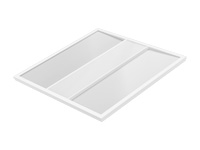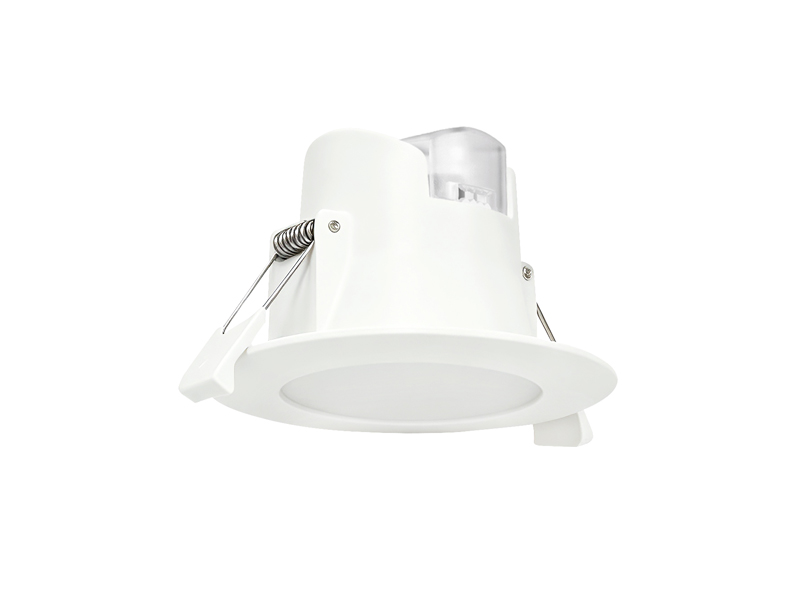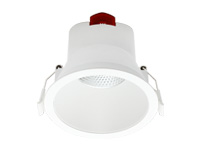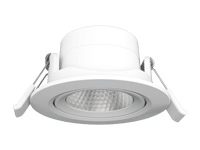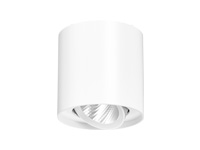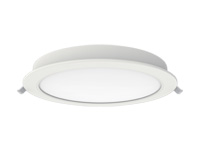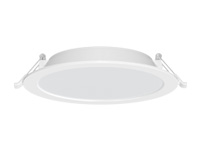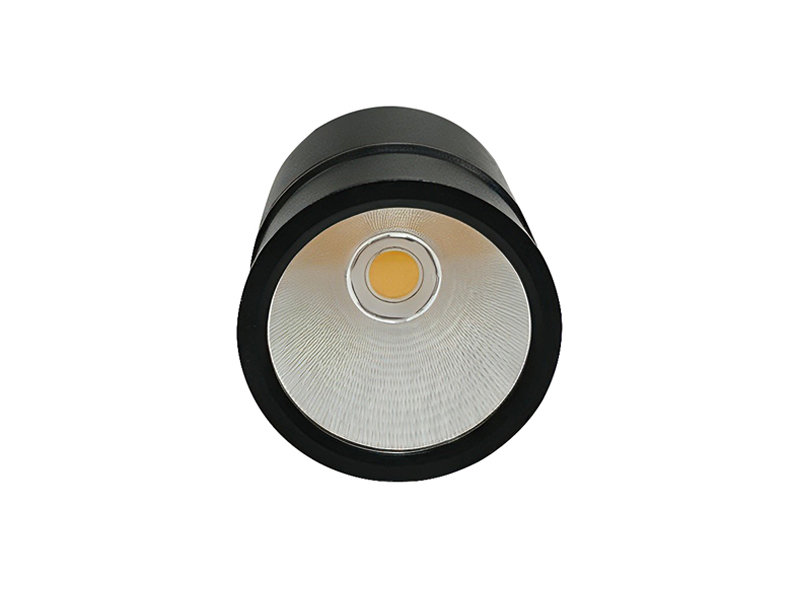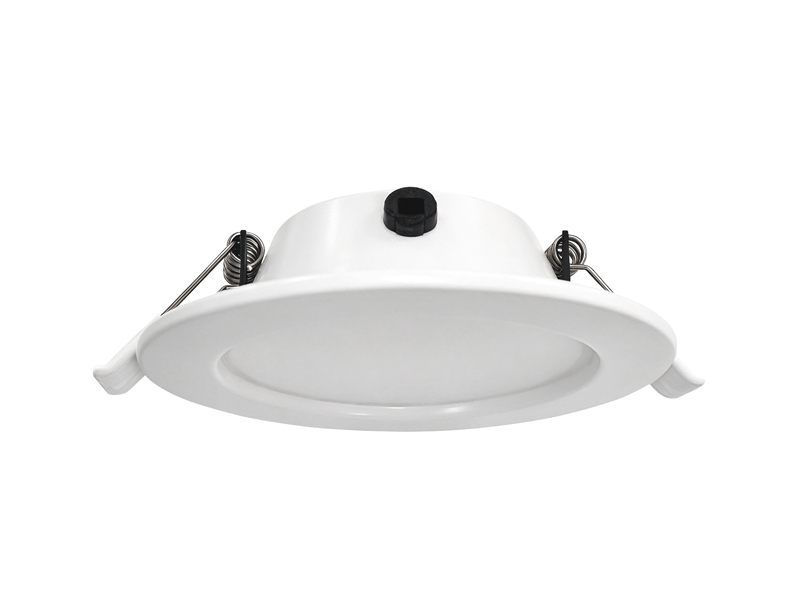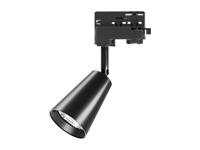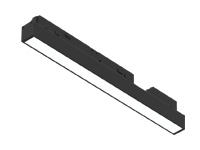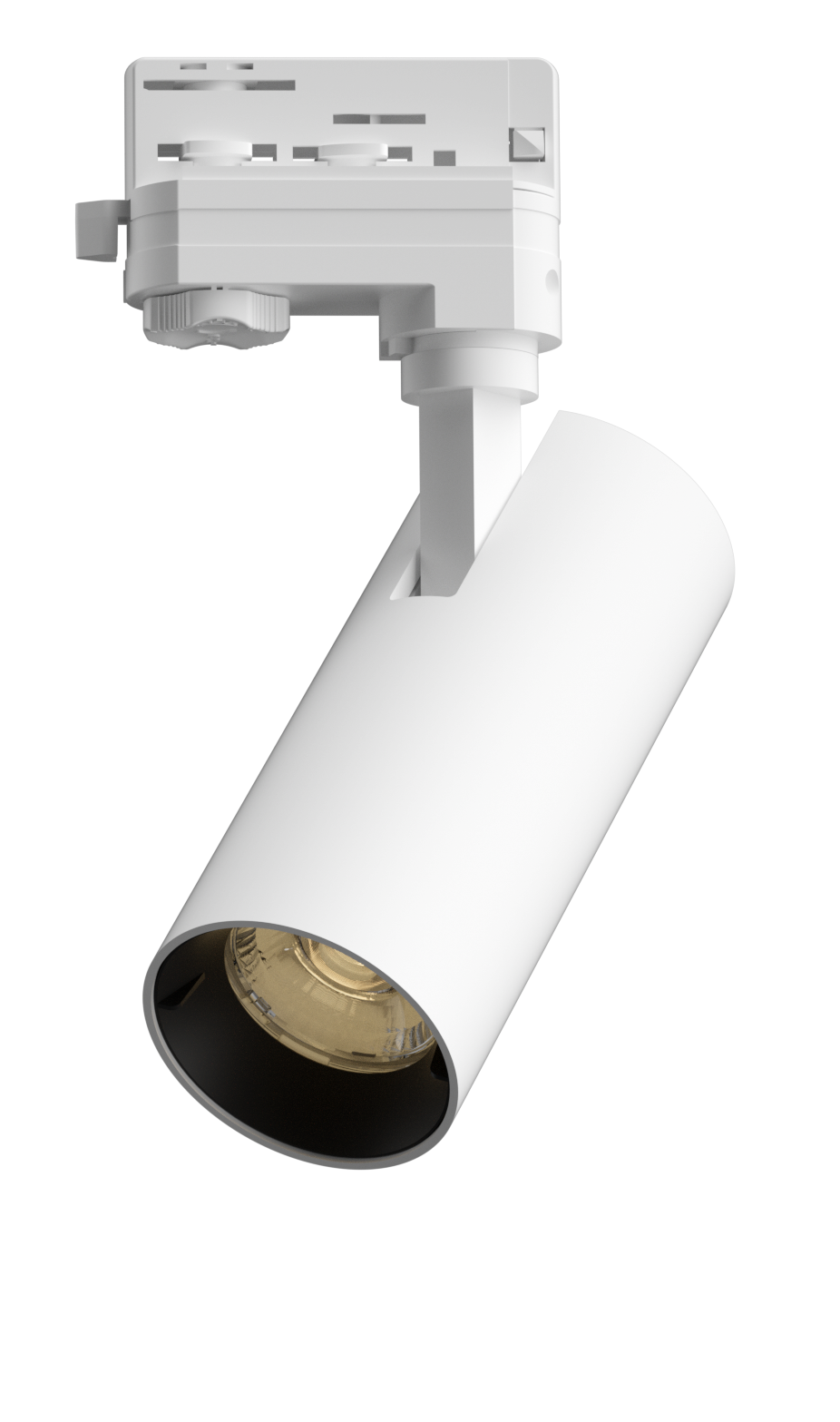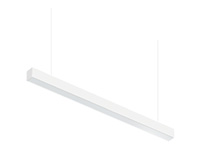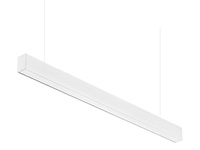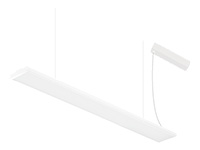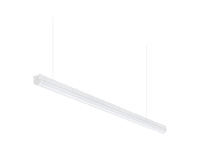

To check whether a fitting suits a magnet light track, verify its electrical input, physical interface and retention method together. At IMIGY Lighting, our Combo Track Lights are a 48V DC magnetic series, while our Polaris Track Lights use conventional mains-track configurations. Similar dimensions or matching colours do not prove interchangeability. Start with the exact fitting code and the rail information before selecting components.
A fitting that enters a rail physically has not yet passed a compatibility review. It must also match the intended supply, contact arrangement and retention method. Our Combo magnetic spotlight and Polaris conventional fitting illustrate why the word track is not enough to identify a system. Begin with the component codes and supporting information so a convenient-looking replacement does not become an unsupported electrical or mechanical combination.
Compatibility includes the rail profile, contacts, supply and fixing arrangement. A fitting that appears to sit inside a rail still needs documented approval for that system. The same checks apply to a linear track light module and a directional fitting.
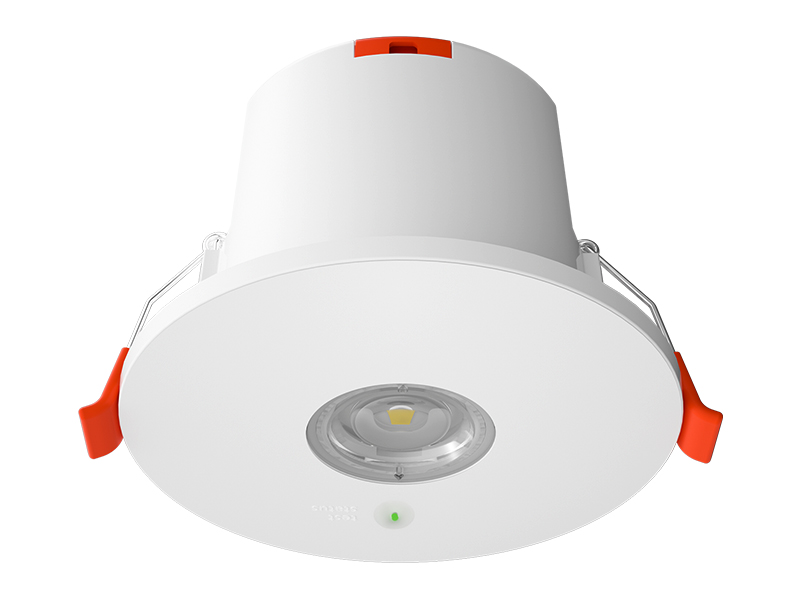
Check the fitting code, rail series, supply rating and specified connector. Confirm that the retaining arrangement works as intended, then review control requirements separately. For magnetic track light recessed installations, ceiling fit and electrical compatibility are distinct checks. An office track light also needs suitable positioning after the system match is established.
Obtain the existing rail identification before selecting an additional fitting. Where that information is unavailable, keep the compatibility question open instead of inferring a system from the front opening or finish. Photographs can help describe the visible arrangement but cannot replace the required component identification.
Compare the interface and electrical requirements separately. A matching nominal supply does not establish matching contacts, and a similar adapter outline does not prove the selected connection is intended. The fitting and rail need to be assessed as one documented combination.
If control functions are requested, add them to the configuration review after the basic system match is identified. A product that fits mechanically still needs the proposed control arrangement to be confirmed. Retain those requirements beside the exact code rather than relying on a broad series description.
For an existing installation, record what is known and what remains unidentified. A missing rail label should not be replaced by a guess based on finish or overall width. Keep that uncertainty visible so a proposed replacement is not accepted on the basis of an assumed system identity.
When comparing two candidate fittings, ask which documented rail combination each belongs to. This is a more useful question than whether their adapters look similar. The answer should connect the fitting code to the intended supply and mechanical arrangement.
After the basic compatibility review, return to the lighting task. A suitable replacement module can still have a different beam or output from the original. The system match establishes one part of the decision; the optical choice establishes another. Keep both in the replacement record so a successful physical installation is not mistaken for a complete lighting-equivalence assessment. If the proposed component changes, review those two parts again against the final configuration rather than carrying forward an earlier conclusion automatically.
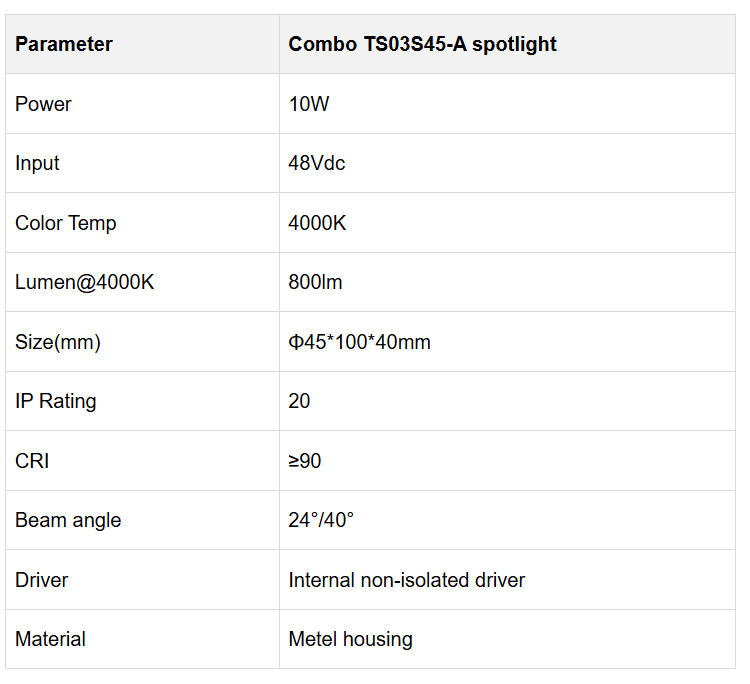
Our Combo spotlight offers directed light within the magnetic family. The series description includes magnetic attachment and a mechanical hook. These features describe Combo’s arrangement; they do not establish compatibility with every magnetic rail on the market.
Combo’s magnetic attachment and mechanical hook describe its retention approach. Confirm that the chosen module belongs to the selected rail arrangement rather than treating all magnetic products as interchangeable. Its listed body dimensions can be used to check the available module space, but they do not establish the internal rail profile or contact positions.

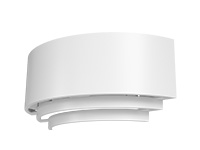
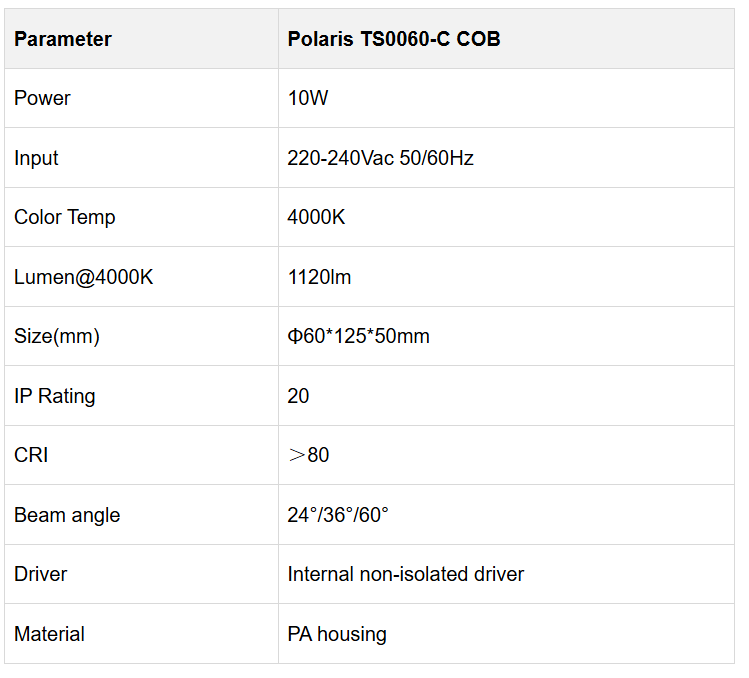
Our Polaris series lists single-circuit three-wire and three-circuit four-wire adapter options. Specify the required adapter against the actual project rail. A mains-powered Polaris fitting should not be treated as a substitute for a Combo magnetic module.
Polaris lists conventional track adapter options. Select the actual adapter against the project rail and retain that choice in the schedule. The mains input identifies a different electrical arrangement from Combo’s 48V DC series. A visual resemblance between the fittings cannot bridge that difference, and an unverified adapter should not be used to imply compatibility.

For a dependable LED track lighting system selection, send us the rail identification, fitting codes and intended controls. We can discuss the corresponding Combo or Polaris configuration using those details. Resolve any missing adapter or connector information before expanding the layout, and confirm operation with the selected components rather than assuming that a shared product category means a shared interface.
Before replacing or adding a fitting, gather the rail identification, selected module or luminaire code and connection information in one record. Keep the supply and intended controls visible. If a component changes during selection, review the combination again rather than considering the new part equivalent solely because it belongs to the same product category.
At IMIGY Lighting, we recommend resolving the system match before refining beam choice or appearance. Share the existing rail information with the intended lighting task so Combo or Polaris can be discussed in the correct context. This turns a general fit question into a defined component review without promising universal compatibility between unrelated rails.
Retain the identified rail and selected fitting as a pair. If a different module is proposed later, review the supply, interface and lighting role again before accepting the replacement as equivalent to the configuration that was considered suitable for that location.
Q: Is a 48V rating enough to confirm that a fitting will work on my magnetic track?
A: No. The physical profile, contact positions and retaining arrangement must also match. Confirm the rail and fitting combination using the relevant component documentation.
Q: Can a Polaris track adapter be used to connect the fitting to a Combo magnetic rail?
A: Do not assume this is possible. Their listed supplies and interfaces differ. Use the specified configuration instead of selecting an adapter solely because it appears to fit.
Q: What should I check when replacing one magnetic module with another type of module?
A: Confirm the rail compatibility, supply loading, connector and module clearance. Then review its beam and position, because an electrically suitable replacement may distribute light differently.
Q: Is a photo of the rail enough to confirm a replacement fitting?
A: It can help identify visible features, but it does not establish every electrical or mechanical requirement. Obtain the rail identification and applicable component details before selecting a documented combination for the replacement.
It is recommended that you upgrade the latest browser
 Chrome
 Firefox
 Edge