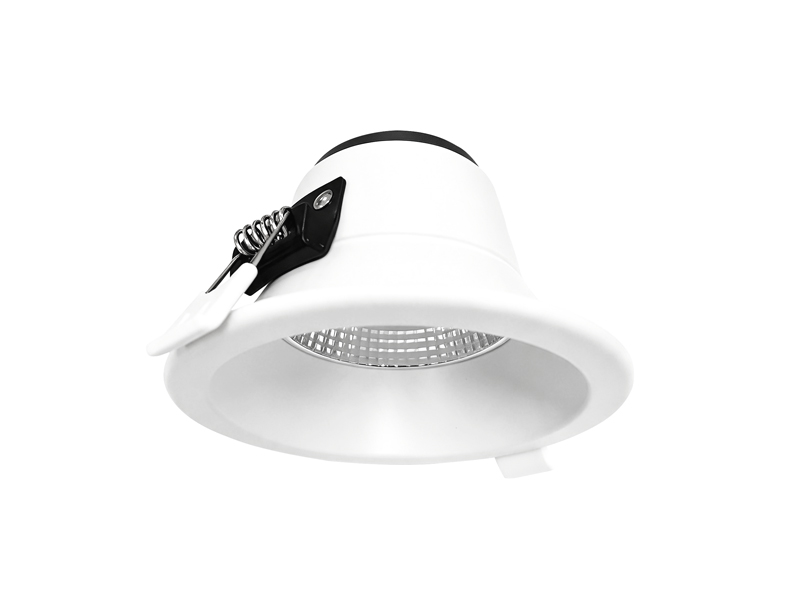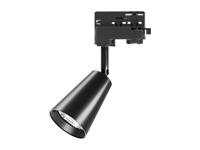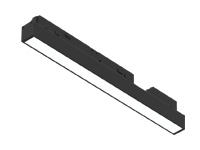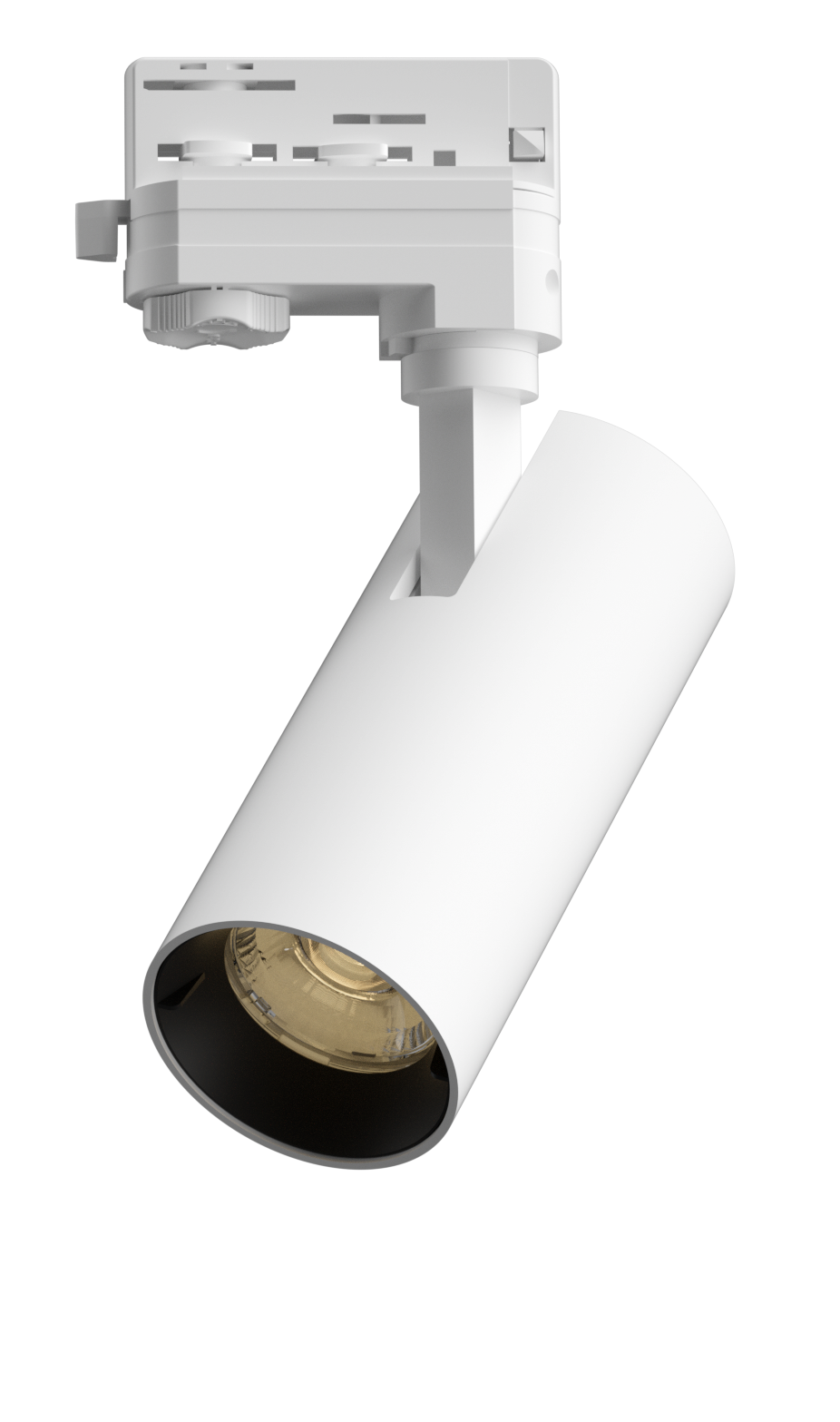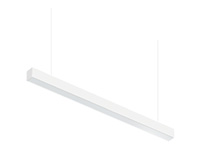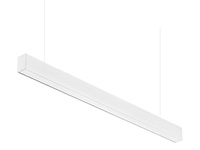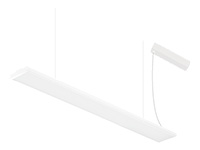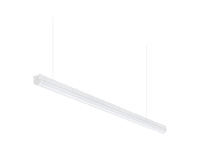

Arrange a linear track light around the surfaces that need light, then match module length, beam spread and aiming to the room. At IMIGY Lighting, our Combo Track Lights offer linear floodlight modules for a magnetic layout, while our Polaris Track Lights offer directional options for a conventional track design. These are different system choices. Start with the furniture plan and ceiling height so that a tidy ceiling line also delivers useful light below.
A continuous track line can organise the ceiling visually without making the illumination uniform below. The useful question is where the light needs to land and how adjacent illuminated areas meet. Our Combo linear floodlight and Polaris directional example offer different ways to approach that task within their respective systems. Consider the required coverage before choosing the visible rhythm of modules, so the finished arrangement serves the room rather than merely repeating equal gaps.
An even layout depends on light distribution as well as fixture quantity. Define general and accent lighting separately, confirm the supply system, and review the finished effect at working height. For a magnetic track light recessed project, approve the track profile before preparing the ceiling.
Mark desks, circulation routes and display surfaces before positioning rails. Use broad distribution where coverage is needed and directional light where an object needs emphasis. Check the transitions between adjacent beams rather than assuming equal fixture spacing produces equal brightness. A magnet light track layout must use compatible magnetic modules; an office track light layout also needs a review from seated viewing positions.
Start with the target surfaces and distinguish continuous coverage from deliberate emphasis. A circulation route may call for a different distribution from a display surface. Keep those roles marked on the plan before assigning the linear module or directional fitting to a location.
Review the ends of each track run as well as its middle. A repeated module arrangement may look regular but still need attention at room edges or where the track changes direction. The product data describes individual fittings; it does not establish a complete room-wide spacing rule.
Where furniture or a display interrupts the space, consider how the proposed distribution relates to that obstruction. Retain the actual working surface height in the design information. A ceiling-only drawing cannot fully describe the area where useful illumination is needed.
Use the intended visual rhythm as a constraint to review rather than proof of lighting performance. A longer module may make a line look more continuous, but it also changes the selected output and physical arrangement. A directional fitting may allow a target to be emphasised, but its beam needs to be chosen for that target.
When comparing alternatives, keep the lighting role consistent. Compare the broad coverage proposal with the area needing coverage, and the accent proposal with its intended object or surface. Do not judge one system against an unrelated task simply because both appear on the same ceiling plan. The final arrangement can then explain why a particular module or fitting sits at each point, including any location that deliberately differs from the repeated pattern. That explanation is useful when the furniture or display layout changes later.
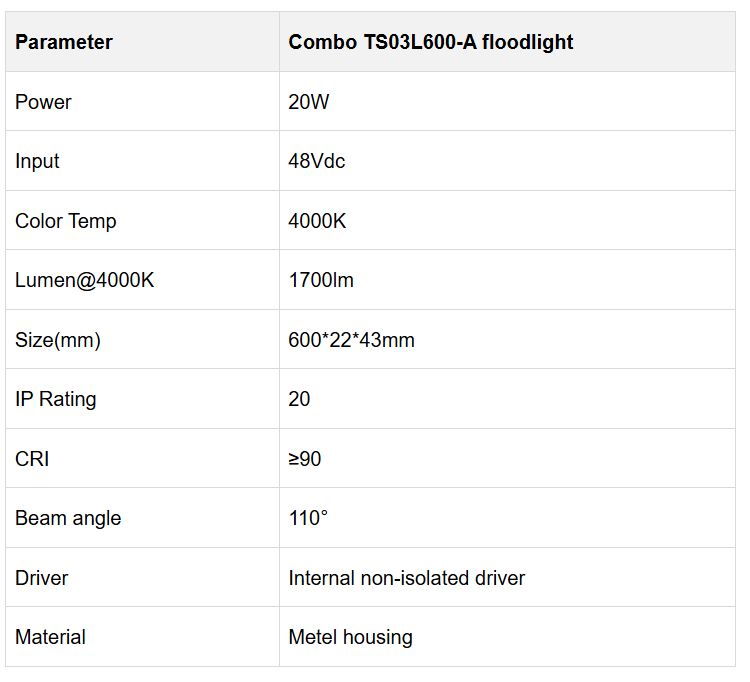
Our Combo floodlight module provides a broad beam in a slim linear format. Magnetic attachment and a mechanical hook are both described in our product data. The selected module below is one option within the series, not a specification for every Combo fitting.
The selected Combo floodlight has a linear body and a broad listed beam. Its module length is relevant when arranging the visual line and checking the usable rail space. It is not a substitute for the rail’s own installation dimensions. Keep the exact module code, physical length and system supply together when describing the magnetic layout.

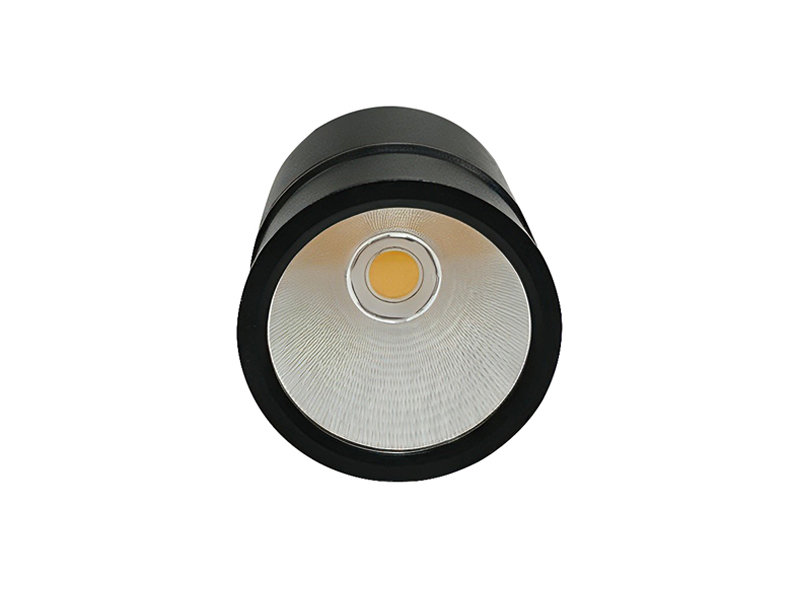
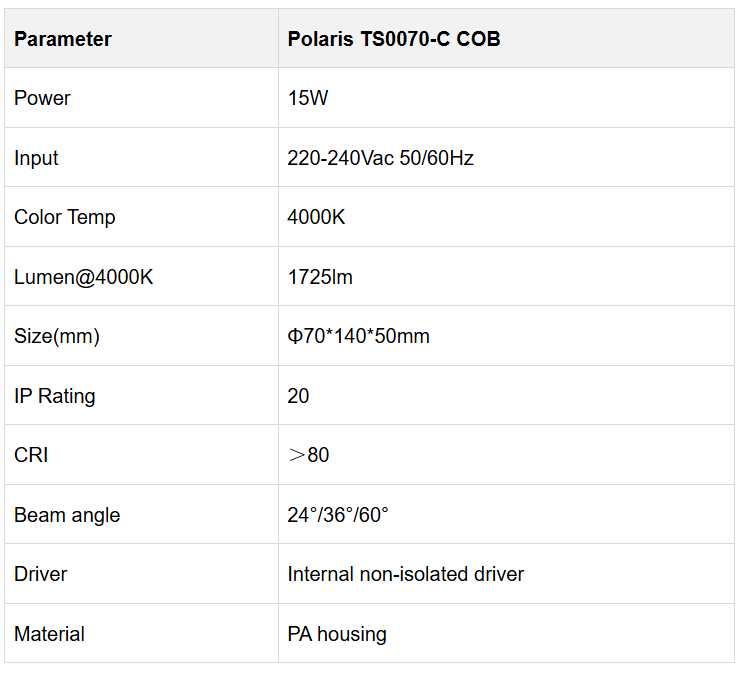
Our Polaris COB range offers lens or reflector options and different beam configurations. Use it for a separately specified conventional track layout when the design calls for directed light. The listed beam angles are optical choices, not a continuous zoom function.
Polaris provides a different optical approach through the selected COB model and its listed beam choices. Position it around a defined target rather than treating a row of directional spots as automatically equivalent to a linear floodlight. Its conventional supply and adapter requirements remain separate from Combo’s magnetic system, even if the two layouts aim for a similar interior appearance.
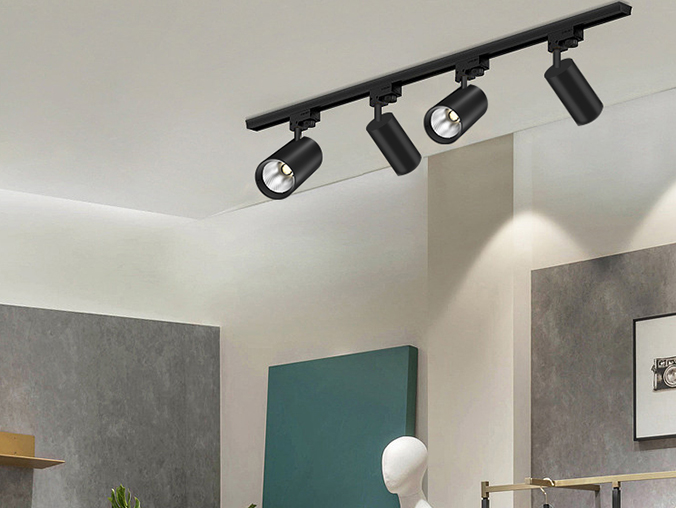
For your LED track lighting system, share the room plan, ceiling height and target surfaces with us. We can use these requirements to discuss the relevant Combo or Polaris configuration. Confirm the selected track and adapter, then assess beam overlap and visible bright spots on site. This connects product selection to the actual space instead of relying on a fixed spacing rule.
Review a representative run together with any ends, corners or interruptions. Compare the proposed illuminated areas at the task surface, then adjust the layout discussion around observed or assessed gaps and bright areas. Record which beam option is being considered so later changes do not silently alter the distribution.
At IMIGY Lighting, we recommend bringing the furniture plan and target surfaces into the product enquiry. We can discuss Combo or Polaris around a clear coverage task while keeping each system’s physical and electrical requirements distinct. This gives the layout a practical rationale without inventing a universal distance between fittings from their wattage or external dimensions.
Keep the selected beam and target surface paired throughout any later layout revision.
Q: Does equal spacing between track lights guarantee even illumination across the room?
A: No. Mounting height, beam distribution and aiming affect coverage. Review adjacent illuminated areas and room edges, then adjust the layout around the surfaces that matter.
Q: Can Combo linear modules and Polaris spotlights be placed on the same magnetic rail?
A: Do not assume this. Combo is specified as a 48V DC magnetic series; the Polaris model uses a conventional mains supply. Their rails and adapters require separate confirmation.
Q: What information should I provide before choosing a linear track lighting layout?
A: Provide ceiling height, furniture locations, task areas and the intended mounting method. Include reflective surfaces so that coverage and viewing comfort can be considered together.
Q: Can a longer linear module be substituted solely to fill an empty section of track?
A: Check its output, physical length and supply loading as well as the visual gap. The replacement should serve the required illumination area and remain compatible with the selected system, rather than being chosen only to complete a ceiling line.
It is recommended that you upgrade the latest browser
 Chrome
 Firefox
 Edge