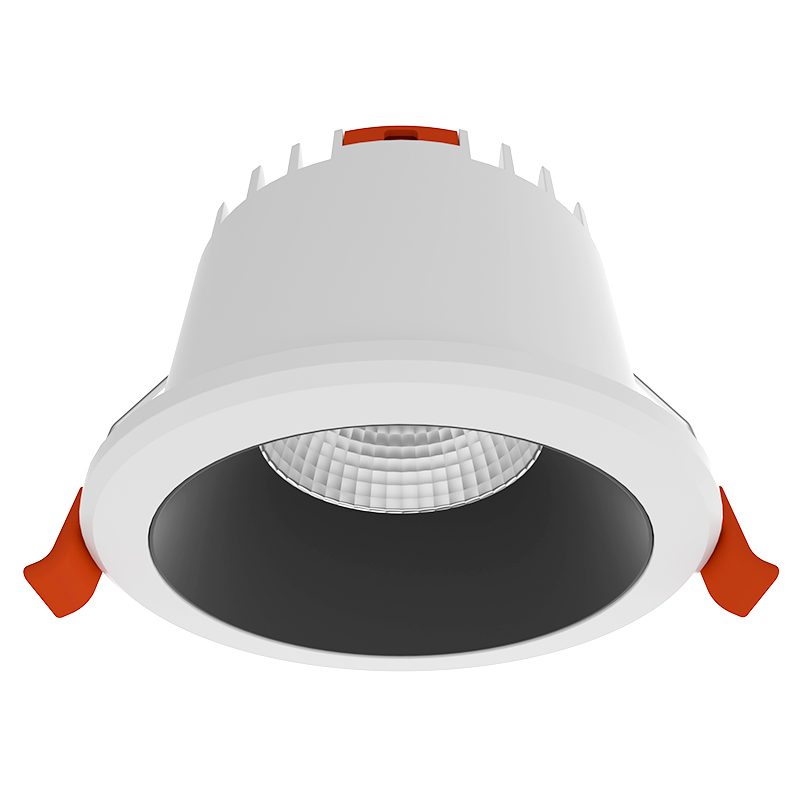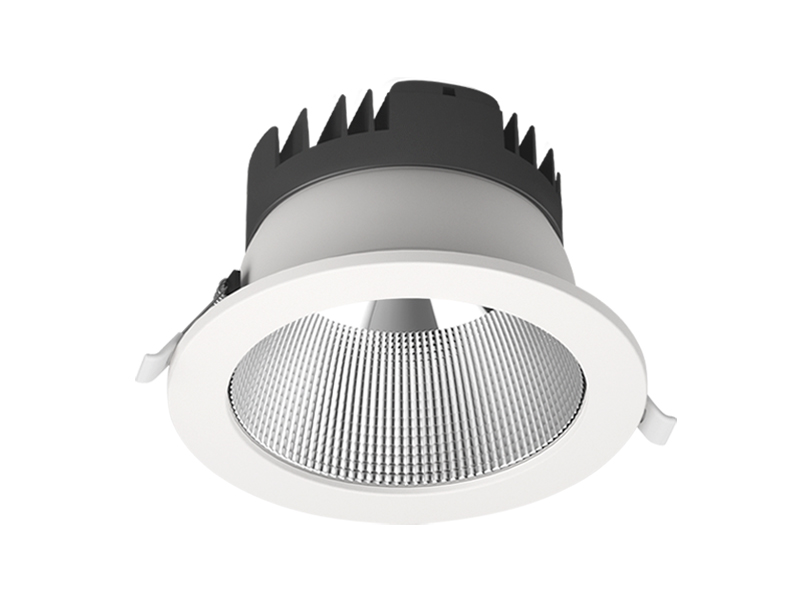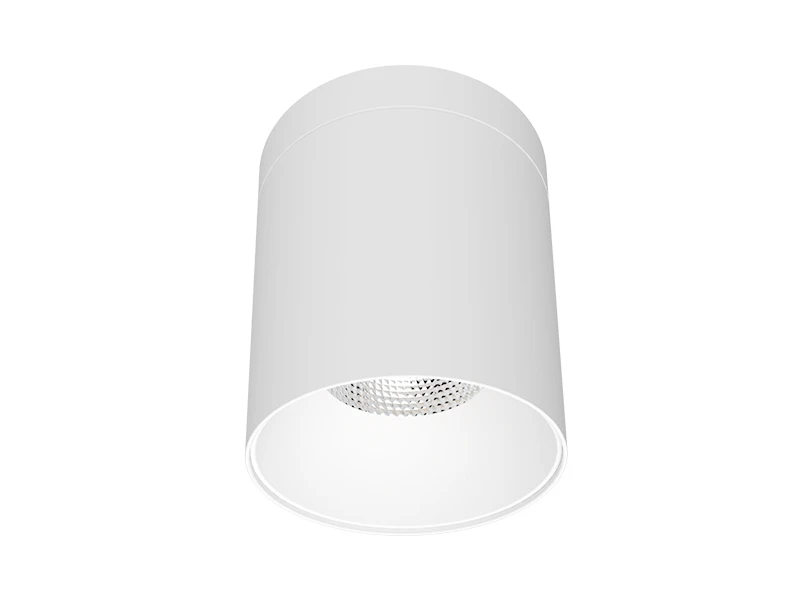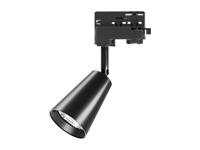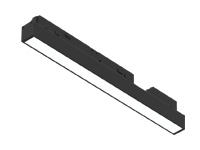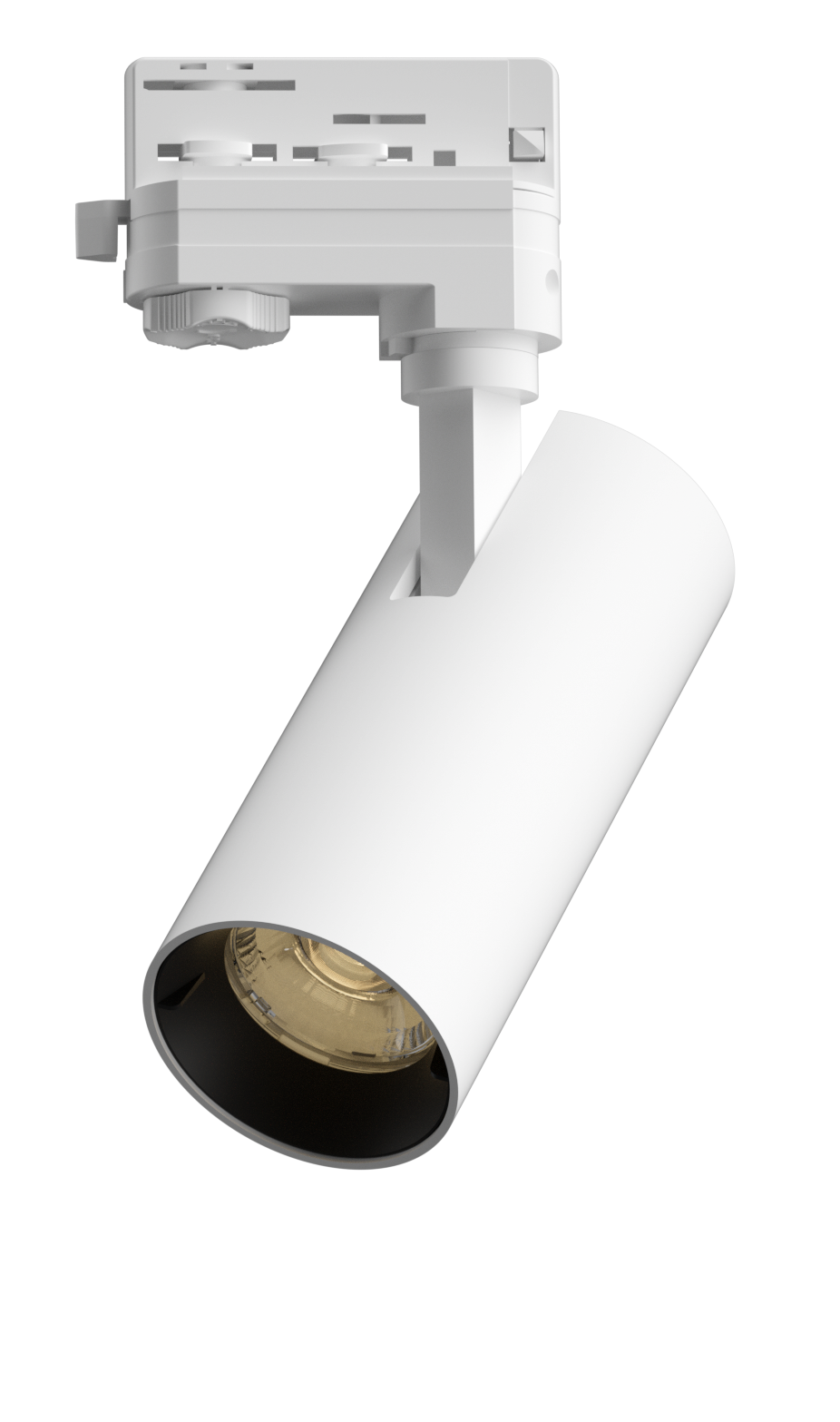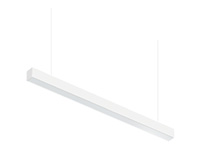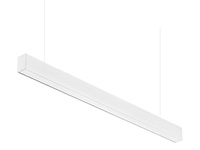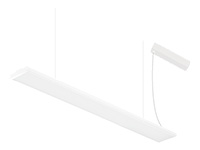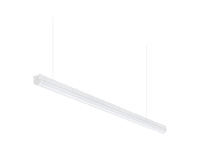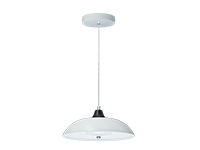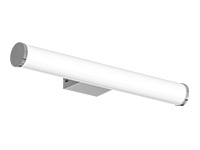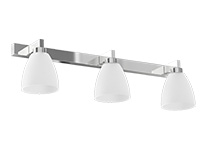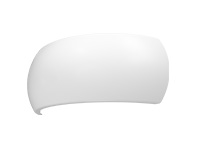

An LED track lighting system needs compatible rails, fittings, supply components, connectors and mounting parts. At IMIGY Lighting, our Combo Track Lights serve a 48V DC magnetic configuration, while our Uranus Track Light range offers conventional mains-powered fittings. Select the system family before choosing individual components. A fixture list becomes useful only when each item is matched to the same intended installation.
A track system is a set of components that must work together, not simply a collection of attractive fittings. The rail, mounting arrangement, connections and supply need to be identified alongside the light-producing modules. Our Combo magnetic family and Uranus conventional range offer different system routes. Decide which route serves the project before building the component schedule, so the final list describes one coherent arrangement rather than a mixture of individually suitable products.
Match the supply and mechanical interface before selecting output and beam distribution. Confirm component codes rather than relying on the word “track.” A linear track light module may suit general coverage, but its rail, supply and connections still need separate specification.
Identify the rail type, mounting parts, feed connection and compatible fittings. Confirm the power arrangement and intended controls without assuming control functions from the series name. A magnetic track light recessed project also needs the chosen profile’s ceiling details. For a magnet light track, check magnetic-module compatibility; for an office track light, coordinate beam choice with the task and viewing positions.
Start by defining the lighting roles: broad coverage, directed emphasis or another documented module function. Then connect each role to a specific fitting code. This prevents the same generic description from being used for modules that distribute light differently.
List the components that establish the system route separately from the fitting choices. The rail and feed arrangement need their own identification, while mounting components must correspond to the intended construction. Where the supplied luminaire sheet does not provide a component detail, retain it as an item to confirm rather than inventing a part number.
Review the supply arrangement against the selected combination and applicable component information. Do not create a universal loading rule from one module’s power entry. Changes in quantity or fitting type should prompt a review of the actual proposed system.
Give every lighting role an identifiable component choice. A broad distribution module and a spotlight may share a system family while performing different tasks. Keeping the role beside the code makes it easier to review a later substitution without losing the original design intention.
For the physical system, distinguish the rail route from the individual module positions. Some positions may be adjusted within a confirmed arrangement, but the route, mounting detail and connections still need their own definition. A list of modules alone cannot describe these construction decisions.
Use the component schedule as a coordination document rather than an inventory of unrelated parts. A missing connector or mounting detail should appear as a question to resolve. If a proposed control or supply arrangement has not been confirmed, keep it visible rather than letting the presence of a driver entry imply that the complete system has been established. This approach makes the final list easier to assess because it shows the relationships between parts as well as the parts themselves.
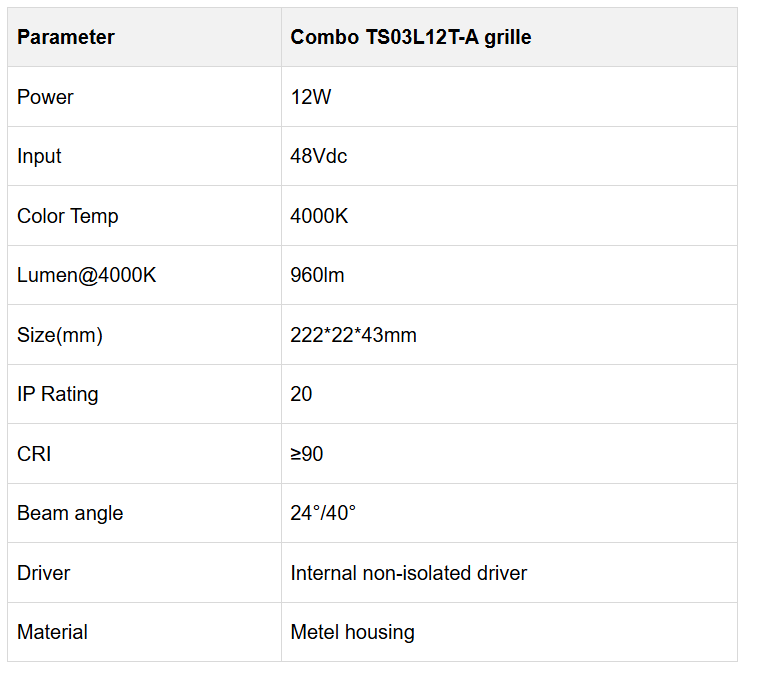
Our Combo series includes floodlight, grille, folding grille, spotlight and suspension formats. They allow different lighting roles to be considered within the magnetic family, subject to confirming the selected rail and supply. The table describes one grille module rather than the entire series.
Combo provides several module formats within its magnetic family. The grille example below is one defined choice, with its own power, output and distribution. Its values should not be applied to the floodlight, folding grille or spotlight formats. Select each code for its intended role and confirm that it belongs in the chosen rail arrangement.
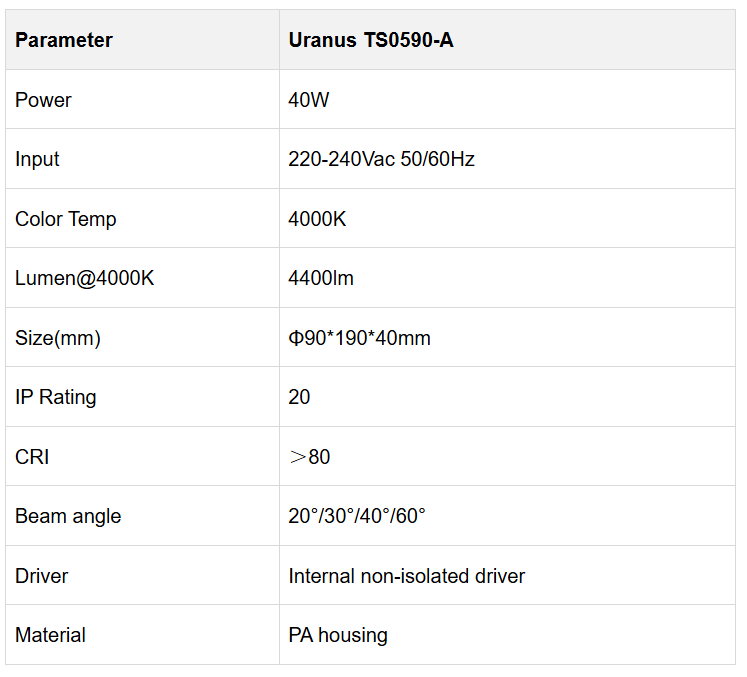
Our Uranus range lists conventional track adapter options and several optical configurations. The selected model below is a mains-powered fitting; it is not a magnetic module. Confirm the project rail and adapter before adding it to the component schedule.
Uranus is a conventional track fitting with a different supply route from the Combo module. Keep its adapter and optical configuration explicit. A component schedule that includes both families must show their respective systems rather than implying that all items occupy one shared rail. Similar interior styling does not establish shared electrical or mechanical interfaces.

Share your ceiling plan, mounting method and lighting tasks with IMIGY Lighting. We can discuss Combo magnetic modules or Uranus conventional fittings against those requirements. Finalise the corresponding rail, connections and supply before ordering the configuration, then review installation access and operation. This makes the component schedule an actionable plan for the intended space.
Before finalising the schedule, check the connection between each selected fitting and its rail, supply and mounting information. Identify any unresolved interface or accessory detail so it can be confirmed before installation planning. Update the schedule whenever a module type or quantity changes.
At IMIGY Lighting, we recommend bringing the room plan, intended lighting roles and mounting construction into the component discussion. This allows Combo or Uranus selections to be assessed with the system they require. The completed list should explain which components belong together and which requirement each fitting serves, giving the project team a clearer basis for installation coordination.
Retain the relationship between fittings and system components when revising quantities, so the final schedule describes the arrangement that is actually being proposed.
Q: Can I select the track rail first and add any track light from the same product category later?
A: No. Supply, adapter and interface requirements vary. Select a documented rail-and-fitting combination rather than assuming that all products described as track lights are interchangeable.
Q: Does every Combo module deliver the same beam and brightness because it uses the same series name?
A: No. The series includes different formats and outputs. Choose the exact code and optical configuration for each lighting role, then confirm the common system requirements.
Q: What should be included when asking IMIGY Lighting to review a track lighting component list?
A: Include fitting codes, rail information, mounting details, supply arrangement and intended controls. Add room dimensions and task locations so component suitability and the proposed layout can be discussed together.
Q: Can a component list be considered complete if every fitting has a product code?
A: Not necessarily. The fittings still need their corresponding rail, connections, mounting arrangement and supply information. Identify missing details explicitly so the schedule does not appear complete while important interfaces remain unconfirmed.
It is recommended that you upgrade the latest browser
 Chrome
 Firefox
 Edge