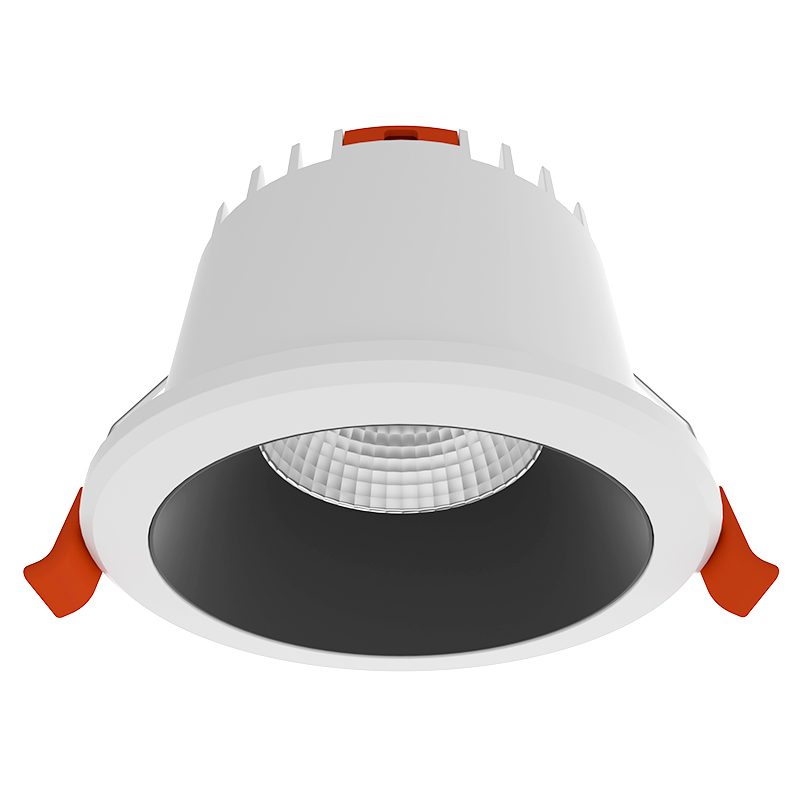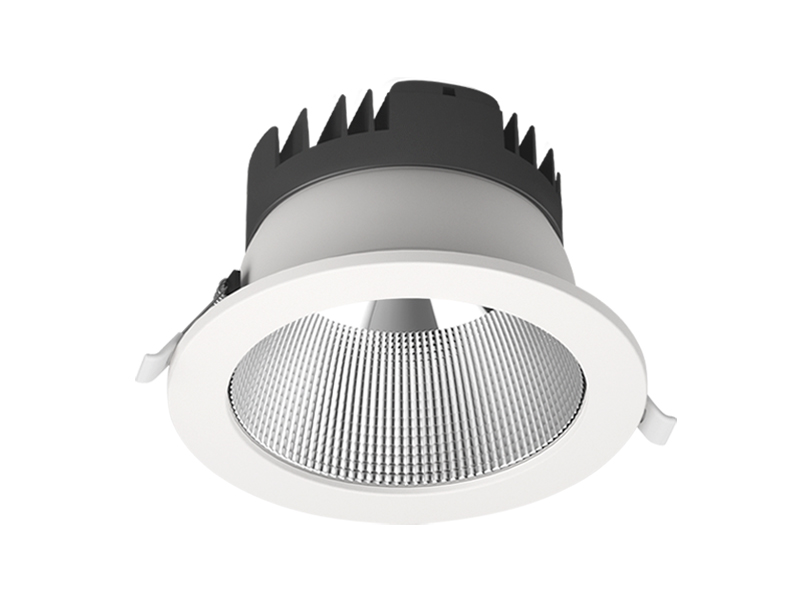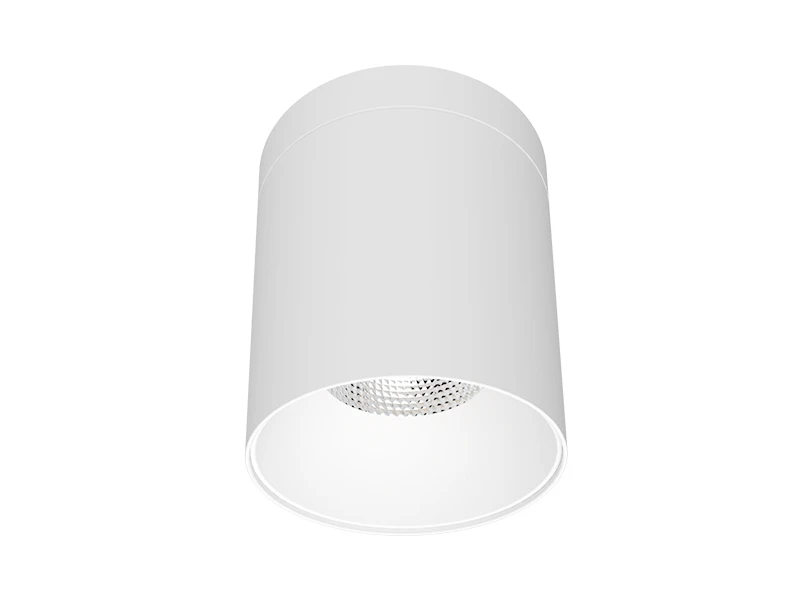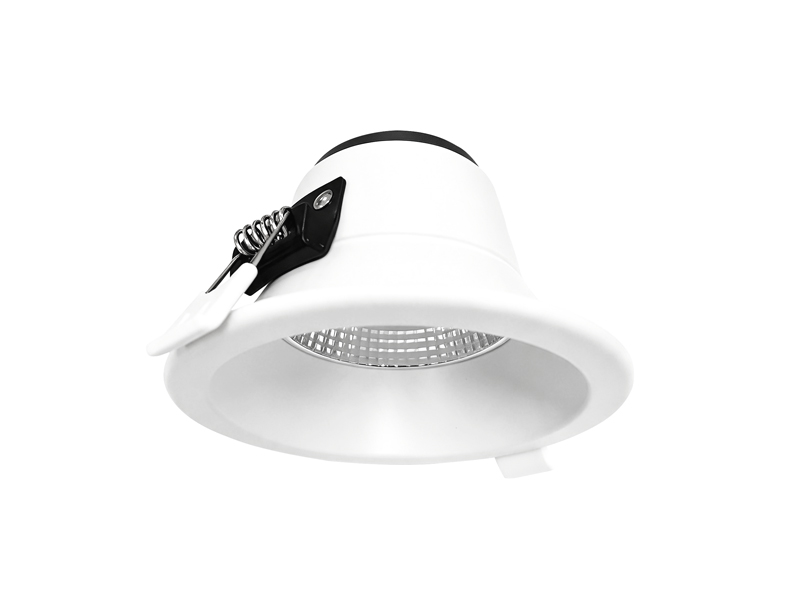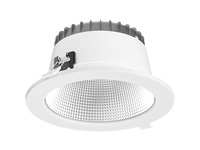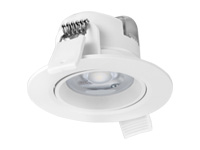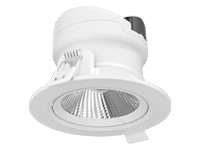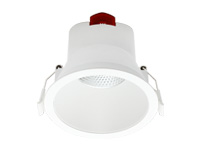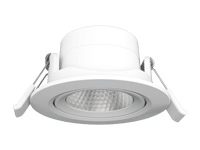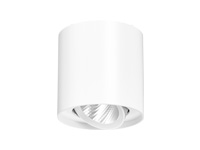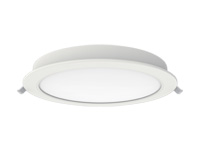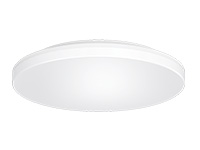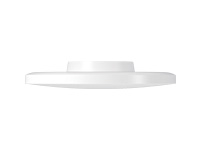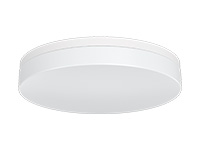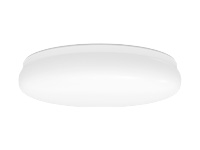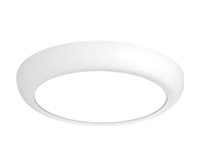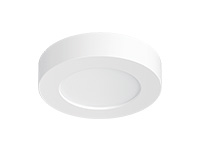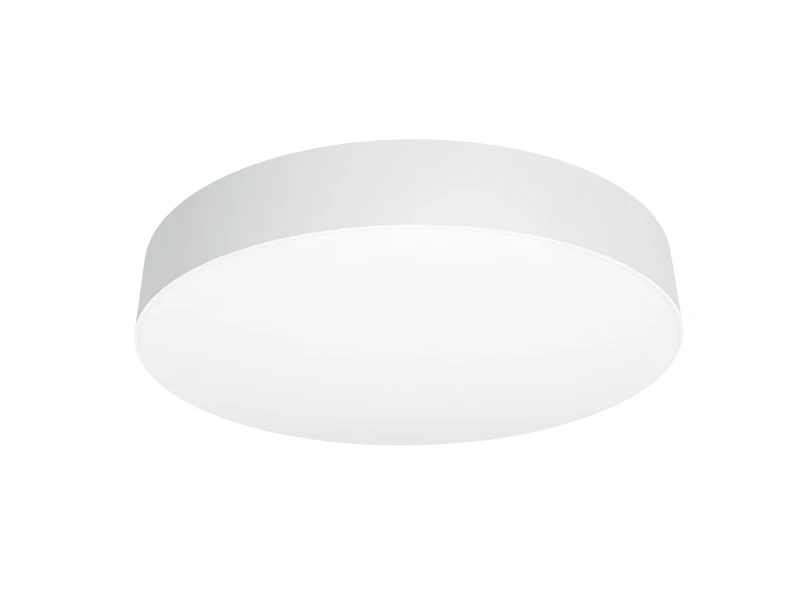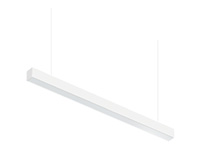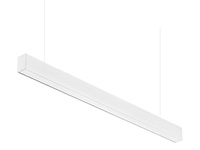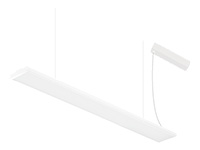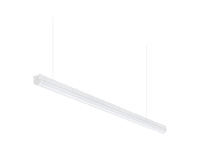

When selecting a Fit type emergency light, define the intended mounting arrangement before deciding whether the product matches the ceiling. At IMIGY Lighting, our Guard Fit Emergency Downlight offers surface-mounted and recessed configurations, while our Voyager Emergency Blade Exit Sign provides several sign-mounting options. Matching the ceiling therefore involves both physical installation and the required emergency function. A product name alone is not enough to confirm fit.
A fitting matches a ceiling only when the complete installation can be accommodated. The visible face is one consideration; the ceiling opening, body space and retention arrangement are others. Our Guard Fit product offers surface and recessed options, while Voyager provides a blade-sign alternative for a different emergency task. Compare their mounting requirements against the actual construction before choosing the appearance you want to repeat throughout the project.
Identify the ceiling arrangement, exact product and required accessories. Guard Fit’s mounting options relate to an emergency downlight; Voyager’s mounting options relate to an exit sign. Keep those roles separate when preparing the installation brief.
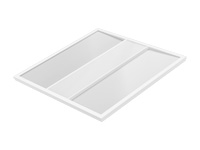
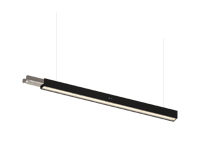
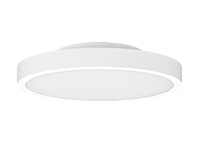
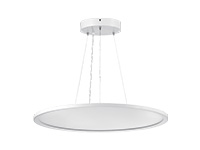
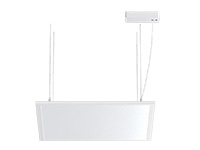
Confirm whether the location requires a Blade type emergency light for exit identification or a downlight for emergency illumination. If the brief specifies a Box type emergency light or Panel emergency light, clarify the expected construction before selecting either product.
Review the selected installation arrangement against the ceiling information. Do not infer universal fit from a mounting illustration.
Measure the existing condition rather than relying entirely on an old ceiling drawing. Record the opening, ceiling thickness and any nearby obstruction. Note damaged edges or locations where the available support differs from a typical position, because those conditions need to be resolved in the installation proposal.
Distinguish a fitting’s outer dimensions from its required opening. A trim that covers an edge does not establish the correct mounting arrangement. Likewise, an accessory ring dimension should not be used as an opening requirement unless the applicable instructions identify it as such.
Review the proposed method of access after installation. Connections and serviceable parts should be considered within the agreed detail. These are project questions to confirm for the selected configuration, not additional capabilities inferred from the term Fit.
When the ceiling has several construction types, group the locations by their measured conditions. A representative detail is useful only where those conditions apply. Keep repaired openings, different panel thicknesses and obstructed positions identifiable so they can receive their own installation review.
If the proposed fitting is intended to cover an earlier opening, show both the opening and the visible face in the detail. The coverage question and retention question need separate answers. An attractive finished appearance does not establish how the fitting is held, and a suitable opening alone does not decide whether the selected optical arrangement serves the required area.
Also retain the distinction between emergency illumination and exit indication when reviewing alternatives. A product can be physically convenient at a ceiling point while being intended for a different task. The installation checklist should therefore refer back to the function schedule before a replacement is accepted. This keeps physical fit from becoming the only criterion in a decision that also needs the correct product role.
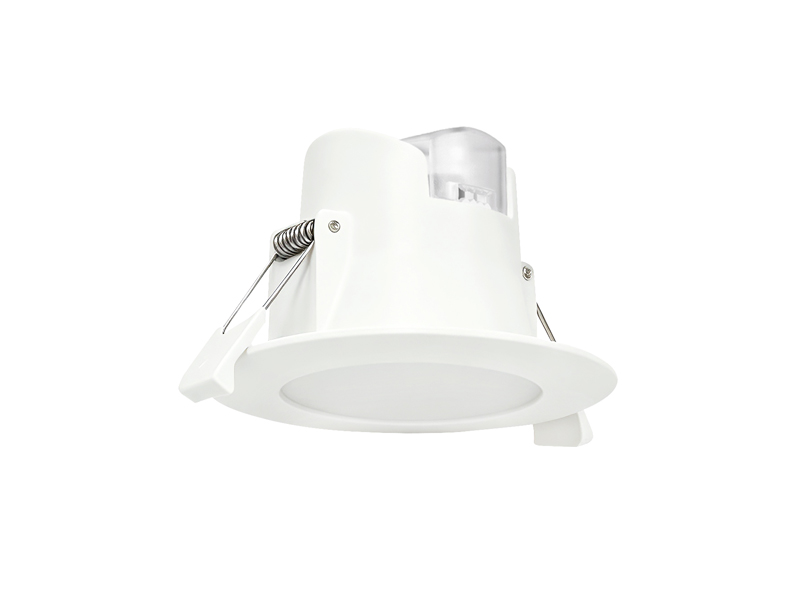
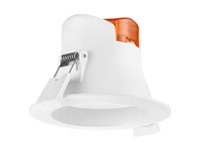
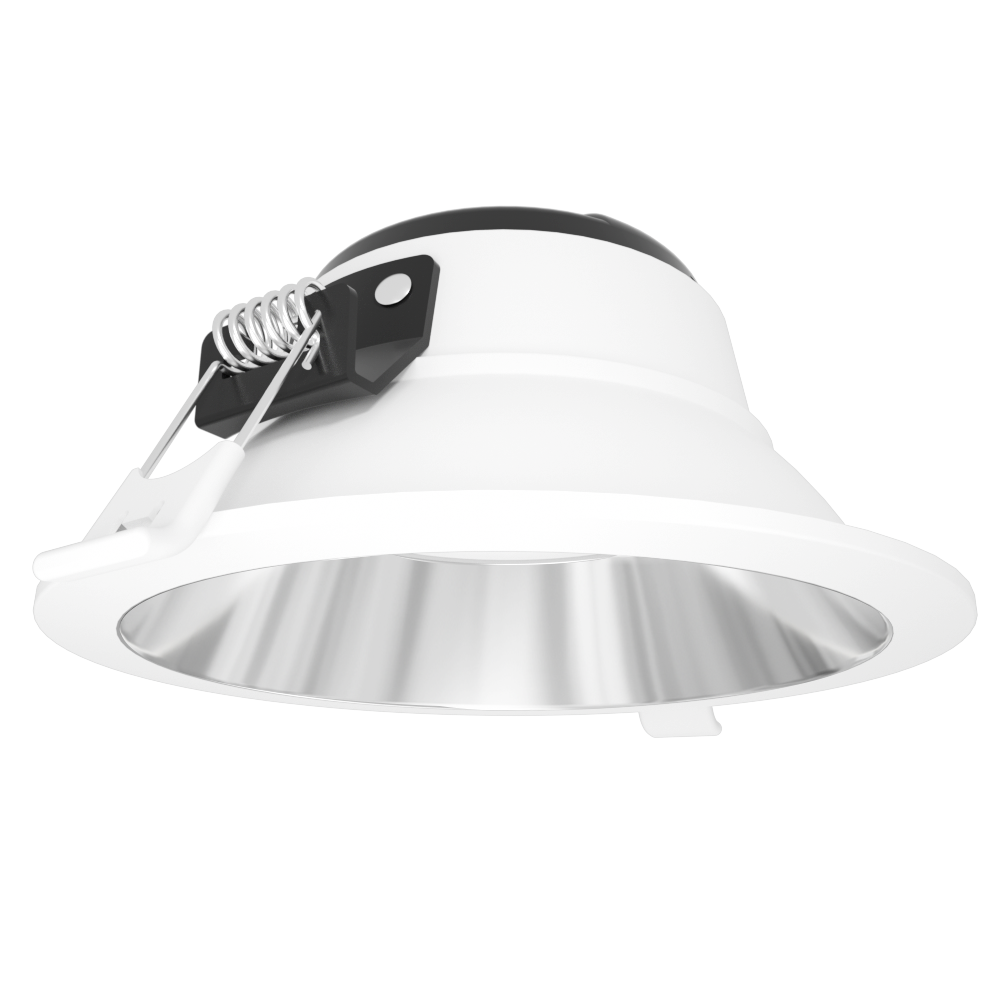
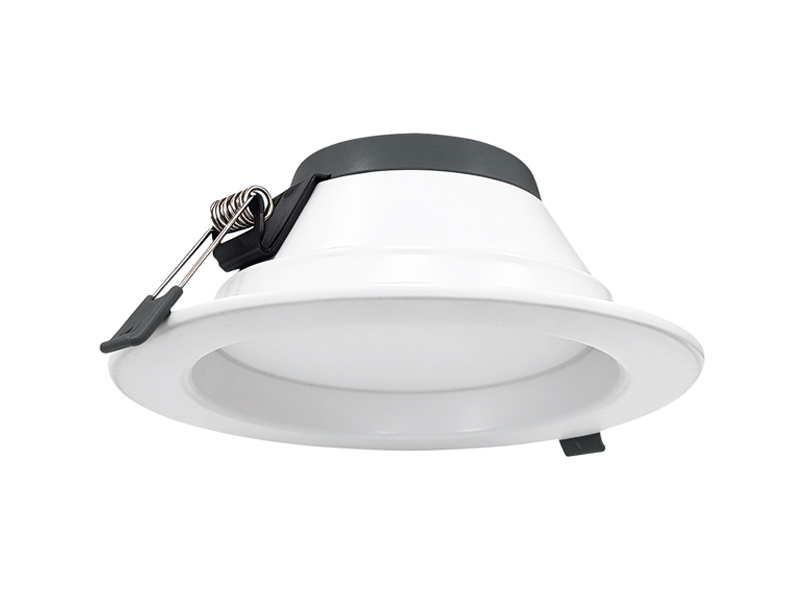
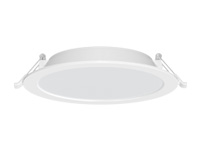
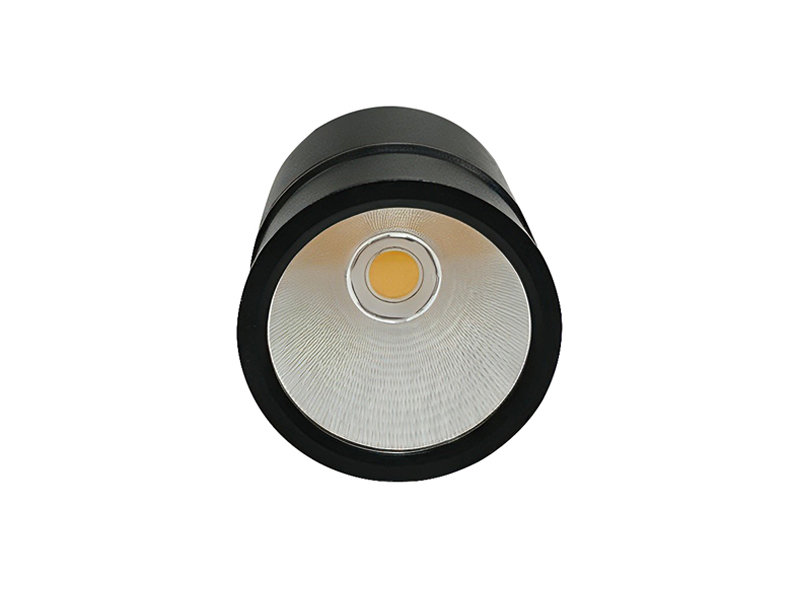
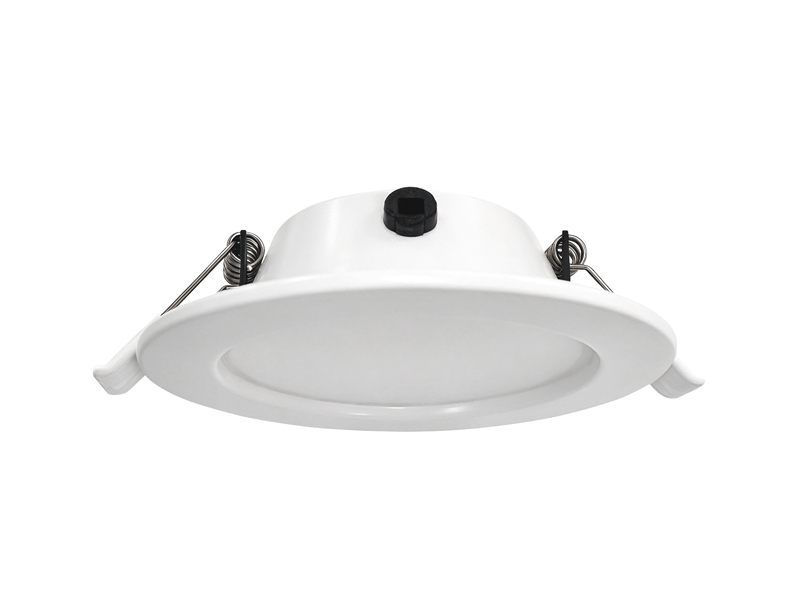
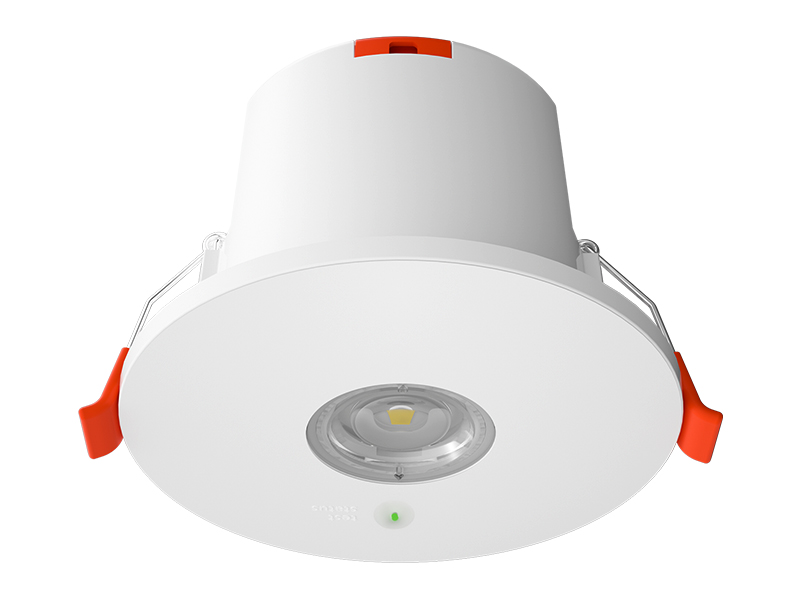
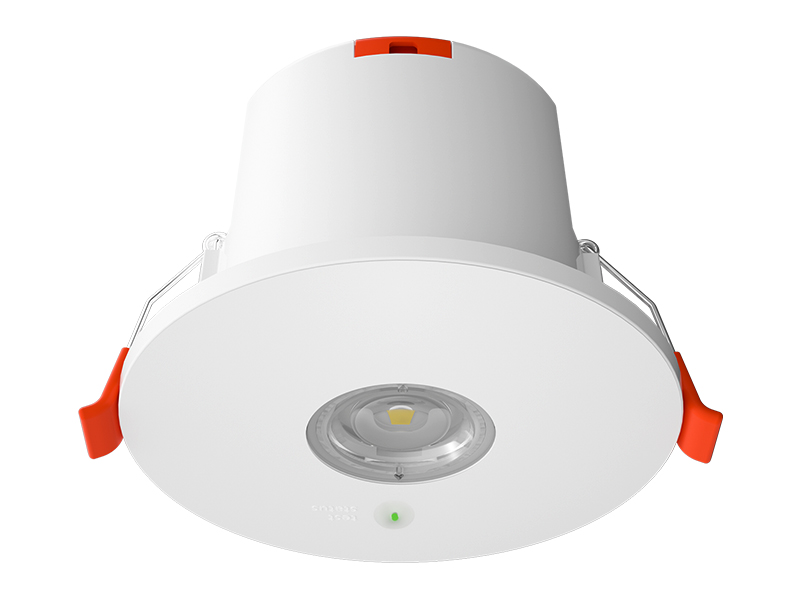
Our Guard Fit Emergency Downlight uses a compact modular design. Its product information illustrates surface and recessed installation and identifies a 170mm ring as available.
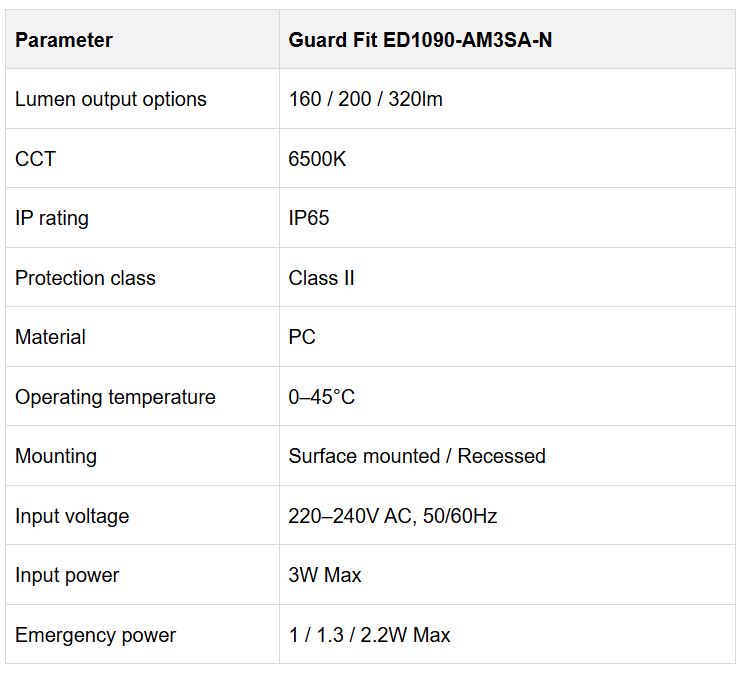
Guard Fit’s documented mounting choices allow a surface or recessed proposal to be discussed. Choose between them using the ceiling section and selected installation details. Keep the round or oval lens choice attached to the intended illuminated area so a physically acceptable replacement also retains the agreed optical role. The product’s listed protection rating is a separate check from opening compatibility.
The ring option should not be treated as a universal cutout specification.
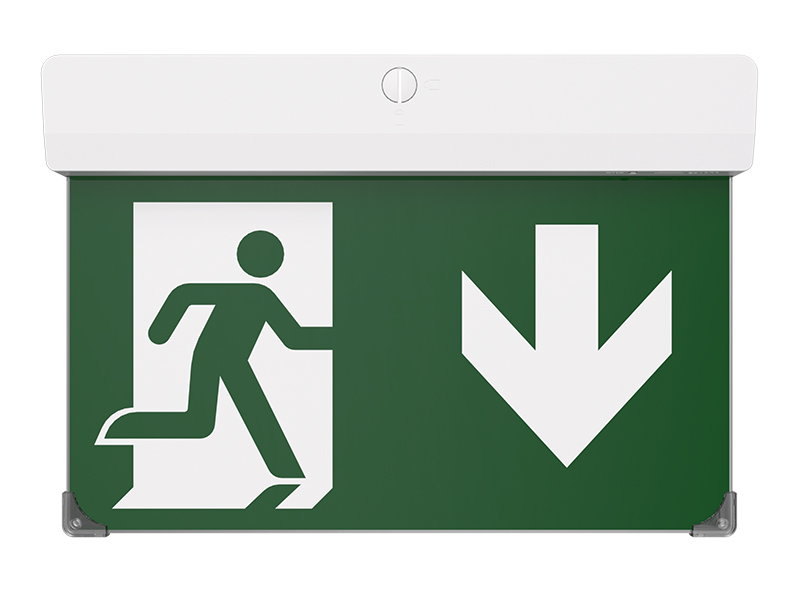
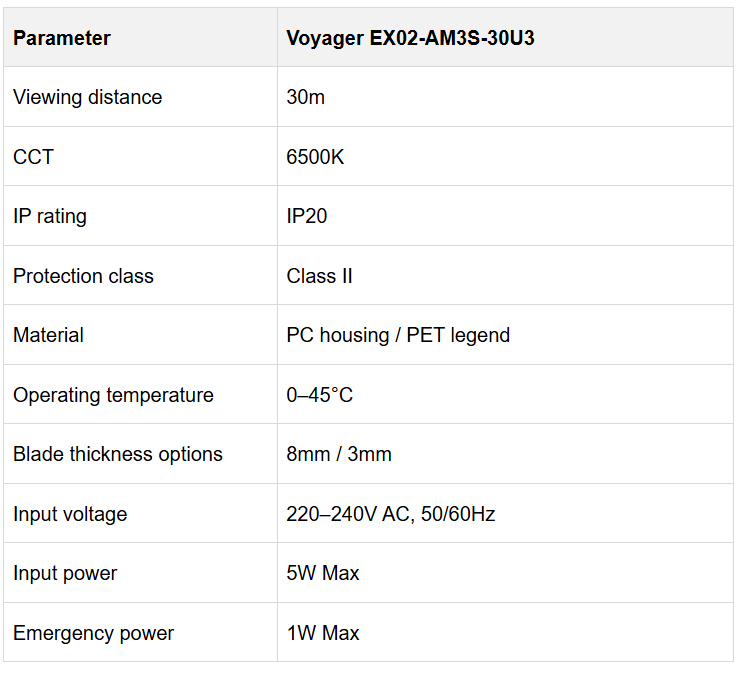
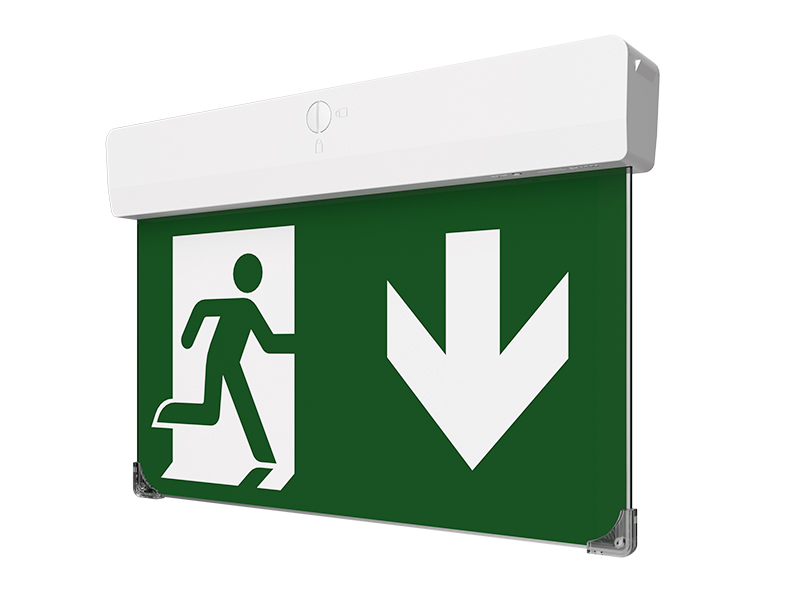
Our Voyager Emergency Blade Exit Sign offers multiple installation forms for the sign position. Its blade options and construction should be reviewed with the selected accessories.
Voyager is relevant where the project requires exit indication rather than an emergency downlight. Its mounting arrangements should be considered with the sign’s face orientation and approach view. It is not an alternative simply because it can be attached to the same ceiling. Confirm its role and required accessories before comparing the physical detail with other ceiling items.
At IMIGY Lighting, we recommend confirming the mounting configuration before fixing the ceiling detail. Record the product model, required accessories and outstanding dimensional checks together.
For an Industrial emergency light location, also review environmental suitability. A complete installation brief should establish what is being fitted and where, while avoiding assumptions about unverified opening sizes or accessory compatibility.
Review a representative position and any locations with unusual openings or construction before repeating the selected detail. Keep the measured condition, chosen model and confirmed mounting arrangement together. If the plan changes from recessed to surface mounting, update the schedule and drawing rather than retaining a mixed description.
Send IMIGY Lighting the ceiling section and opening measurements, together with the emergency function required at each point. We can discuss Guard or Voyager in their documented roles. This keeps the installation conversation focused on the actual ceiling conditions and avoids treating a familiar product shape as proof that the complete fitting will match the construction.
Record the chosen lens or sign arrangement alongside the mounting detail. If the opening condition changes during ceiling work, review the proposed fitting again rather than assuming that the earlier installation decision still applies to the revised position.
Q: Does Guard Fit’s 170mm ring option mean every 170mm opening is compatible?
A: No. The screenshot identifies a ring option but does not establish universal opening compatibility. Confirm the selected accessory and installation dimensions before proceeding.
Q: Are all mounting accessories necessarily included with the fitting?
A: The screenshots show installation options without confirming that every accessory is supplied as standard. Check the actual configuration and accessory list for the proposed arrangement.
Q: Can an exit sign and an emergency downlight share the same installation assumptions?
A: They should be reviewed separately. Their functions and mounting components differ, even when both are associated with the same ceiling area.
Q: Does an accessory ring prove that an existing oversized opening can be reused?
A: No. The accessory description alone does not establish the complete fixing arrangement. Confirm the applicable installation detail, opening condition and support requirements before treating the existing opening as suitable.
It is recommended that you upgrade the latest browser
 Chrome
 Firefox
 Edge