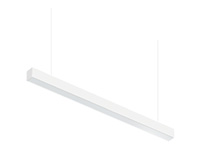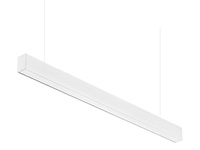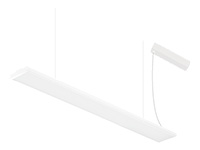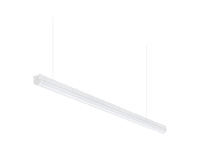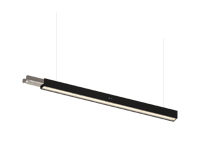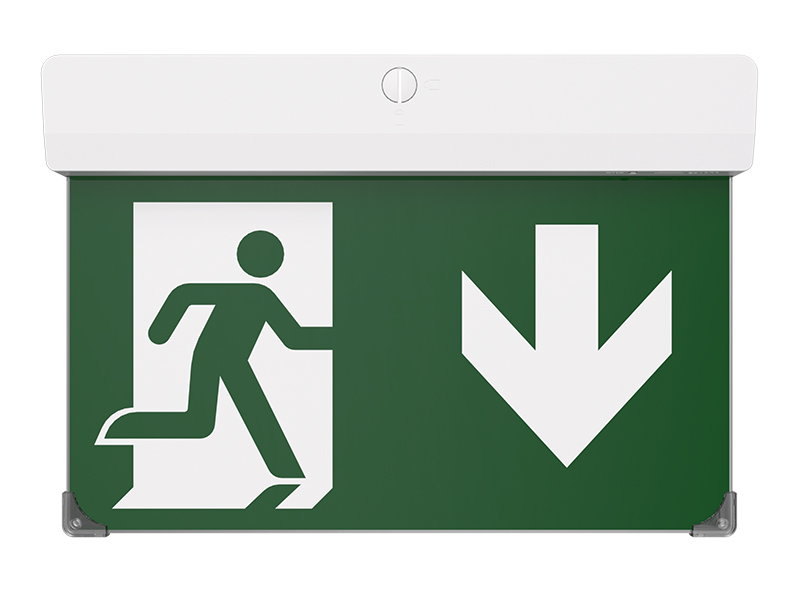

The placement of a Blade type emergency light should be assessed from the intended viewing position. At IMIGY Lighting, our Voyager Emergency Blade Exit Sign offers several mounting arrangements, allowing the sign’s position to be considered alongside the building layout. Our Guard Fit Emergency Downlight addresses emergency illumination separately. Selecting both by their documented roles helps avoid confusing the visibility of an exit sign with the coverage of an emergency downlight.
A sign needs to be visible from the direction in which people will approach it. A clean ceiling line is therefore only one part of the placement decision. Our Voyager blade sign has a documented viewing distance and several mounting arrangements, while Guard Fit supplies a different emergency-lighting role. Use the route and likely approach views to establish the sign position, then coordinate the surrounding illumination without confusing the two products’ tasks.
Confirm the viewing direction, mounting arrangement and potential obstructions when reviewing the sign position. Voyager’s stated viewing distance is not a downlight-spacing specification. Guard Fit’s lens selection supports a different part of the lighting plan.
Review the proposed sign from the intended approach direction and check whether the mounting arrangement suits the location. Voyager’s product information illustrates flag, ceiling or wall, recessed, suspended and track arrangements.
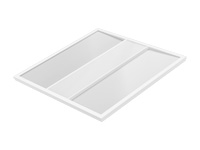
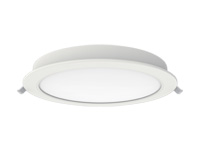
A Box type emergency light or Panel emergency light requirement should be clarified separately. Neither term should replace confirmation of the sign’s actual format.
Review the route from the points where people need to recognise the next direction. Include changes of direction, doorways and locations where fittings or building features could interrupt the view. The sign’s apparent position can change when it is observed from another approach, so inspect the relevant views rather than relying on a single elevation drawing.
Consider the orientation of the sign face as well as the mounting point. A product placed at the correct ceiling location may still present an unsuitable face to an approaching person. Confirm the required legend and face arrangement with the selected configuration instead of assuming these details from the series name.
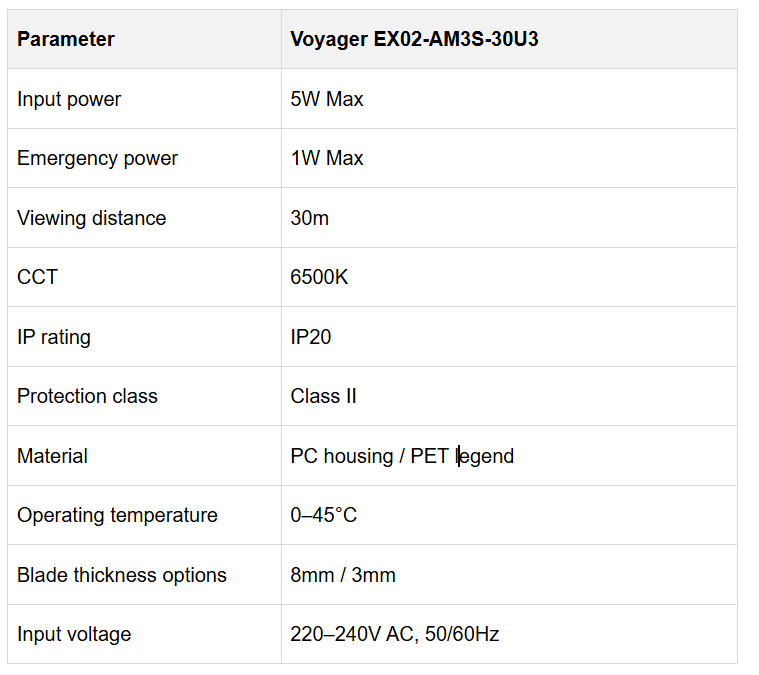
Use Voyager’s listed viewing distance as product information for the selection review. It should not be converted into a universal placement interval. The actual route, sign orientation and any obstructions remain part of the project assessment.
Consider whether a feature that is unobtrusive in a plan could interrupt an approach view. A nearby suspended item, door position or service element needs to be included where it affects the proposed sightline. The placement discussion should identify the obstruction rather than assume the sign will remain visible simply because it is close to the route.
Keep the ceiling and wall mounting alternatives connected to the same viewing task. Moving the sign to another surface can change which face people see, so review orientation again when the mounting method changes. The listed installation options provide choices to investigate, not an assurance that every choice suits every position. Once the selected arrangement is recorded, retain the relevant view with the schedule so later interior revisions can be checked against it. This makes the placement decision easier to preserve as other parts of the building design develop.
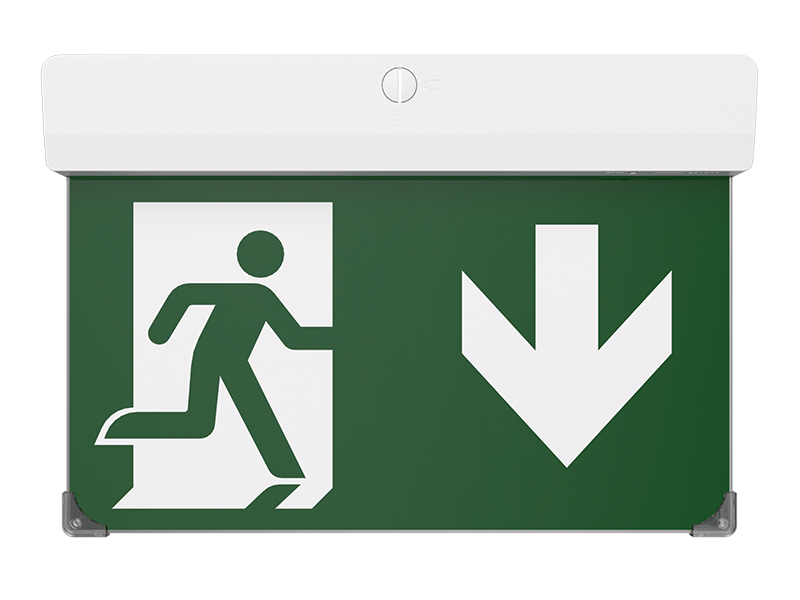
Our Voyager Emergency Blade Exit Sign provides different installation arrangements and white or black finish options. Confirm the selected mounting accessories and viewing orientation for the project.
Voyager supports several mounting arrangements, allowing the proposed position to be considered with the surrounding construction. Confirm the specific accessories and orientation needed at that point. The 8mm and 3mm blade thickness options are physical choices, not different visibility guarantees. Retain the exact sign configuration in the schedule so the installation detail matches the placement decision.
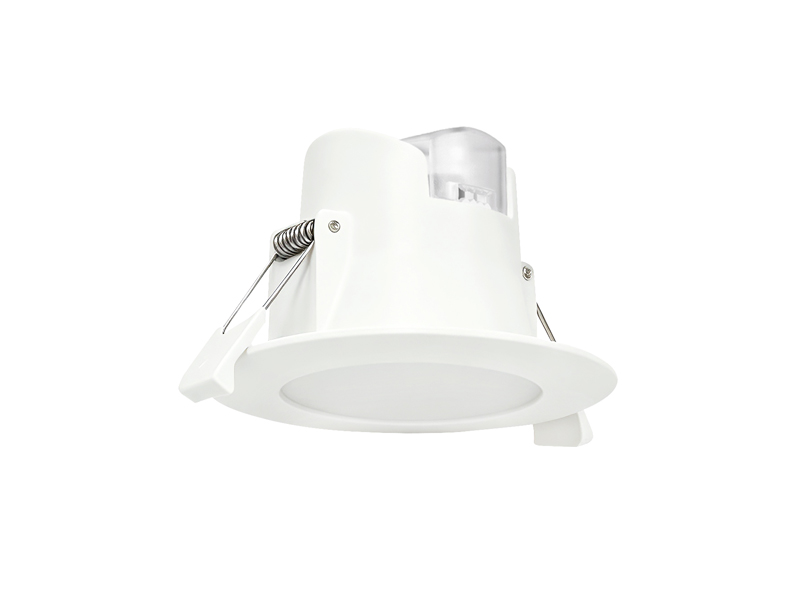
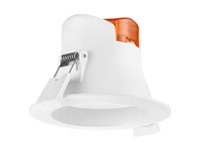
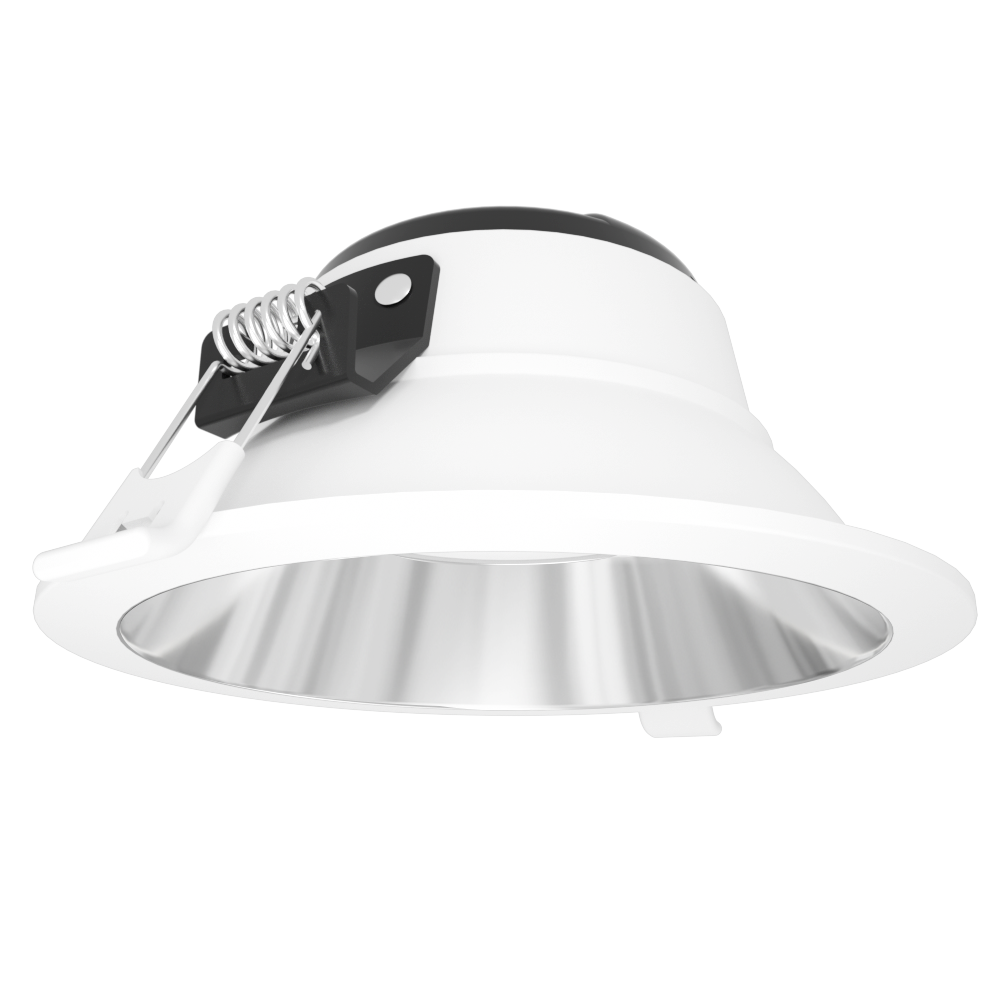
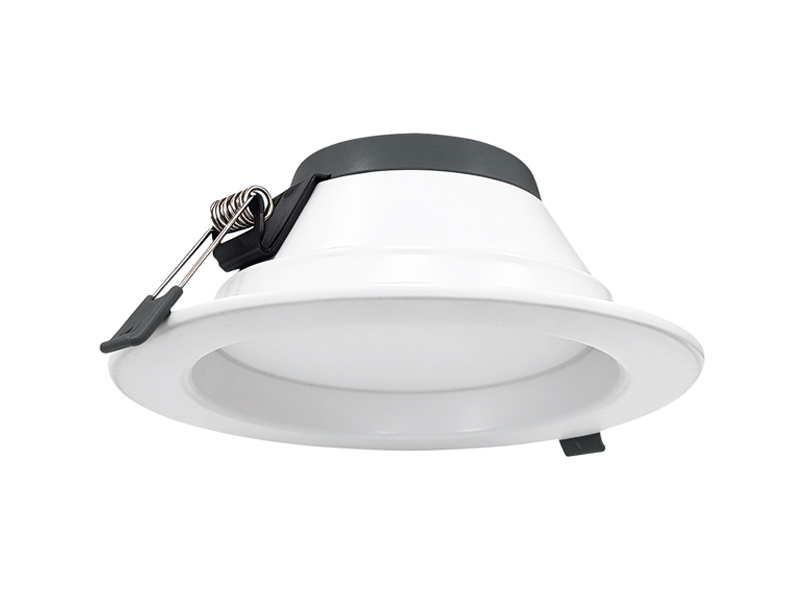
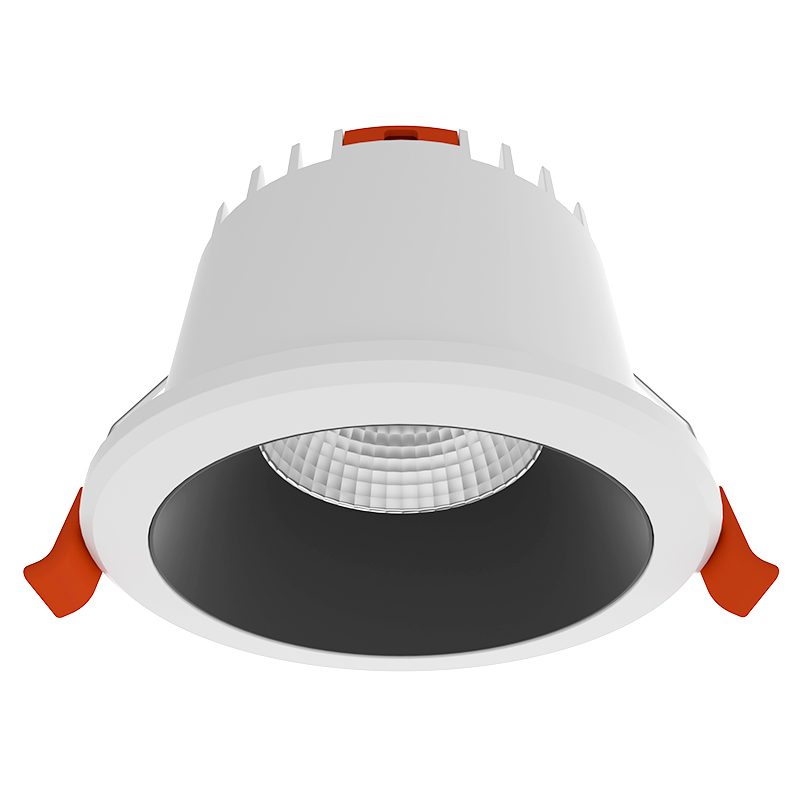
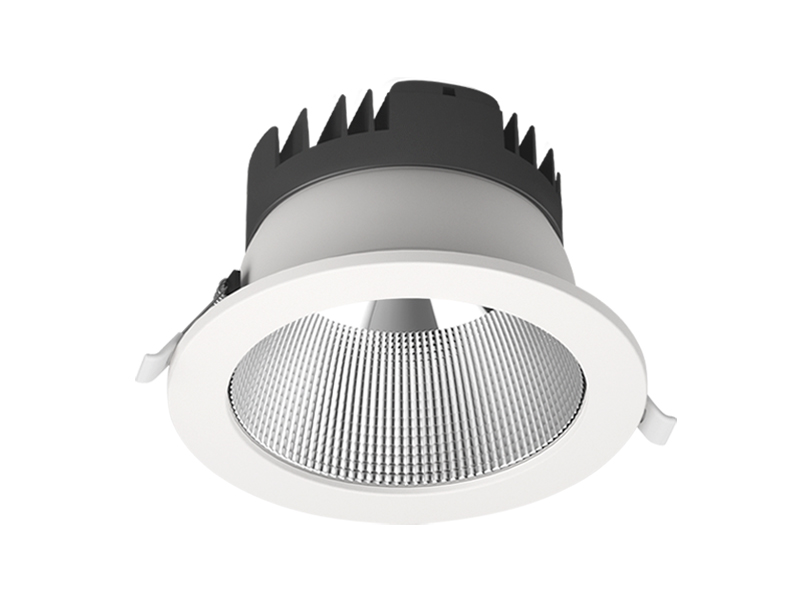
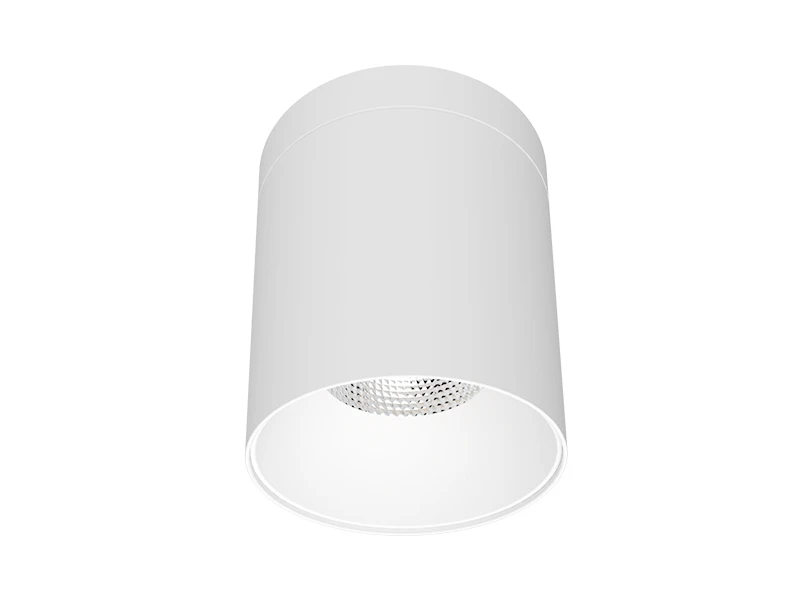
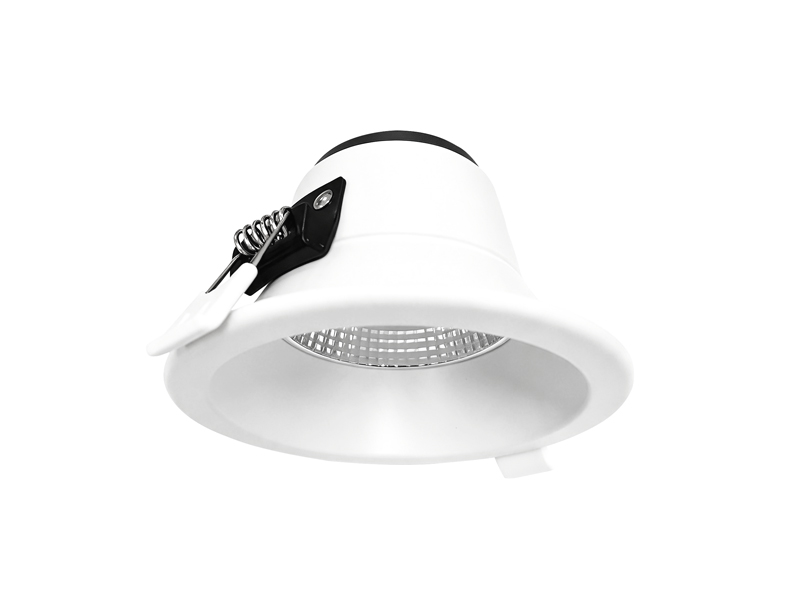
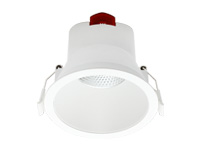
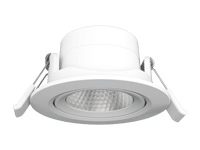
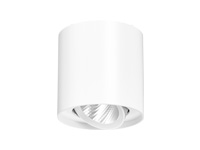
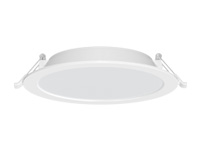
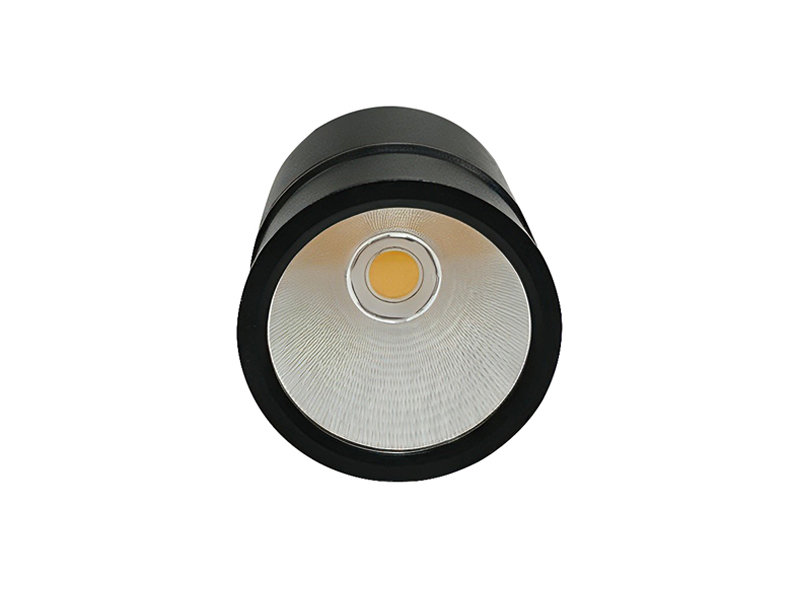
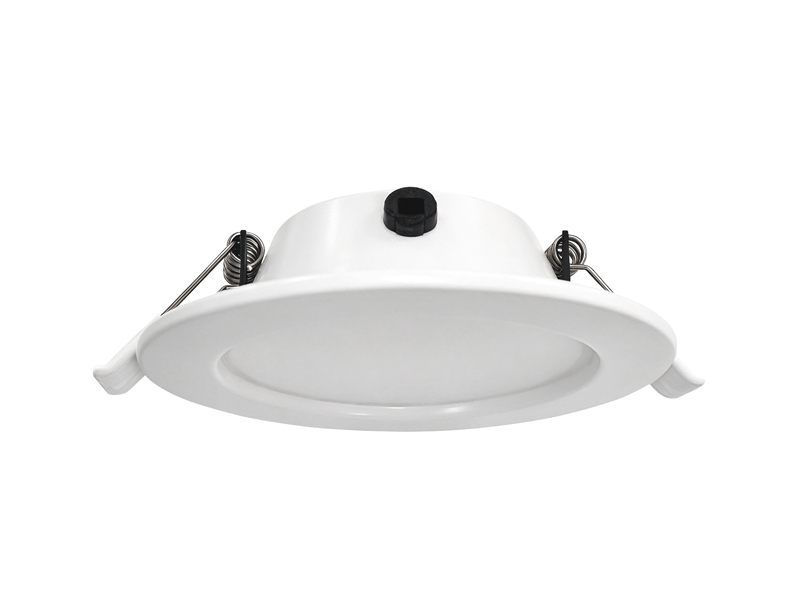
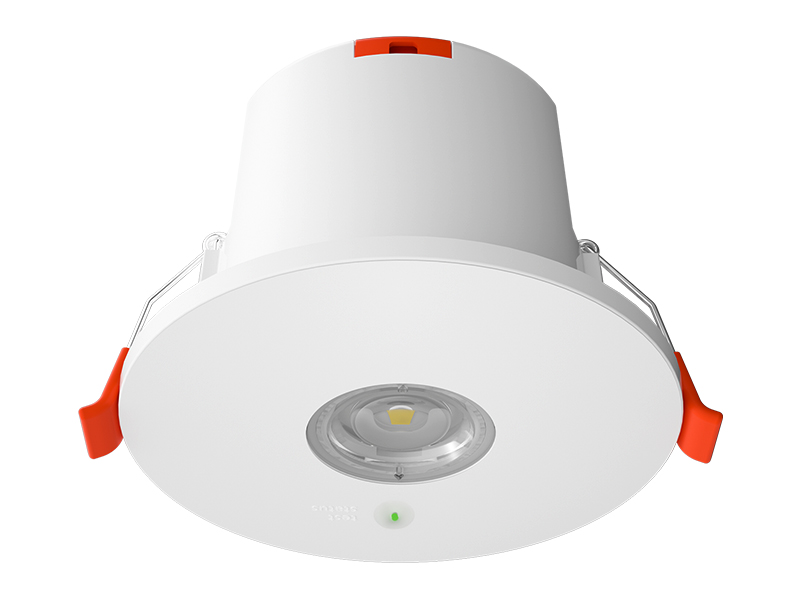
Our Guard Fit Emergency Downlight provides surface-mounted and recessed options. For a Fit type emergency light enquiry, its documented installation choices offer a clear starting point.
Guard Fit should be considered for emergency illumination around the route rather than as a substitute for the blade sign. Its round or oval optical choice needs to match the intended area. Coordinate its mounting position with the sign arrangement while keeping the illumination assessment separate from the question of whether a person can recognise the sign face.
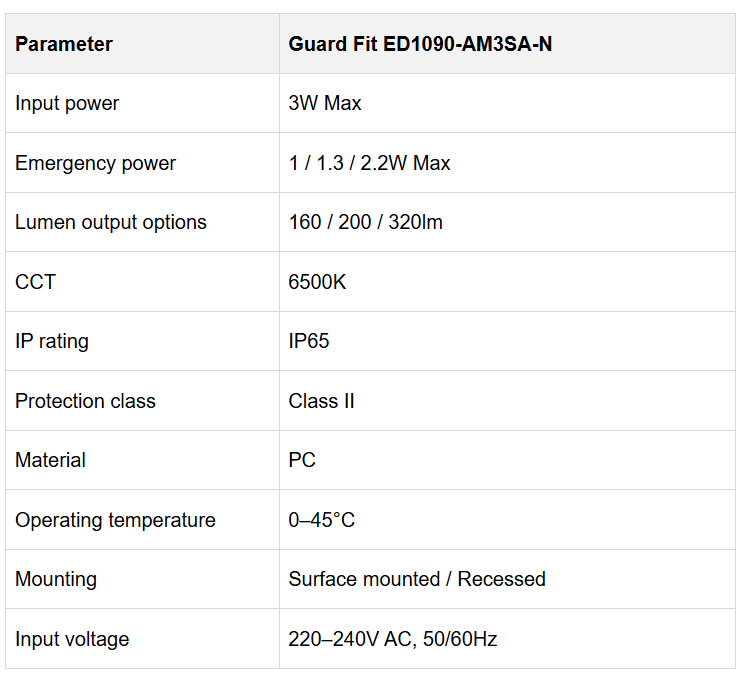
At IMIGY Lighting, we recommend checking the sign and downlight as separate elements of the proposed arrangement. Review Voyager’s viewing position and Guard Fit’s intended illumination role without transferring one product’s specifications to the other.
For an Industrial emergency light project, also confirm each installation location’s environmental suitability. A coordinated plan should identify the selected products, mounting arrangements and required project checks before positions are finalised.
Before confirming repeated placements, review the route in both the plan and the relevant approach views. Record any obstruction or fixed architectural feature that influenced a sign position. If the ceiling or door arrangement changes, check those views again instead of retaining the original symbol location automatically.
Share the route drawing and proposed Voyager mounting arrangement with IMIGY Lighting, together with the areas where Guard illumination is being considered. This gives each product a clear role in the discussion. The final placement should describe what needs to be seen, from which approach and under which installation conditions, rather than just identifying an available patch of ceiling.
Retain the selected sign face and mounting arrangement with the route view. When another ceiling element changes, compare the revised view with that record before deciding whether the original sign position still serves the intended approach and direction recognition.
Q: Does Voyager’s stated viewing distance specify how far apart emergency downlights should be installed?
A: No. It describes the exit sign’s stated viewing distance. It should not be used as a spacing instruction for Guard Fit.
Q: Is one mounting arrangement suitable for every approach direction?
A: The product information does not establish a universal arrangement. Confirm the proposed orientation and the location’s viewing conditions before selecting accessories.
Q: Can Guard Fit replace an illuminated exit sign at a proposed sign position?
A: Guard Fit is documented as an emergency downlight. Its illumination function does not establish the exit-identification function provided by Voyager.
Q: Does a clear view from directly beneath the sign establish that the placement is suitable?
A: It establishes only that particular view. Review the actual approaches and any points where direction needs to be recognised. Keep the selected face orientation and surrounding obstructions in the assessment before fixing the mounting detail.
It is recommended that you upgrade the latest browser
 Chrome
 Firefox
 Edge