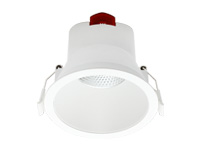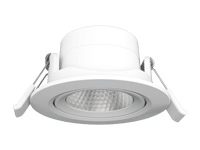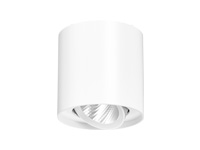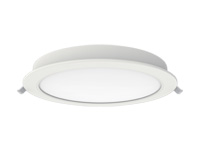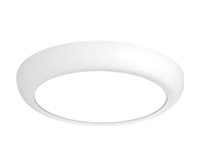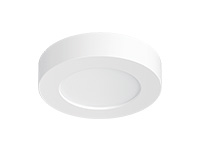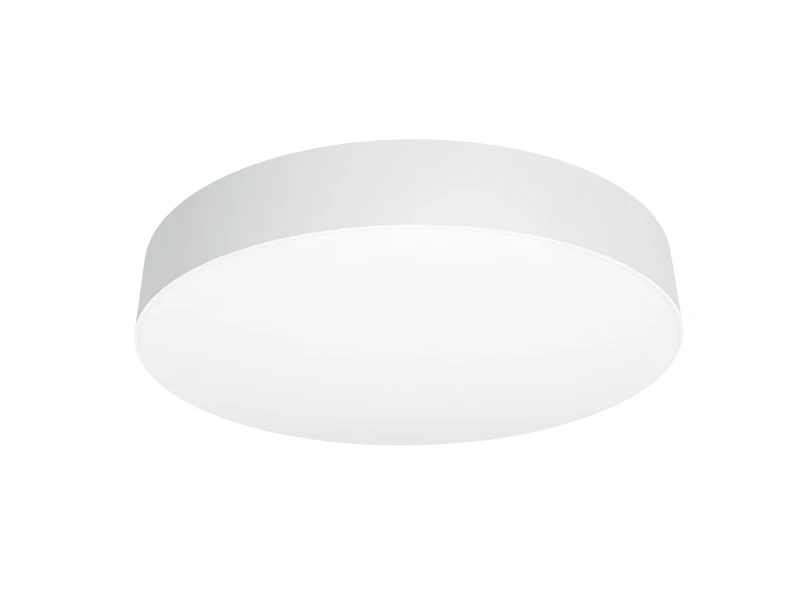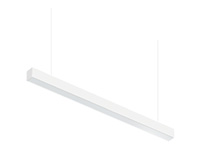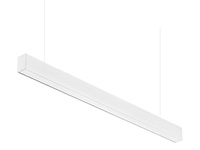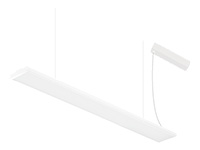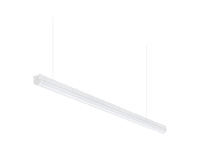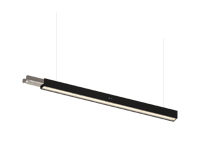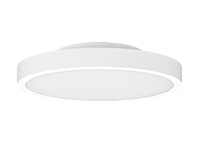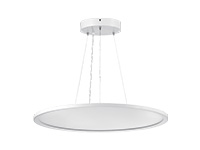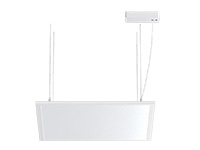

Choosing a Box type emergency light starts with identifying its intended function, rather than selecting a housing shape alone. At IMIGY Lighting, our Voyager Emergency Blade Exit Sign provides illuminated exit identification, while our Guard Fit Emergency Downlight provides emergency illumination. These products address different requirements. Before selecting either, confirm whether the location needs a visible sign, emergency lighting or both, then check the mounting conditions and documented product configuration.
The word “box” can describe an appearance without explaining what the fitting does. Before selecting a product for your building, decide whether the location needs an exit indication, illumination of an escape area or both. Our Voyager and Guard products address those roles differently. Neither should be described as a box-format fitting simply to match the enquiry wording. A clear statement of the required function gives the selection a sounder basis than the shape description alone.
Separate exit identification from emergency illumination. Voyager uses a blade-style sign; Guard Fit uses a compact modular downlight design. Neither should be described as a box-style product solely to match a search term.
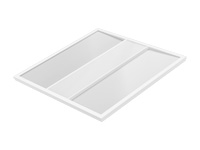
A Blade type emergency light search may lead to an exit-sign product, while a Panel emergency light enquiry may concern a different physical format. Confirm what the project requires before comparing products.
Likewise, a Fit type emergency light enquiry should identify the intended installation arrangement. For an Industrial emergency light, the environmental conditions require an additional check rather than an assumption based on appearance.
Mark the locations requiring directional information separately from the areas requiring emergency illumination. The first task concerns what people need to recognise; the second concerns the surface or area that needs light. Keeping those tasks separate makes it easier to identify which product belongs at each location.
Describe the building conditions that affect installation. Include the intended mounting surface, available ceiling space and exposure conditions. The selected products have different published protection ratings, so a fitting suitable for one proposed position should not automatically be repeated in another.
Where an existing specification calls for a box type, ask what that description is intended to achieve. It may be a strict physical requirement, in which case the actual product format must be confirmed. It should not be translated into a power-supply arrangement or emergency-lighting function without supporting information.
Separate a mandatory product form from a preferred appearance. If the building specification explicitly requires a box-format fitting, the requirement remains open until a matching product is identified. If the wording was only a shorthand for emergency lighting, restate the actual task so the blade sign and downlight can be assessed correctly.
This distinction is particularly useful when several product types appear in one proposal. A sign’s viewing information, a downlight’s output and a mounting option answer different questions. Keep each value with its intended use rather than placing every characteristic in a single undifferentiated checklist. Where the building team needs confirmation beyond the supplied model data, identify the missing requirement directly. A clear proposal can contain unresolved items; it should not make those items disappear by changing the product description. The resulting schedule remains useful because it shows both the selected products and the boundaries of the selection.
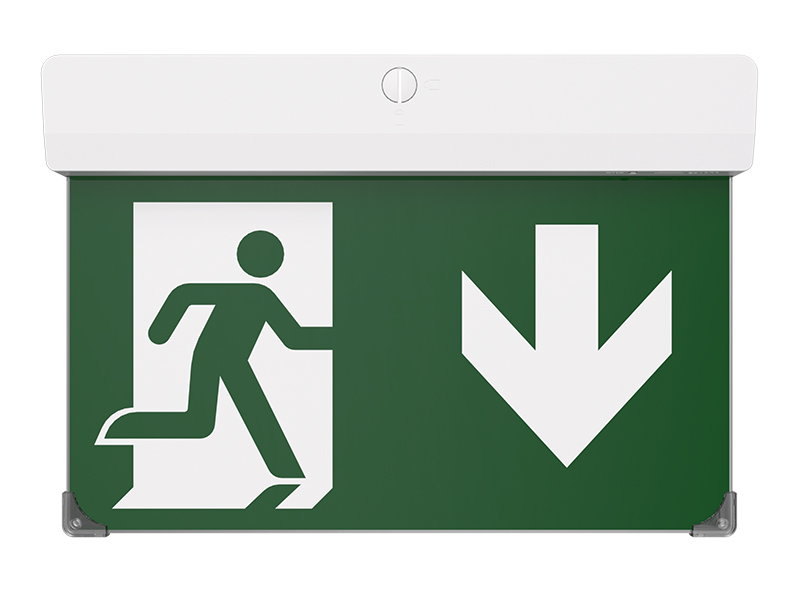
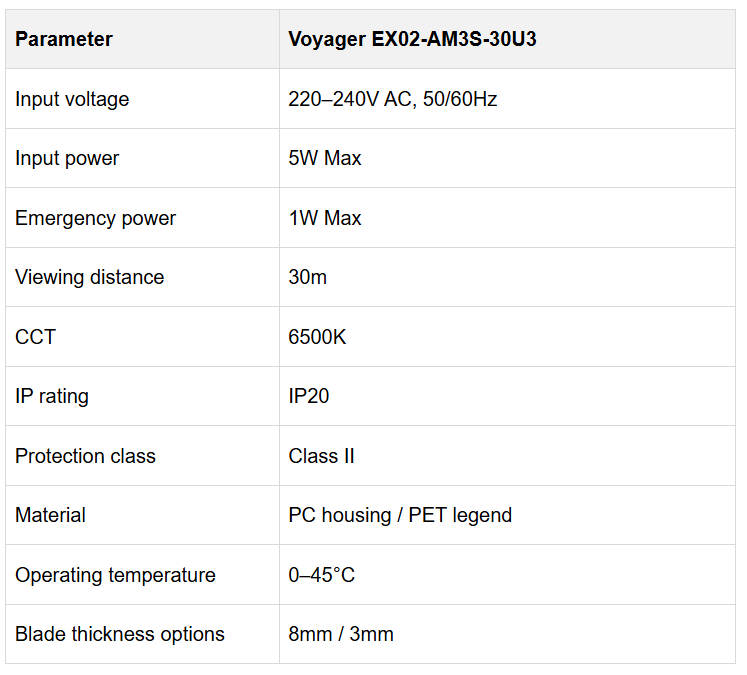
Our Voyager Emergency Blade Exit Sign combines a PC housing with a PET legend. Its documented blade options and viewing-distance specification provide useful selection information for an exit-sign requirement.
Voyager’s blade format is an exit-sign solution. Its documented viewing distance concerns the sign’s visibility and is not an instruction for spacing illumination fittings. Choose the sign location and orientation around the intended route, then confirm the proposed legend and mounting arrangement. The housing and blade materials describe the product construction without establishing suitability for every environment.

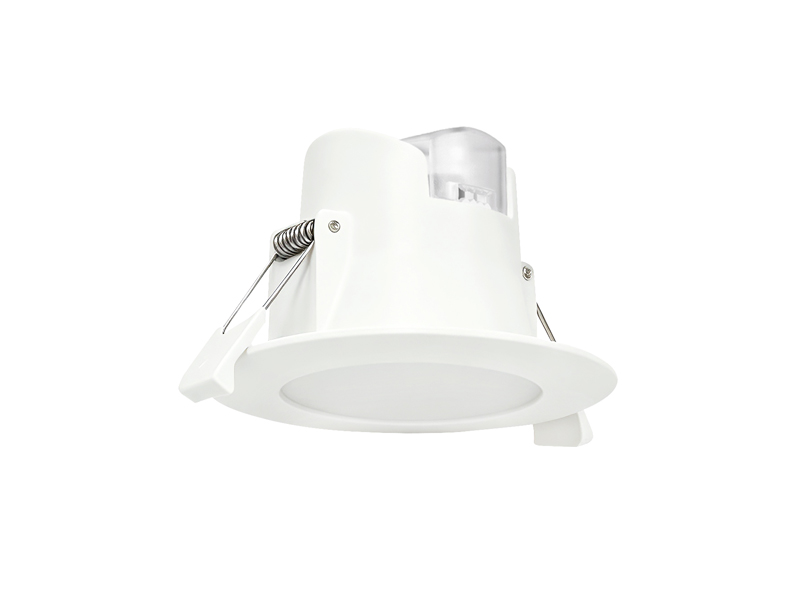
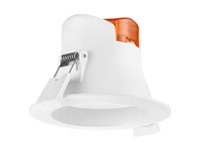
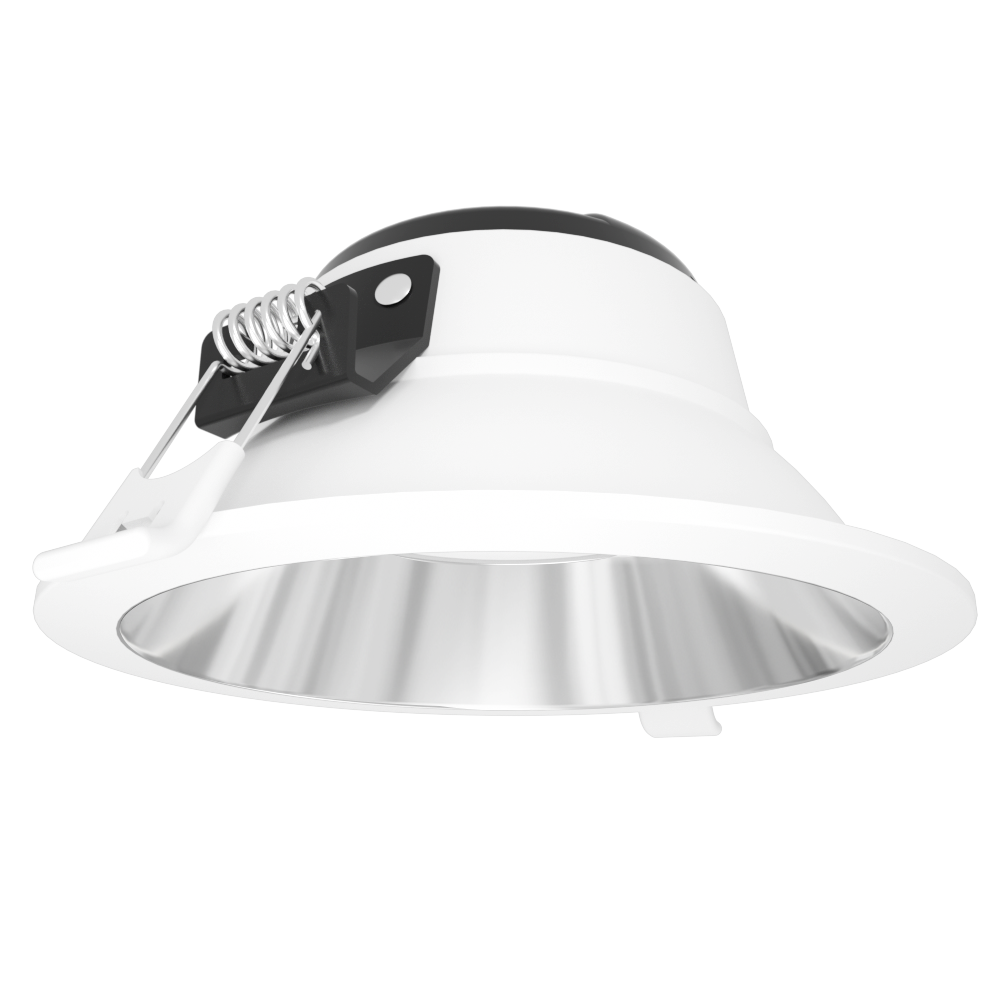
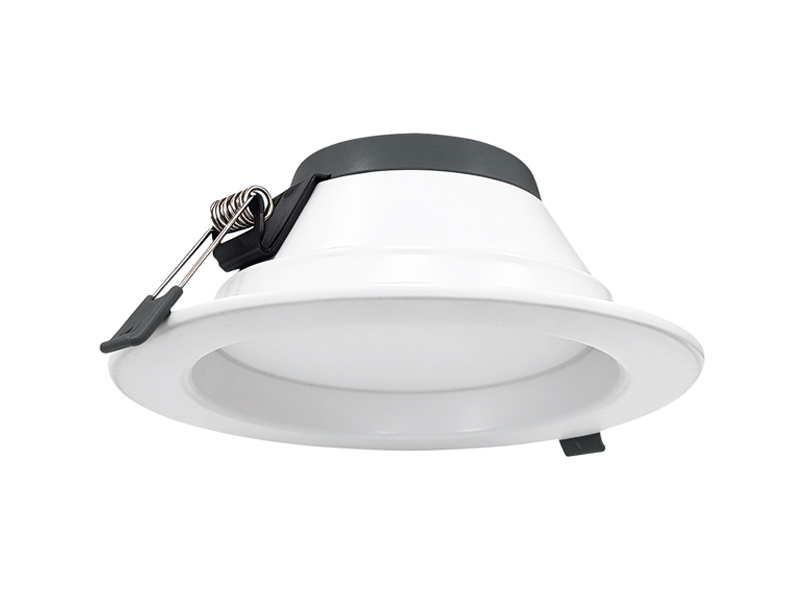
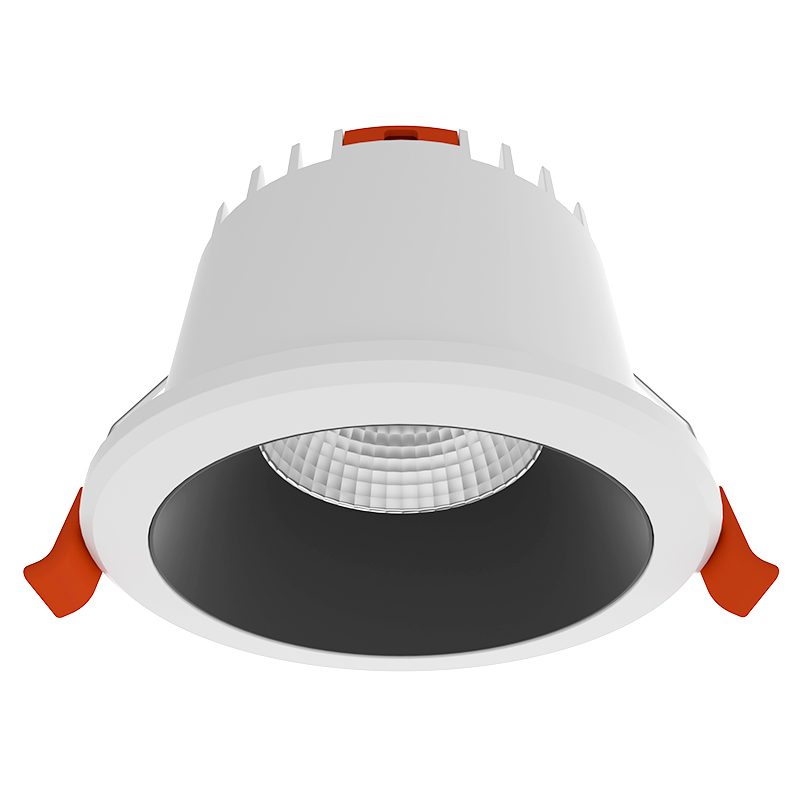
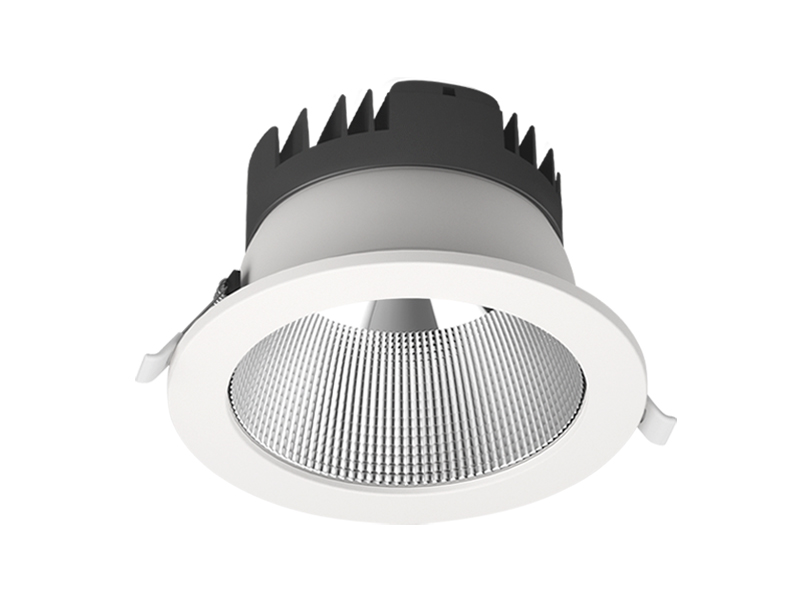
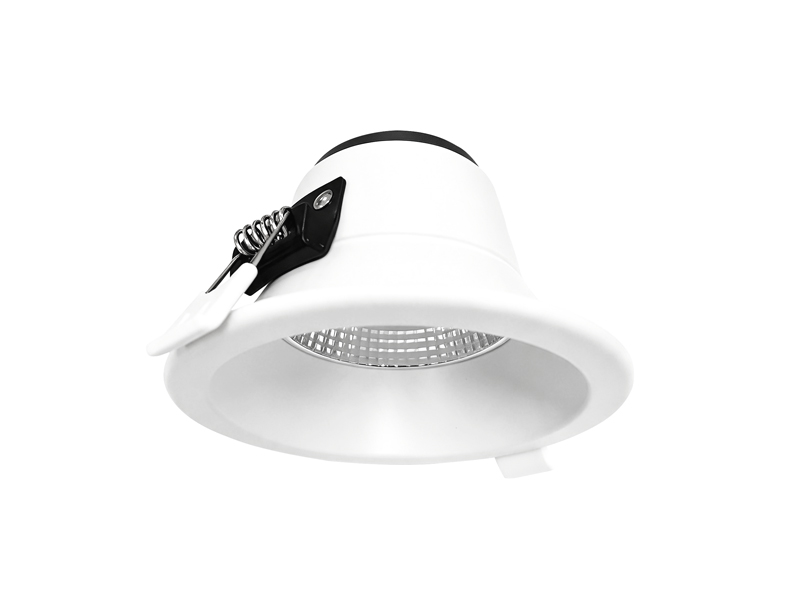
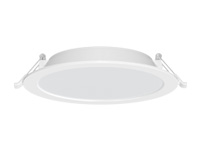
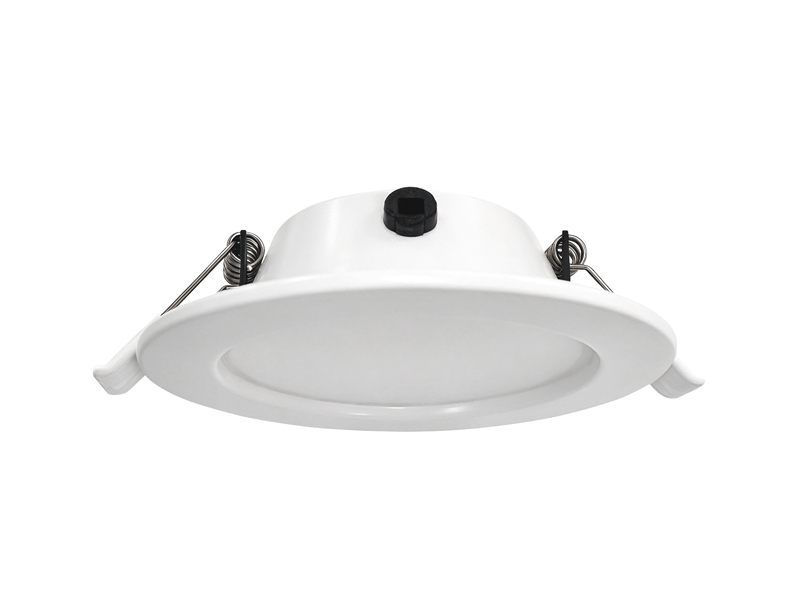
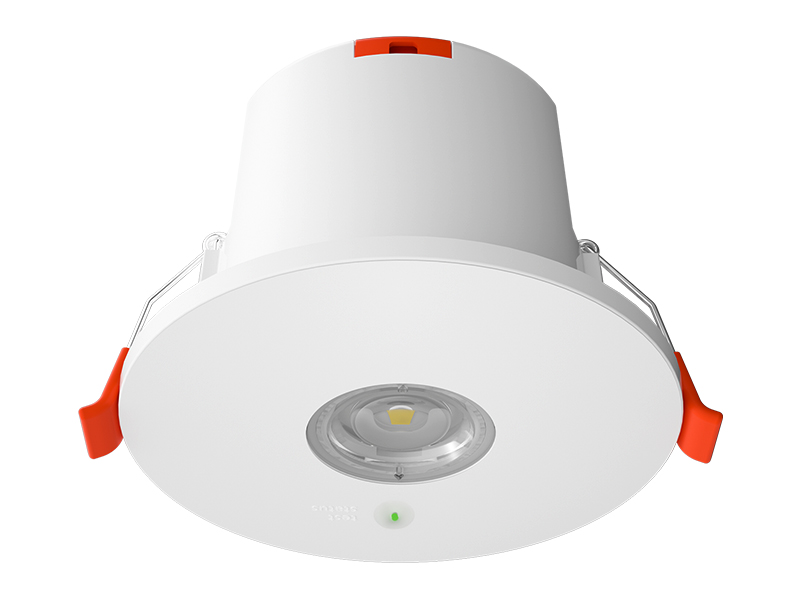
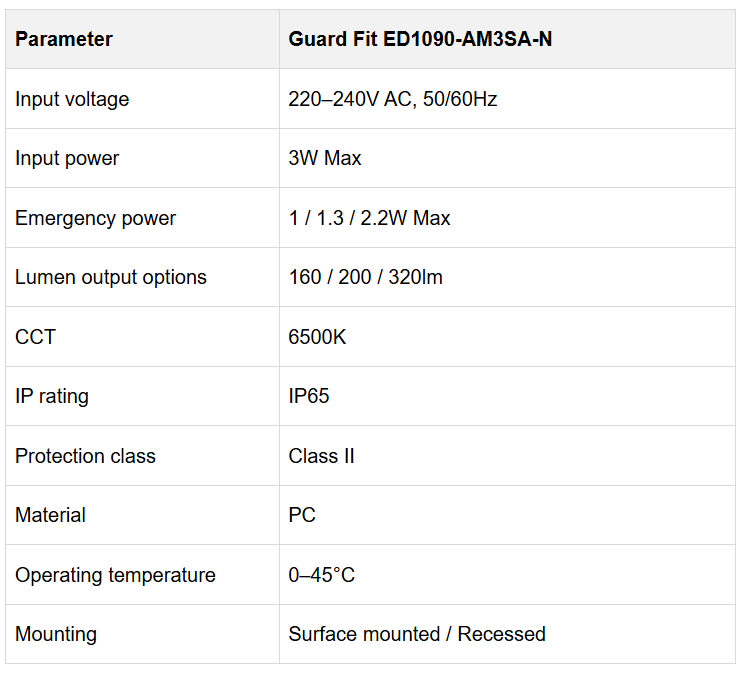
Our Guard Fit Emergency Downlight uses a modular design with interchangeable round and oval lenses. The product information identifies the round lens for open areas and the oval lens for corridors.
Guard Fit supplies emergency illumination through its documented optical configurations. The product description identifies round and oval lens choices for different area types. Select the relevant configuration for the location instead of treating the listed output options as interchangeable values. The final installation and lighting assessment need to use the agreed combination, not the highest number visible in the product data.

At IMIGY Lighting, we recommend defining the function first and matching the physical arrangement second. Choose Voyager when reviewing an exit-sign requirement, and assess Guard Fit when emergency illumination is required. Record the selected mounting method and configuration rather than combining specifications from different options.
This gives the building specification a clearer basis: each product is selected for its documented role, while project-specific coverage and installation requirements remain separate checks.
Prepare a schedule that distinguishes sign locations from illumination locations. Attach the intended mounting method and environmental conditions to each entry. If the project requires a different external form, retain that as an unresolved selection requirement rather than renaming Voyager or Guard to make the schedule appear complete.
At IMIGY Lighting, we recommend using the actual function of each location to discuss these products. Share the route plan, required sign positions and areas needing illumination, together with the ceiling conditions. This allows the blade sign and emergency downlight to be evaluated in their documented roles while keeping any separate box-format requirement visible for further confirmation.
Keep any mandatory box-format requirement separate until the proposed product form has been identified and confirmed clearly.
Q: Can Voyager and Guard Fit be treated as interchangeable emergency products?
A: No. Voyager is documented as an exit sign, while Guard Fit is an emergency downlight. Their different functions should be retained when selecting products for a building.
Q: Does a box-shaped housing determine whether a product is suitable?
A: Housing shape alone is insufficient. Confirm the required function, mounting arrangement and environmental conditions before considering whether a particular format meets the brief.
Q: Do Guard Fit’s lumen options establish a fixed installation spacing?
A: No fixed spacing is established by the cited screenshot. The selected optical and output configuration needs to be assessed against the actual project.
Q: Can a box-shaped appearance tell me whether a product is an exit sign or an illumination fitting?
A: No. Confirm the intended function and the exact product data. An external shape does not establish the optical task, supply arrangement or installation suitability, and it should not replace a location-specific specification.
It is recommended that you upgrade the latest browser
 Chrome
 Firefox
 Edge