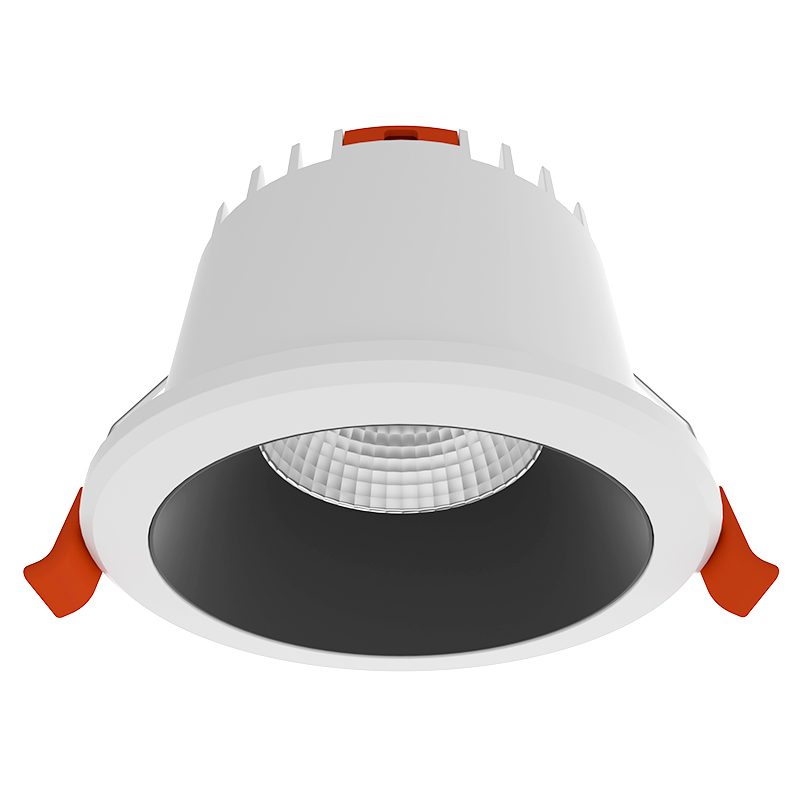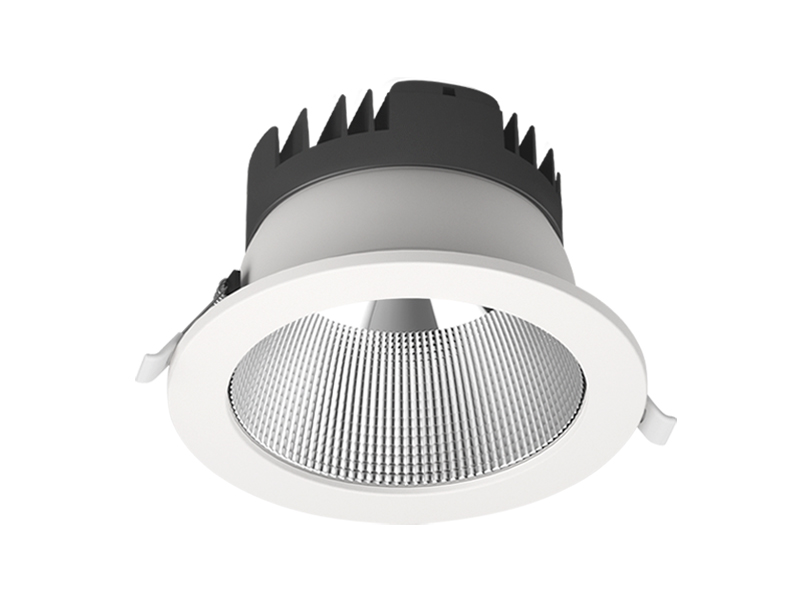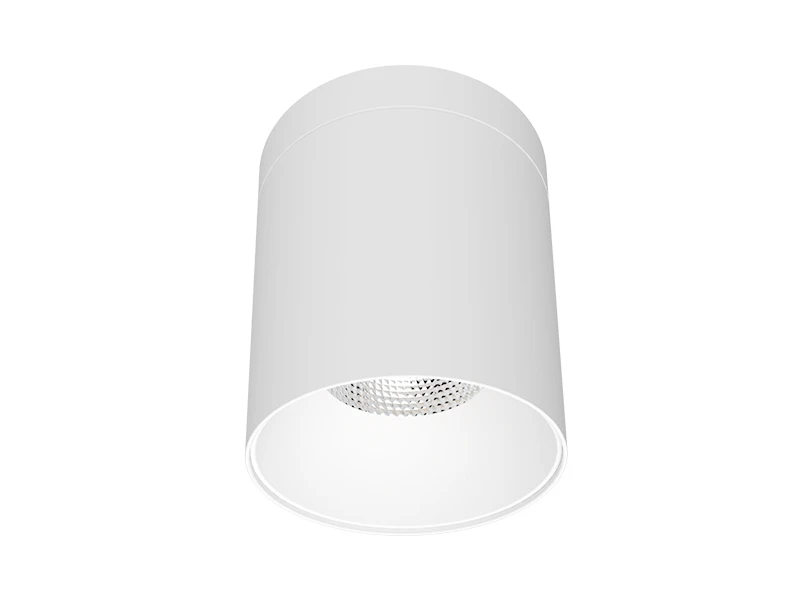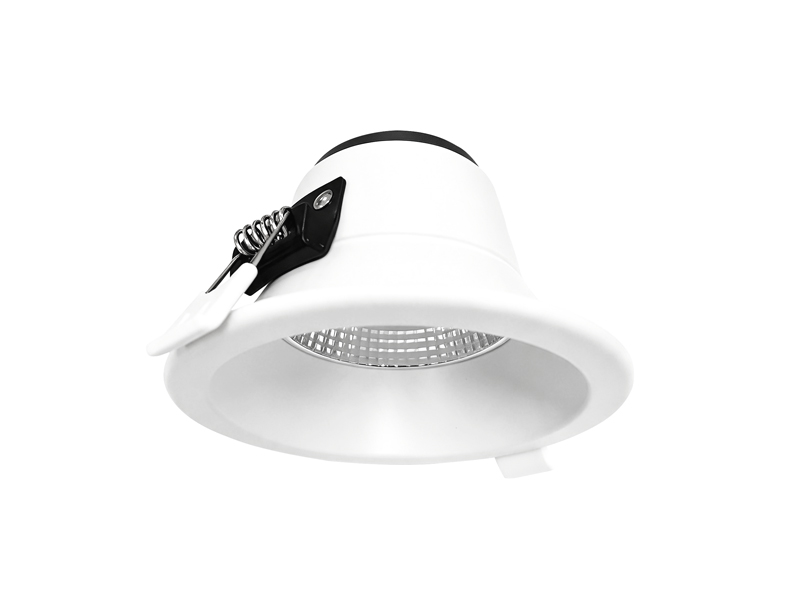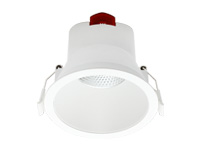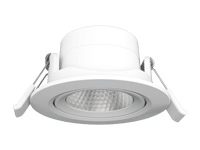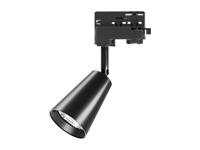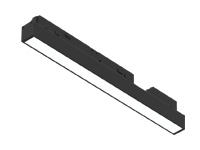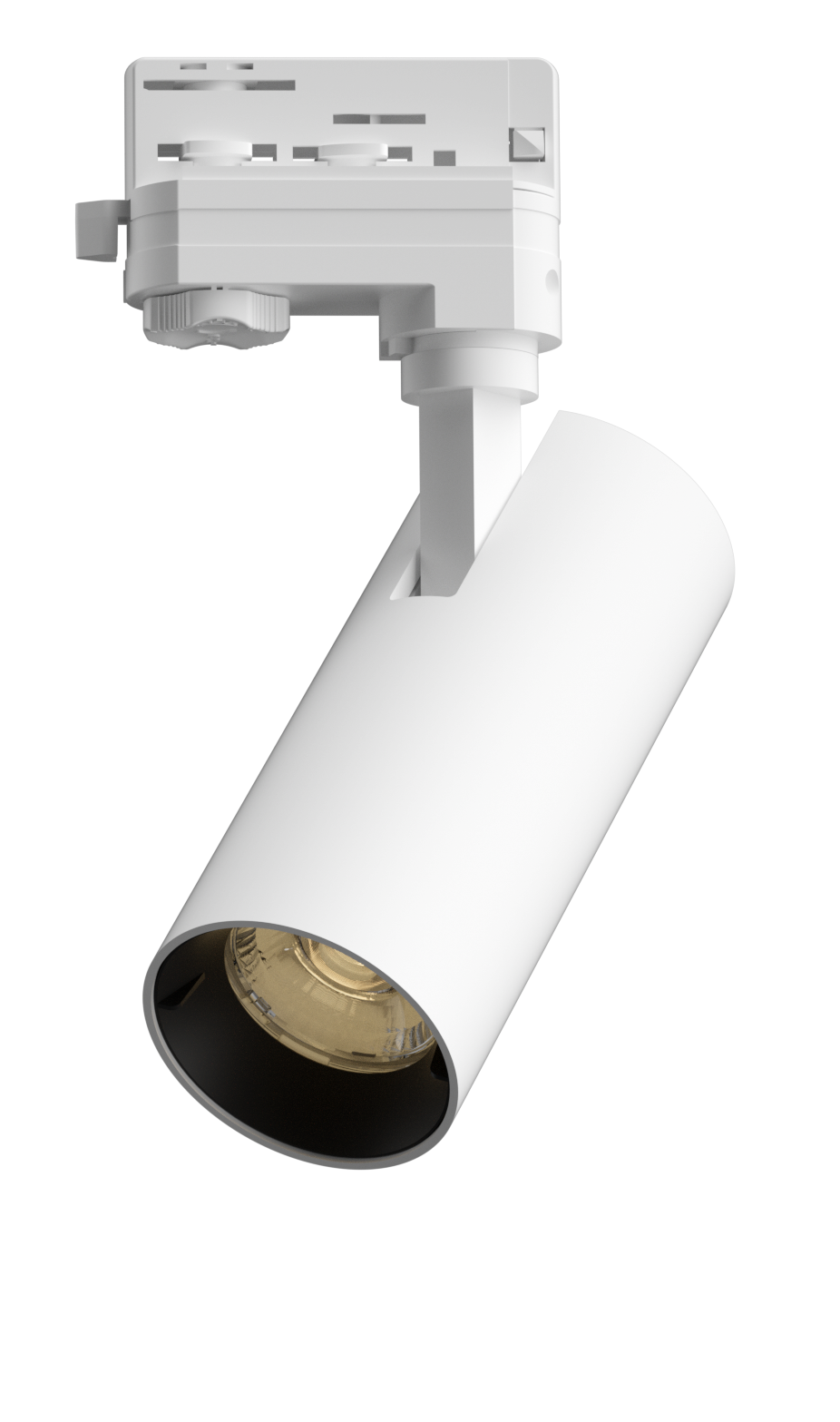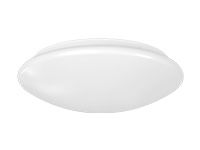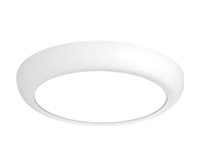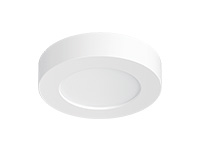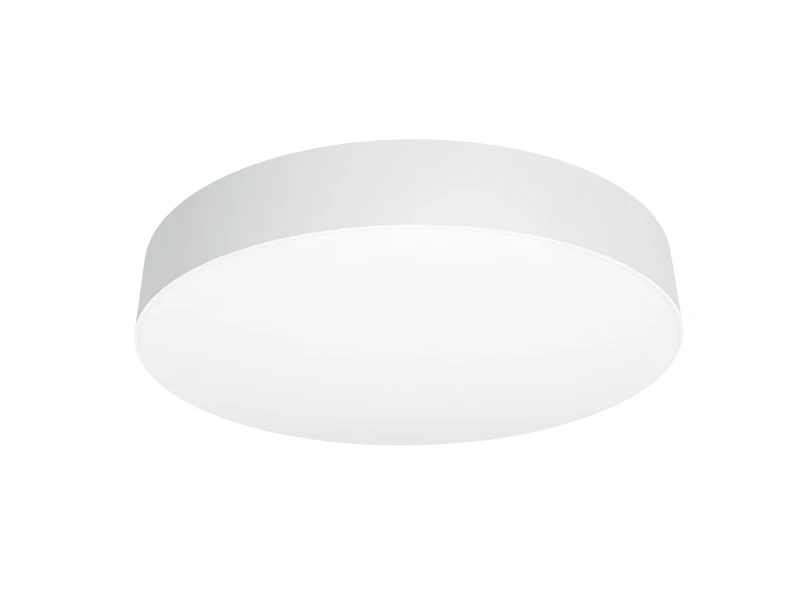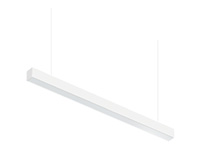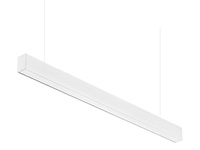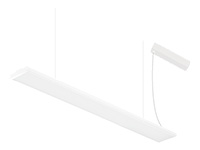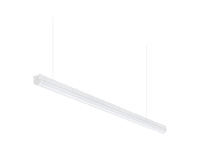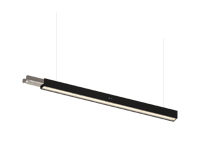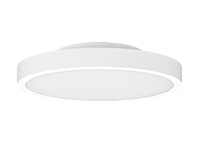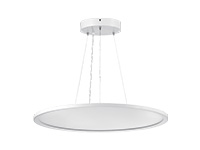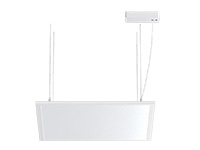

Choosing an Industrial emergency light requires checking the conditions at its actual installation location. At IMIGY Lighting, our Guard Fit Emergency Downlight and Voyager Emergency Blade Exit Sign have different documented protection ratings and functions. Guard Fit provides emergency illumination with IP65 protection, while Voyager provides exit identification with an IP20 rating. These distinctions matter more than applying one general industrial label to both products.
Factory selection should describe the conditions at the actual mounting point rather than treating the entire building as one environment. Dust, moisture, temperature and the intended emergency task can differ between an enclosed office, a circulation area and a production space. Our Guard and Voyager products have specific published characteristics, but those characteristics do not establish suitability for every industrial location. Use the location requirements to decide which documented product can be considered.
Check function, environmental exposure and operating conditions separately. A factory may contain locations with different requirements, so neither fitting should be assigned across the building without reviewing its intended position.
Record whether the fitting is intended for an enclosed indoor area, a location exposed to dust or moisture, or an area with additional hazards. The cited product information does not establish hazardous-area or explosion-protection suitability.
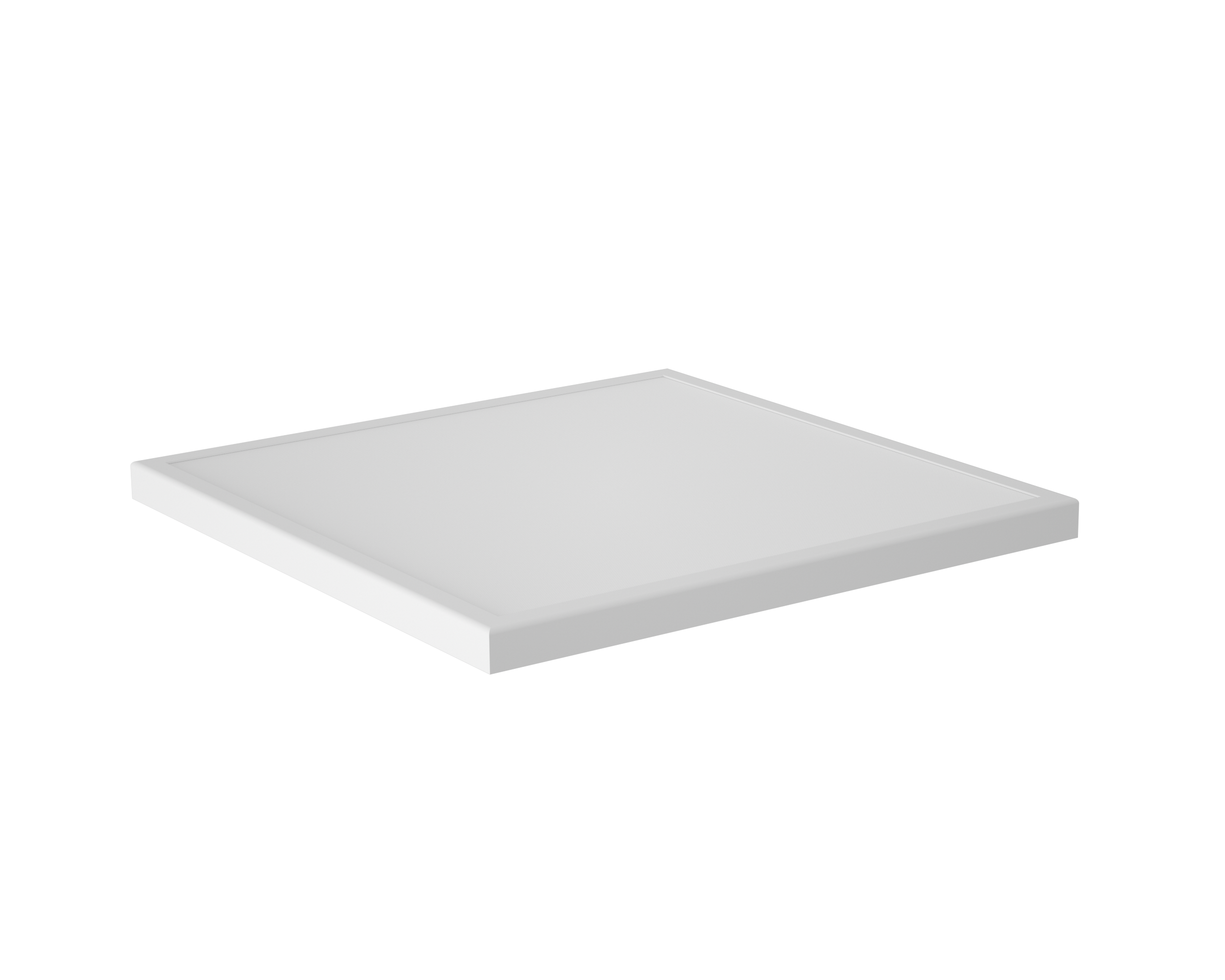
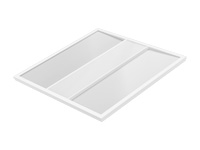
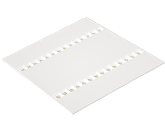
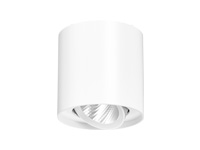
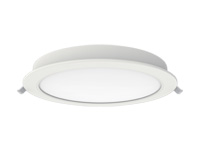
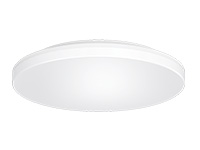
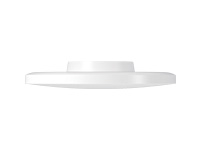
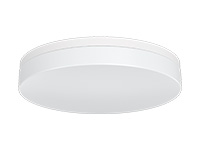
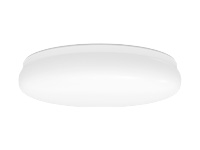
Whether the brief uses Box type emergency light, Panel emergency light or Fit type emergency light, confirm the actual product format. A Blade type emergency light used for exit identification should not be confused with an emergency downlight.
Map the areas where emergency illumination is needed and the points requiring an exit sign. Then record the conditions at each mounting location. A protected interior position and an exposed production position should not share one abbreviated environmental description simply because they belong to the same factory.
Compare the published temperature and protection entries with those conditions. Keep any additional requirement visible if the supplied data does not address it. A general product category cannot replace evidence for an unusual exposure, mechanical condition or specialised installation requirement.
Also describe the maintenance access available around the fitting. The chosen mounting arrangement needs to suit the actual construction and the way the location can be reached. Do not select an emergency product solely from its external size or the highest output listed in a family description.
Where the factory plan contains locations with additional requirements, describe those requirements explicitly before selecting the emergency product. The supplied model information should be compared with the actual condition, not expanded by assumption. An industrial label on the enquiry does not establish a particular specialised capability.
Keep the distinction between a protected mounting point and its surrounding room. A room description may be broad, while the proposed position has a specific exposure or access condition. Record enough detail to make that difference visible to the team evaluating the fitting.
If the production arrangement changes, revisit the affected locations. New equipment, partitions or changed routes may alter the intended emergency task or the conditions around the mounting point. Retain the earlier selection only where its basis still applies. This makes the location schedule a working reference for the project rather than a product list detached from the factory’s actual arrangement.
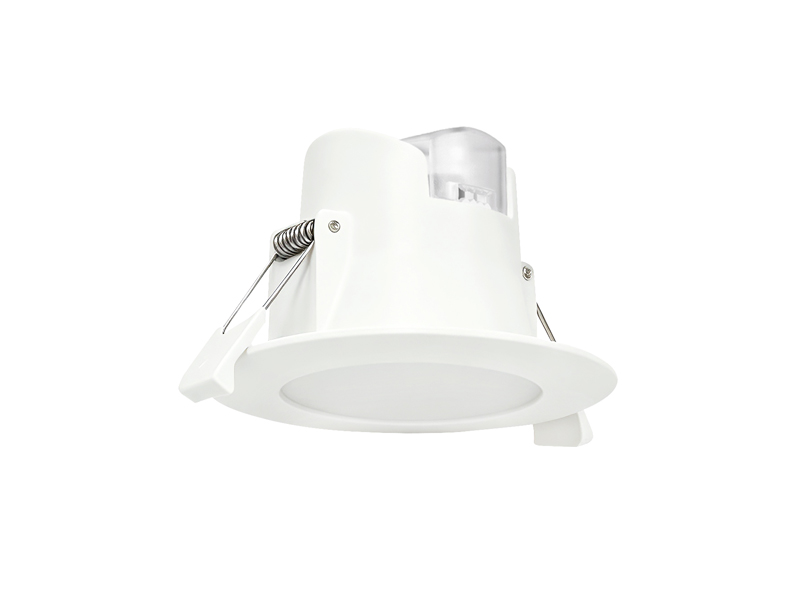
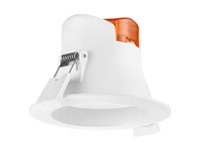
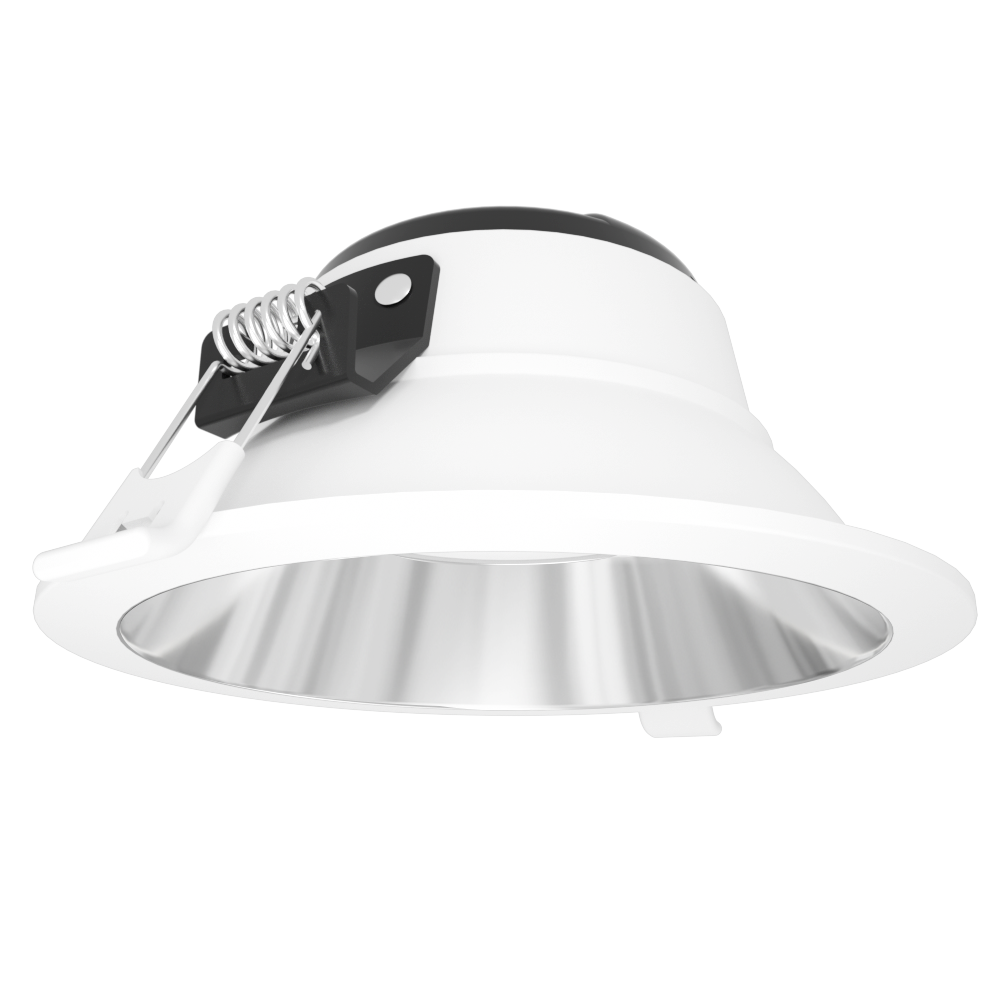
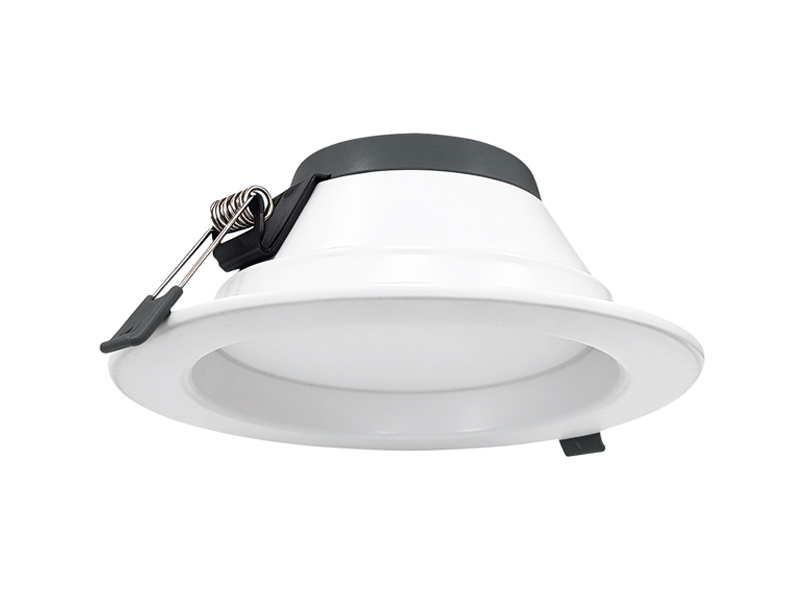
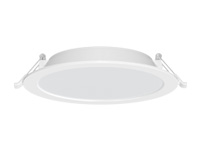
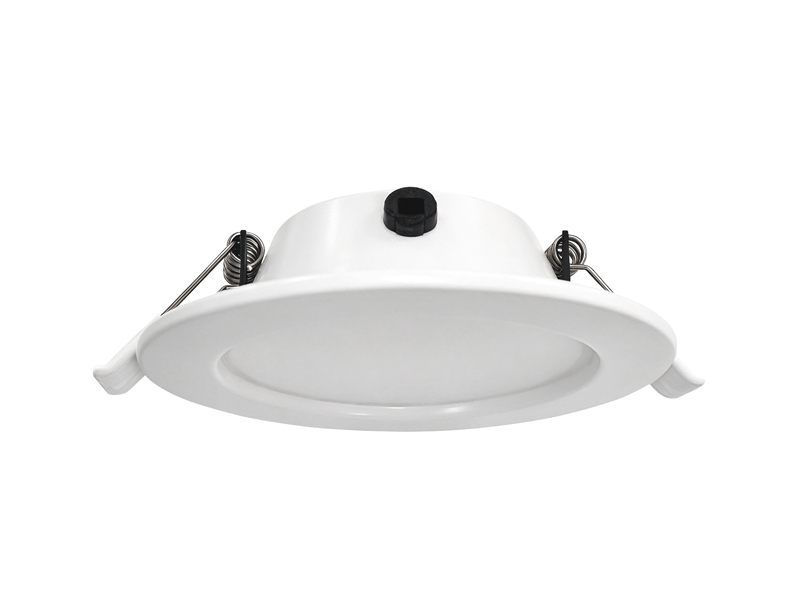
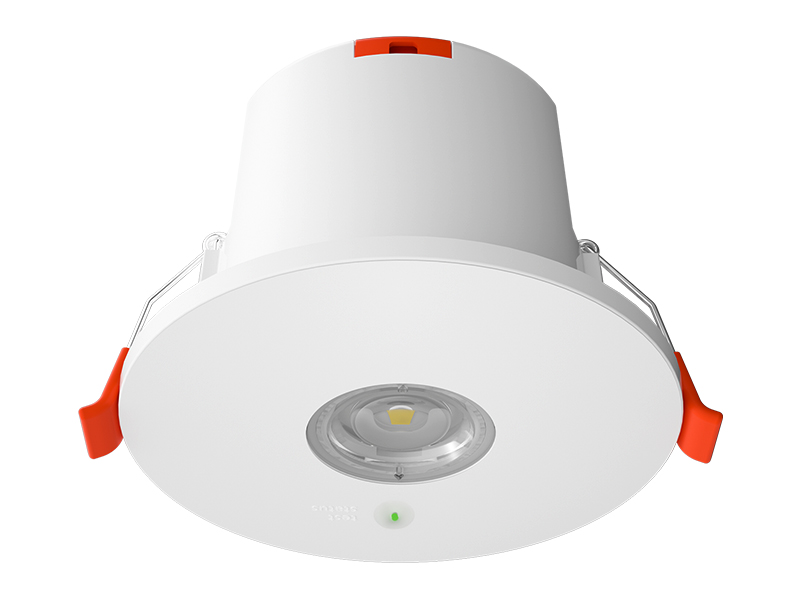
Our Guard Fit Emergency Downlight combines a modular design with interchangeable round and oval lenses. Its stated protection rating and operating-temperature range provide information for assessing the proposed location.
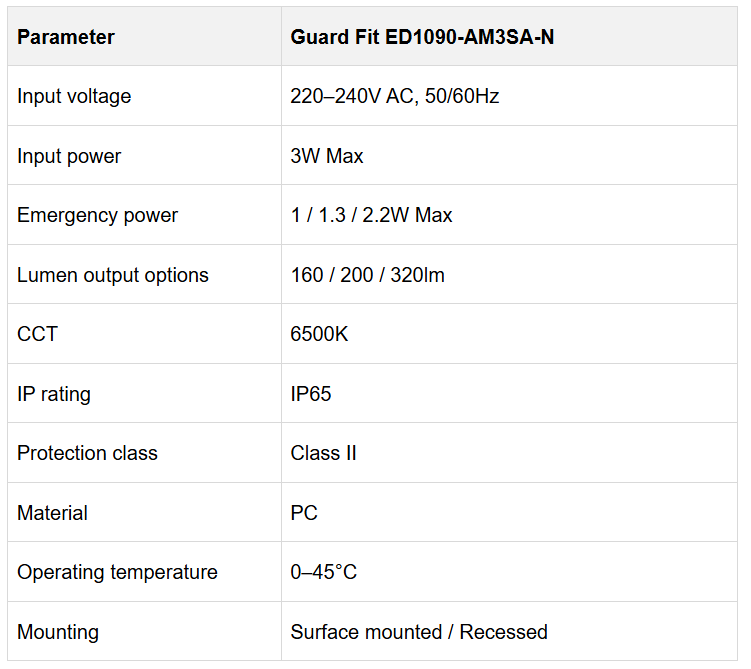
Guard Fit’s listed IP65 protection can be reviewed against the proposed location, while its documented operating temperature range remains a separate condition. Its optical configurations address different illumination areas. Keep the selected output and lens arrangement together when discussing the product, rather than describing all listed options as one fixed configuration.

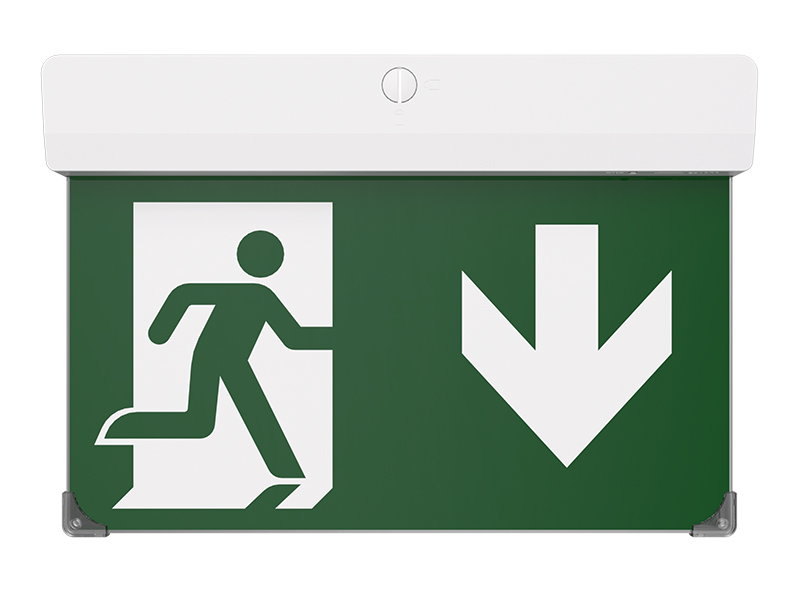
Our Voyager Emergency Blade Exit Sign offers a PC housing, PET legend and several mounting arrangements. Its IP20 rating should be retained when reviewing the intended factory position rather than replaced by Guard Fit’s rating.
Voyager’s IP20 entry is different from Guard’s and should remain explicit in the schedule. Its blade-sign role concerns route recognition, not general emergency illumination. Review its position, environmental conditions and viewing direction together. Do not transfer Guard’s protection rating to Voyager because the two products appear in the same emergency-lighting proposal.
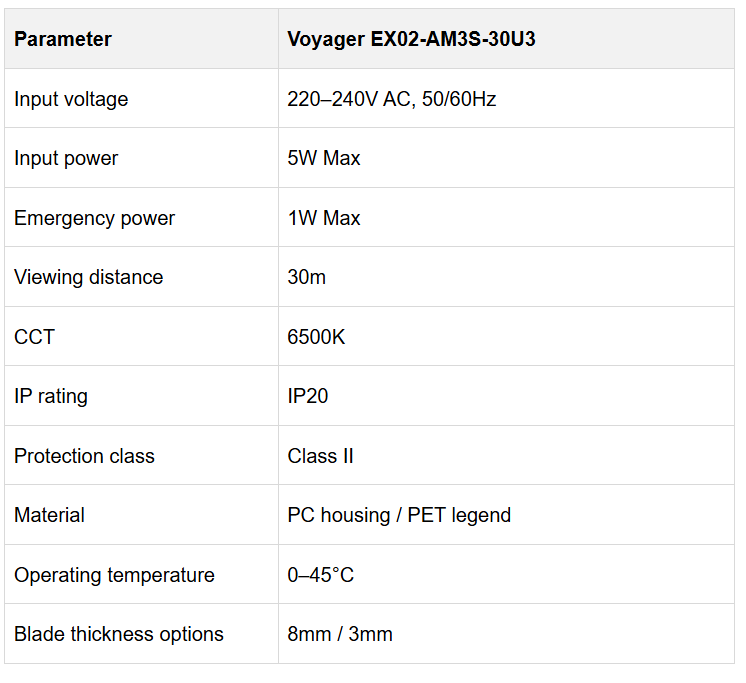

At IMIGY Lighting, we recommend recording the conditions for every proposed location rather than specifying one product for the entire factory. Review Guard Fit for the required emergency-illumination role and Voyager for exit identification, then confirm the selected configuration against the project requirements.
Neither an IP rating nor a mounting option establishes suitability for every industrial environment. Where conditions extend beyond the documented information, obtain the relevant confirmation before final selection.
Prepare a location schedule with function, environmental conditions and proposed model in separate fields. Mark any requirement not covered by the available data so it can be resolved before selection is finalised. If a fitting moves to a different factory area, review the new conditions rather than carrying the original approval across automatically.
At IMIGY Lighting, we recommend discussing Guard illumination and Voyager signage against this location-specific information. Provide the route plan, mounting surface and expected exposure conditions. The resulting comparison can then explain why a product is being considered for a particular point without presenting either model as a universal solution for every factory environment.
Keep environmental information attached to the mounting point. When the fitting moves, reassess that location and the intended emergency task instead of treating the earlier selection as approval for every position within the same building.
Q: Does Guard Fit’s IP65 rating establish suitability for every factory environment?
A: No. The product information does not establish suitability for every exposure or hazard. Review the actual location and the documented operating conditions.
Q: Can Voyager be described as IP65 because it is paired with Guard Fit?
A: No. Voyager’s screenshot states IP20. The two products retain their own ratings regardless of whether they appear in the same project.
Q: Do these product screenshots confirm explosion-protection suitability?
A: No such confirmation is provided in the cited material. Do not infer it from the industrial application keyword, IP rating or product appearance.
Q: Can one protection rating establish suitability for every part of an industrial building?
A: No. Compare the product data with the conditions at each proposed position and identify any requirement the data does not cover. Location, intended task and installation arrangement all remain part of the selection review.
It is recommended that you upgrade the latest browser
 Chrome
 Firefox
 Edge