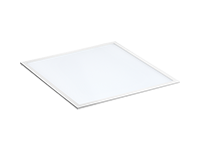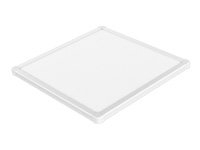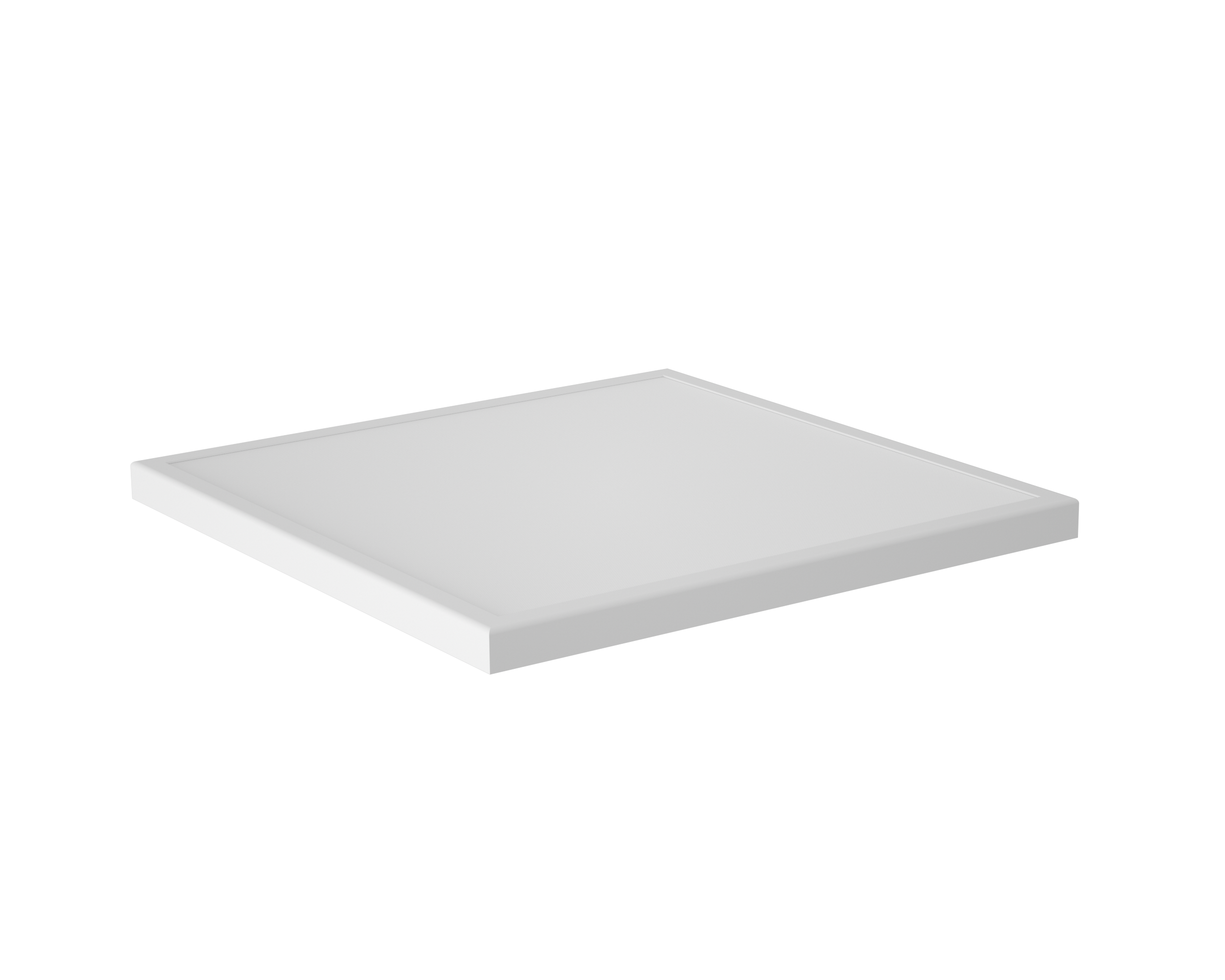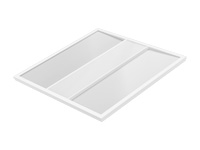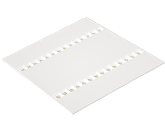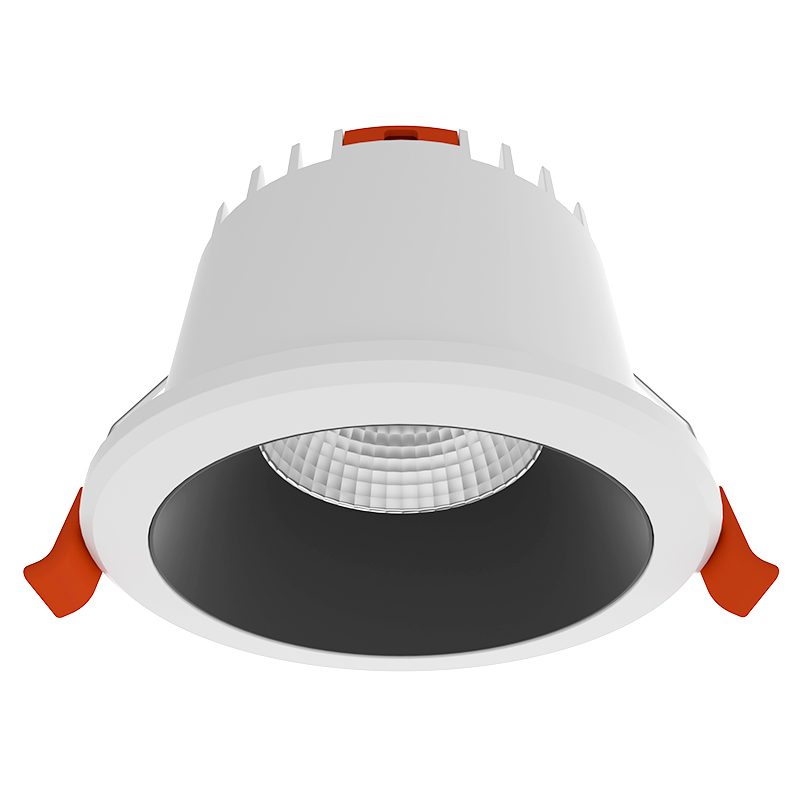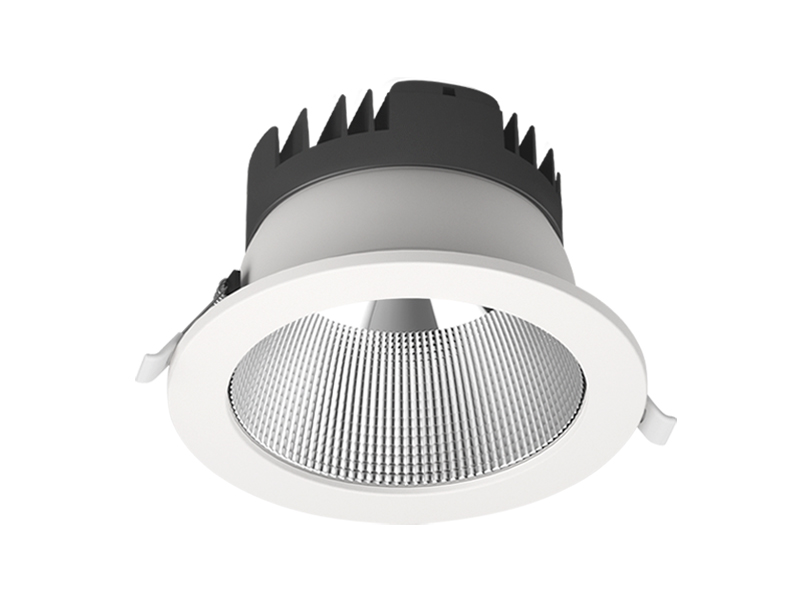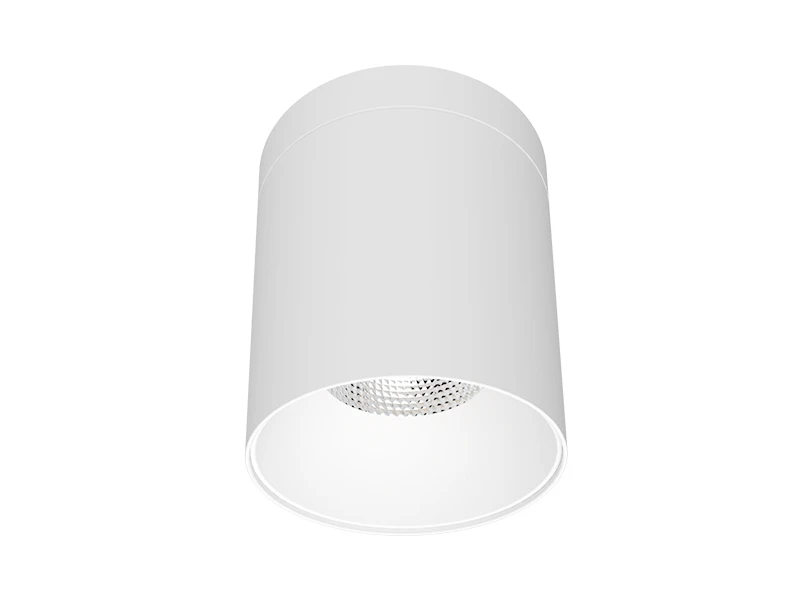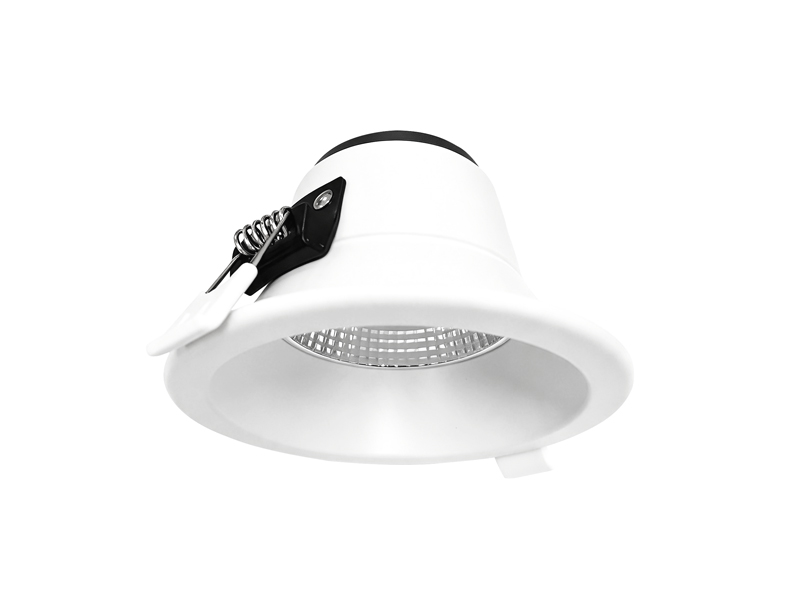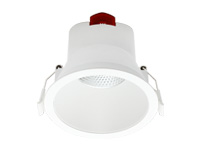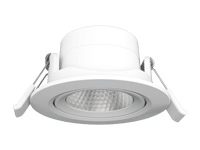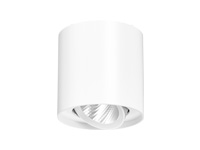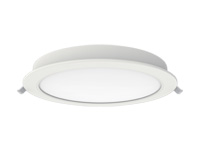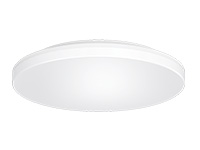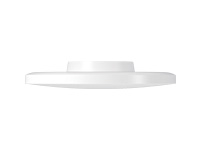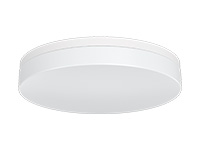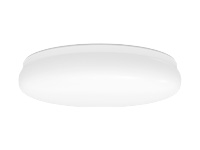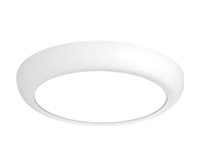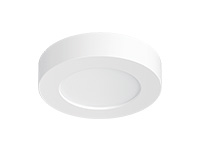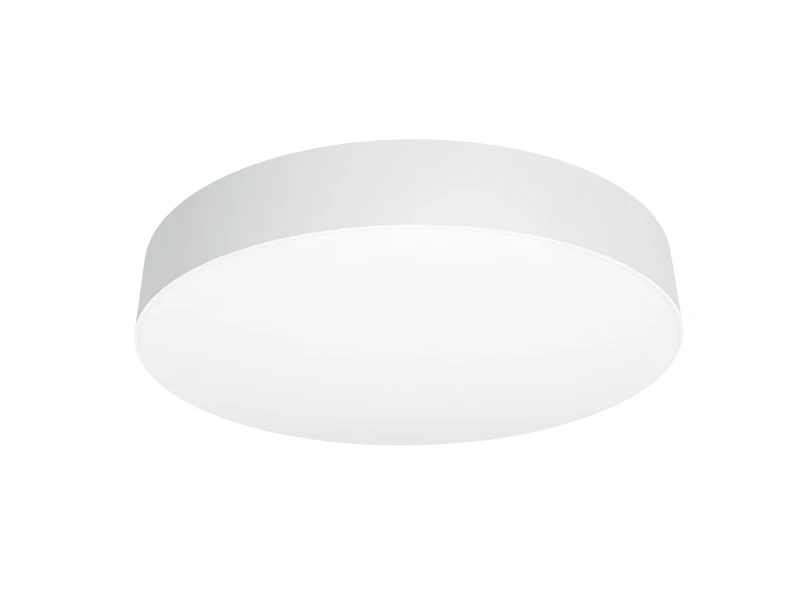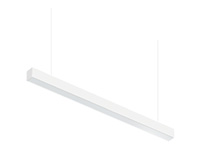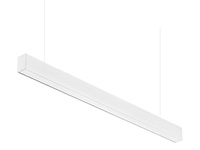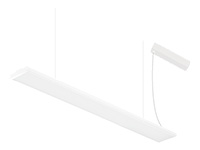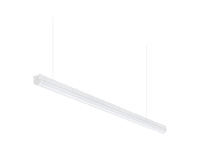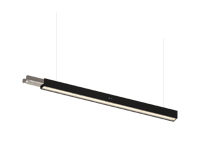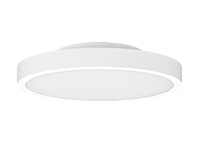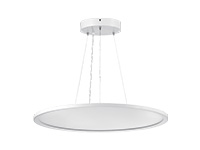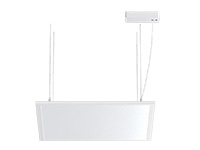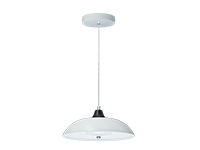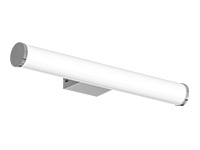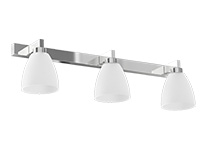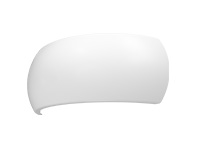

Choosing a Square ceiling light involves more than matching a ceiling pattern. Check the available mounting position, fitting dimensions and installation method before comparing lighting features. At IMIGY Lighting, our Bean Ceiling Lights and Rainbow Ceiling Lights offer different approaches: Bean provides rounded backlit fittings, while Rainbow includes documented square versions. If a square appearance is essential, Rainbow is the relevant choice within this pairing.
A ceiling plan can look balanced on paper and still leave a fitting too close to a cupboard, an existing opening or a suspended feature. Our starting point is therefore the usable ceiling area, not a repeated grid of symbols. Bean and Rainbow are useful alternatives to compare because they answer different physical requirements. Establish whether the square face is essential, then decide which installation route the room actually permits. This keeps the visual brief connected to a product that can be installed as intended.
Start with shape and dimensions, then confirm mounting conditions and lighting requirements. Bean offers an alternative when a rounded fitting suits the layout. Rainbow provides square configurations and multiple mounting options.
For an Office ceiling light, mark the intended fitting positions against the furniture arrangement and available ceiling space. Check whether the project requires surface mounting or an existing recessed opening.
Do not let the product keyword replace configuration checks. A Microwave sensor ceiling light requirement needs a confirmed sensor version, while a Dali ceiling light requirement needs separate control verification. Neither should be assumed from the fitting’s shape.
Draw the fitting outline at its actual size on the reflected ceiling plan. Compare its edges with ceiling joints, access panels and adjacent fittings. In a narrow room, the position of the visible face may matter more than aligning every centre point with a decorative grid. Record which alignment is important to the design before choosing the model.
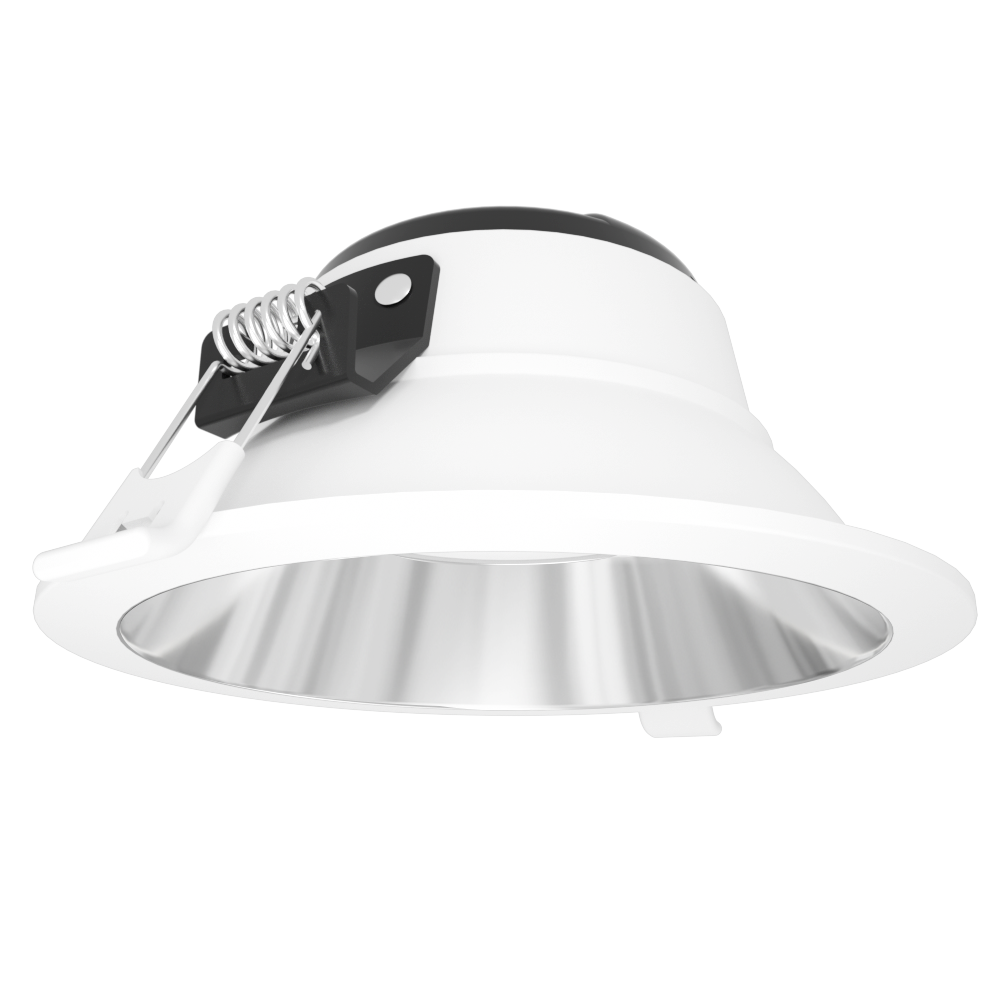
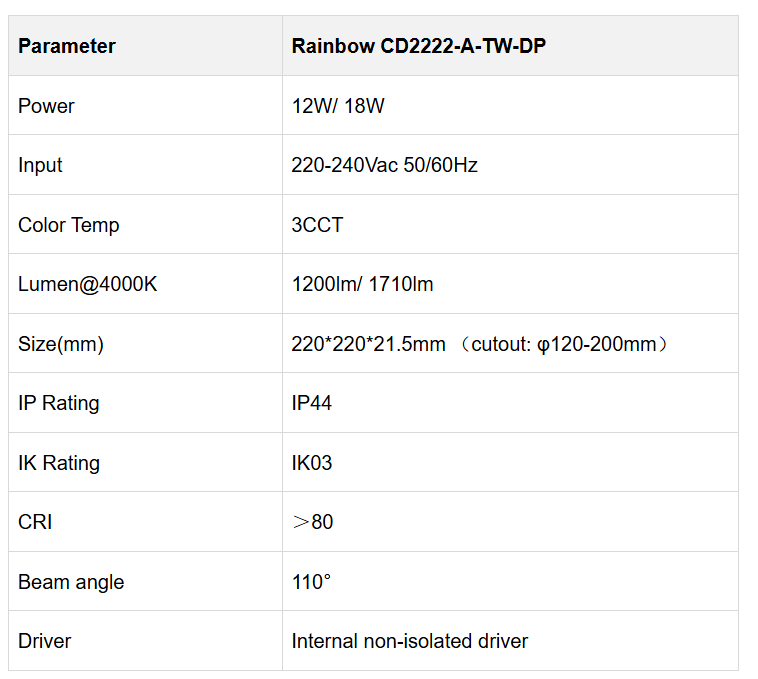
For a refurbishment, measure the existing opening separately. The Rainbow example has a square outside face but a circular adjustable cutout range. That distinction allows the face geometry and the mounting opening to be assessed independently. Do not enlarge an opening simply to imitate the shape of the front cover.
Then consider the surface being illuminated. A layout above circulation space is a different task from lighting a desk or a meeting table. Explain the intended use of each area and retain that information beside the model code. The room outline alone cannot determine the output or the number of fittings required.
Separate the room’s visual requirements into essentials and preferences. A strict square-face requirement directs this pairing toward Rainbow; a preference for a compact appearance still needs the actual dimensions to be compared. This distinction avoids excluding a suitable physical alternative for the wrong reason, while also preventing a rounded product from being offered against a mandatory square specification.
For a room with an existing ceiling opening, include a photograph and measurements in the enquiry. Identify whether the proposed face is intended to cover the previous opening or sit at a new position. Keep the opening condition separate from the surrounding finish so both can be reviewed. If several rooms have different openings, retain those differences in the schedule instead of repeating one typical dimension throughout. The final selection should make the intended shape, fitting location and mounting route clear to everyone using the plan.
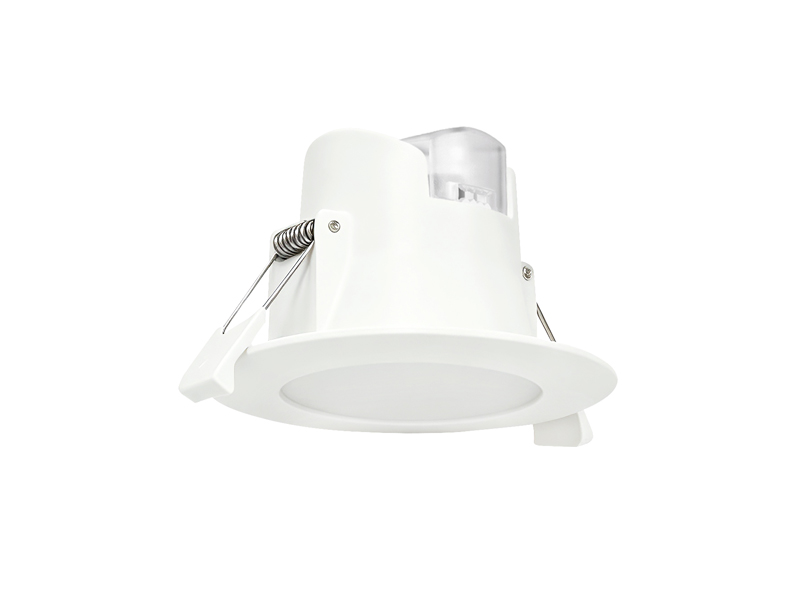
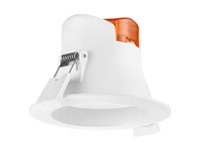
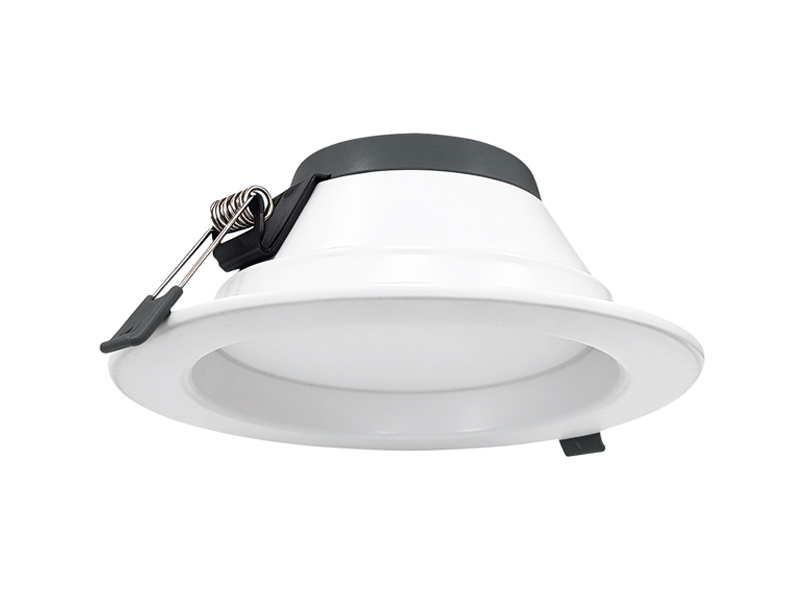
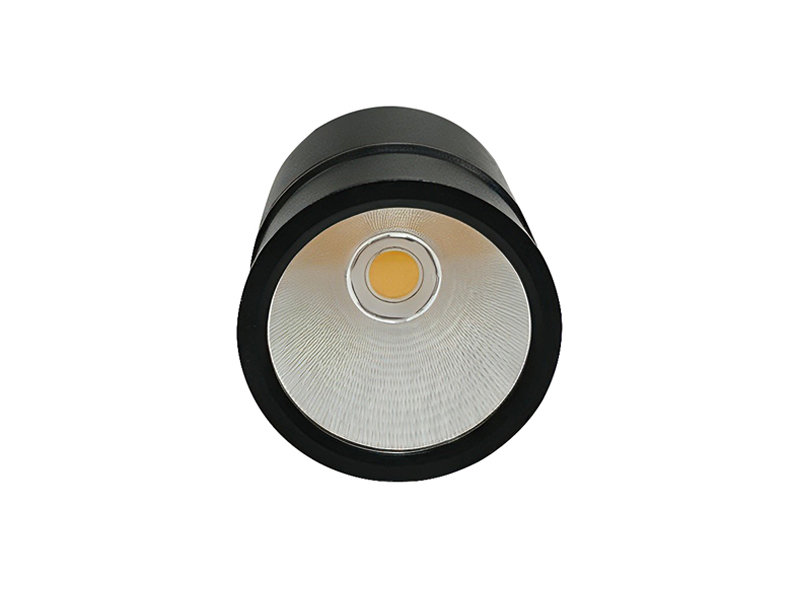
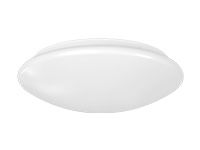
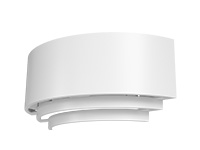
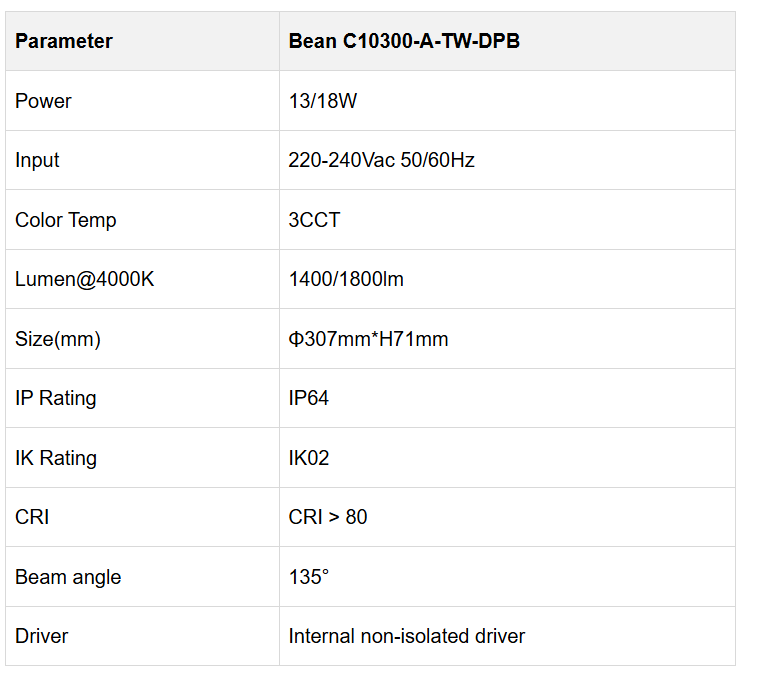
Our Bean Ceiling Lights combine a backlit design with a PMMA cover and metal plate. When the room does not require a square fitting, Bean offers a rounded option with surface or wall mounting.
The selected Bean model gives you a defined diameter and projection to compare with the room. Its round cover can provide a deliberate alternative where the interior already contains square ceiling panels. Use that option only where the design allows a rounded fitting. A different visual rhythm is a design choice, rather than a reason to describe Bean as a square product.
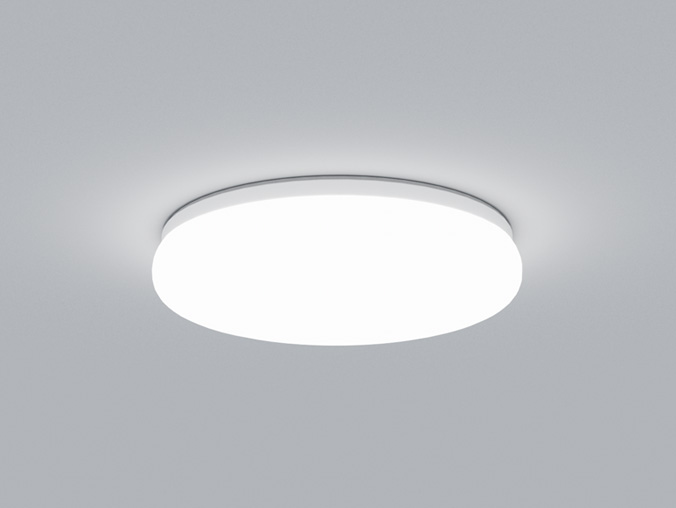
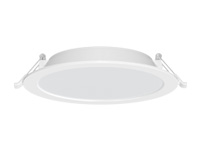
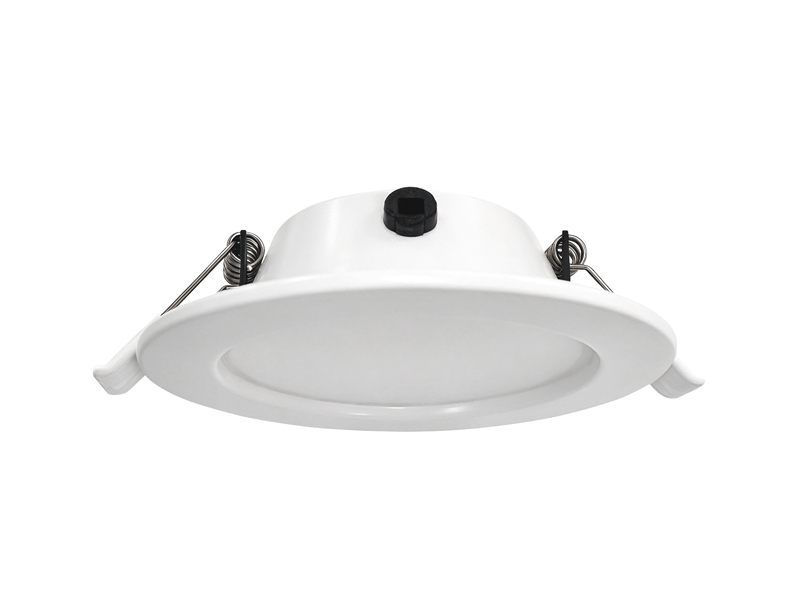
Our Rainbow Ceiling Lights include square versions, with surface, recessed and wall mounting options. For recessed selection, check the stated opening separately from the fitting’s outside dimensions.
For Rainbow, keep the outside face, body height and permitted cutout as separate schedule entries. Confirm the accessories for the chosen mounting arrangement before finalising the ceiling detail. The listed power settings also need to remain paired with their corresponding output values. A face that physically fits the room still needs a lighting configuration suited to the area beneath it.

A Commercial ceiling light should match both the visual layout and the installation conditions. Choose Rainbow when a documented square format is required. Consider Bean when a rounded backlit fitting better matches the intended appearance.
At IMIGY Lighting, we recommend checking the exact model before finalising positions. Confirm dimensions, mounting accessories and the lighting configuration together, so an attractive ceiling arrangement also has a clear installation basis.
Before repeating a fitting across the plan, examine one representative location and any positions with different constraints. Check the relationship between the visible face, nearby surfaces and the intended mounting point. Where an existing opening is reused, include its measured condition in that review.
Send us the ceiling plan, the required face shape and your installation intention together. We can discuss the Bean alternative or the Rainbow square configuration against a clear brief. Keep any requested sensing or central control function as a separate configuration item so the selected shape is not mistaken for evidence of those capabilities.
Keep the measured opening and preferred face alignment visible together when reviewing any proposed change to the selected fitting or position.
Q: Does a square fitting require a square recessed opening?
A: Not necessarily. The selected Rainbow sheet specifies square outside dimensions with a circular cutout range. Check the exact model rather than inferring the opening from its face shape.
Q: Should Bean be specified when the project strictly requires square fittings?
A: The referenced Bean documentation describes a rounded fitting. Rainbow provides the documented square option in this pairing, so it is the appropriate starting point for that requirement.
Q: Can dimensions alone determine whether the lighting layout is suitable?
A: No. Dimensions establish physical fit, while lighting requirements and mounting conditions remain separate checks. Final selection should consider all of these together.
Q: Should the outer edge or the centre of a square fitting follow the ceiling grid?
A: That depends on the design intention and installation constraints. Identify the alignment that matters visually, then check the complete fitting
It is recommended that you upgrade the latest browser
 Chrome
 Firefox
 Edge