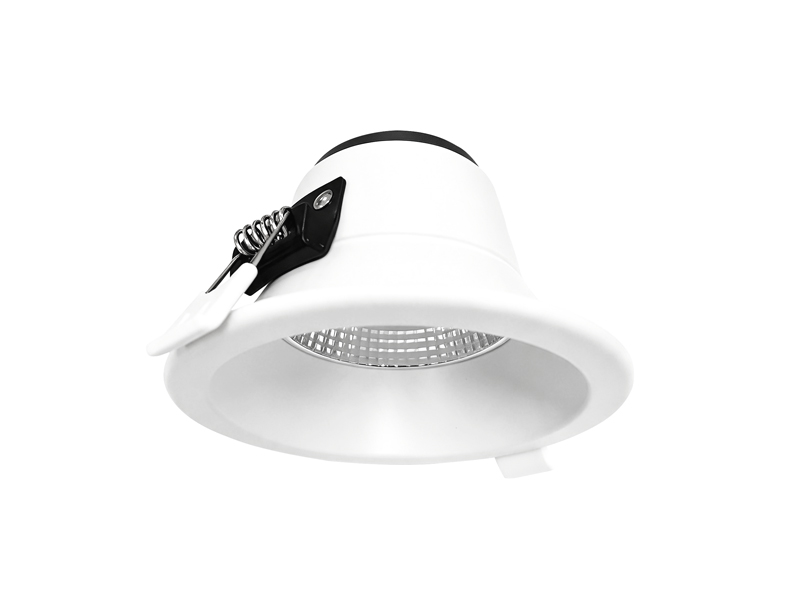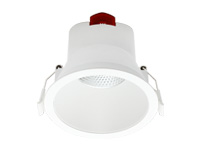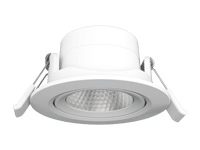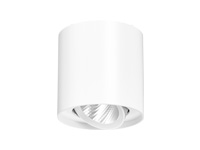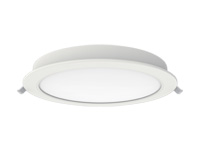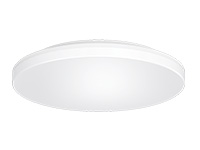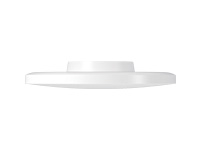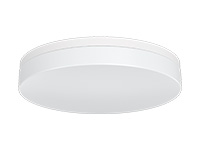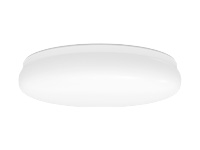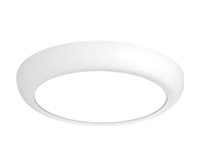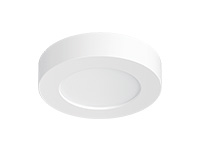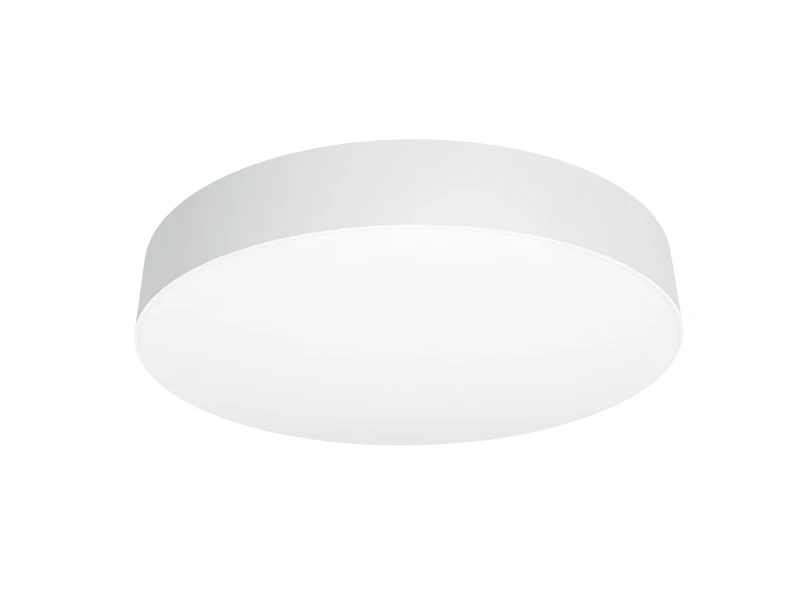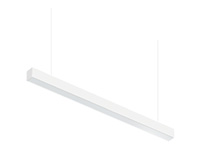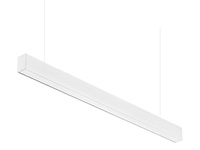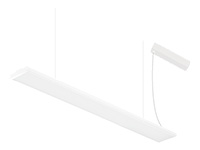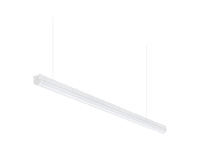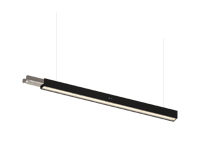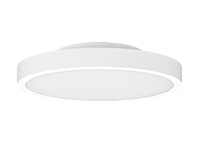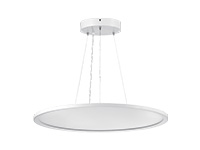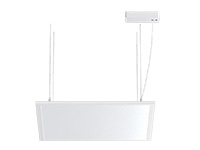

When a Microwave sensor ceiling light activates more often than expected, start by confirming the installed configuration and recording when the problem occurs. At IMIGY Lighting, our Sofing Ceiling Lights and Gloria Ceiling Lights ranges support microwave sensing in selected configurations. However, the correct adjustment method depends on the actual sensor supplied. Before changing controls, identify the fitting, confirm its sensor instructions and distinguish repeated activation from continuous illumination. This gives the adjustment process a clear starting point.
Repeated switching is easier to investigate when it is linked to a recorded event. Note whether the light responds while the intended area is occupied, when someone passes nearby or when the area appears empty. Our Sofing and Gloria selections provide documented lighting and microwave-related options, but the available sheets do not give a universal set of sensor adjustment values. Begin with the selected sensor configuration and the actual location before deciding which setting needs attention.
Confirm the sensor configuration rather than relying on the product family name. Record the location, nearby activity and lighting behaviour before requesting adjustments. Our Sofing range offers selected edge-lit configurations, while Gloria provides round and square options with documented protection ratings.
Record whether the light switches on repeatedly, remains illuminated or activates during particular activities. Note the installation position and whether the behaviour occurs at entrances, circulation areas or within the occupied space.
Provide these observations together with the luminaire and sensor identification. The Sofing and Gloria product sheets confirm microwave support but do not specify adjustment ranges, control positions or setting procedures. Use the instructions for the fitted sensor before making changes; avoid transferring settings from another installation without checking compatibility.
Observe the installation over a normal period of use and record the sequence surrounding an unwanted trigger. Include the fitting position, intended detection area and any movement you can identify. A description such as “switches too often” is less useful than a record of when the behaviour occurs and what happens immediately beforehand.
Distinguish a repeated trigger from an unexpectedly long illuminated period. Those observations may lead to different configuration questions, but the product sheets do not establish a diagnostic procedure. Use the records to request the instructions for the actual sensor version rather than applying a setting from another installation.
Include the intended use pattern in the record. A fitting serving a busy passage is being asked to respond to a different activity from one in a room used only occasionally. That difference helps define the complaint: the issue may concern which movement should count, how the light is expected to behave after movement, or whether the actual configuration matches the original requirement.
Keep the sensor identification available when discussing the observation. If the installed version differs from the proposed version, resolve that mismatch before treating the behaviour as a settings problem. This keeps the adjustment discussion attached to the actual equipment and prevents an unexplained product change from being hidden behind repeated trial settings.
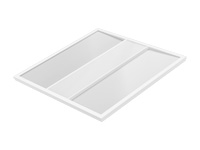
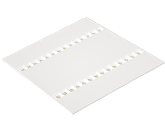
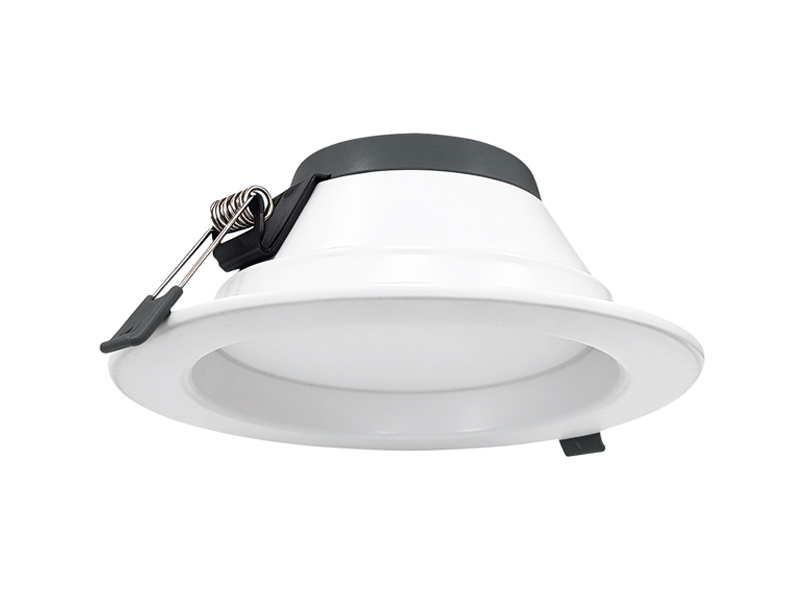
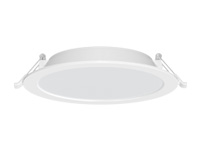
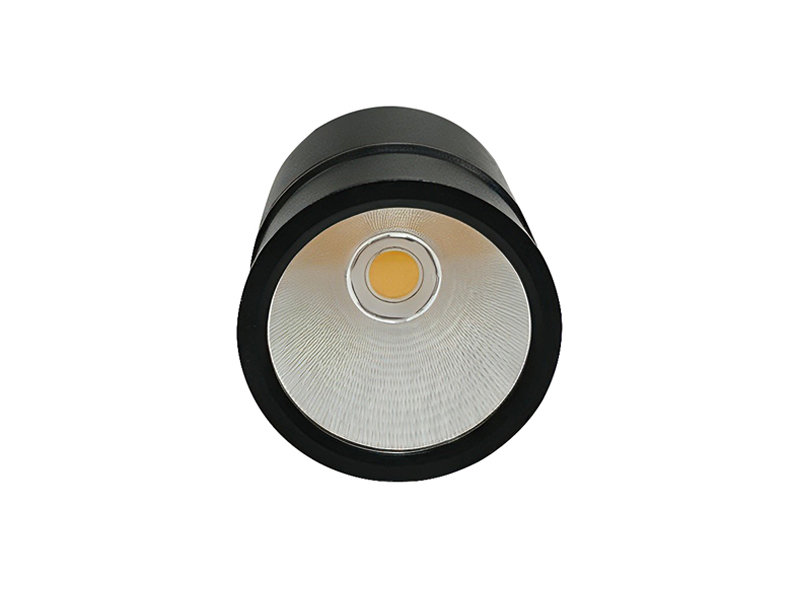
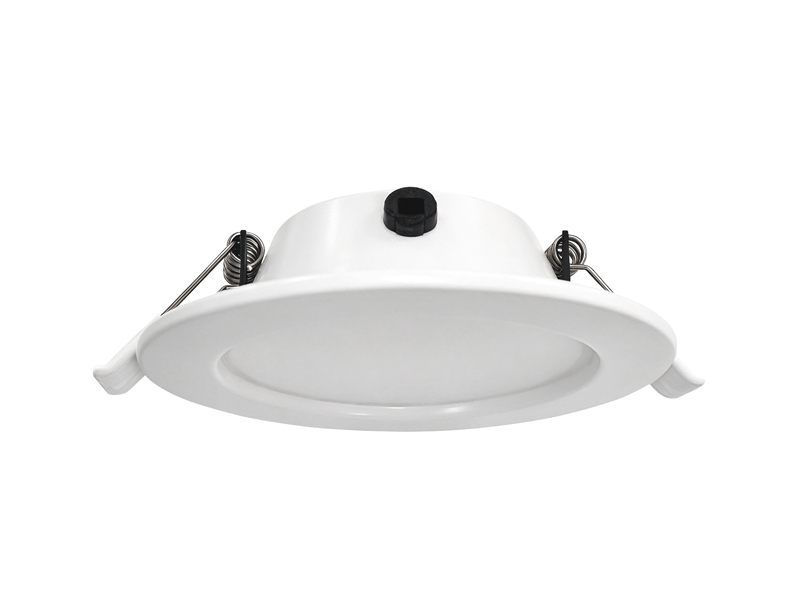
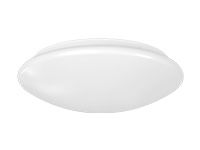
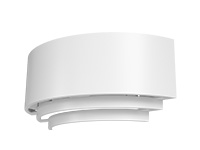
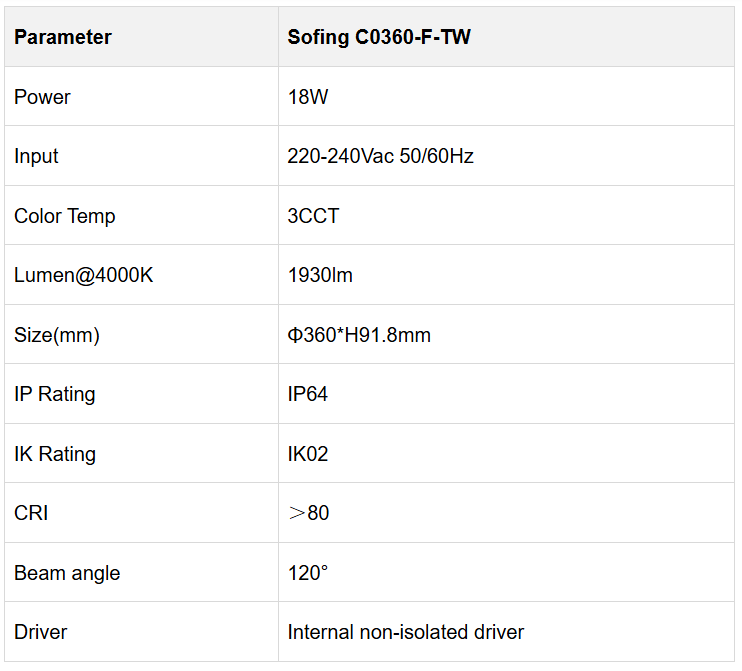
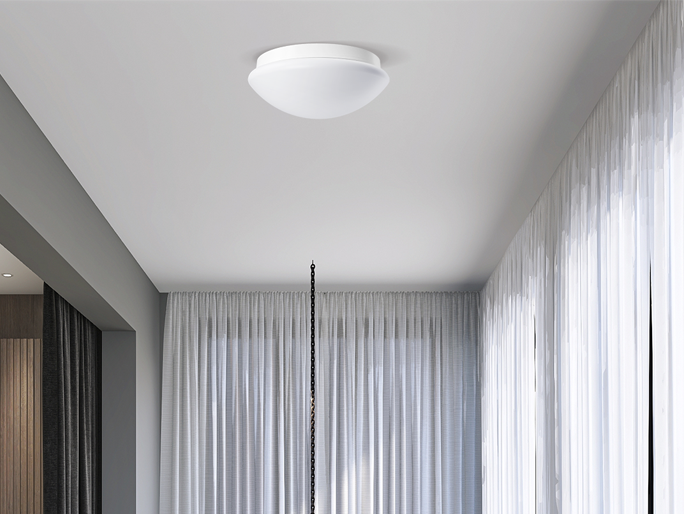
Our Sofing Ceiling Lights include selected configurations supporting microwave sensing. The 360-size range combines edge-lit illumination with mushroom or crown cover options and surface or wall mounting. For an Office ceiling light application, confirm the sensing configuration alongside the required light output and mounting arrangement.
For Sofing, retain the exact size and configuration when checking the sensor documentation. Different fittings within one family need not share every optical or functional detail. The selected model identifies the lighting product under discussion; the sensor version and its adjustment instructions still need to be matched to that selection before a change is made.
The table identifies a lighting configuration; it does not establish the sensor’s adjustment capabilities.
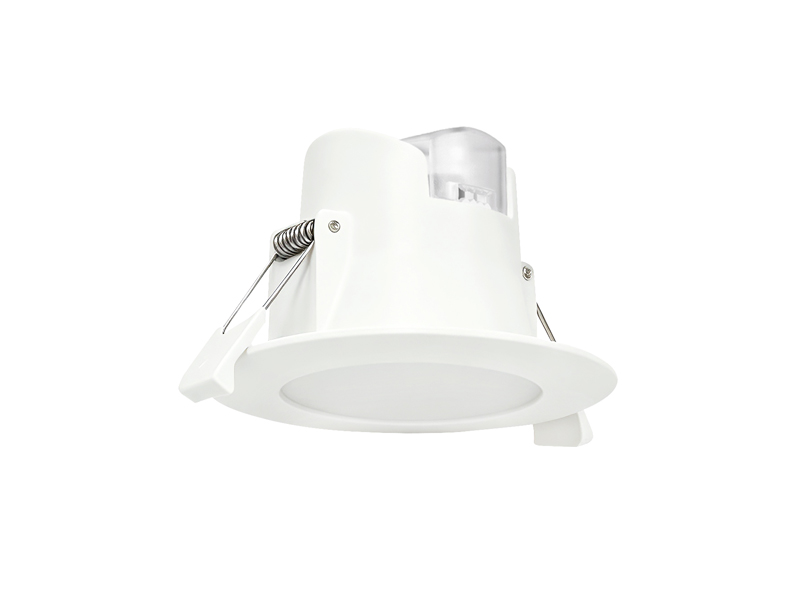
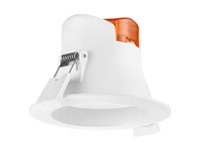
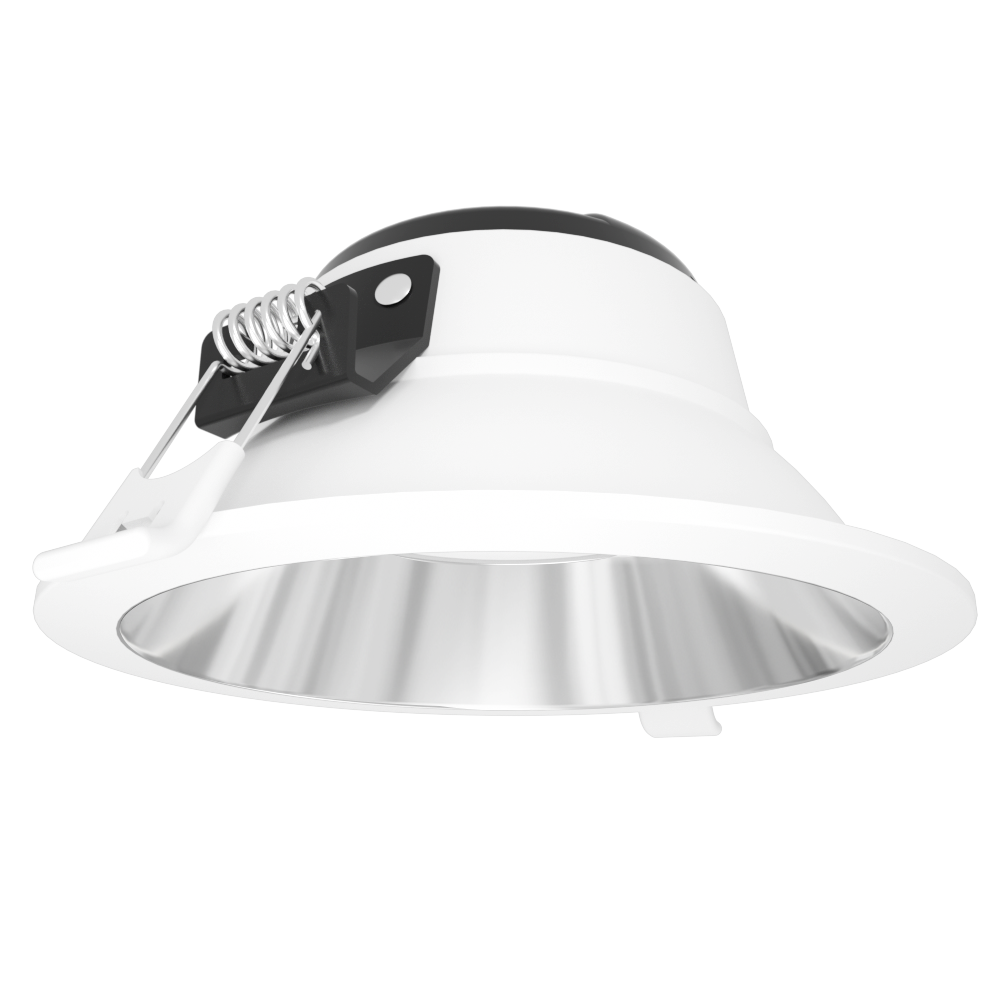
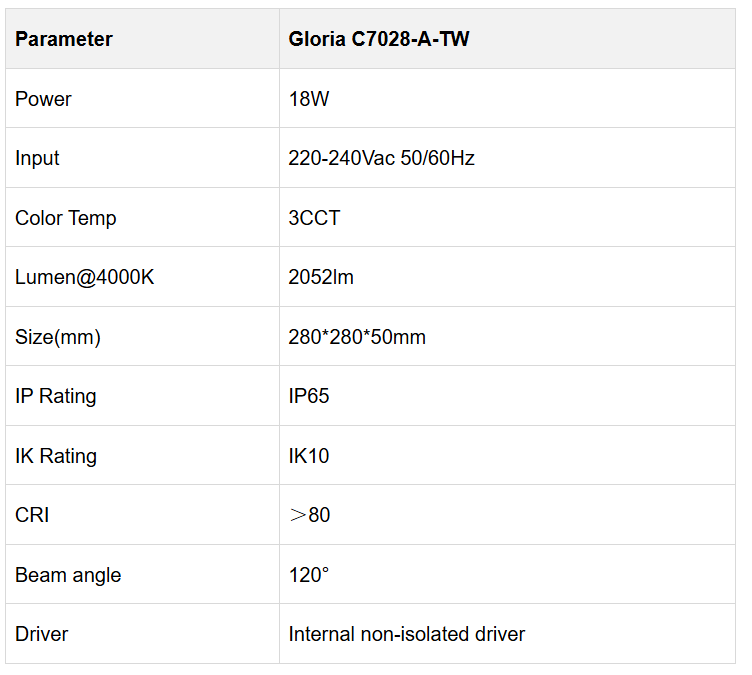
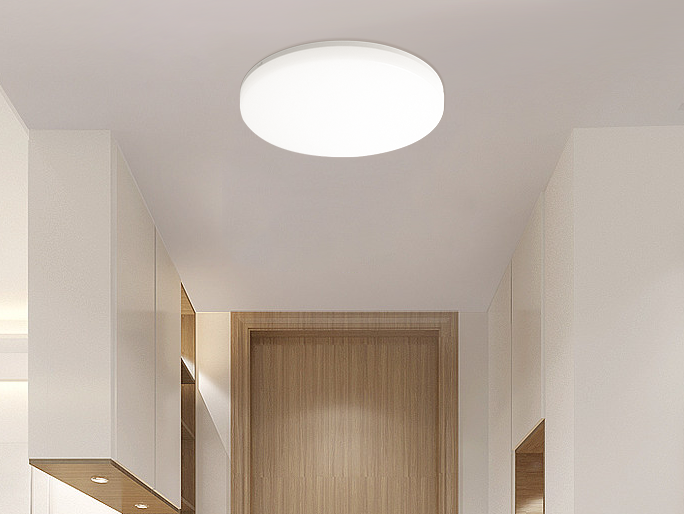
Our Gloria Ceiling Lights offer backlit illumination, microwave support and different cover shapes. When a Square ceiling light is required, the square Gloria configuration provides an alternative to the round design. Its protection ratings and selectable colour temperatures support product selection, while sensor settings require separate confirmation.
Gloria gives you a separate product choice with its own dimensions and listed protection values. Those physical characteristics do not determine detection behaviour. When comparing it with Sofing, keep the intended sensing area alongside the luminaire selection so a change of fitting is not mistaken for a confirmed change in sensor performance.
A Commercial ceiling light should be selected around the space, mounting conditions and required control functions. At IMIGY Lighting, we present Sofing and Gloria as different product choices rather than assuming that one configuration suits every location.
For repeated activation, establish the installed sensor version before requesting setting changes. Combine the product specification with a clear description of the observed behaviour, then use the applicable sensor instructions. This approach keeps troubleshooting connected to the equipment actually installed and avoids confusing lighting specifications with control capabilities.
After an authorised adjustment using the applicable instructions, review the same route or activity that produced the original complaint. Record what changed and whether normal occupied use is still served. Avoid changing several settings at once if that would make the result difficult to interpret.
At IMIGY Lighting, we recommend retaining the original observation, selected model and confirmed sensor information together. This gives the next discussion a traceable basis if the problem remains. It also prevents a useful adjustment at one location from becoming an unsupported standard for every Sofing or Gloria fitting in the building.
Use the applicable sensor instructions as the reference for any adjustment to the installed configuration.
Q: Does microwave support mean every Sofing and Gloria model has identical adjustable controls?
A: No. The available product sheets describe microwave support at the range level without identifying universal adjustment controls. Confirm the sensor supplied with the selected configuration before specifying or changing settings.
Q: Can a Dali ceiling light configuration be assumed from microwave sensing support?
A: A Dali ceiling light requires confirmation of the relevant driver, sensor and control arrangement. The available Sofing and Gloria sheets do not establish that compatibility, so microwave support alone should not be treated as confirmation.
Q: What information should be prepared when requesting help with repeated activation?
A: Provide the luminaire model, sensor identification, mounting position and a description of when activation occurs. Explain whether the fitting repeatedly switches on or simply stays illuminated, so the enquiry addresses the observed behaviour.
Q: Should I copy a setting that worked on another microwave-controlled fitting?
A: Only after confirming that the sensor version and installation conditions make it applicable. Keep the intended detection area and observed behaviour in view. A successful setting elsewhere does not establish the right value for this fitting.
It is recommended that you upgrade the latest browser
 Chrome
 Firefox
 Edge