
When a Rechargeable emergency light does not charge, the cause is usually a power supply, wiring, or battery condition issue rather than the light itself, so the fix is to check the input supply, the connections, and the charging cycle step by step. IMIGY Lighting presents the Voyager Blade type emergency light and the Guard Fit Emergency light fixture as dependable Rechargeable emergency light solutions that keep escape routes lit when power fails. The Voyager Blade type emergency light is a Rechargeable emergency light exit sign with a LiFePO4 battery that charges within 24 hours and provides backup for three hours or more. The Guard Fit Emergency light fixture is a compact downlight with LiFePO4 batteries in multiple capacities, delivering the same reliable charging and discharge backup. Both mount by ceiling, recessed, or surface and wall, giving you flexible placement. Whether you rely on a Box type emergency light for corridors or a Portable emergency light for flexible coverage, these troubleshooting tips help you restore charging quickly and keep every Emergency light fixture ready.
A Rechargeable emergency light that stops charging usually has a supply, wiring, or battery issue. The Voyager Blade type emergency light and the Guard Fit Emergency light fixture use LiFePO4 batteries that charge within 24 hours and discharge for three hours or more. Check the input, connections, and charging cycle to restore power. Placement options include a Box type emergency light and a Portable emergency light.
A Rechargeable emergency light may not charge because the power that should top up the battery is not reaching it. The most common reasons are a disconnected or failed mains supply, a loose wire between the supply and the fixture, or a battery that has aged and can no longer hold a charge. IMIGY Lighting's Voyager Blade type emergency light and Guard Fit Emergency light fixture are designed with LiFePO4 batteries that recharge within 24 hours, so under normal conditions the battery is topped up whenever the supply is present. If the Rechargeable emergency light stops charging, the first step is to confirm the fixture is receiving power, then to inspect the wiring, and finally to test the charging cycle. By isolating these factors in order, you can usually identify and resolve the problem without replacing the whole Emergency light fixture.
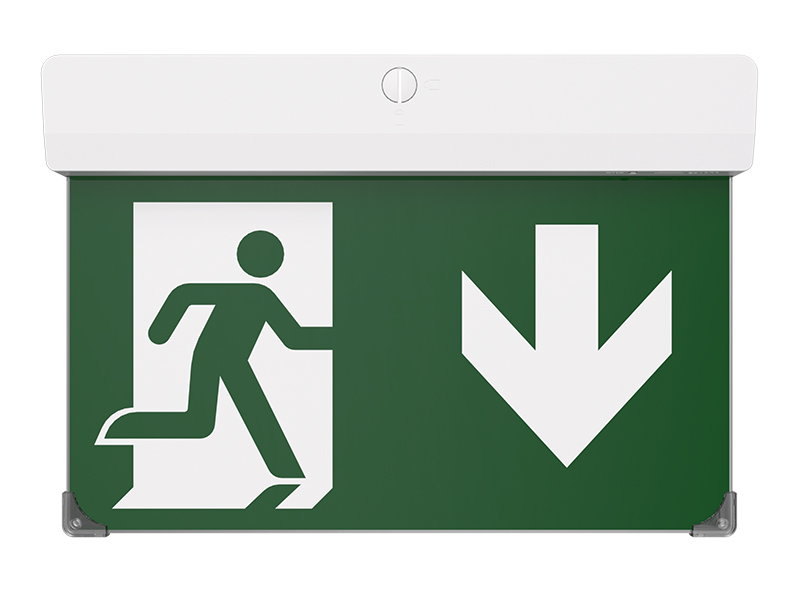
The Voyager Blade type emergency light from IMIGY Lighting is a Rechargeable emergency light exit sign with a LiFePO4 battery that charges within 24 hours and provides backup for three hours or more. Its specially designed PC housing and blade panel, in 8mm or 3mm thickness, give a 30-meter viewing distance. As a Rechargeable emergency light, it mounts by ceiling, recessed, suspension, track, flush, or wall for flexible placement.
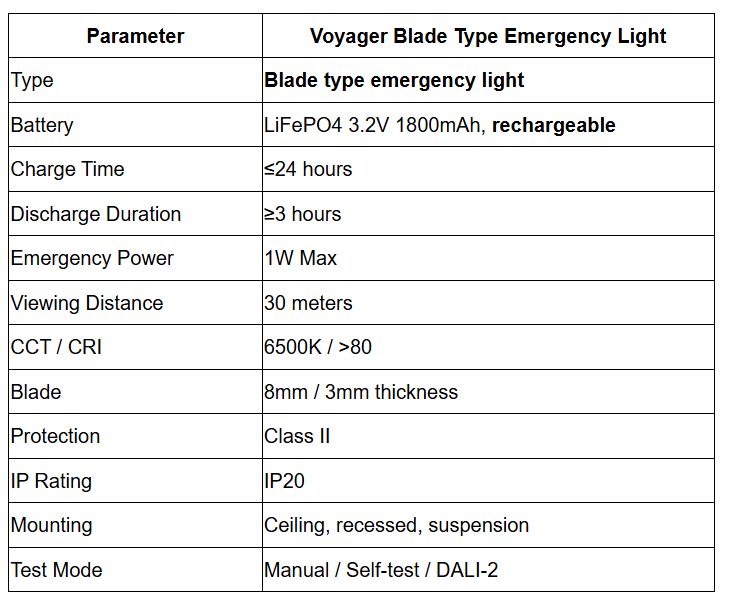

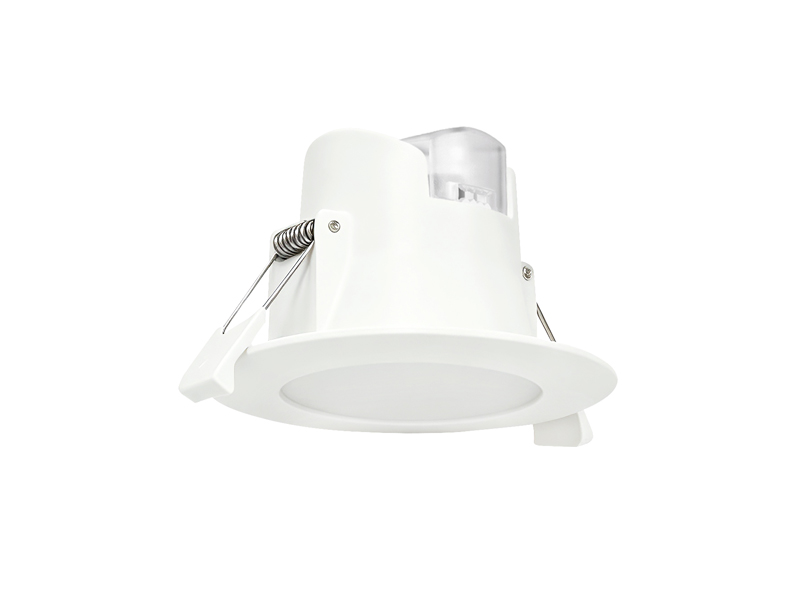
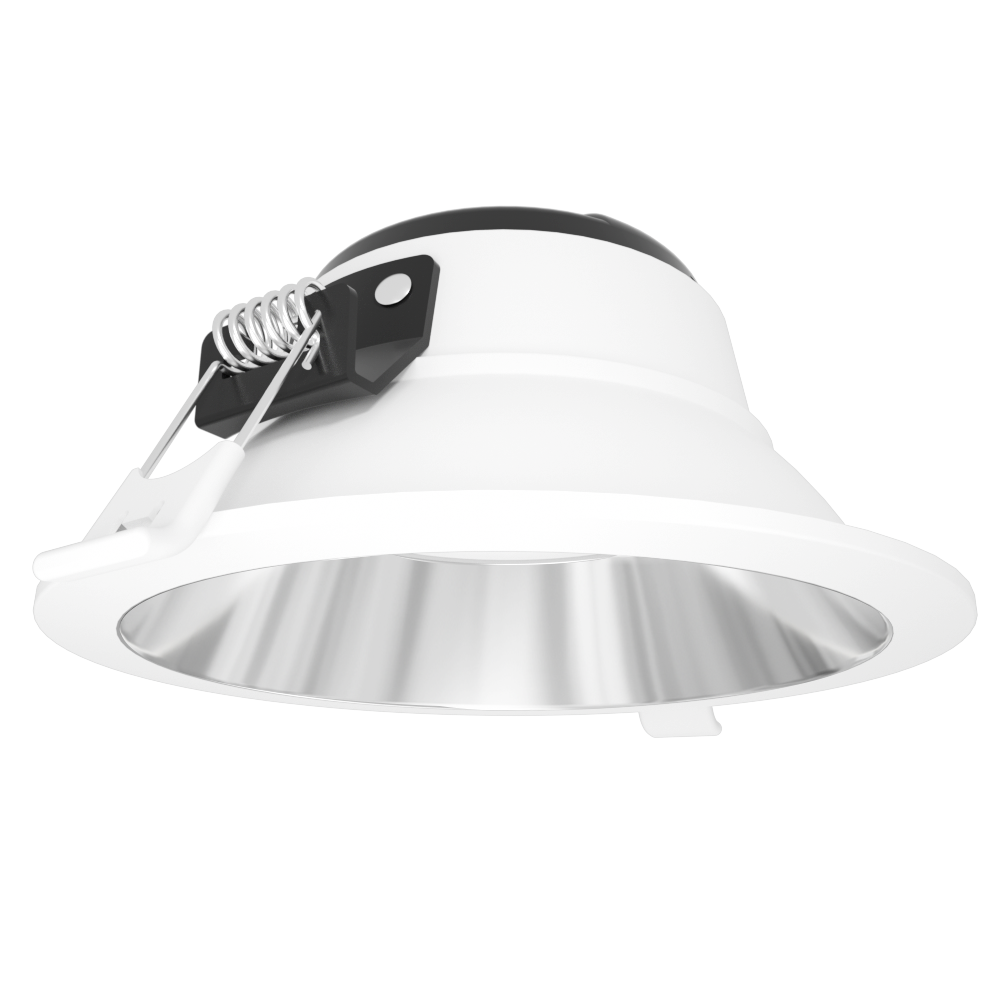
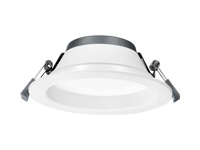
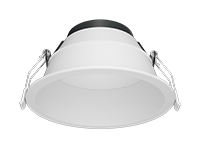
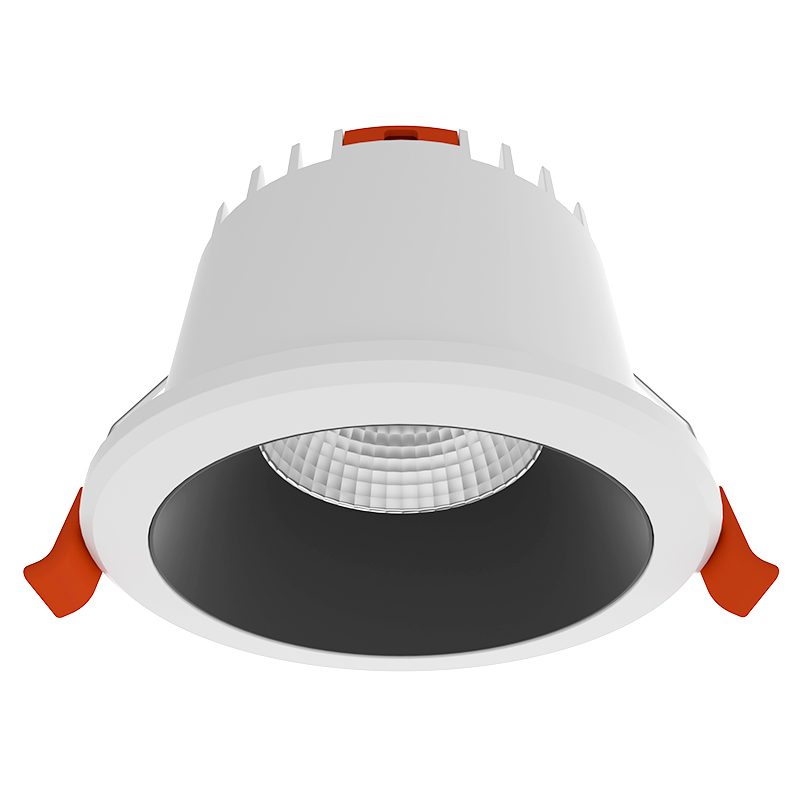
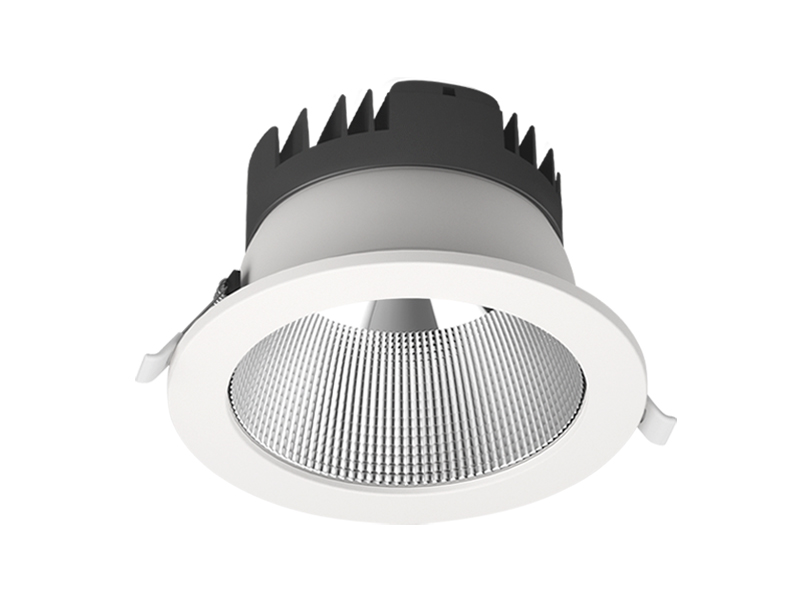
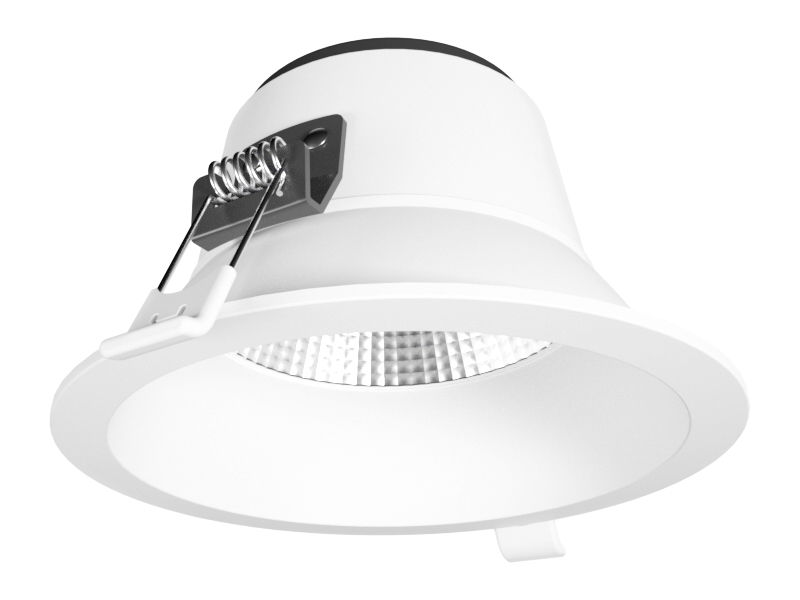
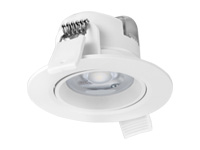
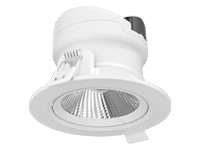
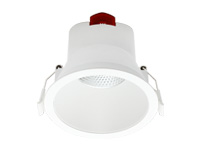
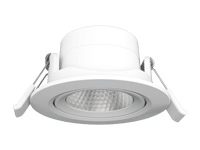
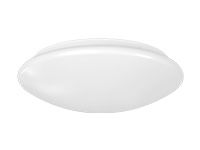
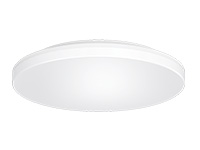
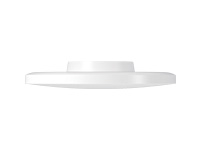
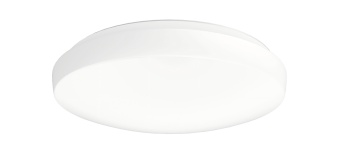
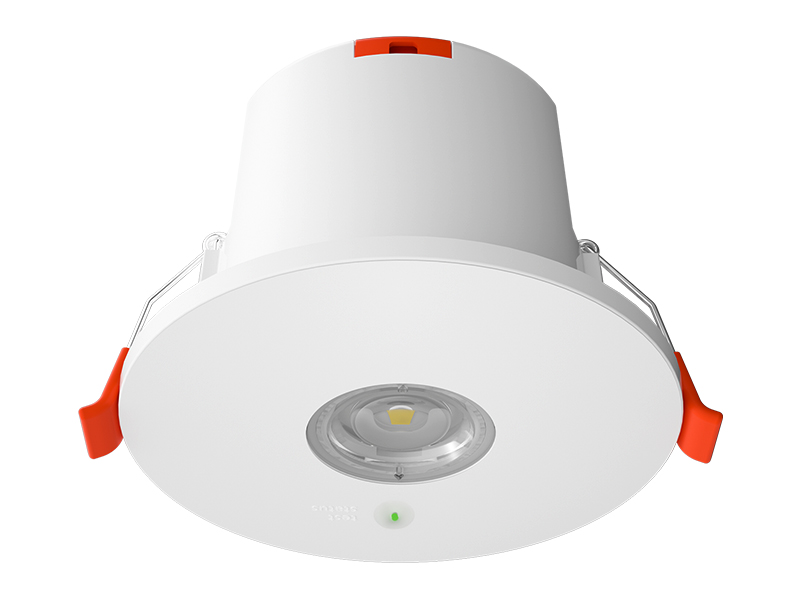
The Guard Fit Emergency light fixture from IMIGY Lighting is a modular IP65 LED emergency downlight with LiFePO4 batteries in multiple capacities, each charging within 24 hours and providing backup for three hours or more. Its round lens suits open areas and oval lens suits corridors. As a Rechargeable emergency light, it mounts by surface or recess, adapting to different building layouts.
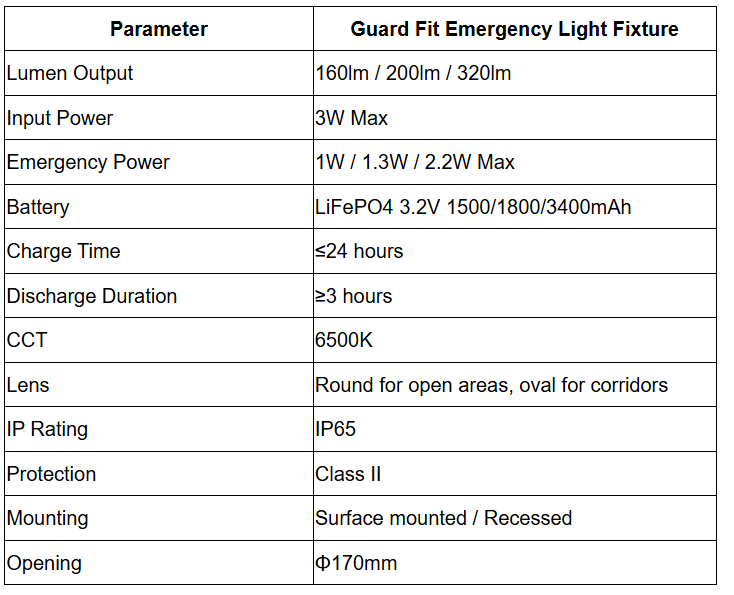

To restore a Rechargeable emergency light that is not charging, work through a few checks in order. First, confirm that the fixture is connected to a live mains supply and that the input circuit is powered, because a tripped breaker or disconnected wire stops the battery from topping up. Second, inspect the wiring between the supply and the Rechargeable emergency light, tightening any loose terminals that may interrupt charging. Third, check the charging cycle by noting whether the battery completes a full charge within the expected 24 hours; if the Blade type emergency light or downlight still fails, the battery may need attention. Keep the fixture on during the charging phase so it can build up its reserve. Whether you use a Box type emergency light in a corridor or a Portable emergency light in a flexible space, these steps help you keep every Emergency light fixture charged and ready.
Q: Why is my rechargeable emergency light not charging?
A Rechargeable emergency light may not charge because the mains supply is not reaching the fixture, a wire is loose or disconnected, or the battery has aged and can no longer hold a charge. Checking the input supply, the wiring, and the charging cycle in order usually identifies the cause.
Q: How long does it take for an emergency light to recharge?
IMIGY's Voyager Blade type emergency light and Guard Fit Emergency light fixture use LiFePO4 batteries that charge within 24 hours. Once fully charged, they provide backup for three hours or more, so escape routes stay lit during a power failure.
Q: What is the difference between the Voyager and Guard Fit emergency fixtures?
The Voyager Blade type emergency light is a Rechargeable emergency light exit sign with a 30-meter viewing distance and a blade panel, ideal for marking exits. The Guard Fit Emergency light fixture is a compact downlight with an IP65 rating and interchangeable round and oval lenses, ideal for lighting corridors and open areas.
Q: What is a blade type emergency light and a box type emergency light?
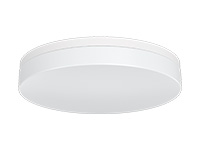
A Blade type emergency light is a thin, blade-shaped sign that marks an exit or direction, ideal for renovation projects because it is compact and easy to mount. A Box type emergency light is a housing-style fixture that provides broad, steady light along corridors and stairwells, making it a dependable choice for continuous coverage.
It is recommended that you upgrade the latest browser
 Chrome
 Firefox
 Edge