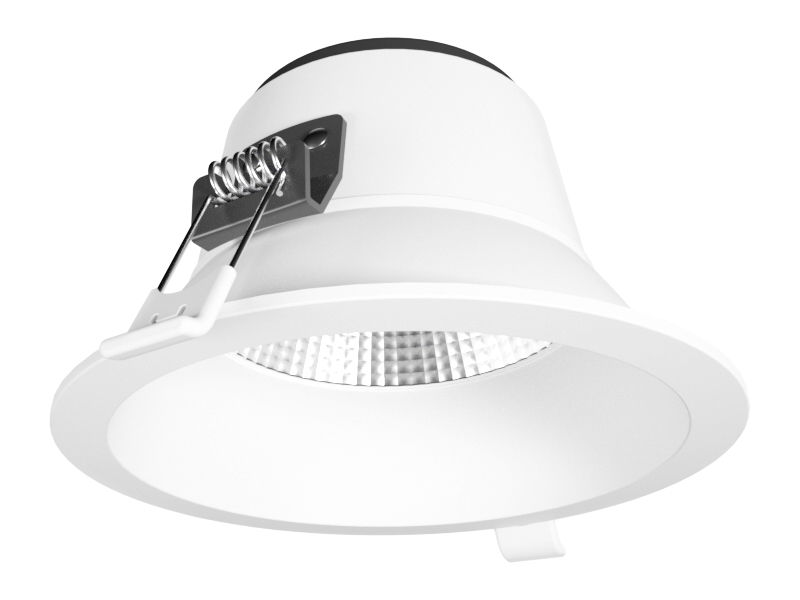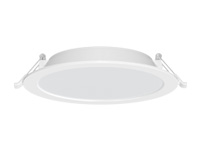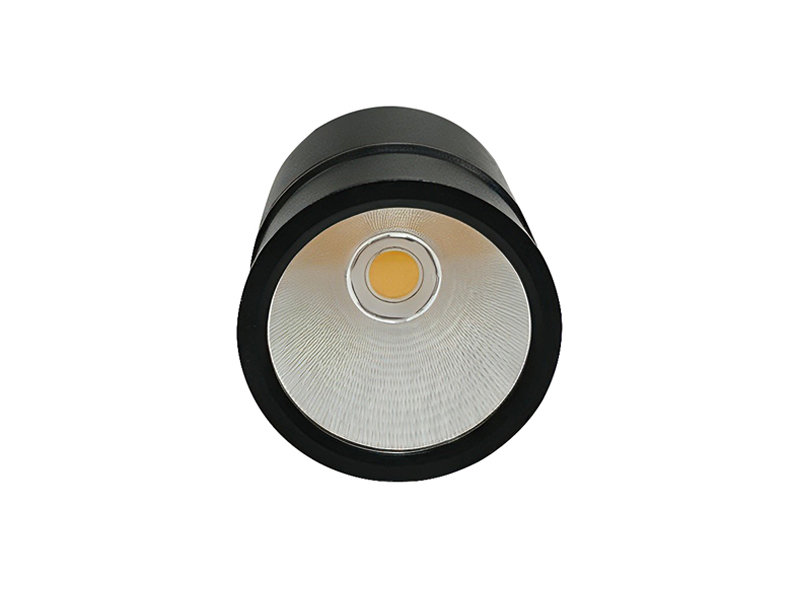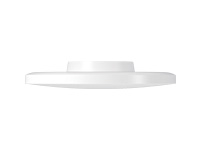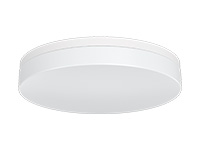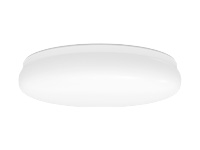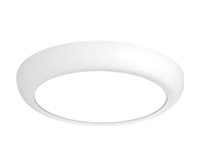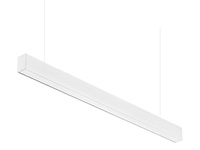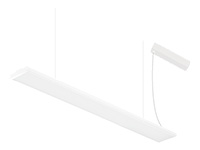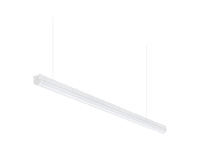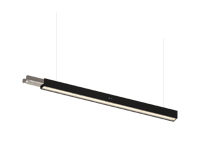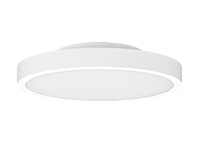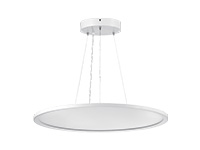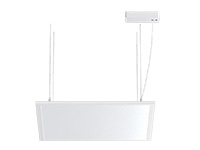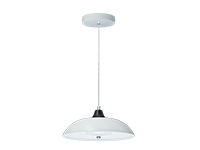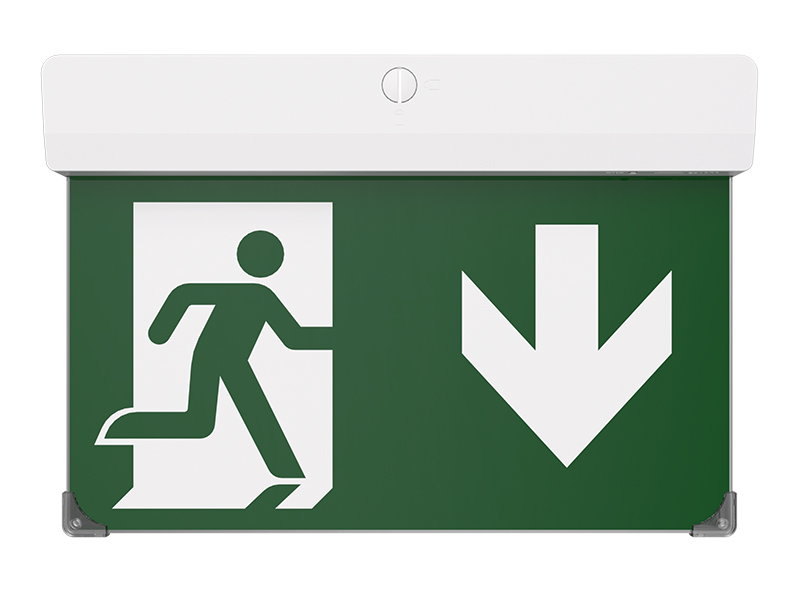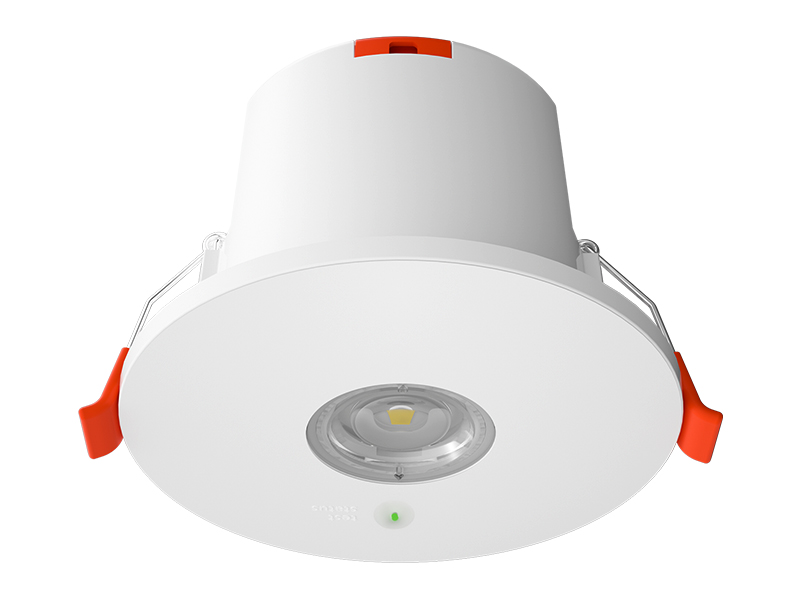

An Emergency light fixture should be installed where it can guide people safely toward exits and illuminate escape routes when normal power fails, so placement must consider sightlines, exits, corridors, and open areas. IMIGY Lighting presents the Voyager Blade type emergency light and the Guard Fit Emergency light fixture as professional solutions for clear, dependable emergency guidance. The Voyager Blade type emergency light is a Rechargeable emergency light exit sign with a 30-meter viewing distance, ideal for marking exits and guiding occupants along escape paths. The Guard Fit Emergency light fixture is a compact downlight with a LiFePO4 battery that provides Rechargeable emergency light backup in open areas and corridors. Both support surface, recessed, and ceiling or wall mounting, giving you flexible placement. Whether you need a Box type emergency light for corridor lighting or a Portable emergency light for flexible coverage, IMIGY helps you place each fixture where it works best.
An Emergency light fixture should be installed to mark exits, light escape routes, and cover corridors and open areas. The Voyager Blade type emergency light is a Rechargeable emergency light exit sign with a 30-meter viewing distance. The Guard Fit Emergency light fixture is a Rechargeable emergency light downlight with a LiFePO4 battery. Placement choices include a Box type emergency light for corridors and a Portable emergency light for flexible coverage.
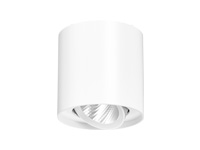
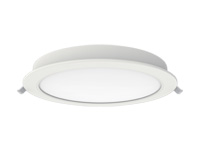
An Emergency light fixture should be placed where it is clearly visible and where its light reaches the people who need guidance. The most important positions are above exit doors, along corridors, and across open areas where occupants may become disoriented. The Voyager Blade type emergency light from IMIGY Lighting is designed as a Rechargeable emergency light exit sign with a 30-meter viewing distance, so it works best when mounted to mark an exit or a route that leads to safety. The Guard Fit Emergency light fixture is a compact downlight whose modular design and IP65 rating suit both open areas and corridors, and its round lens is for open areas while the oval lens suits corridors. In a stairwell or hallway, a Box type emergency light provides broad, steady coverage along the path. When a space needs a fixture that can be moved, a Portable emergency light offers flexible placement. By matching each Emergency light fixture to its location, you create a clear, dependable path to safety.
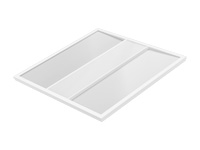
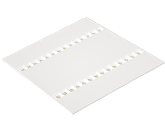
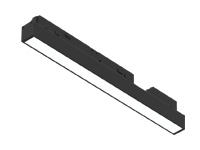
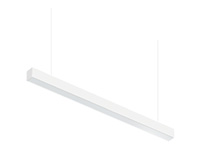
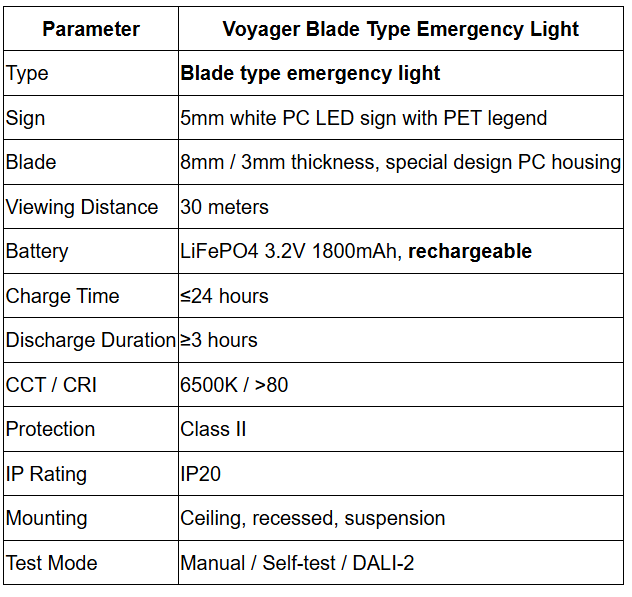
The Voyager Blade type emergency light from IMIGY Lighting is a Rechargeable emergency light exit sign with a specially designed PC housing and a blade panel, available in 8mm or 3mm thickness. With a 30-meter viewing distance, it is ideal for renovation projects and marking exits clearly. Its LiFePO4 battery provides rechargeable backup, and it mounts by ceiling, recessed, suspension, track, flush, or wall, giving you flexible placement in any corridor or open area.

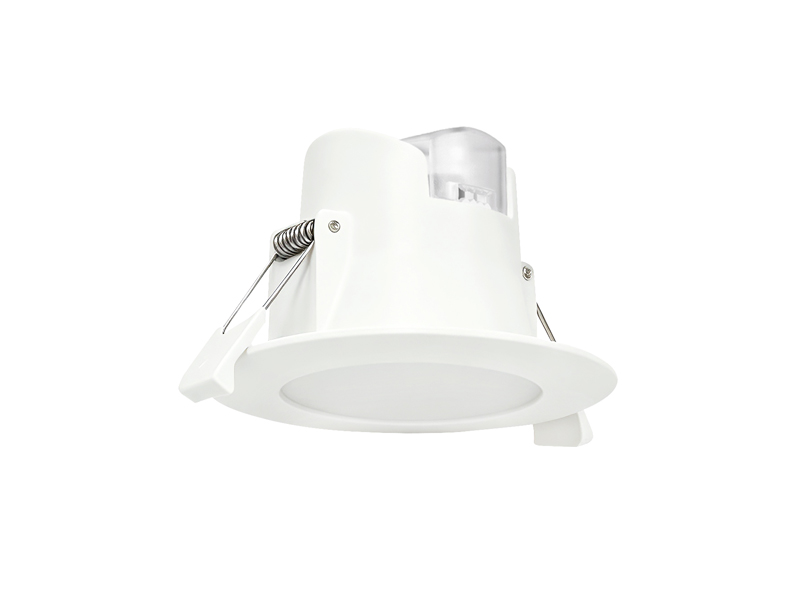
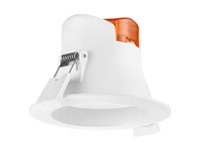
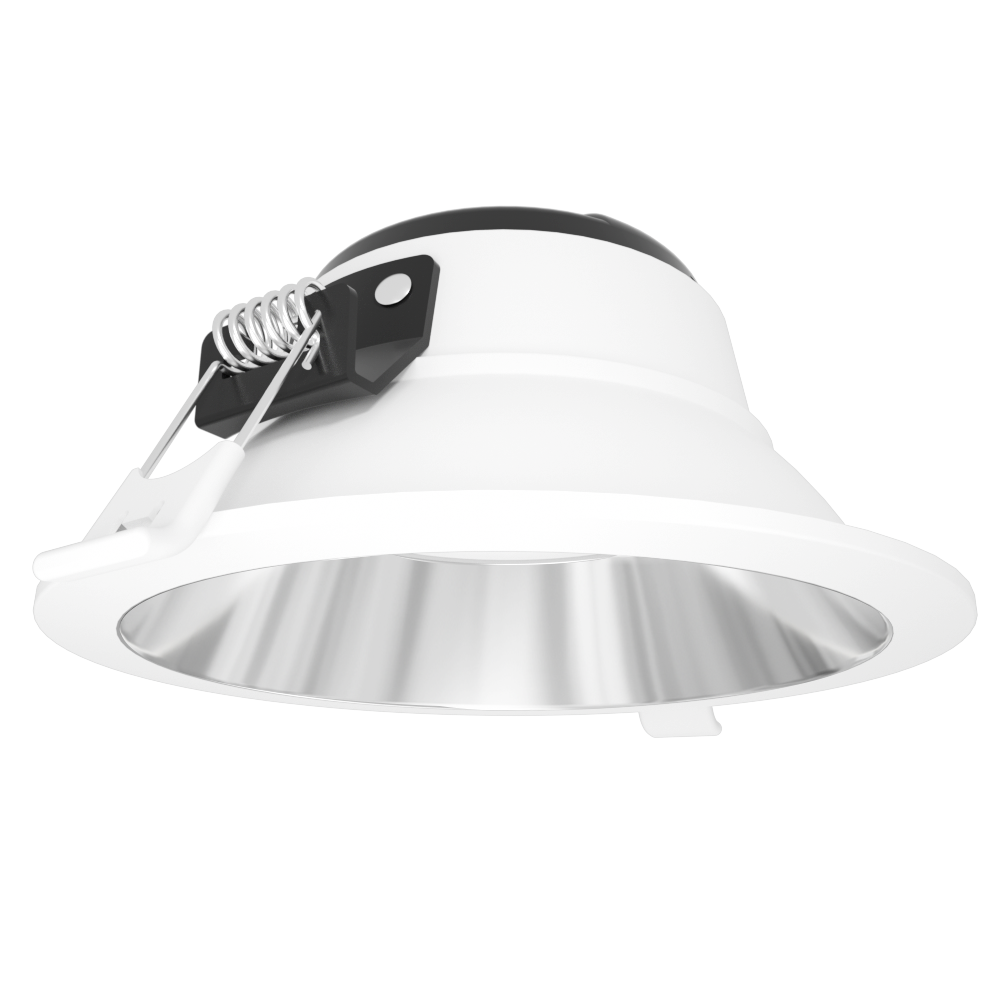
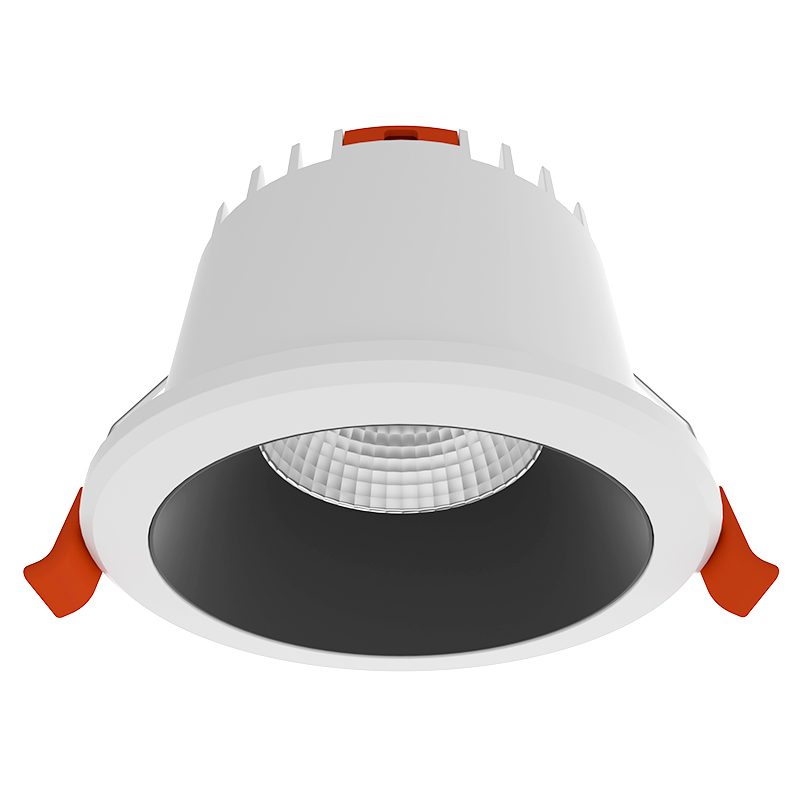
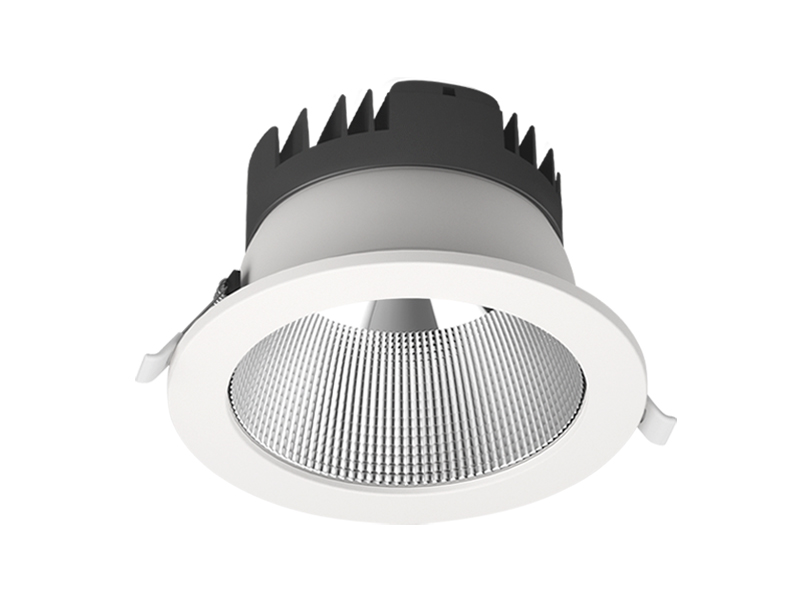
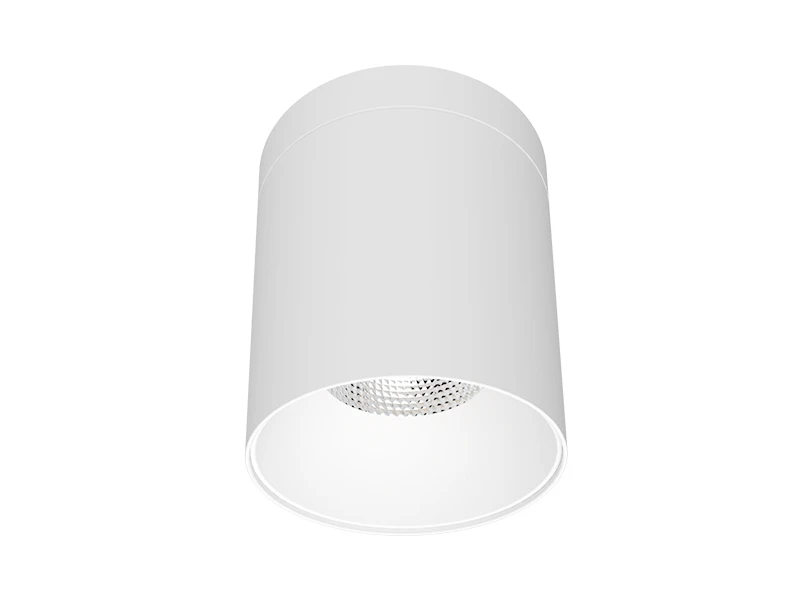
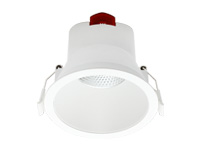
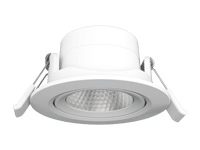
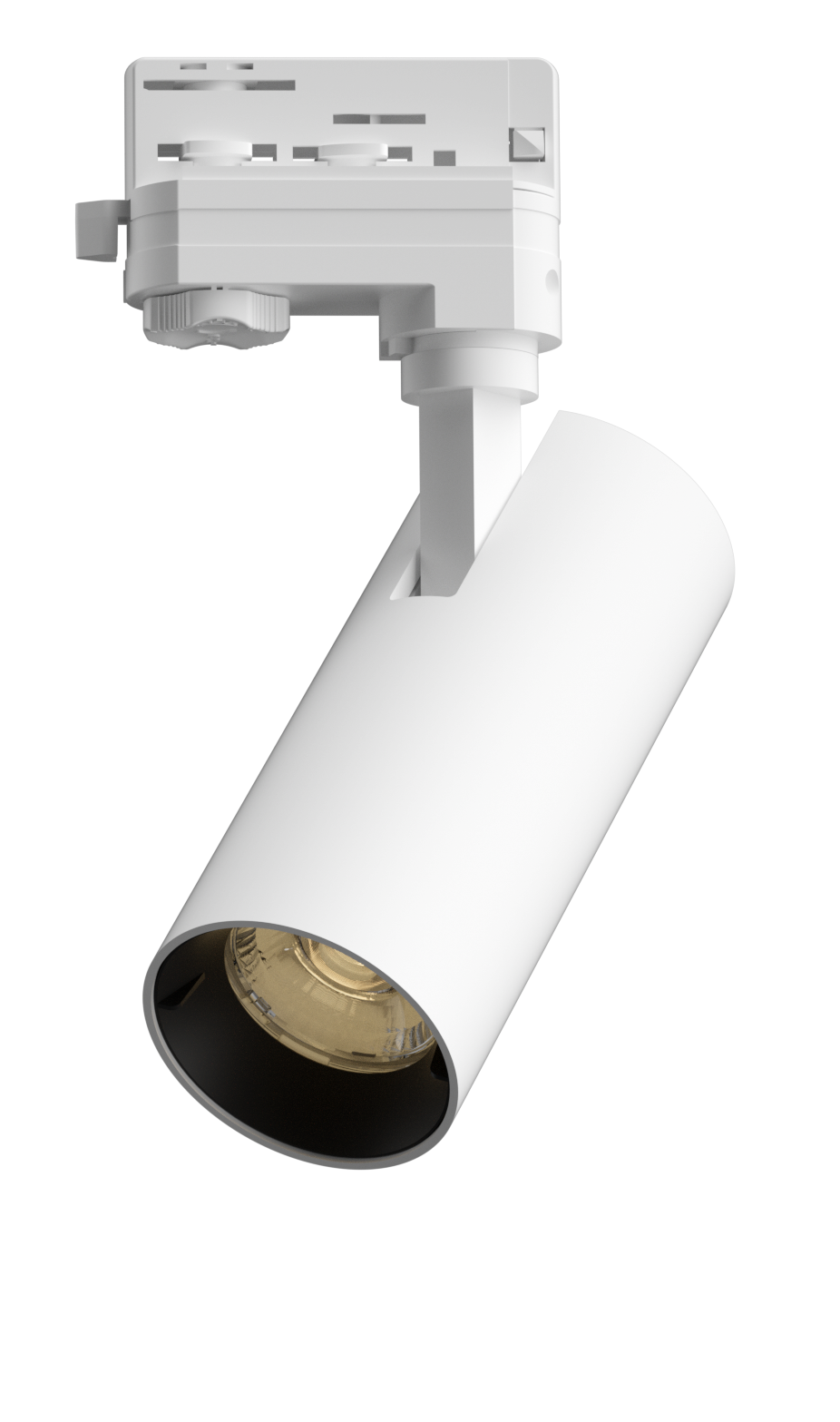
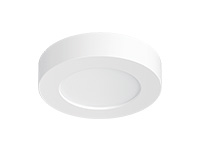
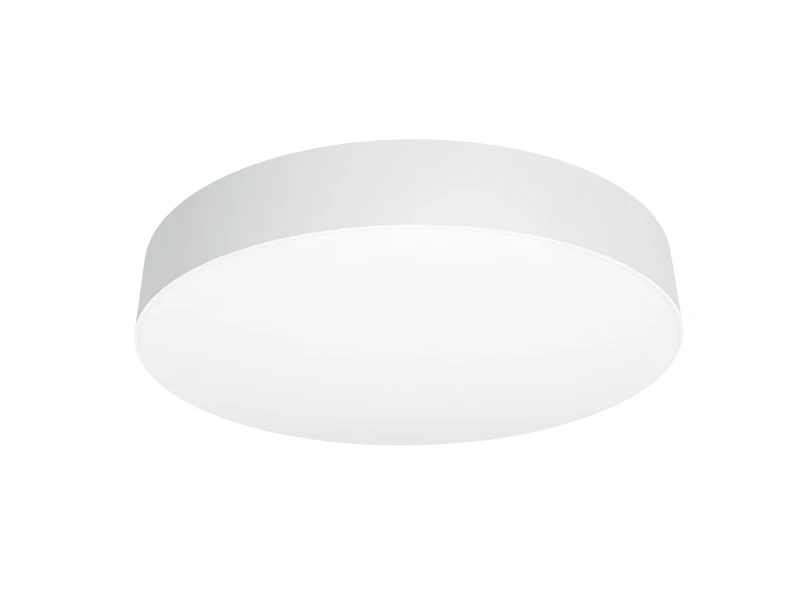
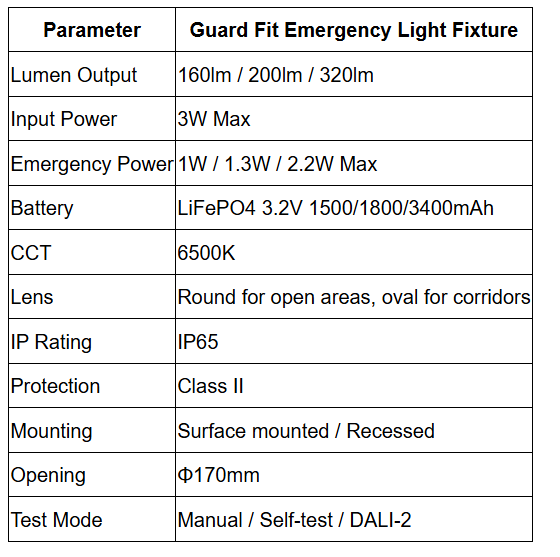
The Guard Fit Emergency light fixture from IMIGY Lighting is a modular IP65 LED emergency downlight with a compact surface-mounted profile and a LiFePO4 battery, providing Rechargeable emergency light backup. Its round lens is for open areas and its oval lens for corridors, and high-end optical design increases the installation distance between two lights. This Emergency light fixture mounts by surface or recess, adapting to different building layouts.

Placing an Emergency light fixture correctly starts with identifying the paths people must follow to reach safety. First, install a Blade type emergency light like the Voyager sign directly above each exit so it is visible from a distance and marks the way clearly. Second, place Emergency light fixture units along corridors and stairwells so the escape route stays lit even if one fixture is blocked. Third, cover open areas with fixtures that provide broad, steady light, such as the Guard Fit downlight, whose round lens suits open spaces and oval lens suits corridors. In a narrow hallway, a Box type emergency light provides continuous coverage along the path. For spaces where a fixed position is difficult, a Portable emergency light gives flexible placement that can be adjusted as needed. By matching each Rechargeable emergency light to its location, you build a dependable system that guides people safely through a building.
Q: Where should an emergency light fixture be installed?
An Emergency light fixture should be installed to mark exits, light escape routes, and cover corridors, stairwells, and open areas. Install a Blade type emergency light sign above each exit for clear identification, and place downlight-style fixtures along corridors and across open areas to keep paths visible when power fails.
Q: What is the difference between the Voyager and Guard Fit emergency fixtures?
The Voyager Blade type emergency light is a Rechargeable emergency light exit sign with a 30-meter viewing distance and a blade panel, ideal for marking exits. The Guard Fit Emergency light fixture is a compact downlight with an IP65 rating and interchangeable round and oval lenses, ideal for lighting corridors and open areas.
Q: What is a blade type emergency light and when should I use it?
A Blade type emergency light is a thin, blade-shaped sign that marks an exit or direction, ideal for renovation projects because it is compact and easy to mount. The Voyager sign has a 30-meter viewing distance, so it suits corridors, lobbies, and areas where occupants need to identify the exit from a distance.
Q: How does a rechargeable emergency light keep working when power fails?
A Rechargeable emergency light uses a battery, such as the LiFePO4 batteries in the Voyager and Guard Fit fixtures, that charges while normal power is on and powers the light automatically when the supply fails. This gives dependable backup, with a discharge duration of three hours or more, so escape routes remain lit.
It is recommended that you upgrade the latest browser
 Chrome
 Firefox
 Edge