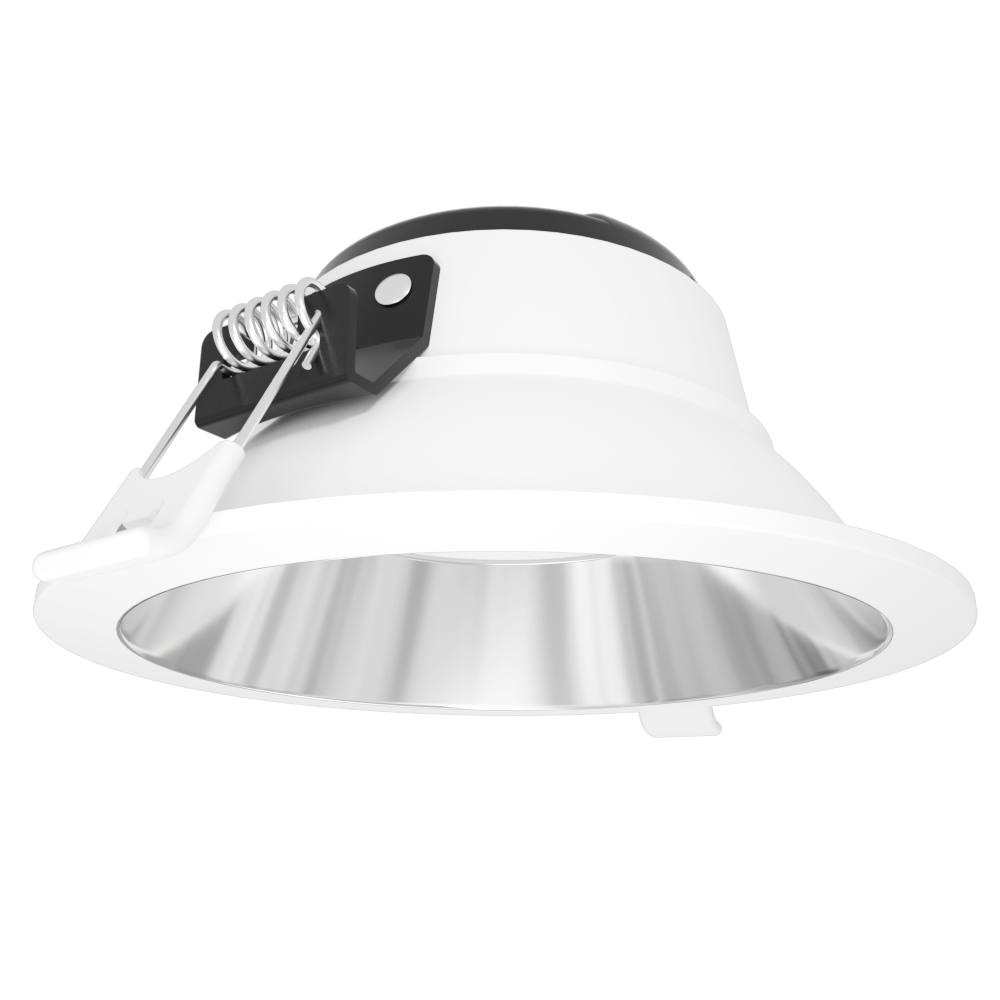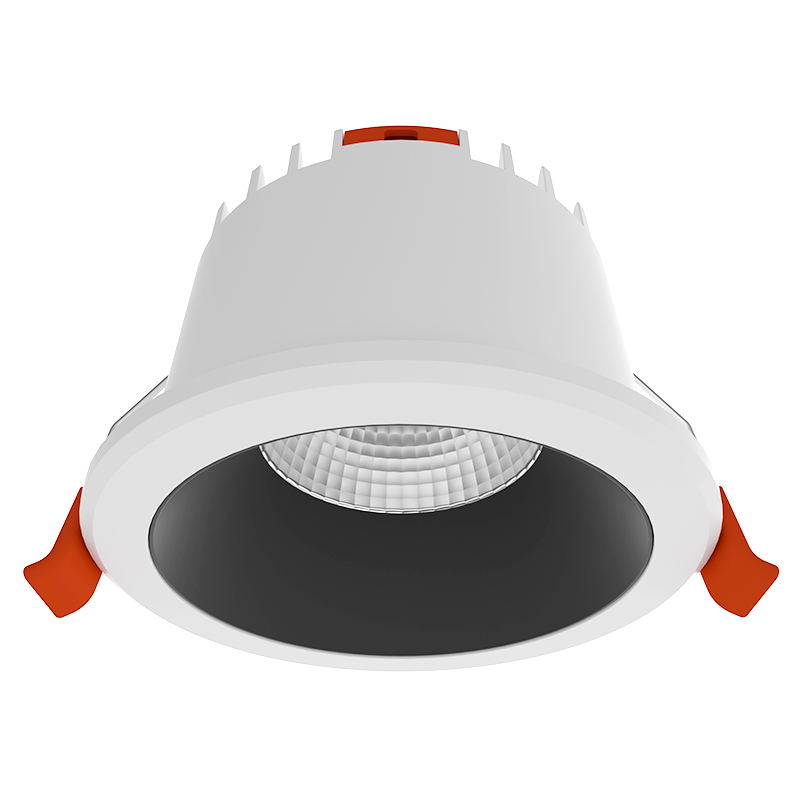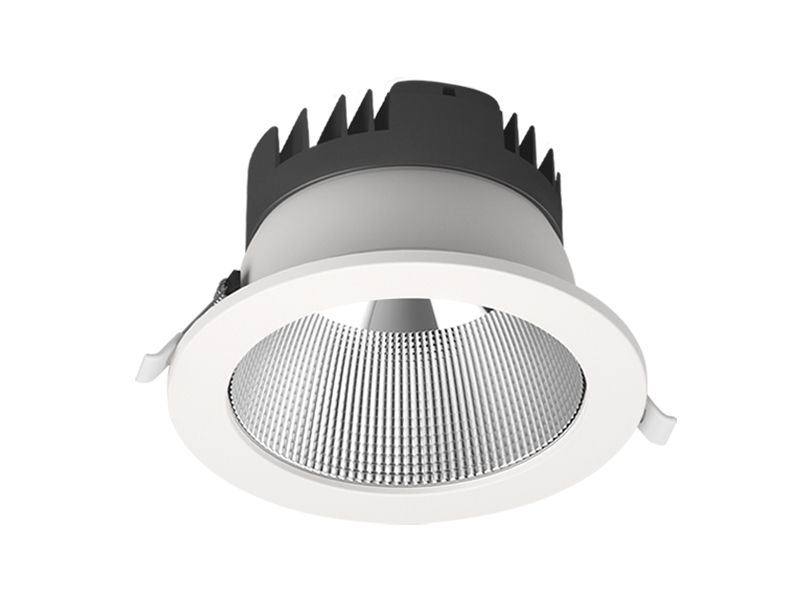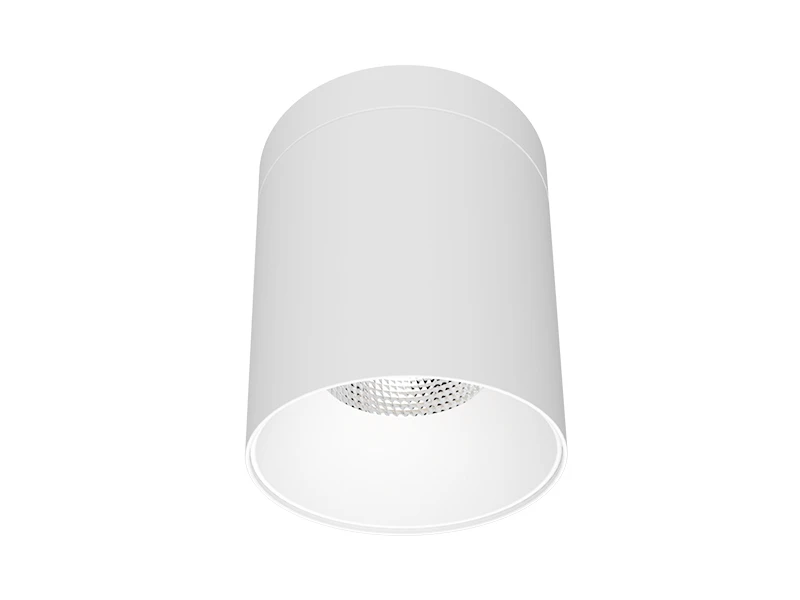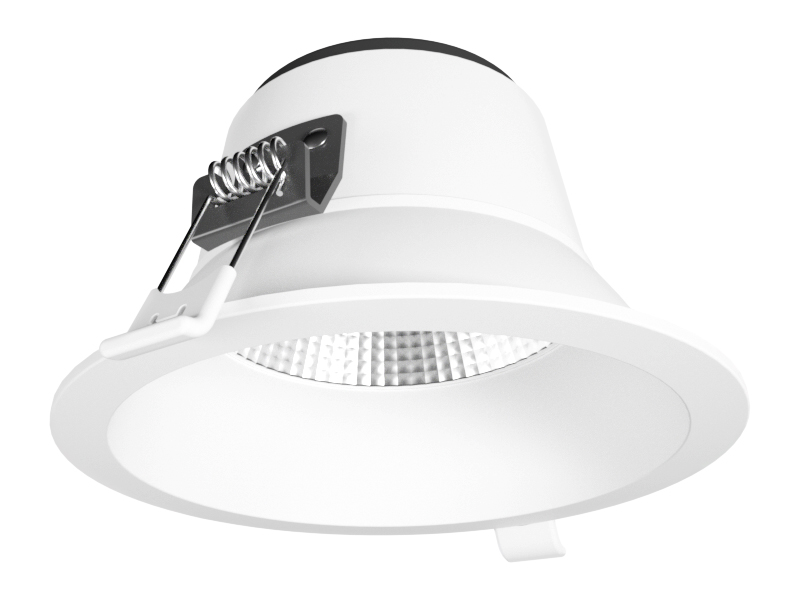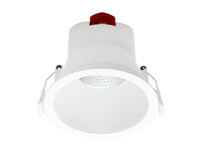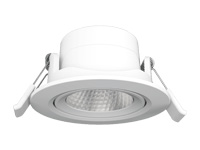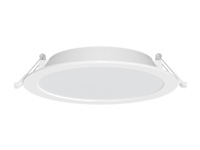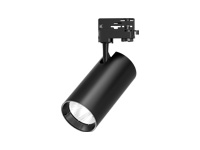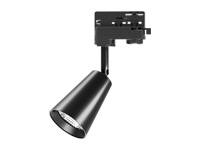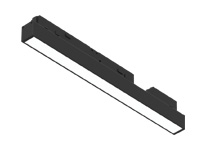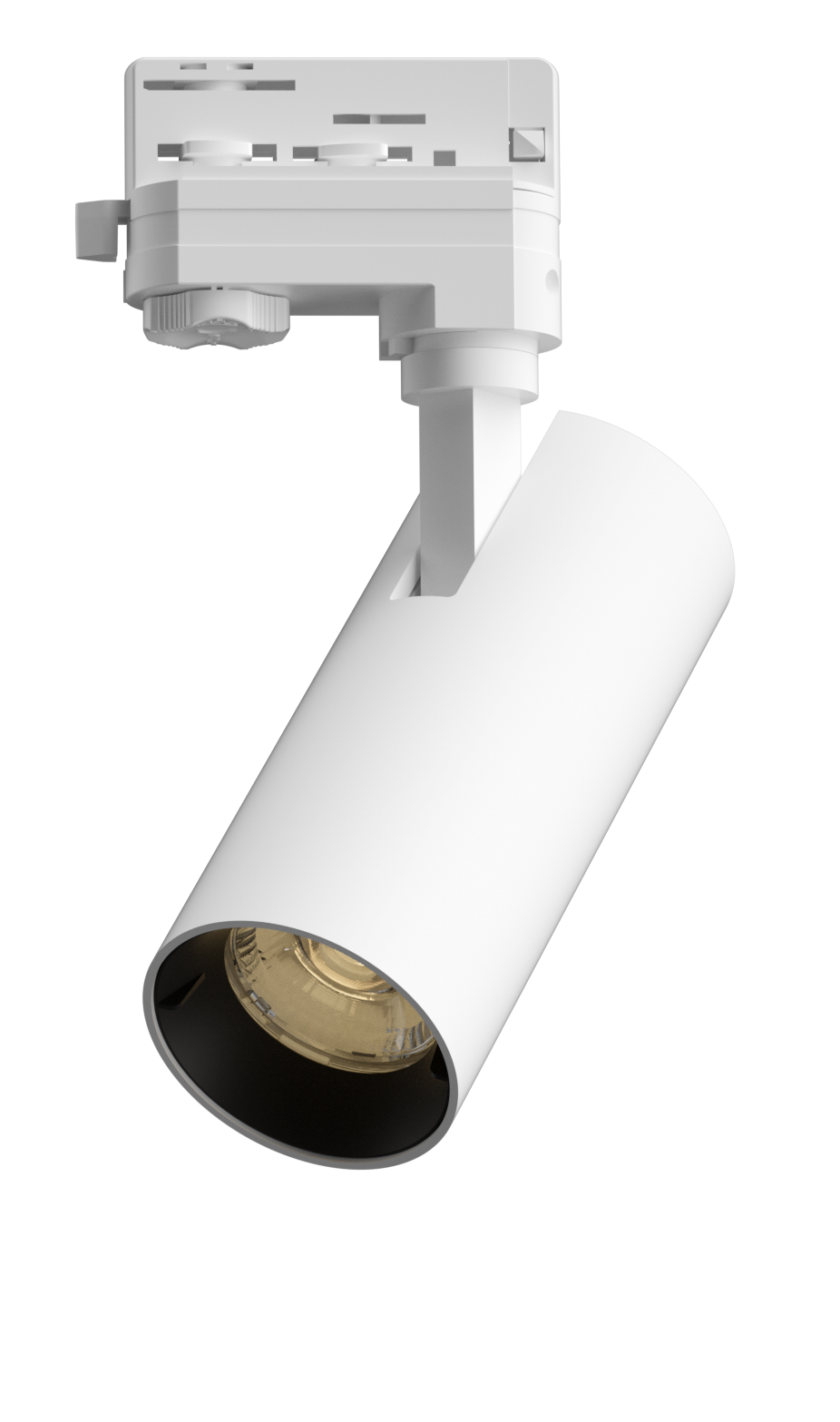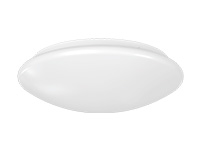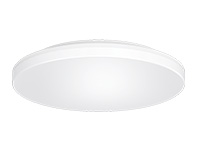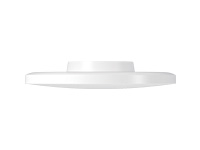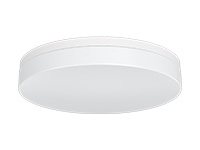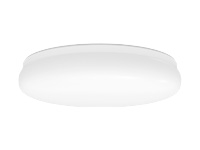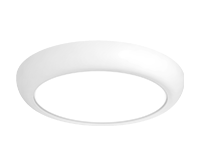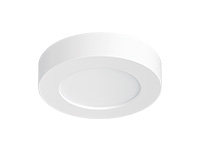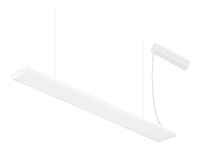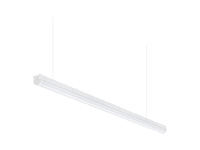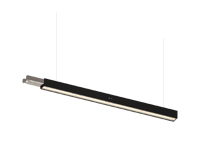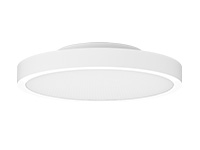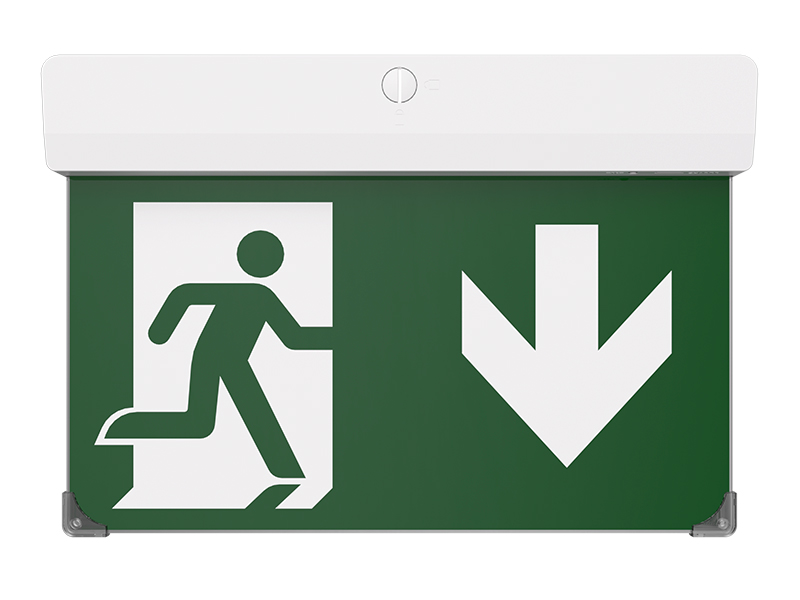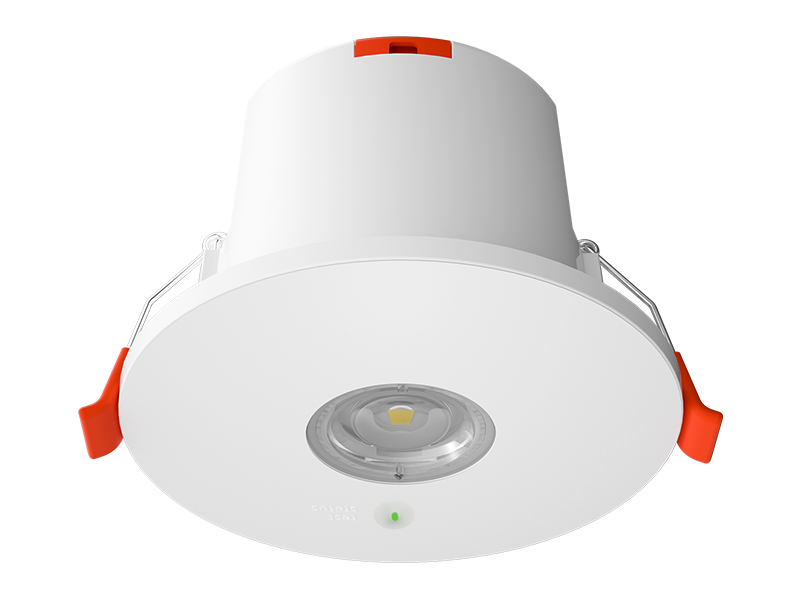

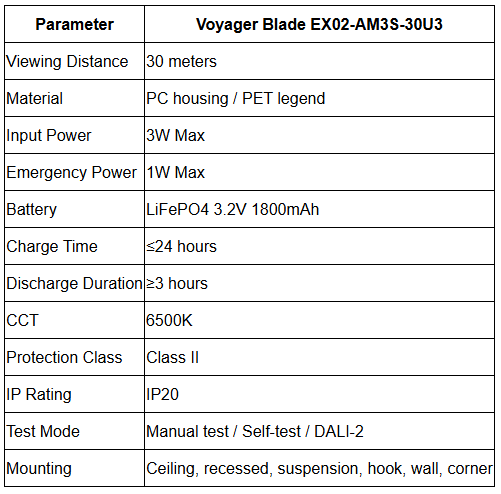
Maintaining an Indoor rechargeable emergency light requires regular testing, battery inspection, cleaning, and compliance checks to ensure reliable performance during power failures. IMIGY Lighting presents the Voyager Indoor rechargeable emergency light series and the Guard Fit Indoor rechargeable emergency light series as professional maintenance-friendly solutions. The Voyager Emergency lighting equipment features a PC housing with 30-meter viewing distance, LiFePO4 battery, available in 8mm or 3mm blade thickness, offering 160lm to 320lm lumen output with 3W input power, and IP20 protection. The Guard Fit Commercial LED emergency light features an innovative IP65 modular design with LiFePO4 battery, 3W power, 160lm to 320lm lumen output at 6500K, and round and oval interchangeable lenses. Both series serve as reliable Emergency safety light and Industrial emergency lighting fixture solutions. The Voyager supports ceiling, recessed, suspension, hook, wall, and corner mounting. The Guard Fit supports surface mounted and recessed installation. Both feature manual test, self-test, and DALI-2 test modes for simplified maintenance routines. All installation methods are described without using the word "seamless."
Maintaining an Indoor rechargeable emergency light involves regular testing, battery care, and visual inspection. The Voyager Emergency lighting equipment offers PC housing with 30m viewing distance and three test modes. The Guard Fit Commercial LED emergency light offers IP65 modular design with self-test capability. Both serve as Emergency safety light and Industrial emergency lighting fixture solutions with LiFePO4 battery technology. All installation methods are described without using the word "seamless."
Maintaining an Indoor rechargeable emergency light involves several essential practices to ensure reliable operation. First, regular testing is critical — an Emergency lighting equipment should be tested monthly via manual test, self-test, or DALI-2 function to verify battery and lamp functionality. Second, battery care is essential — LiFePO4 batteries used in Commercial LED emergency light units require no maintenance but should have their charge time verified, typically not exceeding 24 hours. Third, visual inspection of the Emergency safety light housing and lens ensures no dust accumulation or physical damage that could reduce light output. Fourth, discharge testing should be performed periodically — a full Indoor rechargeable emergency light discharge test confirms the minimum 3-hour emergency duration. Fifth, for an Industrial emergency lighting fixture in harsh environments, check the IP-rated seals and gaskets regularly. The Voyager and Guard Fit series simplify maintenance with built-in manual test, self-test, and DALI-2 compatibility. All installation methods are described without using the word "seamless."
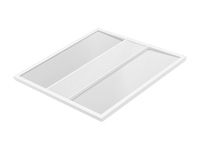
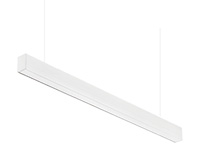
The Voyager Emergency lighting equipment features a specially designed PC housing with different thickness blades of 8mm or 3mm. This Indoor rechargeable emergency light offers a 30-meter viewing distance ideal for renovation projects, making it an excellent Emergency safety light for commercial corridors. The Emergency lighting equipment supports ceiling, recessed, suspension, hook, wall, and corner mounting methods for flexible placement. As an Industrial emergency lighting fixture, the Voyager provides 3W input power with 160lm to 200lm lumen output, LiFePO4 3.2V battery with 1500mAh to 3400mAh capacity, 3-hour discharge duration, and 6500K color temperature. The Commercial LED emergency light supports manual test, self-test, and DALI-2 test modes for simplified maintenance verification.
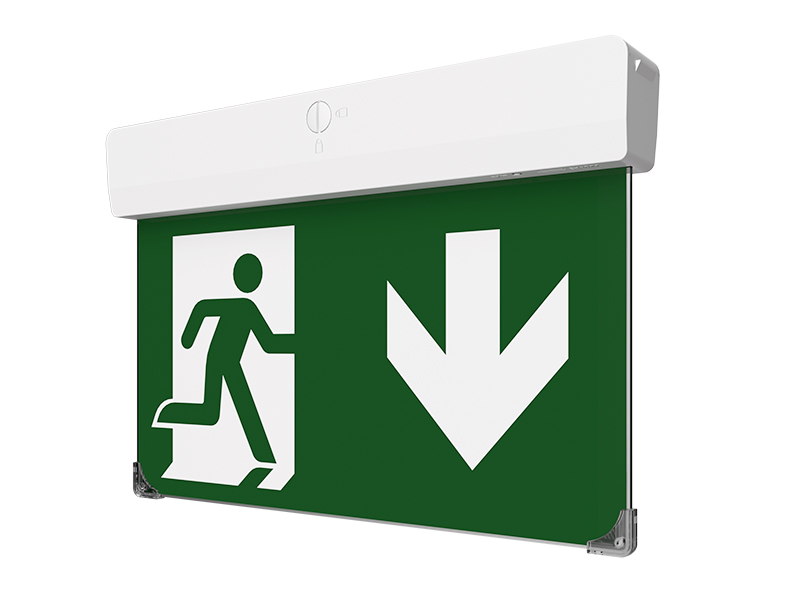
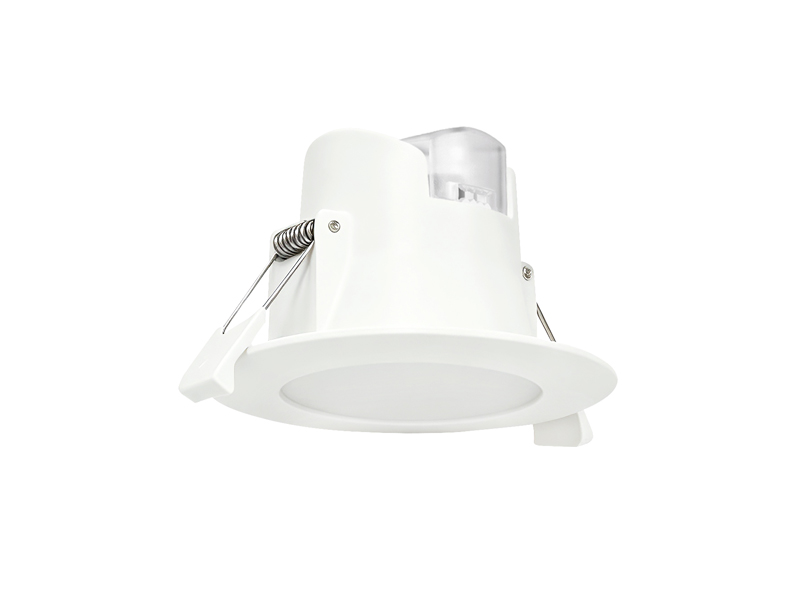
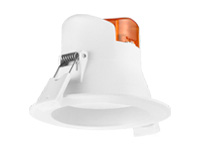
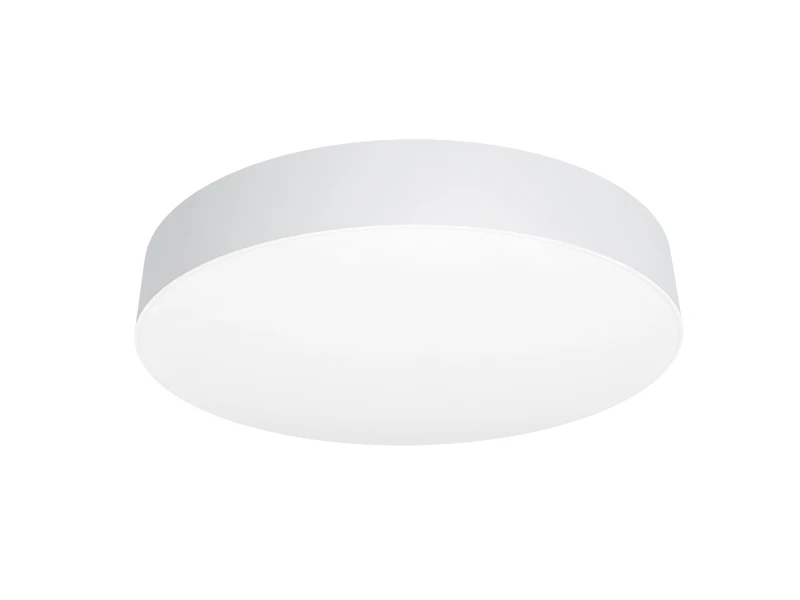
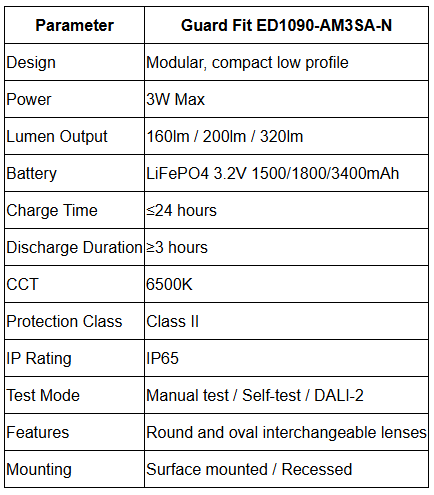
The Guard Fit Industrial emergency lighting fixture is an innovative IP65 LED emergency downlight with modular design and compact surface-mounted low profile. This Indoor rechargeable emergency light features high-end optical design that can increase the installation distance between two lights and reduce costs. The Emergency safety light supports round and oval interchangeable lenses — round lens for open areas and oval lens for corridors. With surface mounted and recessed installation, this Commercial LED emergency light offers 3W power, 160lm/200lm/320lm lumen output, LiFePO4 3.2V battery with 1500mAh to 3400mAh capacity, 3-hour discharge duration, 6500K CCT, and Class II protection with IP65 rating. The Emergency lighting equipment supports manual test, self-test, and DALI-2 test modes for easy routine checks.
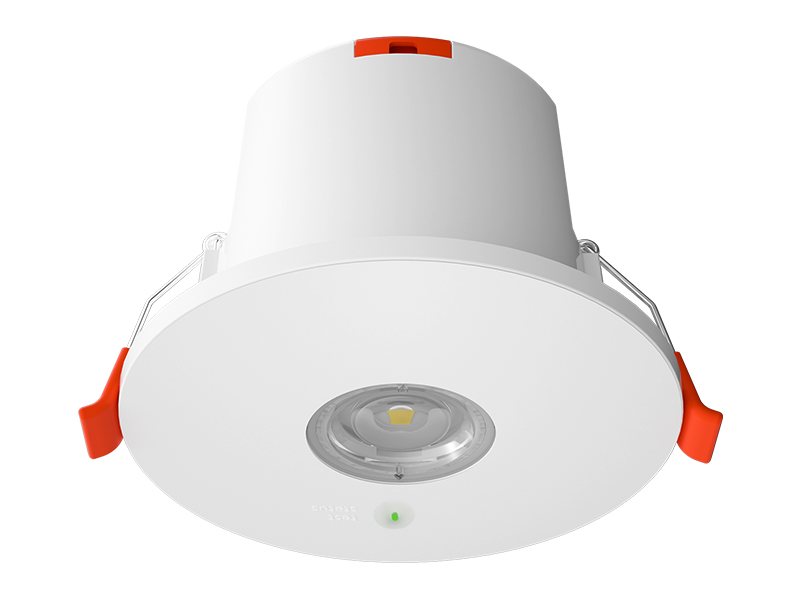
To establish a maintenance schedule for Indoor rechargeable emergency light units, follow standard industry practices. Monthly manual or self-tests of each Emergency lighting equipment unit verify basic functionality. Annual full discharge tests confirm the Commercial LED emergency light battery maintains at least 3-hour duration. Visual checks of Emergency safety light housings and lenses should be performed quarterly. For Industrial emergency lighting fixture units in harsh factory environments, increase inspection frequency to monthly. The Voyager and Guard Fit series support DALI-2 for centralized remote monitoring, allowing facility managers to test all Indoor rechargeable emergency light units from a single location. All installation methods are described without using the word "seamless."
Q: How to maintain an indoor rechargeable emergency light?
A: Perform monthly functional tests, annual full discharge tests, quarterly visual inspections, and keep battery charge time within ≤24 hours. Use self-test or DALI-2 modes for automated maintenance.
Q: What is emergency lighting equipment?
A: Emergency lighting equipment provides backup illumination during power failures, ensuring safe evacuation and regulatory compliance.
Q: What is an indoor rechargeable emergency light?
A: An Indoor rechargeable emergency light uses rechargeable batteries to provide illumination during power outages for indoor commercial and industrial spaces.
It is recommended that you upgrade the latest browser
 Chrome
 Firefox
 Edge
Edge