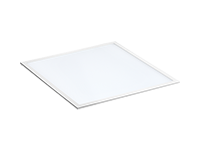

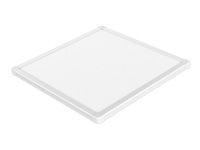
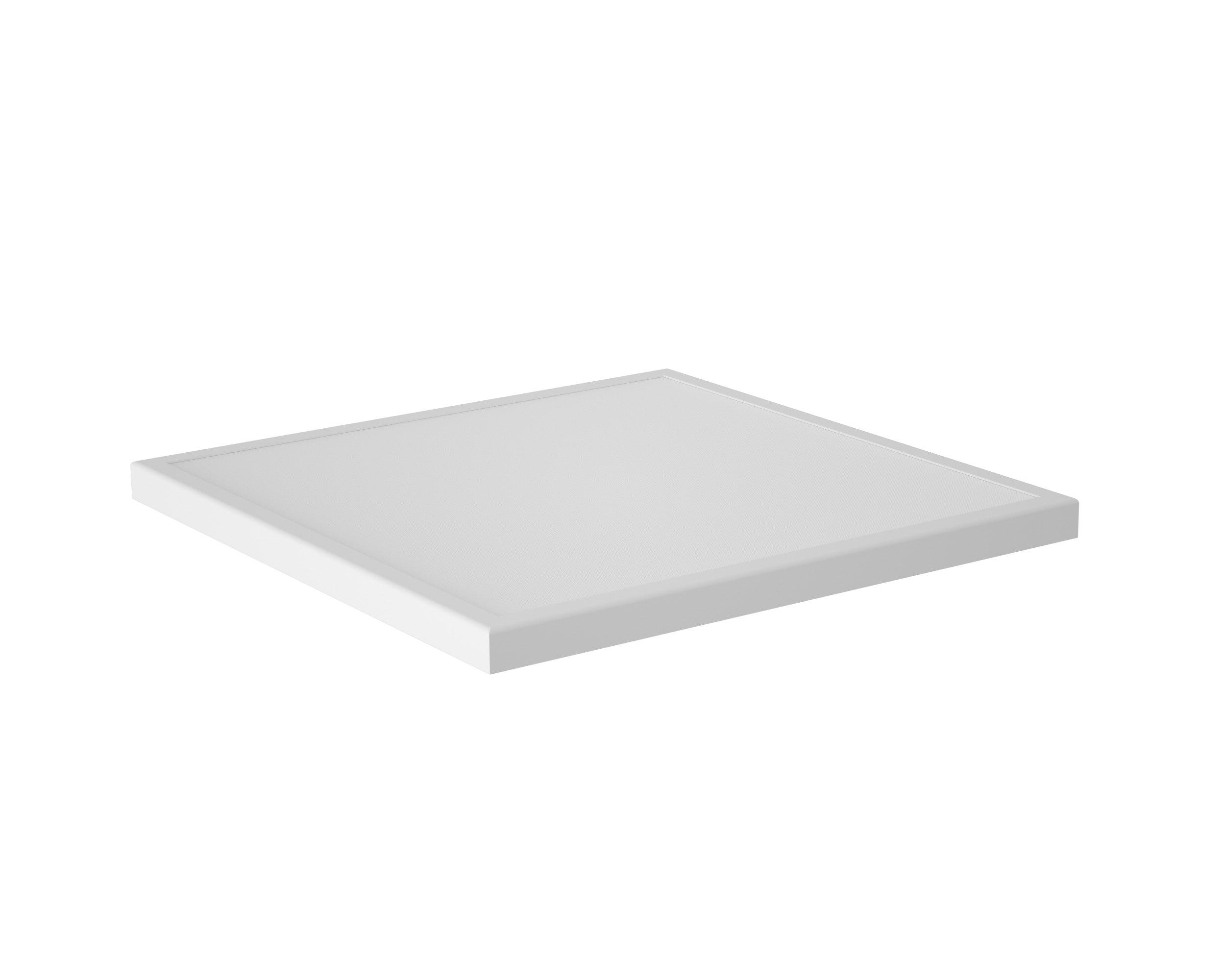
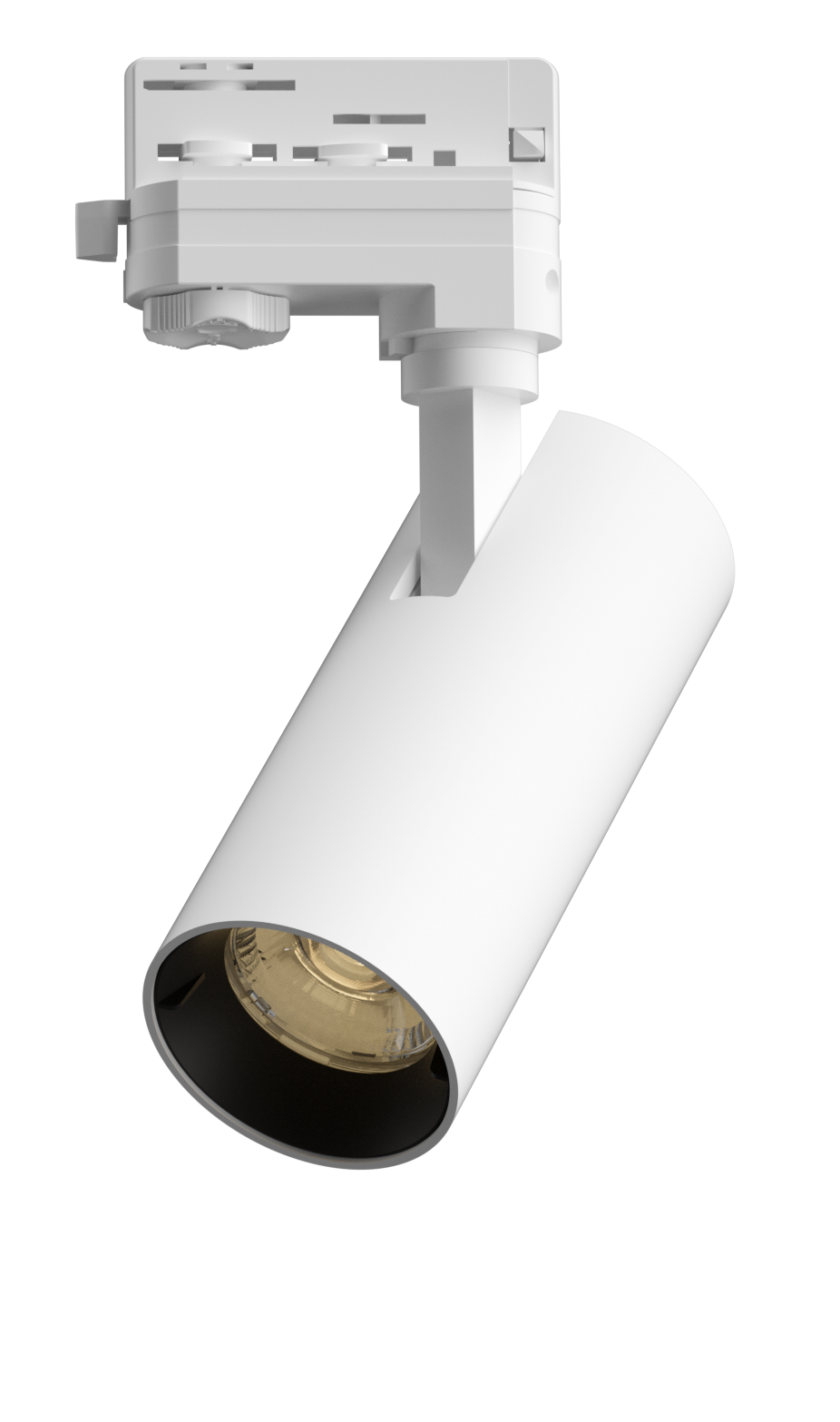
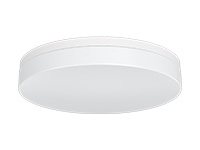
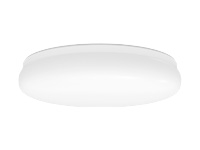
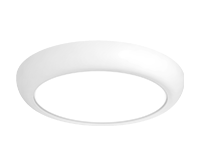
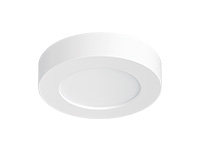
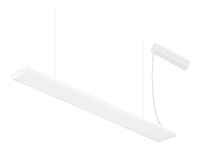
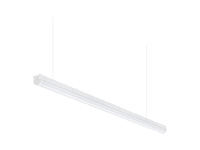
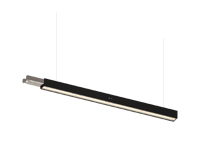
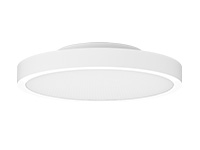
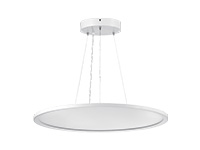
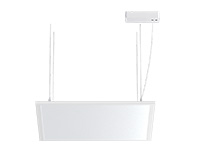

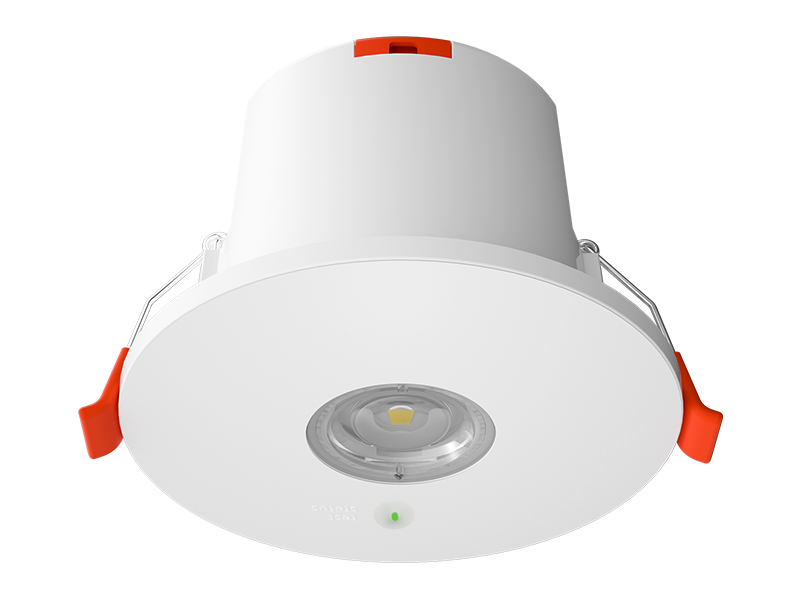


Installing and maintaining a durable Emergency light fixture requires attention to mounting methods, battery care, and regular testing cycles. IMIGY Lighting's voyager Emergency Blade Exit Sign and Guard Fit Emergency Downlight are engineered for long-term reliability with LiFePO4 battery technology, protection class II design, and multiple test modes including Self-Test and DALI-2. Proper installation — whether surface-mounted or recessed — combined with routine maintenance ensures the Emergency lighting system remains compliant with international standards year after year.
A durable Emergency light fixture starts with quality components and ends with correct installation and maintenance. The voyager Blade Exit Sign supports ceiling, recessed, suspension, track, wall, and flag mounting. The Guard Fit Emergency Downlight offers surface-mounted and recessed installation with IP65 protection. Both products feature LiFePO4 batteries with ≥3 hours emergency discharge and Self-Test or DALI-2 modes for automated compliance. Whether you need a Square emergency light for exit signage or a Round emergency light for area illumination, understanding the installation steps and maintenance checklist is essential for long-term performance.
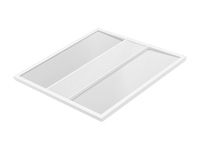
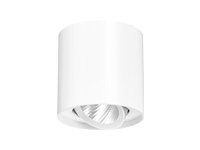
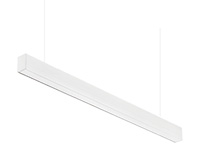
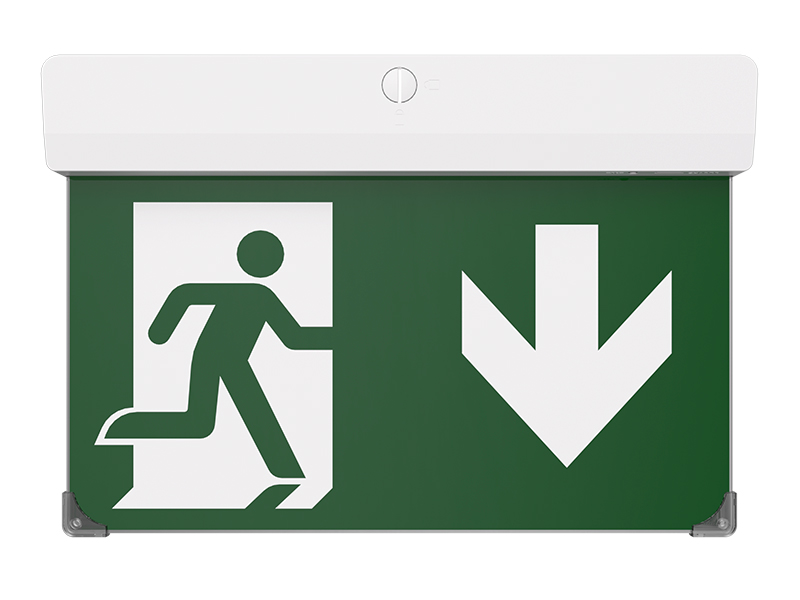
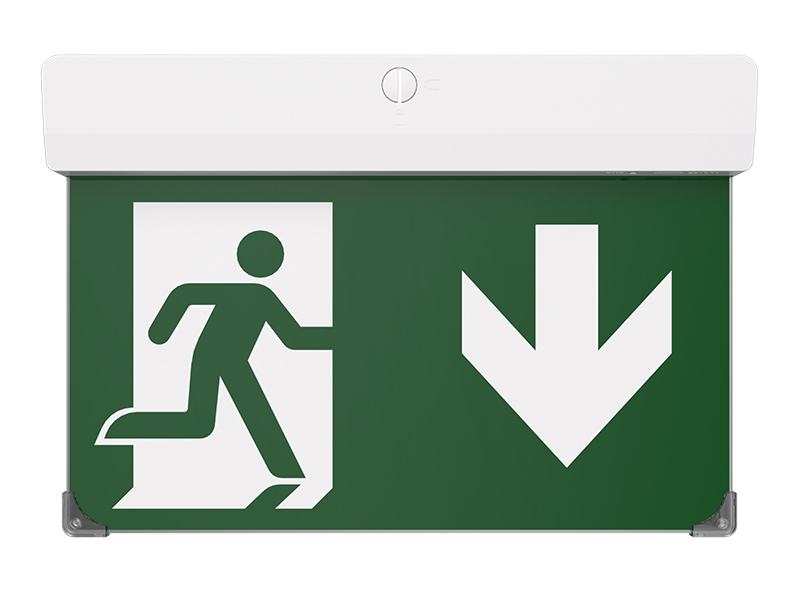
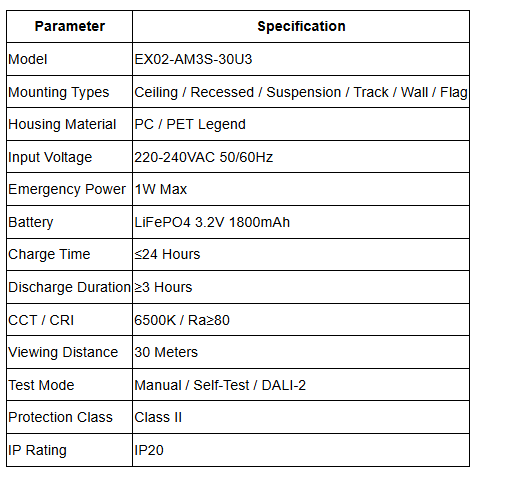
The voyager Blade Exit Sign (model EX02-AM3S-30U3) is a certified LED emergency light designed for flexible installation. It supports six mounting types: ceiling, recessed, suspension, track, wall, and flag mounted. Before installation, ensure the power supply is switched off and the mounting surface is flat and secure. For recessed mounting, cut the opening according to the housing dimensions and secure the fixture with clips — never use the term "seamless" to describe the installation. For ceiling or wall mounting, use the provided bracket and screws. After fixing, connect the 220-240VAC input and verify the LED indicator shows charging status.
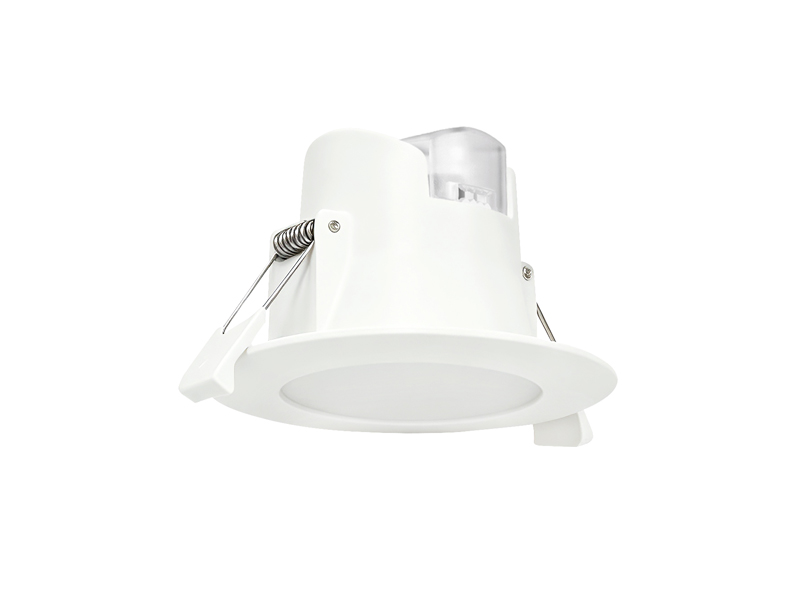
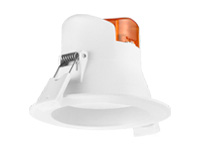
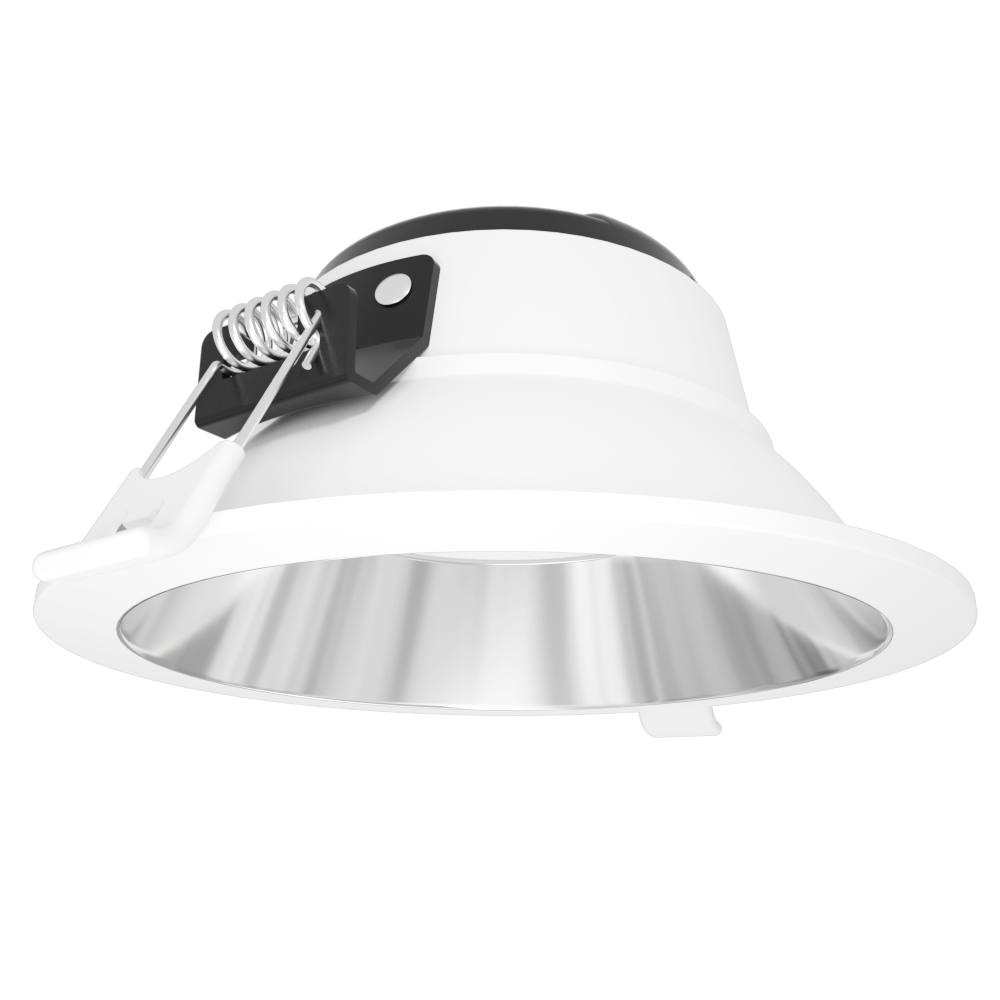
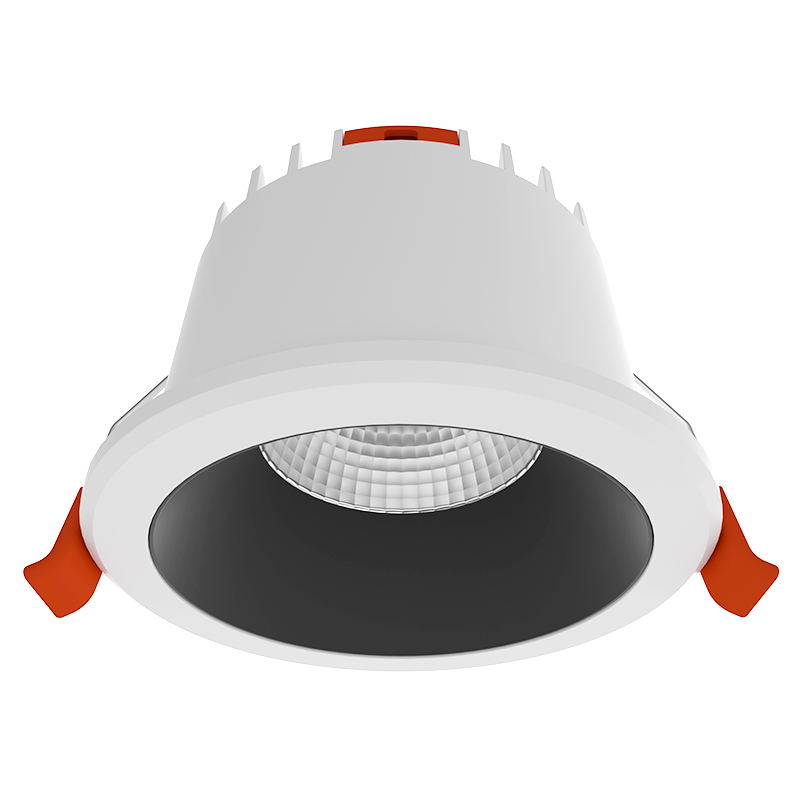
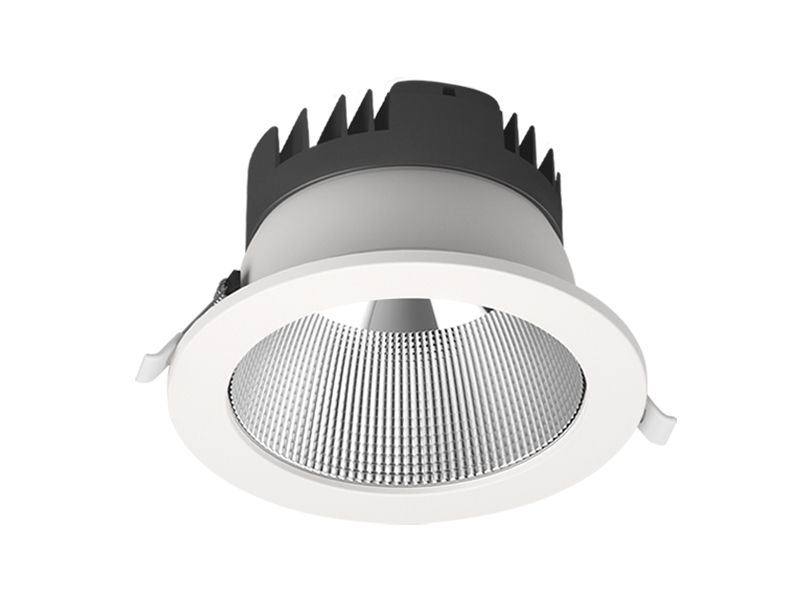
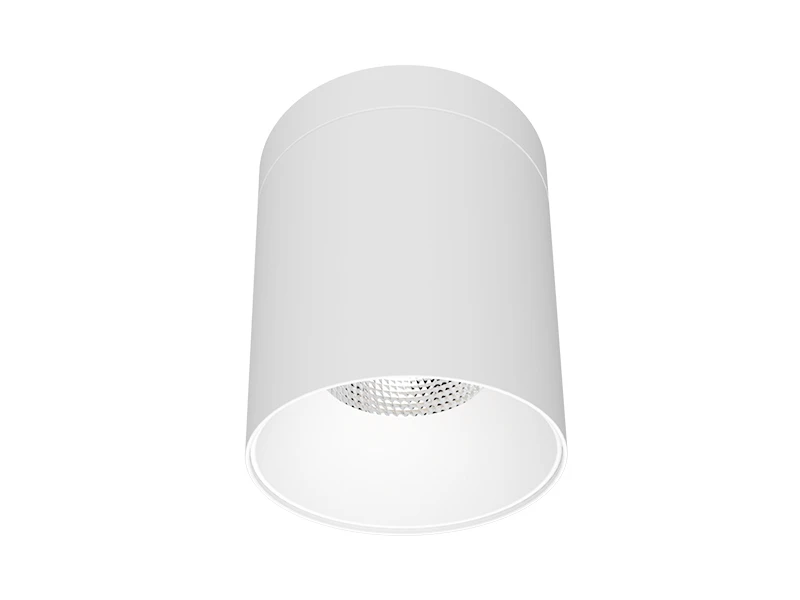
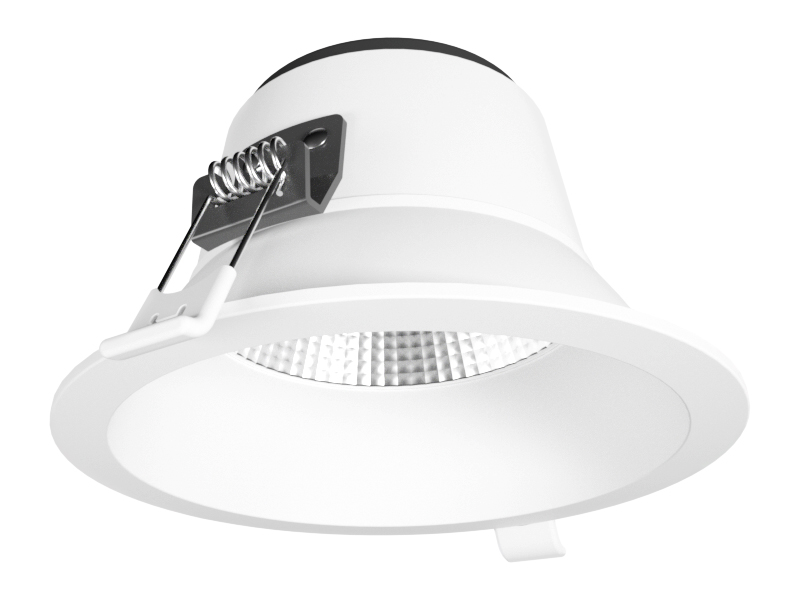
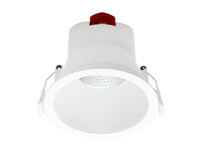
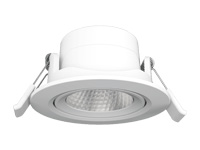
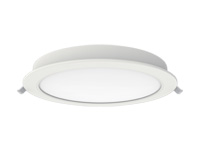
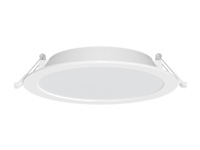
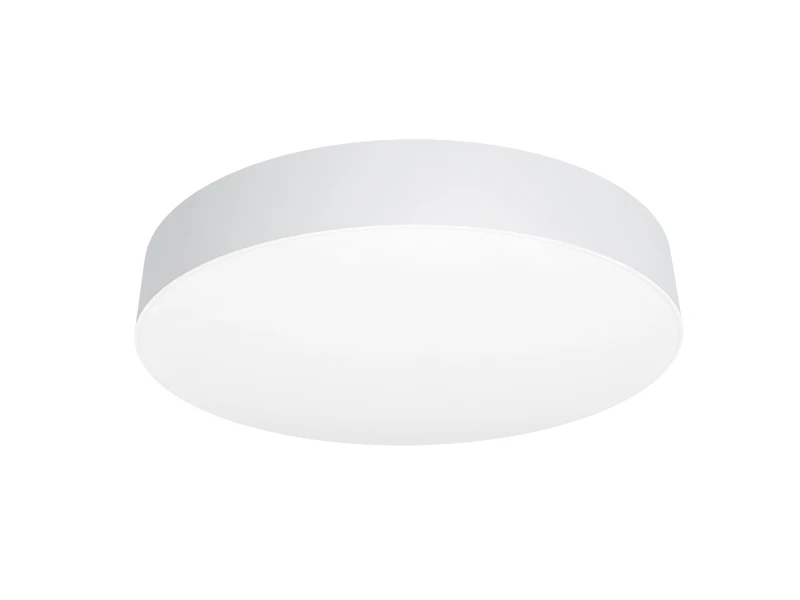
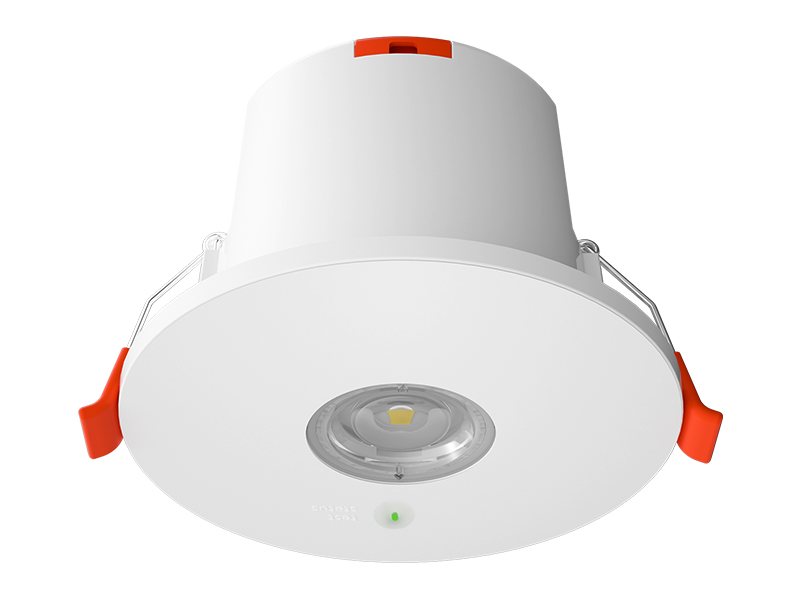
The Guard Fit (model ED1090-AM3SA-N) is an IP65-rated Emergency light fixture suitable for both surface-mounted and recessed installation. For surface mounting, use the base plate as a template to mark screw positions, drill holes, and secure the base. Attach the fixture body and select the appropriate lens — round lens for open areas, oval lens for corridors. The D170mm ring is available as an accessory. For recessed installation, cut the ceiling opening, connect the wiring, and push the fixture into place. The housing secures with spring clips. The Guard Fit's compact profile and high-end optical design allow greater spacing between fixtures.
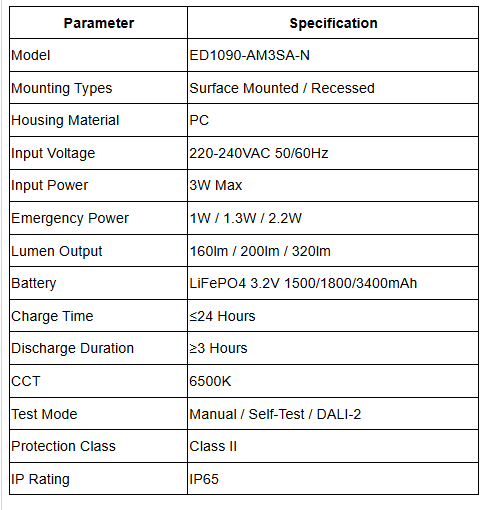
Emergency lighting systems require periodic testing to ensure compliance with standards. The voyager and Guard Fit both offer Self-Test mode, which automatically performs function and duration tests at scheduled intervals. For manual testing, press the test button on the fixture to simulate a power failure and verify the LED emergency light activates correctly. The LiFePO4 battery should maintain reliable performance for hundreds of charge cycles. Keep the housing and lens clean from dust accumulation, especially for IP20-rated indoor fixtures. The Guard Fit's IP65 rating makes it suitable for areas with higher moisture or dust exposure.
A Square emergency light like the voyager Blade Exit Sign is ideal for corridors, stairwells, and exit doorways where directional guidance is critical. Its 30-meter viewing distance ensures clear visibility even in large spaces. A Round emergency light like the Guard Fit Downlight is better suited for open-plan offices, lobbies, and common areas where uniform illumination is needed during power outages. The Guard Fit's interchangeable lens system — round for open areas, oval for corridors — adds flexibility to the same fixture. Both products operate in Non-Maintained mode as standard, meaning the light activates only when mains power fails.
When selecting an Emergency light fixture, consider these factors for easy installation and minimal maintenance:
· Mounting type compatibility with your ceiling or wall structure
· Battery type: LiFePO4 for longer cycle life and reduced replacement frequency
· Test mode: Self-Test or DALI-2 for automated compliance reporting
· IP rating: IP20 for indoor dry areas, IP65 for wet or dusty environments
· Protection class: Class II for double insulation, no earth connection required
· Available finishes: white and black options for architectural integration
Q: How often should emergency lighting be tested?
A: Most standards recommend a monthly function test of 30 seconds and an annual full duration test of 3 hours. Self-Test mode automates both cycles.
Q: Can the voyager Blade Exit Sign be installed on a suspended ceiling?
A: Yes, it supports suspension mounting in addition to ceiling, recessed, track, wall, and flag mounting.
Q: How do I change the lens on the Guard Fit Emergency Downlight?
A: The round and oval lenses are interchangeable. Simply twist or unclip the existing lens and replace with the desired shape.
Q: What does Non-Maintained mode mean?
A: Non-Maintained mode means the Emergency lighting fixture remains off during normal mains power and only illuminates when the mains supply fails.
Q: Is the Guard Fit suitable for outdoor covered areas?
A: Yes, with an IP65 rating, it is suitable for semi-outdoor environments such as covered walkways, balconies, and carports.
It is recommended that you upgrade the latest browser
 Chrome
 Firefox
 Edge
Edge